
How to Evaluate a Green Material Production Line for Energy Use, Output, and Product Quality




Start with the process window, because a green material production line is only worth selecting when it can hold energy use, output, and quality inside a stable operating range at the same time. Nameplate capacity says very little if the line needs frequent thermal correction, extended warm-up periods, high recirculation, or heavy sorting at the end of the line. A useful evaluation begins with the material route: feedstock condition, moisture variation, particle size distribution, binder behavior, forming pressure, drying profile, firing or curing temperature, and final application tolerance. Once that chain is clear, equipment choices become easier to judge.
The first technical screen is whether the line matches the material itself. Green materials are not one family. Lightweight wall panels, fly ash blocks, foamed silicate boards, recycled mineral products, extruded insulation bodies, and low-clinker composite products all respond differently to shear, heat, residence time, and moisture migration. A line that performs well with narrow feed consistency may struggle when the raw mix contains recycled fines, variable ash, cullet, slag, or mineral fibers. When reviewing proposals, focus on how the process handles fluctuation rather than how it behaves under ideal laboratory conditions. A robust line usually shows where it can absorb feed variation through dosing control, pre-mixing, granulation, staged drying, or flexible burner adjustment.
Energy Use Has to Be Read as a Process Pattern
Energy evaluation should separate thermal demand from electrical demand, then connect both to throughput and quality. Thermal demand often dominates in kilns, dryers, autoclaves, curing chambers, and calcination sections. Electrical demand becomes more important in crushing, grinding, batching, vacuum extrusion, high-pressure molding, fans, conveyors, and dust collection. Looking at only total installed power can lead to a wrong choice, especially when one design has lower motor power but longer residence time or poorer insulation.
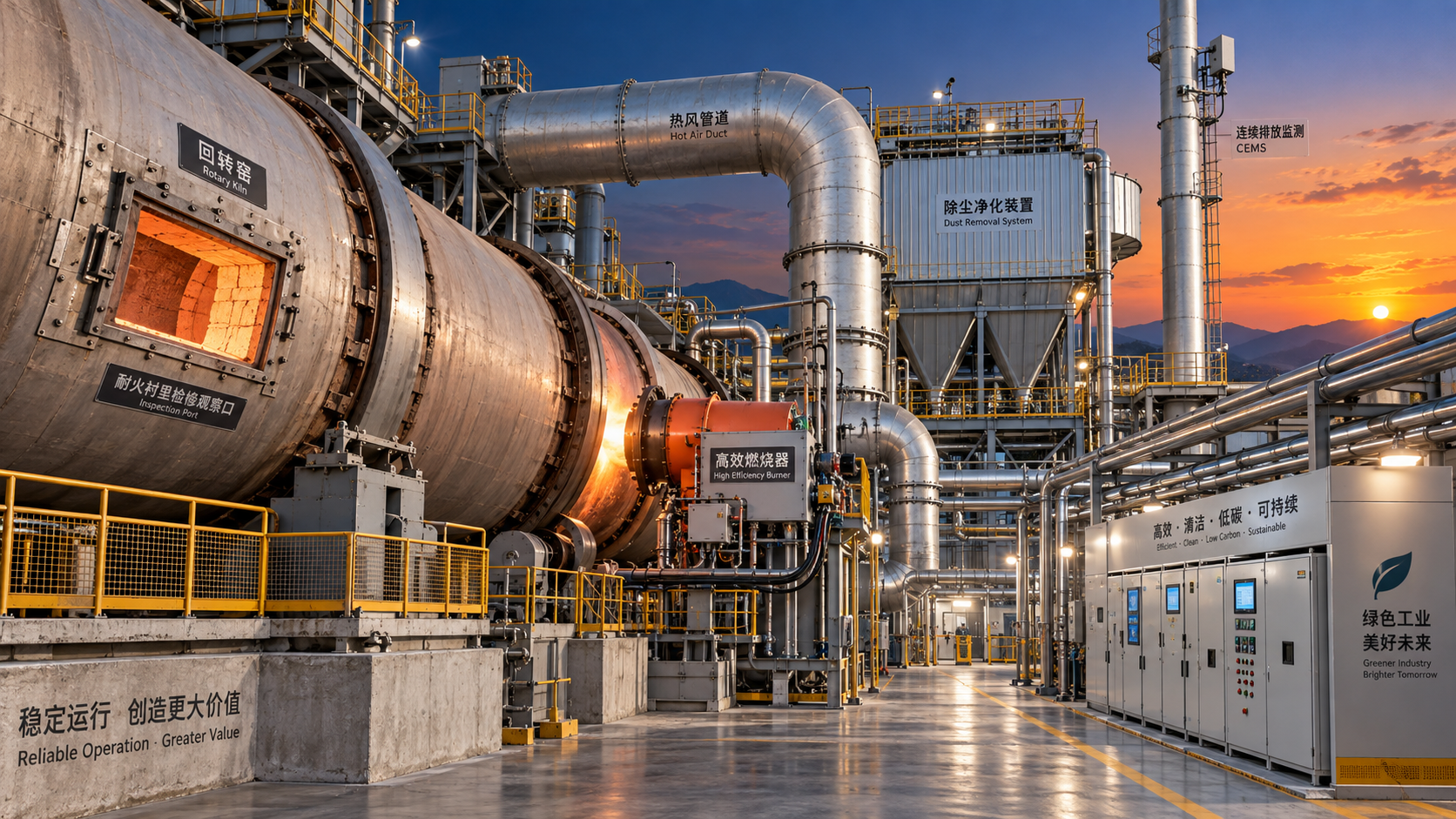
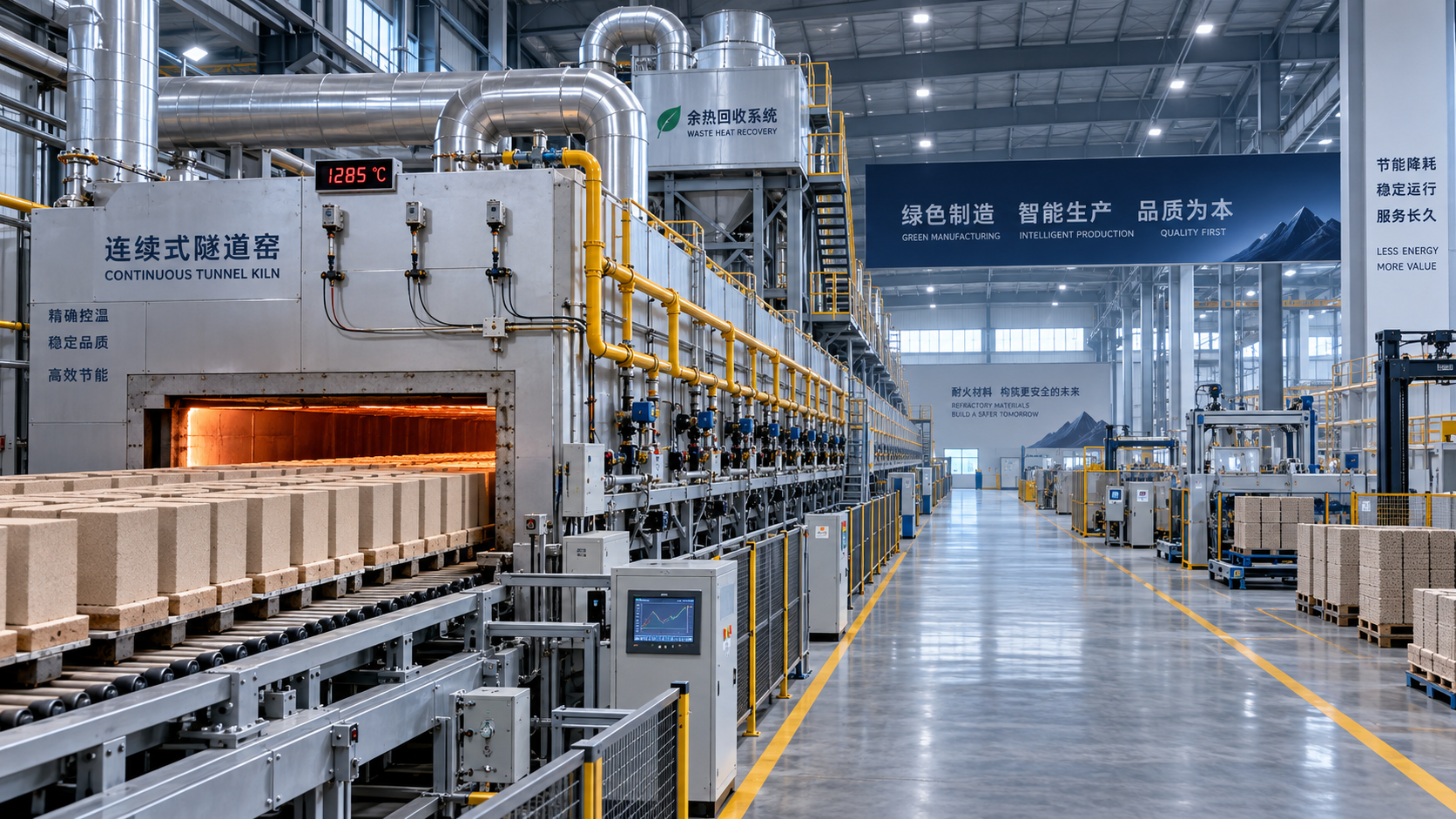
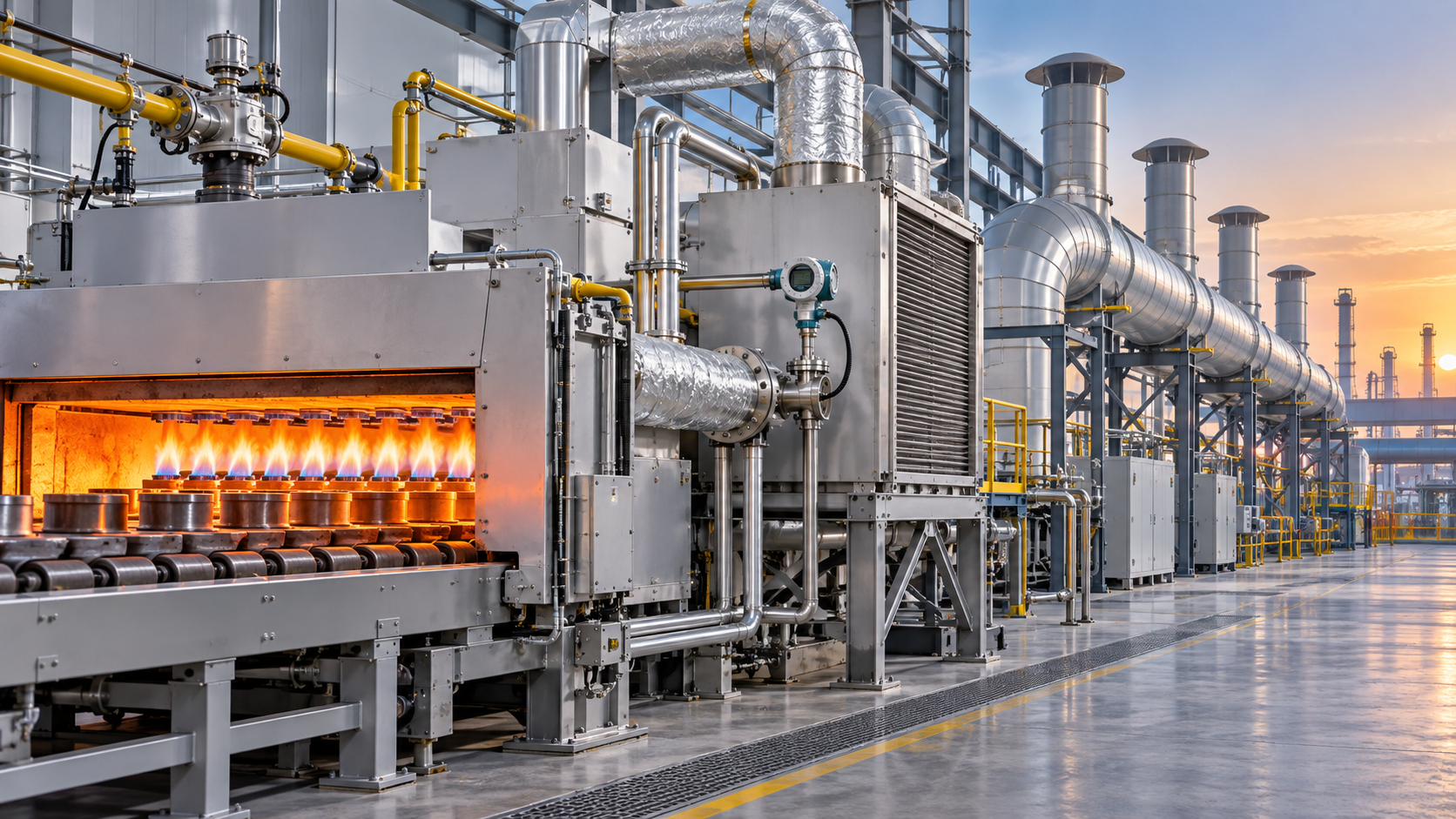
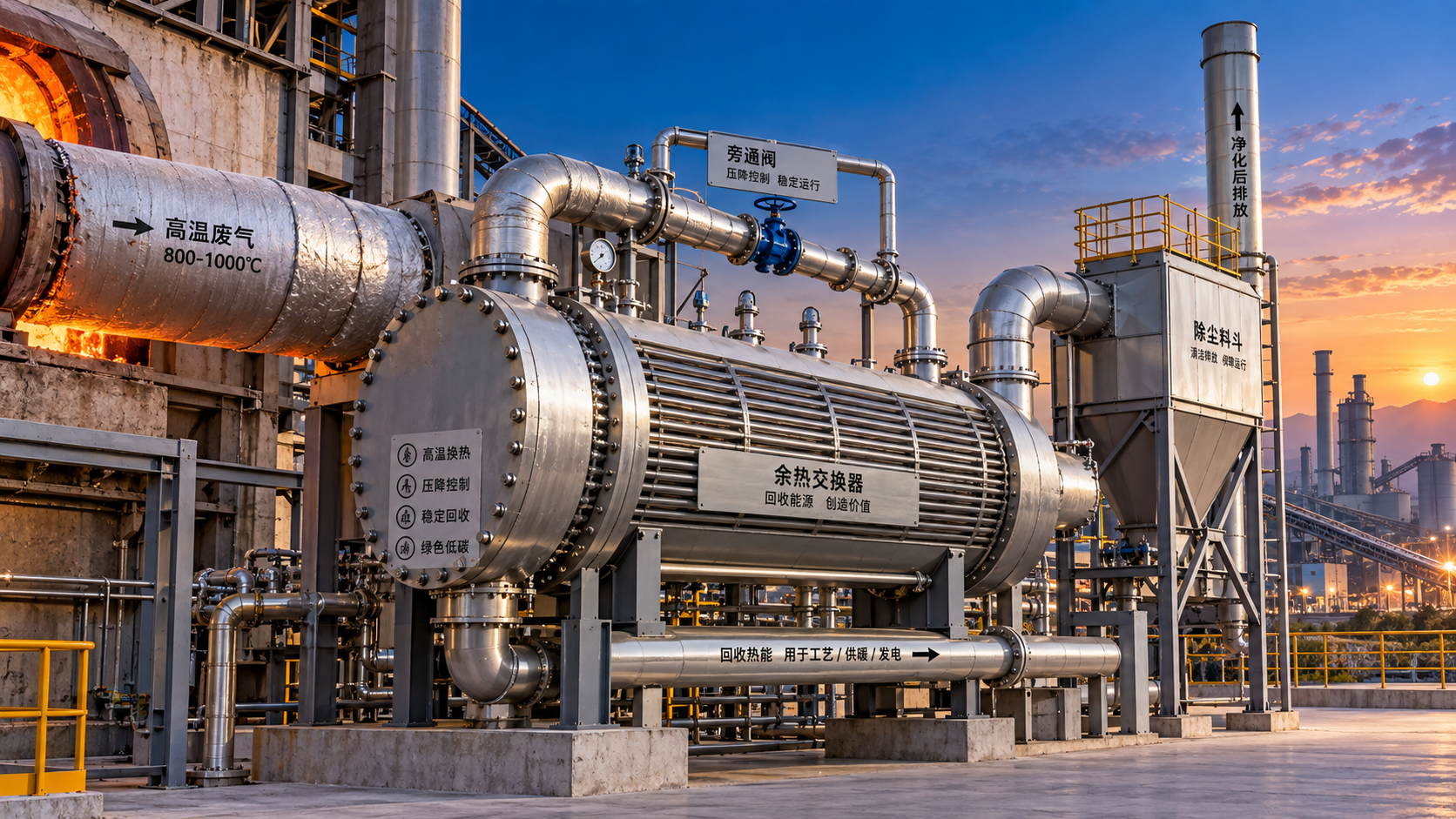
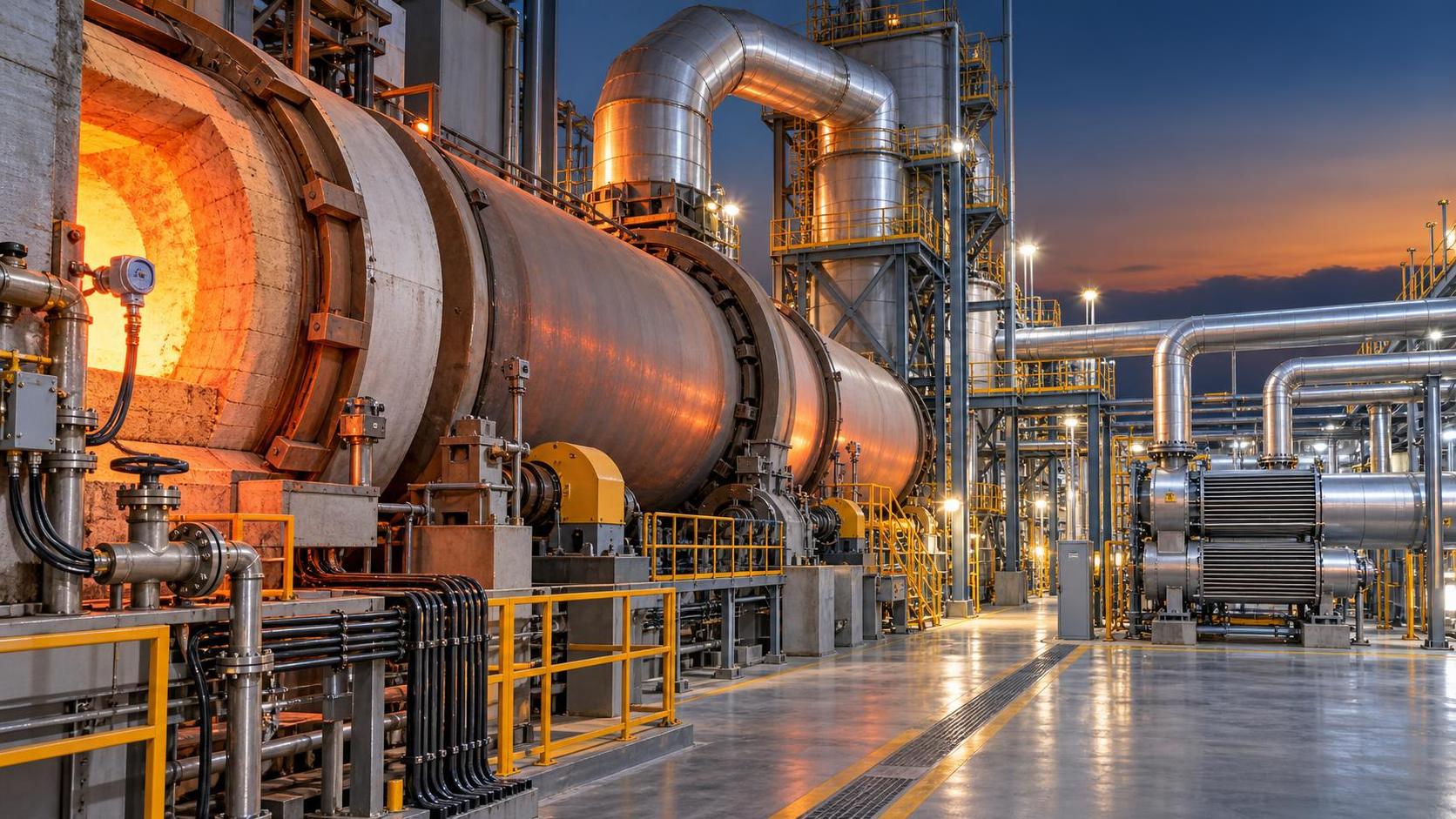
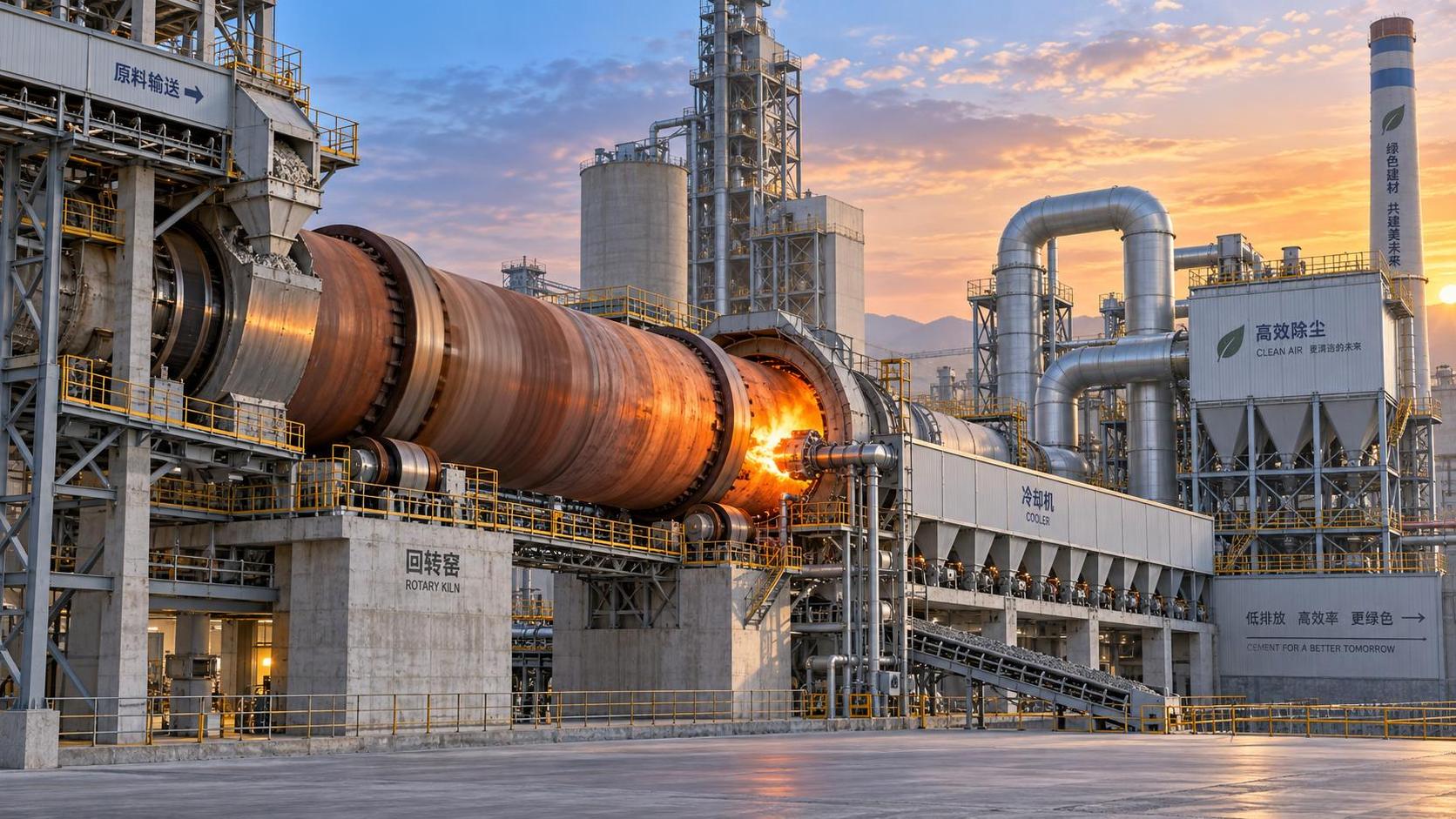
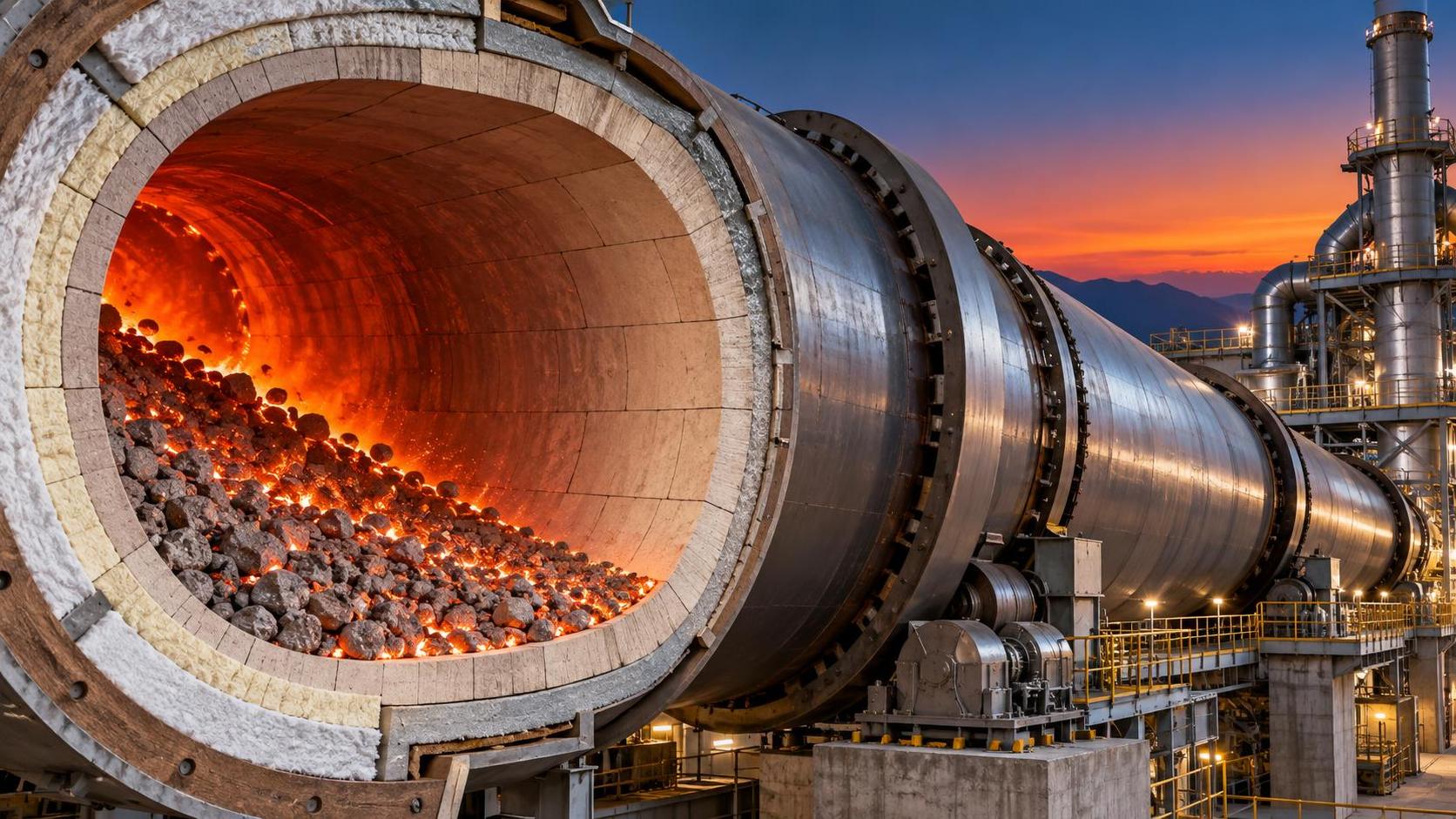
For thermal sections, pay attention to heat source type, burner turndown capability, combustion air management, lining design, and heat recovery opportunities. In a rotary kiln or tunnel kiln, the real question is whether temperature uniformity is maintained without overfiring the edges of the process window. In a drying system, ask whether the line relies on high air volume to compensate for weak heat transfer, because that can push fan energy up and may also create nonuniform moisture removal. Where waste heat integration is proposed, assess the actual temperature level and contamination risk of that stream. Low-grade heat may be useful for preheating air or materials, but not every line can turn a warm exhaust stream into a meaningful reduction in core fuel demand.
Electrical use should be reviewed under load, not at idle or partial demonstration conditions. Extrusion lines for green building materials often show acceptable connected load on paper, yet actual energy per ton rises when vacuum stability is poor, screw wear increases resistance, or cutter synchronization causes stoppages. In milling and classification systems, the energy burden can shift sharply if recycled fractions are harder than expected or if moisture causes buildup. Variable-frequency drives, staged fan operation, and automatic shutdown of auxiliary loops matter because parasitic loads accumulate over long production cycles.
A practical comparison metric is specific energy tied to accepted output rather than gross throughput. If one line produces more off-spec boards, warped blocks, cracked tiles, or density-out material, its true energy performance is worse even when fuel meters look attractive. This point is easy to miss in short factory visits where only steady-state samples are shown.
Throughput Should Be Tested Against Stability, Not Peak Claims
Output evaluation needs more than one capacity number. For a green material production line, compare design throughput, stable throughput, and saleable throughput. Design throughput reflects the equipment envelope. Stable throughput reflects what the line can sustain without quality drift or maintenance escalation. Saleable throughput removes rejects, trim loss, startup waste, and downgraded product. The gap between these values often reveals more than the headline figure.
Residence time is central here. In drying and firing sections, throughput cannot be judged independently from internal heat and mass transfer. Faster line speed may raise nominal output, but if core moisture remains high or internal stress is locked into the product, quality losses appear downstream during cutting, stacking, transport, or installation. In extrusion systems, throughput can increase at the cost of die pressure, screw temperature, or dimensional drift. In pressed products, more stroke rate may reduce green strength if venting and fill consistency are not controlled.
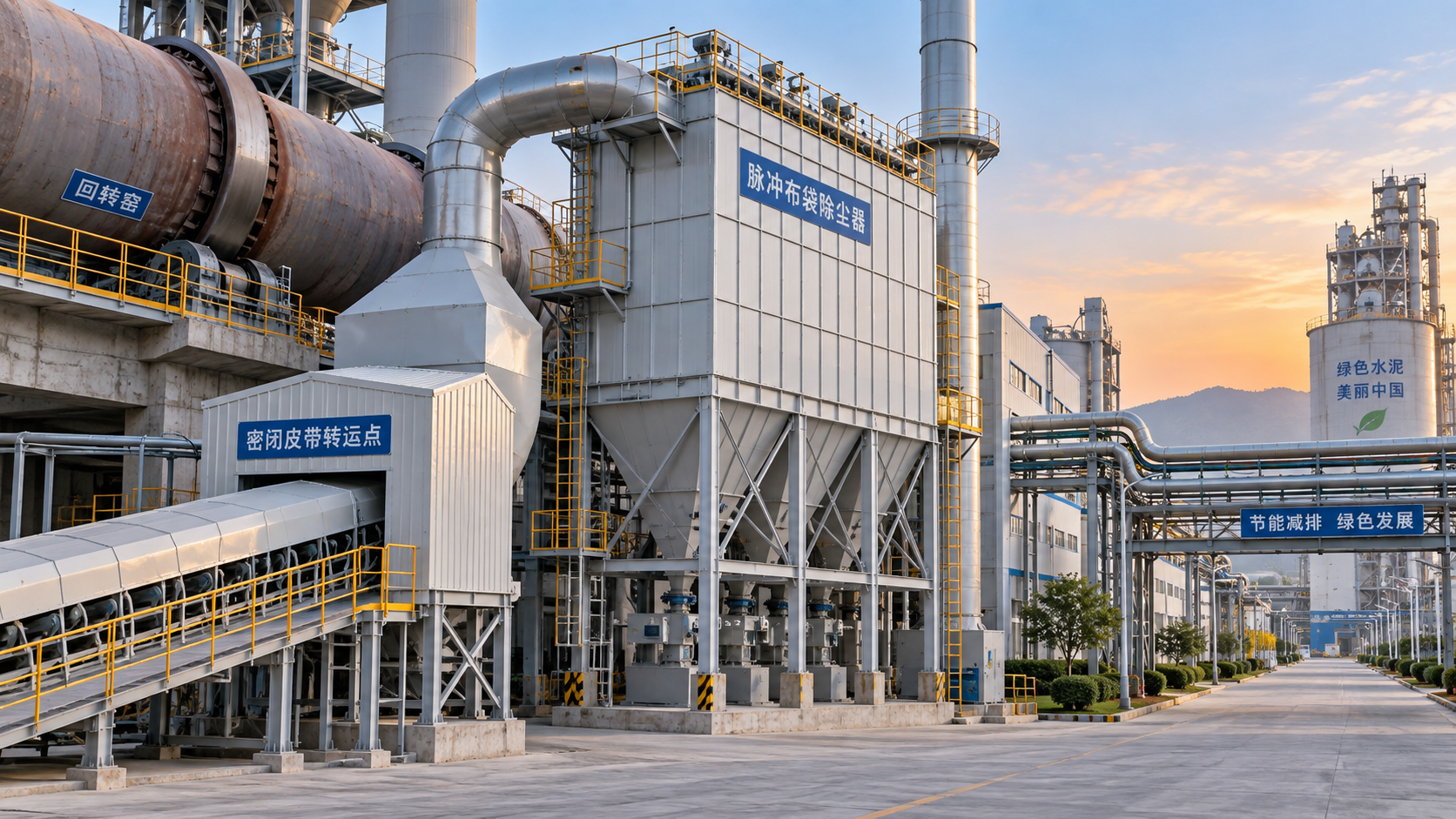
Buffer design also matters. Many lines appear productive when each machine is viewed separately, but bottlenecks emerge at transitions: silo discharge to mixer, mixer to feeder, feeder to extruder, dryer infeed, kiln car loading, or post-cure packaging. Watch for transfer points where sticky mixes bridge, fragile green bodies deform, or dust extraction steals heat from the process area. If a line depends on manual intervention at these points, output stability may be lower than expected even with competent operators.
Maintenance-linked output loss is another area where selection errors happen. A high-speed machine with frequent die cleaning, chain adjustment, refractory patching, or bearing replacement may produce less over a full campaign than a slower but steadier line. Ask for wear parts logic in relation to the processed material. Abrasive ash, silica-rich mixtures, recycled glass fines, and fibrous additives can sharply change the maintenance pattern.
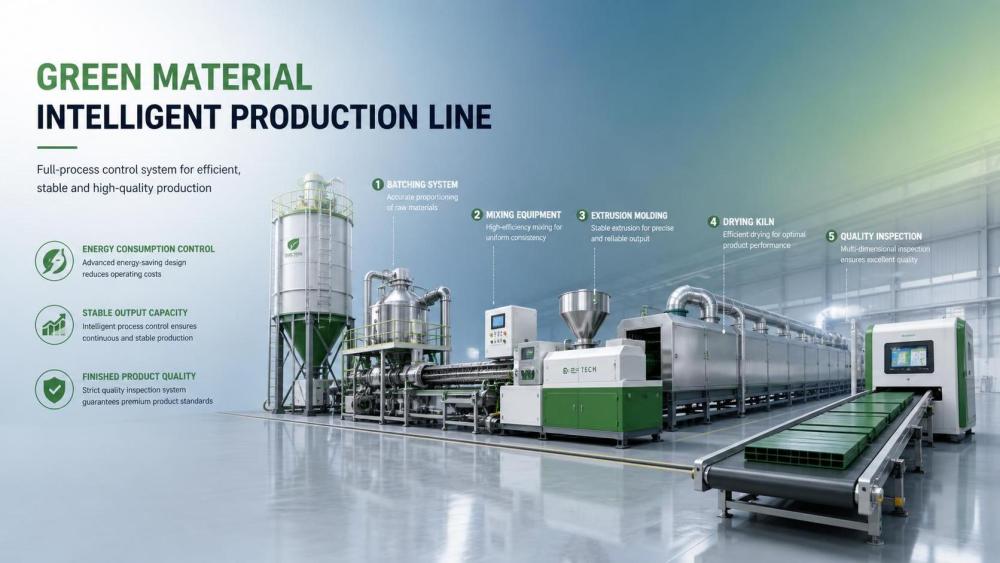
Quality Should Be Measured at Several Points, Not Only at Final Packing
Product quality in green materials is usually a layered result: chemistry, structure, geometry, surface condition, and in-service behavior all matter. A line may deliver acceptable compressive strength while still showing weak edge integrity, poor moisture resistance, unstable density, or uneven thermal conductivity. That is why evaluation should follow the product from raw mix preparation to final handling.
At the front end, uniformity of feeding and mixing sets the ceiling for later quality. Segregation in bins, inaccurate micro-dosing, poor binder dispersion, or recycled content with inconsistent fineness can create defects that no downstream control can fully remove. For lines using mineral powders and additives, examine feeder resolution, batching repeatability, and cleanout access. Dead zones in hoppers and mixers are often a source of lot-to-lot inconsistency.
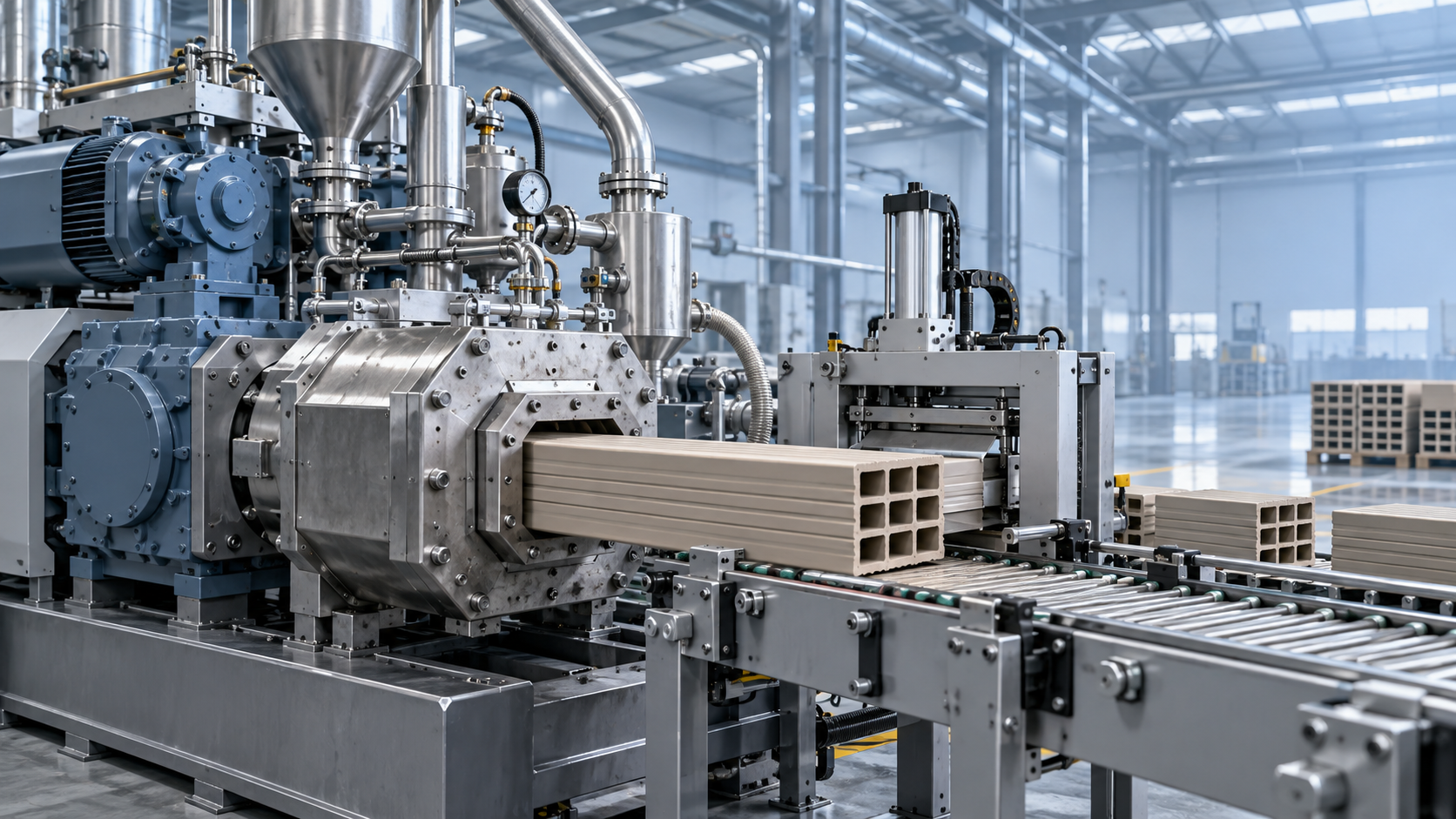
Forming quality comes next. In extrusion, review vacuum level stability, screw compression behavior, die design, and temperature rise across the barrel. These factors affect lamination, cracking tendency, and dimensional accuracy. In pressing or molding lines, pressure profile, filling uniformity, and mold release behavior influence density variation and corner defects. In foamed or aerated materials, bubble distribution, slurry rheology, and cutting timing are often more important than gross machine speed.
Thermal treatment then decides whether the internal structure is fixed properly. Drying is commonly underestimated. Rapid surface drying can seal the outside of a board or block while trapping moisture inside, leading to later warpage or cracking. In kiln-fired products, temperature ramps, soak time, and cooling gradients govern shrinkage, phase development, and residual stress. In steam-cured or autoclaved materials, pressure stability and condensate management affect microstructure and strength development. A line with excellent forming equipment can still produce inconsistent material if the thermal section is coarse in control or poorly insulated.
Final quality assessment should include what happens after the line, not only at discharge. Fragile edges, dusting surfaces, and hidden internal cracks often appear during palletizing, forklift handling, road transport, or cutting on site. If the product is intended for façade panels, partition blocks, insulating boards, or refractory backup shapes, dimensional repeatability and breakage resistance during installation may be as important as laboratory values. A technically strong line usually shows how it protects product quality in conveying, stacking, and packaging, especially when the product is green or only partially cured at the handling stage.
Control Architecture Often Separates a Usable Line from a Difficult One
Instrumentation should be judged by where it sits in the process and what action it can trigger. Temperature measurement in one zone means little if burner or airflow control cannot respond with enough precision. Moisture sensing is useful only when feed correction, dryer speed, or air balance can be adjusted in time. For grinding and mixing systems, current draw, weight feedback, level detection, and pressure signals should support stable operation rather than simply alarm after drift has already affected product quality.
Review sensor placement carefully. Surface temperature readings may miss core thermal lag. Single-point moisture sampling may not represent a wide bed. Load cells can be undermined by buildup, vibration, or mechanical binding. In dusty silicate lines, reliability of sensors and cable routing matters because maintenance burden can become a hidden operating cost. Manual fallback mode is worth examining too. Some lines perform well only when all sensors are clean and calibrated; others remain manageable during partial instrument failure. That difference has direct consequences for both output and quality.
Utilities, Layout, and Installation Constraints Change Real Performance
A production line should be evaluated in the context of the plant that will host it. Fuel pressure stability, steam availability, water quality, compressed air dryness, electrical harmonics, ventilation, and floor loading can all affect process behavior. A dryer sized for a certain inlet humidity may operate differently in a coastal plant than in a dry inland environment. A vacuum extrusion line may suffer if power quality causes nuisance trips. Autoclave or curing systems can be sensitive to condensate return design and steam header pressure drop.
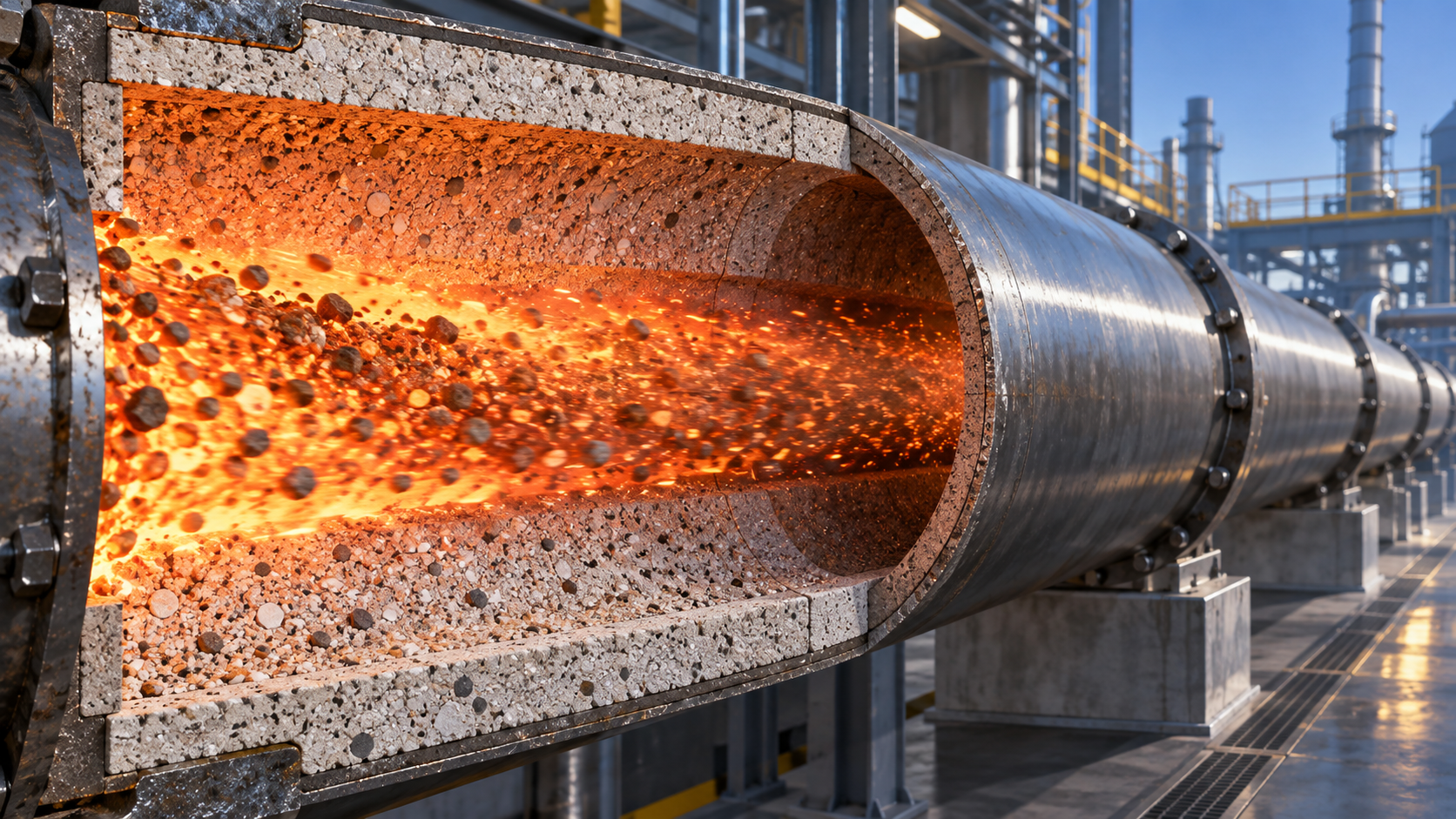
Layout has technical consequences beyond convenience. Long material transfer routes increase dust, segregation, and spillage. Tight maintenance access delays cleaning and inspection. Poor separation between hot zones and control cabinets shortens component life. If the line includes refractory-lined vessels, kilns, or high-temperature ducts, installation quality of anchors, expansion joints, and shell penetrations deserves attention because early thermal leakage or lining distress will affect both energy use and production continuity.
Transport and erection limits should also be considered before final selection. Oversized modules may require field cutting and reassembly, which can alter alignment or refractory integrity. Heavy sections may need foundation reinforcement beyond what appears in the base proposal. If the line depends on highly precise die alignment, rail straightness, or chamber sealing, the installation tolerance needs to be explicit.
Common Misreadings During Line Evaluation
Several errors appear repeatedly in technical comparisons. One is treating recycled content compatibility as a simple yes-or-no statement. In practice, a line may accept recycled minerals only within a narrow moisture band or fineness range, with different wear and heat demand than virgin feed. Another is assuming lower firing temperature automatically means lower energy cost. Longer residence time, weaker heat recovery, or higher reject rates can offset that advantage.
Short trial runs are also easy to overvalue. Many defects in a green material production line emerge after extended operation: die swelling as temperatures rise, dryer fouling, kiln pressure imbalance, buildup on burner blocks, wear on pug seals, or classifier drift. A line that looks clean and stable for a limited run may behave differently after several days on variable feed.
Another common mistake is evaluating quality only by average values. Average density, average strength, or average moisture can hide wide internal variation. For structural or insulating products, spread often matters more than center value because the weak or wet pieces drive failure in handling and installation. Whenever possible, inspect uniformity across width, along batch sequence, and between startup and stabilized production.
Finally, avoid isolating the main machine from the rest of the process. The kiln, extruder, press, dryer, or mixer may be technically sound while the feeders, combustion system, dust handling, or packaging section limit the whole line. Green material production depends on continuity. Weak auxiliaries often become the real performance ceiling.
Questions That Clarify the Better Option
When two lines appear close on paper, the better choice usually becomes visible through a few focused technical questions. Ask how the line responds to high-moisture feed, recycled fines, abrupt load reduction, and restart after an unscheduled stop. Ask what parameters operators change most often in normal production; frequent manual correction usually indicates a narrow stability window. Ask where the line tends to accumulate deposits, where wear is fastest, and which section most often controls campaign length. Answers to those points are often more useful than polished descriptions of automation or capacity.
It is also worth tracing one product property back through the process. If dimensional accuracy matters, examine feeder pulsation, forming pressure, cutter timing, and thermal shrinkage control. If density consistency matters, review mixing energy, air entrainment, mold filling, and drying rate. If thermal performance matters, study pore structure control, mineral phase development, and crack formation during cooling. This kind of reverse reading exposes whether the line truly supports the final material requirement or only reaches it under narrow conditions.
A sound evaluation ends when energy use, output stability, and product quality tell the same story. If one of the three depends on optimistic assumptions, the line still needs closer scrutiny.
Related News
 Structural Material AnalystHow Sustainable Material Extrusion Can Improve Wall Panel Durability and Design FlexibilityDiscover how sustainable material extrusion for wall panels improves durability, moisture resistance, design flexibility, and installation consistency for high-performing wall systems.Oct 01, 2026
 Thermal Energy ArchitectHow to Evaluate a High-Temperature Materials Manufacturer for Furnace ApplicationsChoose a high-temperature materials manufacturer with confidence: compare thermal performance, chemical resistance, quality controls, installation support, and lifecycle cost.Sep 30, 2026
 Ms. Elena RodriguezHow to Structure Global Specification Data for Faster Industrial Product EvaluationGlobal specification-oriented product information helps industrial teams compare capacity, energy, emissions, automation, and lifecycle data on a like-for-like basis for faster, confident equipment decisions.Sep 29, 2026
 Thermal Energy ArchitectHow to Specify High-Temperature Process Systems for Continuous Thermal OperationsHigh-temperature process engineering systems: learn how to specify resilient continuous thermal operations for efficiency, compliance, reliable uptime, and long-term performance.Sep 28, 2026
 Thermal Energy ArchitectHow to Evaluate a Thermal Engineering Contractor for High-Temperature Plant ProjectsChoose a thermal engineering contractor with proven process expertise, lifecycle value, emissions control, and delivery discipline for reliable high-temperature plant performance.Sep 27, 2026
 Silicate Process EngineerHow Latin American Cement Plants Can Reduce Dust Emissions in Kilns and Transfer PointsCement plant dust control Latin America: reduce kiln and transfer-point emissions with practical airflow, filtration, monitoring, and maintenance strategies.Sep 26, 2026
 Material Heat-Resist ExpertHow to Evaluate Refractory Production Lines for Output, Quality, and Energy UseRefractory production lines: learn how to assess qualified output, consistent quality, and total energy use for smarter, lower-risk investment decisions.Sep 25, 2026
 Dr. Alistair VaughnHow Waste Recycling Technology Improves Material Recovery in Industrial PlantsWaste recycling technology improves material recovery through source segregation, smart separation, thermal treatment, and quality control for industrial plants.Sep 24, 2026
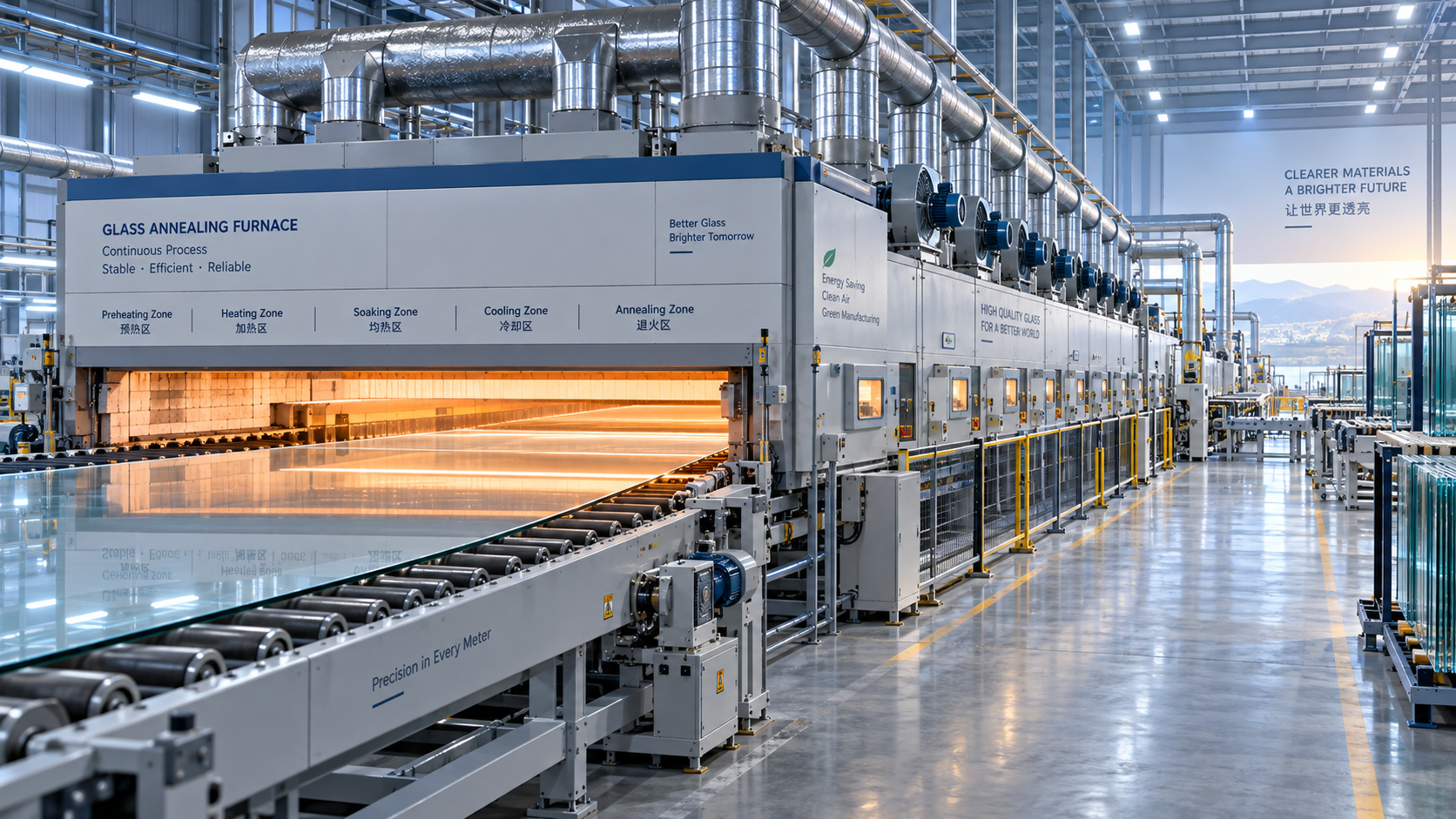
 Optical Glass Tech FellowHow to Specify Glass Annealing Equipment for European Quality and Energy RequirementsGlass annealing equipment Europe: learn how to specify lehrs for consistent glass quality, energy efficiency, compliance, automation, and reliable long-term performance.Sep 23, 2026
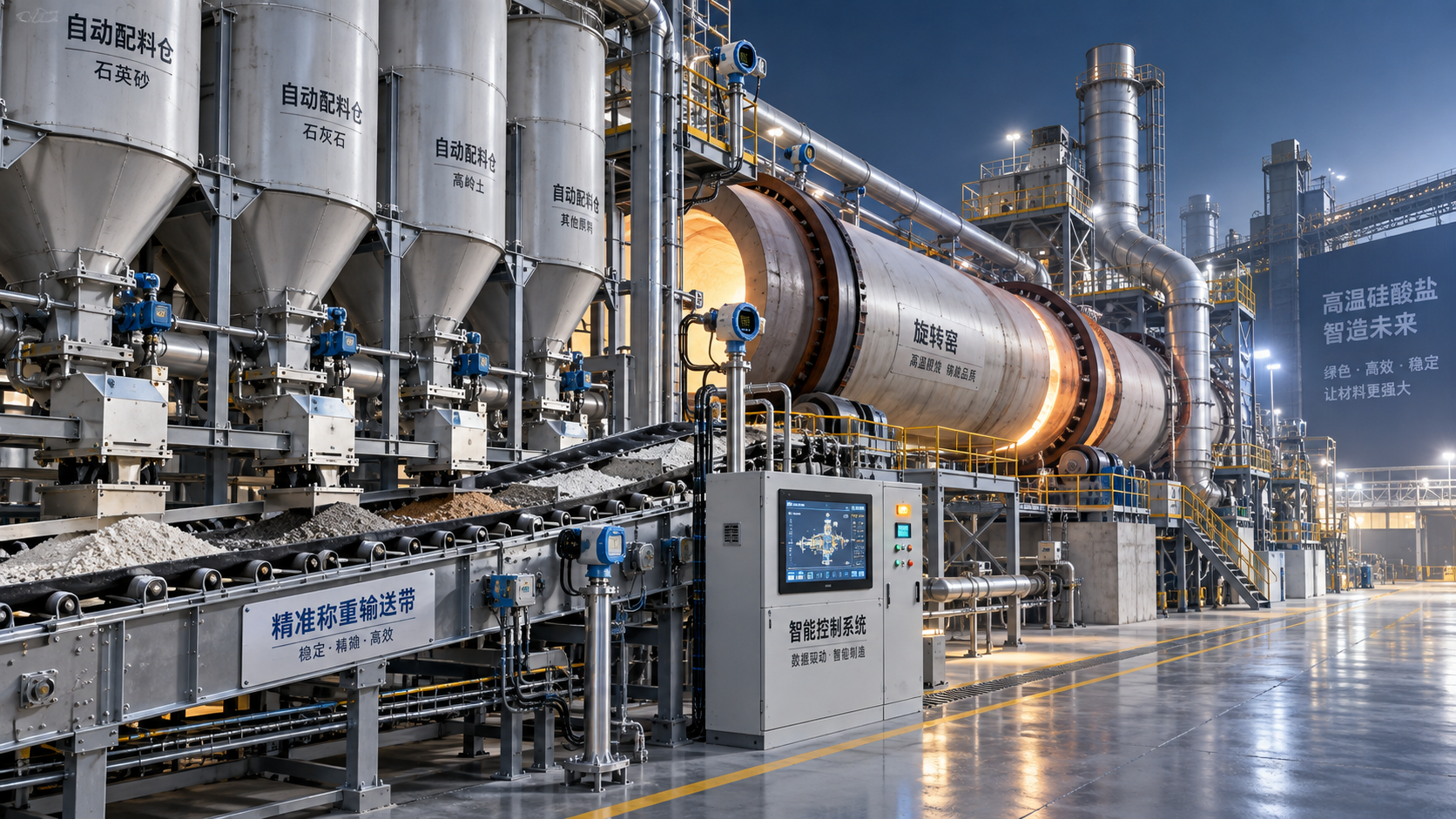
 Optical Glass Tech FellowSilicate Process Automation: Improving Batch Consistency and Energy ControlSilicate process automation improves batch consistency, energy control, traceability, and operator confidence across high-temperature manufacturing operations.Sep 22, 2026
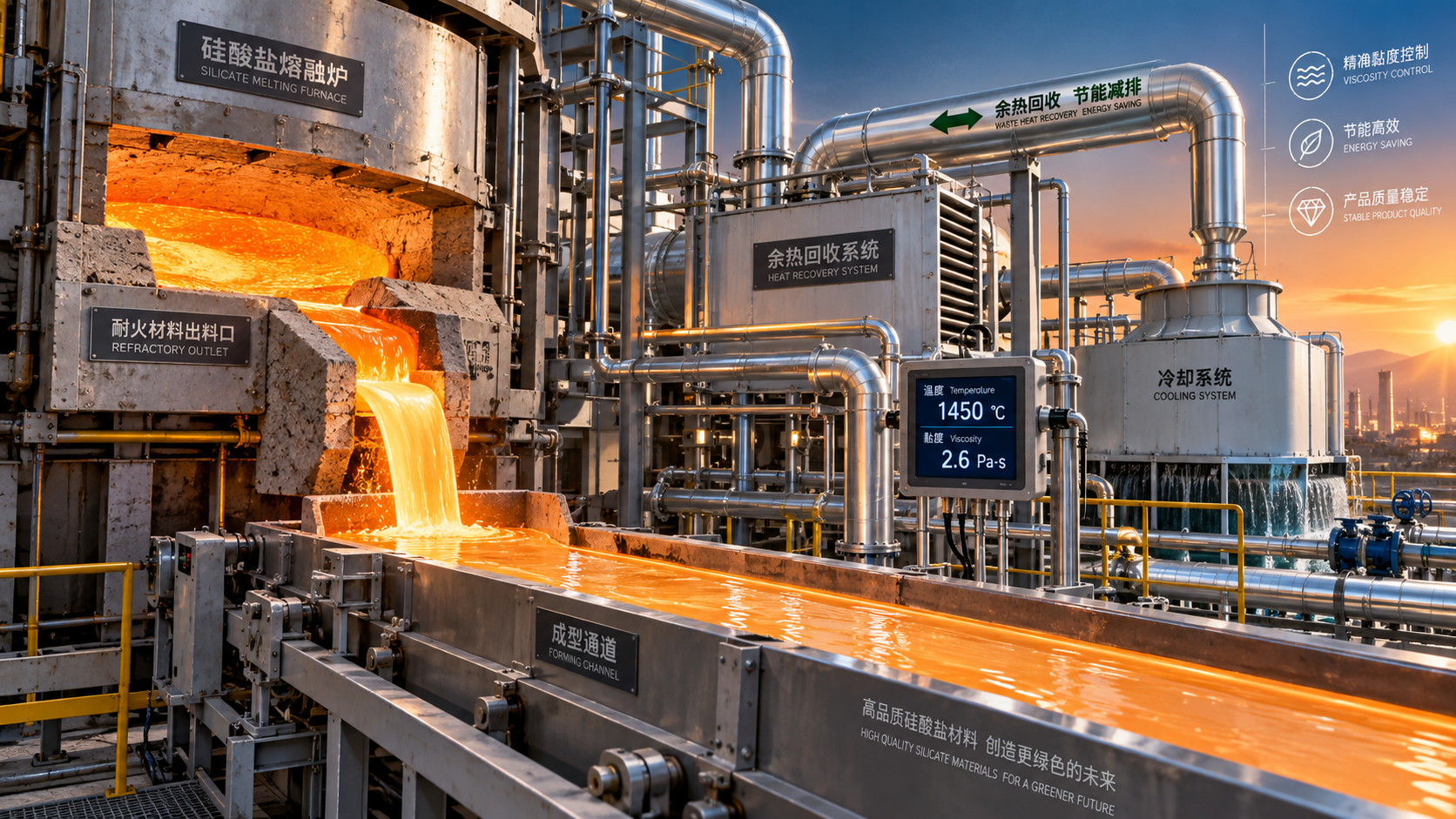
 Optical Glass Tech FellowHow Silicate Industrial Processes Control Viscosity, Energy Use, and Product QualitySilicate industrial processes: learn how viscosity, chemistry, heat transfer, and atmosphere control reduce energy use, improve stability, and protect product quality.Sep 21, 2026
 Thermal Energy ArchitectHow European Plants Can Evaluate Energy Recovery Equipment for High-Temperature ProcessesIndustrial energy recovery equipment Europe: learn how high-temperature plants can assess waste-heat sources, integration risks, lifecycle value, and reliable recovery routes.Sep 20, 2026
 Thermal Energy ArchitectIndustrial Furnace Process Optimization: Reducing Fuel Use Without Sacrificing ThroughputIndustrial process optimization furnace strategies that cut fuel use while protecting throughput. Explore combustion control, heat recovery, refractory performance, and data-driven efficiency gains.Sep 19, 2026
 Ms. Elena RodriguezWhat Drives High-Pressure Extrusion Equipment Cost in Industrial Projects?High pressure extrusion equipment cost explained: compare pressure, die design, automation, wear, energy, and installation factors for smarter industrial investments.Sep 18, 2026
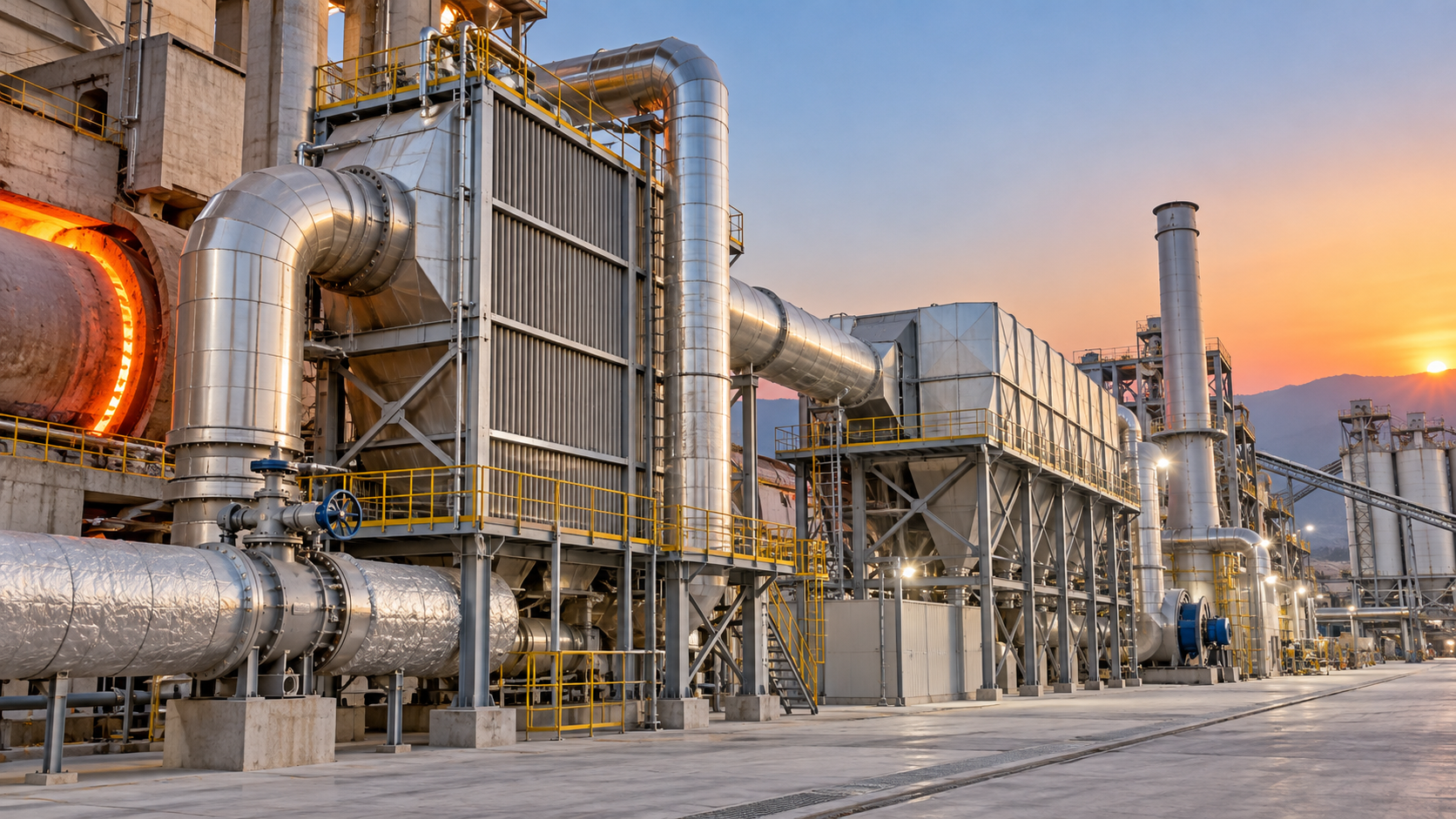
 Thermal Energy ArchitectHow to Size a Waste Heat Recovery Exchanger for High-Temperature Kiln Exhaust?Waste heat recovery exchanger sizing for high-temperature kiln exhaust: balance recoverable duty, fouling, corrosion limits, pressure drop, and reliable heat use.Sep 17, 2026
 Thermal Energy ArchitectWhy Heat-Resistant Materials Lose Abrasion Resistance at High TemperaturesHeat-resistant materials abrasion resistance can decline at high temperatures. Discover the thermal, chemical, and mechanical causes of wear—and how to choose longer-lasting linings.Sep 16, 2026
 Thermal Energy ArchitectHow to Evaluate a Thermal Energy Optimization Company for High-Temperature PlantsChoose a thermal energy optimization company with proven process expertise, measurable savings, and reliable delivery for high-temperature plants. Learn what to assess.Sep 15, 2026
 Thermal Energy ArchitectRotary Kiln Efficiency: How Feed Rate, Fuel Use, and Heat Loss Affect OutputRotary kiln efficiency explained: discover how feed rate, fuel use, heat loss, combustion, and cooling performance shape output, quality, and energy costs.Sep 14, 2026
 Thermal Energy ArchitectHow to Select Heat-Resistant Materials That Maintain Abrasion Resistance in KilnsHeat-resistant materials abrasion resistance: learn how to select kiln linings that withstand heat, wear, thermal cycling, and chemical attack for longer service life.Sep 13, 2026
 Thermal Energy ArchitectHow Rotary Kiln Automation Improves Temperature Control and Fuel EfficiencyRotary kiln technology automation enhances temperature control, stabilizes combustion, and improves fuel efficiency with smarter data, predictive control, and safer operations.Sep 12, 2026


Related News
- 00
0000-00
Thermal Energy Architecture in North America: Strategies for Lower Building Energy Use - 00
0000-00
How to Evaluate a Green Material Production Line for Energy Use, Output, and Product Quality - 00
0000-00
Silicate Technology Trends: What New Process Upgrades Matter for Refractory and Cement Plants? - 00
0000-00
Thermal Engineering Optimization: Which Process Parameters Most Affect Energy Use? - 00
0000-00
Material Extrusion Technology in Europe: Which Materials and Production Goals Fit Best?
Weekly Insights
Stay ahead with our curated technology reports delivered every Monday.