
Silicate Technology Trends: What New Process Upgrades Matter for Refractory and Cement Plants?




Silicate technology trends are changing the operating logic of refractory and cement plants. What once looked like a narrow process issue now affects fuel exposure, emissions risk, maintenance timing, and investment discipline.
That shift matters because high-temperature industries are under pressure from several directions at once. Plants must hold output, improve energy performance, and respond to tighter environmental expectations without creating unstable production lines.
In this setting, process upgrades are becoming strategic assets. The most relevant silicate technology trends are those that connect thermal behavior, material durability, digital visibility, and carbon-aware operating choices.
Why process upgrades now carry board-level weight
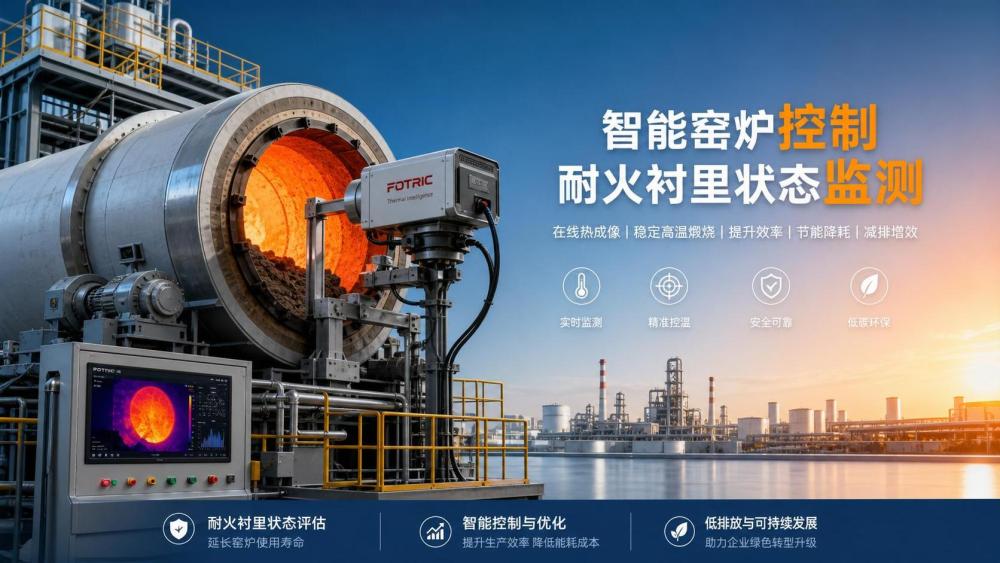
Cement and refractory production share a demanding reality. They depend on stable heat transfer, controlled residence time, raw material consistency, and linings that survive aggressive chemical and mechanical stress.
A small deviation inside the kiln can spread through the whole plant. It may raise fuel use, shorten refractory life, reduce clinker quality, or trigger unplanned shutdowns with heavy cost consequences.
This is why silicate technology trends deserve attention beyond engineering teams. They influence capital allocation, compliance planning, spare parts policy, and the ability to operate competitively in volatile energy markets.
CF-Elite tracks this intersection closely. Its intelligence model is useful because it connects process physics, reaction kinetics, and decarbonization pressures instead of treating them as separate topics.
What “silicate technology trends” really include
The phrase covers more than new machinery. In practice, it includes process control upgrades, thermal management tools, advanced refractory monitoring, cleaner combustion strategies, and better use of plant data.
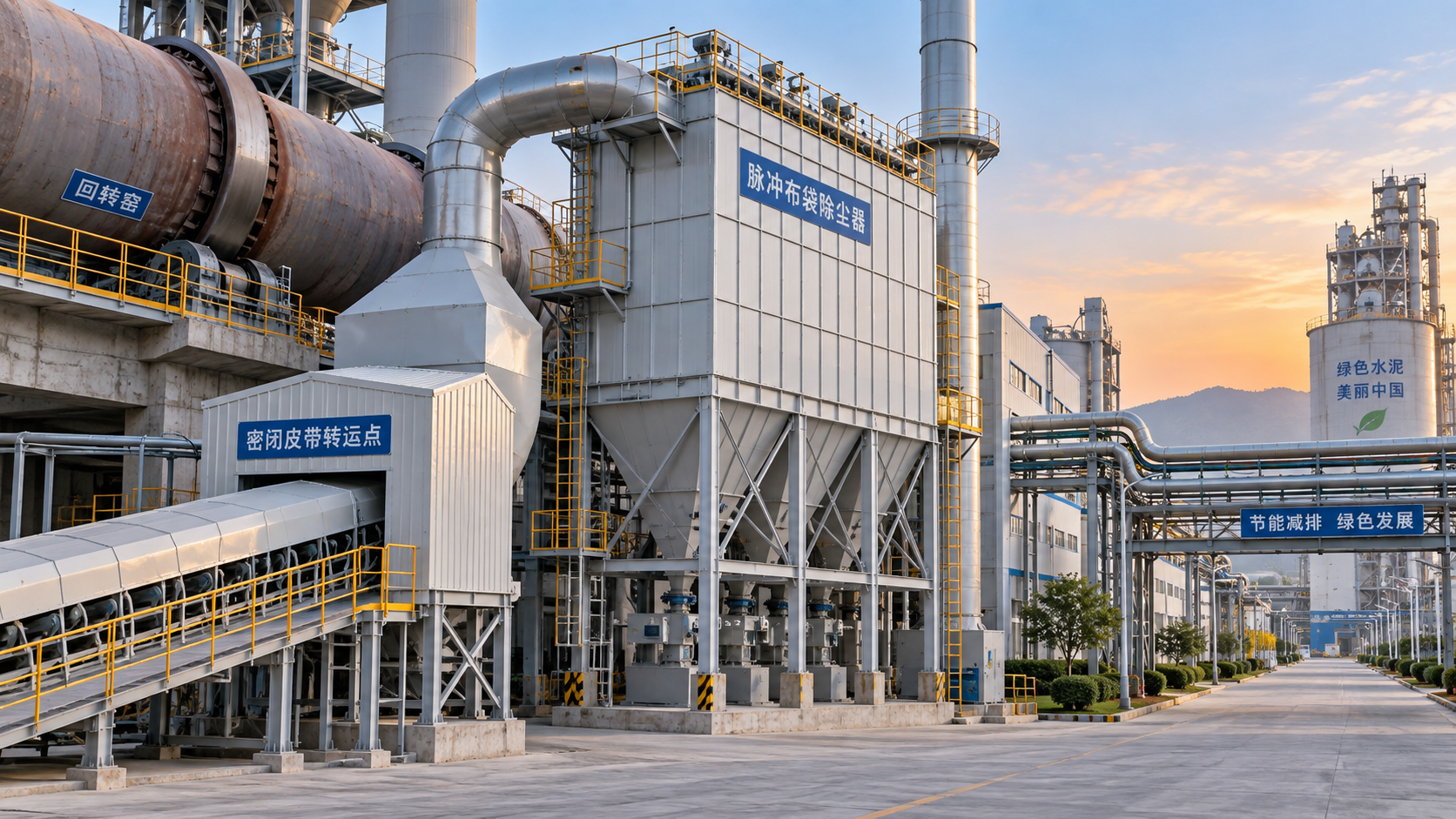
For cement plants, the focus often starts with kiln efficiency, grinding performance, alternative fuel integration, and dust or NOx control. For refractory lines, attention shifts toward firing stability, raw mix behavior, and lining reliability.
Across both sectors, the same principle applies. The upgrade that matters most is not the one with the strongest technical pitch, but the one that improves the full operating balance.
That balance includes throughput, thermal efficiency, emissions, product quality, uptime, and future flexibility. Many current silicate technology trends are valuable because they improve several of these variables at the same time.
The upgrades drawing the most attention
1. Smarter kiln and firing control
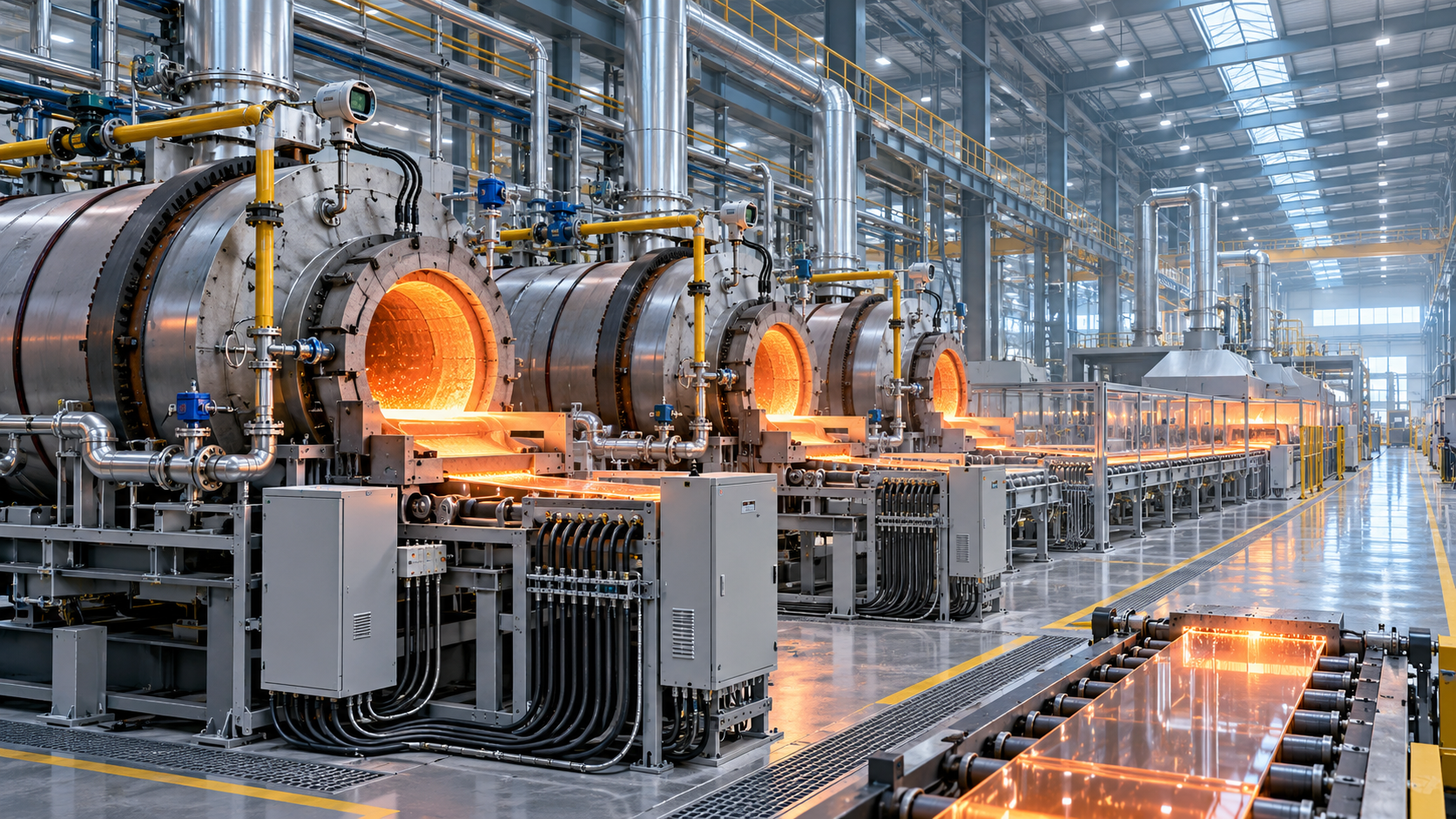
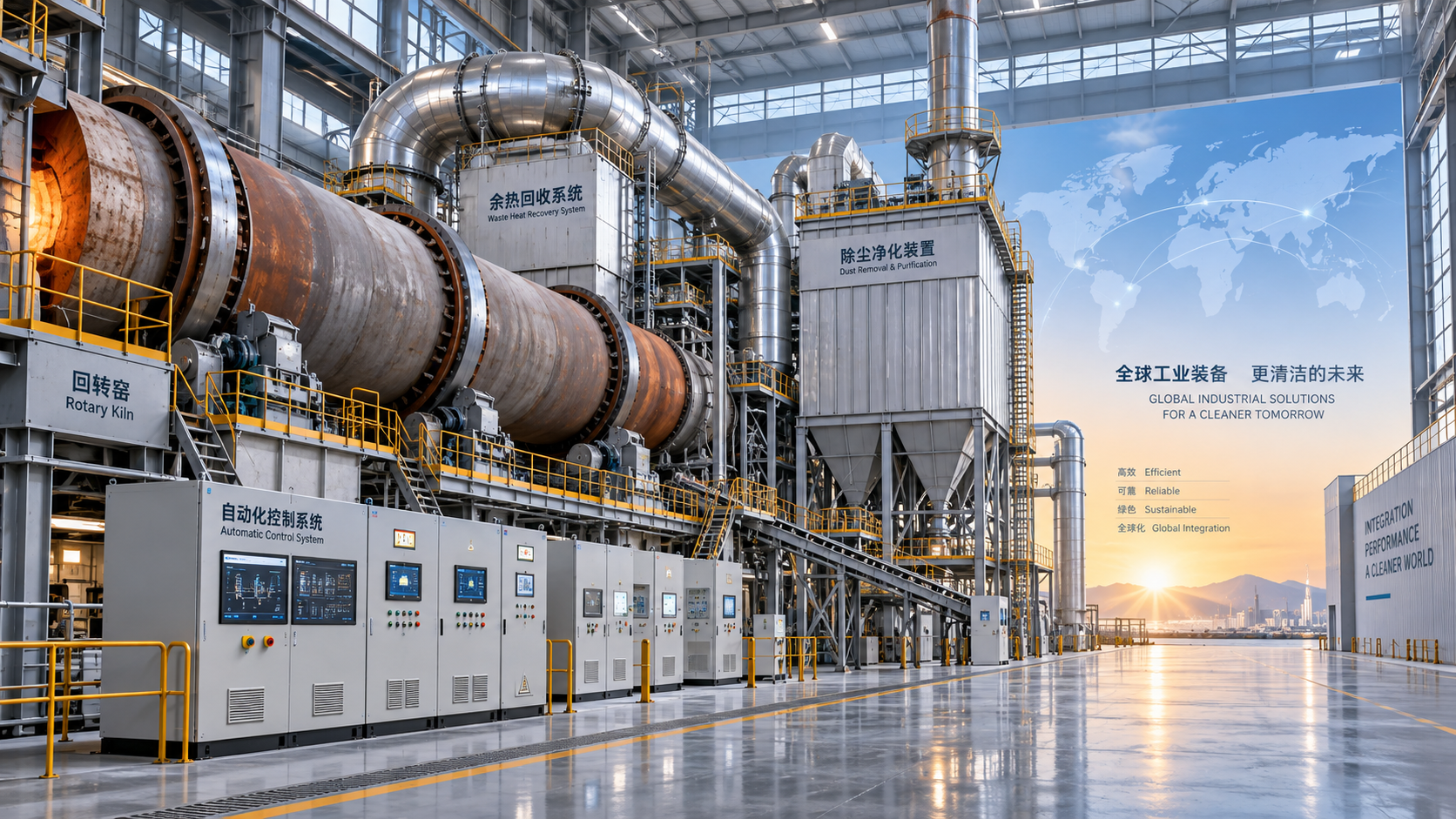
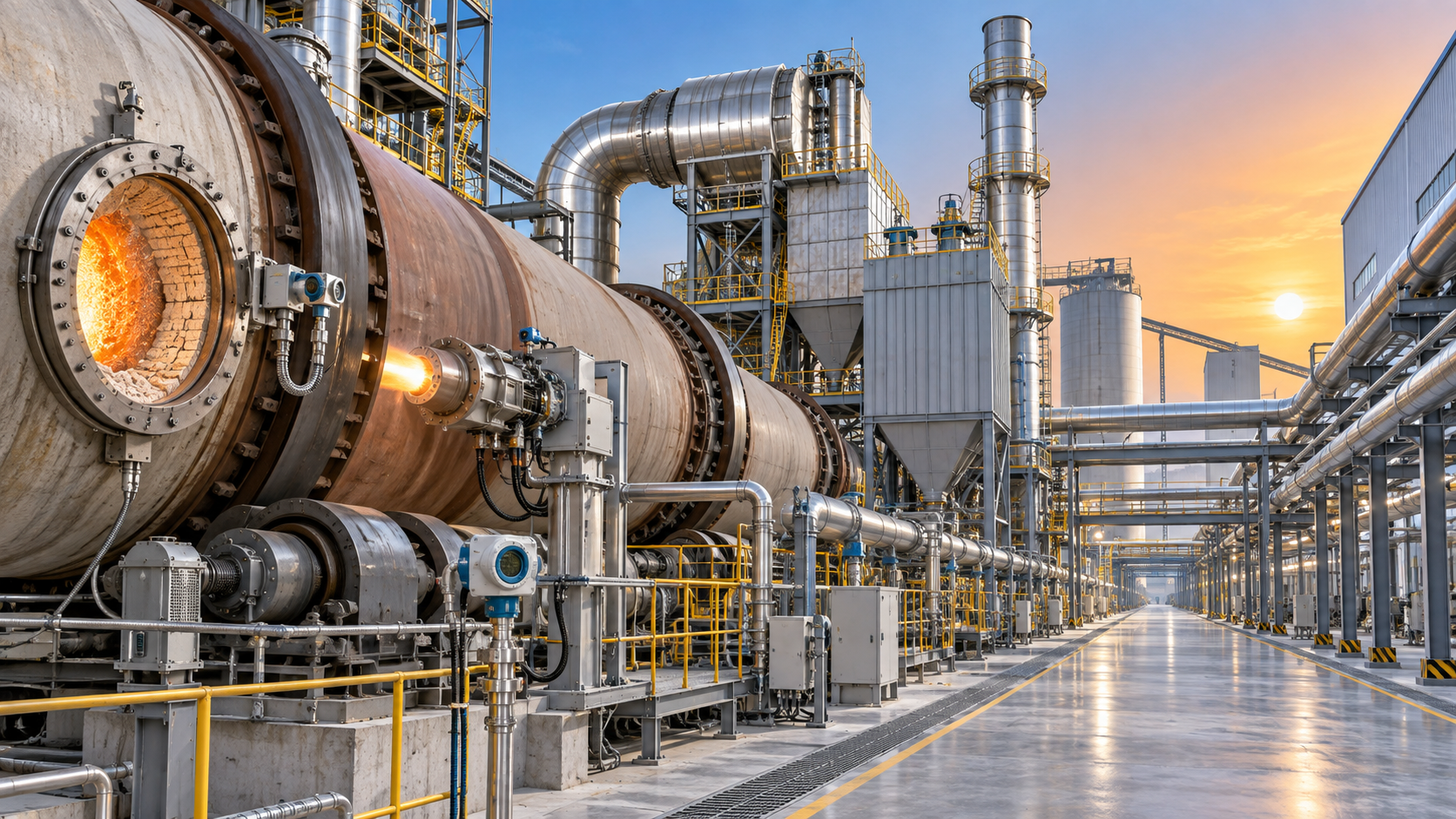
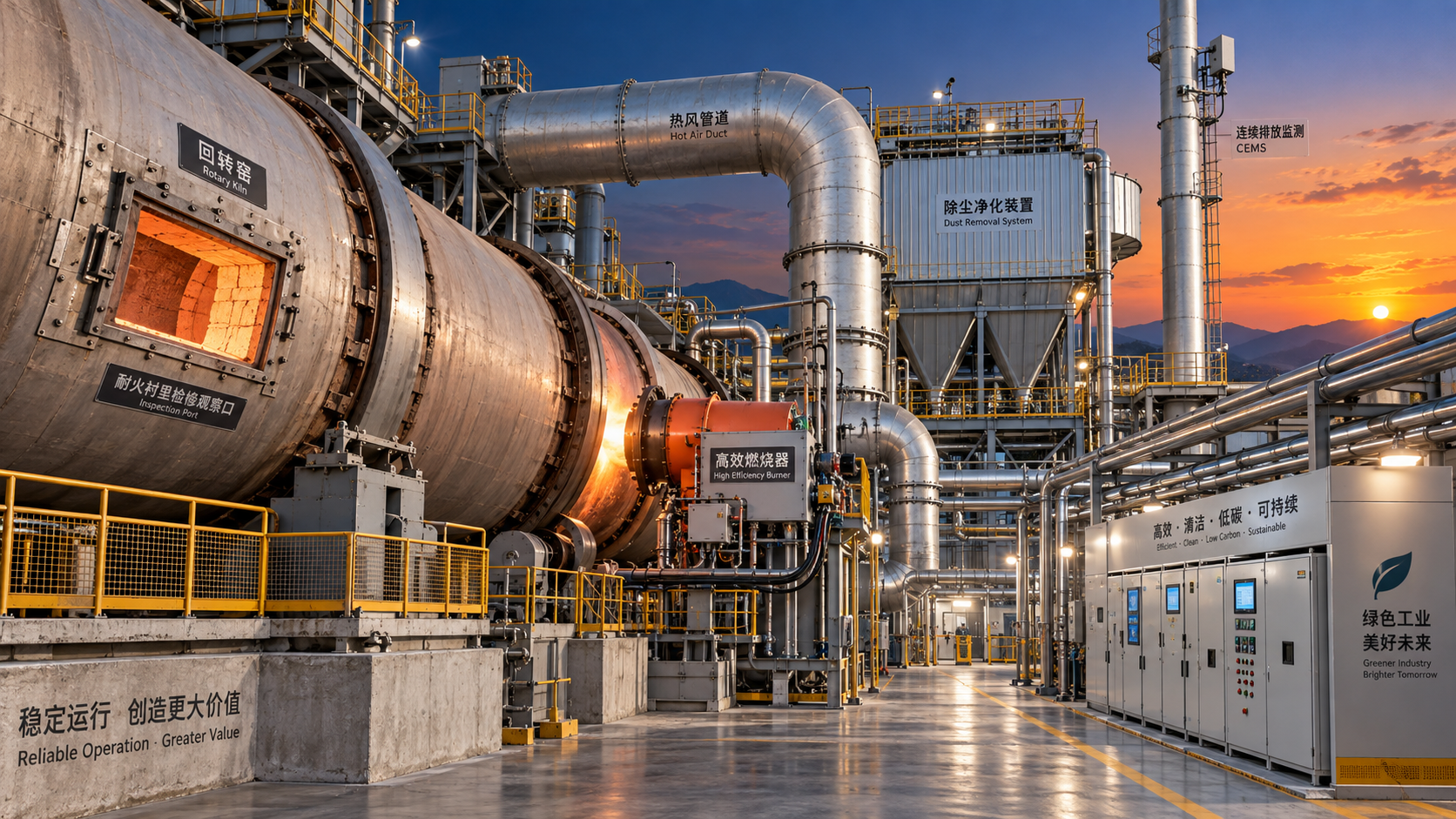
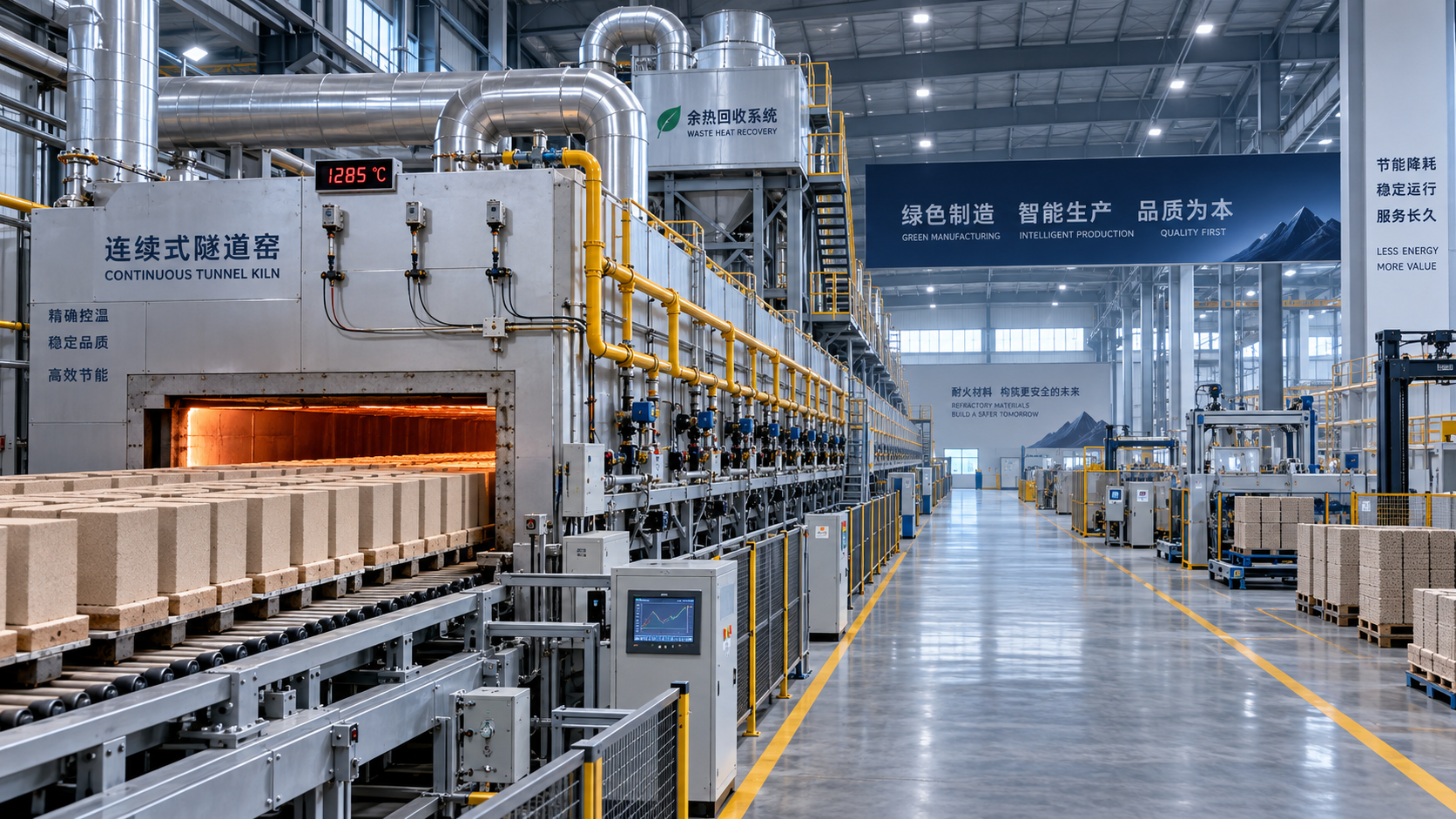
Kiln optimization remains the center of many upgrade programs. Better burner design, tighter combustion control, and advanced temperature profiling help reduce heat losses and stabilize product formation.
In cement lines, this can improve clinker consistency while lowering specific fuel consumption. In refractory plants, it helps manage firing curves that strongly affect density, porosity, and thermal shock performance.
2. Online refractory condition monitoring
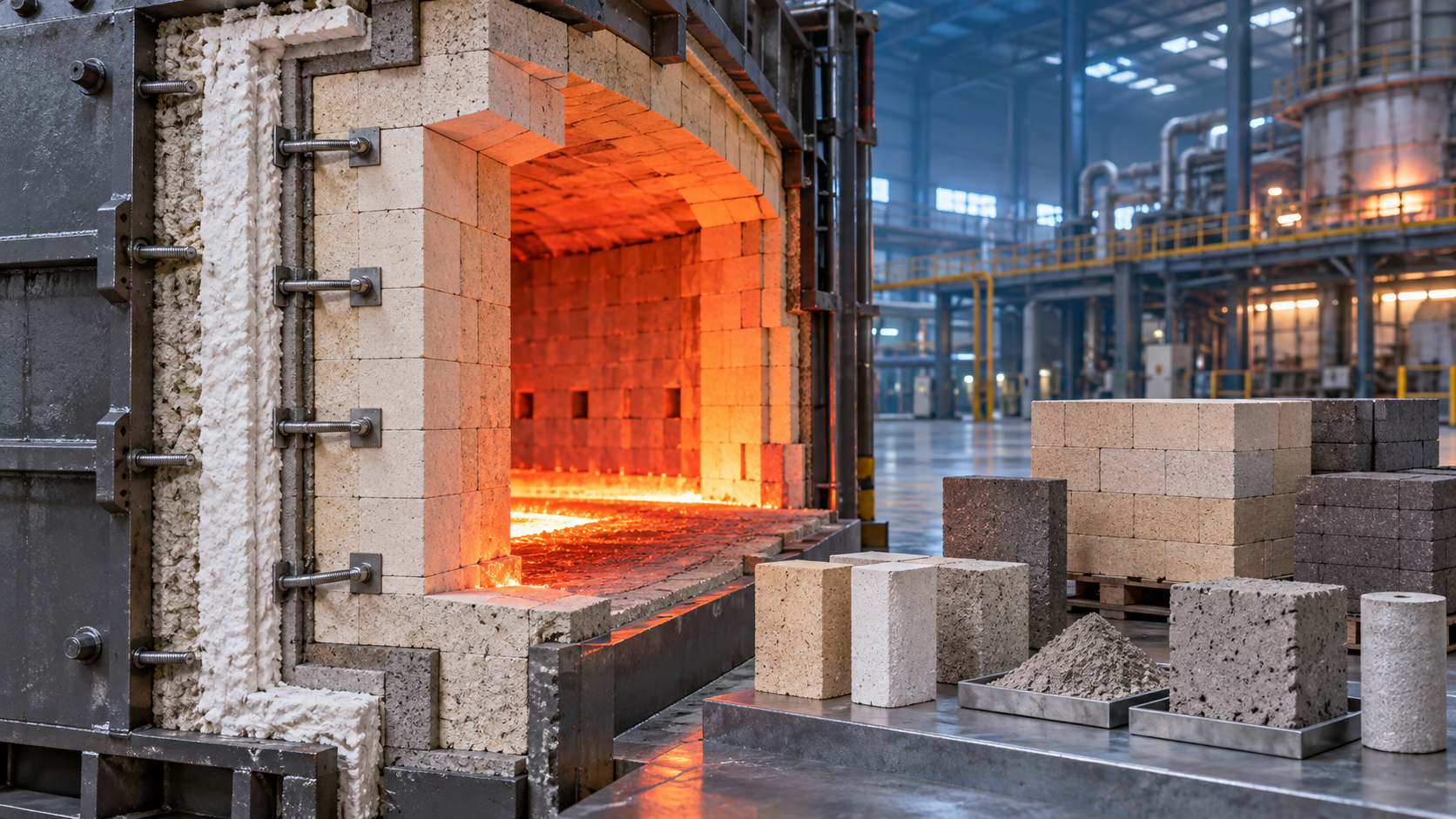
Refractory is no longer treated as a hidden maintenance item. Shell scanning, thermal imaging, embedded sensing, and analytics now provide earlier warning of hot spots, wear zones, and irregular heat profiles.
This is one of the most practical silicate technology trends because it turns shutdown planning into a data-based decision. Plants gain better control over campaign life and avoid late-stage failure events.
3. Alternative fuel and co-processing readiness
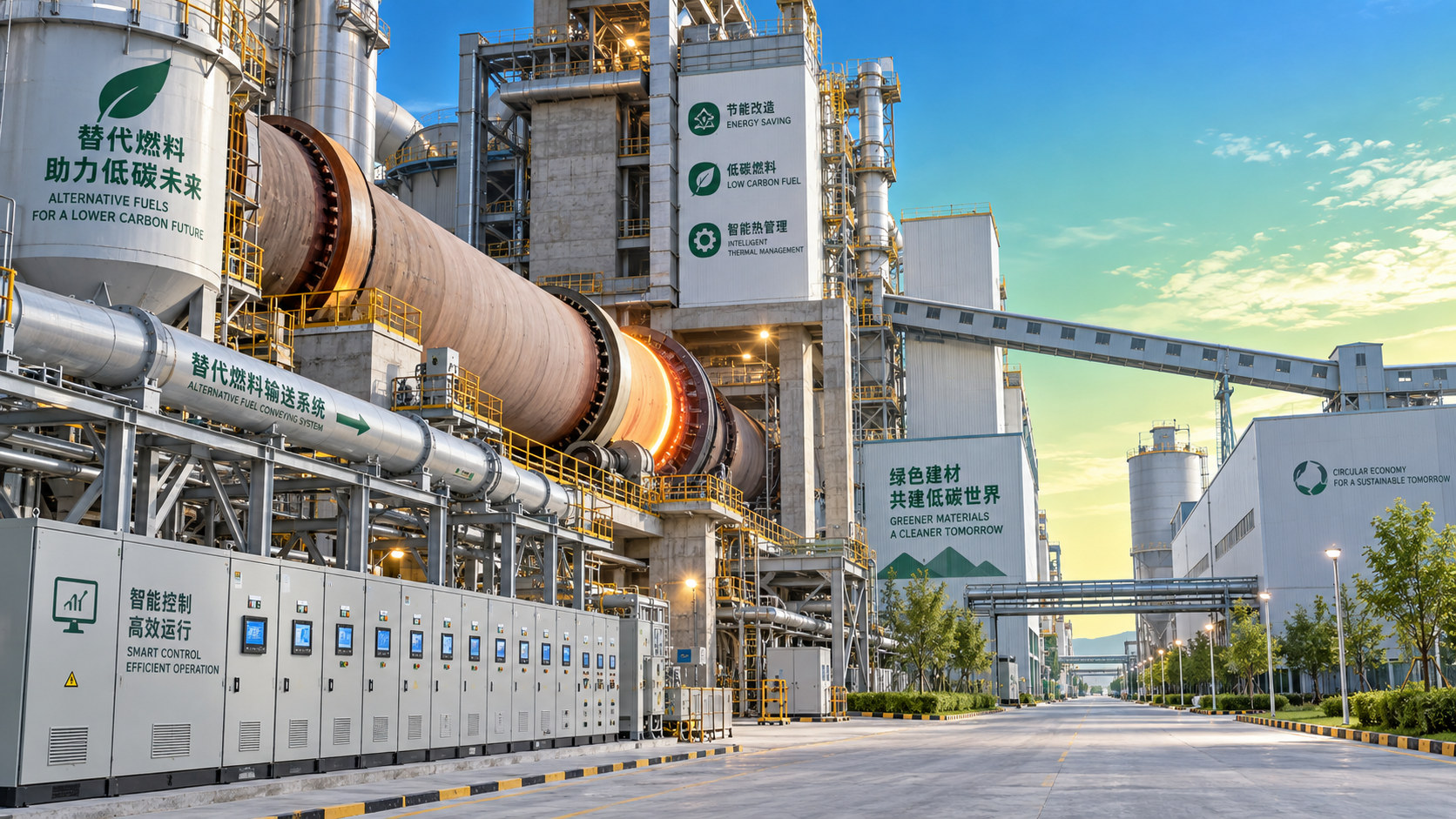
Fuel substitution is no longer a side project. It is increasingly tied to emissions strategy, waste valorization, and resilience against conventional fuel price swings.
But alternative fuels change flame shape, ash chemistry, and thermal distribution. Plants that upgrade dosing, combustion modeling, and process feedback systems are better positioned to adopt them safely.
4. Digital twins and process simulation
Digital twin platforms are moving from pilot status into real plant decisions. They allow operators to test scenarios involving heat transfer, raw material shifts, lining wear, and throughput adjustments before physical intervention.
CF-Elite’s coverage of digital twin simulation reflects a broader change. Process knowledge is becoming easier to scale when plants can compare live behavior with modeled performance in near real time.
Where the business value actually appears
Not every improvement shows up as a simple energy saving. Some of the strongest returns come from fewer stoppages, steadier product quality, lower refractory consumption, and reduced compliance risk.
That is why silicate technology trends should be evaluated through a wider lens. A project may justify itself through combined operational gains rather than one headline metric.
This broader view is especially useful in heavy industry, where an upgrade may affect logistics, maintenance planning, environmental reporting, and commercial reliability at the same time.
How these trends play out in different plant scenarios
The same trend can create different priorities depending on plant configuration. Older dry-process cement lines usually need stabilization and emissions-focused retrofits before advanced optimization can deliver full value.
High-throughput refractory plants often start with firing control and quality consistency. In those settings, even modest thermal variation can create downstream rejection, rework, or customer performance complaints.
Plants handling industrial waste or co-processing streams face another layer of complexity. They need stronger control over secondary combustion, material compatibility, and refractory attack under changing feed conditions.
This is where cross-sector intelligence becomes useful. CF-Elite’s view across kilns, incineration, extrusion, and specialized materials helps reveal which process upgrades travel well between adjacent industries.
How to judge an upgrade before committing capital
The strongest decisions usually begin with process constraints, not with equipment brochures. A plant should first identify its dominant loss points, thermal bottlenecks, and quality instability sources.
After that, several questions help separate useful silicate technology trends from expensive distractions.
- Does the upgrade solve a measured process problem or only promise general efficiency?
- Will it work under actual raw material variability, not just design conditions?
- How does it affect refractory wear, maintenance intervals, and spare part dependence?
- Can plant teams verify performance through reliable online data?
- Does it support future carbon, fuel, or compliance scenarios?
These questions matter because many process upgrades are interconnected. A better burner, for example, may require stronger monitoring, new operating discipline, and revised lining assumptions.
The next competitive gap will be intelligence, not hardware alone
Hardware still matters, but the next wave of advantage comes from how well plants interpret data and coordinate thermal, chemical, and commercial decisions.
That is why silicate technology trends increasingly point toward integrated decision systems. Plants need clearer visibility on combustion behavior, lining condition, product response, and regulatory exposure in one operating picture.
For that reason, intelligence platforms have a larger role than before. Market signals, environmental rules, and process evolution are moving together, and delayed interpretation now carries direct operating cost.
A practical next step is to map current pain points against upgrade categories, then compare which options improve both process resilience and strategic flexibility. That approach creates a more durable basis for investment than chasing isolated efficiency claims.
In high-temperature industries, the most valuable silicate technology trends are the ones that turn better process understanding into better timing, better plant stability, and better long-range choices.
Related News
 Ms. Elena RodriguezIndustrial Process Optimization: Where to Target Energy, Yield, and Throughput LossesIndustrial process optimization: identify energy, yield, and throughput losses to improve plant stability, reduce costs, and unlock measurable performance gains.Oct 12, 2026
 Ms. Elena RodriguezGlass Market Intelligence: How to Assess Demand, Capacity, and Regional Growth RisksGlass market intelligence for evaluating demand, effective capacity, energy exposure, trade dynamics, and regional growth risks before investing in glass manufacturing.Oct 11, 2026
 Structural Material AnalystWhich Sustainable Construction Materials Are Suitable for Extrusion?Which sustainable construction materials are suitable for extrusion? Explore recycled clay, cementitious mixes, geopolymers, and bio-composites for reliable, lower-impact building products.Oct 12, 2026
 Optical Glass Tech FellowWhat Should a Glass Furnace Energy Specification Include?What should be included in a glass furnace energy specification? Explore performance, fuel flexibility, heat recovery, emissions, and monitoring essentials.Oct 11, 2026
 Dr. Alistair VaughnHow Process Technology Platforms Improve Control Across Multi-Line ManufacturingDiscover how a process technology platform strengthens cross-line control, connects operational data, and improves energy, quality, and maintenance decisions.Oct 10, 2026
 Optical Glass Tech FellowHow Glass Furnace Emissions Are Measured and Controlled for Regulatory ComplianceGlass furnace emissions: learn how to measure, monitor, and control NOx, SOx, particulate, CO, and CO2 for reliable regulatory compliance.Oct 08, 2026
 Prof. Marcus ChenIndustrial Decarbonization Strategies in Europe: A Roadmap for Energy-Intensive PlantsIndustrial decarbonization strategies Europe: explore practical pathways for energy-intensive plants to cut emissions, improve efficiency, and protect performance.Oct 07, 2026
 Thermal Energy ArchitectEnergy-Efficient Silicate Production Lines: What to Compare Before SelectionSilicate production lines energy efficient selection guide: compare thermal performance, stability, emissions, controls, and lifecycle value before investing.Oct 06, 2026
 Optical Glass Tech FellowHow to Evaluate Automated Float Glass Lines for Capacity, Quality, and Energy UseEvaluate automated float glass lines for net capacity, consistent quality, energy efficiency, automation reliability, and lifecycle value. Explore key criteria for smarter investment decisions.Oct 05, 2026
 Thermal Energy ArchitectWhat Does CE Marking Require for an Energy-Efficient Industrial Kiln?Energy efficient kiln CE requirements explained: assess safety, technical files, energy performance, and EU compliance before purchase or commissioning.Oct 04, 2026
 Thermal Energy ArchitectRefractory Manufacturing Solutions for Brick Plants: How to Extend Kiln LifeRefractory manufacturing solutions for brick plant operations: discover proven strategies to extend kiln life, reduce heat loss, prevent lining failures, and plan cost-effective repairs.Oct 03, 2026
 Thermal Energy ArchitectHow to Specify Heavy Industrial Process Systems for High-Temperature PlantsHeavy industrial processes systems: learn how to specify high-temperature plants for efficiency, emissions control, maintainability, and lifecycle performance.Oct 02, 2026
 Structural Material AnalystHow Sustainable Material Extrusion Can Improve Wall Panel Durability and Design FlexibilityDiscover how sustainable material extrusion for wall panels improves durability, moisture resistance, design flexibility, and installation consistency for high-performing wall systems.Oct 01, 2026
 Thermal Energy ArchitectHow to Evaluate a High-Temperature Materials Manufacturer for Furnace ApplicationsChoose a high-temperature materials manufacturer with confidence: compare thermal performance, chemical resistance, quality controls, installation support, and lifecycle cost.Sep 30, 2026
 Ms. Elena RodriguezHow to Structure Global Specification Data for Faster Industrial Product EvaluationGlobal specification-oriented product information helps industrial teams compare capacity, energy, emissions, automation, and lifecycle data on a like-for-like basis for faster, confident equipment decisions.Sep 29, 2026
 Thermal Energy ArchitectHow to Specify High-Temperature Process Systems for Continuous Thermal OperationsHigh-temperature process engineering systems: learn how to specify resilient continuous thermal operations for efficiency, compliance, reliable uptime, and long-term performance.Sep 28, 2026
 Thermal Energy ArchitectHow to Evaluate a Thermal Engineering Contractor for High-Temperature Plant ProjectsChoose a thermal engineering contractor with proven process expertise, lifecycle value, emissions control, and delivery discipline for reliable high-temperature plant performance.Sep 27, 2026
 Silicate Process EngineerHow Latin American Cement Plants Can Reduce Dust Emissions in Kilns and Transfer PointsCement plant dust control Latin America: reduce kiln and transfer-point emissions with practical airflow, filtration, monitoring, and maintenance strategies.Sep 26, 2026
 Material Heat-Resist ExpertHow to Evaluate Refractory Production Lines for Output, Quality, and Energy UseRefractory production lines: learn how to assess qualified output, consistent quality, and total energy use for smarter, lower-risk investment decisions.Sep 25, 2026
 Dr. Alistair VaughnHow Waste Recycling Technology Improves Material Recovery in Industrial PlantsWaste recycling technology improves material recovery through source segregation, smart separation, thermal treatment, and quality control for industrial plants.Sep 24, 2026


Related News
- 00
0000-00
Industrial Decarbonization Strategies in Europe: A Roadmap for Energy-Intensive Plants - 00
0000-00
Thermal Energy Architecture in North America: Strategies for Lower Building Energy Use - 00
0000-00
How to Evaluate a Green Material Production Line for Energy Use, Output, and Product Quality - 00
0000-00
Silicate Technology Trends: What New Process Upgrades Matter for Refractory and Cement Plants? - 00
0000-00
Thermal Engineering Optimization: Which Process Parameters Most Affect Energy Use?
Weekly Insights
Stay ahead with our curated technology reports delivered every Monday.