
Industrial Solution Comparison for Procurement: How to Compare CAPEX, OPEX, and Delivery Risk




Industrial solution comparison procurement starts with the right question

In heavy industry, buying decisions rarely fail because a quote is missing. They fail because the comparison model is too narrow.
That is why industrial solution comparison procurement should begin with lifecycle logic, not unit price logic.
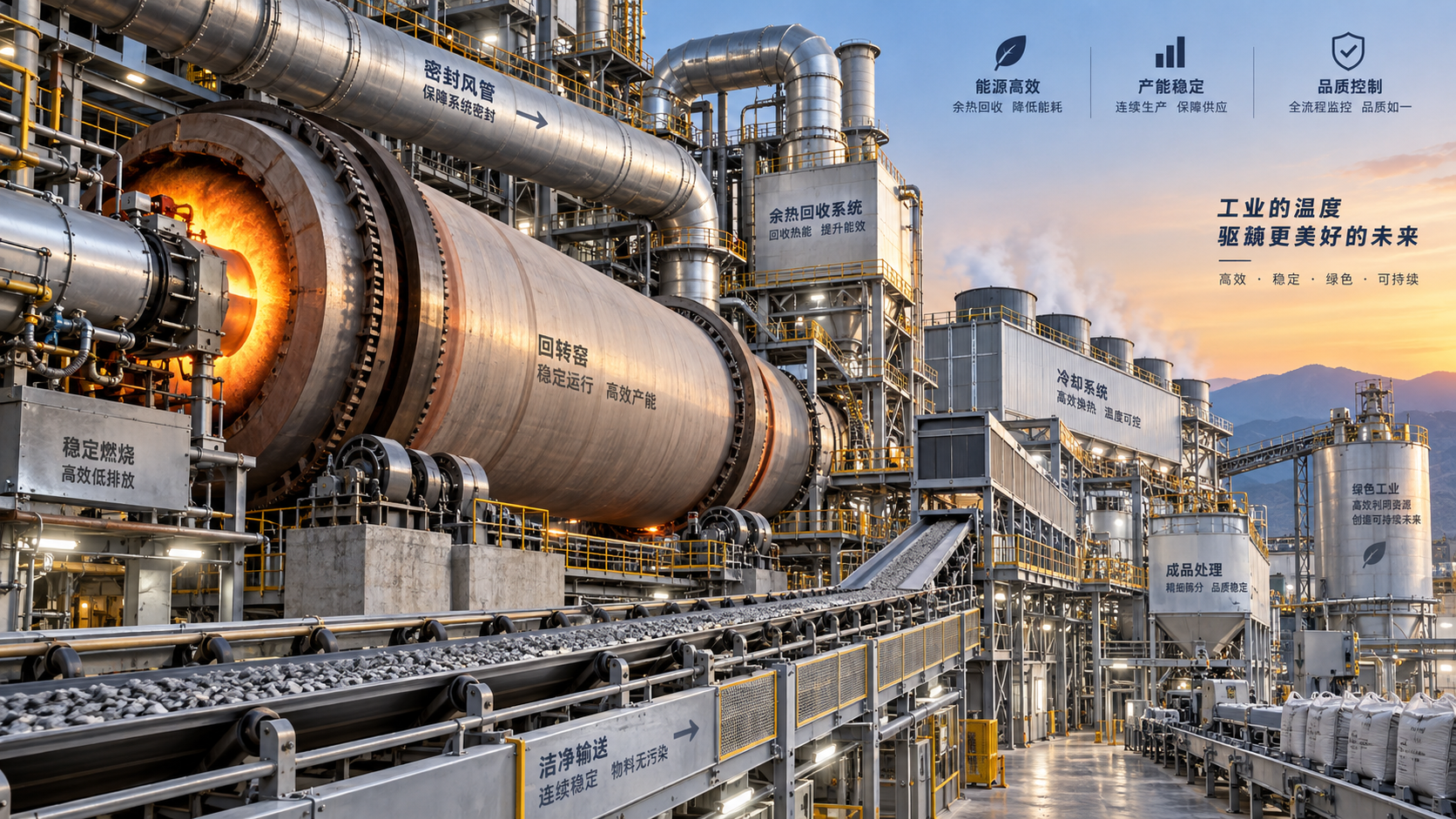
For cement plants, glass lines, industrial kilns, refractory systems, and extrusion equipment, CAPEX, OPEX, and delivery risk move together.
A lower upfront package can create higher fuel use, slower commissioning, and expensive downtime later.
A more expensive line may still win if thermal efficiency, spare parts access, and ramp-up certainty are stronger.
This is especially true in sectors tracked by CF-Elite, where high-temperature performance, reaction stability, and carbon pressure shape commercial value.
So the practical question is not, “Which offer is cheapest?” It is, “Which solution stays competitive after installation, operation, and risk exposure are included?”
When does CAPEX stop being the main decision factor?
CAPEX matters most when budget limits are rigid, project scope is standardized, and operating conditions are predictable.
But CAPEX becomes less decisive when process heat is unstable, raw materials vary, or environmental compliance is tightening.
In actual plant comparisons, three signals usually reduce the value of a low initial price.
- Energy cost will remain high over many years.
- Unplanned shutdowns would damage output contracts or utility efficiency.
- The site expects future upgrades for emissions, digital monitoring, or alternative fuel use.
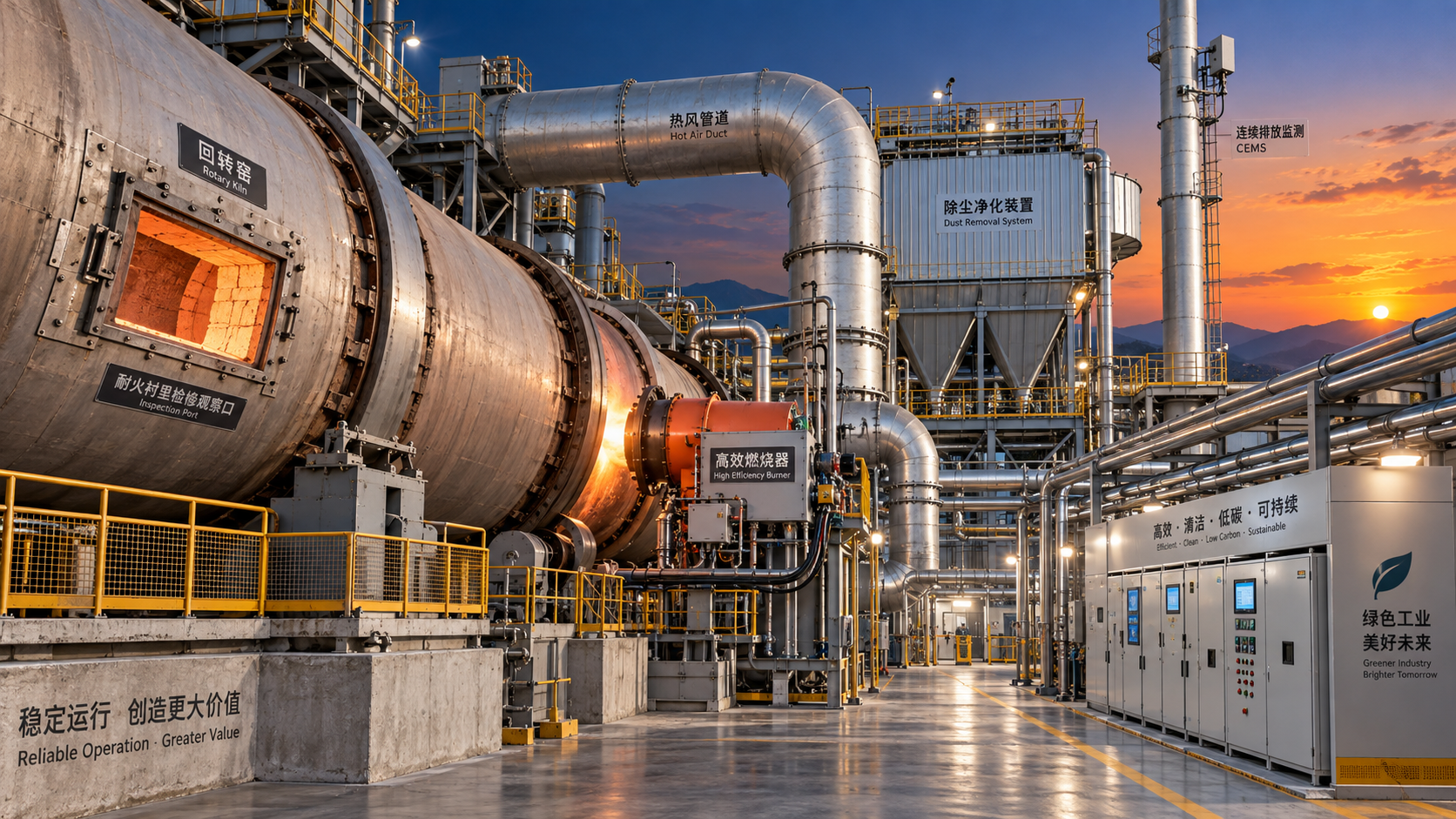
For example, a rotary kiln with weaker combustion control may look attractive on capital cost.
However, if fuel consumption rises by even a small percentage, the savings can disappear within a short operating window.
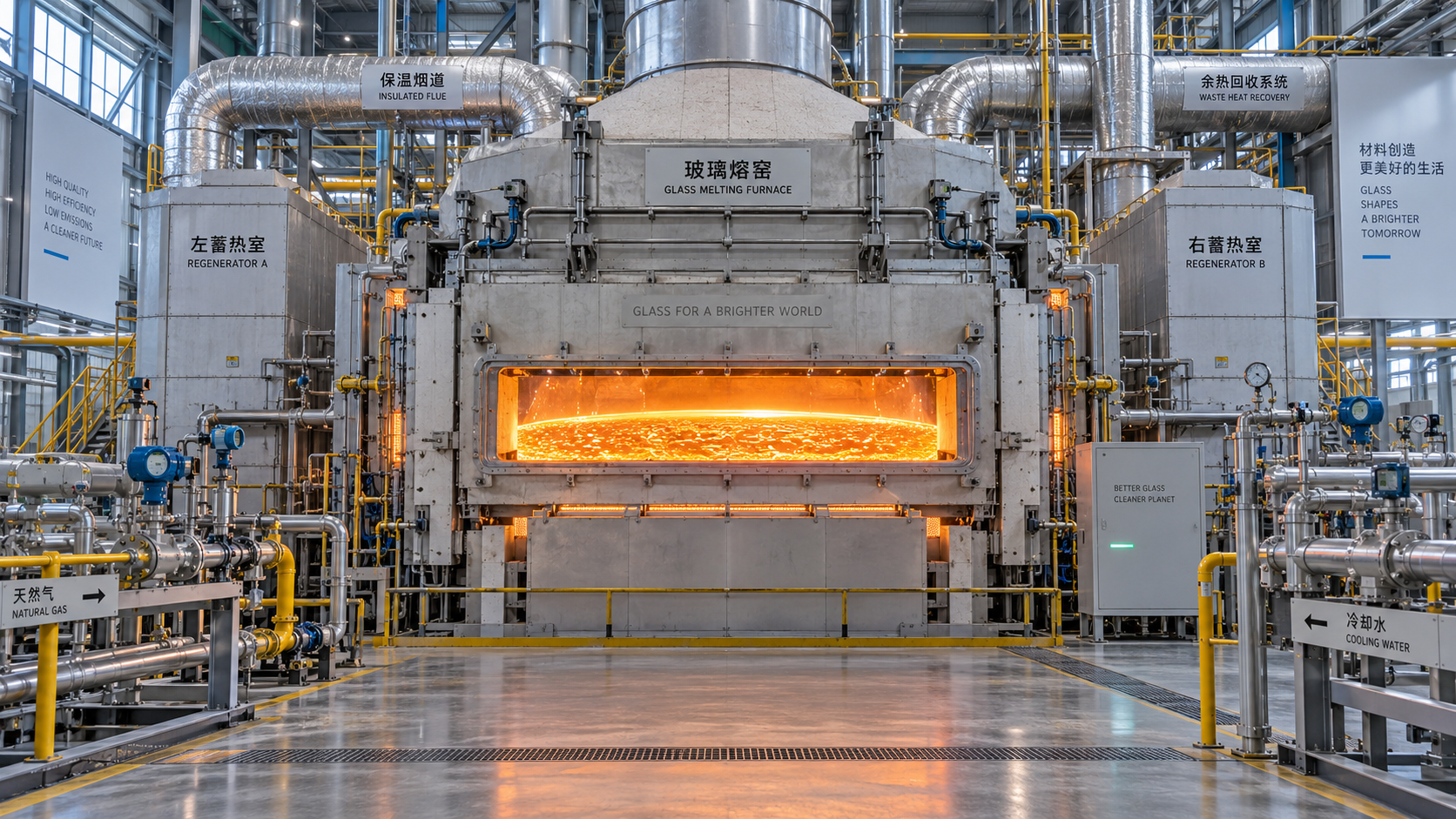
The same pattern appears in float glass furnaces, incineration lines, and refractory forming systems.
Industrial solution comparison procurement works better when CAPEX is treated as the entry ticket, not the final answer.
How should OPEX be compared without turning the model into guesswork?
The common mistake is using one annual energy estimate and calling it OPEX analysis.
A usable OPEX review separates controllable costs from volatile costs, then tests them under realistic operating ranges.
More reliable industrial solution comparison procurement usually checks these categories.
A good model uses scenarios rather than a single forecast.
Compare best case, base case, and stress case. Fuel volatility and throughput fluctuation should already be inside the spreadsheet.
This is where sector intelligence adds value. CF-Elite often highlights energy efficiency, co-processing trends, refractory monitoring, and digital twin methods.
Those signals help translate technical claims into operating cost assumptions that are easier to defend.
Delivery risk looks simple on paper, so why is it often underestimated?
Because many evaluations treat delivery as a date on a proposal instead of a chain of dependencies.
In capital projects, late delivery is rarely one isolated problem.
It can trigger delayed installation, contractor idle time, missed production windows, and postponed revenue recognition.
For thermal equipment, delivery risk also includes technical maturity and startup readiness.
A component arriving on time means little if control integration, burner tuning, or refractory dry-out planning is weak.
The more useful question is: where can the schedule actually break?
- Long-lead parts sourced from multiple countries
- Custom fabrication with limited field references
- Dependence on special alloys, burners, drives, or PLC architecture
- Permitting interfaces or emissions testing milestones
- Commissioning teams with overloaded regional schedules
Industrial solution comparison procurement should score these points explicitly, even if the quoted delivery weeks look identical.
In practice, the safer supplier is often the one with clearer sub-supplier mapping and a firmer commissioning sequence.
What is the most practical way to compare CAPEX, OPEX, and risk together?
The easiest method is a weighted decision sheet, but the weighting must reflect business reality.
Do not assign equal value to every item unless every failure would cost the same. Usually, it would not.
A balanced industrial solution comparison procurement framework often uses four layers.
1. Technical fit
Check process compatibility, throughput tolerance, thermal stability, and room for future decarbonization upgrades.
2. Economic performance
Model total installed cost, operating cost, spare parts, and shutdown exposure over a defined horizon.
3. Delivery certainty
Assess manufacturing visibility, logistics complexity, site interface readiness, and commissioning support depth.
4. Strategic resilience
Ask whether the solution supports carbon compliance, digital diagnostics, and regional spare supply over time.
Below is a simple judgment table that keeps the comparison grounded.
Where do industrial comparisons usually go wrong?
Most errors are not mathematical. They come from weak assumptions.
One common mistake is comparing equipment at different scope boundaries.
A cheaper proposal may exclude automation detail, installation support, emissions accessories, or startup consumables.
Another mistake is treating reference projects as equal proof.
A kiln reference in one fuel environment may not validate performance in another.
The same applies to glass annealing, waste heat recovery, and extrusion density control.
There is also a softer risk: technical optimism in early-stage proposals.
Claims about energy savings, campaign life, and digital visibility should be tied to measurable conditions.
That is why industrial solution comparison procurement should include red-flag questions before final scoring.
- Are all vendors pricing the same process boundary?
- Which assumptions are site-specific rather than proven?
- Which promised efficiencies depend on operator skill or premium raw materials?
- What happens to economics if commissioning takes longer than planned?
These checks often do more for decision quality than another round of price negotiation.
How should the next step be organized before a final procurement decision?
Start by narrowing the comparison to a common technical basis. Without that, every cost conclusion is unstable.
Then build a short decision pack with one page for CAPEX, one for OPEX, and one for delivery risk.
Each page should show assumptions, not just totals.
In high-temperature industries, external intelligence is also useful before commitment.
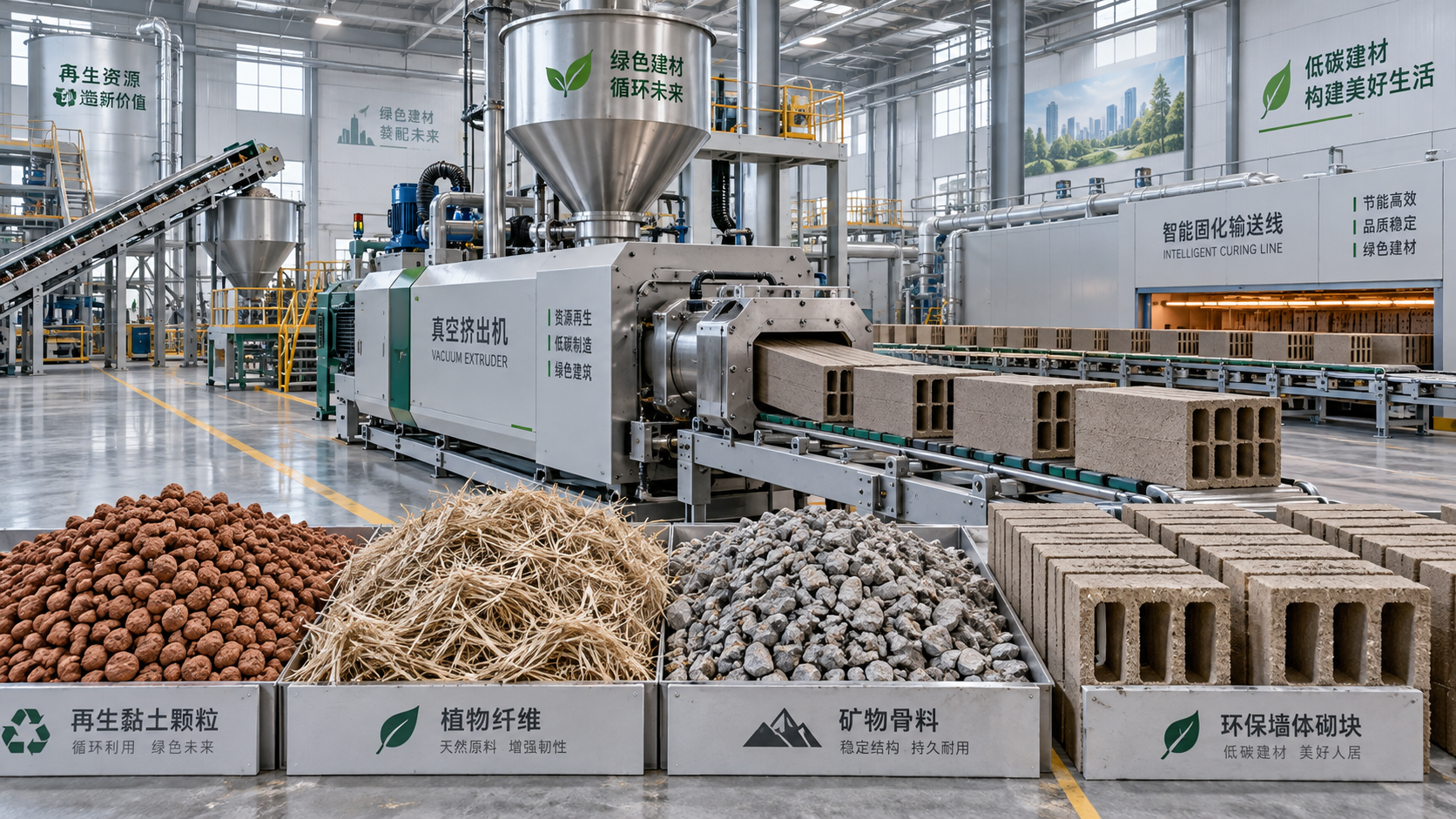
CF-Elite’s coverage of silicate production, incineration, refractory monitoring, and green material equipment reflects how technical choices connect to energy and carbon outcomes.
That kind of market and process context helps test whether a proposal fits future operating reality, not just current budget pressure.
In the end, industrial solution comparison procurement is strongest when it answers three things clearly.
- What will this solution really cost over time?
- How stable is performance under real site conditions?
- How exposed is the project to delivery and startup disruption?
Once those answers are visible, the shortlist becomes easier to defend internally and easier to execute on site.
The next practical move is simple: align scope, stress-test assumptions, and compare lifecycle value before comparing headline price again.
Related News
 Ms. Elena RodriguezIndustrial Process Optimization: Where to Target Energy, Yield, and Throughput LossesIndustrial process optimization: identify energy, yield, and throughput losses to improve plant stability, reduce costs, and unlock measurable performance gains.Oct 12, 2026
 Ms. Elena RodriguezGlass Market Intelligence: How to Assess Demand, Capacity, and Regional Growth RisksGlass market intelligence for evaluating demand, effective capacity, energy exposure, trade dynamics, and regional growth risks before investing in glass manufacturing.Oct 11, 2026
 Structural Material AnalystWhich Sustainable Construction Materials Are Suitable for Extrusion?Which sustainable construction materials are suitable for extrusion? Explore recycled clay, cementitious mixes, geopolymers, and bio-composites for reliable, lower-impact building products.Oct 12, 2026
 Optical Glass Tech FellowWhat Should a Glass Furnace Energy Specification Include?What should be included in a glass furnace energy specification? Explore performance, fuel flexibility, heat recovery, emissions, and monitoring essentials.Oct 11, 2026
 Dr. Alistair VaughnHow Process Technology Platforms Improve Control Across Multi-Line ManufacturingDiscover how a process technology platform strengthens cross-line control, connects operational data, and improves energy, quality, and maintenance decisions.Oct 10, 2026
 Optical Glass Tech FellowHow Glass Furnace Emissions Are Measured and Controlled for Regulatory ComplianceGlass furnace emissions: learn how to measure, monitor, and control NOx, SOx, particulate, CO, and CO2 for reliable regulatory compliance.Oct 08, 2026
 Prof. Marcus ChenIndustrial Decarbonization Strategies in Europe: A Roadmap for Energy-Intensive PlantsIndustrial decarbonization strategies Europe: explore practical pathways for energy-intensive plants to cut emissions, improve efficiency, and protect performance.Oct 07, 2026
 Thermal Energy ArchitectEnergy-Efficient Silicate Production Lines: What to Compare Before SelectionSilicate production lines energy efficient selection guide: compare thermal performance, stability, emissions, controls, and lifecycle value before investing.Oct 06, 2026
 Optical Glass Tech FellowHow to Evaluate Automated Float Glass Lines for Capacity, Quality, and Energy UseEvaluate automated float glass lines for net capacity, consistent quality, energy efficiency, automation reliability, and lifecycle value. Explore key criteria for smarter investment decisions.Oct 05, 2026
 Thermal Energy ArchitectWhat Does CE Marking Require for an Energy-Efficient Industrial Kiln?Energy efficient kiln CE requirements explained: assess safety, technical files, energy performance, and EU compliance before purchase or commissioning.Oct 04, 2026
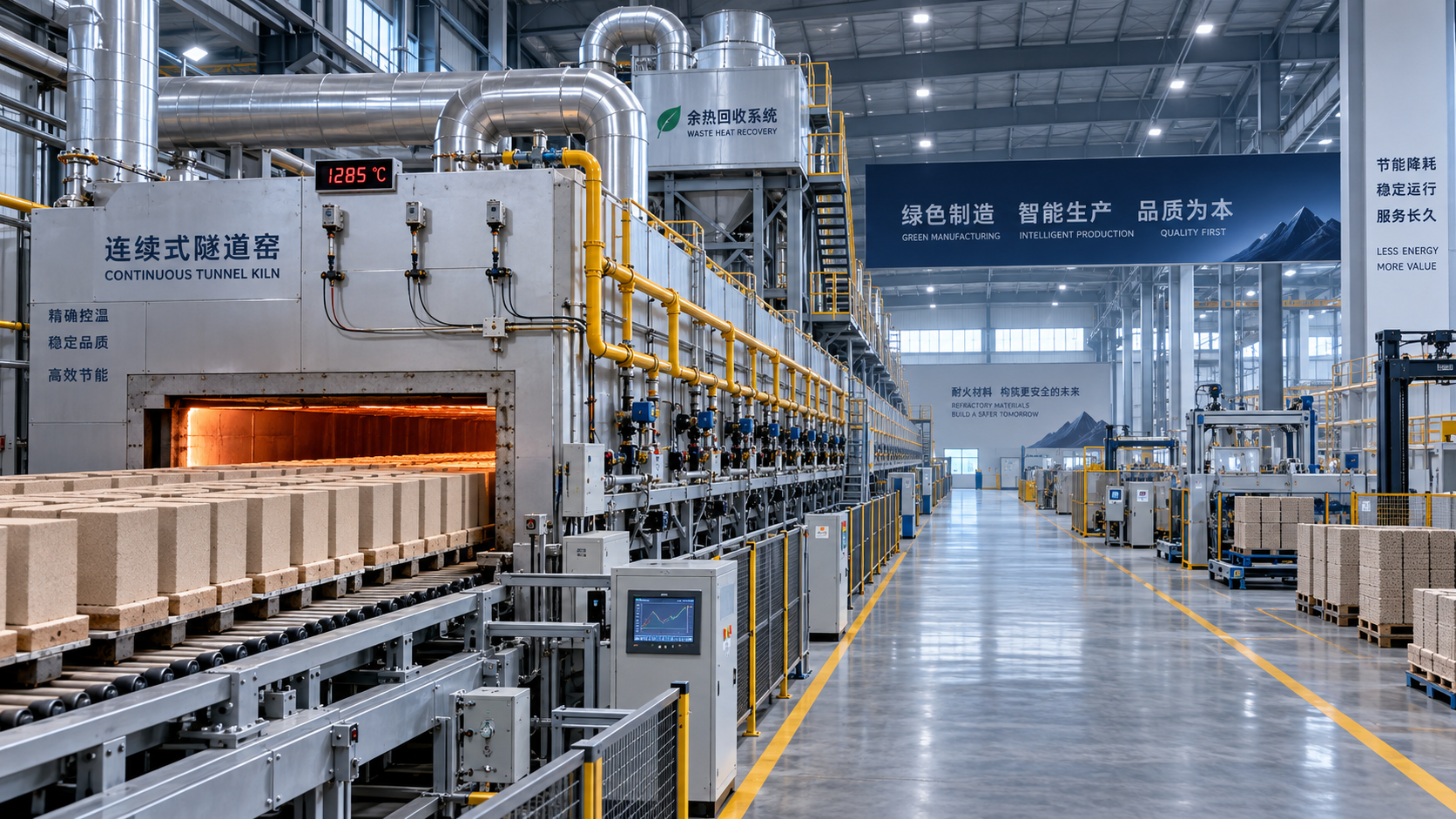
 Thermal Energy ArchitectRefractory Manufacturing Solutions for Brick Plants: How to Extend Kiln LifeRefractory manufacturing solutions for brick plant operations: discover proven strategies to extend kiln life, reduce heat loss, prevent lining failures, and plan cost-effective repairs.Oct 03, 2026
 Thermal Energy ArchitectHow to Specify Heavy Industrial Process Systems for High-Temperature PlantsHeavy industrial processes systems: learn how to specify high-temperature plants for efficiency, emissions control, maintainability, and lifecycle performance.Oct 02, 2026
 Structural Material AnalystHow Sustainable Material Extrusion Can Improve Wall Panel Durability and Design FlexibilityDiscover how sustainable material extrusion for wall panels improves durability, moisture resistance, design flexibility, and installation consistency for high-performing wall systems.Oct 01, 2026
 Thermal Energy ArchitectHow to Evaluate a High-Temperature Materials Manufacturer for Furnace ApplicationsChoose a high-temperature materials manufacturer with confidence: compare thermal performance, chemical resistance, quality controls, installation support, and lifecycle cost.Sep 30, 2026
 Ms. Elena RodriguezHow to Structure Global Specification Data for Faster Industrial Product EvaluationGlobal specification-oriented product information helps industrial teams compare capacity, energy, emissions, automation, and lifecycle data on a like-for-like basis for faster, confident equipment decisions.Sep 29, 2026
 Thermal Energy ArchitectHow to Specify High-Temperature Process Systems for Continuous Thermal OperationsHigh-temperature process engineering systems: learn how to specify resilient continuous thermal operations for efficiency, compliance, reliable uptime, and long-term performance.Sep 28, 2026
 Thermal Energy ArchitectHow to Evaluate a Thermal Engineering Contractor for High-Temperature Plant ProjectsChoose a thermal engineering contractor with proven process expertise, lifecycle value, emissions control, and delivery discipline for reliable high-temperature plant performance.Sep 27, 2026
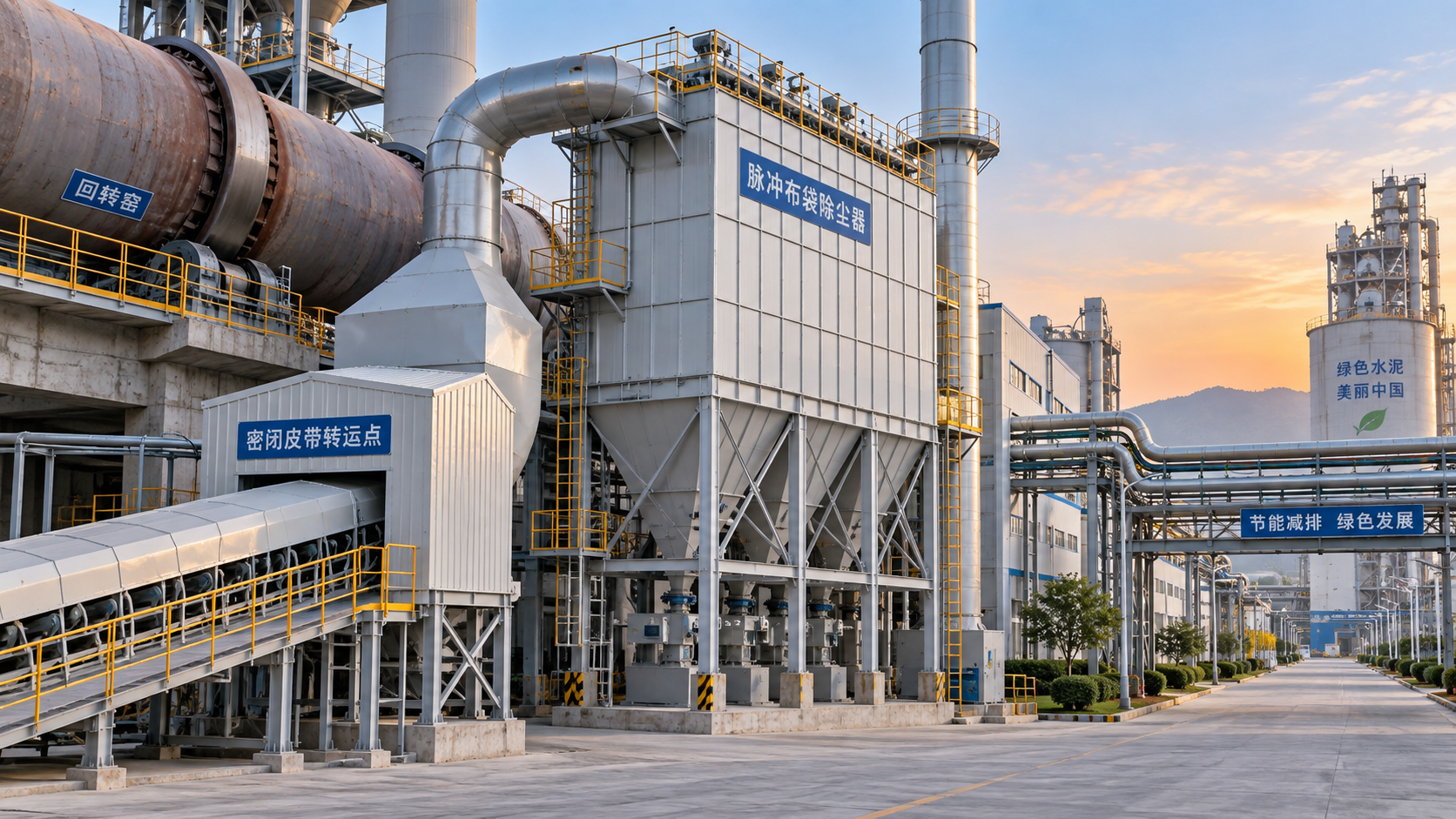
 Silicate Process EngineerHow Latin American Cement Plants Can Reduce Dust Emissions in Kilns and Transfer PointsCement plant dust control Latin America: reduce kiln and transfer-point emissions with practical airflow, filtration, monitoring, and maintenance strategies.Sep 26, 2026
 Material Heat-Resist ExpertHow to Evaluate Refractory Production Lines for Output, Quality, and Energy UseRefractory production lines: learn how to assess qualified output, consistent quality, and total energy use for smarter, lower-risk investment decisions.Sep 25, 2026
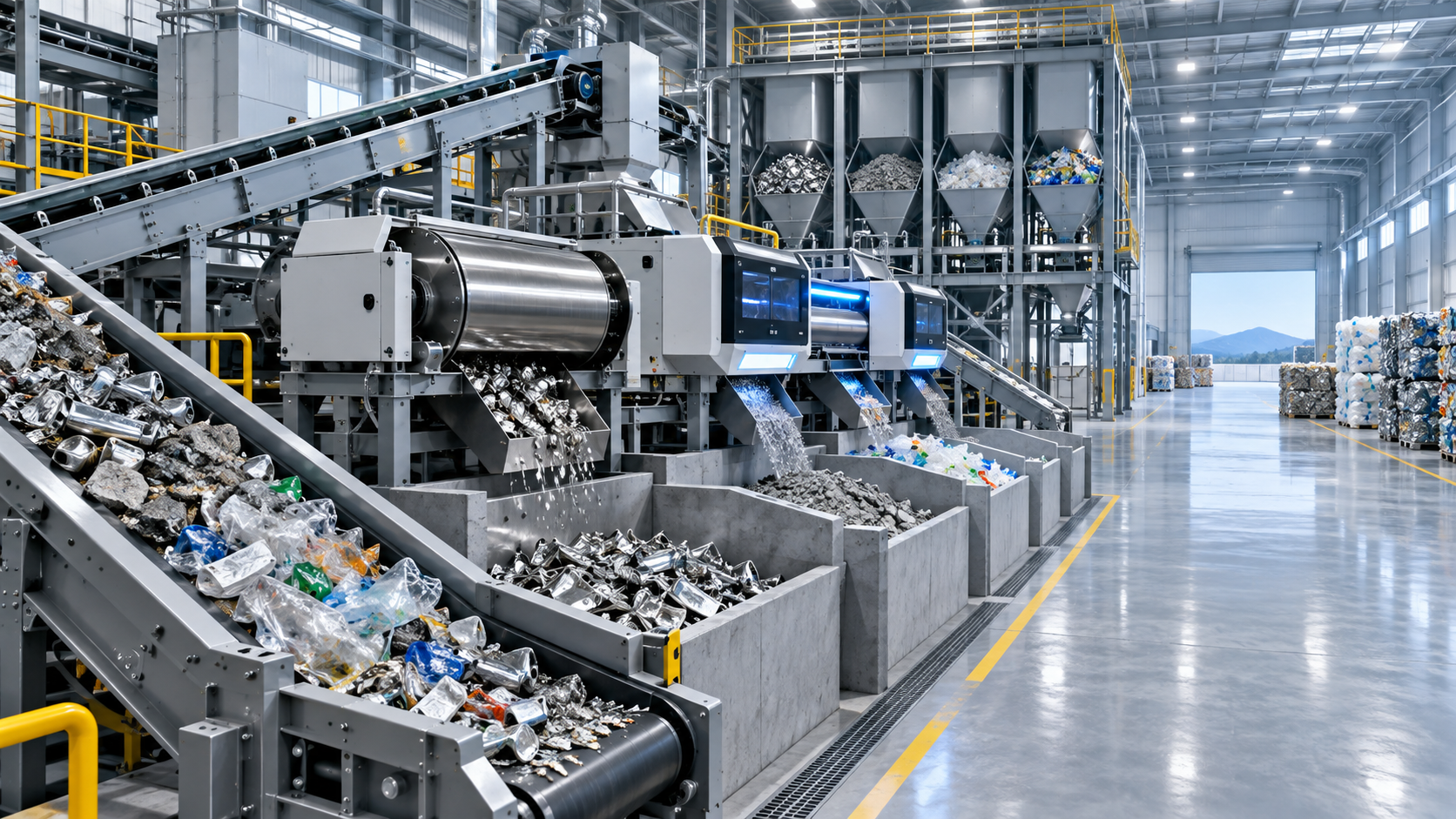
 Dr. Alistair VaughnHow Waste Recycling Technology Improves Material Recovery in Industrial PlantsWaste recycling technology improves material recovery through source segregation, smart separation, thermal treatment, and quality control for industrial plants.Sep 24, 2026




Related News
- 00
0000-00
Industrial Process Optimization: Where to Target Energy, Yield, and Throughput Losses - 00
0000-00
Glass Market Intelligence: How to Assess Demand, Capacity, and Regional Growth Risks - 00
0000-00
How to Structure Global Specification Data for Faster Industrial Product Evaluation - 00
0000-00
What Drives High-Pressure Extrusion Equipment Cost in Industrial Projects? - 00
0000-00
How Should Buyers Evaluate Building Material Industry Intelligence Pricing?
Weekly Insights
Stay ahead with our curated technology reports delivered every Monday.