
How to Choose Industrial Waste Conversion Equipment for Different Waste Streams




Choosing industrial waste conversion equipment is rarely a matter of comparing nameplate capacity alone. Different waste streams respond differently to heat, oxygen, residence time, and mechanical preparation, so the right choice depends on how the material behaves before, during, and after conversion.
That matters more now because waste handling is tied to energy cost, carbon pressure, emissions compliance, and raw material recovery. In sectors linked to kilns, glass furnaces, refractory lines, and thermal processing, equipment selection affects both environmental performance and plant economics.
Across high-temperature industries, CF-Elite follows this intersection closely. Its coverage of incineration, silicate production, thermal barriers, and resource circularity reflects a practical reality: waste conversion is no longer an isolated utility decision. It is part of process strategy.
Start with the waste stream, not the machine
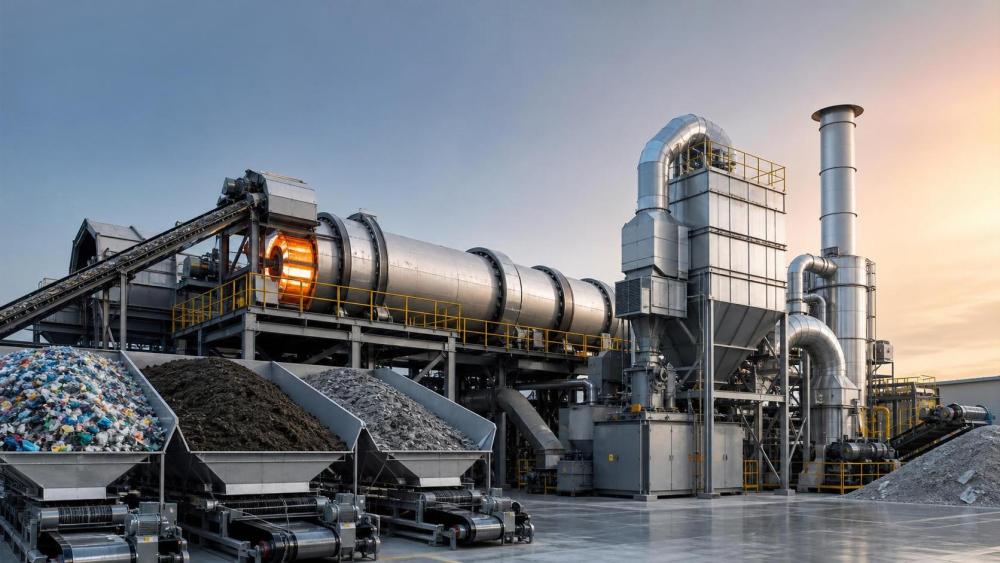
The first step in selecting industrial waste conversion equipment is defining the feedstock with precision. A broad label such as sludge, ash, plastic scrap, or solvent residue is not enough for technical evaluation.
What matters is moisture level, calorific value, particle size, chlorine or sulfur content, ash behavior, heavy metals, and consistency over time. These variables determine whether a system will recover energy efficiently or become unstable in operation.
For example, a dry, high-calorific waste stream may fit thermal oxidation, pyrolysis, or co-processing. A wet and mineral-heavy stream may require dewatering, blending, or direct integration into cement or brick-related thermal systems.
In practice, many weak procurement outcomes begin with poor feedstock characterization. When the waste profile is simplified too early, equipment proposals look comparable on paper but perform very differently in the field.
Why waste conversion decisions have become more strategic
Industrial waste conversion equipment now sits at the center of several business pressures. Disposal costs are rising. Regulators are tightening limits on air emissions, residue handling, and trace contaminants. Energy recovery is also becoming more valuable.
At the same time, plants are under pressure to reduce fossil fuel use and improve circularity. This is especially visible in kiln-based industries, where alternative fuels and waste-derived feedstocks can influence both combustion efficiency and carbon intensity.
That is why decision-making increasingly combines thermal engineering, chemical risk, permitting, and lifecycle cost. A lower upfront quote may look attractive, but it can become expensive when corrosion, unstable syngas quality, or residue disposal issues emerge.
Match technology to material behavior
Different waste streams call for different industrial waste conversion equipment because the conversion route changes the performance target. Some systems prioritize volume reduction. Others target energy recovery, material recycling, or safe destruction of hazardous compounds.
Common technology routes
This comparison shows why industrial waste conversion equipment should be evaluated as part of a conversion pathway, not as a standalone machine category. Pre-treatment, combustion control, gas cleanup, and residue handling are usually inseparable.
Key technical questions before comparing suppliers
A useful specification begins with process risks. Instead of asking only about throughput, it is better to ask what operating window the equipment can tolerate without losing efficiency or breaching emissions limits.
- How wide is the acceptable range for moisture, particle size, and calorific value?
- What destruction or conversion efficiency is guaranteed for the target compounds?
- How does the system manage chlorine, sulfur, alkalis, and heavy metals?
- What is the refractory life under expected thermal and chemical stress?
- How much auxiliary fuel is required during startup and off-spec feed periods?
- What happens to bottom ash, fly ash, char, or condensate after conversion?
These questions are especially important in thermal systems. CF-Elite’s focus on ultra-high temperature parameters and reaction kinetics is relevant here because small changes in feed chemistry can change clinker quality, furnace fouling, or emissions behavior.
Where industrial context changes the right answer
The same waste stream can lead to different equipment choices depending on the host industry. That is why industrial waste conversion equipment should be assessed within the receiving process, not only at the waste source.
Cement and lime operations
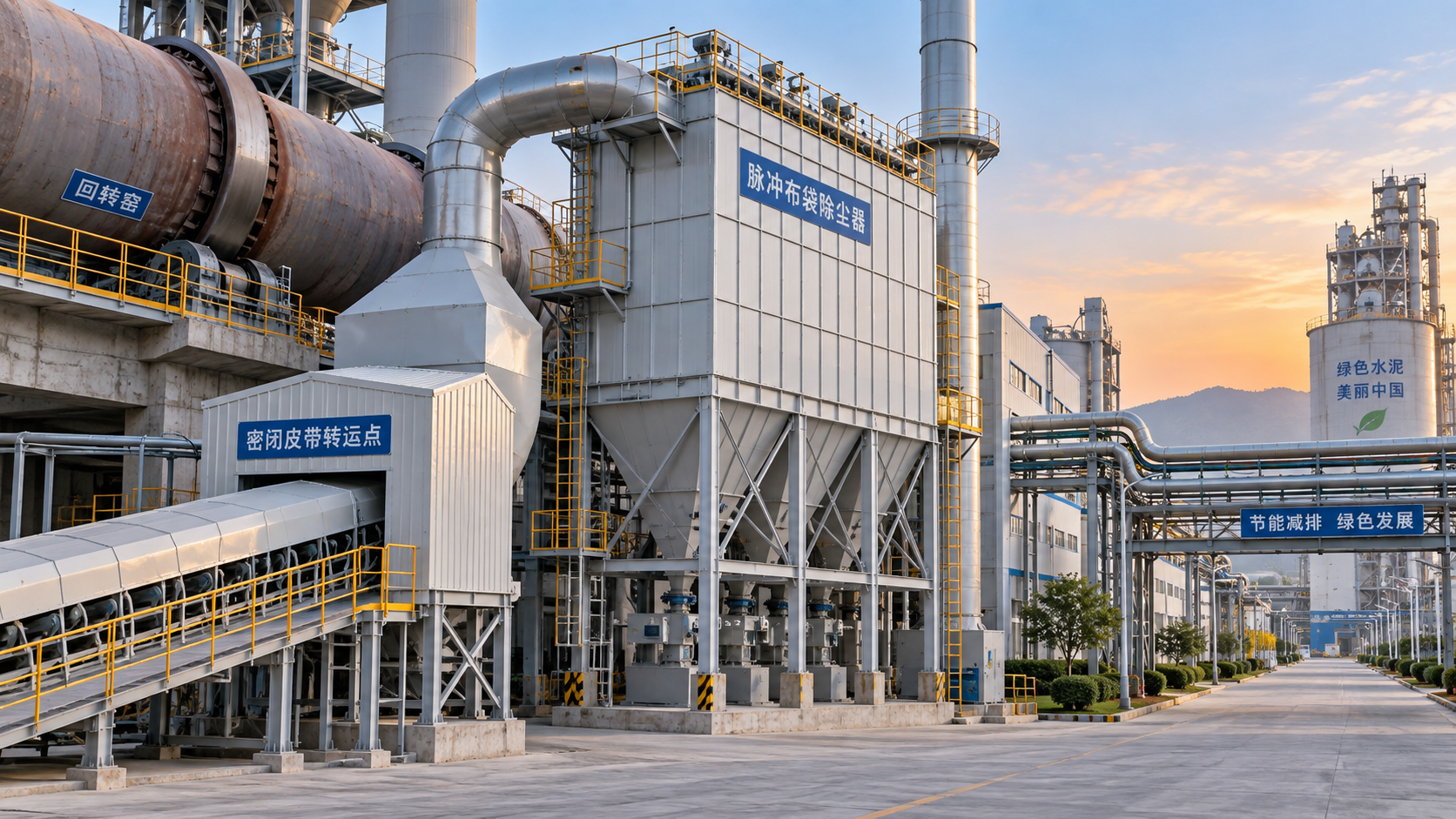
Co-processing in rotary kilns can absorb selected wastes while recovering energy and mineral value. The attraction is strong, but feed chemistry must align with flame stability, clinker mineralogy, and dust circulation behavior.
Glass and high-purity thermal lines
These operations are more sensitive to contaminants. Even if waste-derived fuels are technically feasible, alkalis, sulfur compounds, and volatile metals can affect product quality or furnace life.
Refractory and ceramic materials
Mineral-rich residues may have reuse potential. In those cases, industrial waste conversion equipment is not only an energy asset but also a route to feedstock recovery for secondary raw materials.
Standalone hazardous waste treatment
When destruction certainty is the main objective, rotary kiln incineration with robust secondary combustion and gas treatment often remains the benchmark. The tradeoff is higher capital intensity and stricter operating discipline.
Cost should be measured across the whole system
Capital cost is visible. Lifecycle cost is where many projects are won or lost. Reliable industrial waste conversion equipment must be judged by total system economics over years, not by the purchase price alone.
The main cost drivers usually include feed preparation, auxiliary fuel, power consumption, refractory replacement, air pollution control consumables, downtime, operator skill requirements, and final residue disposal.
Energy recovery credit also needs realistic treatment. A system that appears efficient in vendor literature may deliver less usable heat if the waste composition varies or if recovered energy cannot be integrated into plant demand.
This is where data-led comparison matters. Commercial decisions are stronger when they connect process simulations, operating references, and regional regulation rather than relying only on generic case studies.
A practical screening framework
Before moving to detailed bids, it helps to screen industrial waste conversion equipment through a short decision framework. This keeps technical and commercial discussions aligned.
- Define the real waste profile with lab data, not averages from old reports.
- Clarify the objective: disposal, energy recovery, material reuse, or compliance-led destruction.
- Map permitting constraints, especially emissions, odor, and residue classification.
- Check integration needs with utilities, kilns, boilers, storage, and handling lines.
- Request operating references for waste streams with similar chemistry, not just similar industry names.
- Compare uptime assumptions and maintenance intervals in writing.
A disciplined screen prevents overbuying on complexity and underbuying on robustness. Both are common in projects where waste variability is underestimated.
What to do next
The most effective next step is to build a decision file around the waste stream itself. Include chemistry, variability, moisture, target throughput, compliance limits, and the value of recovered energy or recovered minerals.
From there, shortlisting industrial waste conversion equipment becomes more objective. Technologies can be filtered by process fit, emissions risk, integration potential, and lifecycle cost rather than by broad marketing claims.
For operations linked to kilns, furnaces, refractory systems, and advanced thermal processing, a wider market view also helps. Signals from platforms such as CF-Elite can sharpen comparisons by connecting equipment choices with decarbonization trends, thermal performance, and long-cycle industrial demand.
In other words, the better decision usually starts before supplier negotiation. It starts with a clearer understanding of the waste, the process, and the value the conversion system is actually expected to deliver.
Related News
 Optical Glass Tech FellowHow Glass Furnace Emissions Are Measured and Controlled for Regulatory ComplianceGlass furnace emissions: learn how to measure, monitor, and control NOx, SOx, particulate, CO, and CO2 for reliable regulatory compliance.Oct 08, 2026
 Prof. Marcus ChenIndustrial Decarbonization Strategies in Europe: A Roadmap for Energy-Intensive PlantsIndustrial decarbonization strategies Europe: explore practical pathways for energy-intensive plants to cut emissions, improve efficiency, and protect performance.Oct 07, 2026
 Thermal Energy ArchitectEnergy-Efficient Silicate Production Lines: What to Compare Before SelectionSilicate production lines energy efficient selection guide: compare thermal performance, stability, emissions, controls, and lifecycle value before investing.Oct 06, 2026
 Optical Glass Tech FellowHow to Evaluate Automated Float Glass Lines for Capacity, Quality, and Energy UseEvaluate automated float glass lines for net capacity, consistent quality, energy efficiency, automation reliability, and lifecycle value. Explore key criteria for smarter investment decisions.Oct 05, 2026
 Thermal Energy ArchitectWhat Does CE Marking Require for an Energy-Efficient Industrial Kiln?Energy efficient kiln CE requirements explained: assess safety, technical files, energy performance, and EU compliance before purchase or commissioning.Oct 04, 2026
 Thermal Energy ArchitectRefractory Manufacturing Solutions for Brick Plants: How to Extend Kiln LifeRefractory manufacturing solutions for brick plant operations: discover proven strategies to extend kiln life, reduce heat loss, prevent lining failures, and plan cost-effective repairs.Oct 03, 2026
 Thermal Energy ArchitectHow to Specify Heavy Industrial Process Systems for High-Temperature PlantsHeavy industrial processes systems: learn how to specify high-temperature plants for efficiency, emissions control, maintainability, and lifecycle performance.Oct 02, 2026
 Structural Material AnalystHow Sustainable Material Extrusion Can Improve Wall Panel Durability and Design FlexibilityDiscover how sustainable material extrusion for wall panels improves durability, moisture resistance, design flexibility, and installation consistency for high-performing wall systems.Oct 01, 2026
 Thermal Energy ArchitectHow to Evaluate a High-Temperature Materials Manufacturer for Furnace ApplicationsChoose a high-temperature materials manufacturer with confidence: compare thermal performance, chemical resistance, quality controls, installation support, and lifecycle cost.Sep 30, 2026
 Ms. Elena RodriguezHow to Structure Global Specification Data for Faster Industrial Product EvaluationGlobal specification-oriented product information helps industrial teams compare capacity, energy, emissions, automation, and lifecycle data on a like-for-like basis for faster, confident equipment decisions.Sep 29, 2026
 Thermal Energy ArchitectHow to Specify High-Temperature Process Systems for Continuous Thermal OperationsHigh-temperature process engineering systems: learn how to specify resilient continuous thermal operations for efficiency, compliance, reliable uptime, and long-term performance.Sep 28, 2026
 Thermal Energy ArchitectHow to Evaluate a Thermal Engineering Contractor for High-Temperature Plant ProjectsChoose a thermal engineering contractor with proven process expertise, lifecycle value, emissions control, and delivery discipline for reliable high-temperature plant performance.Sep 27, 2026
 Silicate Process EngineerHow Latin American Cement Plants Can Reduce Dust Emissions in Kilns and Transfer PointsCement plant dust control Latin America: reduce kiln and transfer-point emissions with practical airflow, filtration, monitoring, and maintenance strategies.Sep 26, 2026
 Material Heat-Resist ExpertHow to Evaluate Refractory Production Lines for Output, Quality, and Energy UseRefractory production lines: learn how to assess qualified output, consistent quality, and total energy use for smarter, lower-risk investment decisions.Sep 25, 2026
 Dr. Alistair VaughnHow Waste Recycling Technology Improves Material Recovery in Industrial PlantsWaste recycling technology improves material recovery through source segregation, smart separation, thermal treatment, and quality control for industrial plants.Sep 24, 2026
 Optical Glass Tech FellowHow to Specify Glass Annealing Equipment for European Quality and Energy RequirementsGlass annealing equipment Europe: learn how to specify lehrs for consistent glass quality, energy efficiency, compliance, automation, and reliable long-term performance.Sep 23, 2026
 Optical Glass Tech FellowSilicate Process Automation: Improving Batch Consistency and Energy ControlSilicate process automation improves batch consistency, energy control, traceability, and operator confidence across high-temperature manufacturing operations.Sep 22, 2026
 Optical Glass Tech FellowHow Silicate Industrial Processes Control Viscosity, Energy Use, and Product QualitySilicate industrial processes: learn how viscosity, chemistry, heat transfer, and atmosphere control reduce energy use, improve stability, and protect product quality.Sep 21, 2026
 Thermal Energy ArchitectHow European Plants Can Evaluate Energy Recovery Equipment for High-Temperature ProcessesIndustrial energy recovery equipment Europe: learn how high-temperature plants can assess waste-heat sources, integration risks, lifecycle value, and reliable recovery routes.Sep 20, 2026
 Thermal Energy ArchitectIndustrial Furnace Process Optimization: Reducing Fuel Use Without Sacrificing ThroughputIndustrial process optimization furnace strategies that cut fuel use while protecting throughput. Explore combustion control, heat recovery, refractory performance, and data-driven efficiency gains.Sep 19, 2026

Related News
- 00
0000-00
Energy-Efficient Silicate Production Lines: What to Compare Before Selection - 00
0000-00
What Does CE Marking Require for an Energy-Efficient Industrial Kiln? - 00
0000-00
Refractory Manufacturing Solutions for Brick Plants: How to Extend Kiln Life - 00
0000-00
How to Specify Heavy Industrial Process Systems for High-Temperature Plants - 00
0000-00
How to Evaluate a High-Temperature Materials Manufacturer for Furnace Applications
Weekly Insights
Stay ahead with our curated technology reports delivered every Monday.