
How to Evaluate a Specification-Oriented Product Information Platform for Industrial Sourcing




Industrial sourcing has become harder to evaluate with simple catalog reading. When equipment decisions involve heat balance, emissions, throughput, refractory life, and lifecycle cost, a specification-oriented product information platform becomes a decision tool rather than a content archive.
That matters even more in sectors shaped by thermal management and process complexity. In those environments, the quality of specifications affects supplier comparison, internal approval speed, and confidence that technical promises can survive real operating conditions.
Why Specification Quality Now Matters More Than Data Volume
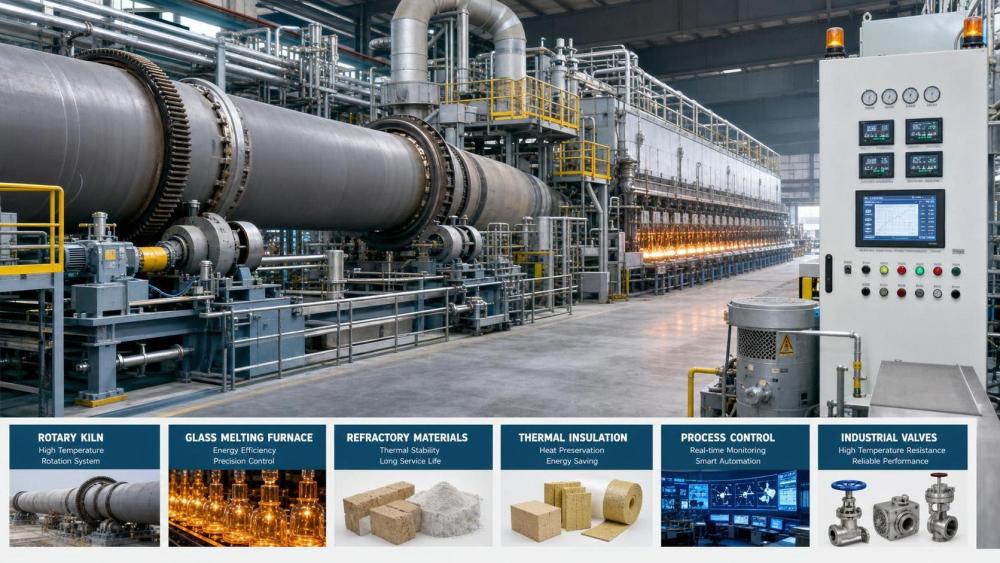
Heavy industrial procurement is no longer driven by brochure claims alone. Buyers now face tighter environmental rules, stronger energy efficiency targets, and more frequent pressure to justify equipment choices with measurable technical evidence.
A specification-oriented product information platform organizes data around operating reality. Instead of only listing models, it should connect core parameters with process conditions, application limits, maintenance requirements, and compliance implications.
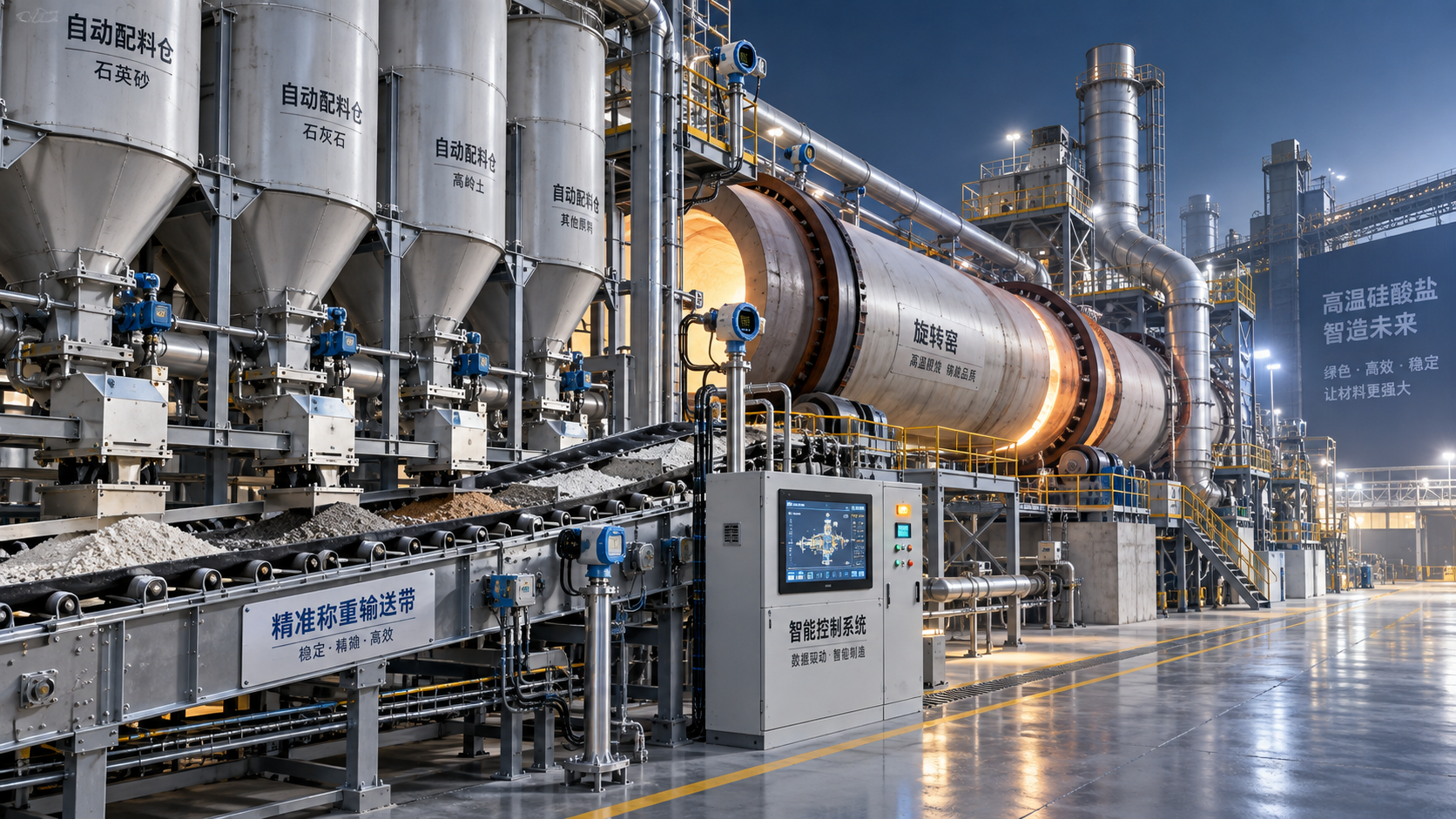
This distinction is especially relevant in cement plants, glass lines, industrial kilns, incineration systems, refractory production, and building material extrusion. Small deviations in thermal profile or material compatibility can create major commercial consequences.
In practice, teams need to know more than nominal capacity. They need to understand how capacity behaves under moisture fluctuation, fuel variation, dust load, temperature cycling, and local regulatory constraints.
What a Specification-Oriented Product Information Platform Should Actually Deliver
At its best, a specification-oriented product information platform turns fragmented technical files into structured sourcing intelligence. It helps compare alternatives on engineering substance, not presentation quality.
That means the platform should not stop at dimensions and power ratings. It should show how a product performs in a known industrial scenario, where limits appear, and what supporting systems are required.
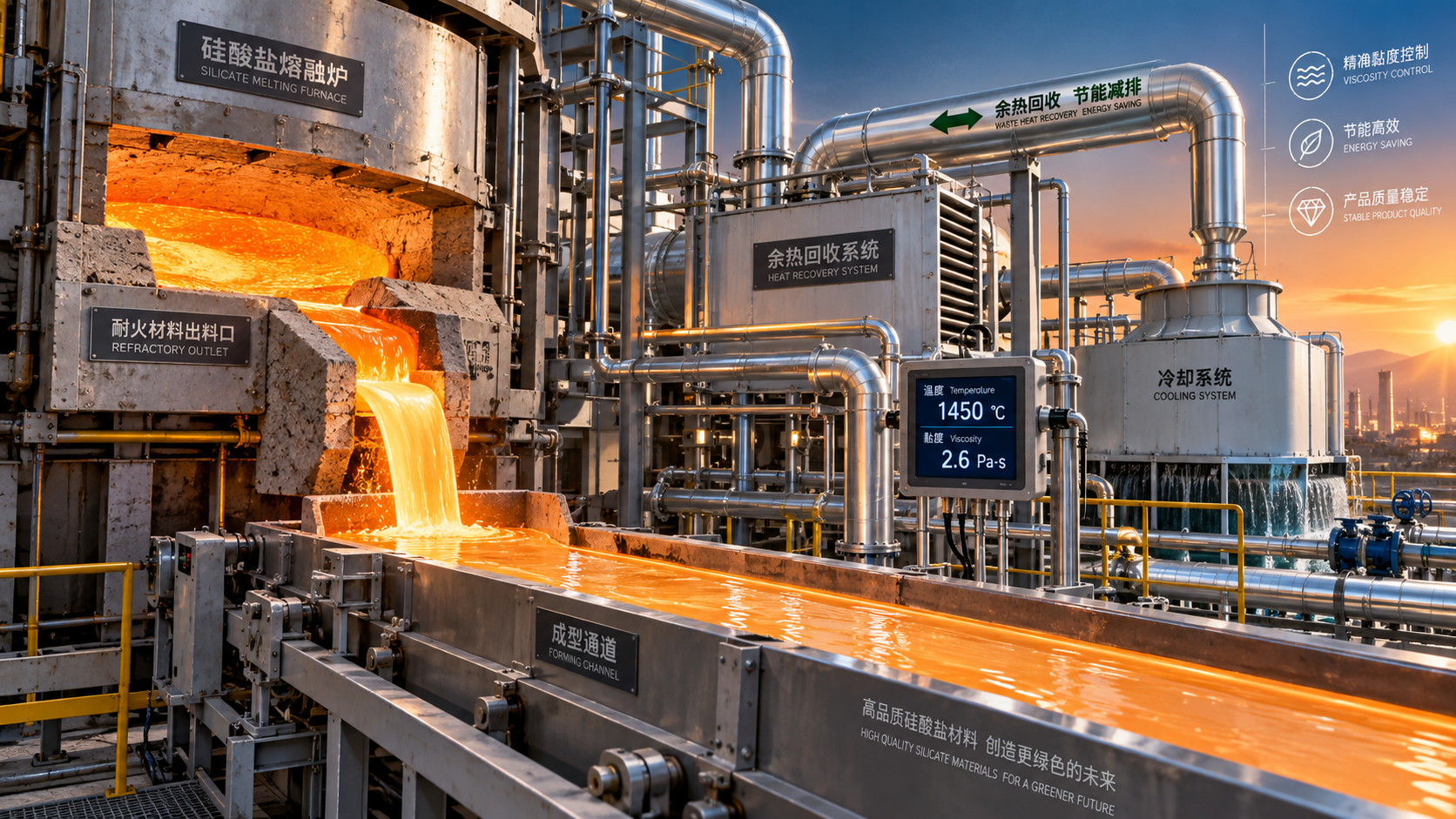
For process-intensive industries, useful specifications usually include thermal range, fuel flexibility, material tolerance, control logic, energy consumption, environmental indicators, and wear behavior over time.
It should also reveal whether the data is current, verified, and traceable. A platform filled with unstructured PDFs may look large, but it often slows down evaluation because each comparison still depends on manual interpretation.
Core capabilities worth checking
- Structured parameter fields that allow side-by-side comparison.
- Application context explaining where each product performs reliably.
- Version control for technical sheets, standards, and certifications.
- Links between product data, process trends, and regulatory changes.
- Editorial or expert review that filters weak, outdated, or vague claims.
How Industry Context Changes the Evaluation Standard
A platform that works for light manufacturing may fail in high-temperature industries. Industrial sourcing in silicate, thermal, and combustion systems depends on interrelated variables that cannot be judged in isolation.
For example, a kiln component is not evaluated only by material grade. It must be considered against firing temperature, refractory interaction, fuel type, residence time, and expected shutdown intervals.
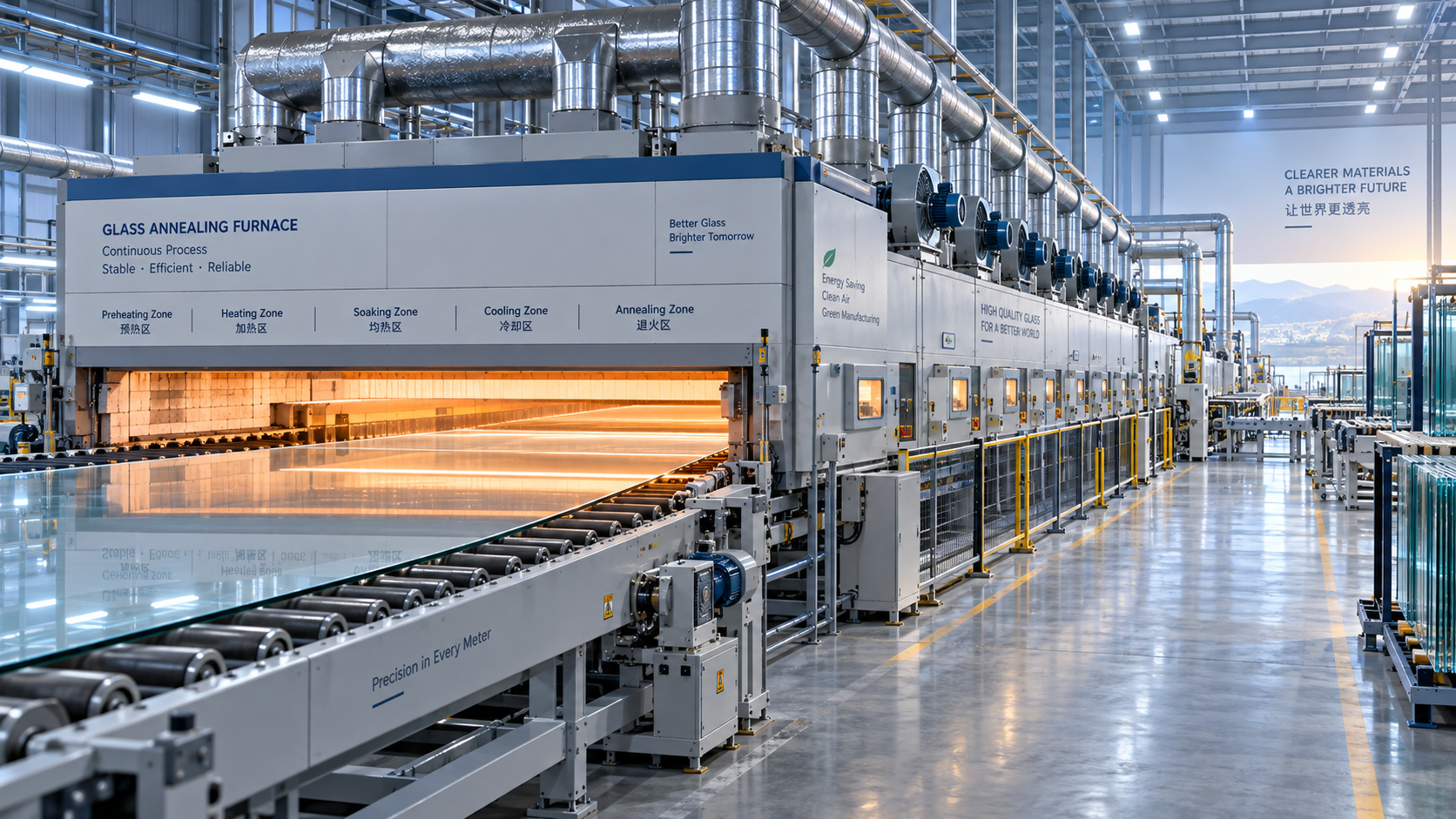
The same logic applies to glass equipment, waste-to-energy systems, and extrusion lines. Technical suitability comes from process fit, not from a single headline parameter.
This is where sector-focused intelligence platforms stand out. CF-Elite, for example, is built around foundation materials and thermal management rather than generic industrial listings.
Its coverage of cement production, glass manufacturing gear, industrial kilns, incineration, refractory lines, and extrusion systems reflects how real sourcing decisions are made in these markets.
More importantly, the value comes from linking specifications with process engineering logic, carbon reduction pressures, and market movement. That combination helps interpret whether a technical offer is only possible on paper or credible in operation.
The Most Useful Evaluation Dimensions
When reviewing a specification-oriented product information platform, a practical scorecard helps. The goal is not to find the platform with the most pages, but the one that improves judgment quality.
These dimensions are especially useful when evaluating long-cycle equipment. A weak data structure wastes time. Weak technical depth creates bad shortlists. Weak market context leads to technically sound but commercially mistimed decisions.
Where the Platform Creates Business Value
The business case for a specification-oriented product information platform is not abstract. It appears in shorter evaluation cycles, cleaner supplier screening, and fewer surprises during technical clarification.
One clear benefit is alignment. Commercial, technical, and compliance reviews often read the same equipment differently. A well-built platform creates a shared reference point across those discussions.
Another benefit is early risk visibility. If a platform shows real operating envelopes, monitoring logic, and maintenance assumptions, unsuitable options can be removed before negotiation begins.
This is particularly useful in sectors where downtime is expensive and retrofits are disruptive. For rotary kilns, float lines, incineration systems, and extrusion equipment, the wrong choice often costs far more than the price gap between suppliers.
Signals of high practical value
- The platform explains tradeoffs, not only features.
- It connects product data with energy and carbon implications.
- It helps identify technical barriers that affect long-cycle equipment trade.
- It captures technology evolution, not just current inventory.
A Closer Look at Sector-Focused Intelligence
General databases often flatten complex equipment into generic attributes. That is rarely enough for high-temperature industries, where process chemistry, thermal stress, and emissions control directly shape equipment suitability.
A sector-focused specification-oriented product information platform can go further by combining product data with engineering observation. That is where CF-Elite offers a useful reference model.
Its Strategic Intelligence Center does more than report sector news. It interprets co-processing in rotary kilns, digital twin use in glass production, and online monitoring for refractory linings.
That matters because sourcing decisions increasingly sit inside broader transitions. Decarbonization, smarter control systems, and resource circularity are no longer side topics. They are influencing technical specifications themselves.
A platform that reflects those shifts can improve not only supplier comparison, but also timing, positioning, and internal confidence in cross-border industrial sourcing.
Common Mistakes During Platform Assessment
The first mistake is confusing quantity with usability. Thousands of product pages do not help if specifications are inconsistent, poorly sourced, or impossible to compare across suppliers.
The second mistake is ignoring editorial logic. In technical markets, raw uploads create noise. A good specification-oriented product information platform should filter, standardize, and contextualize information.
Another common error is evaluating the platform without a real use case. Testing should be based on an actual sourcing scenario, such as a kiln upgrade, glass furnace support system, or refractory line modernization.
That approach reveals whether the platform answers practical questions. Can it narrow a shortlist? Can it clarify specification gaps? Can it show where compliance or energy assumptions differ?
How to Move from Review to Action
A useful next step is to define a small evaluation framework before comparing platforms. Start with the specifications that usually determine project success, not the fields that are easiest to collect.
Then test each specification-oriented product information platform against one live sourcing question. Focus on comparison speed, data traceability, application context, and the platform’s ability to expose hidden tradeoffs.
For industrial categories tied to thermal efficiency, materials performance, and carbon strategy, a platform like CF-Elite is worth reviewing through that lens. Its value is strongest where technical specifications must be read alongside process evolution and market intelligence.
The best decision usually starts with a simple discipline: map critical parameters, compare them in context, and judge whether the platform helps turn specifications into reliable industrial decisions.
Related News
 Optical Glass Tech FellowHow Glass Furnace Emissions Are Measured and Controlled for Regulatory ComplianceGlass furnace emissions: learn how to measure, monitor, and control NOx, SOx, particulate, CO, and CO2 for reliable regulatory compliance.Oct 08, 2026
 Prof. Marcus ChenIndustrial Decarbonization Strategies in Europe: A Roadmap for Energy-Intensive PlantsIndustrial decarbonization strategies Europe: explore practical pathways for energy-intensive plants to cut emissions, improve efficiency, and protect performance.Oct 07, 2026
 Thermal Energy ArchitectEnergy-Efficient Silicate Production Lines: What to Compare Before SelectionSilicate production lines energy efficient selection guide: compare thermal performance, stability, emissions, controls, and lifecycle value before investing.Oct 06, 2026
 Optical Glass Tech FellowHow to Evaluate Automated Float Glass Lines for Capacity, Quality, and Energy UseEvaluate automated float glass lines for net capacity, consistent quality, energy efficiency, automation reliability, and lifecycle value. Explore key criteria for smarter investment decisions.Oct 05, 2026
 Thermal Energy ArchitectWhat Does CE Marking Require for an Energy-Efficient Industrial Kiln?Energy efficient kiln CE requirements explained: assess safety, technical files, energy performance, and EU compliance before purchase or commissioning.Oct 04, 2026
 Thermal Energy ArchitectRefractory Manufacturing Solutions for Brick Plants: How to Extend Kiln LifeRefractory manufacturing solutions for brick plant operations: discover proven strategies to extend kiln life, reduce heat loss, prevent lining failures, and plan cost-effective repairs.Oct 03, 2026
 Thermal Energy ArchitectHow to Specify Heavy Industrial Process Systems for High-Temperature PlantsHeavy industrial processes systems: learn how to specify high-temperature plants for efficiency, emissions control, maintainability, and lifecycle performance.Oct 02, 2026
 Structural Material AnalystHow Sustainable Material Extrusion Can Improve Wall Panel Durability and Design FlexibilityDiscover how sustainable material extrusion for wall panels improves durability, moisture resistance, design flexibility, and installation consistency for high-performing wall systems.Oct 01, 2026
 Thermal Energy ArchitectHow to Evaluate a High-Temperature Materials Manufacturer for Furnace ApplicationsChoose a high-temperature materials manufacturer with confidence: compare thermal performance, chemical resistance, quality controls, installation support, and lifecycle cost.Sep 30, 2026
 Ms. Elena RodriguezHow to Structure Global Specification Data for Faster Industrial Product EvaluationGlobal specification-oriented product information helps industrial teams compare capacity, energy, emissions, automation, and lifecycle data on a like-for-like basis for faster, confident equipment decisions.Sep 29, 2026
 Thermal Energy ArchitectHow to Specify High-Temperature Process Systems for Continuous Thermal OperationsHigh-temperature process engineering systems: learn how to specify resilient continuous thermal operations for efficiency, compliance, reliable uptime, and long-term performance.Sep 28, 2026
 Thermal Energy ArchitectHow to Evaluate a Thermal Engineering Contractor for High-Temperature Plant ProjectsChoose a thermal engineering contractor with proven process expertise, lifecycle value, emissions control, and delivery discipline for reliable high-temperature plant performance.Sep 27, 2026
 Silicate Process EngineerHow Latin American Cement Plants Can Reduce Dust Emissions in Kilns and Transfer PointsCement plant dust control Latin America: reduce kiln and transfer-point emissions with practical airflow, filtration, monitoring, and maintenance strategies.Sep 26, 2026
 Material Heat-Resist ExpertHow to Evaluate Refractory Production Lines for Output, Quality, and Energy UseRefractory production lines: learn how to assess qualified output, consistent quality, and total energy use for smarter, lower-risk investment decisions.Sep 25, 2026
 Dr. Alistair VaughnHow Waste Recycling Technology Improves Material Recovery in Industrial PlantsWaste recycling technology improves material recovery through source segregation, smart separation, thermal treatment, and quality control for industrial plants.Sep 24, 2026
 Optical Glass Tech FellowHow to Specify Glass Annealing Equipment for European Quality and Energy RequirementsGlass annealing equipment Europe: learn how to specify lehrs for consistent glass quality, energy efficiency, compliance, automation, and reliable long-term performance.Sep 23, 2026
 Optical Glass Tech FellowSilicate Process Automation: Improving Batch Consistency and Energy ControlSilicate process automation improves batch consistency, energy control, traceability, and operator confidence across high-temperature manufacturing operations.Sep 22, 2026
 Optical Glass Tech FellowHow Silicate Industrial Processes Control Viscosity, Energy Use, and Product QualitySilicate industrial processes: learn how viscosity, chemistry, heat transfer, and atmosphere control reduce energy use, improve stability, and protect product quality.Sep 21, 2026
 Thermal Energy ArchitectHow European Plants Can Evaluate Energy Recovery Equipment for High-Temperature ProcessesIndustrial energy recovery equipment Europe: learn how high-temperature plants can assess waste-heat sources, integration risks, lifecycle value, and reliable recovery routes.Sep 20, 2026
 Thermal Energy ArchitectIndustrial Furnace Process Optimization: Reducing Fuel Use Without Sacrificing ThroughputIndustrial process optimization furnace strategies that cut fuel use while protecting throughput. Explore combustion control, heat recovery, refractory performance, and data-driven efficiency gains.Sep 19, 2026










Related News
- 00
0000-00
How to Structure Global Specification Data for Faster Industrial Product Evaluation - 00
0000-00
What Drives High-Pressure Extrusion Equipment Cost in Industrial Projects? - 00
0000-00
How Should Buyers Evaluate Building Material Industry Intelligence Pricing? - 00
0000-00
How to Use Building Material Intelligence Data for Market and Investment Decisions - 00
0000-00
How to Evaluate a Silicate Processing Equipment Manufacturer for Plant Projects
Weekly Insights
Stay ahead with our curated technology reports delivered every Monday.