
Supplier Capability Evaluation for Process Equipment: 8 Criteria That Matter




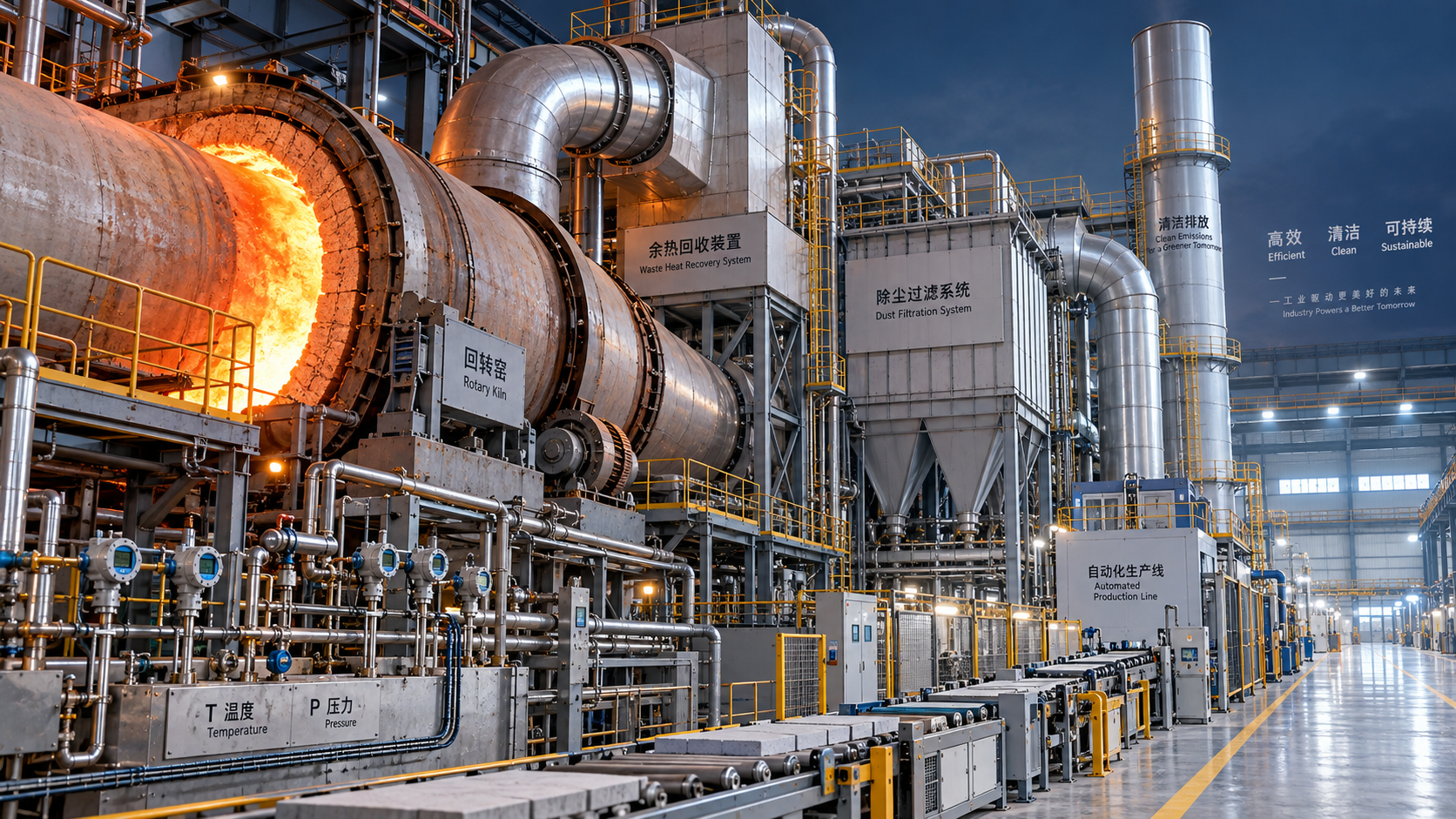
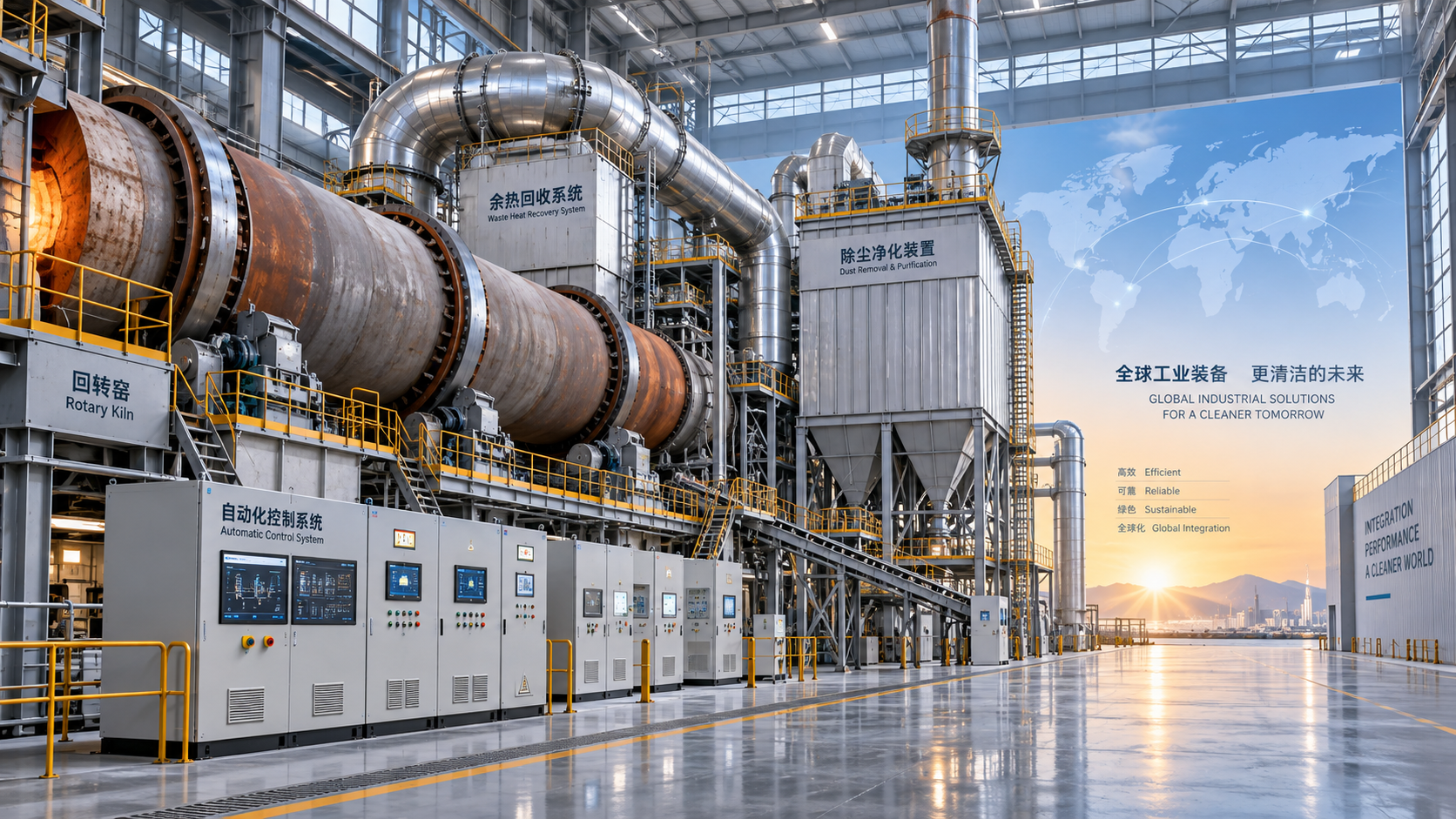
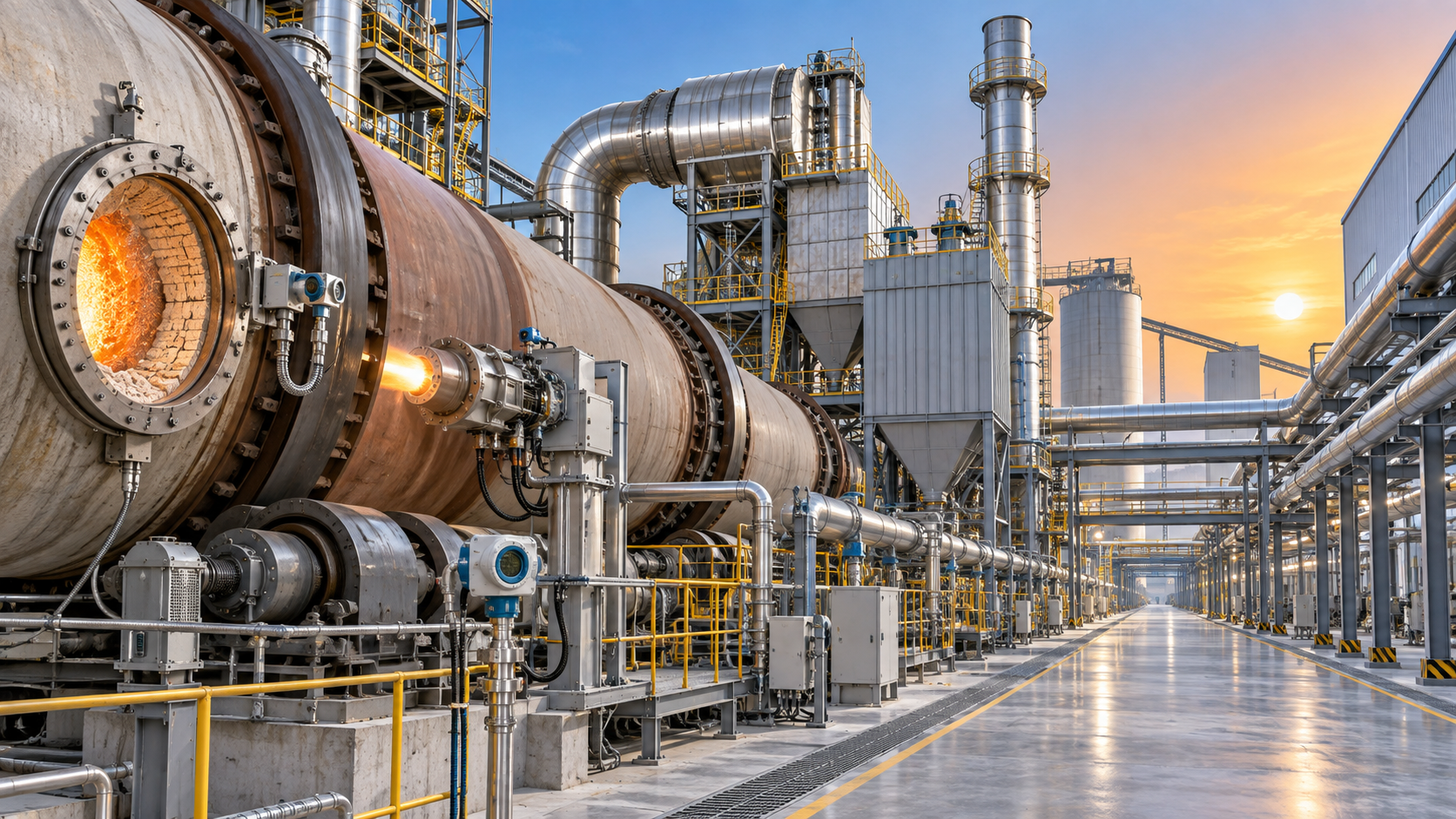
Supplier capability evaluation for process equipment has become a core discipline in capital purchasing, especially where heat, chemistry, uptime, and environmental compliance intersect. For kilns, glass line machinery, extrusion systems, and refractory production assets, the supplier decision shapes commissioning speed, energy performance, maintenance burden, and the true return on investment over many years.
That pressure is stronger today because projects are no longer judged only by nameplate capacity. They are judged by fuel efficiency, emissions control, digital visibility, spare parts continuity, and resilience under unstable supply conditions. In sectors tracked closely by CF-Elite, supplier capability evaluation for process equipment is therefore less about comparing quotations and more about reading long-cycle execution risk with technical discipline.
Why supplier capability now carries more strategic weight
Large process equipment sits at the center of production economics. A weak supplier can delay civil works, miss thermal design targets, or create chronic operating losses that stay hidden until startup.
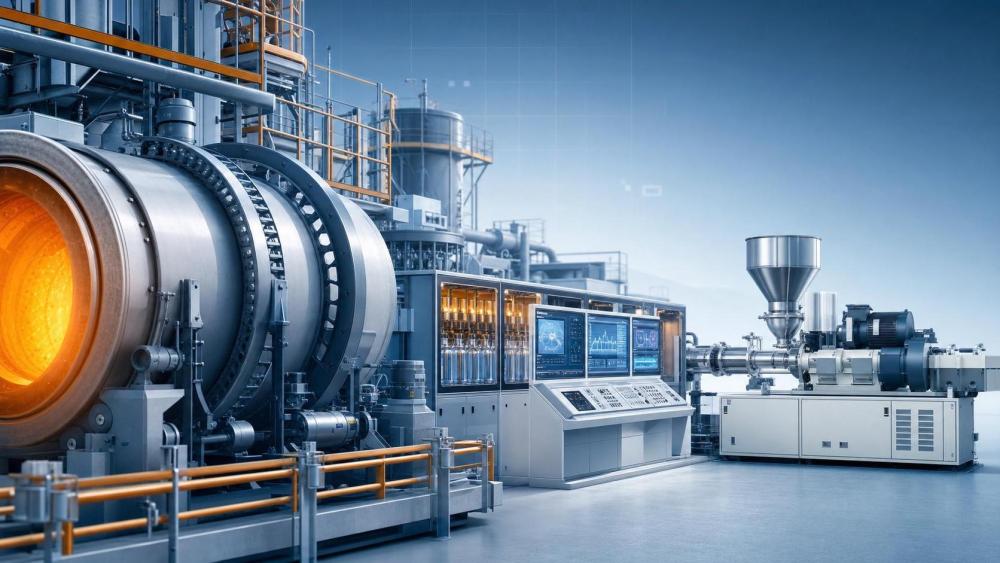
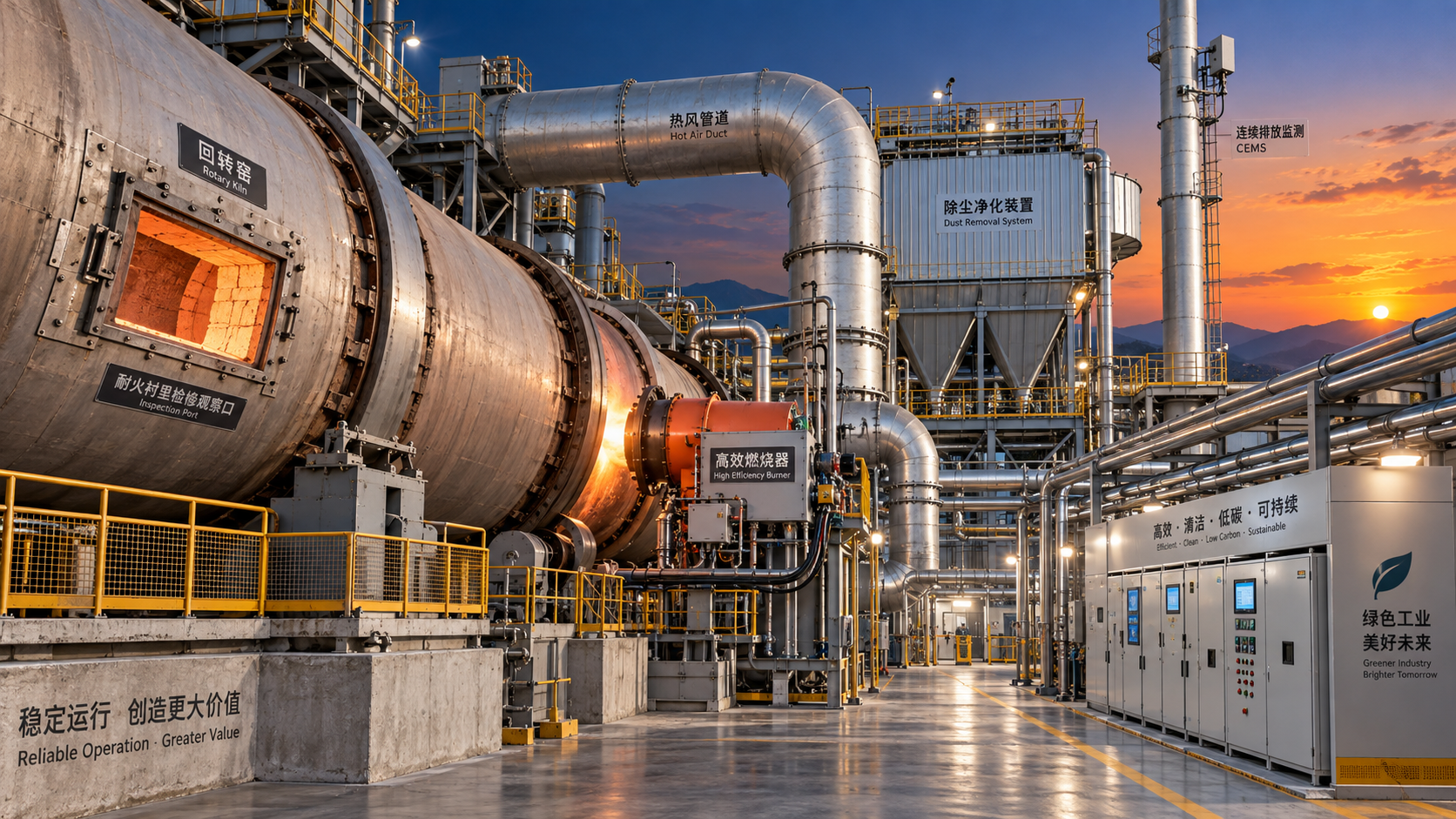
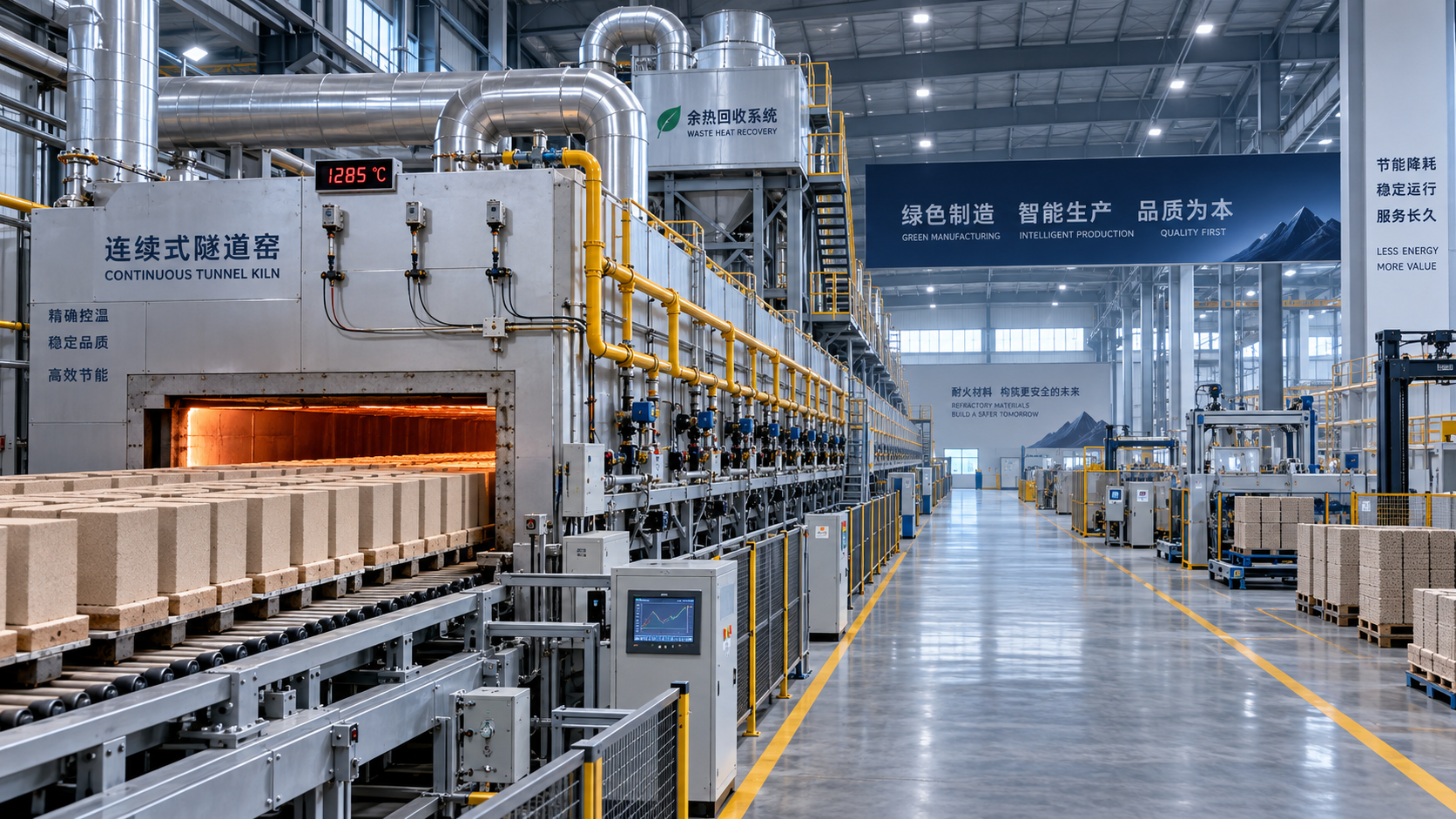
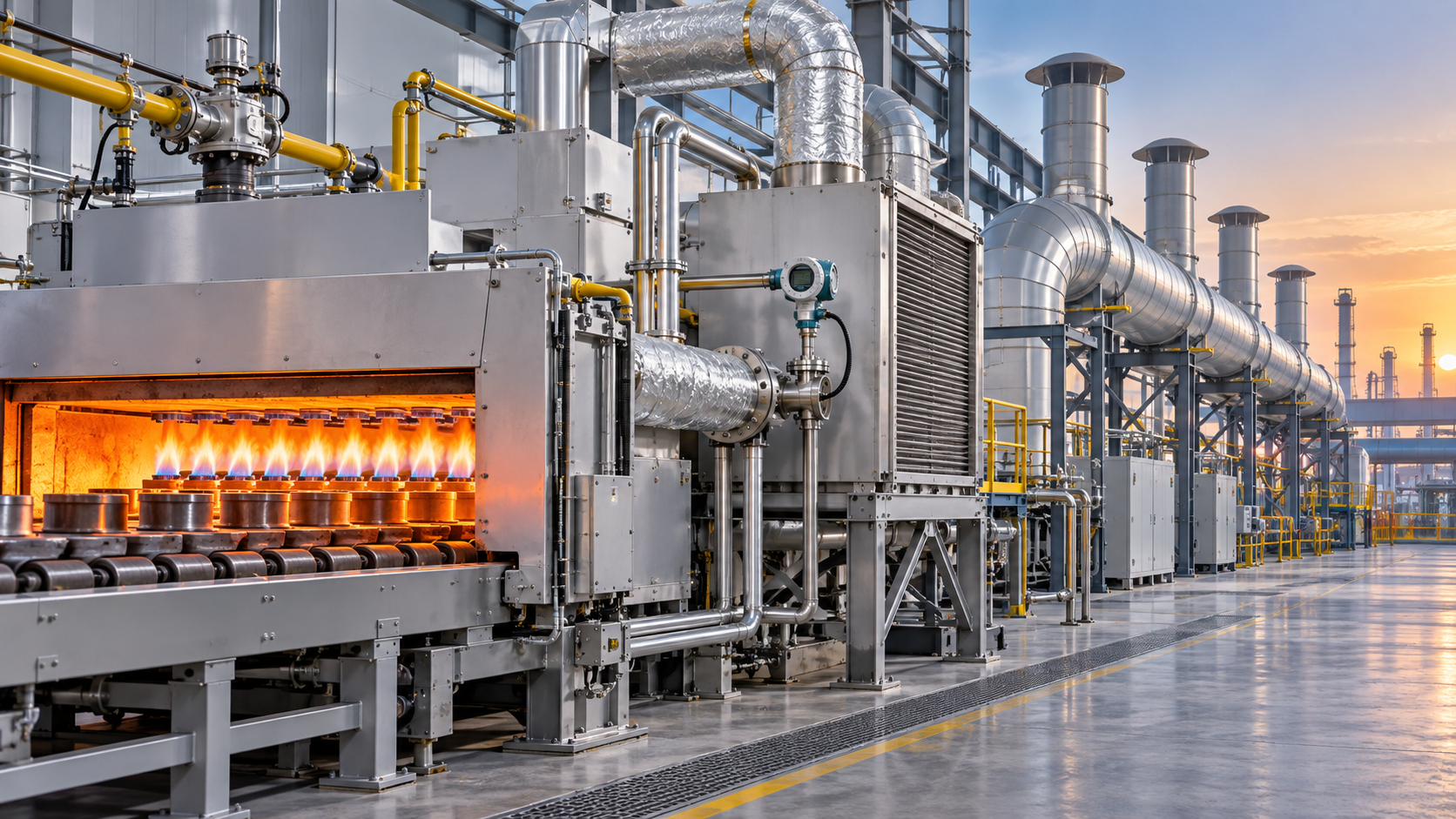
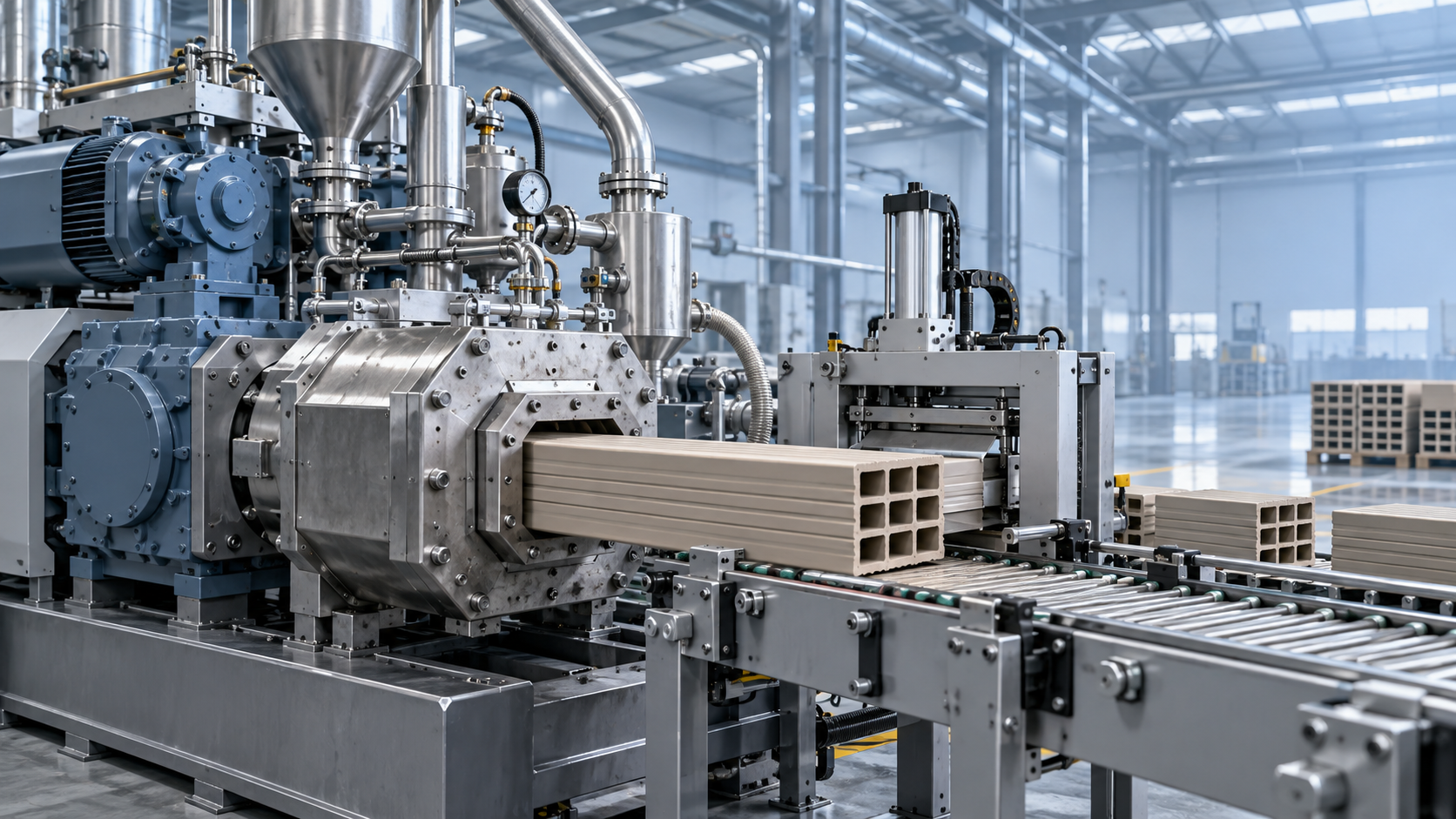
This is especially true in cement plants, float glass lines, industrial incineration systems, refractory lines, and new building material extrusion. In these environments, process stability depends on mechanical integrity, material behavior, and control logic working together.
CF-Elite’s industry lens is useful here. Its intelligence focus on thermal management, silicate production, decarbonization, and online monitoring reflects the real direction of investment. Buyers are increasingly selecting suppliers that can support cleaner combustion, smarter diagnostics, and better lifecycle efficiency, not just initial equipment delivery.
What supplier capability evaluation really means
At a practical level, supplier capability evaluation for process equipment means verifying whether a vendor can design, build, deliver, and support equipment under the exact process conditions of the intended plant.
The keyword is exact. A supplier may perform well in generic machinery but still struggle with abrasive raw materials, high-temperature gradients, waste-derived fuels, or continuous-duty thermal cycles.
That is why capable evaluation goes beyond catalogs. It tests fit between supplier competence and operating reality, including chemistry, throughput variation, emissions requirements, automation architecture, and service expectations.
Eight criteria that matter most
The strongest supplier assessments usually combine technical review with execution review. The following eight criteria create a balanced framework for supplier capability evaluation for process equipment.
1. Process engineering depth
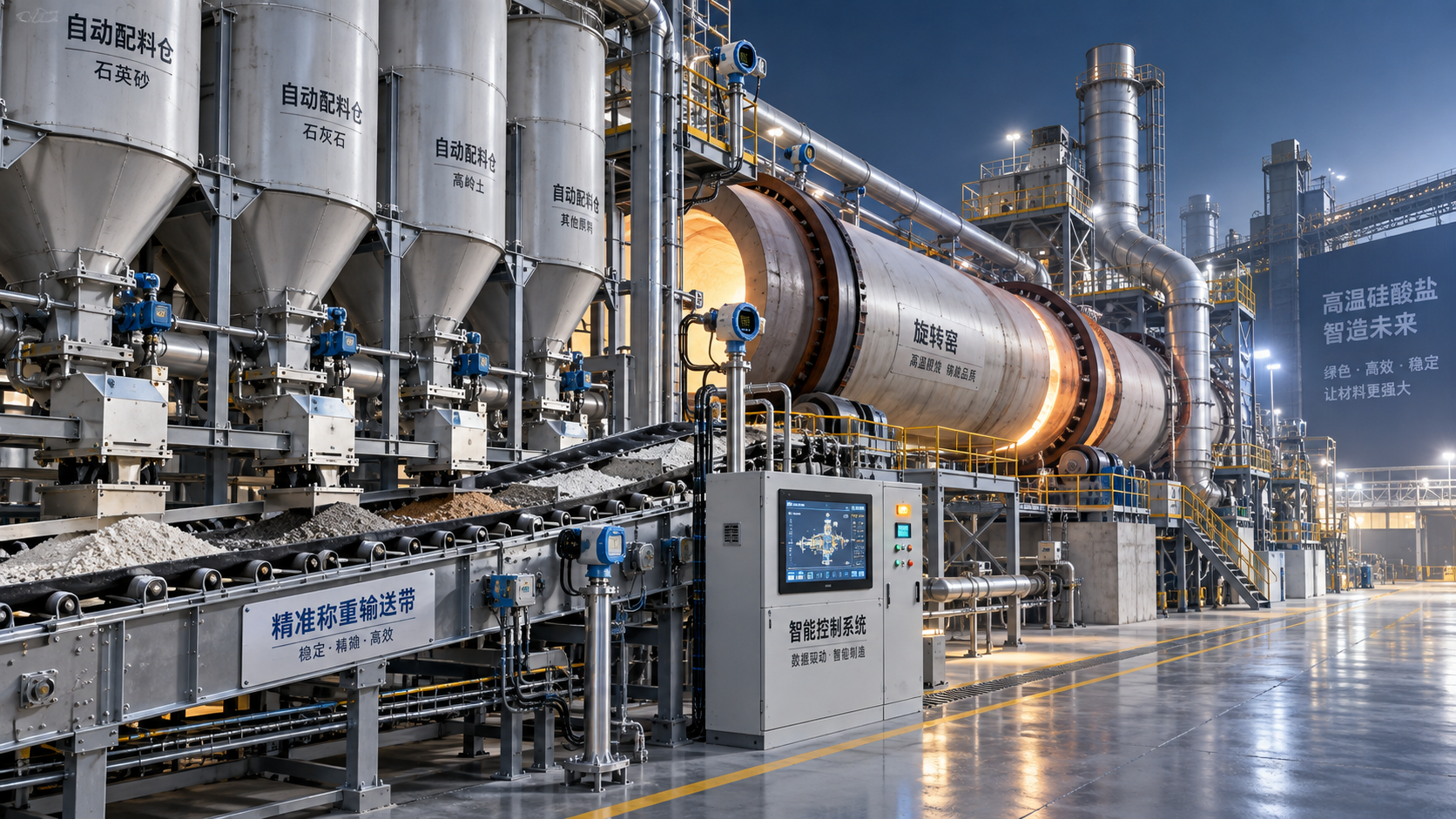
The first question is whether the supplier understands the process, not only the machine. In kiln or incineration projects, thermal profile design, retention time, refractory interaction, and fuel variability all matter.
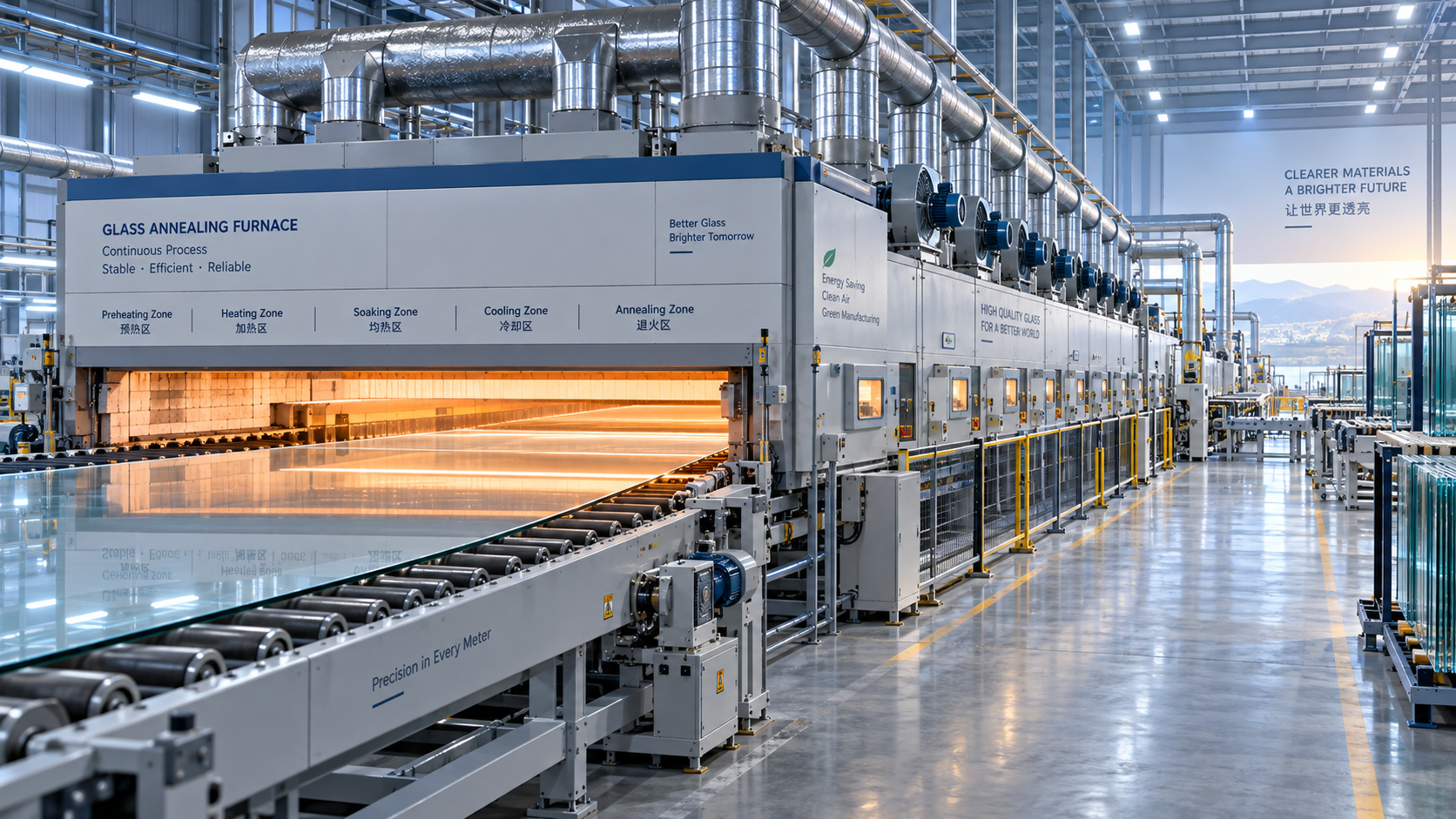
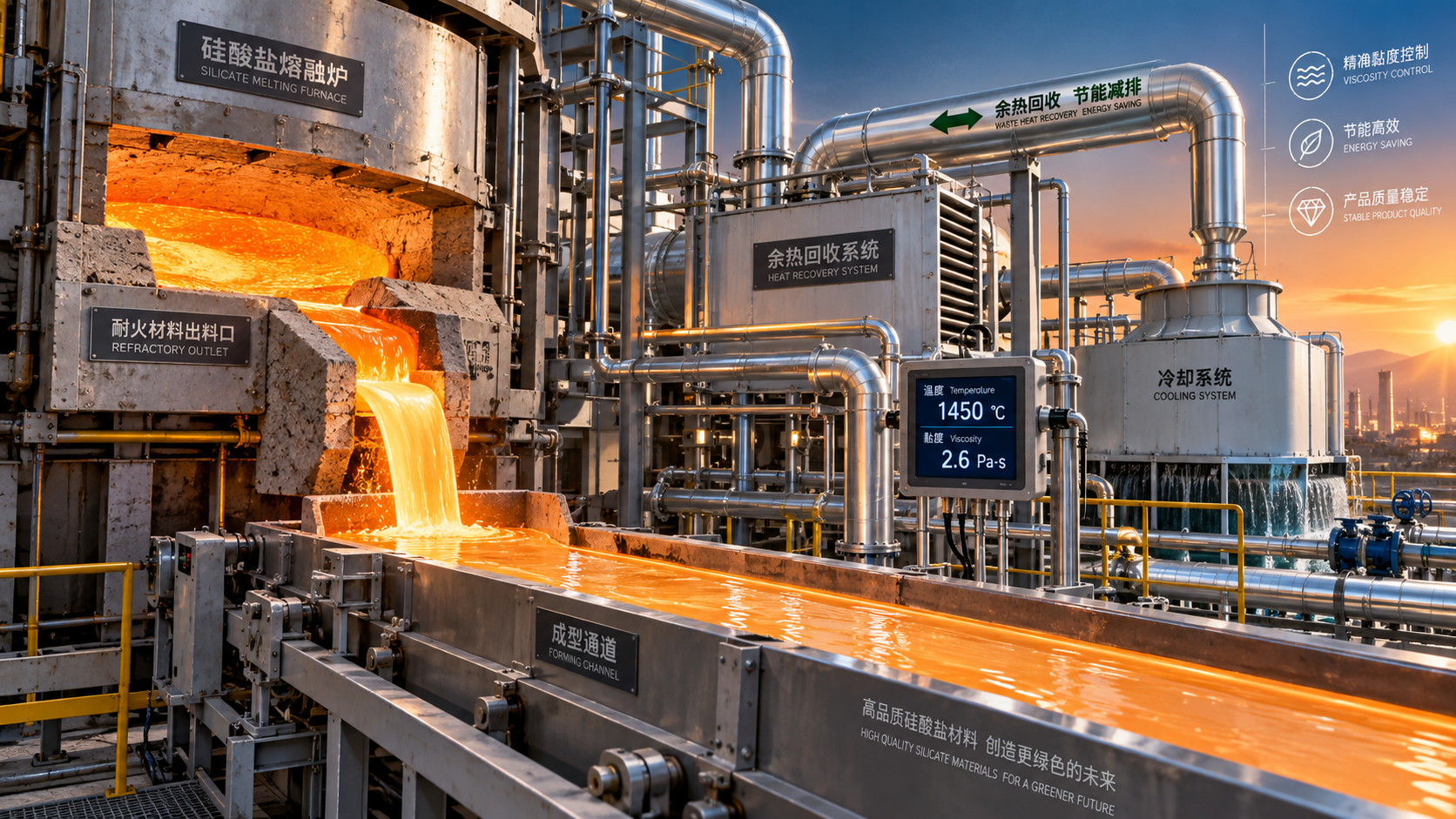
In glass or extrusion systems, viscosity control, heating uniformity, cooling logic, and line synchronization may matter more. A capable supplier explains these links clearly and backs them with calculations or reference cases.
2. Quality system and manufacturing control
Fabrication quality affects startup and service life more than many buyers expect. Welding procedures, dimensional inspection, material traceability, heat treatment records, and subcontractor control should all be visible.
If the supplier cannot show how critical parts are inspected, supplier capability evaluation for process equipment should pause. Poor quality often appears later as misalignment, leakage, shell distortion, or premature wear.
3. Relevant project references
Reference lists only matter when they are comparable. Capacity, fuel type, raw material properties, environmental standards, and climate conditions should be similar to the target project.
A supplier with many references in low-complexity applications may still be a poor choice for high-temperature continuous operation. Useful references include operating years, performance results, and lessons learned after commissioning.
4. Delivery and project execution reliability
Heavy equipment procurement lives on schedule discipline. Design release timing, procurement of critical components, packing logic, logistics planning, and site coordination all affect plant readiness.
Suppliers should show realistic lead times, milestone tracking methods, and escalation paths. Overpromising is common. Reliable execution usually sounds less dramatic and more specific.
5. Lifecycle service capability
Many equipment decisions are won or lost after handover. Spare parts availability, remote diagnostics, shutdown support, operator training, and refractory or wear-part advisory services shape long-term availability.
This criterion matters even more in international projects. Distance increases the cost of every weak service response. During supplier capability evaluation for process equipment, service structure deserves the same attention as design data.
6. Energy and environmental performance
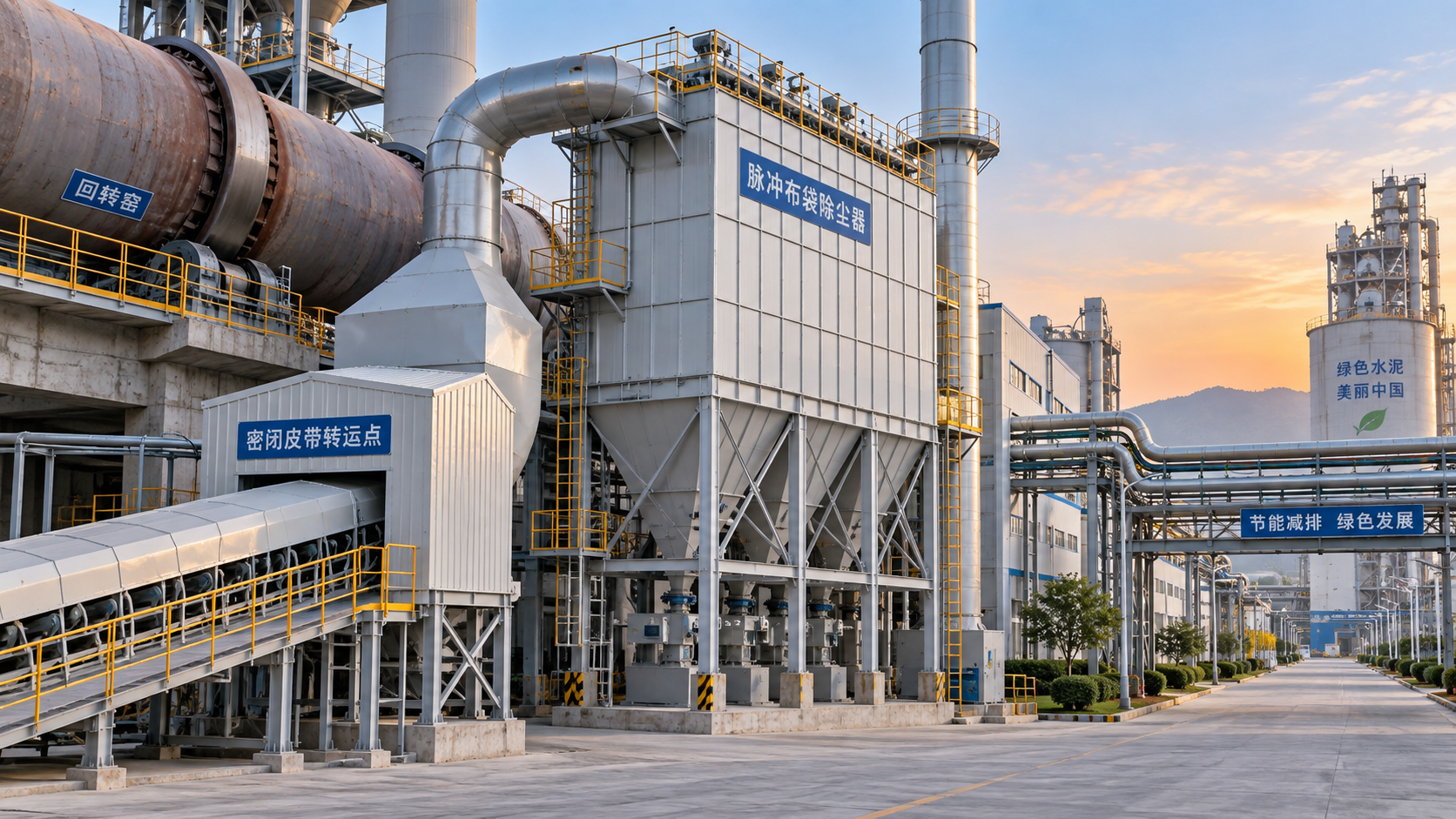
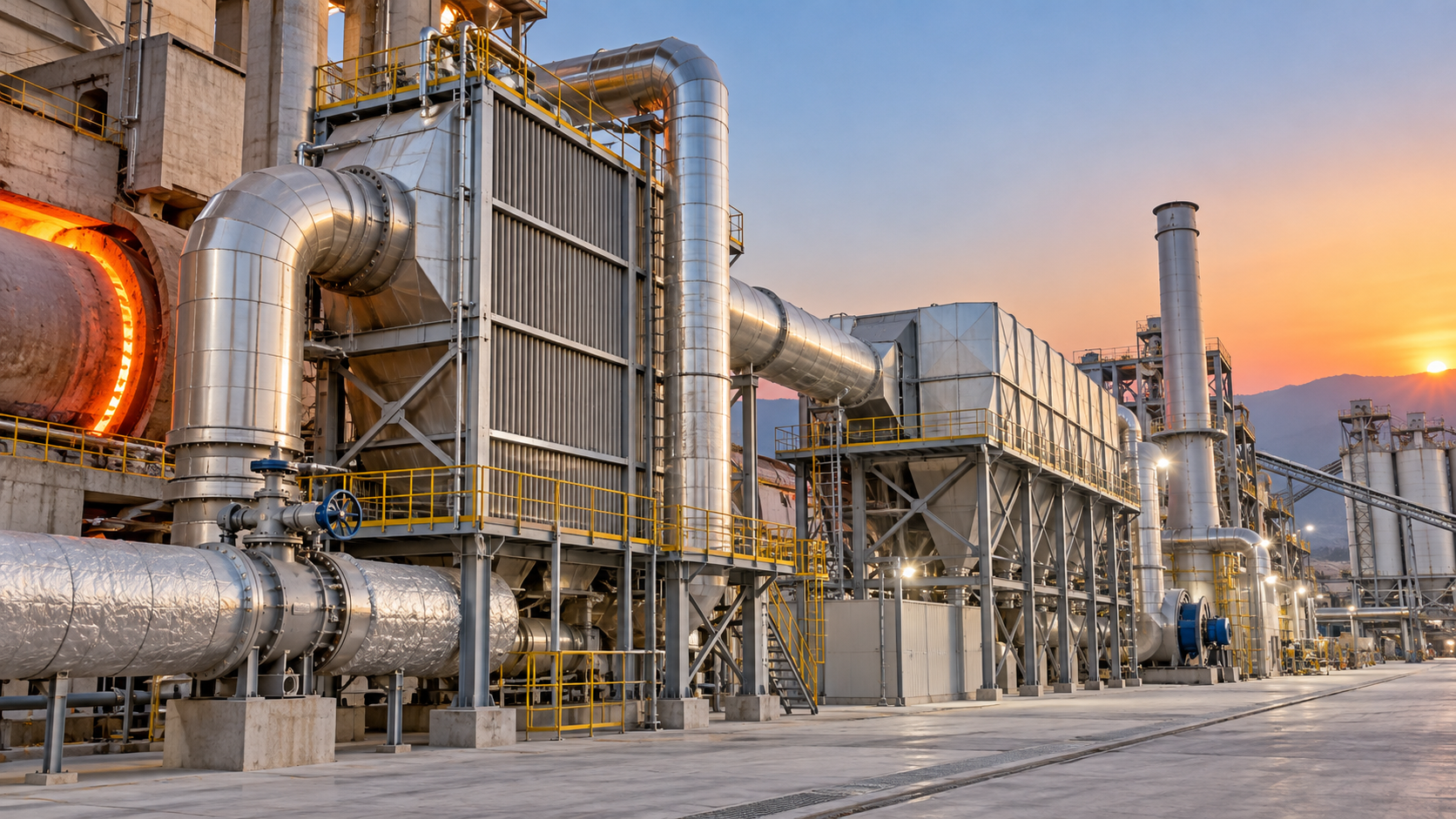
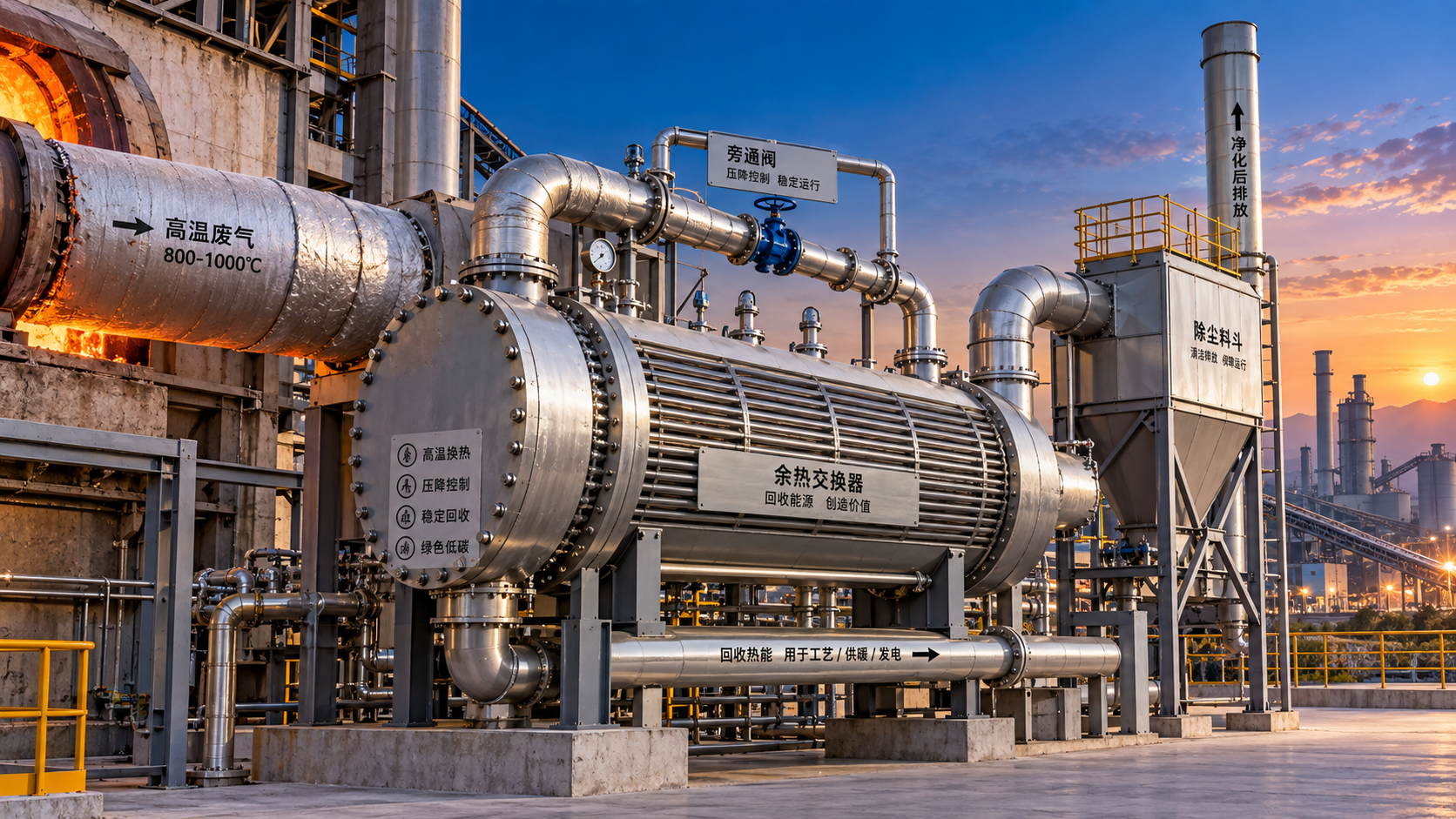
Decarbonization is now embedded in equipment purchasing. Fuel efficiency, waste heat use, dust control, NOx management, and energy monitoring should be treated as core capability markers.
This aligns closely with the market direction followed by CF-Elite. In high-temperature industries, the better supplier is often the one that can connect production targets with lower emissions and measurable operating efficiency.
7. Digital integration and data visibility
Process equipment is increasingly judged by how well it can be monitored. Sensor architecture, PLC compatibility, historian integration, alarm logic, and condition-based maintenance functions now influence purchasing decisions.
Digital twin support, online refractory monitoring, and remote troubleshooting are no longer niche advantages. In some sectors, they directly reduce downtime and help defend energy performance guarantees.
8. Commercial transparency and total cost logic
Lowest price is rarely the lowest cost. A sound commercial review looks at exclusions, commissioning scope, consumables, warranty boundaries, spare parts pricing, and expected maintenance intervals.
When supplier capability evaluation for process equipment is done well, commercial transparency exposes hidden lifecycle costs before the contract is signed. That creates better comparisons across technically different offers.
How the criteria play out across different equipment categories
Not every criterion carries the same weight in every project. The table below shows how emphasis often shifts by application.
This is why a generic vendor scorecard often fails. The evaluation must reflect process-specific risk and the economic consequences of underperformance.
A practical way to use the framework
A useful supplier review normally starts before formal bidding. Early screening reduces wasted time and helps narrow the field to suppliers with genuine technical fit.
One workable sequence is:
- Define process conditions in enough detail to test real capability.
- Separate mandatory requirements from negotiable preferences.
- Score technical, execution, service, and commercial dimensions independently.
- Request comparable references and verify post-startup performance.
- Use clarification rounds to expose assumptions, exclusions, and hidden scope.
In practice, the strongest decisions come from combining plant data, reference validation, and independent market intelligence. That is where sector-focused platforms such as CF-Elite add value, especially in equipment categories shaped by thermal efficiency, emissions pressure, and fast-changing technical standards.
What deserves closer attention before the final shortlist
Several warning signs often appear late unless they are checked directly. A supplier may offer strong engineering documents but weak site support. Another may have excellent references but poor spare parts structure outside its home market.
It also helps to test how a supplier handles uncomfortable questions. Responses to fuel variability, off-design operation, refractory life, digital integration limits, or emissions guarantees usually reveal the maturity of the organization.
Supplier capability evaluation for process equipment works best when it treats uncertainty as a measurable variable. The goal is not to eliminate all risk. It is to choose the partner most able to manage technical and execution risk under real operating conditions.
A grounded next step
A solid next move is to build a weighted evaluation matrix around the eight criteria, then adjust the scoring to match the process demands of the project. High-temperature assets rarely fail for one reason alone. They fail where design assumptions, manufacturing quality, delivery discipline, and service readiness do not align.
For that reason, supplier capability evaluation for process equipment should be treated as an operating strategy decision, not only a sourcing exercise. A clearer framework, supported by credible industry intelligence, usually leads to fewer surprises at startup and better performance across the equipment lifecycle.
Related News
 Optical Glass Tech FellowHow to Evaluate Automated Float Glass Lines for Capacity, Quality, and Energy UseEvaluate automated float glass lines for net capacity, consistent quality, energy efficiency, automation reliability, and lifecycle value. Explore key criteria for smarter investment decisions.Oct 05, 2026
 Thermal Energy ArchitectWhat Does CE Marking Require for an Energy-Efficient Industrial Kiln?Energy efficient kiln CE requirements explained: assess safety, technical files, energy performance, and EU compliance before purchase or commissioning.Oct 04, 2026
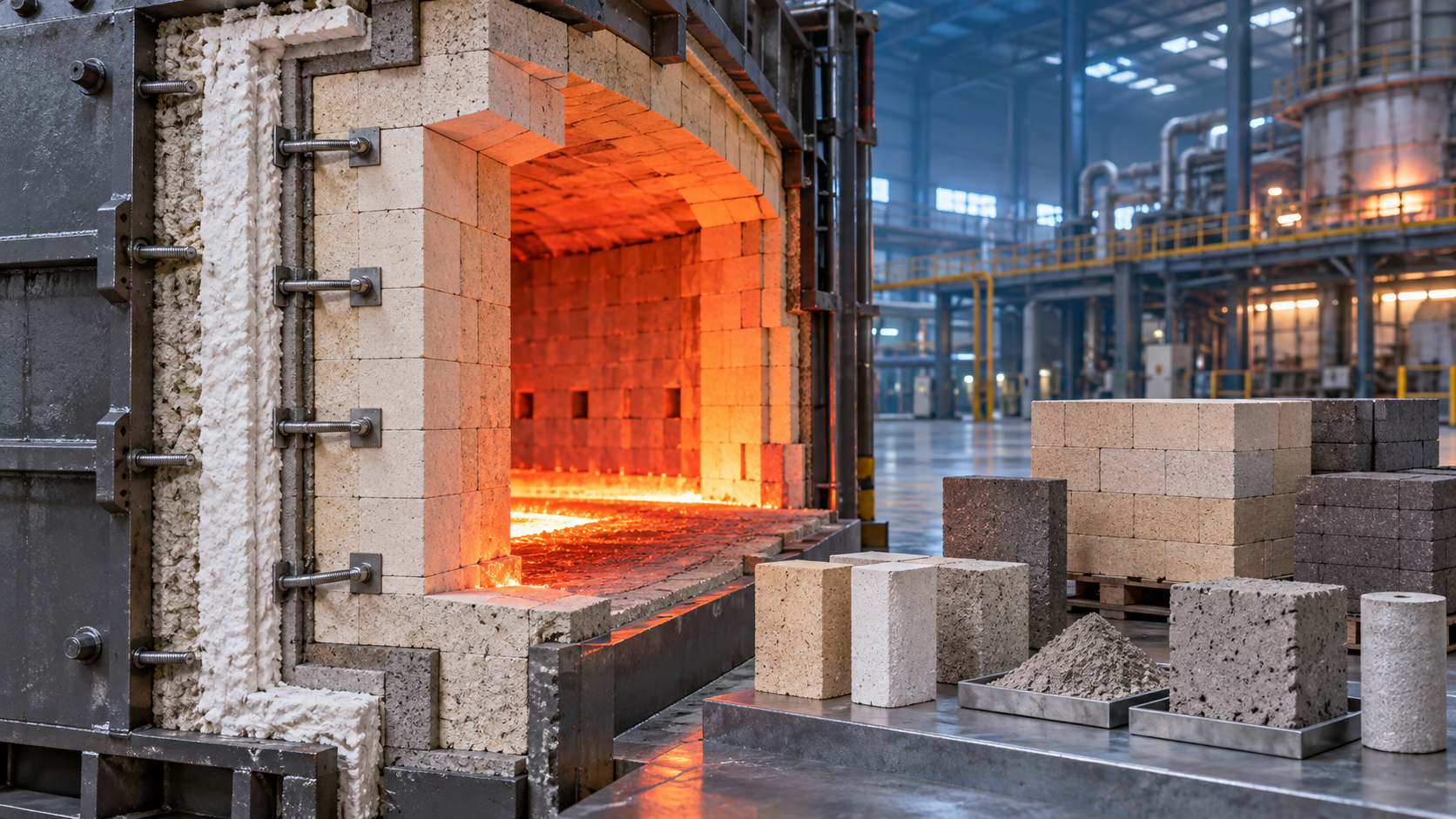
 Thermal Energy ArchitectRefractory Manufacturing Solutions for Brick Plants: How to Extend Kiln LifeRefractory manufacturing solutions for brick plant operations: discover proven strategies to extend kiln life, reduce heat loss, prevent lining failures, and plan cost-effective repairs.Oct 03, 2026
 Thermal Energy ArchitectHow to Specify Heavy Industrial Process Systems for High-Temperature PlantsHeavy industrial processes systems: learn how to specify high-temperature plants for efficiency, emissions control, maintainability, and lifecycle performance.Oct 02, 2026
 Structural Material AnalystHow Sustainable Material Extrusion Can Improve Wall Panel Durability and Design FlexibilityDiscover how sustainable material extrusion for wall panels improves durability, moisture resistance, design flexibility, and installation consistency for high-performing wall systems.Oct 01, 2026
 Thermal Energy ArchitectHow to Evaluate a High-Temperature Materials Manufacturer for Furnace ApplicationsChoose a high-temperature materials manufacturer with confidence: compare thermal performance, chemical resistance, quality controls, installation support, and lifecycle cost.Sep 30, 2026
 Ms. Elena RodriguezHow to Structure Global Specification Data for Faster Industrial Product EvaluationGlobal specification-oriented product information helps industrial teams compare capacity, energy, emissions, automation, and lifecycle data on a like-for-like basis for faster, confident equipment decisions.Sep 29, 2026
 Thermal Energy ArchitectHow to Specify High-Temperature Process Systems for Continuous Thermal OperationsHigh-temperature process engineering systems: learn how to specify resilient continuous thermal operations for efficiency, compliance, reliable uptime, and long-term performance.Sep 28, 2026
 Thermal Energy ArchitectHow to Evaluate a Thermal Engineering Contractor for High-Temperature Plant ProjectsChoose a thermal engineering contractor with proven process expertise, lifecycle value, emissions control, and delivery discipline for reliable high-temperature plant performance.Sep 27, 2026
 Silicate Process EngineerHow Latin American Cement Plants Can Reduce Dust Emissions in Kilns and Transfer PointsCement plant dust control Latin America: reduce kiln and transfer-point emissions with practical airflow, filtration, monitoring, and maintenance strategies.Sep 26, 2026
 Material Heat-Resist ExpertHow to Evaluate Refractory Production Lines for Output, Quality, and Energy UseRefractory production lines: learn how to assess qualified output, consistent quality, and total energy use for smarter, lower-risk investment decisions.Sep 25, 2026
 Dr. Alistair VaughnHow Waste Recycling Technology Improves Material Recovery in Industrial PlantsWaste recycling technology improves material recovery through source segregation, smart separation, thermal treatment, and quality control for industrial plants.Sep 24, 2026
 Optical Glass Tech FellowHow to Specify Glass Annealing Equipment for European Quality and Energy RequirementsGlass annealing equipment Europe: learn how to specify lehrs for consistent glass quality, energy efficiency, compliance, automation, and reliable long-term performance.Sep 23, 2026
 Optical Glass Tech FellowSilicate Process Automation: Improving Batch Consistency and Energy ControlSilicate process automation improves batch consistency, energy control, traceability, and operator confidence across high-temperature manufacturing operations.Sep 22, 2026
 Optical Glass Tech FellowHow Silicate Industrial Processes Control Viscosity, Energy Use, and Product QualitySilicate industrial processes: learn how viscosity, chemistry, heat transfer, and atmosphere control reduce energy use, improve stability, and protect product quality.Sep 21, 2026
 Thermal Energy ArchitectHow European Plants Can Evaluate Energy Recovery Equipment for High-Temperature ProcessesIndustrial energy recovery equipment Europe: learn how high-temperature plants can assess waste-heat sources, integration risks, lifecycle value, and reliable recovery routes.Sep 20, 2026
 Thermal Energy ArchitectIndustrial Furnace Process Optimization: Reducing Fuel Use Without Sacrificing ThroughputIndustrial process optimization furnace strategies that cut fuel use while protecting throughput. Explore combustion control, heat recovery, refractory performance, and data-driven efficiency gains.Sep 19, 2026
 Ms. Elena RodriguezWhat Drives High-Pressure Extrusion Equipment Cost in Industrial Projects?High pressure extrusion equipment cost explained: compare pressure, die design, automation, wear, energy, and installation factors for smarter industrial investments.Sep 18, 2026
 Thermal Energy ArchitectHow to Size a Waste Heat Recovery Exchanger for High-Temperature Kiln Exhaust?Waste heat recovery exchanger sizing for high-temperature kiln exhaust: balance recoverable duty, fouling, corrosion limits, pressure drop, and reliable heat use.Sep 17, 2026
 Thermal Energy ArchitectWhy Heat-Resistant Materials Lose Abrasion Resistance at High TemperaturesHeat-resistant materials abrasion resistance can decline at high temperatures. Discover the thermal, chemical, and mechanical causes of wear—and how to choose longer-lasting linings.Sep 16, 2026

Related News
- 00
0000-00
How to Structure Global Specification Data for Faster Industrial Product Evaluation - 00
0000-00
What Drives High-Pressure Extrusion Equipment Cost in Industrial Projects? - 00
0000-00
How Should Buyers Evaluate Building Material Industry Intelligence Pricing? - 00
0000-00
How to Use Building Material Intelligence Data for Market and Investment Decisions - 00
0000-00
How to Evaluate a Silicate Processing Equipment Manufacturer for Plant Projects
Weekly Insights
Stay ahead with our curated technology reports delivered every Monday.