
How to Choose Industrial Thermal Systems for Glass Plants by Furnace Load and Fuel Type




How to Choose Industrial Thermal Systems for Glass Plants by Furnace Load and Fuel Type
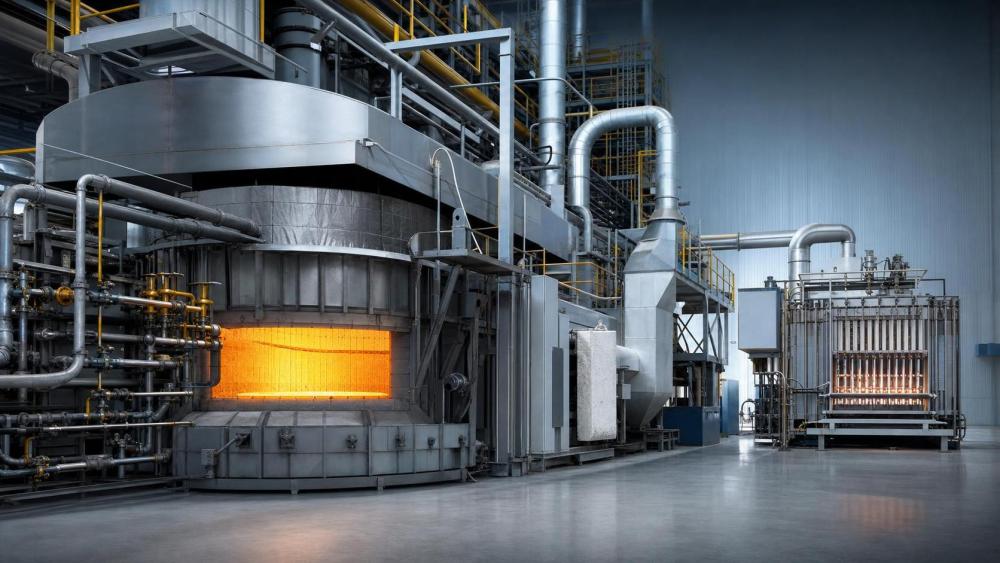
Choosing industrial thermal systems for glass plants starts with one basic fact. Furnace load and fuel type shape almost every downstream performance result.
That includes melting stability, specific energy use, emissions compliance, refractory life, and maintenance frequency. A wrong match usually looks affordable only at purchase stage.
For technical evaluation, the real task is not selecting a burner or furnace in isolation. It is selecting a thermal architecture that stays reliable under actual plant conditions.
This is why industrial thermal systems for glass plants should be compared through load behavior, fuel pathway, control range, and long-cycle operating risk.
In practical projects, many evaluation errors come from static sizing. A furnace may meet nominal capacity, yet struggle during pull-rate swings, batch changes, or fuel quality variation.
A better approach begins with process reality. How much heat is needed, when it is needed, and how precisely it must be delivered.
Start with Furnace Load, Not Nameplate Capacity
Furnace load is more than tonnes per day. It includes peak demand, base demand, thermal cycling frequency, glass composition, and allowable temperature deviation.
For example, float glass lines often need stable high-throughput melting with narrow thermal variation. Container glass may tolerate different operating rhythms, but still needs strong combustion consistency.
Specialty glass creates another profile. Smaller volumes can require tighter control, faster response, and cleaner heat transfer because defects carry a higher cost.
When reviewing industrial thermal systems for glass plants, separate the load into three layers:
- Continuous thermal load during steady pull
- Transient load during startup, color change, or production adjustment
- Reserve load needed for upset recovery and seasonal conditions
This breakdown reveals whether the system needs high turndown capability, thermal storage support, or stronger combustion control logic.
It also helps evaluators avoid oversizing. Excess thermal capacity often lowers efficiency under part load and can destabilize flame behavior.
Questions That Clarify the Load Profile
- What is the real operating window versus design capacity?
- How often does production run below 70% load?
- How sensitive is the glass quality to thermal fluctuation?
- Does the furnace face frequent composition or cullet ratio changes?
- What is the acceptable time to recover from a disturbance?
Fuel Type Changes the Whole Selection Logic
Fuel is not just an energy source. It changes flame temperature, heat transfer mode, emissions profile, combustion air design, and control system complexity.
That is why industrial thermal systems for glass plants cannot be evaluated without a clear fuel strategy. Capital cost and energy efficiency both depend on it.
Natural Gas Systems
Natural gas remains common because it offers controllable combustion, relatively clean operation, and mature burner technologies. It also supports regenerative and recuperative furnace arrangements well.
Still, gas pricing volatility matters. In regions with unstable supply contracts, lifecycle economics can shift quickly.
Fuel Oil or Heavy Oil Systems
Oil-based systems can support high heat input, but atomization quality becomes critical. Poor atomization increases soot, fouling, and refractory stress.
These systems also demand stronger handling infrastructure. Storage, preheating, pumping, and emissions treatment raise total system complexity.
Electric Boosting and Hybrid Solutions
Electric boosting is gaining attention where decarbonization targets are tightening. It improves thermal precision and can reduce local combustion emissions.
However, grid stability, electricity tariffs, and electrode integration must be checked carefully. Hybrid solutions only work when plant power quality supports them.
Alternative Fuels and Future Readiness
Hydrogen blending, synthetic fuels, and waste-derived energy are increasingly discussed. Yet not every furnace can absorb those changes without redesign.
The better evaluation question is simple. Can the selected system adapt later without major shutdown risk or refractory damage?
Match Thermal System Design to Process Stability Needs
In glass production, stable heat matters as much as total heat. A system with strong theoretical efficiency may still perform poorly if control response is slow.
This is where industrial thermal systems for glass plants should be reviewed as integrated process platforms, not isolated heat generators.
Look closely at these design features:
- Burner arrangement and flame coverage across the melt zone
- Air preheating method and waste heat recovery performance
- Turndown ratio under partial production loads
- Instrumentation density for temperature and pressure feedback
- Control logic for oxygen balance and combustion tuning
- Integration with batch charging and forehearth stability
From recent industry shifts, digital monitoring has become more than a nice add-on. It is now part of risk control for energy use and asset life.
A system with predictive alarms, combustion trend logging, and refractory monitoring usually supports better operating discipline over time.
Compare Options Through Total Evaluation Criteria
Shortlisting industrial thermal systems for glass plants requires a wider scorecard than thermal efficiency alone. Operational fit often decides the better investment.
This kind of matrix keeps the selection grounded. It also makes internal comparison easier when process, utility, and finance teams view the project differently.
Common Selection Risks
- Using average load instead of real operating distribution
- Ignoring future fuel transition policy
- Underestimating emissions control cost
- Assuming laboratory efficiency equals plant efficiency
- Treating maintenance access as a secondary issue
A Practical Selection Path for Better Decisions
A workable decision path for industrial thermal systems for glass plants usually follows five steps. Each step reduces mismatch risk before capital is committed.
- Define the furnace load map using real production data, not only design throughput.
- Screen fuel options against local price, supply security, emissions policy, and utility infrastructure.
- Compare thermal system configurations by control range, heat recovery, and maintenance exposure.
- Test future-readiness for electric boosting, hydrogen blending, or stricter reporting rules.
- Build a lifecycle model covering energy, downtime, refractory impact, and retrofit probability.
This also means supplier dialogue should go deeper than rated capacity sheets. Ask for part-load curves, control response data, and references from similar glass lines.
The more comparable the operating context, the more useful the answer. A solution proven in another heat-intensive sector may still behave differently in glass melting.
Ultimately, the best industrial thermal systems for glass plants are the ones that align heat delivery with process reality, fuel strategy, and long-term compliance pressure.
When selection criteria are built around furnace load and fuel type first, technical decisions become clearer. So do cost forecasts, reliability expectations, and decarbonization options.
For any evaluation cycle, start with operating truth, then test system fit rigorously. That is usually where better thermal performance and better investment discipline meet.
Related News
 Thermal Energy ArchitectHow to Specify Heavy Industrial Process Systems for High-Temperature PlantsHeavy industrial processes systems: learn how to specify high-temperature plants for efficiency, emissions control, maintainability, and lifecycle performance.Oct 02, 2026
 Structural Material AnalystHow Sustainable Material Extrusion Can Improve Wall Panel Durability and Design FlexibilityDiscover how sustainable material extrusion for wall panels improves durability, moisture resistance, design flexibility, and installation consistency for high-performing wall systems.Oct 01, 2026
 Thermal Energy ArchitectHow to Evaluate a High-Temperature Materials Manufacturer for Furnace ApplicationsChoose a high-temperature materials manufacturer with confidence: compare thermal performance, chemical resistance, quality controls, installation support, and lifecycle cost.Sep 30, 2026
 Ms. Elena RodriguezHow to Structure Global Specification Data for Faster Industrial Product EvaluationGlobal specification-oriented product information helps industrial teams compare capacity, energy, emissions, automation, and lifecycle data on a like-for-like basis for faster, confident equipment decisions.Sep 29, 2026
 Thermal Energy ArchitectHow to Specify High-Temperature Process Systems for Continuous Thermal OperationsHigh-temperature process engineering systems: learn how to specify resilient continuous thermal operations for efficiency, compliance, reliable uptime, and long-term performance.Sep 28, 2026
 Thermal Energy ArchitectHow to Evaluate a Thermal Engineering Contractor for High-Temperature Plant ProjectsChoose a thermal engineering contractor with proven process expertise, lifecycle value, emissions control, and delivery discipline for reliable high-temperature plant performance.Sep 27, 2026
 Silicate Process EngineerHow Latin American Cement Plants Can Reduce Dust Emissions in Kilns and Transfer PointsCement plant dust control Latin America: reduce kiln and transfer-point emissions with practical airflow, filtration, monitoring, and maintenance strategies.Sep 26, 2026
 Material Heat-Resist ExpertHow to Evaluate Refractory Production Lines for Output, Quality, and Energy UseRefractory production lines: learn how to assess qualified output, consistent quality, and total energy use for smarter, lower-risk investment decisions.Sep 25, 2026
 Dr. Alistair VaughnHow Waste Recycling Technology Improves Material Recovery in Industrial PlantsWaste recycling technology improves material recovery through source segregation, smart separation, thermal treatment, and quality control for industrial plants.Sep 24, 2026
 Optical Glass Tech FellowHow to Specify Glass Annealing Equipment for European Quality and Energy RequirementsGlass annealing equipment Europe: learn how to specify lehrs for consistent glass quality, energy efficiency, compliance, automation, and reliable long-term performance.Sep 23, 2026
 Optical Glass Tech FellowSilicate Process Automation: Improving Batch Consistency and Energy ControlSilicate process automation improves batch consistency, energy control, traceability, and operator confidence across high-temperature manufacturing operations.Sep 22, 2026
 Optical Glass Tech FellowHow Silicate Industrial Processes Control Viscosity, Energy Use, and Product QualitySilicate industrial processes: learn how viscosity, chemistry, heat transfer, and atmosphere control reduce energy use, improve stability, and protect product quality.Sep 21, 2026
 Thermal Energy ArchitectHow European Plants Can Evaluate Energy Recovery Equipment for High-Temperature ProcessesIndustrial energy recovery equipment Europe: learn how high-temperature plants can assess waste-heat sources, integration risks, lifecycle value, and reliable recovery routes.Sep 20, 2026
 Thermal Energy ArchitectIndustrial Furnace Process Optimization: Reducing Fuel Use Without Sacrificing ThroughputIndustrial process optimization furnace strategies that cut fuel use while protecting throughput. Explore combustion control, heat recovery, refractory performance, and data-driven efficiency gains.Sep 19, 2026
 Ms. Elena RodriguezWhat Drives High-Pressure Extrusion Equipment Cost in Industrial Projects?High pressure extrusion equipment cost explained: compare pressure, die design, automation, wear, energy, and installation factors for smarter industrial investments.Sep 18, 2026
 Thermal Energy ArchitectHow to Size a Waste Heat Recovery Exchanger for High-Temperature Kiln Exhaust?Waste heat recovery exchanger sizing for high-temperature kiln exhaust: balance recoverable duty, fouling, corrosion limits, pressure drop, and reliable heat use.Sep 17, 2026
 Thermal Energy ArchitectWhy Heat-Resistant Materials Lose Abrasion Resistance at High TemperaturesHeat-resistant materials abrasion resistance can decline at high temperatures. Discover the thermal, chemical, and mechanical causes of wear—and how to choose longer-lasting linings.Sep 16, 2026
 Thermal Energy ArchitectHow to Evaluate a Thermal Energy Optimization Company for High-Temperature PlantsChoose a thermal energy optimization company with proven process expertise, measurable savings, and reliable delivery for high-temperature plants. Learn what to assess.Sep 15, 2026
 Thermal Energy ArchitectRotary Kiln Efficiency: How Feed Rate, Fuel Use, and Heat Loss Affect OutputRotary kiln efficiency explained: discover how feed rate, fuel use, heat loss, combustion, and cooling performance shape output, quality, and energy costs.Sep 14, 2026
 Thermal Energy ArchitectHow to Select Heat-Resistant Materials That Maintain Abrasion Resistance in KilnsHeat-resistant materials abrasion resistance: learn how to select kiln linings that withstand heat, wear, thermal cycling, and chemical attack for longer service life.Sep 13, 2026

Related News
- 00
0000-00
How to Specify Glass Annealing Equipment for European Quality and Energy Requirements - 00
0000-00
Silicate Process Automation: Improving Batch Consistency and Energy Control - 00
0000-00
How Silicate Industrial Processes Control Viscosity, Energy Use, and Product Quality - 00
0000-00
How to Evaluate a Glass Annealing Equipment Manufacturer for Production Stability - 00
0000-00
European Glass Melting Processes: Furnace Choices, Energy Use, and Quality Control
Weekly Insights
Stay ahead with our curated technology reports delivered every Monday.