
How to Evaluate Industrial Waste Management Solutions for Multi-Plant Operations




What decision-makers often get wrong about multi-plant waste management
The hard part is rarely identifying waste streams. Most industrial groups already know they are dealing with dust, sludge, spent refractories, packaging residues, oily solids, wastewater by-products, filter cake, off-spec materials, or combustible process waste. The real difficulty is that industrial waste management solutions are often evaluated plant by plant, while the commercial risk sits at group level. A solution that looks efficient in one facility can become expensive, non-compliant, or operationally fragile when rolled across a network of cement plants, glass lines, kiln systems, extrusion units, or materials processing sites with different feedstocks, maintenance rhythms, and local regulatory obligations.
That is why the evaluation should not start with vendor claims about disposal cost, recycling rates, or energy recovery potential. It should start with system fit. In multi-plant operations, waste handling is tied to production stability, internal logistics, permitting boundaries, and the company’s tolerance for variation between sites. A technically advanced solution can still be a poor choice if it depends on waste consistency that the plants cannot maintain, or on operator skill that only one site actually has.
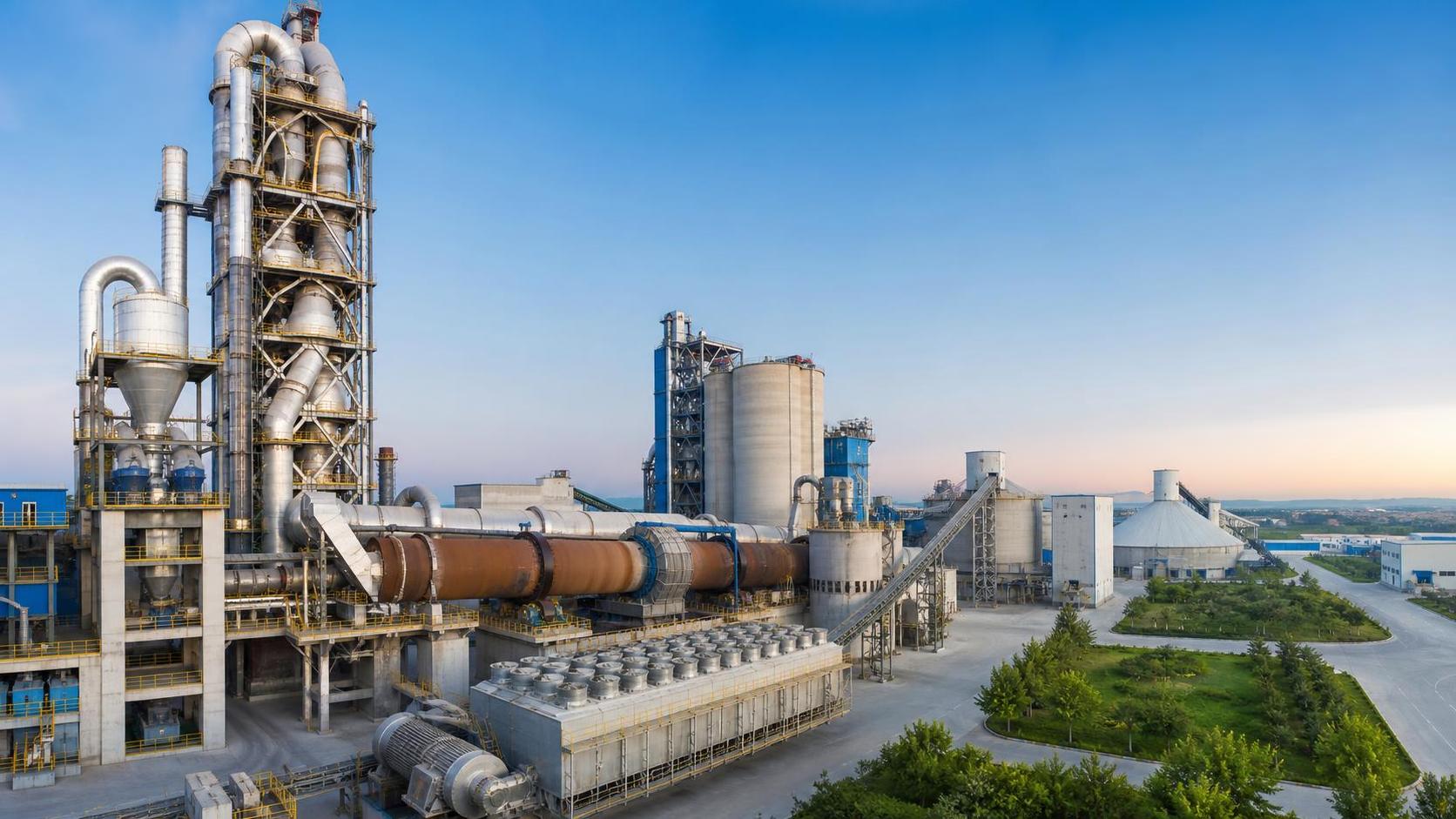
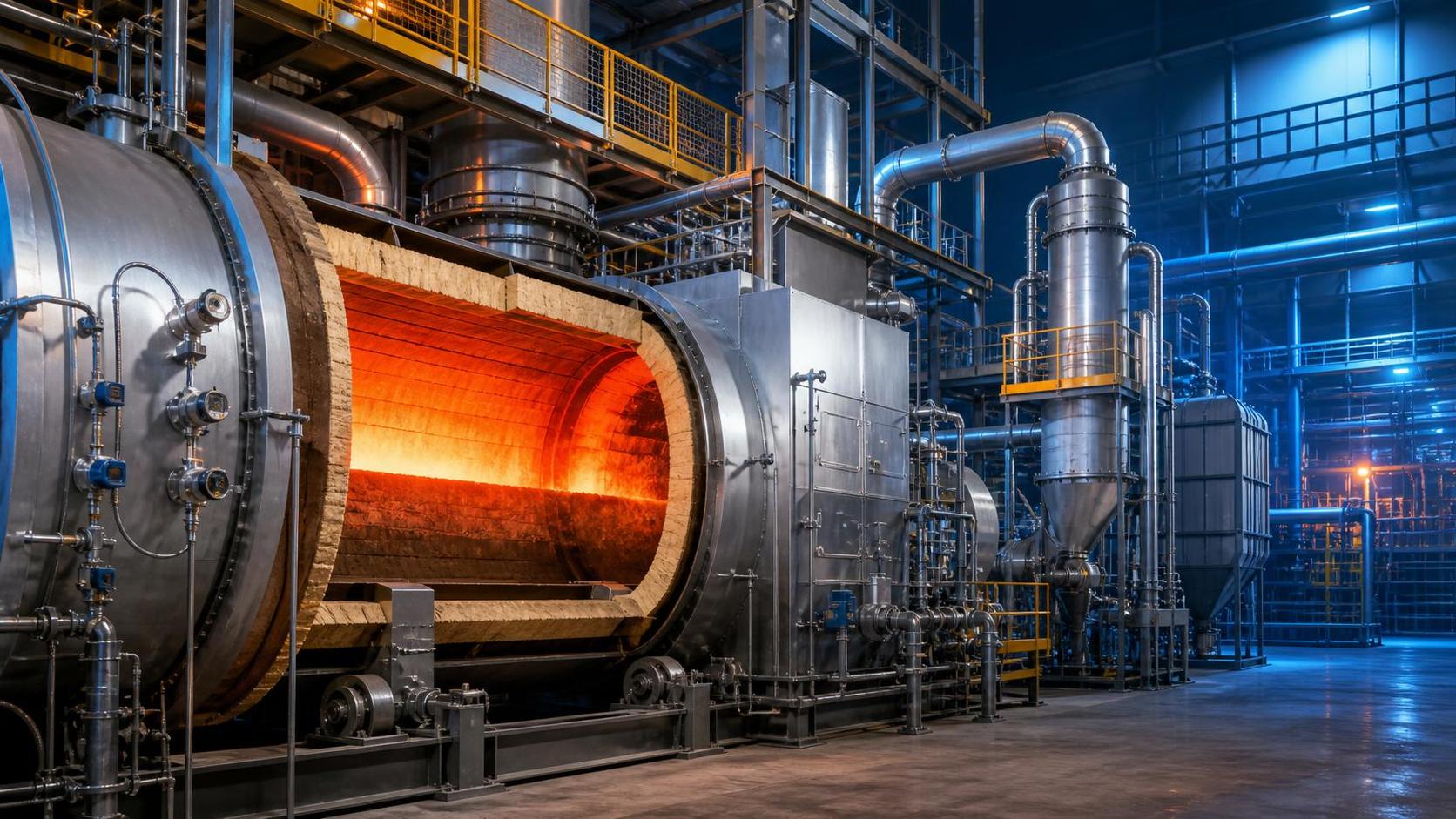
In heavy thermal industries, this becomes even more visible. Waste is not simply “something to remove.” It may also be an energy input, a secondary raw material, a dust liability, or a source of shutdown risk. For groups operating kilns, furnaces, or incineration assets, the question is less about finding a disposal outlet and more about deciding where waste should sit in the operating model: outside the process, partially looped back into it, or integrated into a broader resource recovery strategy.
Evaluate the waste profile before you evaluate the technology
Many selection exercises jump too quickly to equipment categories: balers, compactors, shredders, RDF systems, dewatering units, thermal treatment packages, sorting lines, or digital tracking platforms. That sequence is backwards. For multi-site groups, the first useful comparison is not solution versus solution, but waste profile versus operating context.
A practical assessment usually separates four variables:
- Physical form: loose dust, slurry, solid chunks, hazardous residues, mixed packaging, high-moisture organics, abrasive mineral waste.
- Variability: whether composition stays within a manageable range or changes with raw materials, campaign runs, or seasonal inputs.
- Handling sensitivity: ignition risk, odor, leachability, corrosiveness, transport restrictions, or cross-contamination potential.
- Recovery value: potential use as fuel substitute, mineral substitute, recyclable fraction, or material requiring only volume reduction before off-site treatment.
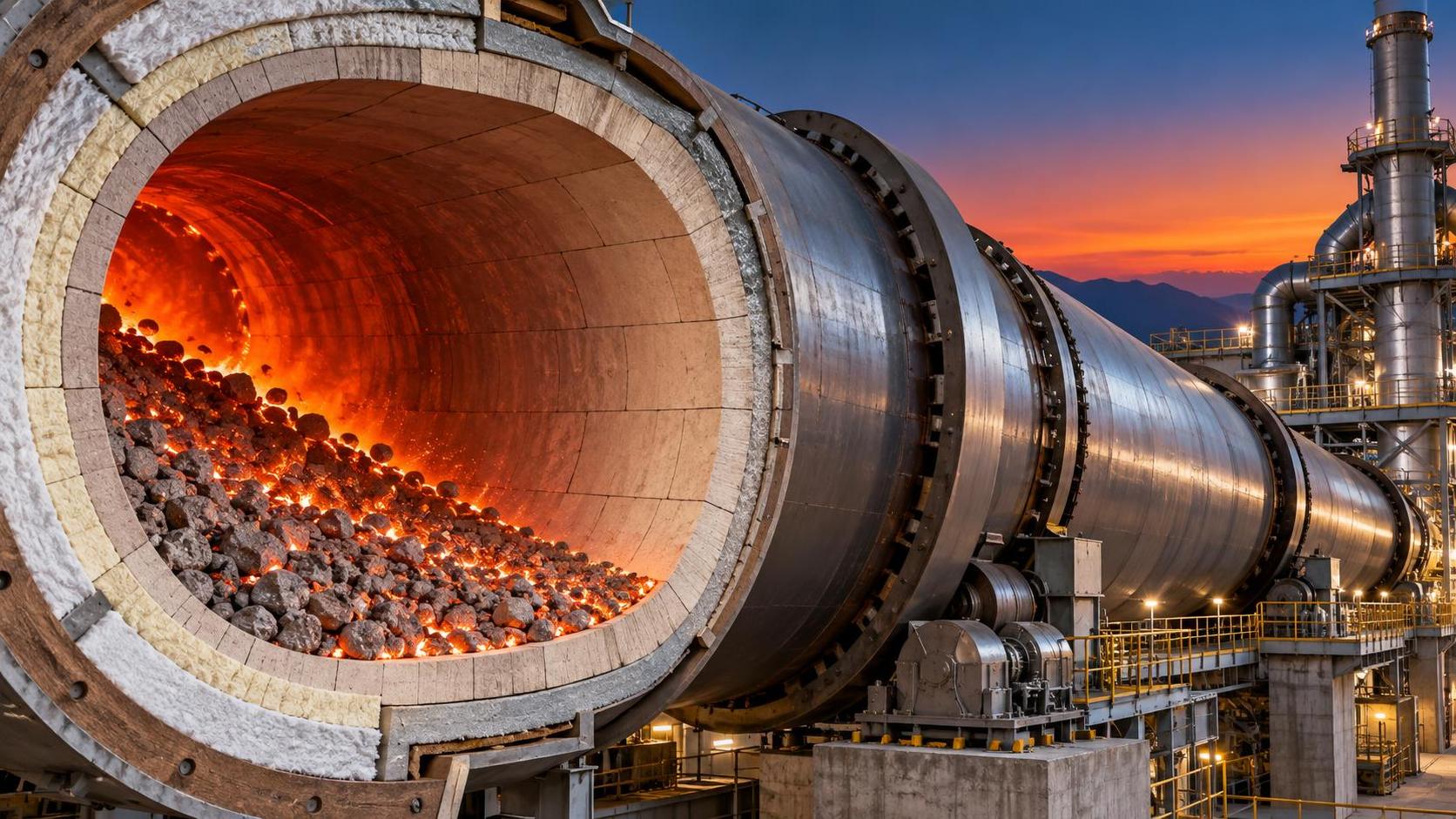
This sounds basic, but it changes the shortlist. A plant producing stable, high-calorific combustible residues may justify pre-processing for co-processing in a rotary kiln. A site producing inconsistent mixed waste with moisture swings may need segregation discipline before any conversion technology makes economic sense. Sludge management in one region may be driven by landfill restrictions; elsewhere, transport cost can dominate the economics more than treatment method.
The point is simple: do not buy a technology category when the real issue is upstream waste discipline.
Standardization matters, but forced uniformity can backfire
Corporate buyers often want one platform, one contractor, one reporting model, and one procurement framework across all sites. That instinct is reasonable. It simplifies governance and usually improves visibility. But waste systems do not standardize in the same way motors, filters, or instrumentation packages do.
The better approach is to standardize the decision architecture rather than force identical hardware everywhere. In practice, that means setting group-level rules for classification, segregation, data capture, audit cadence, contractor qualification, emergency handling, and cost allocation. Then each plant can use the treatment route that fits its local reality.
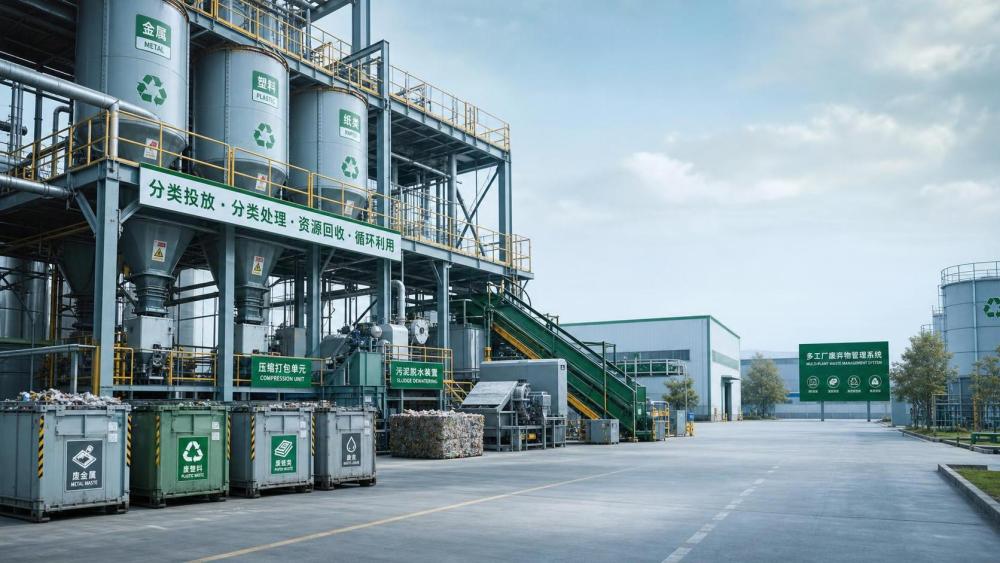
This distinction is especially important when sites differ in scale. A large integrated plant with stable waste volumes may justify on-site pre-treatment or energy recovery infrastructure. A smaller satellite facility may never reach the throughput needed to make that sensible. Treating both as if they need the same industrial waste management solution often creates stranded equipment at one end and capacity constraints at the other.
Look beyond disposal price and compare total operating exposure
Disposal price per ton is one of the least reliable headline metrics in a multi-plant decision. It can hide labor requirements, intermediate storage needs, permit implications, contractor dependency, transport distance, and the cost of quality failures inside the waste stream. A lower quoted rate may become the more expensive option once rehandling, downtime, sampling, rejected loads, and contingency routing are included.
A stronger comparison model usually includes at least these dimensions:
This is also where energy-intensive sectors need to be disciplined. Waste-to-energy or co-processing pathways can be attractive, but they are not interchangeable. The thermal value of a residue, chlorine content, ash behavior, moisture level, and effect on process emissions all matter. In kilns and high-temperature process lines, the wrong recovered stream can interfere with combustion stability, refractory life, or clinker and product quality. Any claimed energy benefit has to be weighed against those production-side consequences.
Compliance is not just about today’s permit
Decision-makers sometimes frame compliance as a yes-or-no screen: either the solution is allowed or it is not. In practice, the more serious issue is whether the solution remains defensible under tighter reporting, stricter waste traceability, or changing treatment hierarchies. Different jurisdictions use different legal structures, but the direction is broadly familiar: better documentation, more visibility on downstream handlers, and greater scrutiny of claims around recycling and recovery.
For that reason, auditability should be treated as a selection criterion in its own right. Can the provider document chain of custody? Can the company verify what happens after collection? Are sampling methods consistent enough to support internal reporting? If a plant group is tracking carbon, circularity, or waste diversion as part of board-level reporting, weak traceability becomes a governance problem, not just an operations problem.
This is one place where digital tools are useful, but only if the physical process is already under control. Dashboards do not solve mixed bins, poor labeling, or unresolved ownership between production and EHS teams. They simply make those failures more visible.
Common misconceptions during vendor evaluation
One common misconception is that the “best” solution is the one with the highest recovery claim. Not necessarily. Some streams should be recovered; others should simply be stabilized, reduced in volume, or routed through the least operationally disruptive compliant channel. Recovery targets only make sense where contamination control and downstream acceptance are credible.
Another mistake is assuming that an integrated provider is always preferable to specialist contractors. A single provider can simplify contracting, but specialist handlers may be stronger for difficult fractions such as hazardous process residues, refractory waste, or thermally sensitive by-products. The decision should follow the waste map, not procurement neatness.
There is also a tendency to underestimate internal change management. Many industrial waste management solutions fail quietly because they were treated as external services rather than operating disciplines. Segregation quality, storage design, housekeeping standards, and shift-level accountability determine whether the contracted solution performs as modeled.
What a robust selection process looks like
A credible group-wide decision usually starts with a baseline that plants can actually defend: waste categories, approximate volumes, seasonality, current routing, cost structure, incident history, and known compliance pain points. After that, shortlisted options should be tested against a few representative plant archetypes rather than averaged into a single fictional site. For example, one high-volume flagship plant, one constrained urban plant, and one lower-volume regional unit may reveal more than a portfolio-wide spreadsheet ever will.
Pilot work is often worth more than an extended presentation phase. Even limited trials can show whether pre-treatment assumptions hold, whether contamination rates are manageable, and whether operators can sustain the required handling discipline. In sectors tied to thermal processing, that trial period is also where hidden interactions usually surface: dust carryover, feed inconsistency, storage issues, odor complaints, or maintenance burden that looked minor on paper.
A useful final question is not “Which solution is cheapest?” but “Which solution remains workable when the plants are busy, imperfect, and under regulatory scrutiny?” Multi-plant operations do not need elegant waste strategies that only function in ideal conditions. They need choices that survive production variability, contractor disruptions, and the slow tightening of environmental expectations. That is the standard by which industrial waste management solutions should be judged.
Related News
 Ms. Elena RodriguezWhat Drives High-Pressure Extrusion Equipment Cost in Industrial Projects?High pressure extrusion equipment cost explained: compare pressure, die design, automation, wear, energy, and installation factors for smarter industrial investments.Sep 18, 2026
 Thermal Energy ArchitectHow to Size a Waste Heat Recovery Exchanger for High-Temperature Kiln Exhaust?Waste heat recovery exchanger sizing for high-temperature kiln exhaust: balance recoverable duty, fouling, corrosion limits, pressure drop, and reliable heat use.Sep 17, 2026
 Thermal Energy ArchitectWhy Heat-Resistant Materials Lose Abrasion Resistance at High TemperaturesHeat-resistant materials abrasion resistance can decline at high temperatures. Discover the thermal, chemical, and mechanical causes of wear—and how to choose longer-lasting linings.Sep 16, 2026
 Thermal Energy ArchitectHow to Evaluate a Thermal Energy Optimization Company for High-Temperature PlantsChoose a thermal energy optimization company with proven process expertise, measurable savings, and reliable delivery for high-temperature plants. Learn what to assess.Sep 15, 2026
 Thermal Energy ArchitectRotary Kiln Efficiency: How Feed Rate, Fuel Use, and Heat Loss Affect OutputRotary kiln efficiency explained: discover how feed rate, fuel use, heat loss, combustion, and cooling performance shape output, quality, and energy costs.Sep 14, 2026
 Thermal Energy ArchitectHow to Select Heat-Resistant Materials That Maintain Abrasion Resistance in KilnsHeat-resistant materials abrasion resistance: learn how to select kiln linings that withstand heat, wear, thermal cycling, and chemical attack for longer service life.Sep 13, 2026
 Thermal Energy ArchitectHow Rotary Kiln Automation Improves Temperature Control and Fuel EfficiencyRotary kiln technology automation enhances temperature control, stabilizes combustion, and improves fuel efficiency with smarter data, predictive control, and safer operations.Sep 12, 2026
 Silicate Process EngineerCement Plant Emission Control: Selecting Systems for Dust, NOx, and SO2 LimitsCement plant emission control guide: compare dust collectors, NOx reduction, and SO2 systems for reliable compliance across kiln modes, fuel changes, and operating upsets.Sep 11, 2026
 Thermal Energy ArchitectSelecting Abrasion-Resistant High-Temperature Materials for Kiln and Conveyor Wear ZonesHigh-temp material engineering guide to abrasion-resistant kiln and conveyor solutions—match wear, heat, chemistry, and installation design for longer service life.Sep 10, 2026
 Dr. Alistair VaughnIndustrial Process Engineering: How to Map Processes for Safer, More Efficient PlantsIndustrial process engineering reveals bottlenecks, safety risks, and energy losses through practical process mapping for safer, more efficient plants.Sep 09, 2026
 Optical Glass Tech FellowHow to Evaluate a Glass Annealing Equipment Manufacturer for Production StabilityChoose a glass annealing equipment manufacturer with proven thermal uniformity, reliable controls, lifecycle value, and responsive service for stable production.Sep 08, 2026
 Prof. Marcus ChenThermal Energy Architecture in North America: Strategies for Lower Building Energy UseThermal energy architecture North America helps project leaders cut building energy use through stronger envelopes, right-sized HVAC, storage, and smart commissioning.Sep 07, 2026
 Ms. Elena RodriguezHow Should Buyers Evaluate Building Material Industry Intelligence Pricing?Building material industry intelligence pricing: learn how to compare coverage, technical depth, and ROI to choose intelligence that reduces procurement risk.Sep 07, 2026
 Ms. Elena RodriguezHow to Use Building Material Intelligence Data for Market and Investment DecisionsBuilding material industry intelligence data helps leaders evaluate demand, costs, regulation, capacity, and technology to make smarter market and investment decisions.Sep 05, 2026
 Thermal Energy ArchitectHow PLC Control Improves Energy Efficiency and Temperature Stability in KilnsEnergy efficient kilns PLC control improves temperature stability, cuts fuel waste, and optimizes combustion, draft, and material flow. Explore proven strategies for smarter kiln modernization.Sep 04, 2026
 Optical Glass Tech FellowEuropean Glass Melting Processes: Furnace Choices, Energy Use, and Quality ControlGlass melting process Europe: explore furnace choices, energy efficiency, cullet strategy, and quality control to improve output, compliance, and long-term glass performance.Sep 03, 2026
 Thermal Energy ArchitectWhat Determines Refractory Lining Monitoring Price for Industrial Kilns?Refractory lining monitoring price depends on kiln size, sensor technology, installation, software, and support. Compare total lifecycle costs and choose the right solution.Sep 02, 2026
 Silicate Process EngineerCement Production System Costs: A Plant Buyer’s Guide to Budgeting and ROICement production systems cost planning made clear: compare CAPEX, operating costs, compliance, and ROI to build a resilient, profitable cement plant investment.Sep 01, 2026
 Dr. Alistair VaughnWhat Should a Process Technology Database Track for High-Temperature Plants?Process technology database essentials for high-temperature plants: track thermal profiles, feed chemistry, refractory wear, emissions, energy, and maintenance for safer, data-driven decisions.Aug 31, 2026
 Ms. Elena RodriguezHow to Evaluate a Silicate Processing Equipment Manufacturer for Plant ProjectsSilicate processing equipment manufacturer selection: assess process fit, guarantees, energy, compliance, delivery risk, and lifecycle support for dependable plant performance.Aug 30, 2026







Related News
- 00
0000-00
What Drives High-Pressure Extrusion Equipment Cost in Industrial Projects? - 00
0000-00
How Should Buyers Evaluate Building Material Industry Intelligence Pricing? - 00
0000-00
How to Use Building Material Intelligence Data for Market and Investment Decisions - 00
0000-00
How to Evaluate a Silicate Processing Equipment Manufacturer for Plant Projects - 00
0000-00
Process Equipment Comparison: Which Metrics Matter Most for Reliable Selection?
Weekly Insights
Stay ahead with our curated technology reports delivered every Monday.