
Glass Production Automation: Which Processes Deliver the Fastest Quality Gains?




Where Glass Production Automation Delivers Quality First
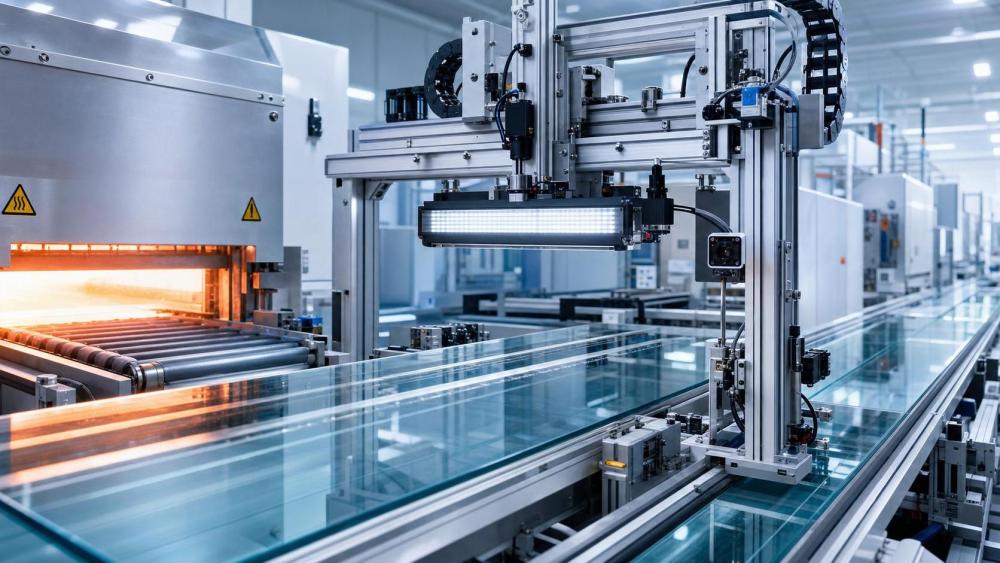
In glass plants, quality losses rarely begin at one isolated machine. They usually start where process stability breaks under heat, timing, or material variation.
That is why glass production automation often creates faster quality gains than many capital upgrades. It reduces variation before defects become visible downstream.
In actual operations, the highest return does not always come from the most advanced system. It comes from the process step where instability is both frequent and measurable.
For float glass, container glass, PV glass, and specialty thin glass, those pressure points differ. The right automation priority depends on thermal load, product tolerance, and inspection consequences.
Across high-temperature industries, CF-Elite has consistently highlighted the same pattern. Quality, energy efficiency, and carbon performance improve together when core thermal processes become more predictable.
This matters beyond the glass line itself. In silicate production, furnace behavior, refractory condition, emissions control, and digital monitoring are tightly connected.
So the better question is not whether to automate. It is which part of glass production automation removes the most damaging variability first.
Why Different Glass Lines Need Different Automation Priorities
A line producing architectural float glass lives with different risks than one making bottles or display substrates. Surface quality, thickness control, and thermal stress do not behave the same way.
More importantly, the cost of a defect appears at different moments. Some lines can rework certain losses. Others discover failure only after cutting, coating, or customer use.
That changes how glass production automation should be judged. A fast quality gain may come from earlier defect prevention, not from better sorting at the end.
In high-throughput float operations, thermal uniformity and ribbon stability usually dominate. In container lines, gob consistency and forming repeatability may move the needle faster.
Specialty glass adds another layer. Tight optical, flatness, or micro-defect requirements make inspection and closed-loop correction more valuable than broad throughput improvements.
A practical review should therefore connect each automation choice to one question: where does process drift first become expensive?
Batch and Furnace Control Usually Win Early
If rapid quality improvement is the goal, batch preparation and furnace control often deserve attention before visible downstream equipment upgrades.
Raw material dosing errors, cullet ratio fluctuations, moisture inconsistency, and poor mixing discipline all translate into unstable melting behavior. The defect appears later, but the cause starts earlier.
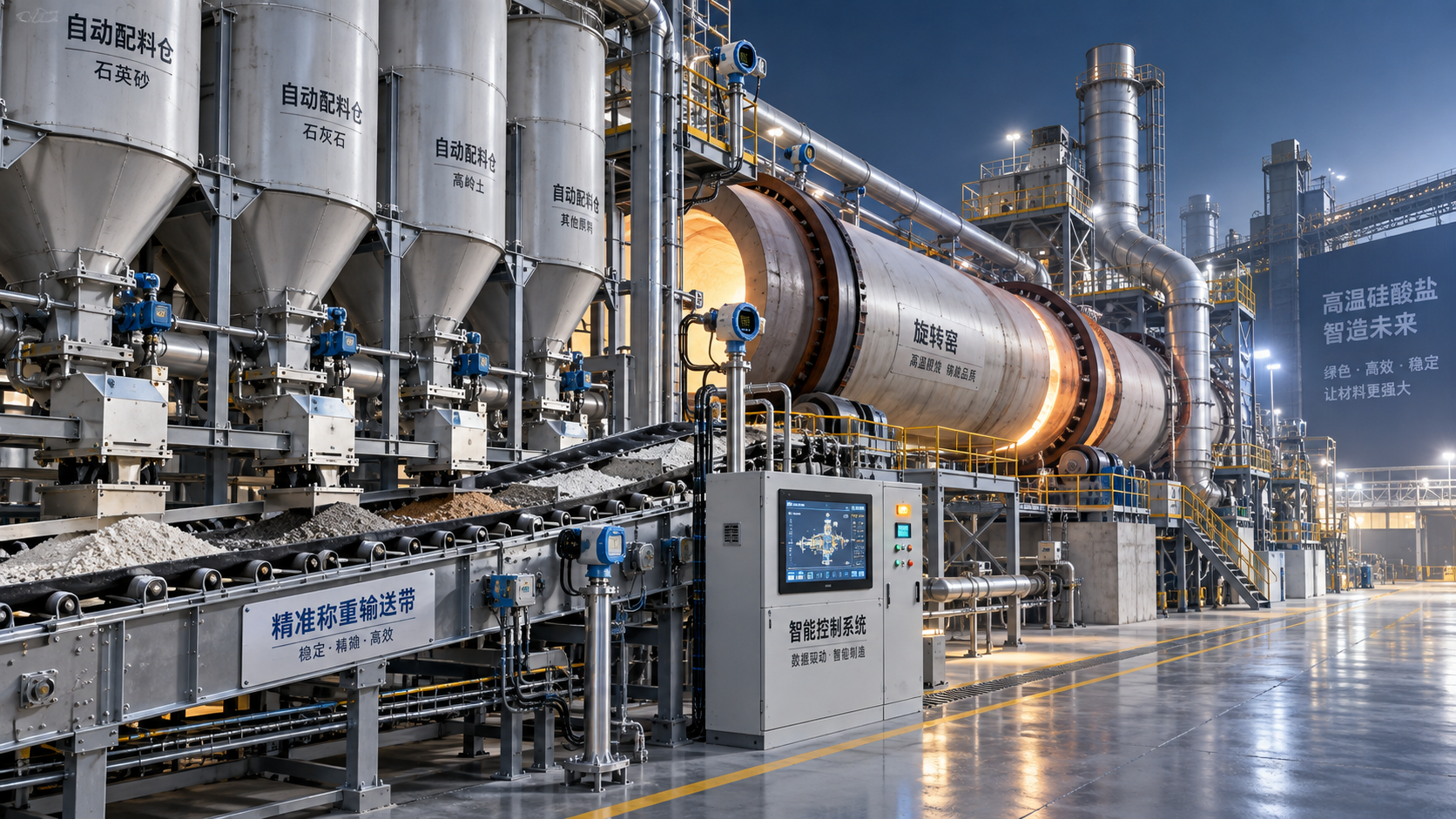
Glass production automation at this stage improves feeder accuracy, batching traceability, and recipe repeatability. That reduces bubble risk, cord formation, chemistry drift, and color inconsistency.
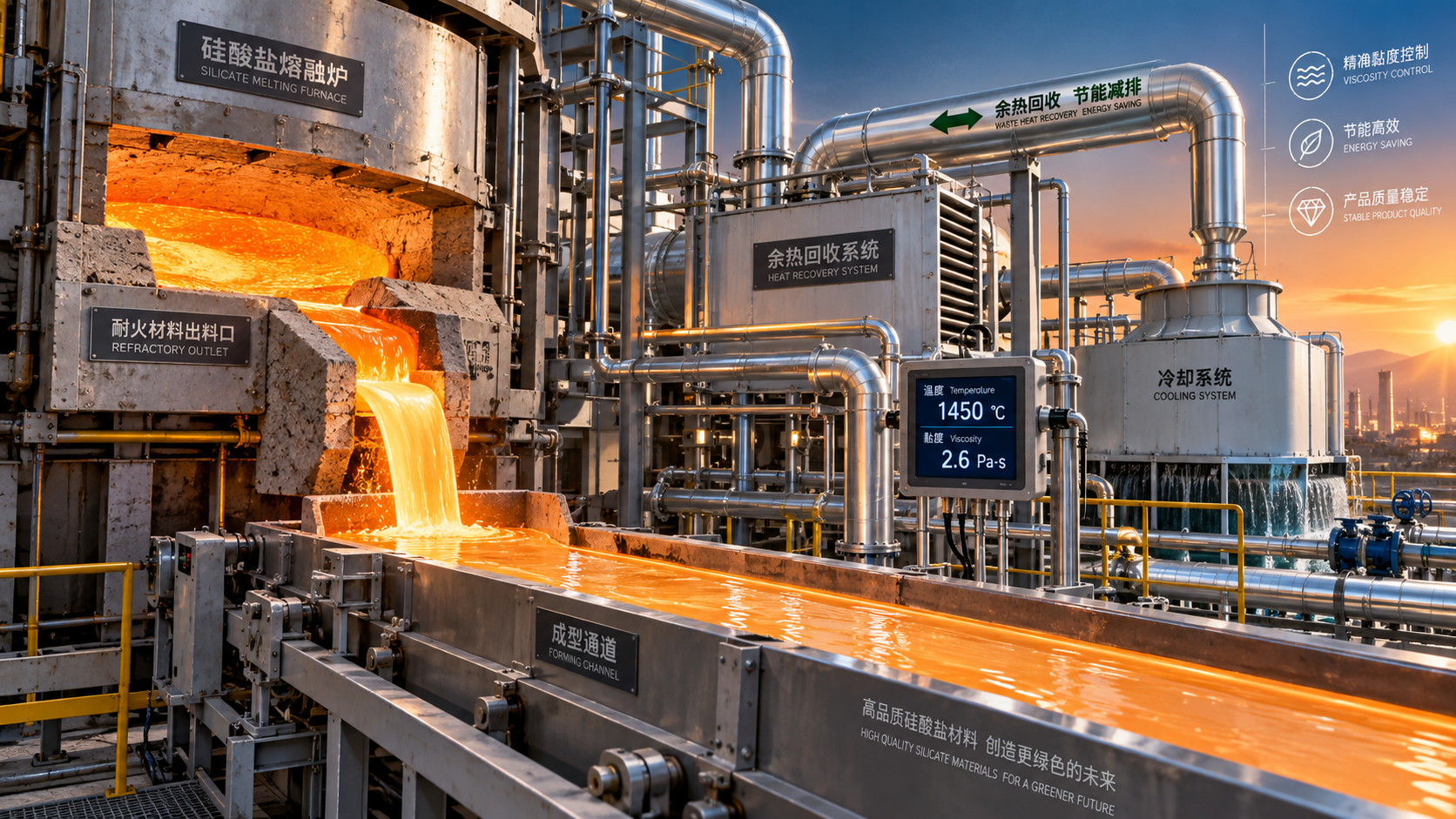
Furnace automation often delivers even faster gains when combustion control has been manual or weakly coordinated. Stable crown temperature, pressure balance, and heat distribution protect melt quality.
In practice, lines with recurring seed defects or unexplained thickness noise often discover that the real issue is thermal inconsistency inside the melting zone.
This is also where energy and quality align. Better combustion tuning lowers overfiring, limits refractory stress, and supports decarbonization targets without separating quality from fuel discipline.
For organizations following CF-Elite intelligence across cement kilns, incineration, and glass furnaces, this pattern is familiar. Stable heat management is usually the first quality multiplier.
What to confirm before investing here
- Whether raw material variability is measured in real time or estimated from historical averages.
- Whether combustion control links fuel, air, pressure, and temperature as one coordinated loop.
- Whether furnace instrumentation is reliable enough for closed-loop decisions.
- Whether refractory wear is masking control problems as a maintenance issue.
Forming Automation Matters Most When Geometry Drives Yield
Not every plant sees the fastest quality gain in the hot end. Some lines already melt well but lose value during shaping.
This is common where thickness distribution, edge quality, container weight, or mold replication determines saleable output. In those cases, forming automation becomes the more immediate lever.
For float glass, automation around ribbon speed, top roller coordination, and atmosphere stability can quickly reduce distortion and edge instability.
For container glass, servo control on feeders, gob delivery, and IS machine timing usually improves consistency faster than broad inspection expansion alone.
The judgment point is simple. If defects are dimensional, repeatable, and tied to cycle variation, shaping control may deliver faster returns than furnace upgrades.
This is where many projects misread the situation. They assume automation should start at the hottest process, even when geometry loss is the dominant scrap driver.
Inspection Automation Pays Back Fast in Tight-Tolerance Lines
When product value rises, the economics of glass production automation shift. Detecting subtle defects earlier becomes more valuable than merely increasing output speed.
PV glass, coated glass, touch cover glass, and specialty sheets often fall into this category. Small scratches, inclusions, waviness, or coating-related imperfections can erase margin quickly.
Machine vision, defect mapping, and automated classification help in two ways. They improve outgoing quality and expose the exact process location where drift begins.
That second point is often underestimated. Good inspection is not only a sorting tool. It is a diagnostic layer for faster process correction.
Still, inspection alone is not enough. If the system only records defects without linking them to furnace zones, forming cycles, or annealing patterns, the quality gain stays partial.
Annealing Automation Becomes Critical When Hidden Stress Drives Claims
Some of the most expensive defects are not obvious at the hot end. They emerge during cutting, tempering, transport, lamination, or field use.
That usually points back to annealing. When lehr temperature profiles, conveyor behavior, or cooling rates drift, residual stress rises even if the glass looks acceptable at first inspection.
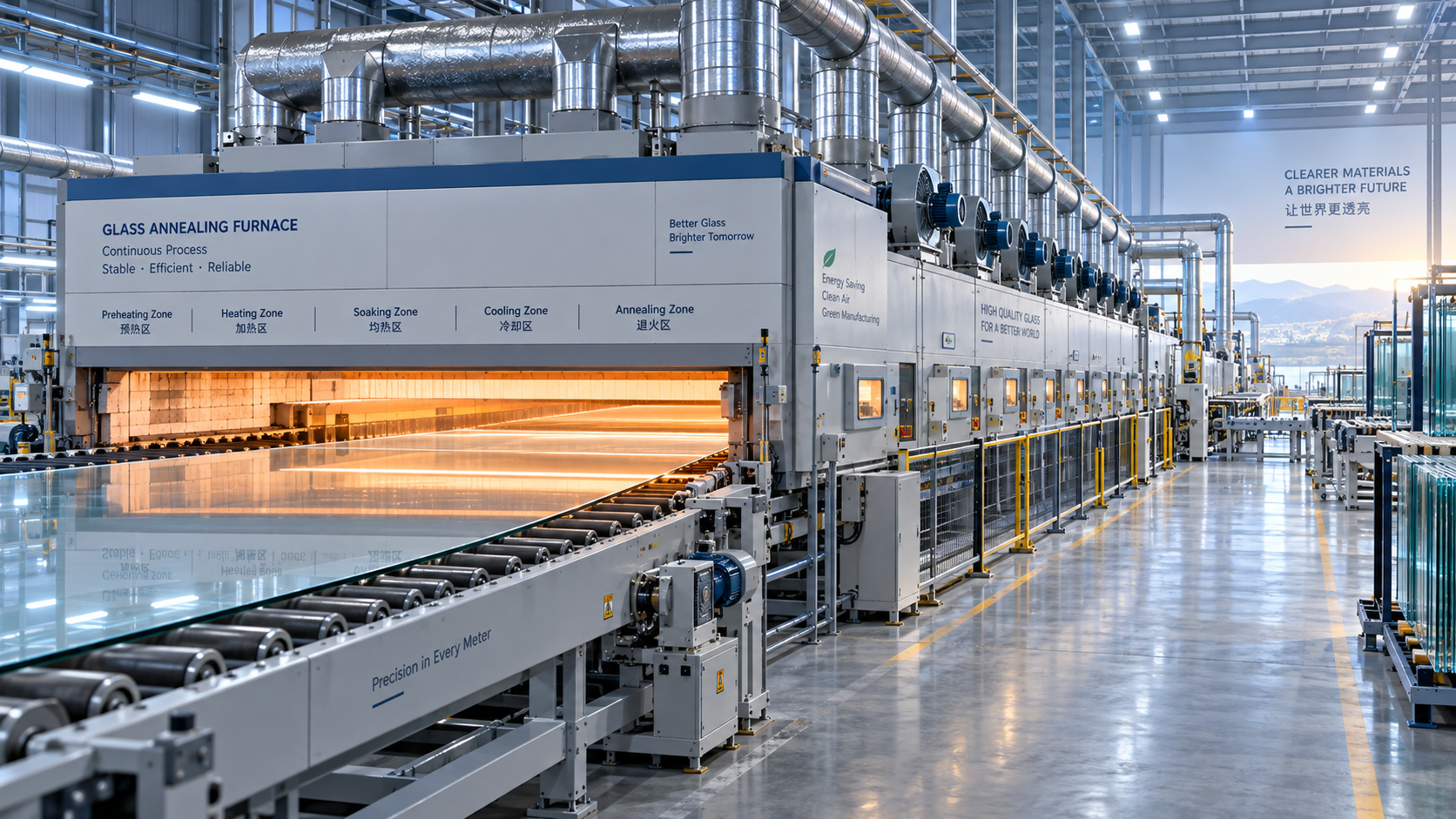
Glass production automation here should focus on profile consistency, zone balancing, and feedback from stress measurement rather than simple setpoint holding.
This matters especially for value-added products. A line may report decent hot-end yield while still carrying latent breakage risk into finishing or customer operations.
In real plant decisions, annealing is often underprioritized because its defects appear later. That delay makes the root cause easy to miss.
Common Misjudgments Before Automation Goes Live
One frequent mistake is treating similar glass products as if they share the same automation logic. A float line for construction glass does not judge stability like an ultra-thin technical glass line.
Another is buying around equipment features instead of process constraints. More sensors do not help if calibration discipline and data trust are weak.
There is also a tendency to measure only upfront project cost. In practice, integration downtime, model tuning, maintenance capability, and spare-parts support shape the real return.
A further blind spot is separating quality automation from sustainability targets. In thermal industries, fuel use, emissions, refractory life, and defect rates often respond to the same control decisions.
That broader systems view is central to CF-Elite coverage across kilns, float lines, and refractory operations. Process intelligence is strongest when it connects quality with heat, materials, and carbon pressure.
A Practical Way to Match Automation to the Right Scenario
Start by mapping where defects first become measurable, not where they become visible. That distinction usually changes the automation sequence.
Then separate losses into four groups: chemistry, thermal stability, forming repeatability, and latent stress. Most glass production automation projects fit one of these quality paths.
- Use batching and furnace automation when process drift starts with melt inconsistency.
- Use forming automation when repeatable dimensional losses dominate yield.
- Use inspection automation when value per square meter or per container is high.
- Use annealing automation when delayed breakage or stress variation drives claims.
Before final selection, confirm instrumentation health, data quality, operator response paths, and maintenance readiness. These are not side issues. They determine whether automation remains stable after commissioning.
The fastest quality gains usually come from one disciplined step: matching the automation layer to the real failure mechanism. That is the clearest route to better yield, lower energy waste, and more reliable glass output.
Related News
 Structural Material AnalystHow Sustainable Material Extrusion Can Improve Wall Panel Durability and Design FlexibilityDiscover how sustainable material extrusion for wall panels improves durability, moisture resistance, design flexibility, and installation consistency for high-performing wall systems.Oct 01, 2026
 Thermal Energy ArchitectHow to Evaluate a High-Temperature Materials Manufacturer for Furnace ApplicationsChoose a high-temperature materials manufacturer with confidence: compare thermal performance, chemical resistance, quality controls, installation support, and lifecycle cost.Sep 30, 2026
 Ms. Elena RodriguezHow to Structure Global Specification Data for Faster Industrial Product EvaluationGlobal specification-oriented product information helps industrial teams compare capacity, energy, emissions, automation, and lifecycle data on a like-for-like basis for faster, confident equipment decisions.Sep 29, 2026
 Thermal Energy ArchitectHow to Specify High-Temperature Process Systems for Continuous Thermal OperationsHigh-temperature process engineering systems: learn how to specify resilient continuous thermal operations for efficiency, compliance, reliable uptime, and long-term performance.Sep 28, 2026
 Thermal Energy ArchitectHow to Evaluate a Thermal Engineering Contractor for High-Temperature Plant ProjectsChoose a thermal engineering contractor with proven process expertise, lifecycle value, emissions control, and delivery discipline for reliable high-temperature plant performance.Sep 27, 2026
 Silicate Process EngineerHow Latin American Cement Plants Can Reduce Dust Emissions in Kilns and Transfer PointsCement plant dust control Latin America: reduce kiln and transfer-point emissions with practical airflow, filtration, monitoring, and maintenance strategies.Sep 26, 2026
 Material Heat-Resist ExpertHow to Evaluate Refractory Production Lines for Output, Quality, and Energy UseRefractory production lines: learn how to assess qualified output, consistent quality, and total energy use for smarter, lower-risk investment decisions.Sep 25, 2026
 Dr. Alistair VaughnHow Waste Recycling Technology Improves Material Recovery in Industrial PlantsWaste recycling technology improves material recovery through source segregation, smart separation, thermal treatment, and quality control for industrial plants.Sep 24, 2026
 Optical Glass Tech FellowHow to Specify Glass Annealing Equipment for European Quality and Energy RequirementsGlass annealing equipment Europe: learn how to specify lehrs for consistent glass quality, energy efficiency, compliance, automation, and reliable long-term performance.Sep 23, 2026
 Optical Glass Tech FellowSilicate Process Automation: Improving Batch Consistency and Energy ControlSilicate process automation improves batch consistency, energy control, traceability, and operator confidence across high-temperature manufacturing operations.Sep 22, 2026
 Optical Glass Tech FellowHow Silicate Industrial Processes Control Viscosity, Energy Use, and Product QualitySilicate industrial processes: learn how viscosity, chemistry, heat transfer, and atmosphere control reduce energy use, improve stability, and protect product quality.Sep 21, 2026
 Thermal Energy ArchitectHow European Plants Can Evaluate Energy Recovery Equipment for High-Temperature ProcessesIndustrial energy recovery equipment Europe: learn how high-temperature plants can assess waste-heat sources, integration risks, lifecycle value, and reliable recovery routes.Sep 20, 2026
 Thermal Energy ArchitectIndustrial Furnace Process Optimization: Reducing Fuel Use Without Sacrificing ThroughputIndustrial process optimization furnace strategies that cut fuel use while protecting throughput. Explore combustion control, heat recovery, refractory performance, and data-driven efficiency gains.Sep 19, 2026
 Ms. Elena RodriguezWhat Drives High-Pressure Extrusion Equipment Cost in Industrial Projects?High pressure extrusion equipment cost explained: compare pressure, die design, automation, wear, energy, and installation factors for smarter industrial investments.Sep 18, 2026
 Thermal Energy ArchitectHow to Size a Waste Heat Recovery Exchanger for High-Temperature Kiln Exhaust?Waste heat recovery exchanger sizing for high-temperature kiln exhaust: balance recoverable duty, fouling, corrosion limits, pressure drop, and reliable heat use.Sep 17, 2026
 Thermal Energy ArchitectWhy Heat-Resistant Materials Lose Abrasion Resistance at High TemperaturesHeat-resistant materials abrasion resistance can decline at high temperatures. Discover the thermal, chemical, and mechanical causes of wear—and how to choose longer-lasting linings.Sep 16, 2026
 Thermal Energy ArchitectHow to Evaluate a Thermal Energy Optimization Company for High-Temperature PlantsChoose a thermal energy optimization company with proven process expertise, measurable savings, and reliable delivery for high-temperature plants. Learn what to assess.Sep 15, 2026
 Thermal Energy ArchitectRotary Kiln Efficiency: How Feed Rate, Fuel Use, and Heat Loss Affect OutputRotary kiln efficiency explained: discover how feed rate, fuel use, heat loss, combustion, and cooling performance shape output, quality, and energy costs.Sep 14, 2026
 Thermal Energy ArchitectHow to Select Heat-Resistant Materials That Maintain Abrasion Resistance in KilnsHeat-resistant materials abrasion resistance: learn how to select kiln linings that withstand heat, wear, thermal cycling, and chemical attack for longer service life.Sep 13, 2026
 Thermal Energy ArchitectHow Rotary Kiln Automation Improves Temperature Control and Fuel EfficiencyRotary kiln technology automation enhances temperature control, stabilizes combustion, and improves fuel efficiency with smarter data, predictive control, and safer operations.Sep 12, 2026


Related News
- 00
0000-00
How to Specify Glass Annealing Equipment for European Quality and Energy Requirements - 00
0000-00
Silicate Process Automation: Improving Batch Consistency and Energy Control - 00
0000-00
How Silicate Industrial Processes Control Viscosity, Energy Use, and Product Quality - 00
0000-00
How to Evaluate a Glass Annealing Equipment Manufacturer for Production Stability - 00
0000-00
European Glass Melting Processes: Furnace Choices, Energy Use, and Quality Control
Weekly Insights
Stay ahead with our curated technology reports delivered every Monday.