
What Drives High-Temperature Process Engineering Cost in Kiln and Furnace Projects?




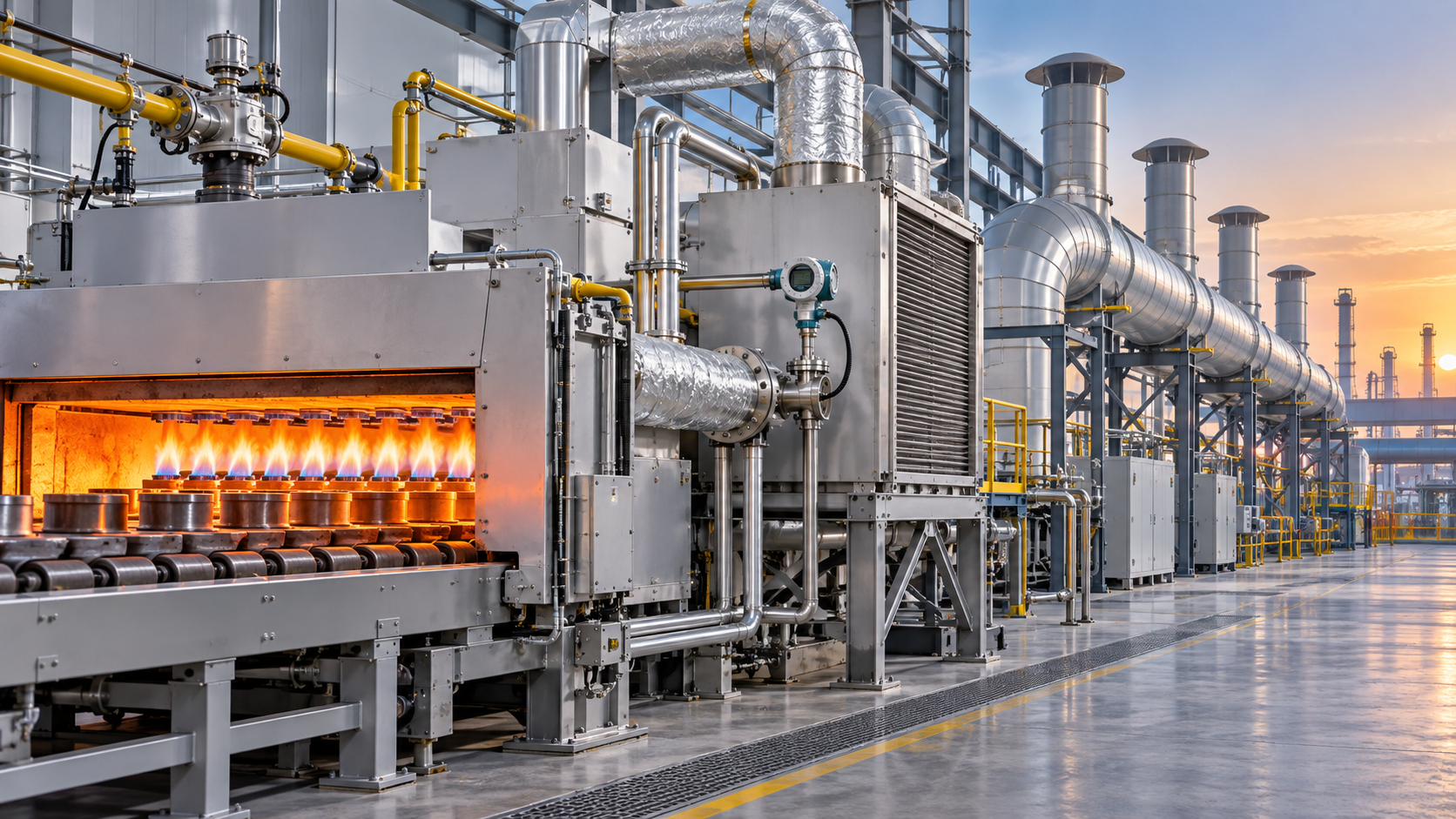
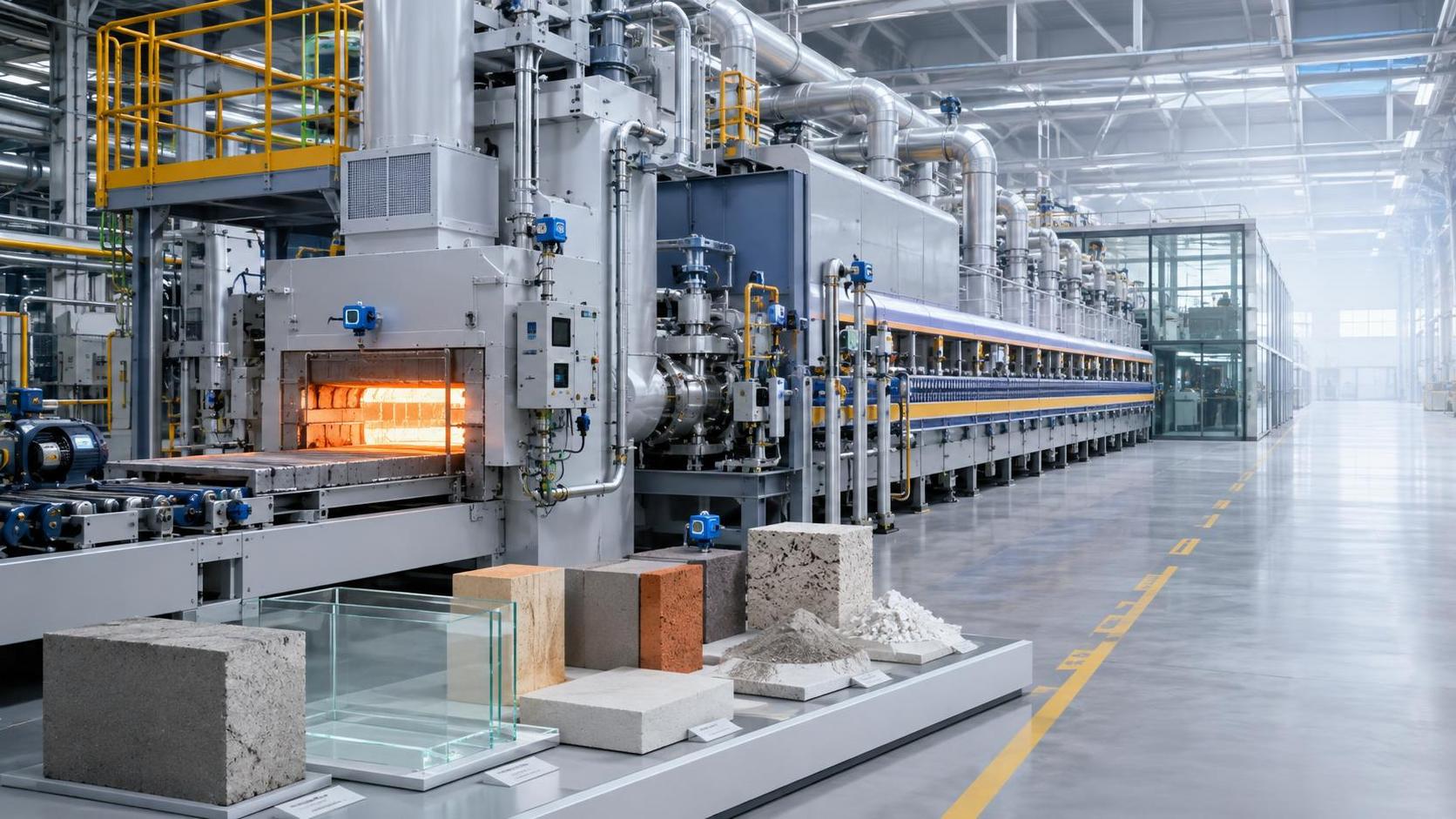
High-temperature process engineering cost usually moves first in the thermal core of the project: the lining, the heat transfer path, the combustion or electrical heating arrangement, and the mechanical envelope that has to survive repeated expansion, dust loading, chemical attack, and shutdown cycles. A kiln or furnace may look like a steel shell with burners, ducts, and controls, but procurement cost rises when the process duty is unstable, the feed chemistry is variable, or the operating window is narrow enough that small design errors create expensive consequences during commissioning.
The largest cost swings often begin with temperature profile and atmosphere requirements. A unit holding a moderate, uniform temperature for simple drying is one thing. A system that must reach calcination, vitrification, sintering, ash destruction, thermal oxidation, or controlled cooling under oxidizing, reducing, or corrosive conditions is another. Once peak temperature climbs, lining thickness, anchor grade, burner block design, shell allowances, expansion joints, insulation layers, and instrumentation quality all tend to change together. The result is that high-temperature process engineering cost is rarely caused by a single expensive component. It comes from a chain of interdependent design choices.
Refractory design is often the first major cost driver
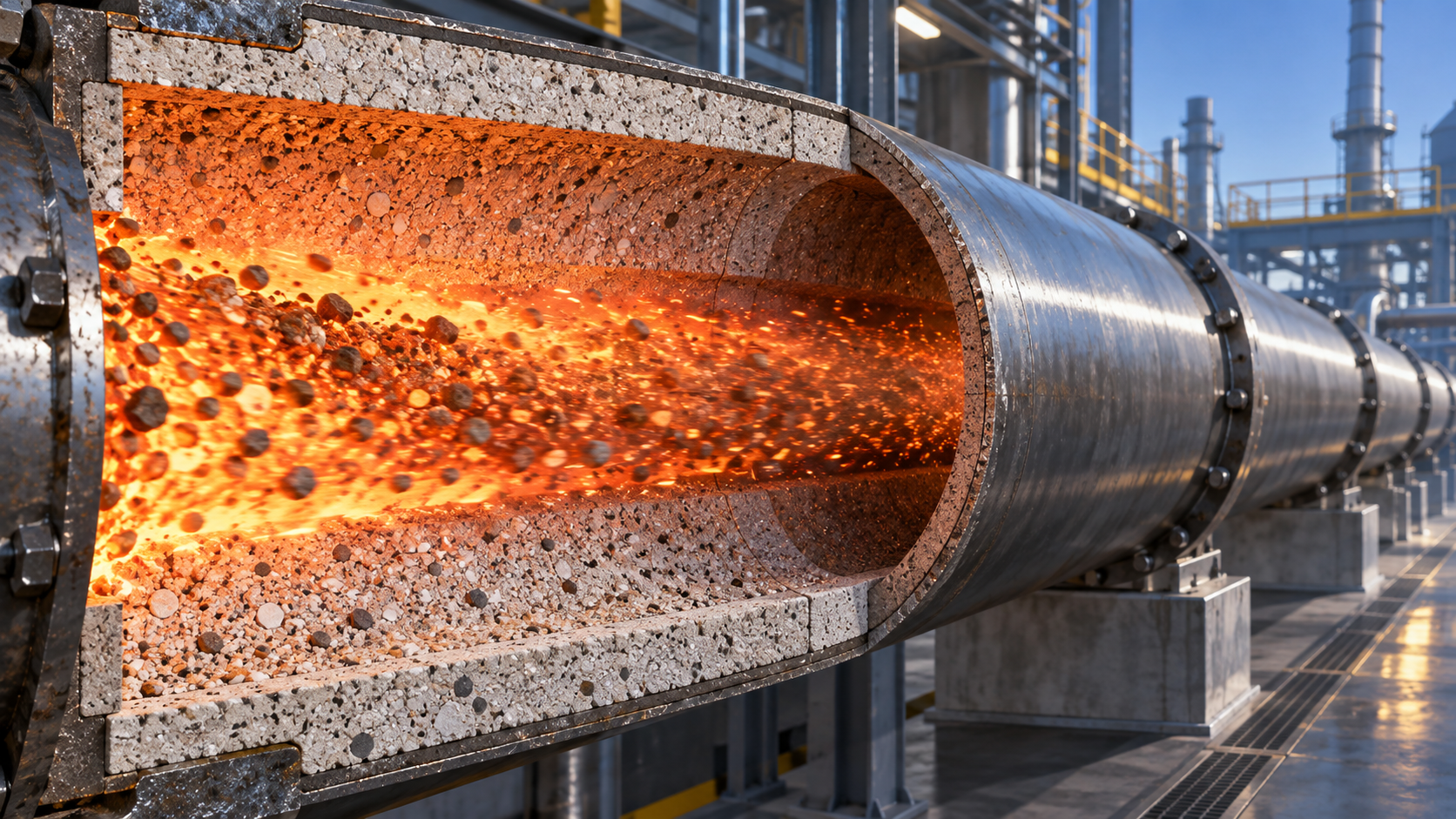
Many procurement budgets underestimate how much cost is concentrated in the refractory system, especially when the specification only states a maximum operating temperature. That number is not enough. Material choice depends on hot-face temperature, thermal cycling frequency, alkali exposure, abrasion, flame impingement, infiltration by molten phases, and whether the unit experiences localized overheating near burners, charging zones, discharge ends, or secondary air inlets.
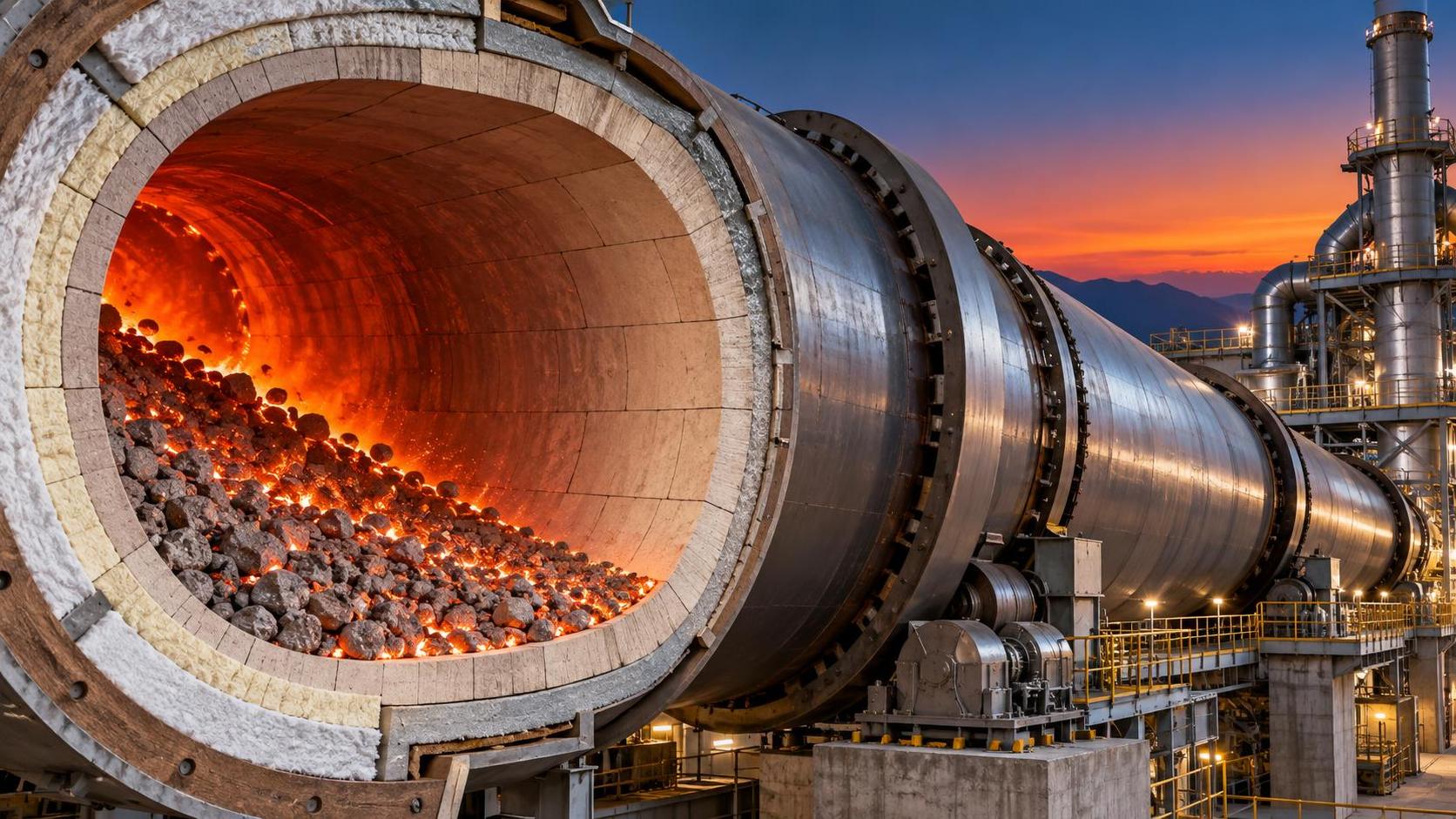
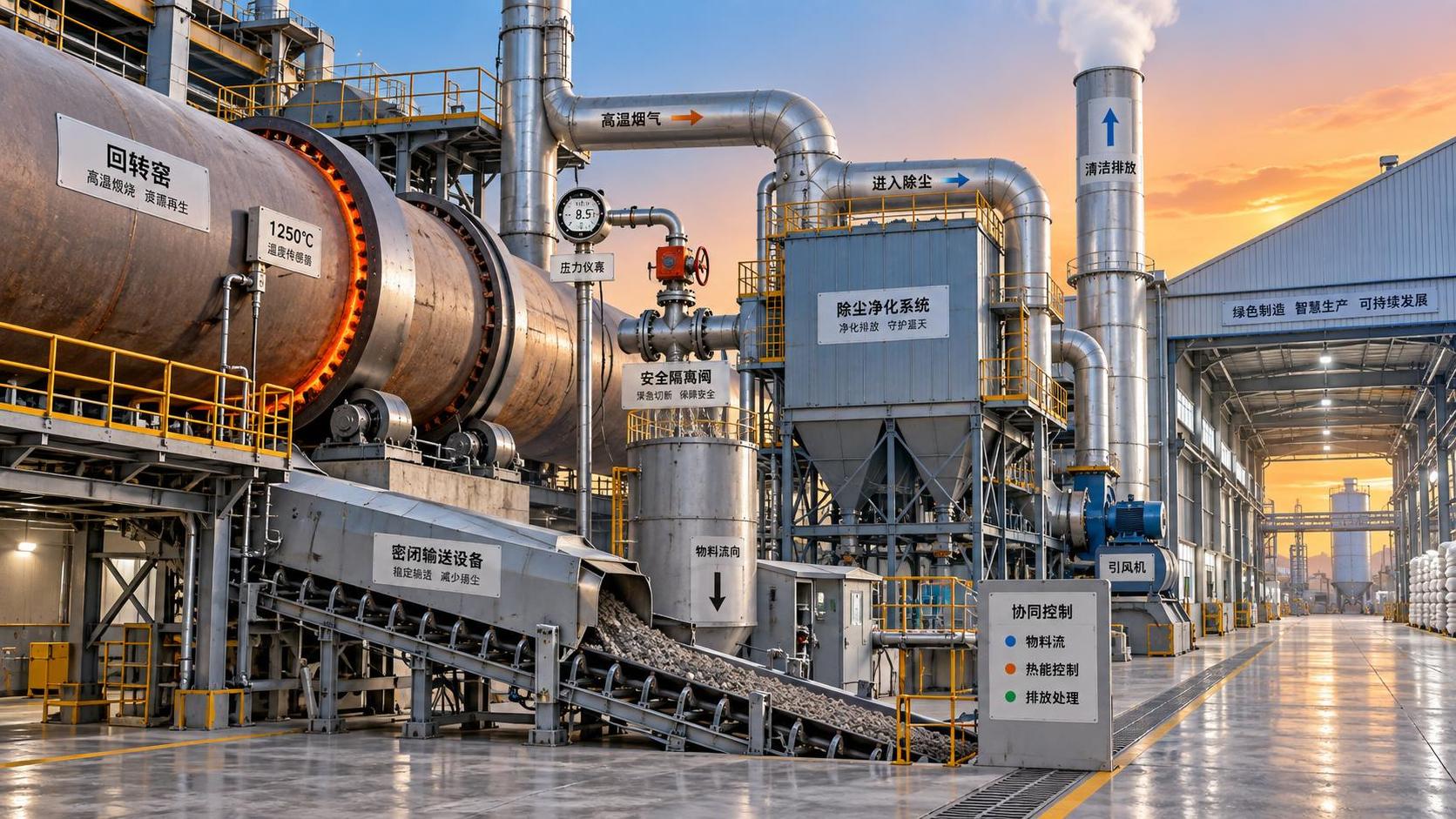
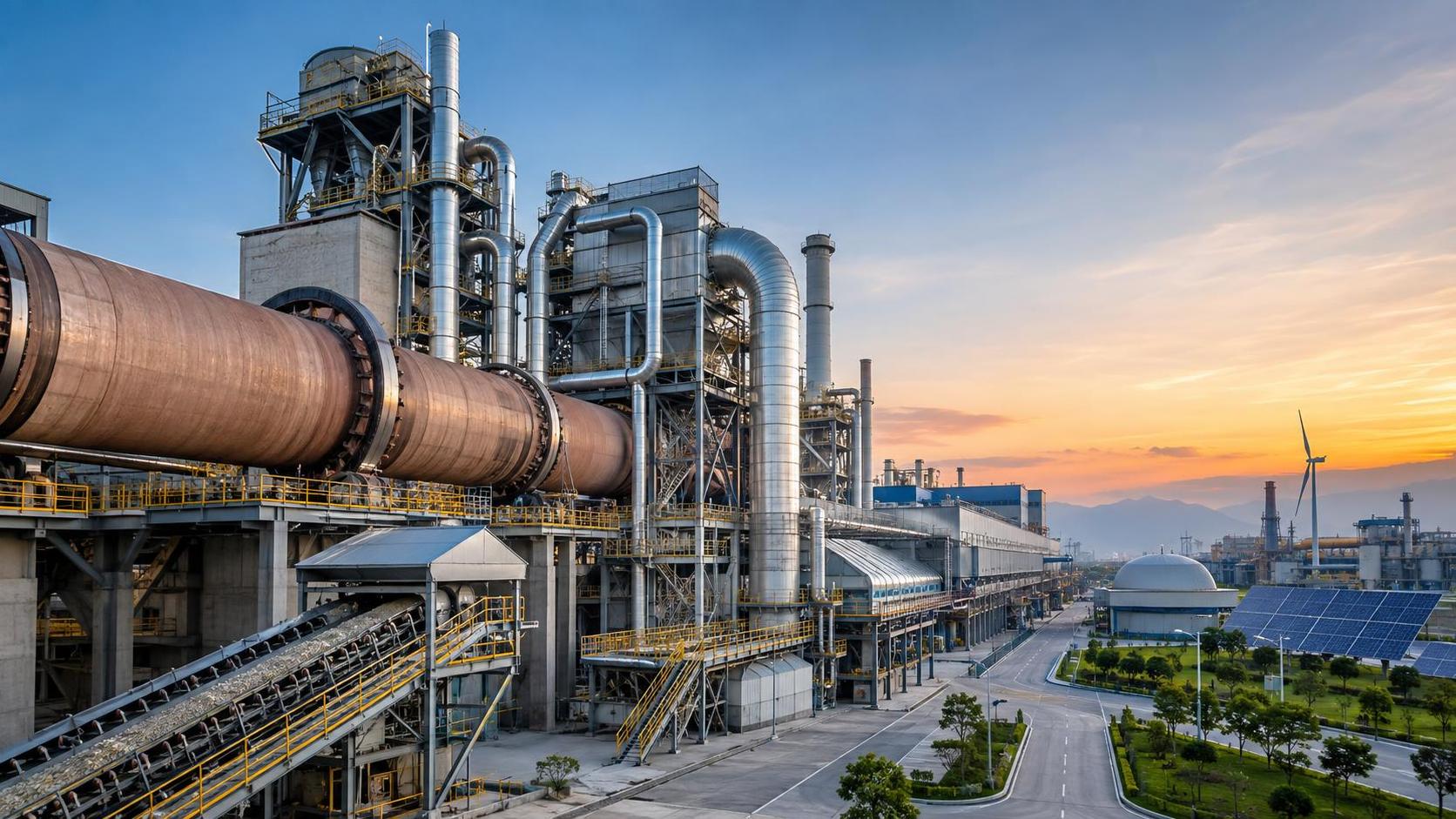
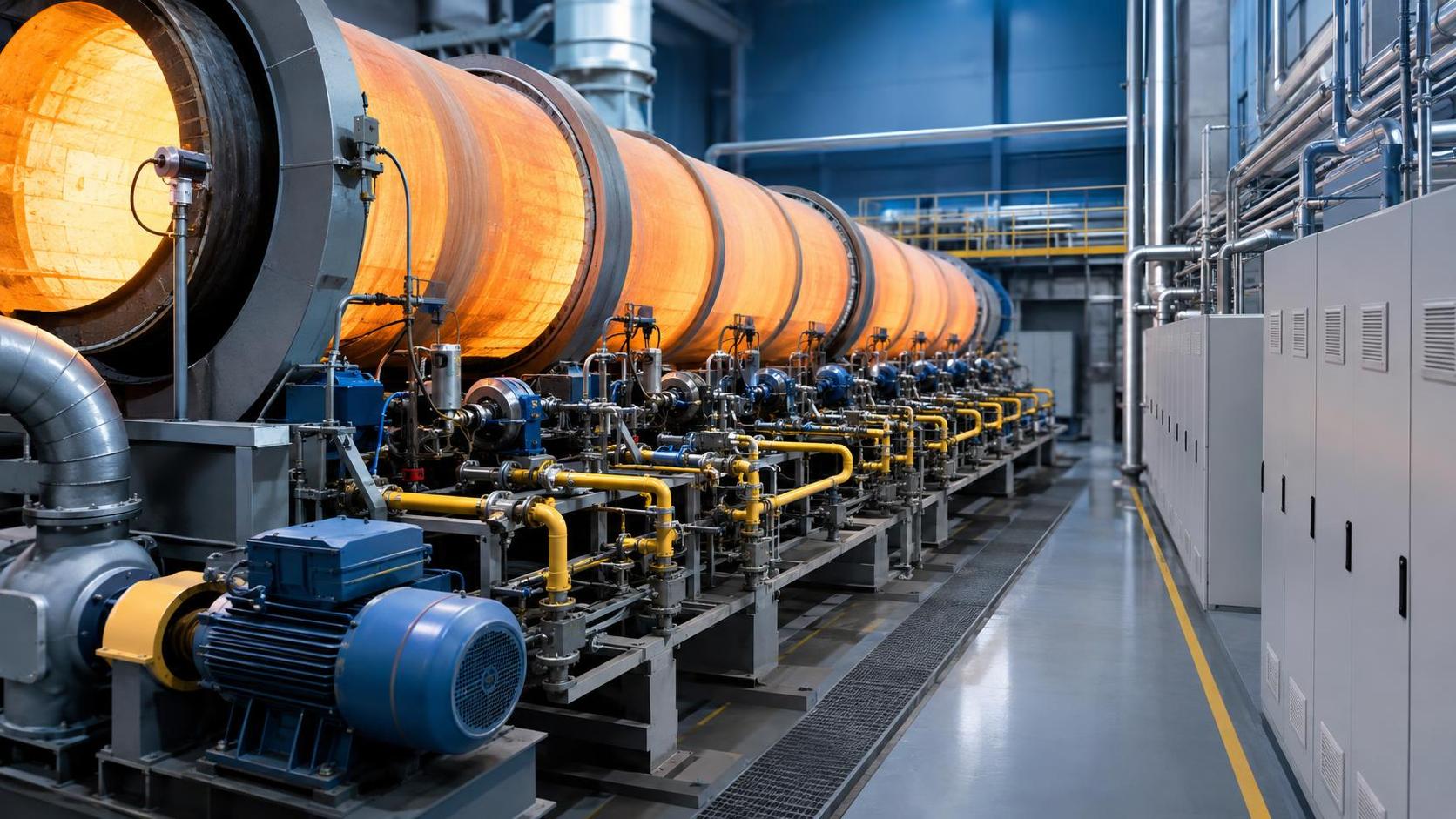
Dense firebrick, insulating brick, castable, plastic refractory, fiber modules, gunning mixes, and precast shapes behave differently in service. In a rotary kiln, the burning zone may need a very different lining strategy from the preheating or cooling section. In an incineration chamber, chlorine-bearing streams or ash chemistry may force a more conservative refractory choice than the nominal temperature alone would suggest. In glass-related furnaces or specialty thermal treatment equipment, the contamination risk from refractory wear can influence material selection just as much as heat resistance.
Cost increases further when the lining is geometrically difficult. Cones, transitions, ports, throat sections, skewbacks, burner quarls, peep openings, and expansion details require more fabrication effort, more cutting loss, and more installation time. The cheapest refractory on paper can become the expensive option if it needs heavy field trimming, strict dry-out control, or frequent patching after thermal shock.
Anchor systems are another common blind spot. Stainless anchors, alloy anchors, ceramic anchors, anchor spacing, weld procedures, shell temperature limits, and insulation interfaces all affect life. If anchor grade is too light for the duty, premature failure can detach castable sections. If the anchor arrangement is too conservative, material and labor cost rise immediately. This balance is part of process engineering, not only refractory procurement.
Thermal efficiency choices change both CAPEX and operating exposure
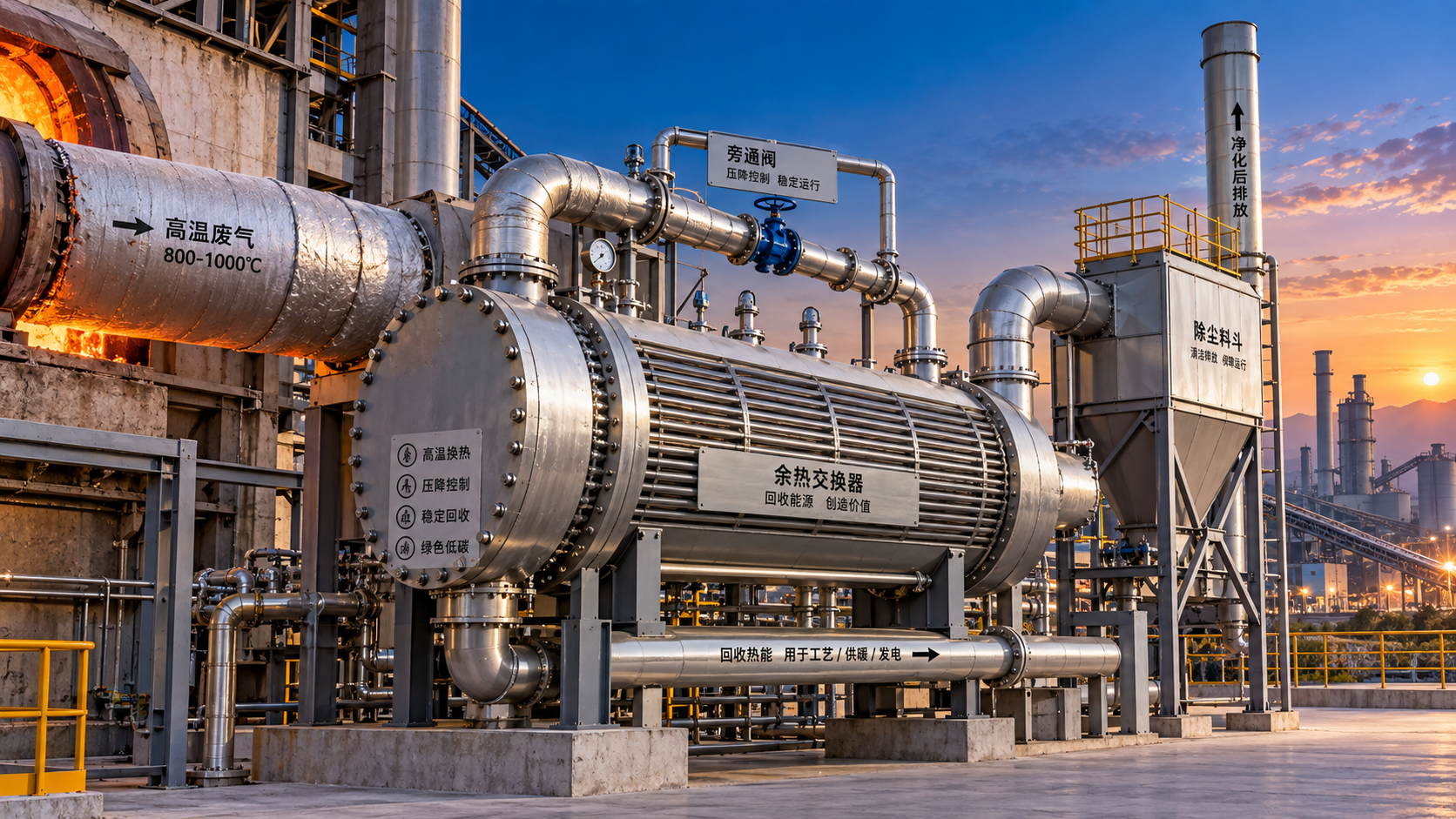
Insulation thickness, shell heat loss targets, air leakage control, recuperation, waste heat use, and residence time assumptions all shape project cost long before fuel is consumed. A thinner lining or simplified insulation build may reduce the purchase price, yet it can push shell temperature upward, shorten component life, and increase utility demand over the life of the asset. On the other hand, aggressive heat recovery can introduce extra ducting, corrosion concerns, fan power, maintenance points, and larger structural supports.
In direct-fired systems, burner selection is tied to fuel type, turndown range, flame shape, mixing intensity, excess air strategy, and the geometry of the chamber. A long, luminous flame may be suitable in one zone and damaging in another. A system designed around one gas quality may need additional control hardware if the available fuel composition fluctuates. In solid-fuel or alternative-fuel applications, feed preparation, injection consistency, ash behavior, and slagging risk can significantly raise engineering scope.
Electrically heated furnaces bring a different pattern of cost. Resistance elements, silicon carbide, molybdenum disilicide, graphite, or induction-based arrangements may reduce combustion-related complexity, but they can increase power infrastructure requirements, element replacement planning, and chamber material constraints. The purchase decision is rarely a simple comparison between burner package cost and heater element cost; the surrounding electrical distribution, control precision, and maintenance access may shift the total project economics.
Process variability is expensive because it forces design margin
Stable feedstock usually allows tighter design and cleaner cost control. Variable moisture, particle size, ash composition, volatile content, bulk density, and contamination force larger safety margins into nearly every package. A kiln processing a narrow raw material envelope can be optimized with more confidence than a furnace expected to handle broad swings in chemistry or calorific value.
That variability affects residence time, burner capacity, draft control, refractory wear pattern, dust burden, and emissions performance. When those variables are uncertain, suppliers may increase metal thickness, oversize fans, specify broader control ranges, add inspection ports, or require more robust lining systems. None of these measures is inherently wasteful. They are often the price of keeping the equipment operable when the process is not predictable.
A common misjudgment is to treat nameplate throughput as the only sizing input. In practice, startup conditions, part-load operation, upset recovery, and feed interruptions can shape the engineering package as much as full-load production. A furnace that must recover quickly after door openings or batch changes may need different burner zoning, control logic, or lining design than a unit running continuously at steady state.
Mechanical and structural requirements scale quickly at high temperature
As operating temperature and chamber size rise, shell design becomes more demanding. Differential expansion between steel shell, refractory layers, duct branches, support frames, and connected equipment must be absorbed somewhere. That means sliding supports, expansion joints, flexible seals, bearing arrangements, tire and roller assemblies in rotary equipment, or carefully located fixed points in ductwork and stacks.
These details carry direct cost because they involve fabrication precision, heavier steel, better alloys in selected locations, and stricter erection tolerances. They also carry indirect cost because poor mechanical integration can destroy refractory life or distort process flow. A shell that runs hotter than expected may ovalize more, affecting brick stability. Misalignment in rotating equipment can increase mechanical load, wear on support components, and maintenance frequency.
Transport constraints also matter. If kiln sections, furnace modules, recuperators, or baghouse casings exceed practical shipping dimensions, the project may shift from shop-assembled modules to field assembly. That usually raises labor hours, scaffold time, welding inspection demand, and schedule exposure. Remote sites with difficult access amplify this effect because oversized loads, crane capacity, and temporary storage all need planning.
Combustion air, draft, and gas handling are frequent sources of hidden cost
The thermal chamber is only part of the system. Fans, dampers, ducts, damp-proofing, expansion compensators, induced draft balance, combustion air preheat, and stack design can become major budget items, especially in incineration, calcination, and high-dust mineral processing. Gas velocity, dew point, particulate loading, acid condensation risk, and erosion at bends or dampers all influence material selection and layout.
Procurement estimates often miss the cost impact of maintaining pressure stability. A kiln or furnace that must avoid false air infiltration may require tighter sealing at rotating interfaces, charging points, discharge hoods, access doors, or observation ports. Seal upgrades may look secondary during tender comparison, yet leakage changes oxygen balance, heat loss, fan sizing, and emissions behavior. In some cases, the apparent saving from a simpler sealing arrangement is later paid back through larger utility consumption and unstable operation.
Gas cleaning and emissions control can further change the project scope. Afterburning chambers, quench sections, cyclones, ceramic filters, bag filters, scrubbers, reagent injection points, continuous analyzers, and bypass lines may all be required depending on process chemistry. Even when the final regulatory requirement is known, the engineering cost depends heavily on whether the gas stream contains sticky condensables, abrasive dust, chlorides, sulfur compounds, or metals that may condense in colder sections.
Instrumentation and control complexity usually reflects process risk
High-temperature units become expensive when operators cannot see what the process is doing. Thermocouples, infrared scanners, shell temperature monitoring, pressure transmitters, oxygen analyzers, burner management logic, interlocks, vibration measurement, and draft control loops may appear as secondary items in the purchase package, but they often determine whether commissioning is short and controlled or prolonged and costly.
Instrumentation for hot, dusty, corrosive service is not interchangeable with standard plant hardware. Probe protection, cable routing, cooling arrangements, purge air quality, and access for calibration all influence lifecycle cost. A badly placed thermocouple can be technically present yet operationally useless. A scanner without a clear line of sight through a fouling-prone port may fail to provide reliable information. Additional engineering time spent on sensor survivability can reduce later troubleshooting expense.
Digital monitoring can also shift cost upward at the procurement stage, especially if the system includes trending for shell hotspots, combustion imbalance, refractory degradation indicators, or predictive maintenance signals. The added cost may be justified where unplanned shutdowns are particularly disruptive, but it should be tied to a clear operating failure mode rather than added as a generic feature.
Installation, dry-out, and commissioning are not minor line items
Field execution often separates a realistic budget from a misleading one. Refractory installation requires curing control, dry-out schedules, burner tuning, expansion allowance verification, and careful handoff between mechanical, electrical, and process teams. When the construction program compresses these activities, hidden costs tend to surface later as cracked castable, spalled brickwork, warped metal parts, unstable flame behavior, or repeated shutdowns for adjustment.
Dry-out itself can be a meaningful cost driver. Castables and certain backup materials need staged heating to remove moisture safely. That requires temporary burners or tightly controlled permanent burners, fuel supply planning, instrumentation coverage, and schedule discipline. If weather, site logistics, or coordination with upstream utilities delays the sequence, the overall project cost rises even if the equipment price does not change.
Commissioning cost also depends on how much process tuning is required after startup. Systems with uncertain feed behavior, multiple firing zones, recirculation loops, or integrated emissions treatment typically need more adjustment time. The engineering package may therefore include extra ports, sampling points, dampers, bypass arrangements, and software logic. Those items add cost because they reduce uncertainty in a harsh operating environment.
Spare parts strategy influences the real purchase decision
When comparing proposals, the initial equipment price can obscure the cost structure of wear parts and planned shutdowns. Burner tiles, igniters, flame scanners, thermocouples, expansion joint fabrics, seals, rollers, tires, chains, element sets, and hot-face repair materials may have very different replacement intervals depending on process severity and service access. A lower-priced system can become expensive if key wear components are proprietary in geometry, long in lead time, or difficult to replace without extended cooling.
It is often useful to distinguish between consumables, critical spares, and outage-only components. A bag of patching material is not equivalent to a precast burner block with long curing lead time. Likewise, a standard fan bearing is not equivalent to a custom seal assembly exposed to hot dust. High-temperature process engineering cost should therefore be read as a lifecycle structure, not only a fabrication invoice.
Where procurement mistakes usually begin
One frequent error is asking different suppliers to quote against a process description that leaves key thermal duties open to interpretation. If residence time, feed variation, target product condition, atmosphere control, startup frequency, and maintenance philosophy are vague, proposal gaps become almost inevitable. The quoted scope may then look competitive while hiding different assumptions on refractory grade, shell temperature, burner count, emissions interfaces, or automation depth.
- Temperature duty stated as a single maximum value, without any distinction between continuous operation, upset condition, and localized flame zone exposure.
- Feed chemistry described broadly, while alkali, sulfur, chlorine, moisture swings, or ash fusion behavior remain undefined.
- Utility assumptions left open, especially gas quality, combustion air temperature, available electrical capacity, compressed air dryness, and cooling water reliability.
- Mechanical interfaces treated as simple tie-ins even though foundations, duct routes, stack height, access platforms, and lifting paths may constrain the final arrangement.
- Shutdown philosophy omitted, which affects spare parts, bypass arrangements, modularity, and the degree of monitoring that is economically reasonable.
The better comparison is usually built around operating assumptions that are explicit enough to expose where the cost comes from. That does not guarantee a low number. It does produce a number with clearer engineering meaning.
In kiln and furnace projects, cost tends to rise wherever uncertainty meets heat. Aggressive process targets, corrosive chemistry, wide operating windows, difficult transport, and compressed commissioning schedules all push the design toward heavier margins and more specialized materials. A sound procurement view therefore looks past the shell and burners to the full thermal system: lining life, leakage control, heat balance, gas handling, sensor survivability, installation discipline, and the practical cost of keeping the unit available after startup.
Related News
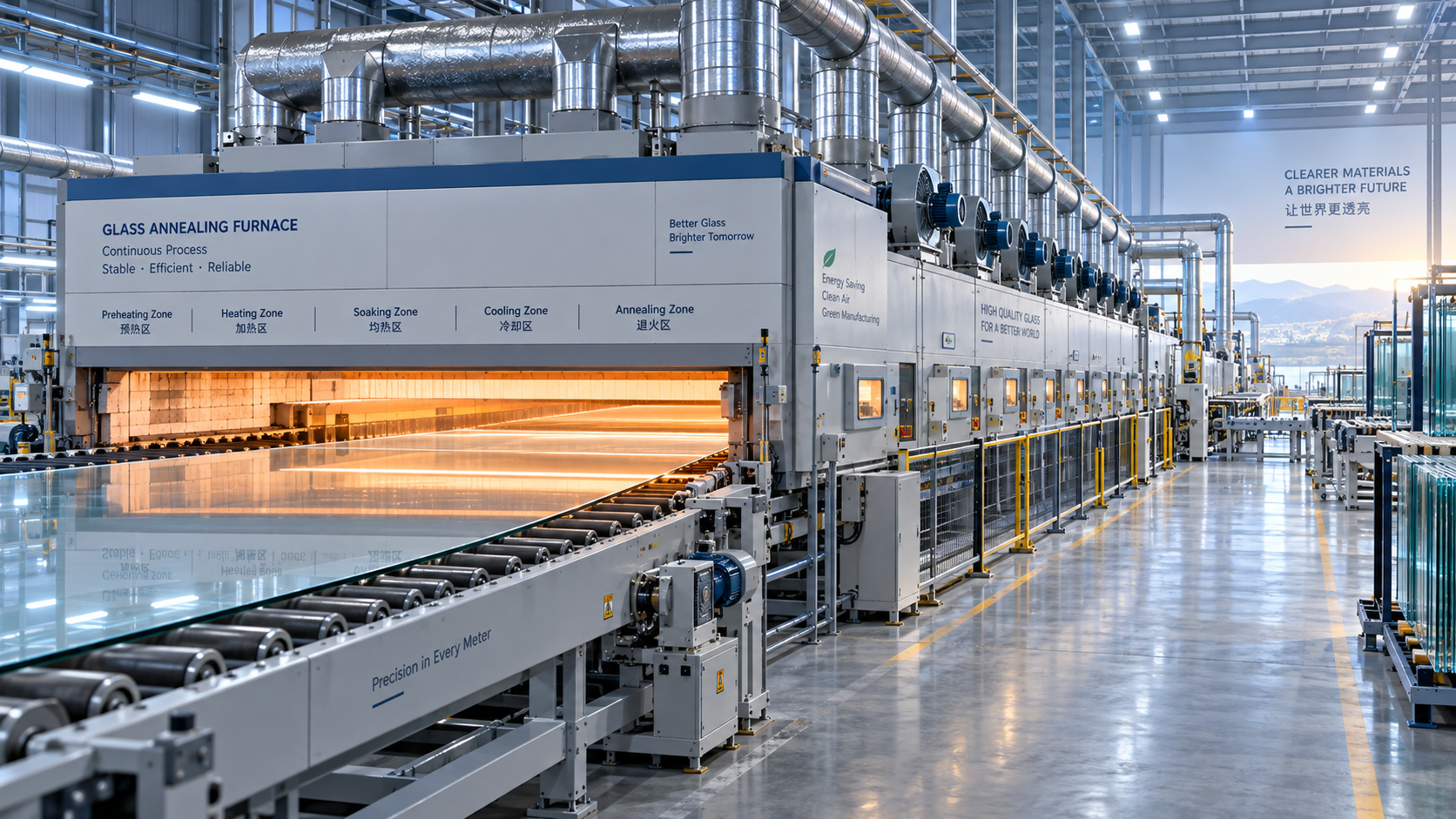
 Optical Glass Tech FellowHow to Specify Glass Annealing Equipment for European Quality and Energy RequirementsGlass annealing equipment Europe: learn how to specify lehrs for consistent glass quality, energy efficiency, compliance, automation, and reliable long-term performance.Sep 23, 2026
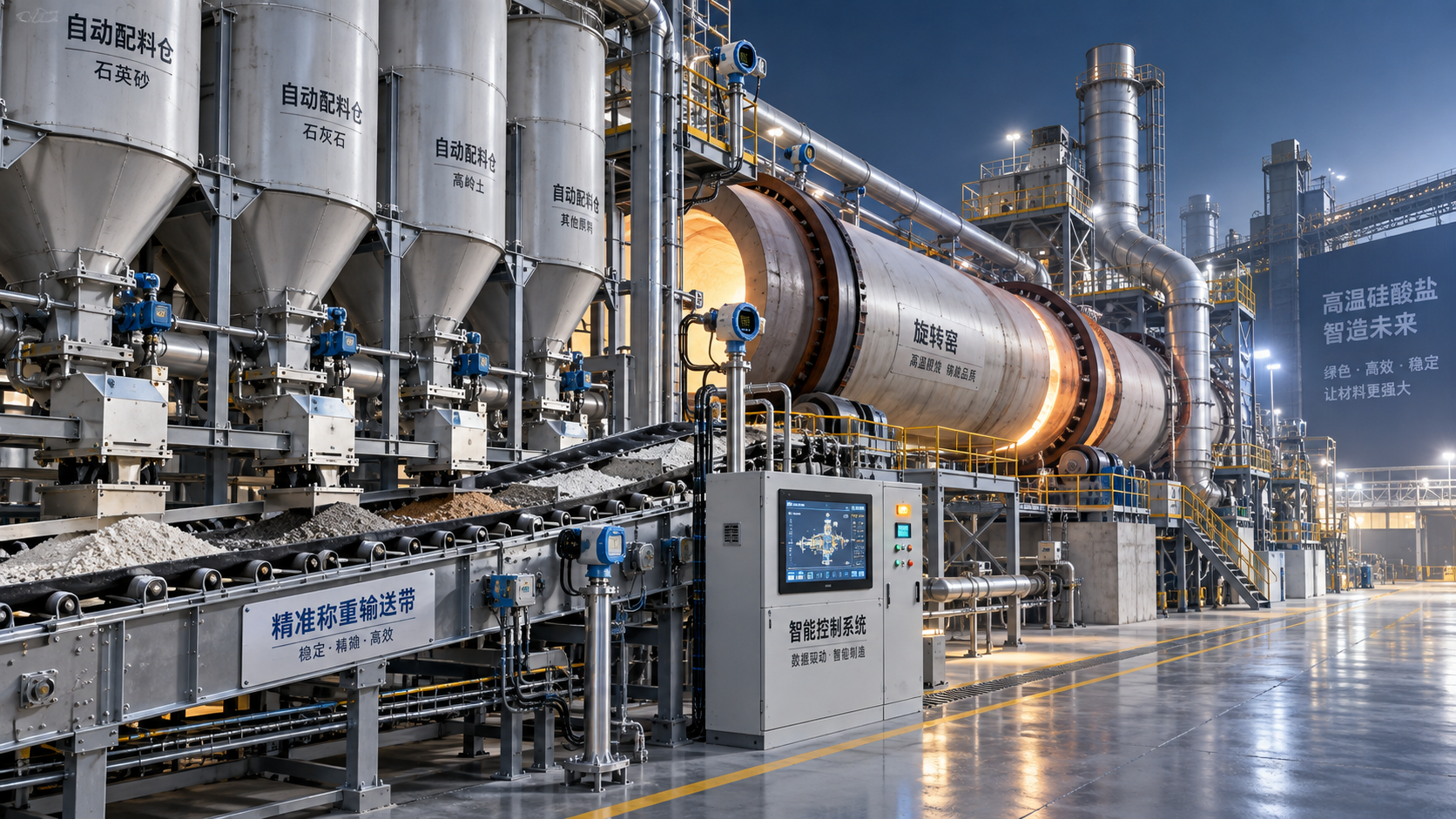
 Optical Glass Tech FellowSilicate Process Automation: Improving Batch Consistency and Energy ControlSilicate process automation improves batch consistency, energy control, traceability, and operator confidence across high-temperature manufacturing operations.Sep 22, 2026
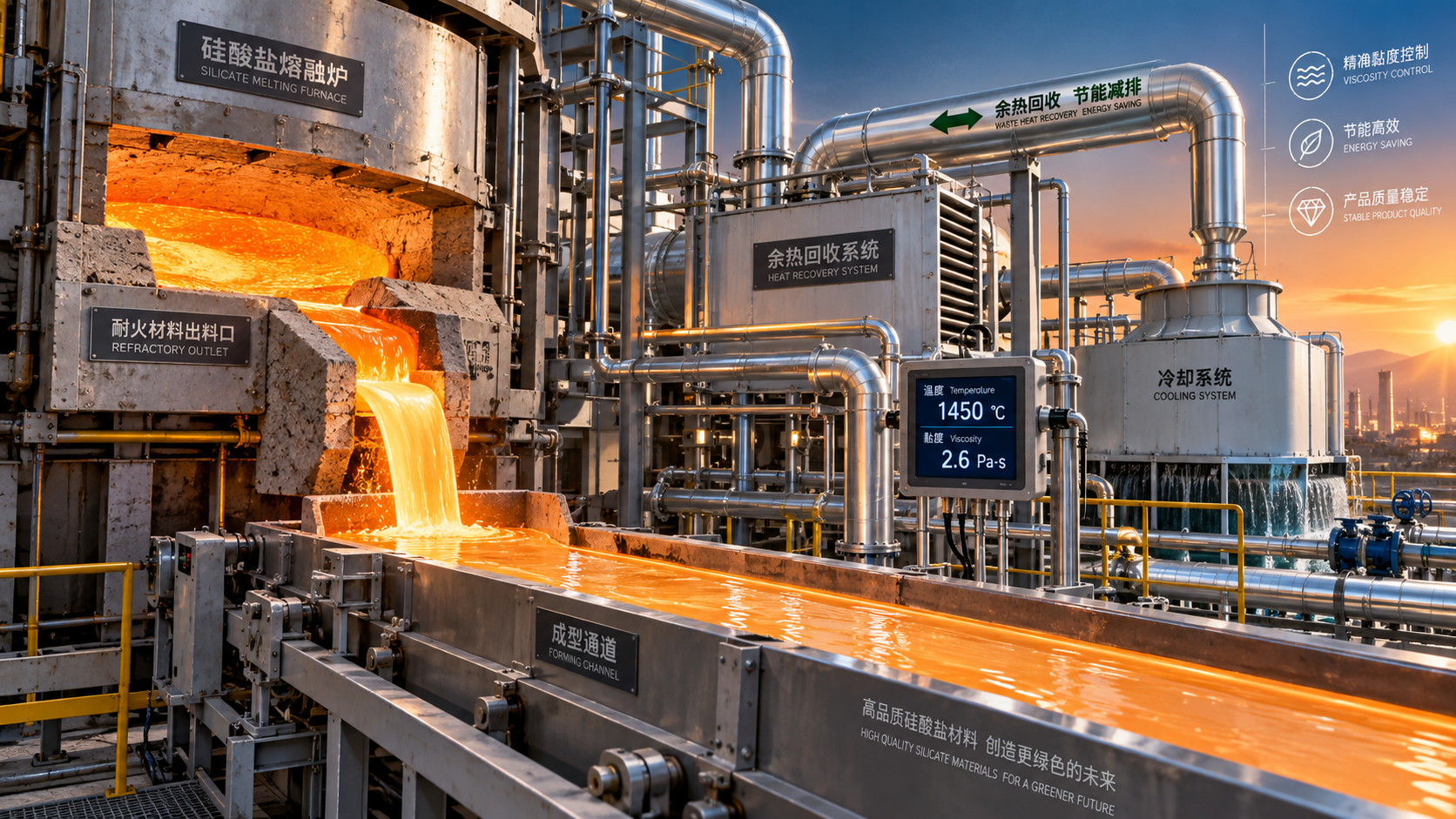
 Optical Glass Tech FellowHow Silicate Industrial Processes Control Viscosity, Energy Use, and Product QualitySilicate industrial processes: learn how viscosity, chemistry, heat transfer, and atmosphere control reduce energy use, improve stability, and protect product quality.Sep 21, 2026
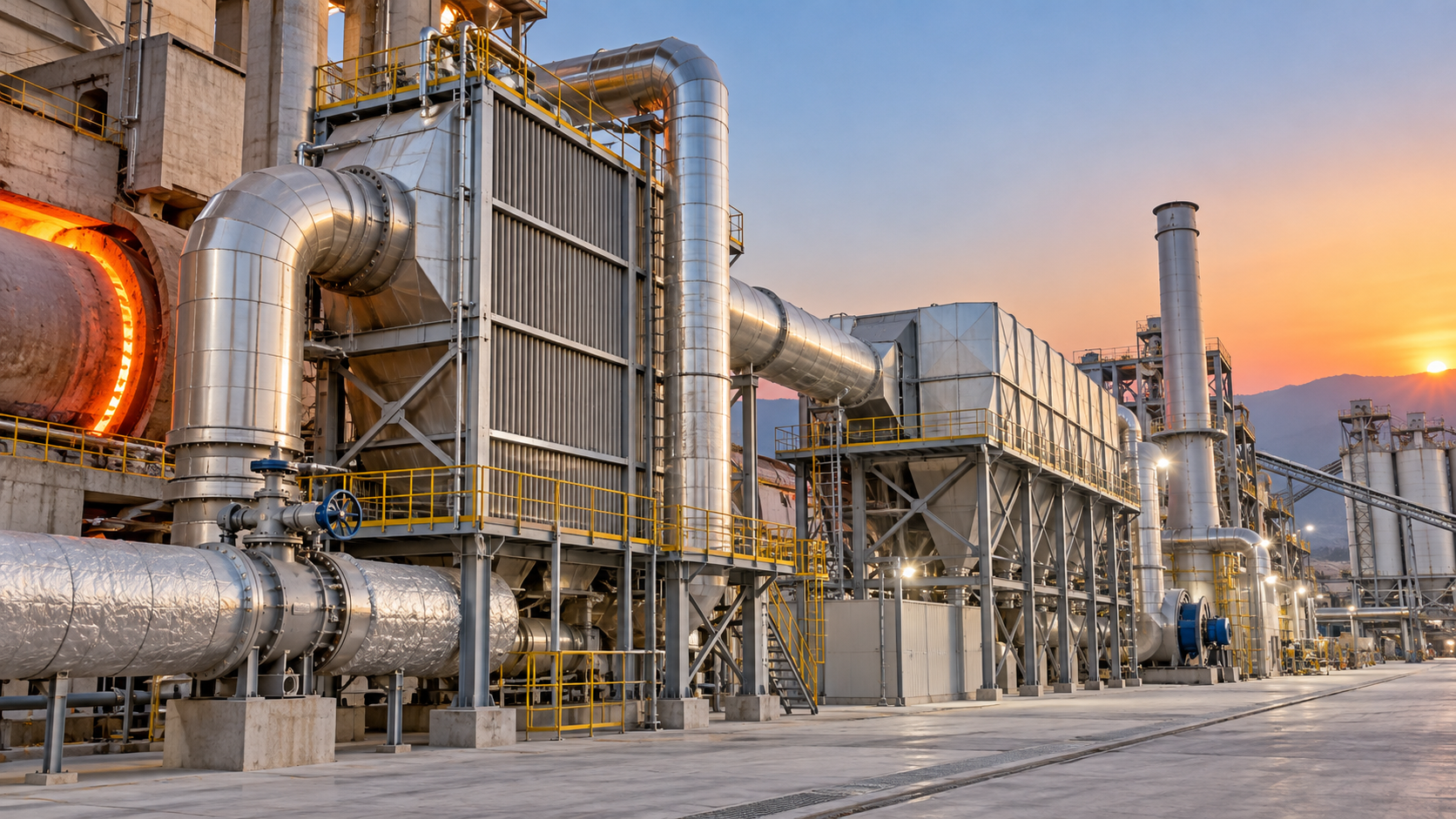
 Thermal Energy ArchitectHow European Plants Can Evaluate Energy Recovery Equipment for High-Temperature ProcessesIndustrial energy recovery equipment Europe: learn how high-temperature plants can assess waste-heat sources, integration risks, lifecycle value, and reliable recovery routes.Sep 20, 2026
 Thermal Energy ArchitectIndustrial Furnace Process Optimization: Reducing Fuel Use Without Sacrificing ThroughputIndustrial process optimization furnace strategies that cut fuel use while protecting throughput. Explore combustion control, heat recovery, refractory performance, and data-driven efficiency gains.Sep 19, 2026
 Ms. Elena RodriguezWhat Drives High-Pressure Extrusion Equipment Cost in Industrial Projects?High pressure extrusion equipment cost explained: compare pressure, die design, automation, wear, energy, and installation factors for smarter industrial investments.Sep 18, 2026
 Thermal Energy ArchitectHow to Size a Waste Heat Recovery Exchanger for High-Temperature Kiln Exhaust?Waste heat recovery exchanger sizing for high-temperature kiln exhaust: balance recoverable duty, fouling, corrosion limits, pressure drop, and reliable heat use.Sep 17, 2026
 Thermal Energy ArchitectWhy Heat-Resistant Materials Lose Abrasion Resistance at High TemperaturesHeat-resistant materials abrasion resistance can decline at high temperatures. Discover the thermal, chemical, and mechanical causes of wear—and how to choose longer-lasting linings.Sep 16, 2026
 Thermal Energy ArchitectHow to Evaluate a Thermal Energy Optimization Company for High-Temperature PlantsChoose a thermal energy optimization company with proven process expertise, measurable savings, and reliable delivery for high-temperature plants. Learn what to assess.Sep 15, 2026
 Thermal Energy ArchitectRotary Kiln Efficiency: How Feed Rate, Fuel Use, and Heat Loss Affect OutputRotary kiln efficiency explained: discover how feed rate, fuel use, heat loss, combustion, and cooling performance shape output, quality, and energy costs.Sep 14, 2026
 Thermal Energy ArchitectHow to Select Heat-Resistant Materials That Maintain Abrasion Resistance in KilnsHeat-resistant materials abrasion resistance: learn how to select kiln linings that withstand heat, wear, thermal cycling, and chemical attack for longer service life.Sep 13, 2026
 Thermal Energy ArchitectHow Rotary Kiln Automation Improves Temperature Control and Fuel EfficiencyRotary kiln technology automation enhances temperature control, stabilizes combustion, and improves fuel efficiency with smarter data, predictive control, and safer operations.Sep 12, 2026
 Silicate Process EngineerCement Plant Emission Control: Selecting Systems for Dust, NOx, and SO2 LimitsCement plant emission control guide: compare dust collectors, NOx reduction, and SO2 systems for reliable compliance across kiln modes, fuel changes, and operating upsets.Sep 11, 2026
 Thermal Energy ArchitectSelecting Abrasion-Resistant High-Temperature Materials for Kiln and Conveyor Wear ZonesHigh-temp material engineering guide to abrasion-resistant kiln and conveyor solutions—match wear, heat, chemistry, and installation design for longer service life.Sep 10, 2026
 Dr. Alistair VaughnIndustrial Process Engineering: How to Map Processes for Safer, More Efficient PlantsIndustrial process engineering reveals bottlenecks, safety risks, and energy losses through practical process mapping for safer, more efficient plants.Sep 09, 2026
 Optical Glass Tech FellowHow to Evaluate a Glass Annealing Equipment Manufacturer for Production StabilityChoose a glass annealing equipment manufacturer with proven thermal uniformity, reliable controls, lifecycle value, and responsive service for stable production.Sep 08, 2026
 Prof. Marcus ChenThermal Energy Architecture in North America: Strategies for Lower Building Energy UseThermal energy architecture North America helps project leaders cut building energy use through stronger envelopes, right-sized HVAC, storage, and smart commissioning.Sep 07, 2026
 Ms. Elena RodriguezHow Should Buyers Evaluate Building Material Industry Intelligence Pricing?Building material industry intelligence pricing: learn how to compare coverage, technical depth, and ROI to choose intelligence that reduces procurement risk.Sep 07, 2026
 Ms. Elena RodriguezHow to Use Building Material Intelligence Data for Market and Investment DecisionsBuilding material industry intelligence data helps leaders evaluate demand, costs, regulation, capacity, and technology to make smarter market and investment decisions.Sep 05, 2026
 Thermal Energy ArchitectHow PLC Control Improves Energy Efficiency and Temperature Stability in KilnsEnergy efficient kilns PLC control improves temperature stability, cuts fuel waste, and optimizes combustion, draft, and material flow. Explore proven strategies for smarter kiln modernization.Sep 04, 2026


Related News
- 00
0000-00
How European Plants Can Evaluate Energy Recovery Equipment for High-Temperature Processes - 00
0000-00
Industrial Furnace Process Optimization: Reducing Fuel Use Without Sacrificing Throughput - 00
0000-00
How to Size a Waste Heat Recovery Exchanger for High-Temperature Kiln Exhaust? - 00
0000-00
Why Heat-Resistant Materials Lose Abrasion Resistance at High Temperatures - 00
0000-00
How to Evaluate a Thermal Energy Optimization Company for High-Temperature Plants
Weekly Insights
Stay ahead with our curated technology reports delivered every Monday.