
How to Evaluate an Incineration Equipment Exporter for Compliance, Capacity, and After-Sales Support




Choosing an incineration equipment exporter is rarely a simple equipment purchase. In most projects, the machine itself is only one part of the risk. The bigger questions sit around it: Will the design satisfy local emissions rules? Can the supplier actually manufacture at the scale promised? Will the refractory, burners, controls, and spares still be supported two years after commissioning? Procurement teams that focus too narrowly on initial quotation often discover that the real cost shows up later—in delayed approvals, unstable combustion, spare parts bottlenecks, or slow technical response when the plant is already under pressure.
That is why exporter evaluation needs to be structured. In thermal industries, especially where waste treatment, heat recovery, and environmental compliance intersect, due diligence is less about polished brochures and more about engineering traceability. This is also why sector intelligence platforms such as CF-Elite have become useful reference points. Its coverage of industrial kilns, incineration systems, refractory production, and thermal management reflects a practical truth: high-temperature equipment decisions are interconnected. Combustion chamber design, lining life, flue gas treatment, fuel flexibility, and digital monitoring should be reviewed together, not in isolation.
Start with compliance, not price
A low quote loses its appeal very quickly if the unit cannot pass permitting or if retrofit work becomes necessary before startup. For incineration projects, compliance should be treated as a front-end screening item. An exporter needs to show not just that it has supplied similar systems before, but that it understands the destination market’s regulatory framework.
In practice, that means asking for documentation tied to the actual scope: emissions control philosophy, residence time assumptions, combustion temperature range, ash handling logic, control system safeguards, and the interface between the furnace and downstream gas cleaning. Requirements vary by country and by waste stream. Medical waste, hazardous waste, municipal solid waste, and industrial by-product streams do not sit under one universal rulebook. A competent exporter will say where its standard design applies and where local adaptation is required.
One useful test is to ask how the exporter handles specification gaps. If your tender mentions target emissions limits but does not fully define feed variability, burner backup fuel, or stack monitoring scope, a serious engineering team will flag those omissions. A weak one will simply confirm compliance in broad language and leave the risk buried until detail design.
You do not need the exporter to act as your legal advisor, but you do need evidence that it can work within recognized standards, local authority expectations, and project-level environmental obligations. If that evidence is vague, move carefully.
Capacity is more than nominal throughput
Many buyers still compare incinerators by stated tons per day or hourly feed rate. That number matters, but it can be misleading on its own. Incineration capacity depends heavily on waste composition, moisture, calorific value, bulk density, feeding continuity, and the operating philosophy of the plant. A line that looks adequate on paper may become unstable when the actual feed deviates from the test basis.
When evaluating an exporter, ask what assumptions sit behind the capacity claim. Is the throughput based on a narrow design feed envelope, or can the system tolerate variation without frequent operator intervention? What is the expected turndown range? How does the supplier handle peak loads, startup periods, or wet waste? If the proposal includes heat recovery, what operating conditions are required to sustain useful energy output rather than intermittent surplus heat that the site cannot fully use?
In heavy thermal equipment, the strongest suppliers usually discuss bottlenecks before you ask. They will talk about charging rhythm, primary and secondary combustion balance, draft stability, slagging risk, refractory wear zones, and maintenance windows. That kind of detail is a better sign of real capacity than a brochure headline.
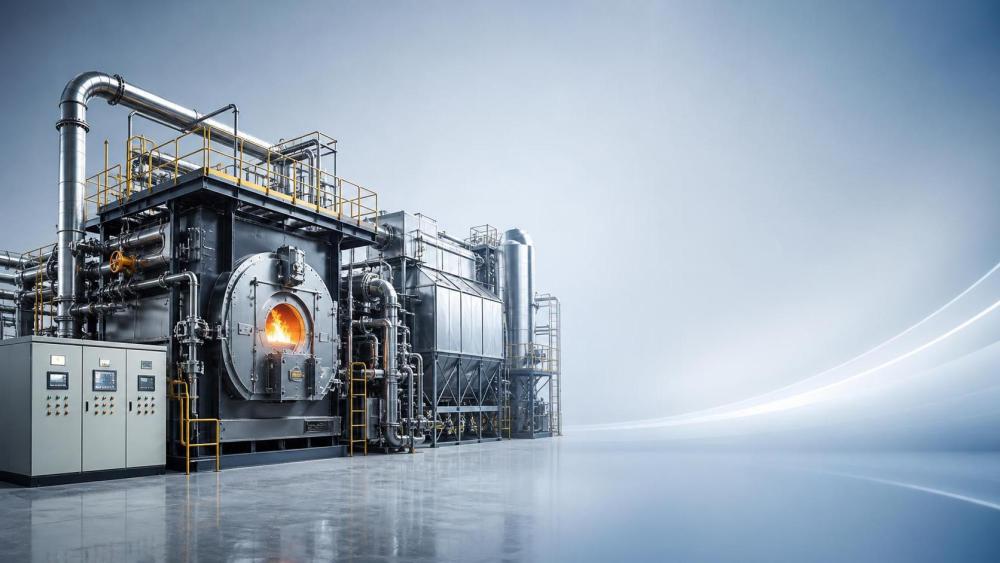
This is one area where broader process knowledge matters. Teams that also understand kilns, refractory behavior, and thermal efficiency trends—something CF-Elite often examines across adjacent industries—tend to make better judgments about whether a given exporter’s claimed output is operationally realistic. Incineration performance is shaped by heat transfer, material handling, and lining durability as much as by combustion theory.
Check engineering depth behind the export offer
Some exporters are genuine manufacturers with strong process engineering teams. Others are trading organizations bundling third-party equipment under one commercial package. Neither model is automatically wrong, but procurement should know which one it is dealing with.
Ask who is responsible for core design, who fabricates pressure parts or combustion components if applicable, who selects the refractory system, and who integrates the controls. Then verify how technical changes are managed. On projects with cross-border supply, responsibility can become blurred very quickly once civil works, auxiliary skids, induced draft fans, instrumentation, and emissions treatment are split among multiple parties.
A dependable exporter should be able to provide a clear document trail: general arrangement drawings, process flow logic, utility requirements, battery limits, exclusions, recommended spare parts lists, and a realistic commissioning scope. If these items are missing at bid stage, that is not always disqualifying. But the supplier should at least show the engineering method and where design responsibility begins and ends.
Manufacturing capacity needs proof, not promises
An exporter may understand the process well and still struggle to deliver on schedule. This is common when fabrication depends on overloaded subcontractors, imported critical components, or weak quality control across multiple workshops. The procurement question is not simply “Can they build it?” but “Can they build it at the required quality, documentation level, and delivery rhythm for this project?”
Useful checks include shop capability, welding and fabrication controls where relevant, refractory installation supervision arrangements, instrumentation sourcing strategy, and the lead times for burners, fans, valves, analyzers, and control panels. Export packing standards matter too. Equipment that is technically acceptable can still arrive damaged, incomplete, or poorly tagged, creating avoidable delays on site.
If the project is large enough, a factory audit or third-party inspection is worth considering. If the project is smaller, ask for recent manufacturing records, quality documents, and shipment examples for comparable systems. Not to collect paperwork for its own sake, but to confirm the exporter has a repeatable delivery process.
After-sales support is where many good-looking deals fail
Incineration equipment is not plug-and-play machinery. Even well-designed systems need tuning during commissioning and disciplined support during the first operating cycle. The most expensive failures are often not catastrophic failures; they are long periods of underperformance caused by slow troubleshooting, missing parts, unstable controls, or poor operator understanding.
When reviewing after-sales capability, do not stop at the phrase “remote technical support available.” Ask what that means in operational terms. Is there a defined commissioning team? What languages can they work in? Are PLC and HMI backups included? Can the exporter support combustion optimization after startup? Who handles urgent refractory advice if there is hot-face damage or thermal shock? What is the lead time for wear parts and critical spares?
Good support is usually visible before the order is placed. Suppliers that answer technical clarifications with precision, mark up your process concerns, and distinguish between standard scope and optional support tend to be easier partners later. Suppliers that answer every question with “no problem” often become difficult when the problem is finally real.
Look at the exporter through a project-risk lens
A practical way to compare candidates is to review them under four risk categories: regulatory risk, process risk, delivery risk, and service risk. This avoids the trap of evaluating every supplier only on commercial format.
This kind of matrix is more useful than a pure price comparison because it forces the team to evaluate lifecycle exposure. In long-cycle thermal projects, a slightly higher purchase price can be easier to justify than repeated shutdowns, delayed permit acceptance, or unstable operation.
Don’t ignore the surrounding system
Incineration equipment rarely performs well in a poorly defined plant context. Exporters should be assessed on how they interface with upstream feed preparation, utilities, chimneys, waste heat use, and downstream treatment systems. This is especially important in industrial parks and integrated materials facilities, where the incinerator may share energy, control architecture, or maintenance resources with kilns, dryers, extrusion lines, or other thermal assets.
That systems view is one reason cross-sector intelligence has value. CF-Elite’s focus on cement plants, glass manufacturing gear, refractory lines, and industrial kilns points to a useful procurement lesson: thermal equipment does not live alone. An exporter who understands only the furnace body but not draft behavior, heat recovery opportunities, carbon-reduction pressure, or lining maintenance economics may still supply hardware, but not necessarily a robust solution.
Questions worth asking before shortlisting
A few direct questions can reveal more than a long presentation:
- What exact waste characteristics were used to define throughput and combustion stability?
- Which parts of the system are self-manufactured, and which are outsourced?
- What assumptions must be true on site for the performance promise to hold?
- How are refractory selection and expected maintenance intervals determined?
- What documentation is supplied for installation, commissioning, and operator training?
- How quickly can critical spares or technical specialists be mobilized if the line becomes unstable?
The quality of the answers matters at least as much as the answers themselves. Clear limitations, realistic caveats, and engineering-backed explanations are usually better signs than effortless certainty.
In the end, the best incineration equipment exporter is not the one with the broadest marketing claims. It is the one that can connect compliance, combustion design, manufacturing discipline, and post-startup support into a coherent delivery model. Procurement teams that evaluate on those terms tend to make better decisions—and spend less time solving preventable problems after the purchase order is signed.
Related News
 Dr. Alistair VaughnHow Waste Recycling Technology Improves Material Recovery in Industrial PlantsWaste recycling technology improves material recovery through source segregation, smart separation, thermal treatment, and quality control for industrial plants.Sep 24, 2026
 Optical Glass Tech FellowHow to Specify Glass Annealing Equipment for European Quality and Energy RequirementsGlass annealing equipment Europe: learn how to specify lehrs for consistent glass quality, energy efficiency, compliance, automation, and reliable long-term performance.Sep 23, 2026
 Optical Glass Tech FellowSilicate Process Automation: Improving Batch Consistency and Energy ControlSilicate process automation improves batch consistency, energy control, traceability, and operator confidence across high-temperature manufacturing operations.Sep 22, 2026
 Optical Glass Tech FellowHow Silicate Industrial Processes Control Viscosity, Energy Use, and Product QualitySilicate industrial processes: learn how viscosity, chemistry, heat transfer, and atmosphere control reduce energy use, improve stability, and protect product quality.Sep 21, 2026
 Thermal Energy ArchitectHow European Plants Can Evaluate Energy Recovery Equipment for High-Temperature ProcessesIndustrial energy recovery equipment Europe: learn how high-temperature plants can assess waste-heat sources, integration risks, lifecycle value, and reliable recovery routes.Sep 20, 2026
 Thermal Energy ArchitectIndustrial Furnace Process Optimization: Reducing Fuel Use Without Sacrificing ThroughputIndustrial process optimization furnace strategies that cut fuel use while protecting throughput. Explore combustion control, heat recovery, refractory performance, and data-driven efficiency gains.Sep 19, 2026
 Ms. Elena RodriguezWhat Drives High-Pressure Extrusion Equipment Cost in Industrial Projects?High pressure extrusion equipment cost explained: compare pressure, die design, automation, wear, energy, and installation factors for smarter industrial investments.Sep 18, 2026
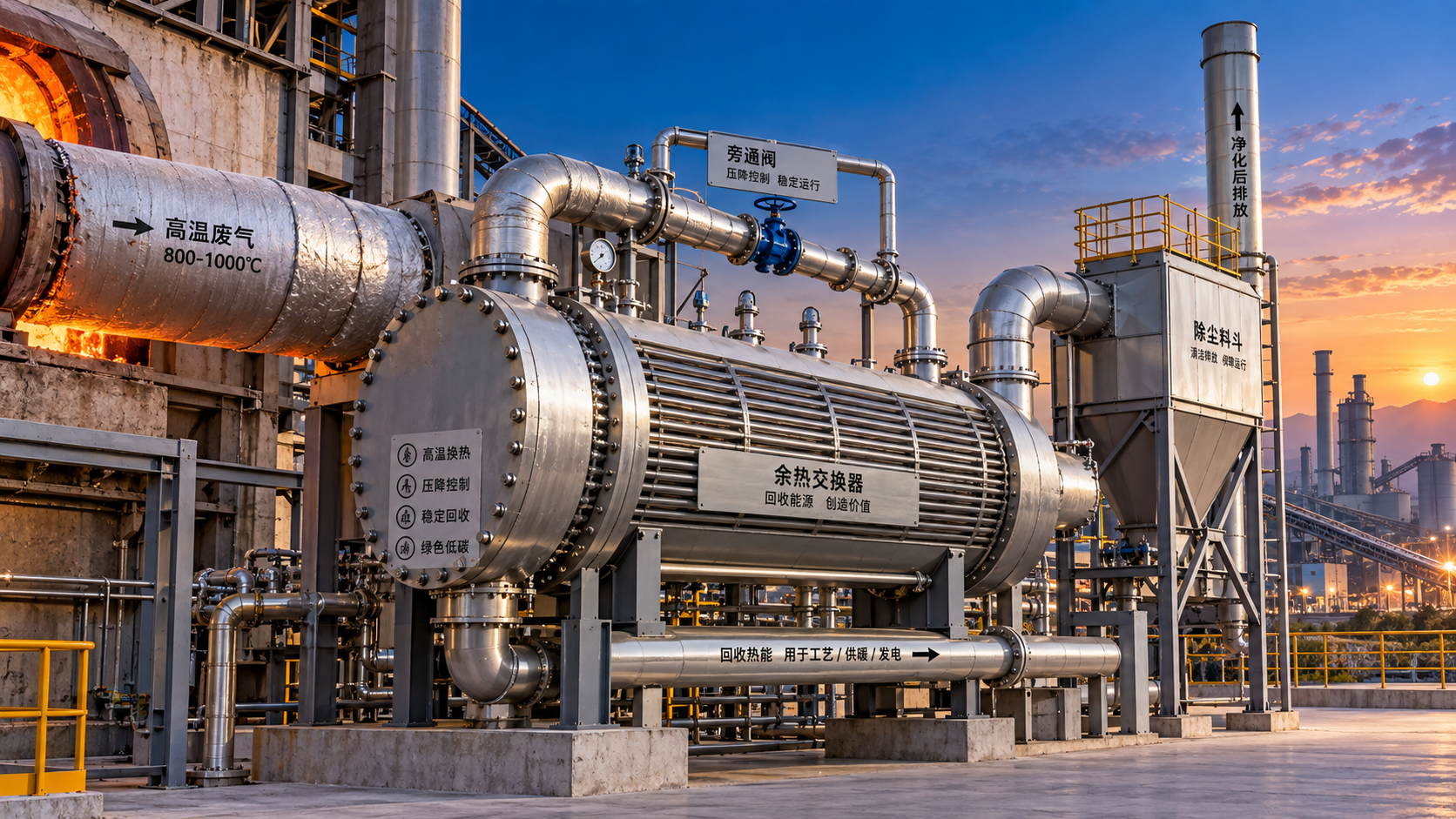
 Thermal Energy ArchitectHow to Size a Waste Heat Recovery Exchanger for High-Temperature Kiln Exhaust?Waste heat recovery exchanger sizing for high-temperature kiln exhaust: balance recoverable duty, fouling, corrosion limits, pressure drop, and reliable heat use.Sep 17, 2026
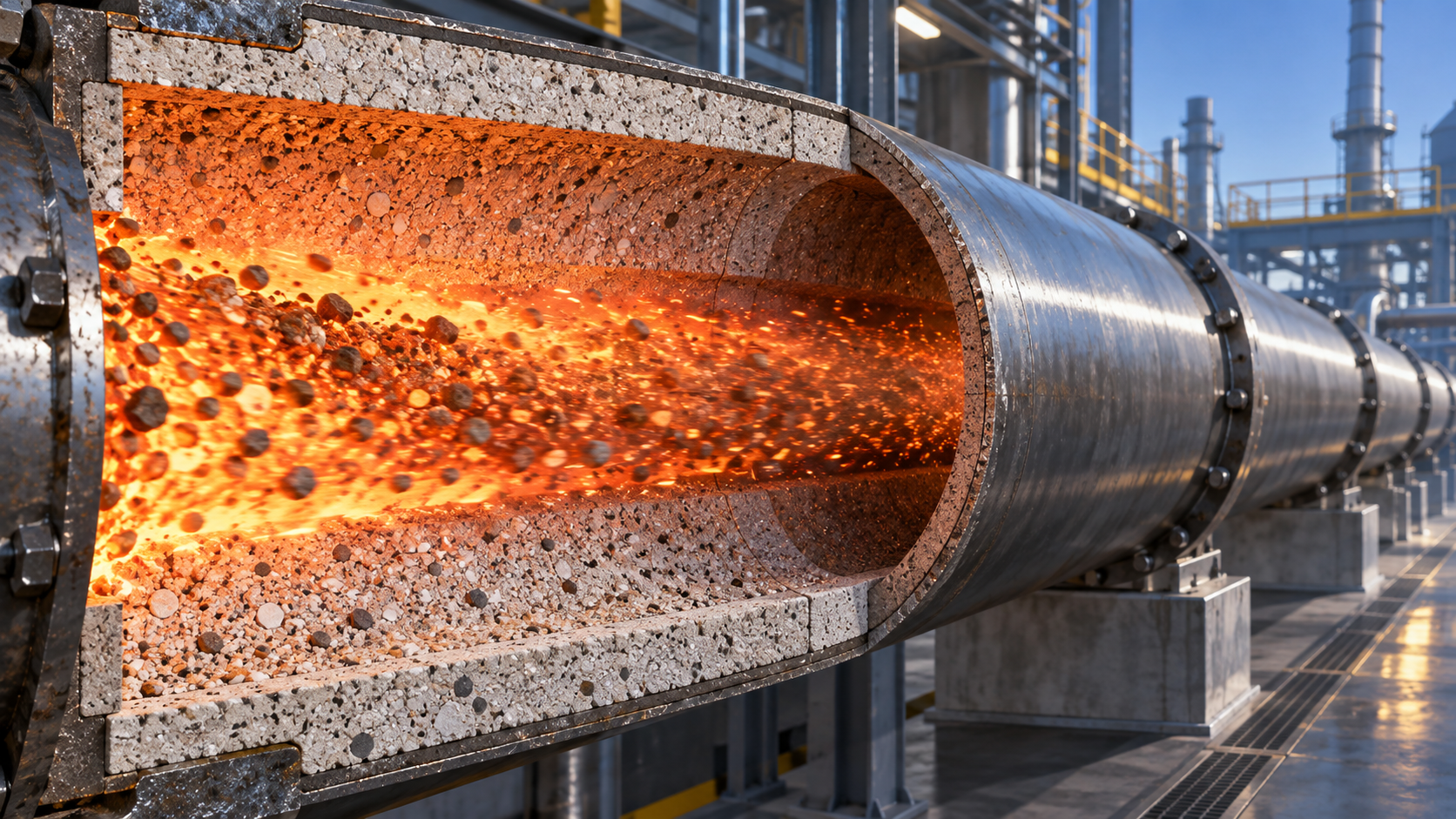
 Thermal Energy ArchitectWhy Heat-Resistant Materials Lose Abrasion Resistance at High TemperaturesHeat-resistant materials abrasion resistance can decline at high temperatures. Discover the thermal, chemical, and mechanical causes of wear—and how to choose longer-lasting linings.Sep 16, 2026
 Thermal Energy ArchitectHow to Evaluate a Thermal Energy Optimization Company for High-Temperature PlantsChoose a thermal energy optimization company with proven process expertise, measurable savings, and reliable delivery for high-temperature plants. Learn what to assess.Sep 15, 2026
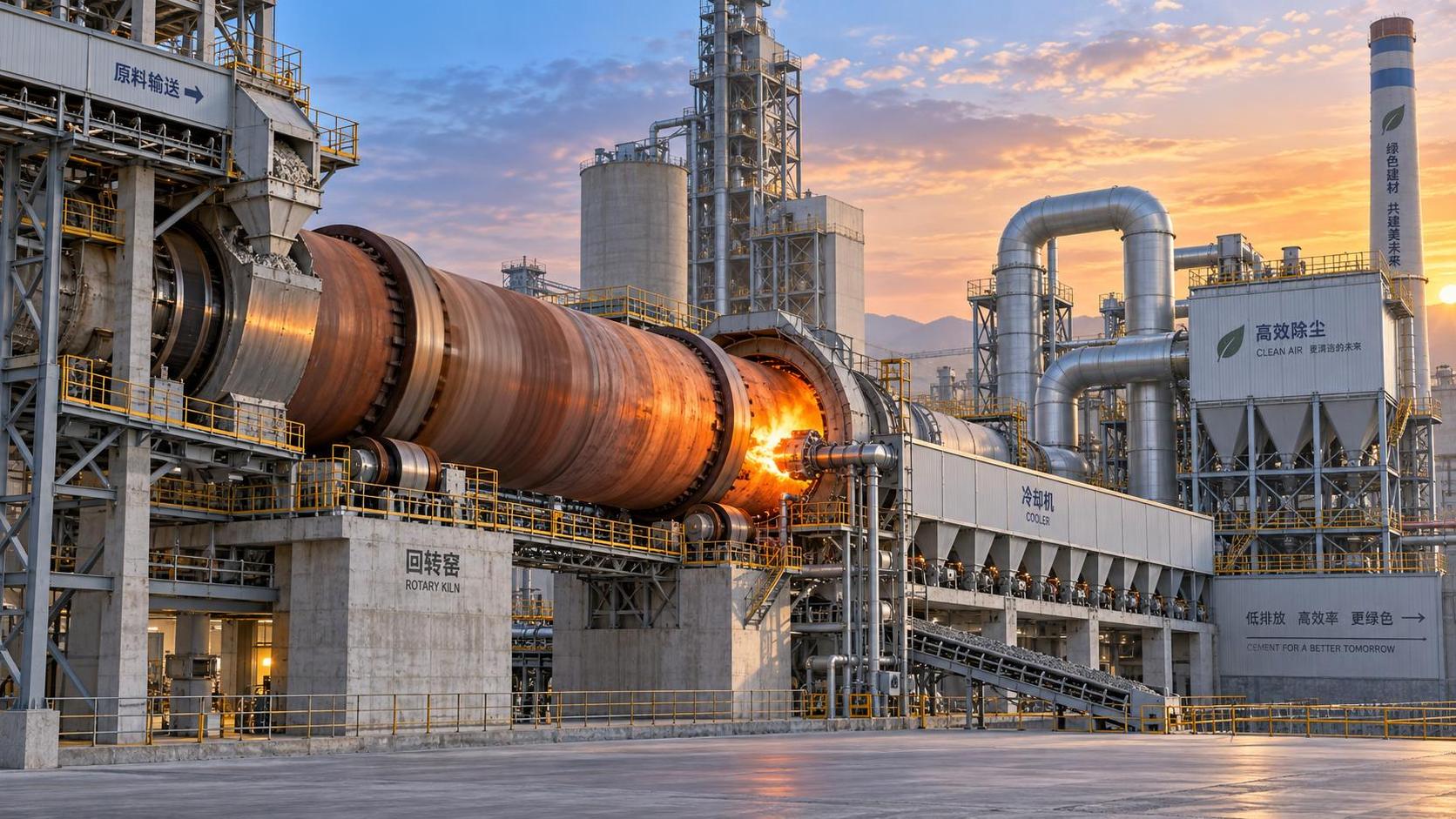
 Thermal Energy ArchitectRotary Kiln Efficiency: How Feed Rate, Fuel Use, and Heat Loss Affect OutputRotary kiln efficiency explained: discover how feed rate, fuel use, heat loss, combustion, and cooling performance shape output, quality, and energy costs.Sep 14, 2026
 Thermal Energy ArchitectHow to Select Heat-Resistant Materials That Maintain Abrasion Resistance in KilnsHeat-resistant materials abrasion resistance: learn how to select kiln linings that withstand heat, wear, thermal cycling, and chemical attack for longer service life.Sep 13, 2026
 Thermal Energy ArchitectHow Rotary Kiln Automation Improves Temperature Control and Fuel EfficiencyRotary kiln technology automation enhances temperature control, stabilizes combustion, and improves fuel efficiency with smarter data, predictive control, and safer operations.Sep 12, 2026
 Silicate Process EngineerCement Plant Emission Control: Selecting Systems for Dust, NOx, and SO2 LimitsCement plant emission control guide: compare dust collectors, NOx reduction, and SO2 systems for reliable compliance across kiln modes, fuel changes, and operating upsets.Sep 11, 2026
 Thermal Energy ArchitectSelecting Abrasion-Resistant High-Temperature Materials for Kiln and Conveyor Wear ZonesHigh-temp material engineering guide to abrasion-resistant kiln and conveyor solutions—match wear, heat, chemistry, and installation design for longer service life.Sep 10, 2026
 Dr. Alistair VaughnIndustrial Process Engineering: How to Map Processes for Safer, More Efficient PlantsIndustrial process engineering reveals bottlenecks, safety risks, and energy losses through practical process mapping for safer, more efficient plants.Sep 09, 2026
 Optical Glass Tech FellowHow to Evaluate a Glass Annealing Equipment Manufacturer for Production StabilityChoose a glass annealing equipment manufacturer with proven thermal uniformity, reliable controls, lifecycle value, and responsive service for stable production.Sep 08, 2026
 Prof. Marcus ChenThermal Energy Architecture in North America: Strategies for Lower Building Energy UseThermal energy architecture North America helps project leaders cut building energy use through stronger envelopes, right-sized HVAC, storage, and smart commissioning.Sep 07, 2026
 Ms. Elena RodriguezHow Should Buyers Evaluate Building Material Industry Intelligence Pricing?Building material industry intelligence pricing: learn how to compare coverage, technical depth, and ROI to choose intelligence that reduces procurement risk.Sep 07, 2026
 Ms. Elena RodriguezHow to Use Building Material Intelligence Data for Market and Investment DecisionsBuilding material industry intelligence data helps leaders evaluate demand, costs, regulation, capacity, and technology to make smarter market and investment decisions.Sep 05, 2026



Related News
- 00
0000-00
How European Plants Can Evaluate Energy Recovery Equipment for High-Temperature Processes - 00
0000-00
Industrial Furnace Process Optimization: Reducing Fuel Use Without Sacrificing Throughput - 00
0000-00
How to Size a Waste Heat Recovery Exchanger for High-Temperature Kiln Exhaust? - 00
0000-00
Why Heat-Resistant Materials Lose Abrasion Resistance at High Temperatures - 00
0000-00
How to Evaluate a Thermal Energy Optimization Company for High-Temperature Plants
Weekly Insights
Stay ahead with our curated technology reports delivered every Monday.