
What to Evaluate in a Rotary Kiln Technology Manufacturer for High-Temperature Process Projects




Selecting a rotary kiln technology manufacturer for a high-temperature project is rarely about the shell diameter alone. On paper, many suppliers can offer similar throughput ranges, burner arrangements, or drive systems. In practice, the difference shows up later: unstable thermal profiles, refractory wear arriving too early, emissions control that struggles under feed variation, or a commissioning phase that drags because the process model was too generic.
That is why experienced project teams usually evaluate the manufacturer as a process partner, not just a fabricator. If the application involves cement clinker, hazardous or industrial waste co-processing, calcination, specialty minerals, or other heat-intensive conversion steps, the kiln sits at the center of a much larger thermal and chemical system. A weak choice there tends to create problems everywhere else.
For project managers, the useful question is not “Who can build a kiln?” but “Who can build this kiln for this feed, this fuel mix, this emissions context, and this operating window?” That framing leads to better procurement decisions and fewer surprises after mechanical completion.
Start with process fit, not catalog fit
A rotary kiln technology manufacturer should be able to discuss your process in detail before discussing quotation structure. That includes residence time, heat transfer mode, expected feed variability, moisture range, volatile content, coating tendency, ring formation risk, and the acceptable balance between throughput and product uniformity.
This matters across sectors. In cement and lime, small changes in raw mix or alternative fuel strategy can alter flame stability and kiln atmosphere. In industrial incineration, waste composition swings can challenge destruction efficiency, ash behavior, and downstream gas cleaning. In refractory or specialty material processing, thermal uniformity may be more valuable than headline capacity. A manufacturer that jumps too quickly to a standard layout may be showing exactly what you need to know.
One practical test during technical review: ask how the supplier adjusts kiln geometry, slope, speed window, sealing concept, and burner design when feed characteristics move outside the baseline. The quality of that answer often reveals whether they understand process behavior or are mainly reselling a familiar configuration.
Thermal design capability is where good projects separate from expensive ones
Most rotary kiln failures are not dramatic structural collapses. They are slower losses in thermal control, lining life, fuel efficiency, or operating consistency. So when evaluating a rotary kiln technology manufacturer, look closely at thermal design capability: combustion system selection, flame shaping, secondary air use if relevant, heat balance discipline, shell temperature expectations, and integration with preheating or cooling stages.
A manufacturer with strong thermal engineering will usually ask for more operating data than buyers initially expect. That is a good sign. They may want feed chemistry, particle size distribution, target product phase changes, fuel properties, local ambient conditions, and utility constraints. These requests are not procurement friction; they are often the basis for whether the kiln will run stably after startup.
CF-Elite’s coverage of foundation materials and thermal management repeatedly points to this same pattern across heavy-process industries: thermal equipment performs best when ultra-high-temperature physics, reaction kinetics, and carbon-reduction targets are considered together rather than in separate packages. In other words, thermal design should not be treated as a burner vendor issue bolted onto a mechanical package at the end.
Do not treat refractory as a separate purchase too early
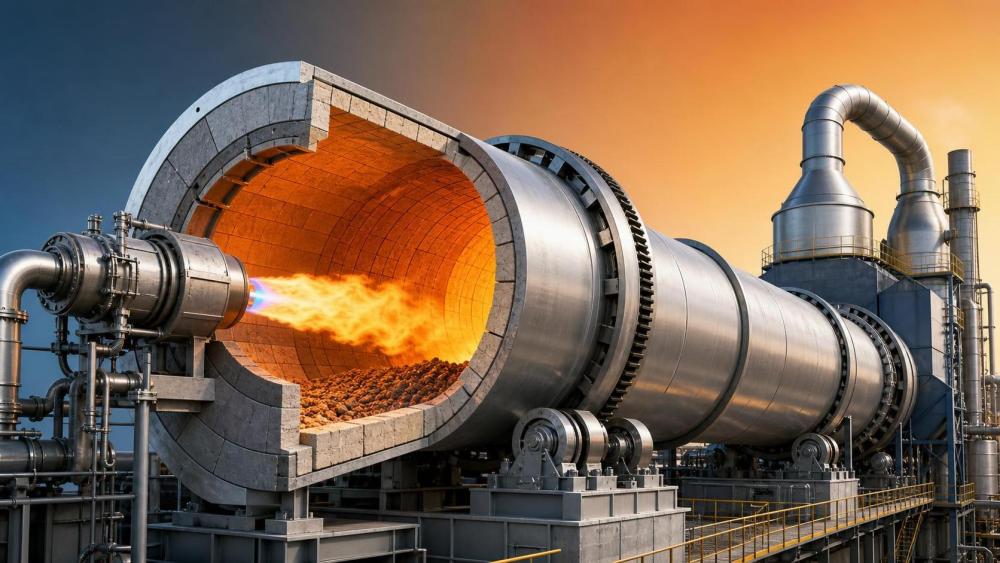
A common procurement mistake is evaluating the kiln supplier first and the refractory supplier later, as if these were independent decisions. They are not. The kiln shell, process temperature profile, chemistry, mechanical stress, coating behavior, and shutdown pattern all affect refractory selection and lining life.
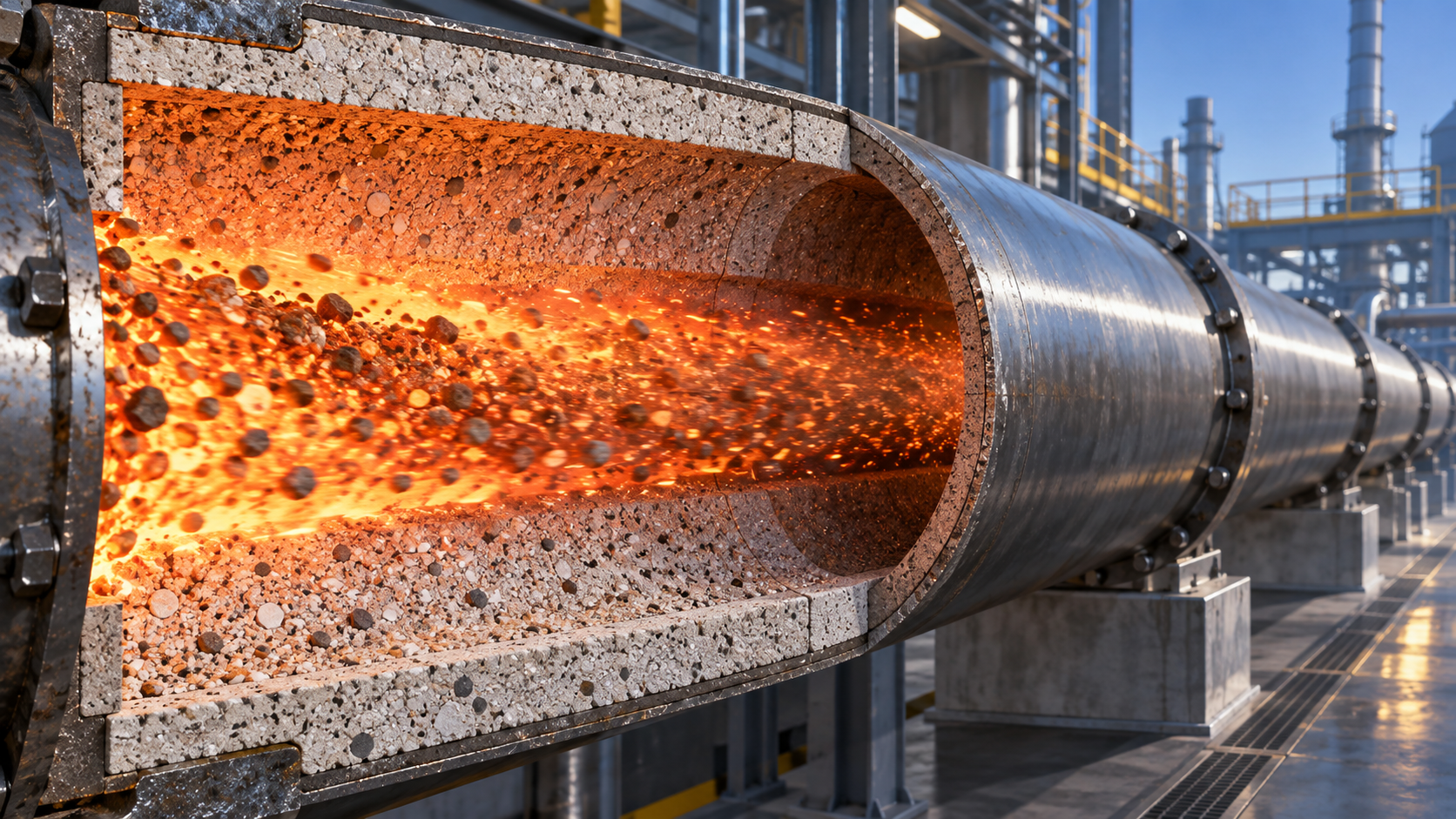
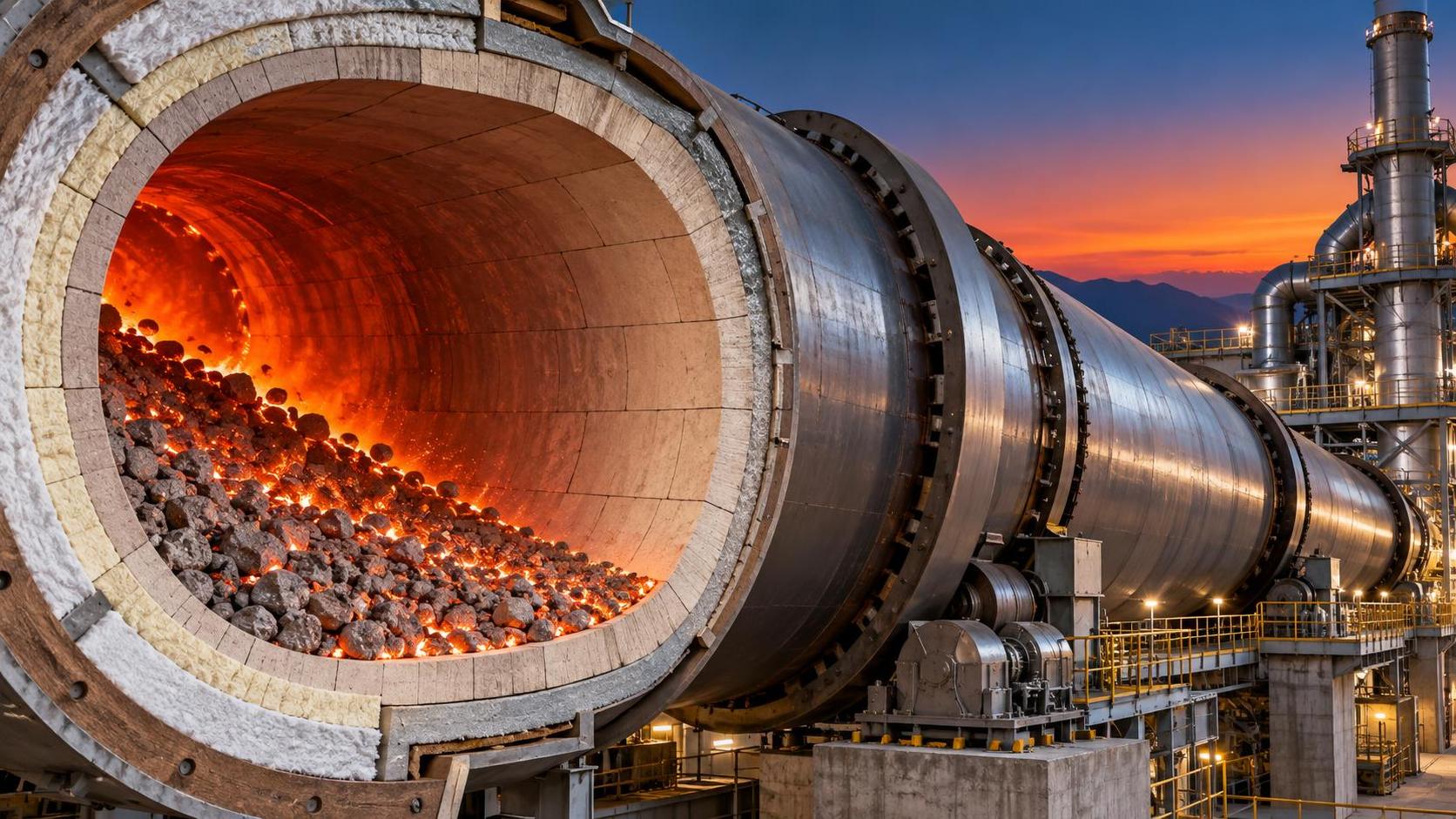
A capable manufacturer should be able to explain how the refractory concept is tied to the process zones: inlet, transition, burning or reaction zone, discharge, and any section exposed to abrasion or chemical attack. They should also be ready to discuss anchoring concepts where applicable, lining thickness logic, expansion allowances, and inspection access. If the answer is simply “we follow customer preference,” that may leave too much risk on the project team.
This is especially important in sectors CF-Elite tracks closely, such as cement, industrial incineration, and refractory production lines themselves, where thermal barriers are not a side issue. They are part of uptime economics. The right manufacturer will not promise an unrealistic lining campaign life, but they should be able to identify the failure modes most likely in your operating scenario.
Emissions and compliance need to be designed in, not negotiated later
High-temperature projects are now judged on more than output. Permitting pressure, decarbonization targets, particulate control, NOx behavior, acid gas treatment, and continuous monitoring expectations all affect technology selection. What you need will depend on jurisdiction and application, so broad claims are not useful here. What is useful is checking whether the manufacturer can design with the compliance envelope in mind from the start.
For example, if a project may later introduce alternative fuels or co-processing streams, the kiln and combustion design should not make that future transition unnecessarily difficult. If local standards demand tighter stack performance, the kiln system must be evaluated together with gas handling, draft control, dust collection, and quench or scrubbing steps where relevant. A supplier that only takes responsibility up to the kiln discharge is often leaving the project manager to absorb integration risk.
This is one area where intelligence-led evaluation helps. Teams that follow market and regulatory shifts early tend to ask better technical questions in tendering. That is also why industry platforms focused on long-cycle heavy equipment, including strategic intelligence centers like CF-Elite, can be valuable: they connect process design choices with environmental and commercial consequences before procurement gets locked in.
Mechanical reliability still matters, but look at the right details
It is easy to reduce mechanical evaluation to steel fabrication quality and gearbox brand. Those are relevant, but they are not enough. Better questions include:
- How are shell ovality, tire support loads, and thermal expansion addressed in the design basis?
- What is the sealing philosophy at the inlet and outlet, and how sensitive is it to operating upset?
- How maintainable are the drive system, rollers, thrust arrangement, and alignment points?
- What inspection access is built in for shell, burner, seals, and refractory observation?
- How much of the package depends on highly customized parts with long replacement lead times?
These details matter because high-temperature process projects do not fail on average conditions. They fail during startups, feed changes, short shutdowns, hot restarts, and the months when spare parts are unexpectedly delayed. The best manufacturers design for those realities.
Evaluate integration experience, not just standalone kiln experience
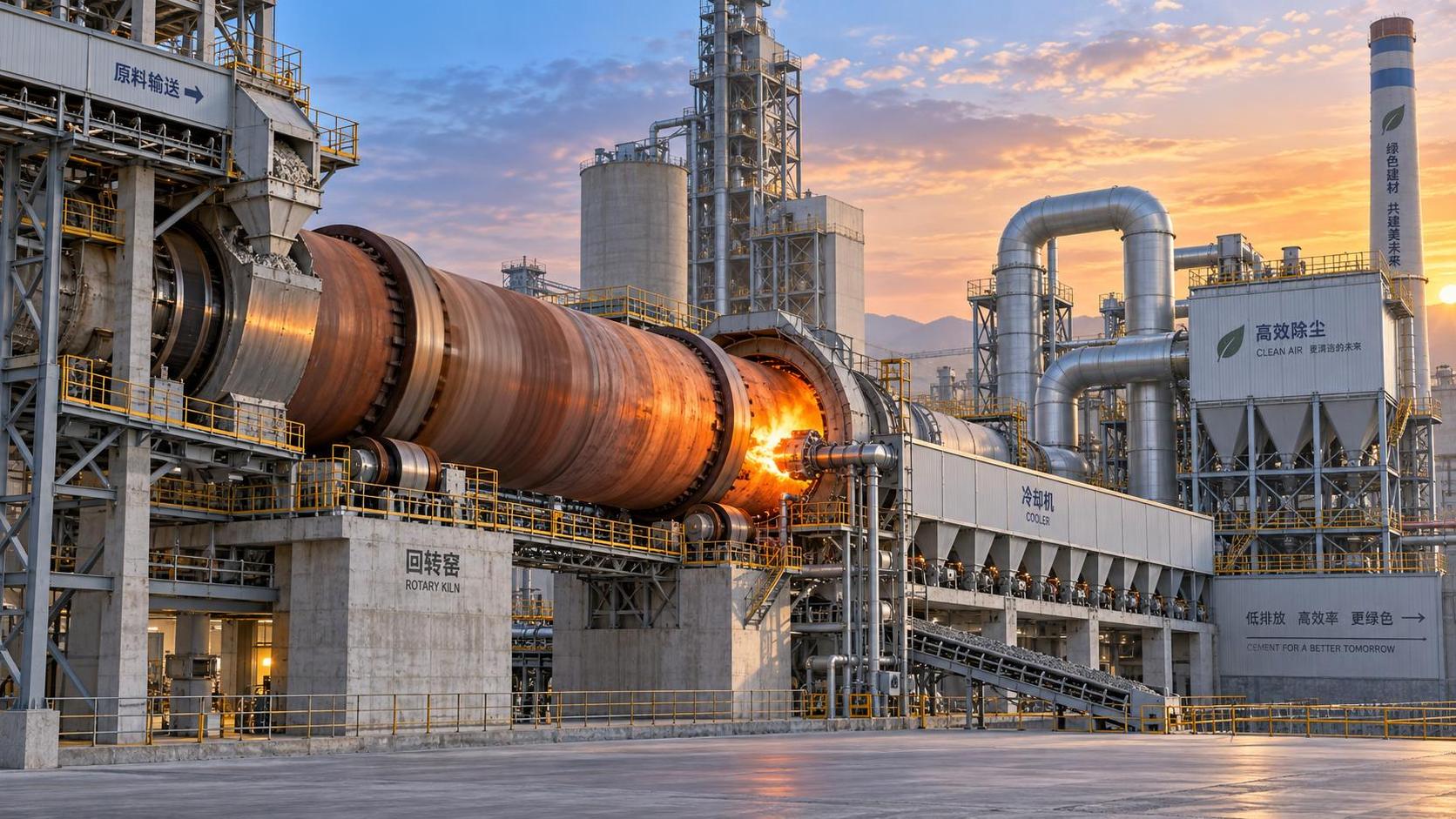
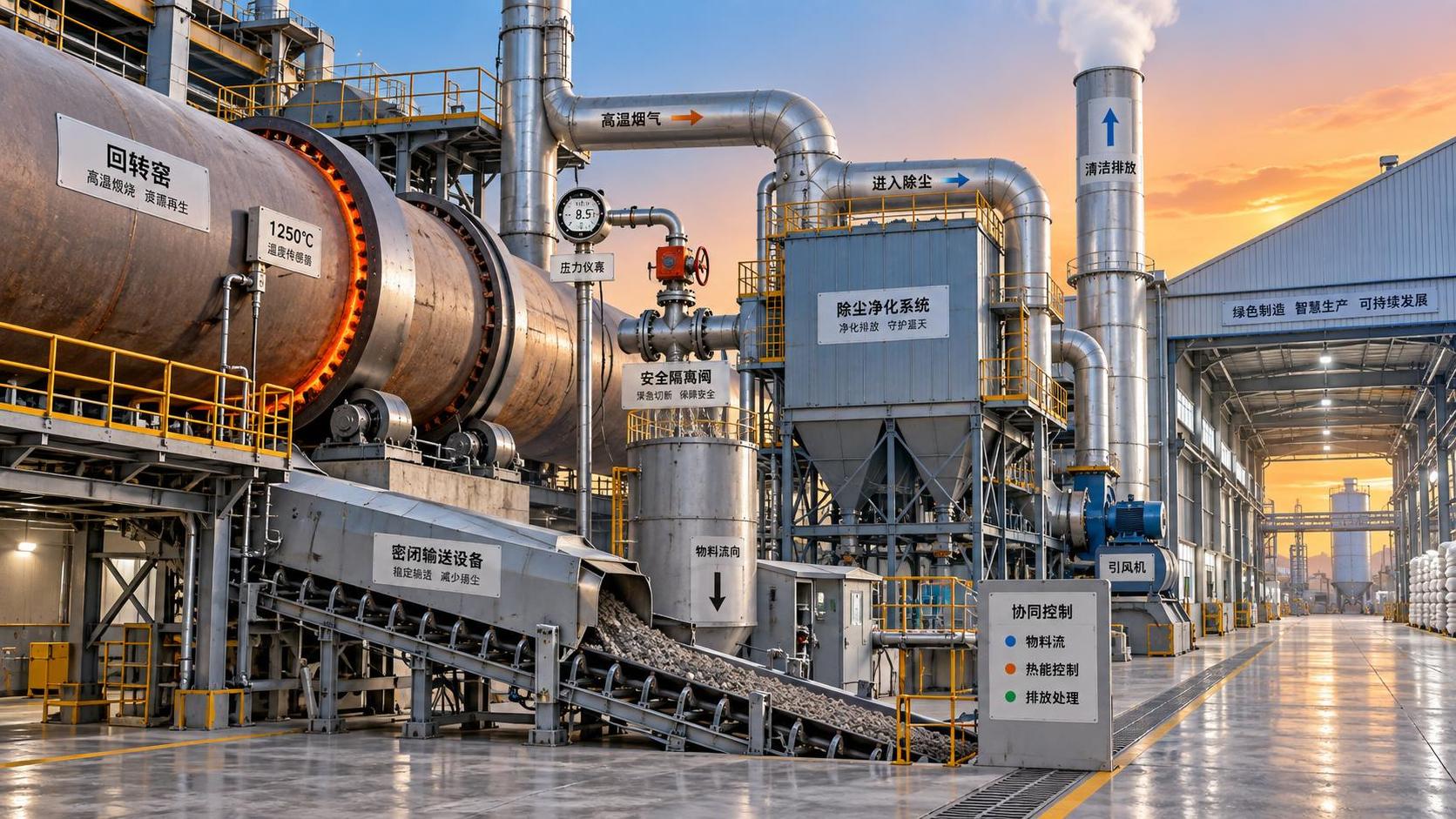
A rotary kiln rarely works alone. It depends on upstream dosing, crushing or blending, preheating in some applications, burners and fuel trains, ID fans, coolers, induced draft stability, dust handling, and control logic. In many projects, the manufacturer’s real value lies in how well they understand those interfaces.
This is where industry breadth helps. A manufacturer or technical partner that understands adjacent systems in cement plants, glass-related thermal equipment, industrial waste treatment, refractory manufacturing, or new building material extrusion often sees integration risks earlier. Not because every process is the same, but because the thermal bottlenecks are rarely isolated. CF-Elite’s cross-sector lens is useful here: when teams compare how different heat-intensive lines handle online monitoring, fuel flexibility, and lining surveillance, they often make stronger kiln decisions.
If a supplier cannot clearly define battery limits, control interfaces, performance assumptions, and utility dependencies, project execution may become messy even if the kiln itself is competently built.
Commissioning, training, and lifecycle service are not “after-sales extras”
For project managers, one of the most expensive misunderstandings is assuming performance is secured once manufacturing is complete. In reality, many kilns only begin to reveal design weaknesses during drying, heat-up, tuning, and the first period of variable operation.
So evaluate the manufacturer’s commissioning methodology. Do they provide a structured startup sequence, operating envelopes, interlock philosophy support, and refractory heat-up guidance? Will their process engineers stay involved, or does the site receive only a mechanical supervisor? How are operator training and troubleshooting handled? These points are often buried in annexes, yet they can decide whether the plant reaches stable production in a reasonable time.
Longer term, ask about condition monitoring, shell temperature observation, alignment checks, spare-parts strategy, and remote support capability. Digital tools can help, especially where online refractory monitoring or process simulation is relevant, but only if the manufacturer knows how to turn data into operating decisions.
A useful comparison framework for supplier shortlisting
One last filter: how the manufacturer handles uncertainty
The strongest manufacturers are not the ones who claim every answer is simple. They are the ones who identify which variables are still open and what should be tested, simulated, or clarified before final design freeze. That may involve pilot validation in some applications, third-party review of emissions strategy, refractory consultation, or deeper utility and feed characterization.
When a supplier is candid about uncertainty, project managers sometimes worry the proposal is less mature. Usually, the opposite is true. High-temperature systems are unforgiving, and realism in the bid stage is often a better predictor of project success than confidence alone.
If you are shortlisting a rotary kiln technology manufacturer, look for process depth, thermal judgment, interface discipline, and honest lifecycle planning. Price still matters. Delivery still matters. But in projects where temperature, chemistry, uptime, and compliance all intersect, the safer choice is often the manufacturer that understands the whole system well enough to tell you where the real risks are.
Related News
 Thermal Energy ArchitectHow to Evaluate a Thermal Engineering Contractor for High-Temperature Plant ProjectsChoose a thermal engineering contractor with proven process expertise, lifecycle value, emissions control, and delivery discipline for reliable high-temperature plant performance.Sep 27, 2026
 Silicate Process EngineerHow Latin American Cement Plants Can Reduce Dust Emissions in Kilns and Transfer PointsCement plant dust control Latin America: reduce kiln and transfer-point emissions with practical airflow, filtration, monitoring, and maintenance strategies.Sep 26, 2026
 Material Heat-Resist ExpertHow to Evaluate Refractory Production Lines for Output, Quality, and Energy UseRefractory production lines: learn how to assess qualified output, consistent quality, and total energy use for smarter, lower-risk investment decisions.Sep 25, 2026
 Dr. Alistair VaughnHow Waste Recycling Technology Improves Material Recovery in Industrial PlantsWaste recycling technology improves material recovery through source segregation, smart separation, thermal treatment, and quality control for industrial plants.Sep 24, 2026
 Optical Glass Tech FellowHow to Specify Glass Annealing Equipment for European Quality and Energy RequirementsGlass annealing equipment Europe: learn how to specify lehrs for consistent glass quality, energy efficiency, compliance, automation, and reliable long-term performance.Sep 23, 2026
 Optical Glass Tech FellowSilicate Process Automation: Improving Batch Consistency and Energy ControlSilicate process automation improves batch consistency, energy control, traceability, and operator confidence across high-temperature manufacturing operations.Sep 22, 2026
 Optical Glass Tech FellowHow Silicate Industrial Processes Control Viscosity, Energy Use, and Product QualitySilicate industrial processes: learn how viscosity, chemistry, heat transfer, and atmosphere control reduce energy use, improve stability, and protect product quality.Sep 21, 2026
 Thermal Energy ArchitectHow European Plants Can Evaluate Energy Recovery Equipment for High-Temperature ProcessesIndustrial energy recovery equipment Europe: learn how high-temperature plants can assess waste-heat sources, integration risks, lifecycle value, and reliable recovery routes.Sep 20, 2026
 Thermal Energy ArchitectIndustrial Furnace Process Optimization: Reducing Fuel Use Without Sacrificing ThroughputIndustrial process optimization furnace strategies that cut fuel use while protecting throughput. Explore combustion control, heat recovery, refractory performance, and data-driven efficiency gains.Sep 19, 2026
 Ms. Elena RodriguezWhat Drives High-Pressure Extrusion Equipment Cost in Industrial Projects?High pressure extrusion equipment cost explained: compare pressure, die design, automation, wear, energy, and installation factors for smarter industrial investments.Sep 18, 2026
 Thermal Energy ArchitectHow to Size a Waste Heat Recovery Exchanger for High-Temperature Kiln Exhaust?Waste heat recovery exchanger sizing for high-temperature kiln exhaust: balance recoverable duty, fouling, corrosion limits, pressure drop, and reliable heat use.Sep 17, 2026
 Thermal Energy ArchitectWhy Heat-Resistant Materials Lose Abrasion Resistance at High TemperaturesHeat-resistant materials abrasion resistance can decline at high temperatures. Discover the thermal, chemical, and mechanical causes of wear—and how to choose longer-lasting linings.Sep 16, 2026
 Thermal Energy ArchitectHow to Evaluate a Thermal Energy Optimization Company for High-Temperature PlantsChoose a thermal energy optimization company with proven process expertise, measurable savings, and reliable delivery for high-temperature plants. Learn what to assess.Sep 15, 2026
 Thermal Energy ArchitectRotary Kiln Efficiency: How Feed Rate, Fuel Use, and Heat Loss Affect OutputRotary kiln efficiency explained: discover how feed rate, fuel use, heat loss, combustion, and cooling performance shape output, quality, and energy costs.Sep 14, 2026
 Thermal Energy ArchitectHow to Select Heat-Resistant Materials That Maintain Abrasion Resistance in KilnsHeat-resistant materials abrasion resistance: learn how to select kiln linings that withstand heat, wear, thermal cycling, and chemical attack for longer service life.Sep 13, 2026
 Thermal Energy ArchitectHow Rotary Kiln Automation Improves Temperature Control and Fuel EfficiencyRotary kiln technology automation enhances temperature control, stabilizes combustion, and improves fuel efficiency with smarter data, predictive control, and safer operations.Sep 12, 2026
 Silicate Process EngineerCement Plant Emission Control: Selecting Systems for Dust, NOx, and SO2 LimitsCement plant emission control guide: compare dust collectors, NOx reduction, and SO2 systems for reliable compliance across kiln modes, fuel changes, and operating upsets.Sep 11, 2026
 Thermal Energy ArchitectSelecting Abrasion-Resistant High-Temperature Materials for Kiln and Conveyor Wear ZonesHigh-temp material engineering guide to abrasion-resistant kiln and conveyor solutions—match wear, heat, chemistry, and installation design for longer service life.Sep 10, 2026
 Dr. Alistair VaughnIndustrial Process Engineering: How to Map Processes for Safer, More Efficient PlantsIndustrial process engineering reveals bottlenecks, safety risks, and energy losses through practical process mapping for safer, more efficient plants.Sep 09, 2026
 Optical Glass Tech FellowHow to Evaluate a Glass Annealing Equipment Manufacturer for Production StabilityChoose a glass annealing equipment manufacturer with proven thermal uniformity, reliable controls, lifecycle value, and responsive service for stable production.Sep 08, 2026


Related News
- 00
0000-00
How to Evaluate a Thermal Engineering Contractor for High-Temperature Plant Projects - 00
0000-00
How European Plants Can Evaluate Energy Recovery Equipment for High-Temperature Processes - 00
0000-00
Industrial Furnace Process Optimization: Reducing Fuel Use Without Sacrificing Throughput - 00
0000-00
How to Size a Waste Heat Recovery Exchanger for High-Temperature Kiln Exhaust? - 00
0000-00
Why Heat-Resistant Materials Lose Abrasion Resistance at High Temperatures
Weekly Insights
Stay ahead with our curated technology reports delivered every Monday.