
How to Choose Energy Efficient Glass Manufacturing Equipment for Furnace Load and Output Goals




How to Choose Energy Efficient Glass Manufacturing Equipment for Furnace Load and Output Goals
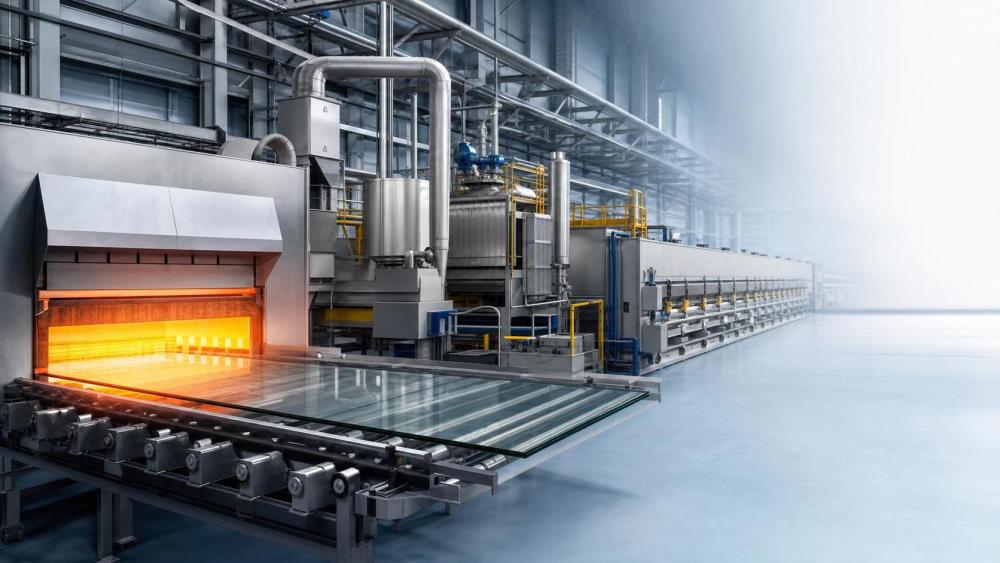
Selecting energy efficient glass manufacturing equipment is not only about utility bills. It affects furnace load balance, melt uniformity, pull rate, maintenance rhythm, and carbon performance.
That is why equipment choice should start from process reality. A line built for stable output needs different priorities than one built for frequent product changeovers.
In glass production, energy losses often hide between subsystems. Furnaces, forehearths, combustion packages, forming equipment, and control platforms either work together or waste heat together.
So, when comparing energy efficient glass manufacturing equipment, the real question is simple. Which setup supports target tons per day without overloading the furnace or compromising glass quality?
Start with Furnace Load, Not Brochure Claims
The furnace sets the thermal budget for the whole line. If downstream equipment demands unstable pull or uneven heat, overall efficiency drops fast.
Many buyers first compare rated power, recovery systems, or burner efficiency. Those matter, but they matter only after furnace load behavior is understood.
A practical review should answer four questions:
- What is the target daily output in normal and peak conditions?
- How wide is the expected product mix and thickness range?
- How stable is cullet quality and batch composition?
- What furnace load swing is acceptable without quality drift?
These inputs shape the correct choice of energy efficient glass manufacturing equipment more accurately than nameplate capacity alone. In actual operations, mismatch creates hidden thermal penalties.
For example, a forming section optimized for maximum speed may push the melting zone beyond its stable range. Output rises briefly, then defects, fuel use, and downtime start climbing.
Define Output Goals in a Useful Way
Output targets should be more specific than annual tonnage. Good selection work separates theoretical output, saleable output, and stable output.
That distinction matters because energy efficient glass manufacturing equipment should improve the ratio of good glass to total heat input. High speed without yield control is not true efficiency.
A useful output framework includes:
- Base load output for continuous operation.
- Peak output for short market-driven runs.
- Quality-qualified output after inspection losses.
- Output during fuel variation or cullet ratio changes.
Once these numbers are clear, equipment comparison becomes more honest. You can test whether a supplier’s energy model still works under real operating windows.
Evaluate the Highest-Impact Equipment Blocks
Not every component delivers the same energy return. In most projects, several equipment blocks determine whether efficiency gains are real or cosmetic.
Melting and Combustion Systems
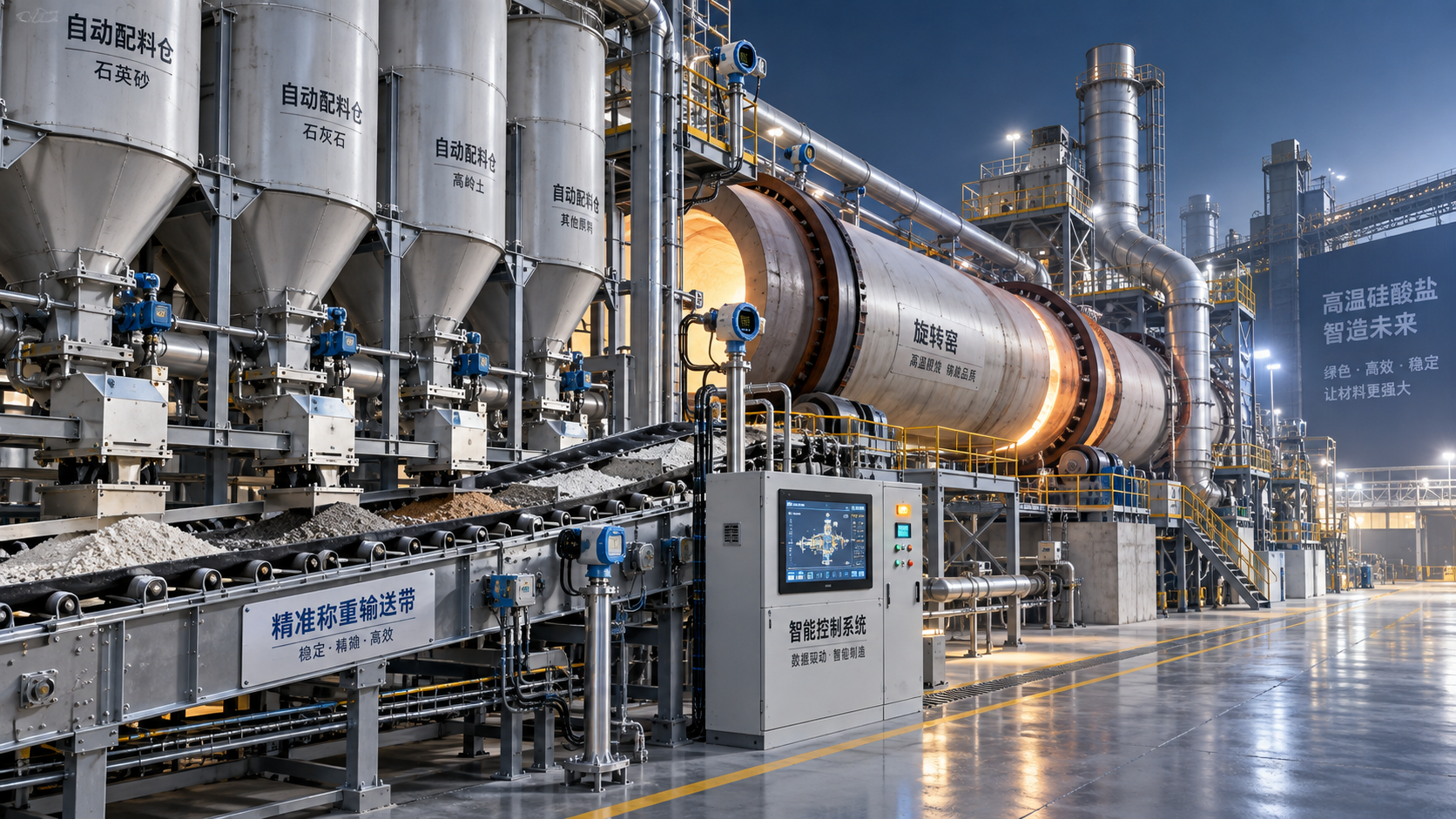
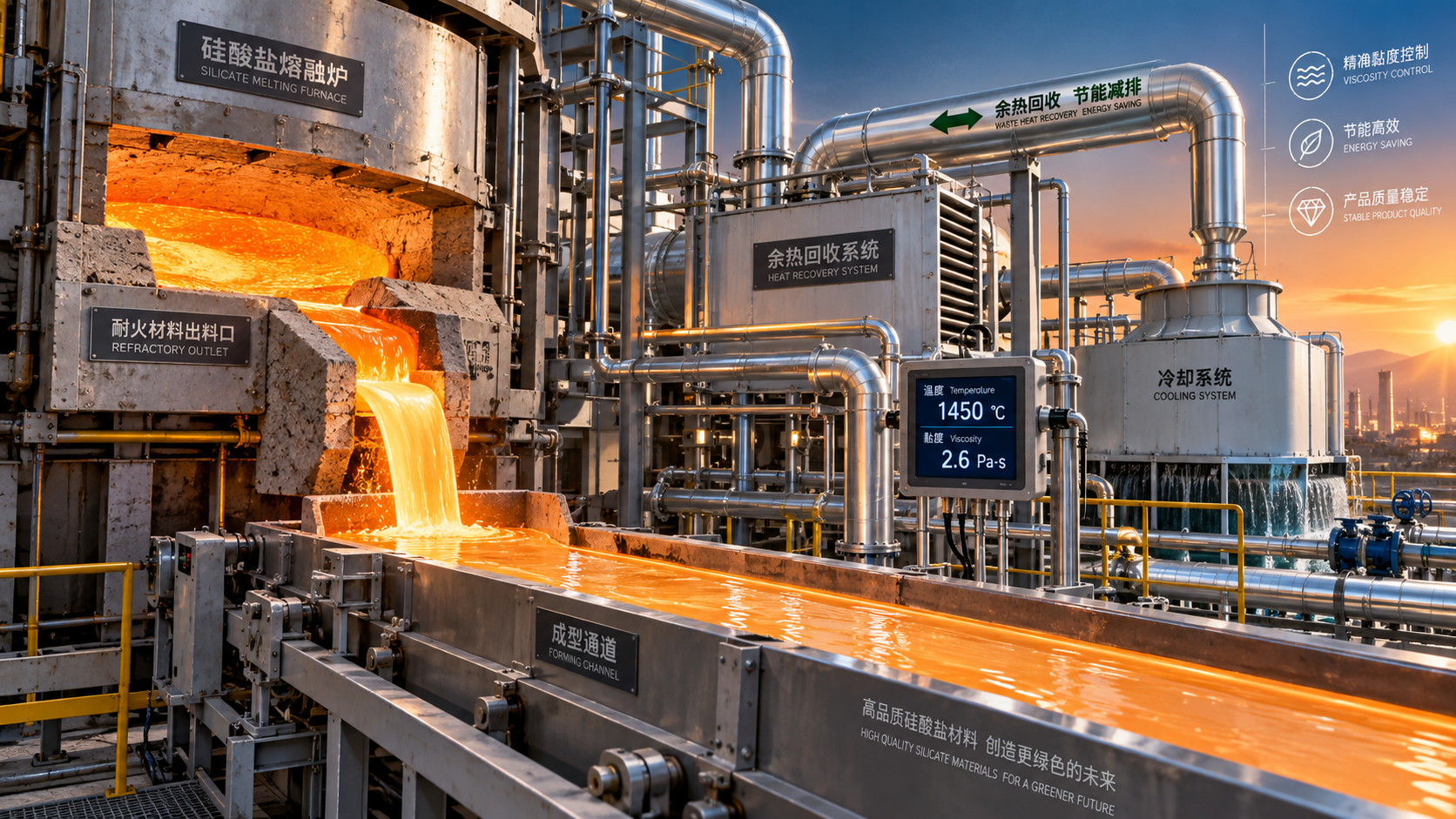
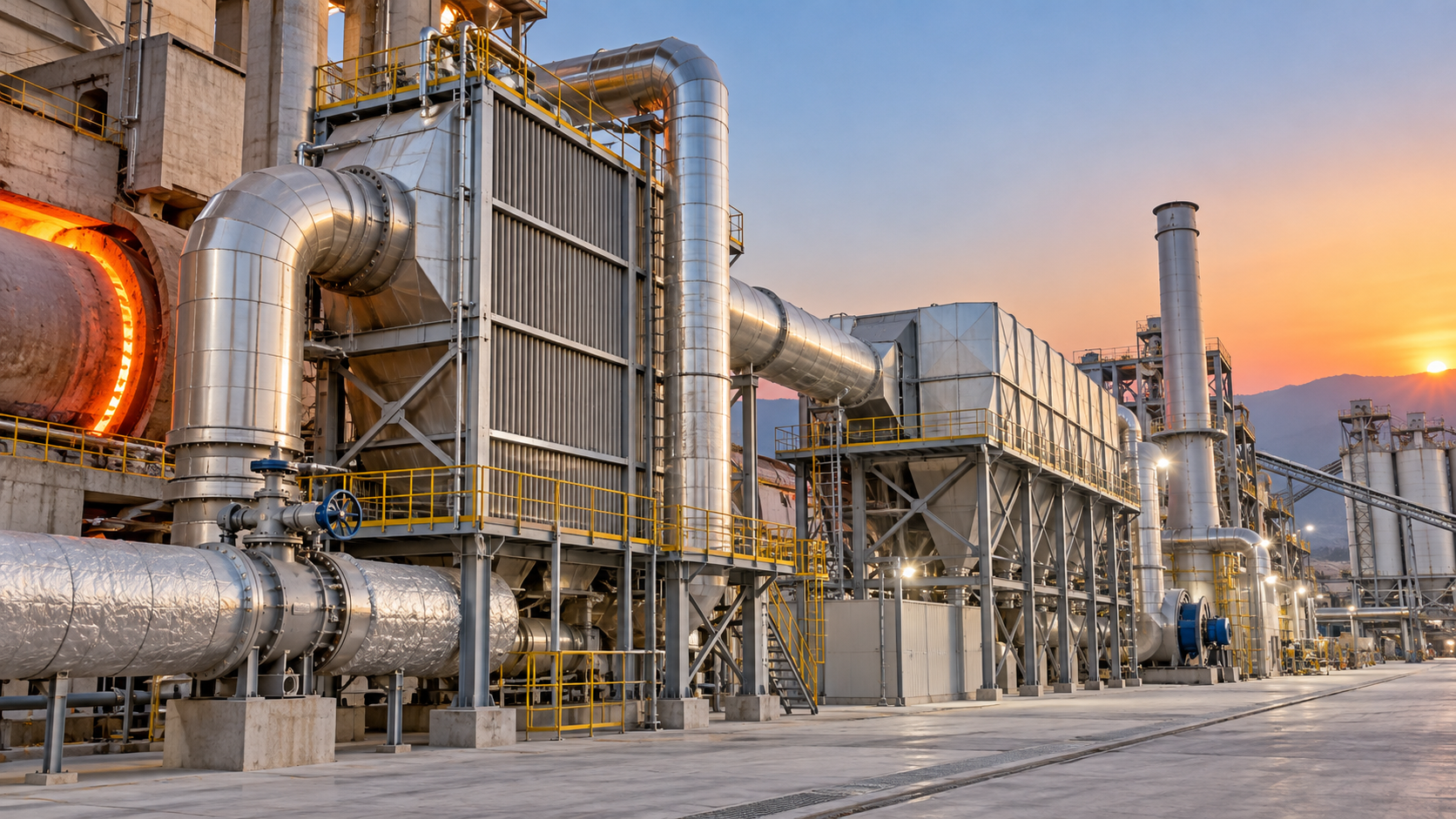
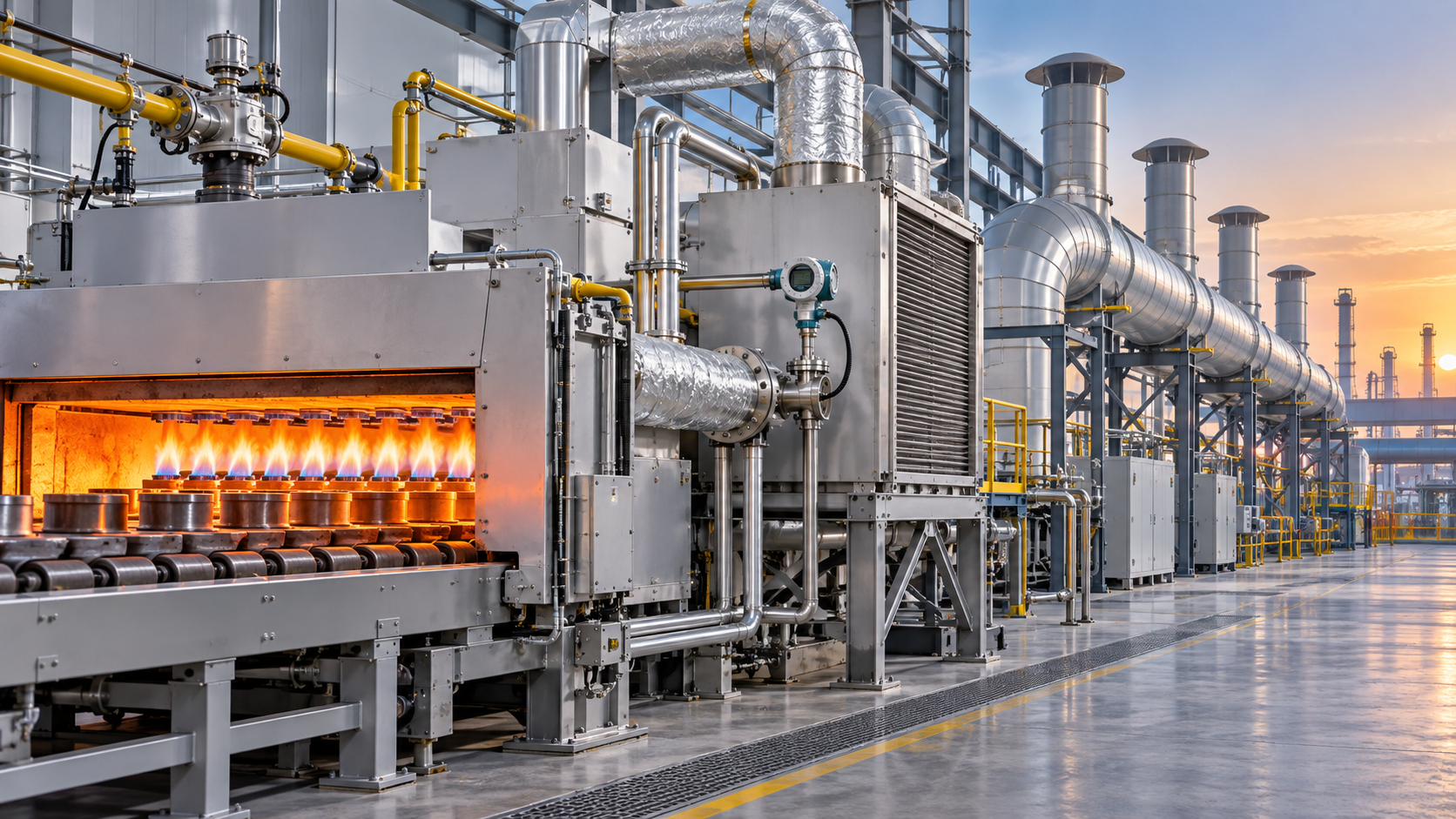
This is still the main decision zone. Burner design, regenerative or recuperative heat recovery, insulation performance, and air-fuel control strongly affect specific energy consumption.
When reviewing energy efficient glass manufacturing equipment here, focus on heat transfer stability, not just peak flame efficiency. A steady melt pool usually beats aggressive firing logic.
Forehearth and Conditioning Units
Poor conditioning wastes upstream gains. If forehearth control is weak, temperature gradients can force operators to increase furnace energy just to protect forming consistency.
That is a common trap. The line looks productive, but the furnace is compensating for avoidable downstream instability.
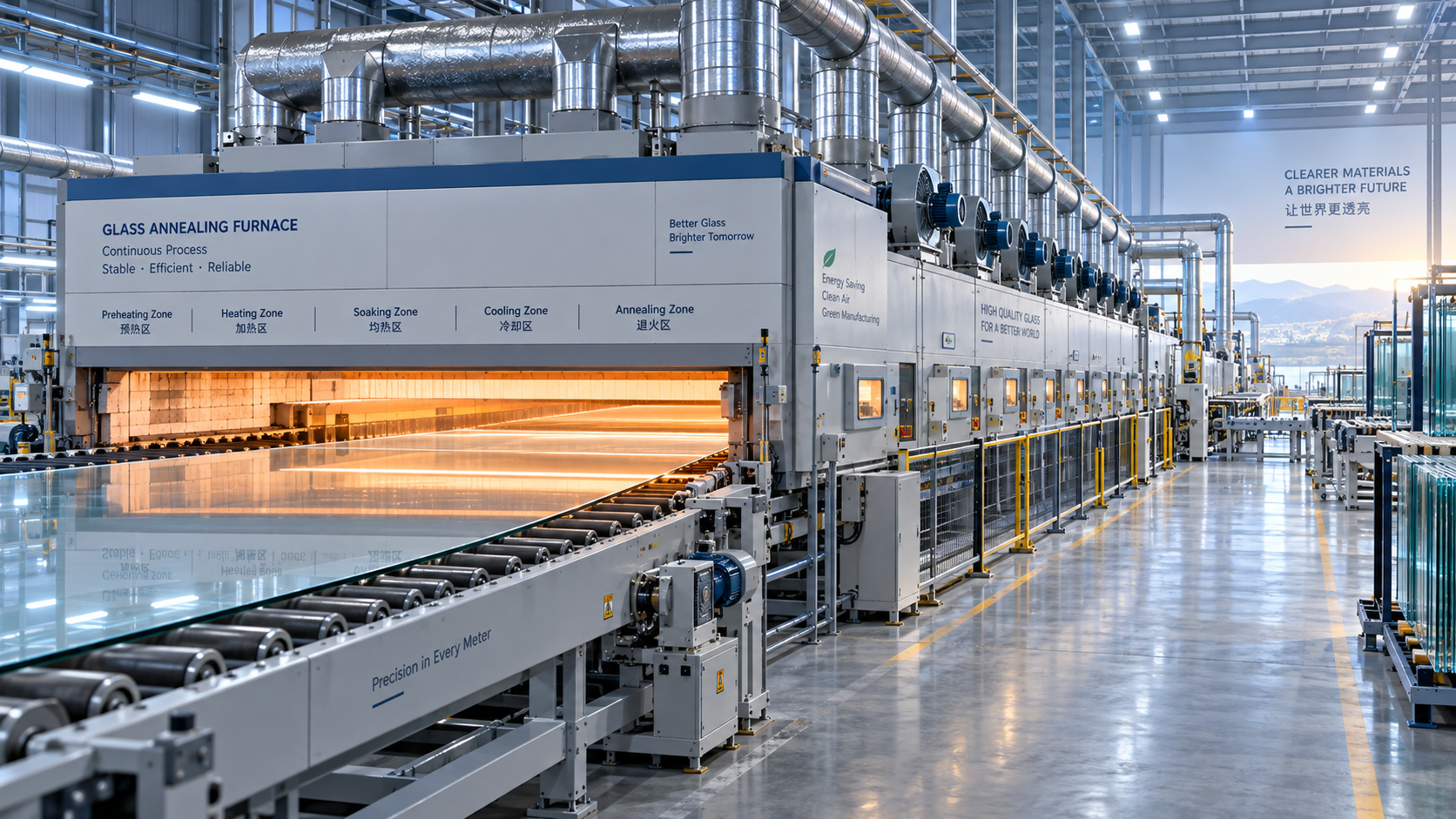
Annealing and Cooling Equipment
Annealing systems often get less attention during procurement. Still, they directly affect reject rates, stress control, and how much rework returns to the thermal loop.
A truly energy efficient glass manufacturing equipment package should show coordinated thermal logic from melting through controlled cooling.
Digital Control and Monitoring
Recent upgrades show a clearer pattern. Advanced controls are no longer optional in serious selection work.
Sensors, combustion optimization, thermal mapping, and predictive alarms help maintain stable furnace load. They also shorten the feedback loop between energy use and production decisions.
Use a Selection Matrix That Connects Efficiency and Throughput
A structured comparison prevents overpaying for features that do not improve line economics. It also exposes risks hidden behind generic efficiency claims.
This type of matrix keeps the discussion practical. It links energy efficient glass manufacturing equipment to the actual operating discipline required on site.
Watch the Hidden Trade-Offs
The strongest proposals usually look balanced, not extreme. Very low energy numbers can come with reduced flexibility, tighter raw material limits, or more sensitive maintenance requirements.
From recent market shifts, one clearer signal stands out. Plants want equipment that keeps efficiency under unstable energy prices, variable cullet supply, and stricter emissions targets.
That means selection should test resilience, not only nominal performance. Ask suppliers to explain performance under off-design conditions, startup periods, and product transitions.
- How does fuel use change at 80% load?
- What happens when cullet ratio moves beyond the normal window?
- How quickly can temperature control recover after a disturbance?
- Which components most affect long-term thermal drift?
These questions often reveal whether energy efficient glass manufacturing equipment is engineered for production reality or only for a polished presentation.
Check Process Compatibility Across the Whole Line
Energy efficiency is rarely won by one machine alone. It comes from compatibility across melting, conditioning, forming, annealing, and plant utilities.
This is especially important for float glass, container glass, PV glass, and specialty thin glass. Each segment has different temperature sensitivity and quality tolerance.
In practical terms, compatible energy efficient glass manufacturing equipment should align with:
- Existing furnace architecture and refractory design.
- Available fuel mix, oxygen systems, and utility stability.
- Target glass chemistry and cullet handling routines.
- Automation standards and data integration requirements.
- Expected maintenance team capability and spare access.
If one of these elements is ignored, efficiency gains may stay on paper. The equipment can still run, but the line will struggle to sustain the promised output.
Build the Decision Around Verifiable Data
A disciplined purchase process should demand proof, not general claims. Site references, load curves, thermal maps, lifecycle cost data, and maintenance history are worth more than polished summaries.
This is where a technical review becomes stronger. Instead of asking which energy efficient glass manufacturing equipment is best, ask which one is best for your output profile.
A reliable decision path usually follows this order:
- Define furnace load limits and qualified output goals.
- Map line bottlenecks and major heat-loss points.
- Compare equipment under base, peak, and disturbed conditions.
- Review controls, maintenance burden, and refractory implications.
- Model lifecycle energy cost against saleable output.
When these steps are followed, the final choice becomes easier to defend internally. More importantly, it is far more likely to deliver stable production and measurable energy savings.
Final Selection Focus
The right energy efficient glass manufacturing equipment should reduce thermal waste while protecting furnace stability, glass quality, and usable output. Those three goals need to move together.
In the end, strong selection work is less about buying the most advanced package. It is about choosing the configuration that matches furnace behavior, process demands, and long-term operating discipline.
Start with load, verify with data, and compare by qualified output. That approach gives energy decisions a much better chance of becoming production results.
Related News
 Structural Material AnalystHow Sustainable Material Extrusion Can Improve Wall Panel Durability and Design FlexibilityDiscover how sustainable material extrusion for wall panels improves durability, moisture resistance, design flexibility, and installation consistency for high-performing wall systems.Oct 01, 2026
 Thermal Energy ArchitectHow to Evaluate a High-Temperature Materials Manufacturer for Furnace ApplicationsChoose a high-temperature materials manufacturer with confidence: compare thermal performance, chemical resistance, quality controls, installation support, and lifecycle cost.Sep 30, 2026
 Ms. Elena RodriguezHow to Structure Global Specification Data for Faster Industrial Product EvaluationGlobal specification-oriented product information helps industrial teams compare capacity, energy, emissions, automation, and lifecycle data on a like-for-like basis for faster, confident equipment decisions.Sep 29, 2026
 Thermal Energy ArchitectHow to Specify High-Temperature Process Systems for Continuous Thermal OperationsHigh-temperature process engineering systems: learn how to specify resilient continuous thermal operations for efficiency, compliance, reliable uptime, and long-term performance.Sep 28, 2026
 Thermal Energy ArchitectHow to Evaluate a Thermal Engineering Contractor for High-Temperature Plant ProjectsChoose a thermal engineering contractor with proven process expertise, lifecycle value, emissions control, and delivery discipline for reliable high-temperature plant performance.Sep 27, 2026
 Silicate Process EngineerHow Latin American Cement Plants Can Reduce Dust Emissions in Kilns and Transfer PointsCement plant dust control Latin America: reduce kiln and transfer-point emissions with practical airflow, filtration, monitoring, and maintenance strategies.Sep 26, 2026
 Material Heat-Resist ExpertHow to Evaluate Refractory Production Lines for Output, Quality, and Energy UseRefractory production lines: learn how to assess qualified output, consistent quality, and total energy use for smarter, lower-risk investment decisions.Sep 25, 2026
 Dr. Alistair VaughnHow Waste Recycling Technology Improves Material Recovery in Industrial PlantsWaste recycling technology improves material recovery through source segregation, smart separation, thermal treatment, and quality control for industrial plants.Sep 24, 2026
 Optical Glass Tech FellowHow to Specify Glass Annealing Equipment for European Quality and Energy RequirementsGlass annealing equipment Europe: learn how to specify lehrs for consistent glass quality, energy efficiency, compliance, automation, and reliable long-term performance.Sep 23, 2026
 Optical Glass Tech FellowSilicate Process Automation: Improving Batch Consistency and Energy ControlSilicate process automation improves batch consistency, energy control, traceability, and operator confidence across high-temperature manufacturing operations.Sep 22, 2026
 Optical Glass Tech FellowHow Silicate Industrial Processes Control Viscosity, Energy Use, and Product QualitySilicate industrial processes: learn how viscosity, chemistry, heat transfer, and atmosphere control reduce energy use, improve stability, and protect product quality.Sep 21, 2026
 Thermal Energy ArchitectHow European Plants Can Evaluate Energy Recovery Equipment for High-Temperature ProcessesIndustrial energy recovery equipment Europe: learn how high-temperature plants can assess waste-heat sources, integration risks, lifecycle value, and reliable recovery routes.Sep 20, 2026
 Thermal Energy ArchitectIndustrial Furnace Process Optimization: Reducing Fuel Use Without Sacrificing ThroughputIndustrial process optimization furnace strategies that cut fuel use while protecting throughput. Explore combustion control, heat recovery, refractory performance, and data-driven efficiency gains.Sep 19, 2026
 Ms. Elena RodriguezWhat Drives High-Pressure Extrusion Equipment Cost in Industrial Projects?High pressure extrusion equipment cost explained: compare pressure, die design, automation, wear, energy, and installation factors for smarter industrial investments.Sep 18, 2026
 Thermal Energy ArchitectHow to Size a Waste Heat Recovery Exchanger for High-Temperature Kiln Exhaust?Waste heat recovery exchanger sizing for high-temperature kiln exhaust: balance recoverable duty, fouling, corrosion limits, pressure drop, and reliable heat use.Sep 17, 2026
 Thermal Energy ArchitectWhy Heat-Resistant Materials Lose Abrasion Resistance at High TemperaturesHeat-resistant materials abrasion resistance can decline at high temperatures. Discover the thermal, chemical, and mechanical causes of wear—and how to choose longer-lasting linings.Sep 16, 2026
 Thermal Energy ArchitectHow to Evaluate a Thermal Energy Optimization Company for High-Temperature PlantsChoose a thermal energy optimization company with proven process expertise, measurable savings, and reliable delivery for high-temperature plants. Learn what to assess.Sep 15, 2026
 Thermal Energy ArchitectRotary Kiln Efficiency: How Feed Rate, Fuel Use, and Heat Loss Affect OutputRotary kiln efficiency explained: discover how feed rate, fuel use, heat loss, combustion, and cooling performance shape output, quality, and energy costs.Sep 14, 2026
 Thermal Energy ArchitectHow to Select Heat-Resistant Materials That Maintain Abrasion Resistance in KilnsHeat-resistant materials abrasion resistance: learn how to select kiln linings that withstand heat, wear, thermal cycling, and chemical attack for longer service life.Sep 13, 2026
 Thermal Energy ArchitectHow Rotary Kiln Automation Improves Temperature Control and Fuel EfficiencyRotary kiln technology automation enhances temperature control, stabilizes combustion, and improves fuel efficiency with smarter data, predictive control, and safer operations.Sep 12, 2026


Related News
- 00
0000-00
How to Specify Glass Annealing Equipment for European Quality and Energy Requirements - 00
0000-00
Silicate Process Automation: Improving Batch Consistency and Energy Control - 00
0000-00
How Silicate Industrial Processes Control Viscosity, Energy Use, and Product Quality - 00
0000-00
How to Evaluate a Glass Annealing Equipment Manufacturer for Production Stability - 00
0000-00
European Glass Melting Processes: Furnace Choices, Energy Use, and Quality Control
Weekly Insights
Stay ahead with our curated technology reports delivered every Monday.