
Glass Annealing Equipment Supplier Checklist: What to Review Before Requesting a Quote




Glass Annealing Equipment Supplier Checklist: What to Review Before Requesting a Quote
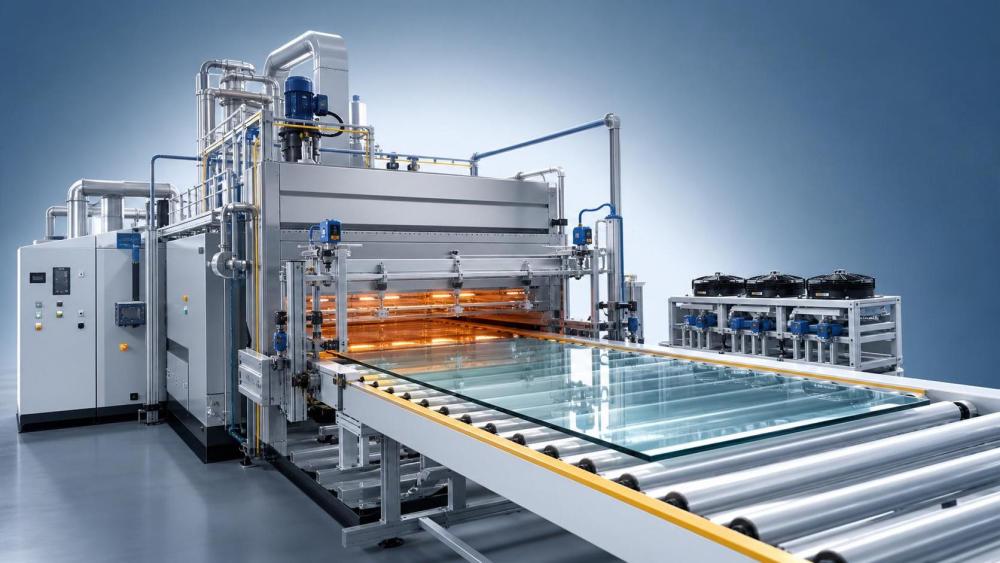
Choosing a reliable glass annealing equipment supplier is more than a price comparison. It is a technical and commercial risk review with long-term production consequences.
For buyers, the real question is simple. Can this supplier support stable output, low reject rates, compliance targets, and future process upgrades?
That is why a structured checklist matters before sending any RFQ. A weak review process often leads to expensive change orders, delayed commissioning, and uneven product quality.
In actual projects, the best glass annealing equipment supplier is rarely the one with the lowest first quote. It is usually the one with the clearest fit.
This checklist focuses on process compatibility, control precision, energy use, service readiness, and supplier credibility. Those are the factors that shape total project value.
Start with process compatibility, not brochure claims
Before asking any glass annealing equipment supplier for pricing, define the real process window. General equipment descriptions are not enough for sound procurement decisions.
Review glass type, sheet thickness, throughput range, furnace integration, cooling profile, and downstream handling constraints. These basics determine whether the supplier is technically relevant.
A supplier experienced in container glass may not be the right fit for solar glass, display glass, or specialty panels. The annealing logic can differ in important ways.
Ask for examples from lines with similar thermal load, belt speed, and product tolerances. That evidence is more useful than generic statements about customization.
- Confirm supported glass categories and thickness ranges.
- Check design throughput versus normal operating throughput.
- Review entrance and exit interface dimensions.
- Verify compatibility with existing controls and plant utilities.
- Ask how recipe changes affect stability and output.
From recent market shifts, flexibility has become a stronger signal. Many plants now need equipment that can handle smaller batches and mixed product programs.
Check temperature control precision in practical terms
The core value of any glass annealing equipment supplier sits in temperature control. But precision should be reviewed in practical operating terms, not just in marketing language.
Request target temperature uniformity, sensor layout, control zones, and response speed data. These details affect stress release, optical quality, and yield.
It also helps to ask how the system behaves during startup, speed variation, temporary stoppage, and production recovery. That is where weak designs tend to show up.
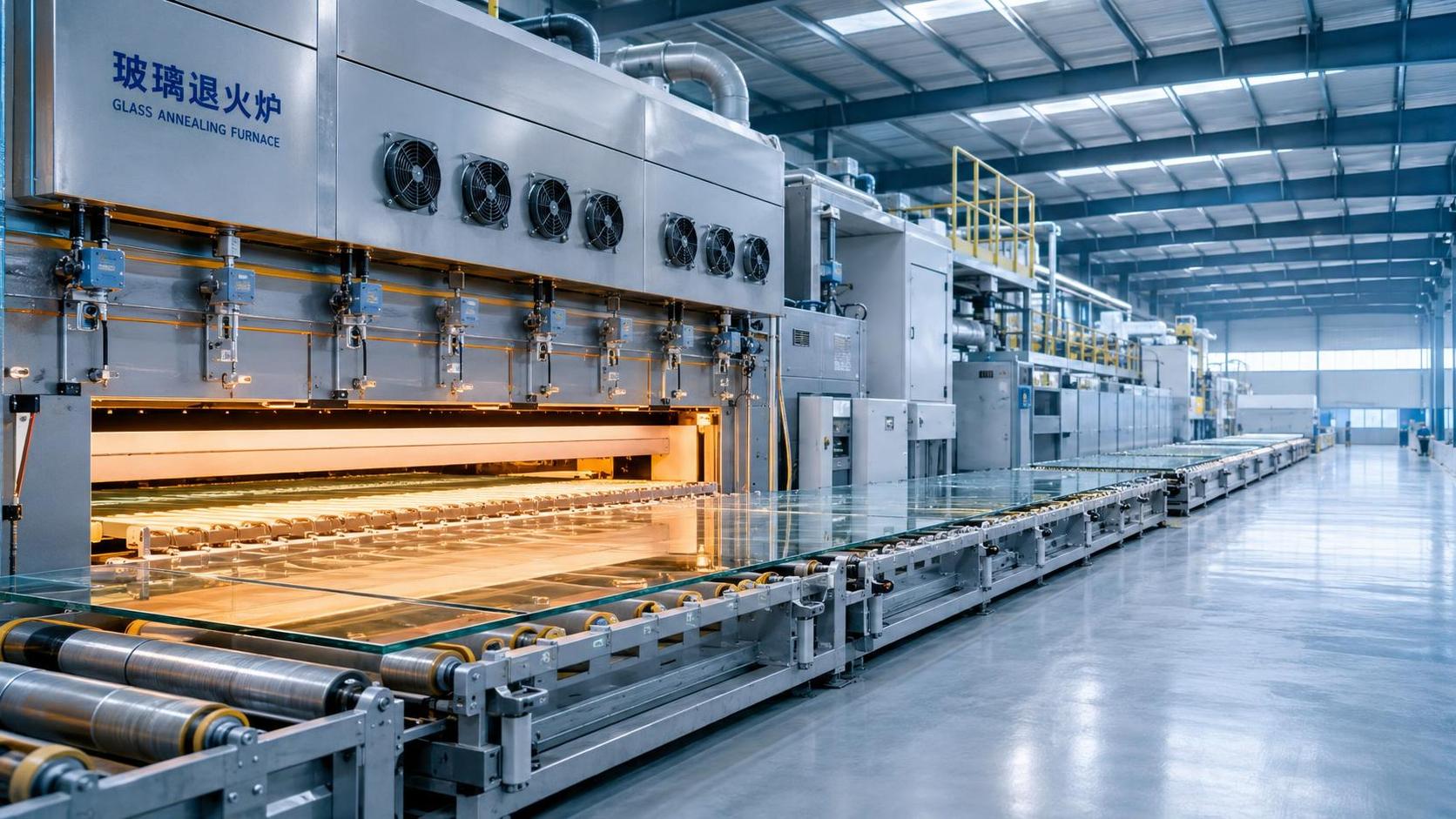
A capable glass annealing equipment supplier should explain how it prevents hot spots, uneven cooling, and edge-to-center stress differences across the product width.
- Ask for temperature mapping results from comparable projects.
- Review the number and placement of thermocouples or sensors.
- Check PID logic, automation brand, and data logging functions.
- Confirm alarm handling and interlock logic.
- Request examples of stress or breakage reduction after installation.
This also means the quote request should include performance expectations. If tolerances stay vague, the supplier response will usually stay vague too.
Look beyond energy claims and review operating efficiency
Energy efficiency now plays a bigger role in supplier selection. Operating cost pressure and carbon reporting requirements have made this a board-level issue in many industrial projects.
A serious glass annealing equipment supplier should provide energy consumption assumptions, insulation design details, heat loss control methods, and expected utility demand.
Do not rely on a single power figure without context. Ask whether the value reflects idle load, rated load, or actual average load under normal production conditions.
In practical business terms, efficient equipment reduces more than electricity or fuel use. It can also lower cooling demand, maintenance frequency, and scrap-related losses.
For organizations focused on decarbonization, this part of the review is especially important. It connects equipment buying with broader compliance and sustainability targets.
Review engineering depth and project execution capability
A quote can look competitive while hiding execution risk. That is why engineering depth should be checked before commercial comparison starts.
Evaluate whether the glass annealing equipment supplier handles design, manufacturing, installation guidance, commissioning, and training with internal teams or outsourced resources.
This matters because coordination failures often appear between mechanical design, electrical integration, and process tuning. When responsibility is fragmented, delays become harder to resolve.
A dependable glass annealing equipment supplier should provide a clear project schedule, document list, acceptance criteria, and escalation contacts from day one.
- Check GA drawings and layout support capability.
- Review PLC, HMI, and instrumentation documentation scope.
- Ask about FAT and SAT procedures.
- Confirm commissioning engineer availability and language support.
- Review warranty terms tied to performance acceptance.
More clearly than before, buyers now expect suppliers to support digital diagnostics and remote troubleshooting. That can reduce downtime significantly after handover.
Verify references, service strength, and spare parts readiness
References are still one of the most useful filters. But they only help when the questions go beyond simple confirmation that a project was delivered.
Ask reference customers about startup time, temperature stability, maintenance issues, actual output, and response speed when process deviations appeared.
A strong glass annealing equipment supplier should also show a realistic after-sales structure. That includes spare parts lists, lead times, service channels, and failure response procedures.
This becomes even more important in export projects. Customs delays, local technical gaps, and long component replenishment cycles can disrupt production quickly.
- Request at least three relevant project references.
- Ask for contactable users in similar regions or standards environments.
- Review critical spare parts inventory policy.
- Check remote support hours and on-site intervention timelines.
- Confirm training coverage for operators and maintenance teams.
In many cases, after-sales capability is the real difference between a usable machine and a reliable production asset.
Compare quotes with a weighted decision framework
Once the shortlist is ready, avoid comparing quotes on headline price alone. A structured scoring method produces better procurement decisions.
Set weighted criteria for technical fit, temperature control, energy efficiency, service support, project execution, compliance readiness, and commercial terms.
This approach helps expose hidden cost drivers. It also makes internal approval easier because the selection logic is visible and defensible.
When reviewing each glass annealing equipment supplier, record assumptions separately. That avoids false comparisons caused by different scope boundaries or utility conditions.
A better RFQ starts with a better checklist
The quality of supplier responses usually reflects the quality of buyer preparation. Clear input leads to clearer quotations and fewer downstream surprises.
Before contacting any glass annealing equipment supplier, organize process data, target performance, utility conditions, layout constraints, compliance requirements, and service expectations.
That preparation turns procurement into a controlled evaluation instead of a broad price inquiry. It also increases the chance of selecting a partner with real long-term value.
For teams tracking global glass manufacturing gear, industrial heat systems, and efficiency trends, this checklist supports stronger decisions in a more demanding market.
Use it to refine your RFQ, challenge weak assumptions early, and identify the glass annealing equipment supplier that best matches technical goals, operating reality, and future production plans.
Related News
 Thermal Energy ArchitectHow to Evaluate a Thermal Engineering Contractor for High-Temperature Plant ProjectsChoose a thermal engineering contractor with proven process expertise, lifecycle value, emissions control, and delivery discipline for reliable high-temperature plant performance.Sep 27, 2026
 Silicate Process EngineerHow Latin American Cement Plants Can Reduce Dust Emissions in Kilns and Transfer PointsCement plant dust control Latin America: reduce kiln and transfer-point emissions with practical airflow, filtration, monitoring, and maintenance strategies.Sep 26, 2026
 Material Heat-Resist ExpertHow to Evaluate Refractory Production Lines for Output, Quality, and Energy UseRefractory production lines: learn how to assess qualified output, consistent quality, and total energy use for smarter, lower-risk investment decisions.Sep 25, 2026
 Dr. Alistair VaughnHow Waste Recycling Technology Improves Material Recovery in Industrial PlantsWaste recycling technology improves material recovery through source segregation, smart separation, thermal treatment, and quality control for industrial plants.Sep 24, 2026
 Optical Glass Tech FellowHow to Specify Glass Annealing Equipment for European Quality and Energy RequirementsGlass annealing equipment Europe: learn how to specify lehrs for consistent glass quality, energy efficiency, compliance, automation, and reliable long-term performance.Sep 23, 2026
 Optical Glass Tech FellowSilicate Process Automation: Improving Batch Consistency and Energy ControlSilicate process automation improves batch consistency, energy control, traceability, and operator confidence across high-temperature manufacturing operations.Sep 22, 2026
 Optical Glass Tech FellowHow Silicate Industrial Processes Control Viscosity, Energy Use, and Product QualitySilicate industrial processes: learn how viscosity, chemistry, heat transfer, and atmosphere control reduce energy use, improve stability, and protect product quality.Sep 21, 2026
 Thermal Energy ArchitectHow European Plants Can Evaluate Energy Recovery Equipment for High-Temperature ProcessesIndustrial energy recovery equipment Europe: learn how high-temperature plants can assess waste-heat sources, integration risks, lifecycle value, and reliable recovery routes.Sep 20, 2026
 Thermal Energy ArchitectIndustrial Furnace Process Optimization: Reducing Fuel Use Without Sacrificing ThroughputIndustrial process optimization furnace strategies that cut fuel use while protecting throughput. Explore combustion control, heat recovery, refractory performance, and data-driven efficiency gains.Sep 19, 2026
 Ms. Elena RodriguezWhat Drives High-Pressure Extrusion Equipment Cost in Industrial Projects?High pressure extrusion equipment cost explained: compare pressure, die design, automation, wear, energy, and installation factors for smarter industrial investments.Sep 18, 2026
 Thermal Energy ArchitectHow to Size a Waste Heat Recovery Exchanger for High-Temperature Kiln Exhaust?Waste heat recovery exchanger sizing for high-temperature kiln exhaust: balance recoverable duty, fouling, corrosion limits, pressure drop, and reliable heat use.Sep 17, 2026
 Thermal Energy ArchitectWhy Heat-Resistant Materials Lose Abrasion Resistance at High TemperaturesHeat-resistant materials abrasion resistance can decline at high temperatures. Discover the thermal, chemical, and mechanical causes of wear—and how to choose longer-lasting linings.Sep 16, 2026
 Thermal Energy ArchitectHow to Evaluate a Thermal Energy Optimization Company for High-Temperature PlantsChoose a thermal energy optimization company with proven process expertise, measurable savings, and reliable delivery for high-temperature plants. Learn what to assess.Sep 15, 2026
 Thermal Energy ArchitectRotary Kiln Efficiency: How Feed Rate, Fuel Use, and Heat Loss Affect OutputRotary kiln efficiency explained: discover how feed rate, fuel use, heat loss, combustion, and cooling performance shape output, quality, and energy costs.Sep 14, 2026
 Thermal Energy ArchitectHow to Select Heat-Resistant Materials That Maintain Abrasion Resistance in KilnsHeat-resistant materials abrasion resistance: learn how to select kiln linings that withstand heat, wear, thermal cycling, and chemical attack for longer service life.Sep 13, 2026
 Thermal Energy ArchitectHow Rotary Kiln Automation Improves Temperature Control and Fuel EfficiencyRotary kiln technology automation enhances temperature control, stabilizes combustion, and improves fuel efficiency with smarter data, predictive control, and safer operations.Sep 12, 2026
 Silicate Process EngineerCement Plant Emission Control: Selecting Systems for Dust, NOx, and SO2 LimitsCement plant emission control guide: compare dust collectors, NOx reduction, and SO2 systems for reliable compliance across kiln modes, fuel changes, and operating upsets.Sep 11, 2026
 Thermal Energy ArchitectSelecting Abrasion-Resistant High-Temperature Materials for Kiln and Conveyor Wear ZonesHigh-temp material engineering guide to abrasion-resistant kiln and conveyor solutions—match wear, heat, chemistry, and installation design for longer service life.Sep 10, 2026
 Dr. Alistair VaughnIndustrial Process Engineering: How to Map Processes for Safer, More Efficient PlantsIndustrial process engineering reveals bottlenecks, safety risks, and energy losses through practical process mapping for safer, more efficient plants.Sep 09, 2026
 Optical Glass Tech FellowHow to Evaluate a Glass Annealing Equipment Manufacturer for Production StabilityChoose a glass annealing equipment manufacturer with proven thermal uniformity, reliable controls, lifecycle value, and responsive service for stable production.Sep 08, 2026





Related News
- 00
0000-00
How to Specify Glass Annealing Equipment for European Quality and Energy Requirements - 00
0000-00
Silicate Process Automation: Improving Batch Consistency and Energy Control - 00
0000-00
How Silicate Industrial Processes Control Viscosity, Energy Use, and Product Quality - 00
0000-00
How to Evaluate a Glass Annealing Equipment Manufacturer for Production Stability - 00
0000-00
European Glass Melting Processes: Furnace Choices, Energy Use, and Quality Control
Weekly Insights
Stay ahead with our curated technology reports delivered every Monday.