
Silicate Production Line Process Explained: Key Stages, Equipment, and Quality Control




Silicate Production Line Process Explained: Key Stages, Equipment, and Quality Control
Understanding the silicate production line process is essential for technical evaluators assessing plant efficiency, thermal stability, and product consistency. From raw material preparation and high-temperature treatment to shaping, cooling, and quality verification, each stage directly affects output performance and energy use. This overview explains the core process logic, key equipment, and critical control points to support more accurate technical judgment and equipment selection.
If you are reviewing a silicate line on paper or on site, the main mistake is to look at nameplate capacity before process stability. A line can be rated well and still produce uneven material, burn too much fuel, or struggle with downstream forming. In practice, the silicate production line process needs to be judged as one continuous chain: feed chemistry, thermal profile, residence time, forming logic, cooling behavior, and final inspection all interact. Once one section drifts, the rest of the line usually starts compensating in expensive ways.
Start with the feed, not the furnace
For technical evaluation, raw material preparation is where many future quality problems are already visible. Silicate systems are sensitive to chemical variation, moisture swings, and particle size distribution. Whether the line is serving glass-related feed, refractory compounds, insulation materials, or other silicate-based products, the first checkpoint is simple: does the plant control incoming material variation, or is it letting the kiln and mixer absorb the inconsistency?
- Check how silica-bearing raw materials, fluxes, binders, and additives are stored. Open-yard storage may be acceptable in some plants, but only if moisture variation is monitored and corrected upstream.
- Look for defined batching tolerances and weigh-feeding logic. If dosing is still heavily manual, expect composition drift.
- Review crushing and grinding targets. Oversized particles often survive longer than expected and later show up as incomplete reaction, melt defects, or weak finished structure.
- Ask how the plant verifies homogeneity before thermal treatment. A well-designed blending silo or intensive mixer matters more than many buyers assume.
A line that depends on “operator experience” to correct bad raw mix usually has hidden cost in fuel, refractory wear, and rework. That is not always obvious in a short visit, so request trend records if they exist.
Material handling tells you a lot about the real process discipline
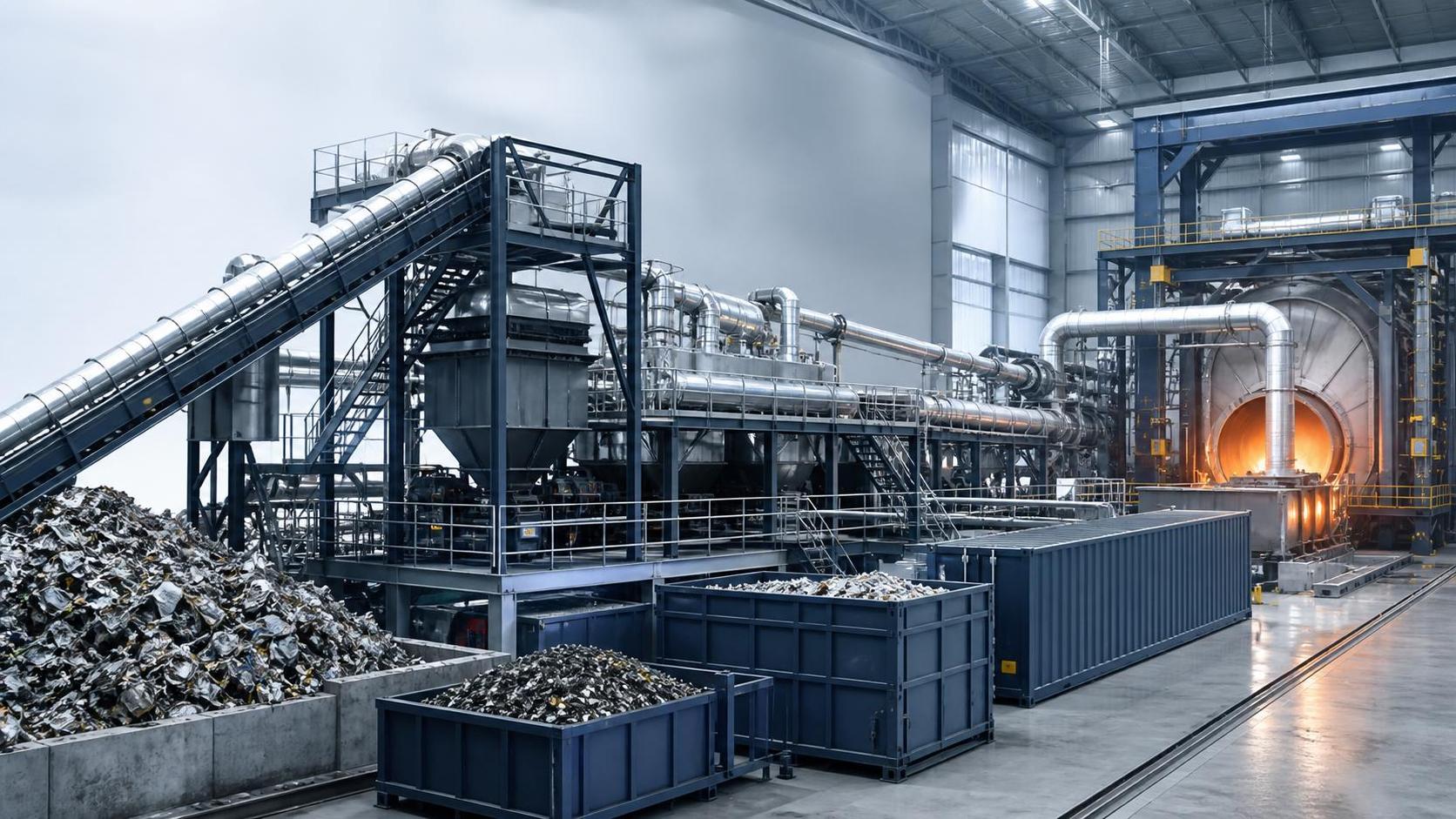
Conveyors, bucket elevators, pneumatic transport, and transfer points are easy to ignore because they do not look like “core process equipment.” They are. In silicate plants, dust leakage, segregation during transfer, and unstable feed rates will quietly damage the whole process window.
When evaluating this section, do not just note whether equipment is present. Check whether it is matched to the material behavior. Fine powder, abrasive granules, damp mix, and hot intermediate product do not tolerate the same handling method. A mismatch here often shows up later as feed pulsation, plugging, or uneven thermal load.
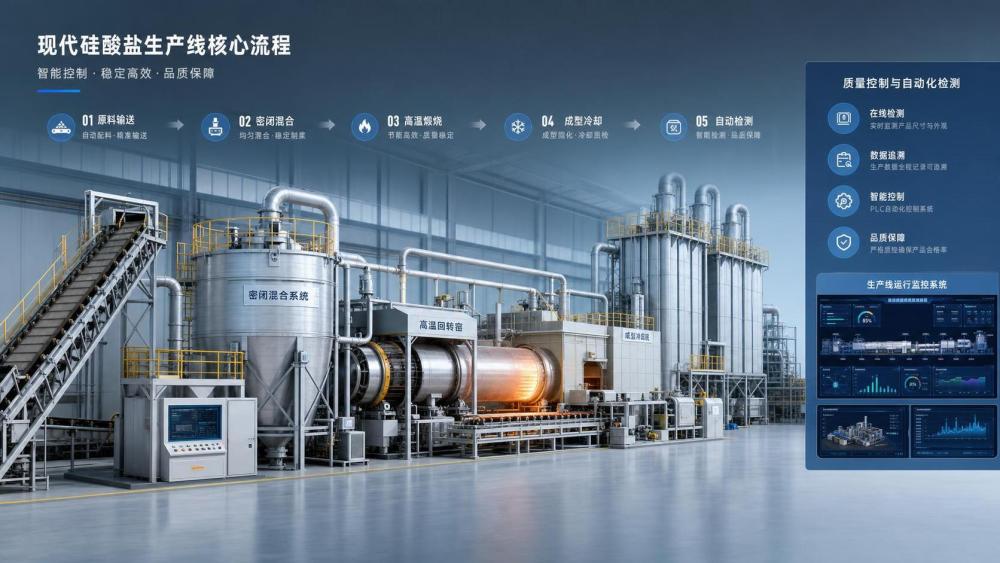
Thermal treatment is the center of the line, but not in the simplistic sense
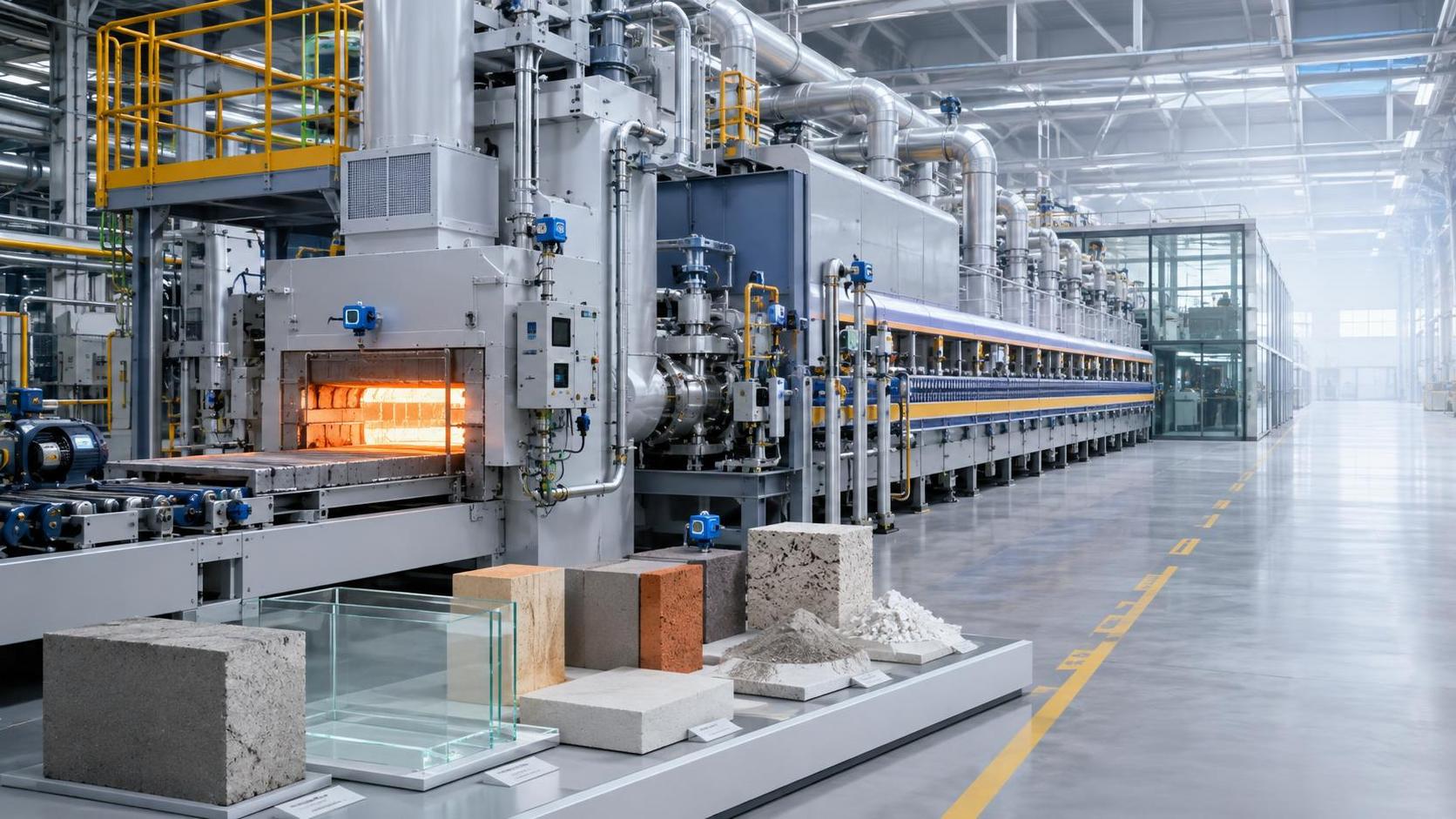
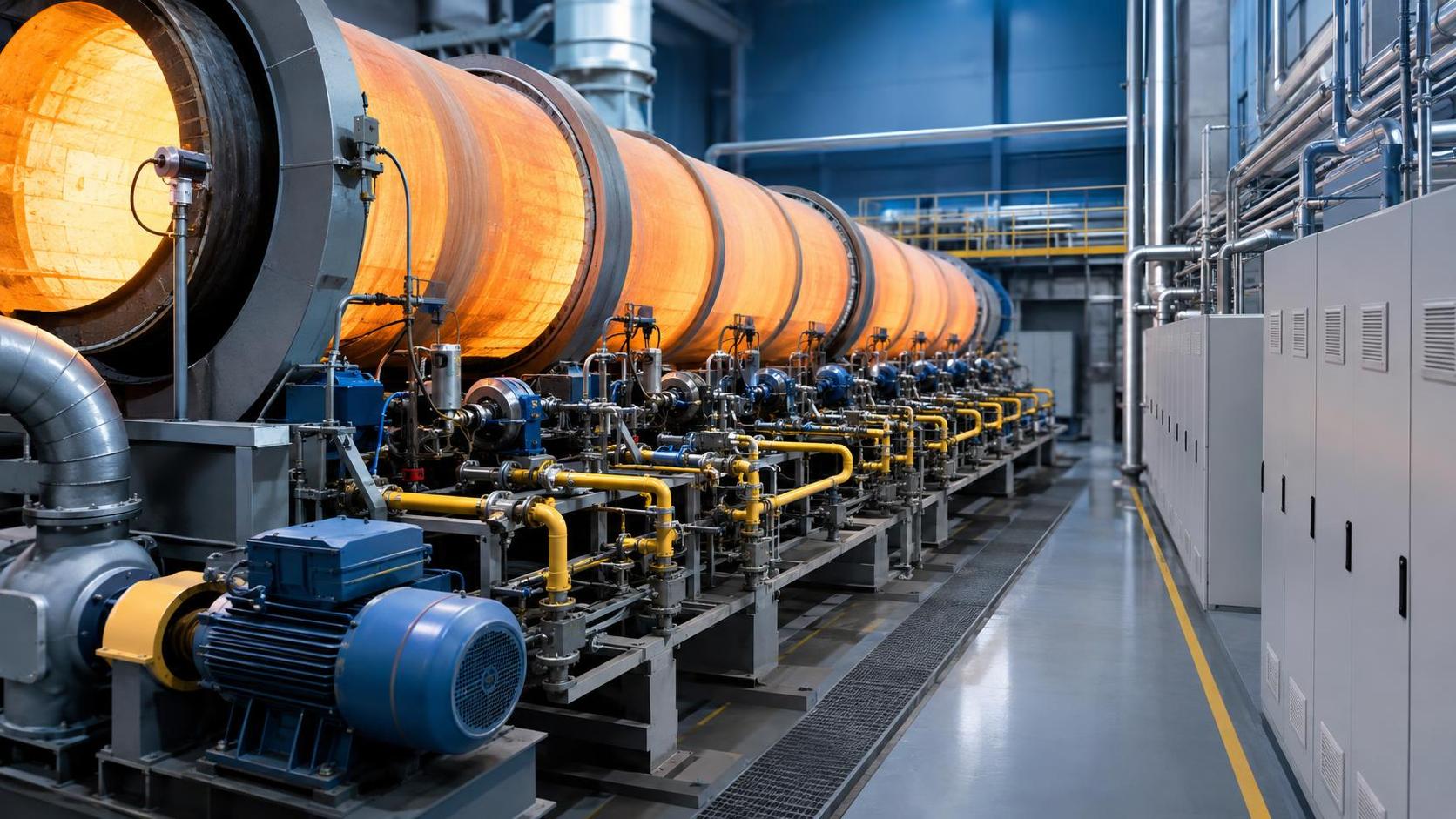
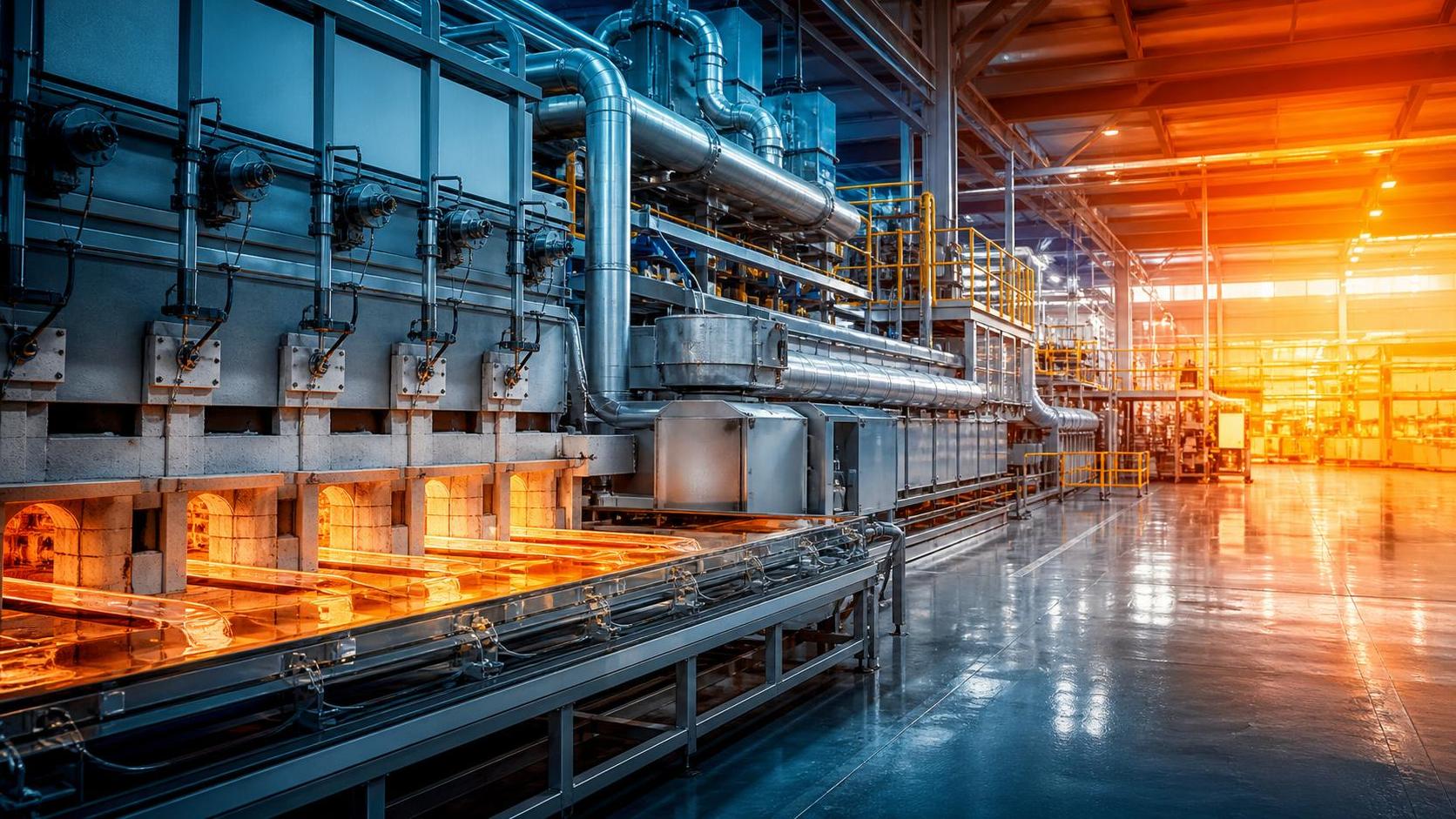
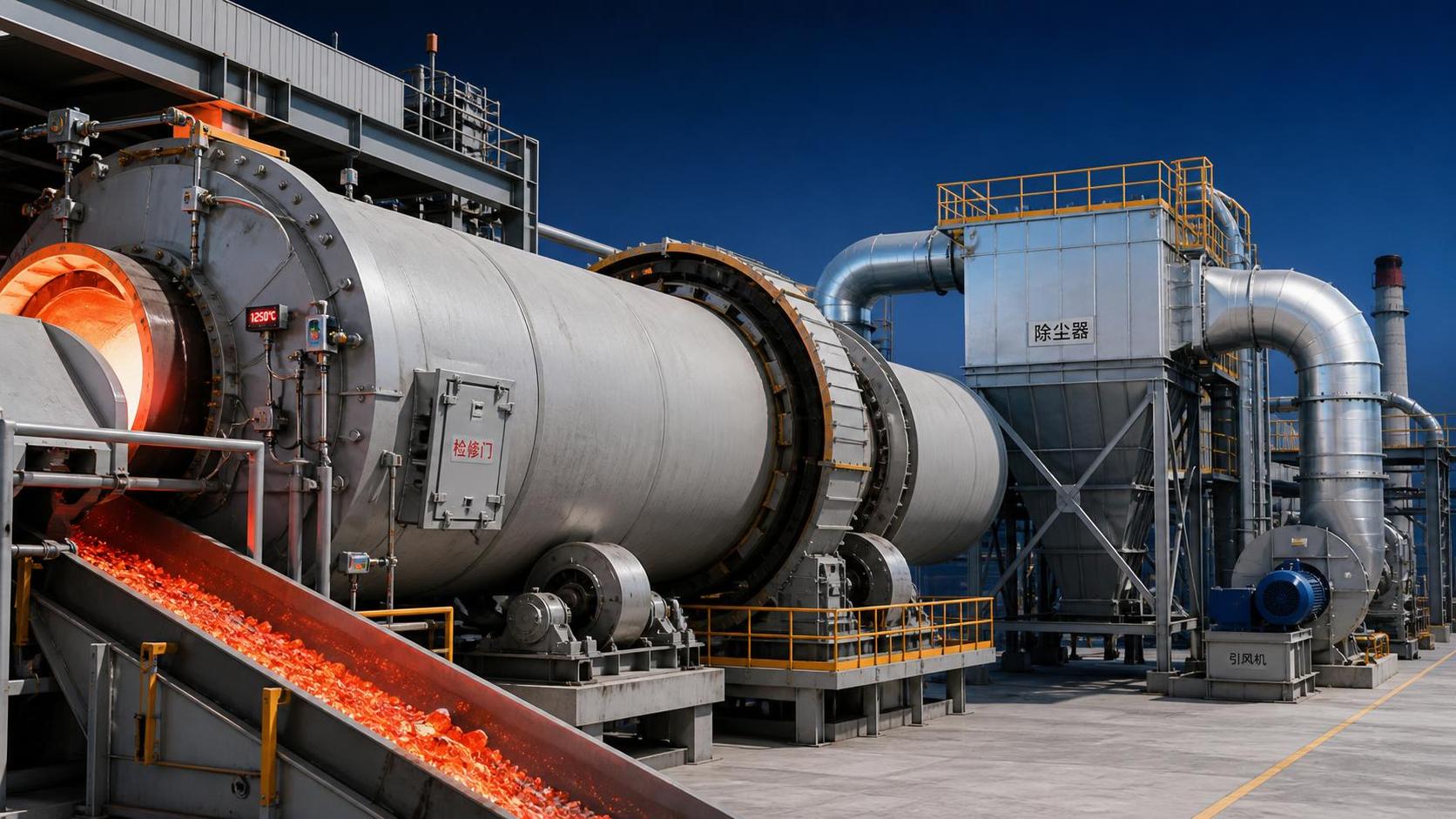
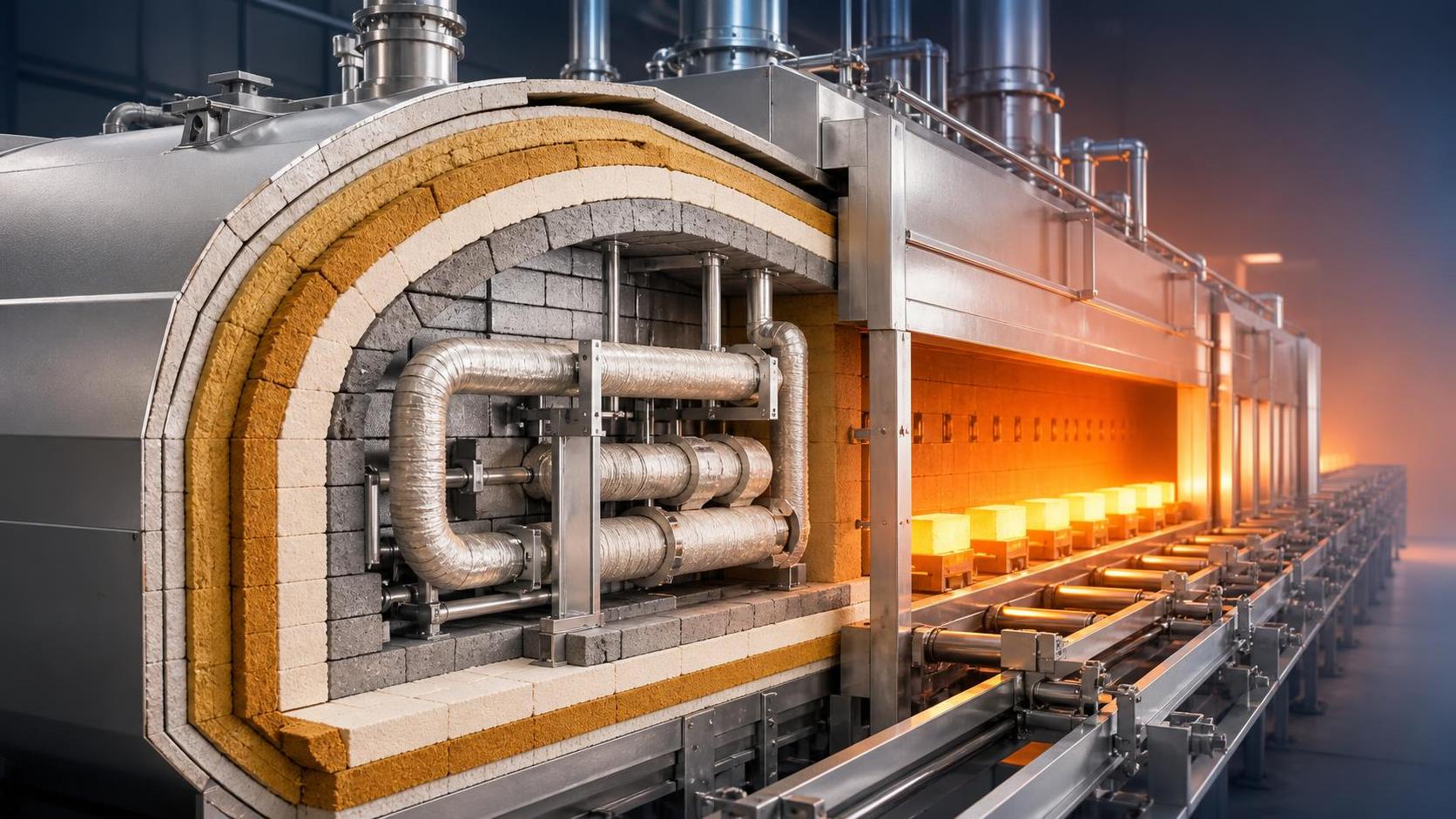
In most silicate production line process reviews, the kiln, furnace, reactor, or calcination section gets the most attention. Fair enough. This is where dehydration, phase change, fusion, sintering, or other temperature-dependent reactions take shape. But a strong evaluation goes beyond asking for maximum temperature.
What matters is whether the line can hold a stable thermal curve under real feed variation. A few practical checks:
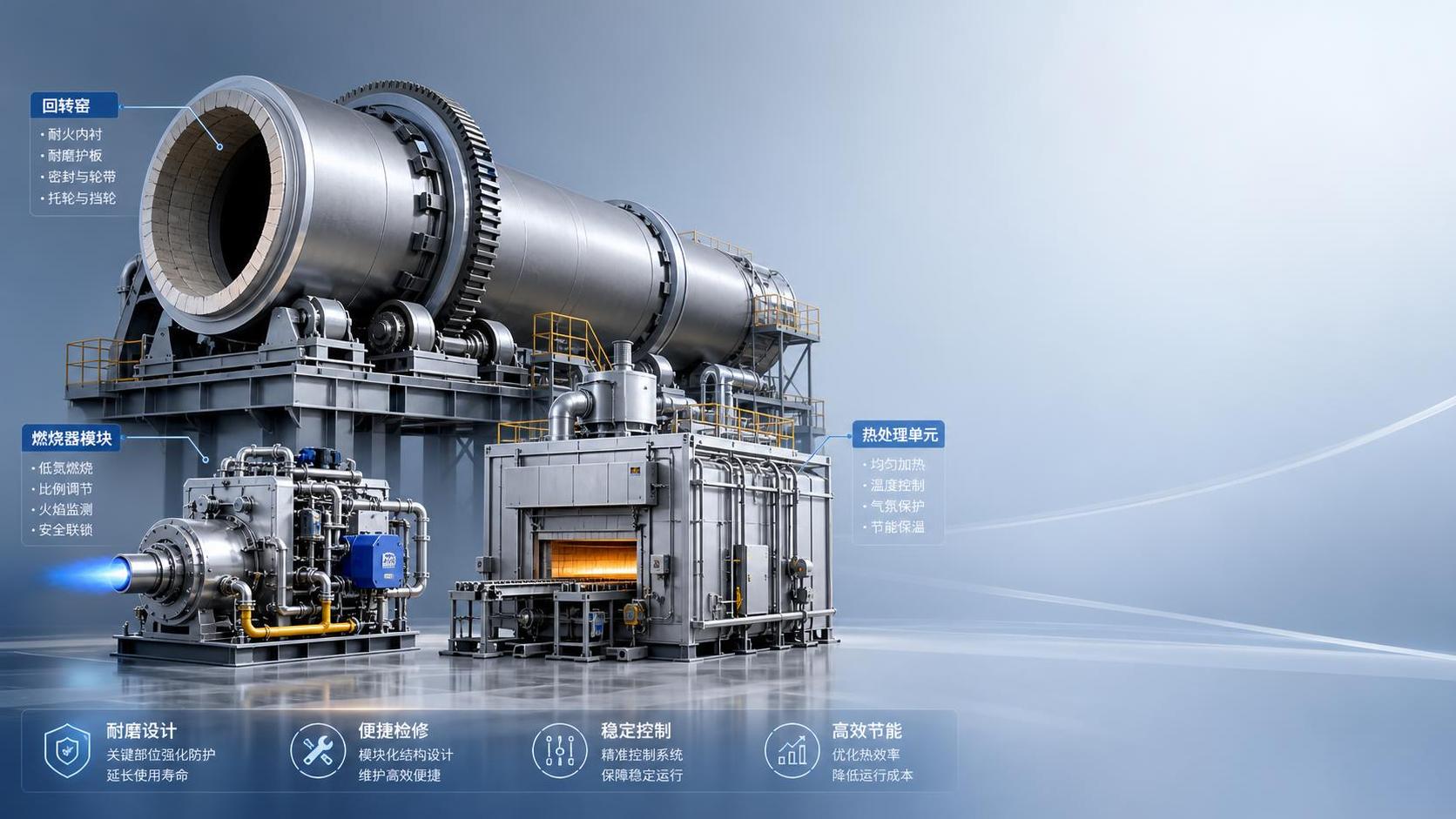
- Confirm the heat source and combustion control logic. Fuel type affects flame shape, response speed, and emissions behavior.
- Review temperature measurement points. One reading near the firing zone is not enough for serious process control.
- Check residence time design and actual adjustability. A line with narrow adjustment range can look efficient during commissioning and become difficult once raw materials change.
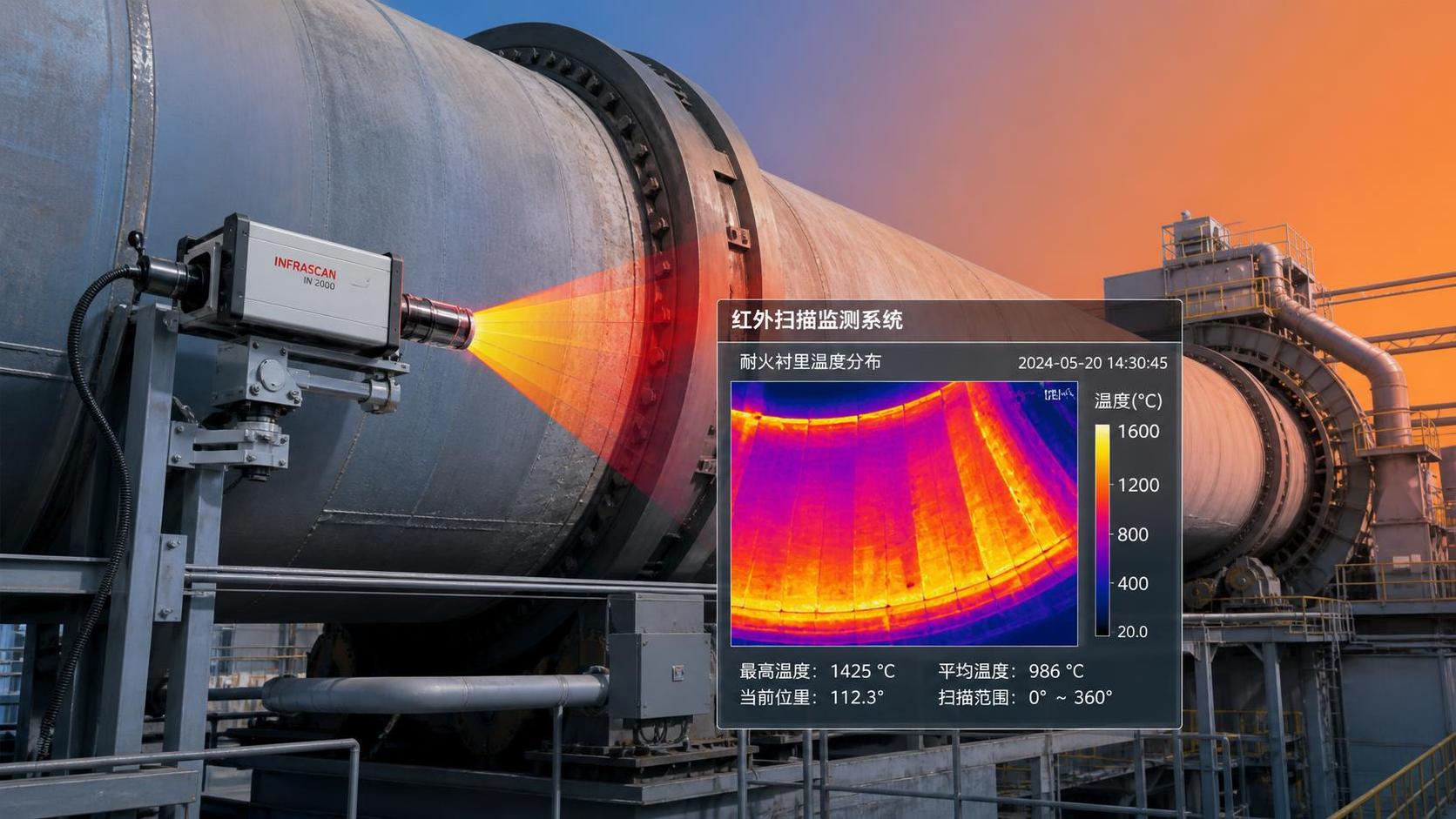
- Ask about refractory selection and lining inspection frequency. In high-temperature silicate service, lining failure is both a safety issue and a process-quality issue.
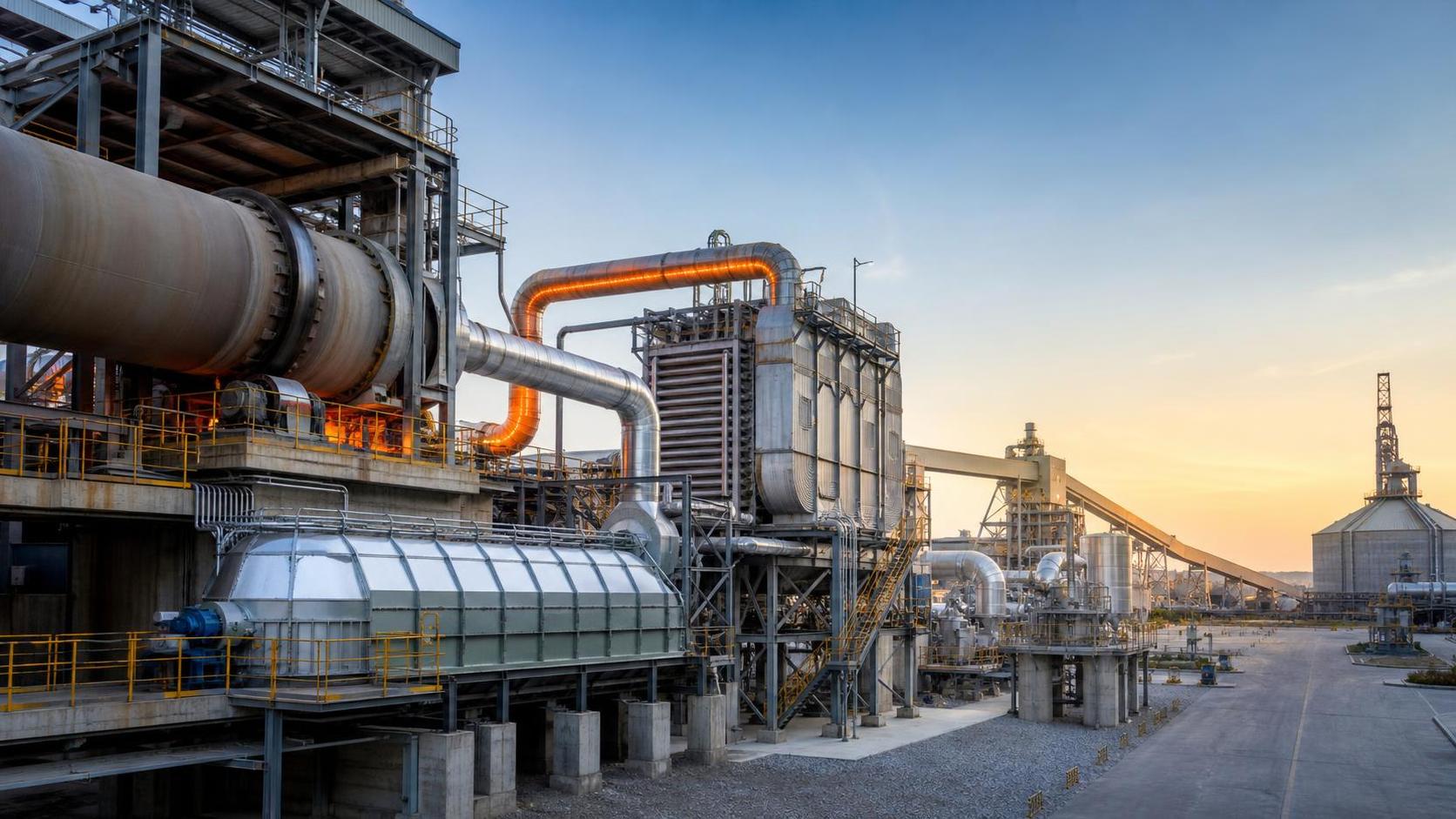
- Look for heat recovery integration where applicable. Waste heat utilization is common in many thermal industries, but actual performance should be verified against operating records, not sales claims.
For standards-related review, emission control and combustion system configuration should be checked against the project’s target market and local permitting basis. Exact limits vary by jurisdiction, so plant owners should verify applicable environmental requirements and monitoring obligations rather than assuming a design accepted in one country will transfer directly to another.
Do not separate forming from chemistry
After thermal treatment, many silicate lines move into shaping, extrusion, pelletizing, fiberizing, casting, or pressing, depending on the product family. This is where evaluators often split the process into “reaction completed” and “product formed.” On a real line, that divide is rarely clean.
Viscosity window, temperature uniformity, remaining volatile content, and particle reactivity still matter at the forming stage. If the material reaches the forming equipment too hot, too cool, too wet, or chemically uneven, the machine will not save it. It will only reveal the defect faster.
- For extrusion lines, check die wear, pressure stability, and whether the screw or ram system is sized for the real rheology of the mix.
- For pressed products, verify mold condition, cycle consistency, and dimensional repeatability.
- For melt-based routes, ask how temperature is equalized before forming. Local hot or cold zones usually become visible as surface, density, or structural defects.
A good technical evaluator should ask one uncomfortable but useful question: when defects appear, does the plant know whether they started in batching, firing, or forming? If the answer is vague, process traceability is weak.
Cooling and curing are where hidden stress shows up
Cooling is sometimes treated like a passive stage. It should not be. In silicate-based products, controlled cooling, annealing, or curing can determine crack resistance, dimensional stability, and long-term service behavior. Rapid throughput looks attractive until it starts locking internal stress into the product.
The checks here are less glamorous, but they are decisive:
- Is the cooling path designed around product thickness, density, and thermal sensitivity?
- Are there monitored zones rather than one general cooling setting?
- Does product stacking, transfer, or packaging happen before the piece is truly stable?
If a plant reports random breakage, edge chipping, warp, or delayed cracking, do not rush to blame final handling. Cooling history is often the real source.
Quality control should follow the process, not only the finished product
This is where experienced buyers and technical evaluators usually separate serious suppliers from cosmetic ones. A plant that only inspects final dimensions or visual appearance is operating too late. In a reliable silicate production line process, quality control starts with raw materials and continues through in-process checkpoints.
Where standards apply, evaluators should ask for the exact test basis used by the plant: ASTM, ISO, EN, or project-specific criteria. Do not accept “tested to international standard” without the actual reference. Different end markets may require different methods for thermal shock, compressive strength, softening behavior, density, particle distribution, or dimensional tolerance. If the supplier cannot map each claimed property to a test method, treat the data carefully.
Automation is useful only when the sensors are tied to decisions
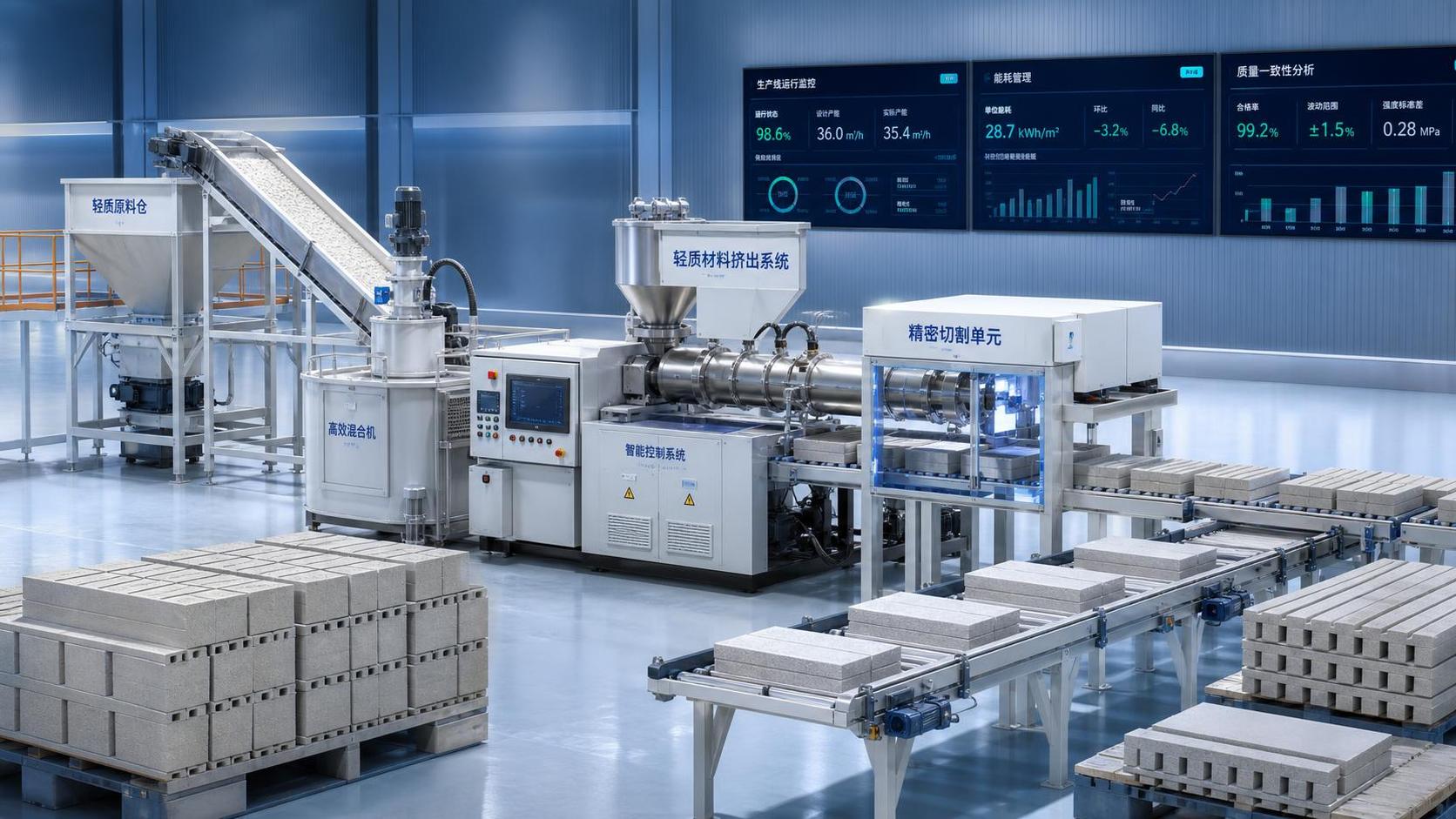
A modern control room looks convincing. Screens are not evidence of control discipline. Ask what parameters are continuously monitored, what alarms trigger intervention, and whether corrections are manual, semi-automatic, or closed-loop. Good lines usually track feed rate, temperature by zone, pressure where relevant, energy consumption, and key quality markers. Better lines connect those signals to production decisions fast enough to prevent off-spec accumulation.
Digital twin systems, online refractory monitoring, and advanced analytics are relevant in some sectors, including the broader high-temperature industries tracked by CF-Elite. But unless the plant can show how those tools improve thermal consistency, maintenance timing, or defect reduction, they remain presentation material.
Energy and emissions checks belong inside technical evaluation
For large-scale lines, energy performance is not a side issue. It influences operating cost, temperature control, and future compliance risk. Review specific energy consumption using plant-defined boundaries and confirm what is included: only thermal process load, or also crushing, grinding, conveying, and auxiliary systems. If the boundary is unclear, comparisons across suppliers become weak.
On emissions, dust collection performance, combustion efficiency, and off-gas treatment configuration deserve direct attention. Applicable limits depend on location and permit basis, so any compliance statement should be supported by local documentation or third-party verification where required. If a proposal says “low emission design” without naming the treatment route or monitoring arrangement, mark it for follow-up.
A practical review sequence for technical evaluators
When time is limited, use this order. It usually exposes the real condition of the line faster than walking the plant in mechanical layout order.
- Match the target product specification to the actual process route.
- Verify raw material control and batching discipline.
- Review the thermal section for stability, not just peak capability.
- Check how forming equipment responds to real process variation.
- Look at cooling, curing, and handling for delayed-defect risk.
- Request in-process quality records and test method references.
- Confirm maintenance logic for refractory, burners, drives, and dust systems.
- Only then compare capacity, automation level, and energy numbers.
That sequence keeps the silicate production line process grounded in actual operability. It also helps filter out lines that look advanced in a proposal but rely on narrow process windows in daily production.
One last caution: whenever a supplier claims exceptional stability, low energy use, premium product consistency, and broad raw material tolerance at the same time, ask for operating evidence under defined conditions. In silicate processing, trade-offs are real. The best technical judgments usually come from following those trade-offs stage by stage, rather than accepting a single headline claim.
Related News
 Optical Glass Tech FellowHow to Evaluate a Glass Annealing Equipment Manufacturer for Production StabilityChoose a glass annealing equipment manufacturer with proven thermal uniformity, reliable controls, lifecycle value, and responsive service for stable production.Sep 08, 2026
 Prof. Marcus ChenThermal Energy Architecture in North America: Strategies for Lower Building Energy UseThermal energy architecture North America helps project leaders cut building energy use through stronger envelopes, right-sized HVAC, storage, and smart commissioning.Sep 07, 2026
 Ms. Elena RodriguezHow Should Buyers Evaluate Building Material Industry Intelligence Pricing?Building material industry intelligence pricing: learn how to compare coverage, technical depth, and ROI to choose intelligence that reduces procurement risk.Sep 07, 2026
 Ms. Elena RodriguezHow to Use Building Material Intelligence Data for Market and Investment DecisionsBuilding material industry intelligence data helps leaders evaluate demand, costs, regulation, capacity, and technology to make smarter market and investment decisions.Sep 05, 2026
 Thermal Energy ArchitectHow PLC Control Improves Energy Efficiency and Temperature Stability in KilnsEnergy efficient kilns PLC control improves temperature stability, cuts fuel waste, and optimizes combustion, draft, and material flow. Explore proven strategies for smarter kiln modernization.Sep 04, 2026
 Optical Glass Tech FellowEuropean Glass Melting Processes: Furnace Choices, Energy Use, and Quality ControlGlass melting process Europe: explore furnace choices, energy efficiency, cullet strategy, and quality control to improve output, compliance, and long-term glass performance.Sep 03, 2026
 Thermal Energy ArchitectWhat Determines Refractory Lining Monitoring Price for Industrial Kilns?Refractory lining monitoring price depends on kiln size, sensor technology, installation, software, and support. Compare total lifecycle costs and choose the right solution.Sep 02, 2026
 Silicate Process EngineerCement Production System Costs: A Plant Buyer’s Guide to Budgeting and ROICement production systems cost planning made clear: compare CAPEX, operating costs, compliance, and ROI to build a resilient, profitable cement plant investment.Sep 01, 2026
 Dr. Alistair VaughnWhat Should a Process Technology Database Track for High-Temperature Plants?Process technology database essentials for high-temperature plants: track thermal profiles, feed chemistry, refractory wear, emissions, energy, and maintenance for safer, data-driven decisions.Aug 31, 2026
 Ms. Elena RodriguezHow to Evaluate a Silicate Processing Equipment Manufacturer for Plant ProjectsSilicate processing equipment manufacturer selection: assess process fit, guarantees, energy, compliance, delivery risk, and lifecycle support for dependable plant performance.Aug 30, 2026
 Dr. Alistair VaughnHow to Specify Custom Agricultural Processing Equipment for Throughput and HygieneEquipment customization services for agricultural processing: learn to specify hygienic, high-throughput lines that improve yield, reliability, and long-term efficiency.Aug 29, 2026
 Dr. Alistair VaughnHow to Select Process Plant Equipment for High-Temperature, Abrasive Production LinesProcess plant equipment selection for high-temperature, abrasive lines: reduce downtime, improve durability, and optimize lifecycle performance.Aug 28, 2026
 Silicate Process EngineerHow Kiln Heat Recovery Systems Cut Fuel Use in Cement and Lime ProductionKiln heat recovery helps cement and lime plants cut fuel use, improve thermal stability, and build practical, reliable decarbonization strategies.Aug 27, 2026
 Ms. Elena RodriguezProcess Equipment Comparison: Which Metrics Matter Most for Reliable Selection?Process equipment comparison made practical: discover which metrics truly drive reliable selection, from energy efficiency and control stability to wear life, maintainability, and uptime.Aug 26, 2026
 Ms. Elena RodriguezWhat Buyers Should Check Before Sourcing Precision Alloy Bars for Critical PartsPrecision Alloy Bars buyers should verify grade, chemistry, tolerances, surface quality, traceability, and lead time before sourcing for critical parts. Learn what prevents costly machining and reliability risks.Aug 27, 2026
 Ms. Elena RodriguezHow to Evaluate Thermal Management Solutions Insulation for High-Heat Industrial SystemsThermal management solutions insulation: learn how to assess high-heat industrial systems by thermal performance, durability, lifecycle cost, and supplier data for smarter decisions.Aug 25, 2026
 Ms. Elena RodriguezWhat Drives Waste Recycling Cost in Industrial Projects and How to Estimate It?Waste recycling cost in industrial projects depends on composition, moisture, transport, pre-treatment, and compliance. Learn how to estimate it accurately and compare suppliers with confidence.Aug 24, 2026
 Silicate Process EngineerHow to Evaluate Cement Production Plants in the Middle East for Capacity, Fuel Flexibility, and ROIcement production plants Middle East: Learn how to assess true capacity, fuel flexibility, and ROI risks to identify resilient assets and smarter investment opportunities.Aug 23, 2026
 Structural Material AnalystHow to Evaluate Lightweight Material Machinery for Output, Energy Use, and Product QualityLightweight material machinery evaluation guide: compare stable output, energy use, and product quality to choose equipment that cuts waste, lowers costs, and improves production confidence.Aug 22, 2026
 Material Heat-Resist ExpertWhat Determines Refractory Production Line Price in a Turnkey Plant Project?Refractory production line price depends on raw materials, forming method, kiln and drying design, automation, utilities, and scope. Learn what really drives turnkey plant cost before you invest.Aug 21, 2026
Related News
- 00
0000-00
What Determines Refractory Production Line Price in a Turnkey Plant Project? - 00
0000-00
How to Evaluate a Silicate Production Line for Capacity, Energy Use, and Product Quality - 00
0000-00
Silicate Production Line Process Explained: Key Stages, Equipment, and Quality Control - 00
0000-00
How to Evaluate a Refractory Production Line in Southeast Asia: Capacity, Fuel, and Raw Material Factors - 00
0000-00
How to Evaluate a Silicate Production Lines Supplier for Capacity, Automation, and Raw Material Fit
Weekly Insights
Stay ahead with our curated technology reports delivered every Monday.