
How Often Should High-Temperature Linings Be Inspected?




How often should high-temperature linings be inspected? For most industrial assets, the right answer is not one fixed calendar interval.
Inspection frequency should reflect process temperature, thermal cycling, fuel chemistry, lining design, operating history, and the consequences of failure.
Cement kilns, glass furnaces, incinerators, refractory production lines, and thermal treatment equipment each expose linings to different damage mechanisms.
A practical program combines frequent operating checks, scheduled visual inspections, condition monitoring, and detailed assessments during planned shutdowns.
The objective is simple: identify degradation early enough to prevent heat loss, shell damage, unsafe conditions, emergency repairs, and production interruption.
Start With a Risk-Based Inspection Interval
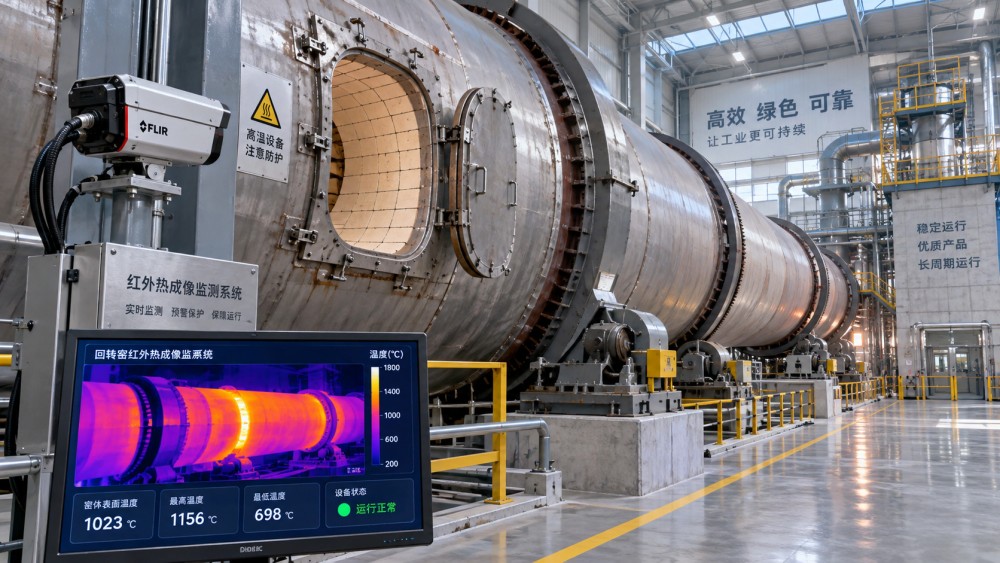
High-temperature linings should be inspected according to risk, rather than treating every vessel, kiln, furnace, or incinerator as identical.
Critical zones near burners, flame impingement areas, charging openings, slag lines, and discharge ends generally require much closer attention.
For many plants, operators should review lining condition during every shift through process data, shell temperatures, camera feeds, and field observations.
Weekly inspections often focus on trends: increasing shell temperature, changing fuel consumption, unstable process control, dust carryover, or unusual pressure behavior.
Monthly or quarterly inspections should provide a more structured review of accessible areas, instrumentation records, maintenance findings, and repair priorities.
Detailed internal inspections are commonly completed during planned shutdowns, major maintenance outages, campaign transitions, or after abnormal operating events.
Assets operating near design limits need shorter intervals than equipment running steadily below thermal, mechanical, and chemical stress thresholds.
The best interval is therefore dynamic, supported by documented condition evidence rather than a maintenance calendar that remains unchanged for years.
Recommended Inspection Frequency by Operating Condition
Daily or shift-based checks are appropriate for equipment with continuous production, high process temperatures, volatile fuels, or historically unstable refractory performance.
Operators should verify shell temperature profiles, cooling system performance, visible hot spots, burner flame shape, pressure fluctuations, and abnormal operating sounds.
Weekly reviews are useful for comparing thermal scan data, reviewing alarms, confirming insulation performance, and identifying gradual changes that individual shifts may miss.
Monthly inspections should include a documented review of thickness estimates, repair records, material consumption, process incidents, and recurring localized damage.
Quarterly inspections are often suitable for moderately stressed zones where online data remains stable and previous inspections show predictable, slow wear.
Internal inspections during shutdowns should be mandatory after a significant thermal upset, water leak, fuel change, process chemistry excursion, or mechanical impact.
For severe service assets, such as hazardous waste incinerators, inspections may need to occur after each campaign or at shorter operating-hour intervals.
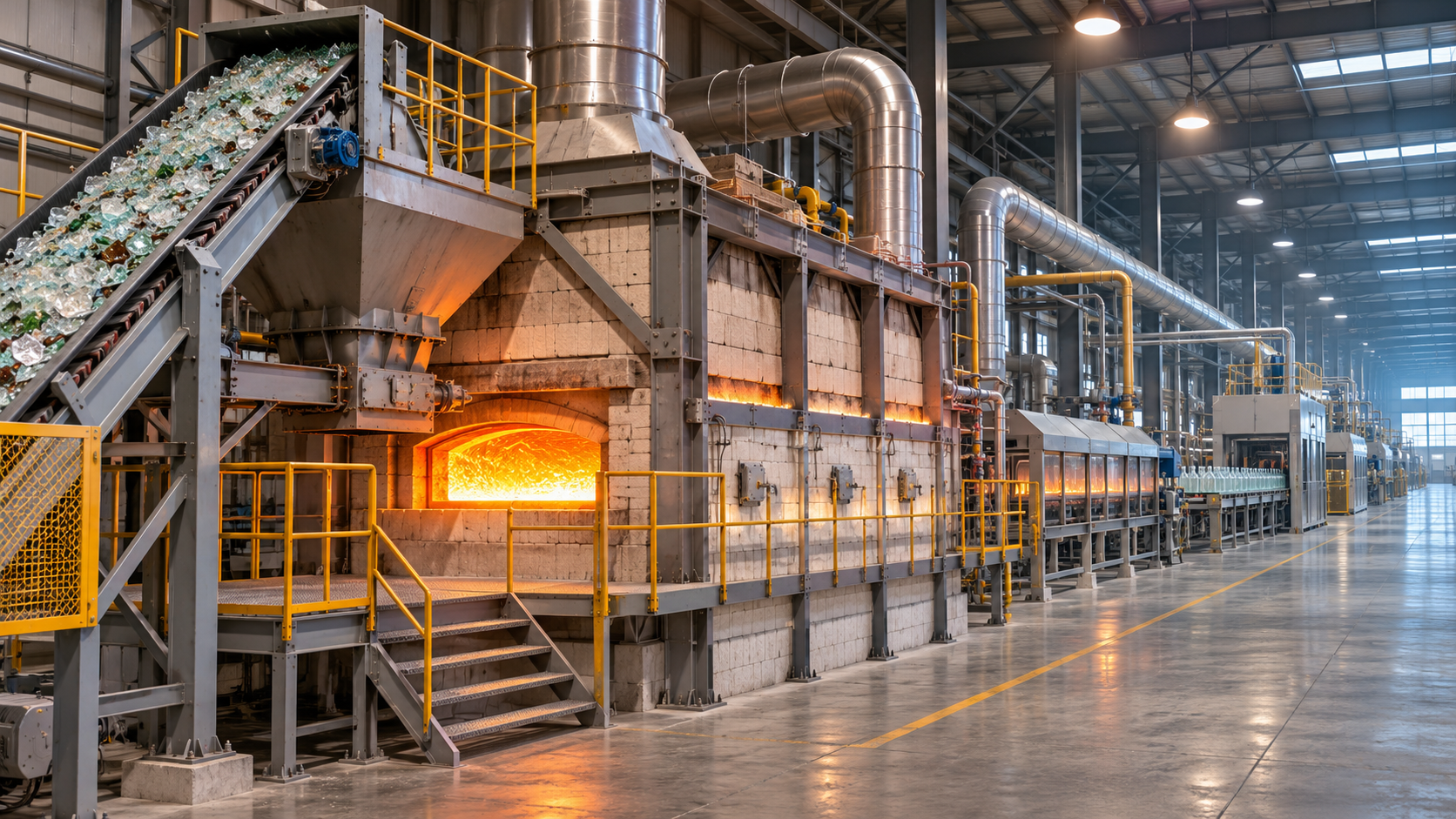
Glass furnaces and long-campaign kilns require special planning because internal access is limited, making external monitoring and trend analysis especially important.
Why Temperature Alone Cannot Set the Schedule
Temperature is important, but it does not independently determine refractory wear because lining failure usually results from combined thermal, chemical, and mechanical stresses.
Rapid heating and cooling can create thermal shock, even when peak temperatures remain within the refractory supplier's published operating range.
Alkalis, chlorides, sulfur compounds, heavy metals, and molten slag can penetrate pores and weaken bonding phases within a lining.
Fuel substitutions may change flame radiation, ash composition, sulfur loading, and gas velocity, creating wear patterns that older inspection plans cannot predict.
Alternative fuels in cement kilns can improve circularity, but they may also increase coating instability, chemical attack, and localized refractory stress.
Mechanical factors matter as well, including kiln ovality, shell deformation, vibration, misalignment, material impact, and abrasive particle movement.
An inspection schedule should therefore be reviewed whenever a plant changes feedstock, fuel mix, throughput, operating temperature, or equipment configuration.
Ignoring these changes can create a false sense of security, particularly when a lining previously performed well under a different process regime.
Which Areas Need the Most Frequent Attention?
Not every lining zone experiences equal stress, so inspection resources should concentrate first on areas where a defect can escalate quickly.
Burner zones deserve priority because intense radiation, flame contact, rapid temperature variation, and fuel ash chemistry can accelerate refractory damage.
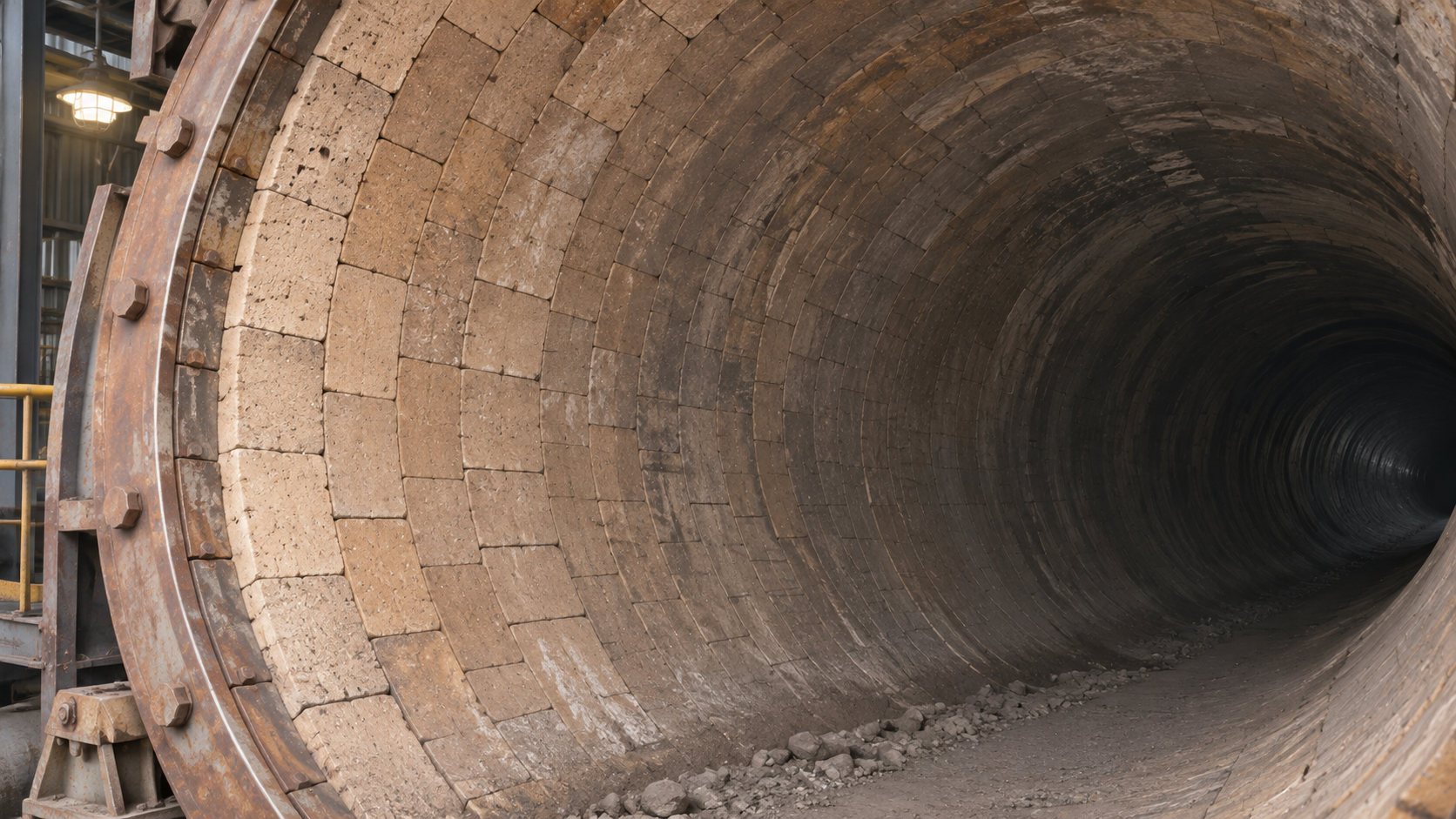
In rotary kilns, the transition zone often requires close monitoring because coating changes expose refractory to abrasion, alkali attack, and thermal cycling.
Discharge zones face high material movement, clinker abrasion, mechanical impact, and potentially severe heat transfer conditions during upset operation.
Incinerator grates, throat sections, secondary combustion chambers, and waste charging areas are vulnerable to corrosive deposits and irregular thermal loads.
Glass furnace breast walls, ports, throat areas, regenerators, and electrode regions should be monitored according to glass chemistry and furnace design.
Expansion joints, anchors, joints between refractory shapes, and transitions between lining systems also need routine checks because small openings can grow rapidly.
Plants should map these critical zones clearly, assign inspection ownership, and record the acceptable condition limits for each location.
What Should Inspectors Look For?
A useful inspection does more than identify visible cracks; it determines whether observed damage is stable, progressing, or likely to expose the shell.
Common warning signs include spalling, open joints, missing brick, cracking, glaze formation, chemical deposits, distortion, erosion, and localized discoloration.
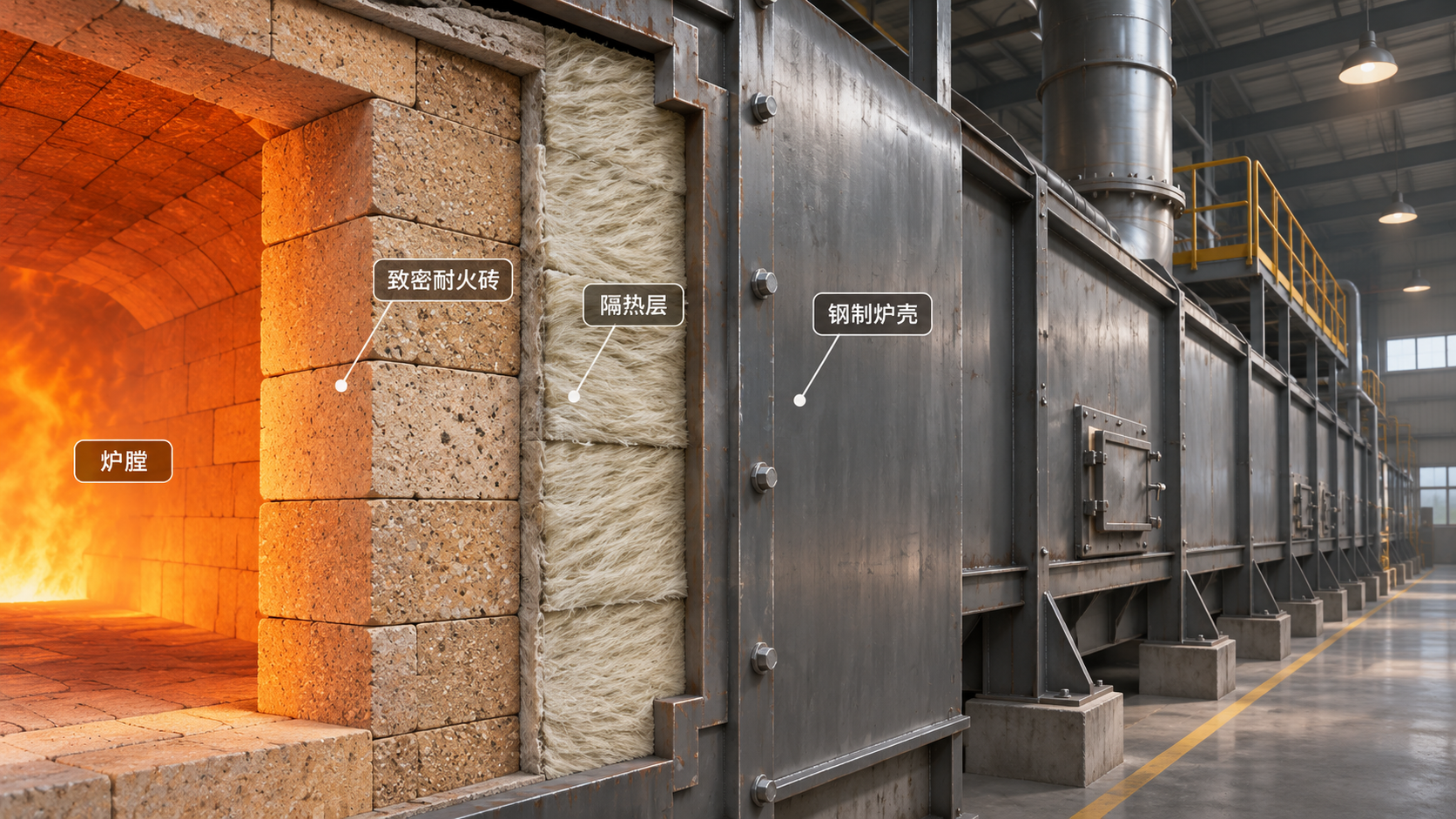
Shell hot spots are particularly important because they may indicate refractory thinning, insulation failure, detached material, or a developing structural void.
Thermal imaging should be compared with baseline maps, since a single elevated temperature reading may be less meaningful than a persistent upward trend.
Inspectors should distinguish surface crazing from structural cracking, because superficial thermal cracks may not always require immediate repair or shutdown.
Material samples can help identify alkali penetration, slag infiltration, mineral transformation, carbon deposition, or chemical attack beyond the visible surface.
Documentation should include location references, photographs, dimensions, estimated depth, operating conditions, previous repair history, and a clear recommended action.
Without consistent records, plants cannot reliably connect lining life to process changes, supplier performance, maintenance quality, or operating discipline.
Use Online Monitoring to Reduce Inspection Blind Spots
Online monitoring does not replace internal inspection, but it helps plants detect deterioration between shutdowns and prioritize limited maintenance resources.
Infrared shell scanners are widely used for kilns, furnaces, and incinerators because they reveal changes in external temperature distribution.
Fixed thermal cameras can support continuous observation of combustion chambers, burner zones, waste feed openings, and selected internal refractory surfaces.
Acoustic monitoring may identify loose refractory, unusual material movement, or mechanical events that warrant a focused field inspection.
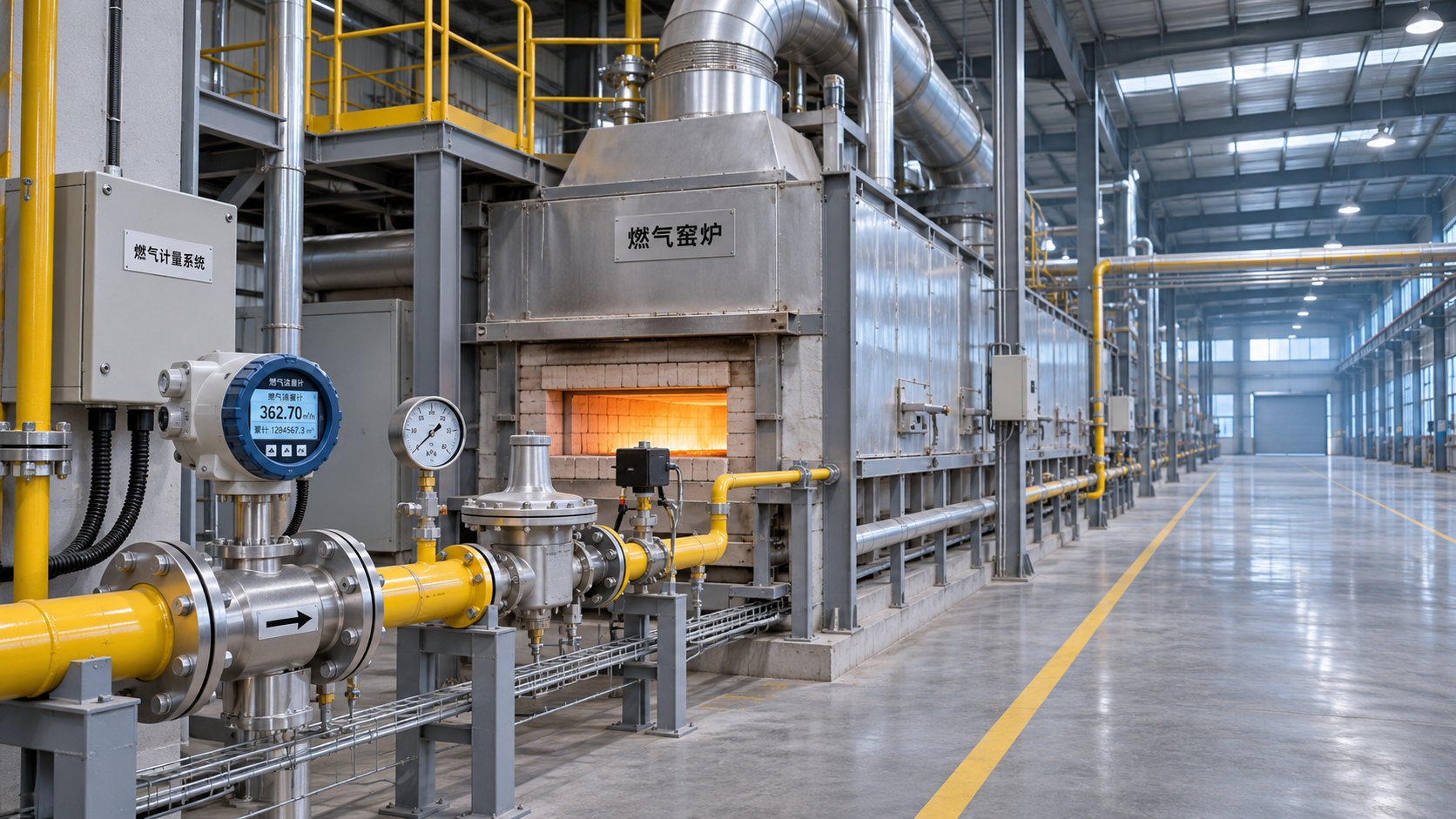
Process indicators also provide valuable indirect evidence, including fuel use, draft pressure, oxygen levels, production stability, cooling demand, and emissions behavior.
Digital inspection records should link these data points with thermal images, repair locations, refractory batches, and event histories across campaigns.
This approach allows maintenance teams to identify repeated patterns, such as accelerated wear following a fuel change or throughput increase.
For management teams, condition data supports better outage planning, reduced emergency spending, and more defensible capital decisions for monitoring upgrades.
When Does a Lining Condition Require Immediate Action?
Immediate action is necessary when a lining condition creates a credible risk of shell overheating, refractory collapse, personnel exposure, fire, or uncontrolled leakage.
Rapidly rising shell temperature is a major warning sign, especially when the temperature increase is localized and persists after operating adjustments.
Large open cracks, missing sections, exposed anchors, falling refractory, or visible red heat require prompt engineering evaluation and defined controls.
Plants should establish escalation thresholds before a problem occurs, including notification responsibilities, operating restrictions, repair options, and shutdown authority.
Temporary repairs can be appropriate when risk is controlled, but they should never become a substitute for correcting recurring damage mechanisms.
Emergency patching may restore production temporarily, yet rushed installation, poor surface preparation, or incorrect material selection can shorten campaign life.
A structured decision should consider shell condition, remaining thickness, process stability, access constraints, repair cure requirements, and production consequences.
Clear escalation rules help shift teams act quickly without relying on informal judgment during a high-pressure operating event.
How Inspection Frequency Affects Cost, Energy, and Carbon Performance
Frequent, targeted inspections cost less than an unplanned outage because early repairs are usually smaller, safer, and easier to schedule.
Damaged linings increase heat loss, forcing higher fuel consumption and making thermal processes less efficient even before visible failure occurs.
Higher fuel demand affects direct emissions, operating cost, equipment reliability, and compliance performance in carbon-conscious industrial markets.
Refractory degradation can also disrupt product quality by creating temperature instability, inconsistent residence time, contamination risks, or process control limitations.
Management should evaluate inspections as an asset reliability investment, rather than viewing them solely as a refractory maintenance expense.
Useful performance measures include campaign length, emergency repair hours, hot spot trends, fuel intensity, thermal losses, and inspection finding closure rates.
These indicators reveal whether a maintenance strategy is extending lining life or merely reacting to failures after production risk has already increased.
A disciplined program also improves procurement decisions by comparing actual performance among refractory designs, installation methods, and operating conditions.
Build an Inspection Program That Operators Can Follow
An effective program begins with an equipment register that identifies every high-temperature asset, lining type, critical zone, and relevant failure mode.
Each asset should have defined daily observations, scheduled reviews, shutdown inspection requirements, escalation limits, and responsible personnel.
Inspection forms should use consistent terminology so operators, maintenance teams, engineers, and refractory suppliers interpret findings in the same way.
Training matters because frontline teams often see the earliest warning signals, including unusual heat, noise, dust, flame behavior, and process instability.
After every repair or outage, the plant should review why the lining deteriorated and whether operating conditions contributed to the failure.
That review should result in a documented action, such as changing inspection intervals, revising repair procedures, improving monitoring, or adjusting process control.
Plants with multiple sites can gain additional value by benchmarking lining life, hot spot events, repair rates, and refractory consumption across facilities.
Shared intelligence is especially valuable where regional fuel availability, environmental regulation, and raw material chemistry create different operating challenges.
Conclusion: Inspect Earlier Than Failure Demands
How often should high-temperature linings be inspected? Daily operating checks, regular condition reviews, and detailed shutdown inspections form the most reliable answer.
The exact interval should become shorter as thermal cycling, chemical attack, mechanical stress, process variability, and failure consequences increase.
For cement, glass, incineration, refractory, and extrusion operations, condition monitoring provides the evidence needed to make inspection timing more precise.
Plants that combine disciplined inspection, accurate records, and risk-based maintenance can protect production, improve energy efficiency, and extend refractory campaign life.
Related News
 Ms. Elena RodriguezProcess Equipment Pricing: How to Compare Quotes and Total CostsMaster process equipment comparison pricing: compare supplier quotes, uncover hidden costs, and evaluate lifetime expenses to make a confident buying decision.Nov 17, 2026
 Prof. Marcus ChenGlobal Cement Industry Decarbonization: Key Technologies and Cost BarriersExplore global cement industry decarbonization technologies, cost barriers, and practical investment strategies to cut emissions while protecting competitiveness.Nov 16, 2026
 Structural Material AnalystChoosing Specification Preparation Support for North American ProjectsChoose specification preparation support North America projects can rely on. Compare technical expertise, compliance, interfaces, and supplier acceptance criteria.Nov 14, 2026
 Structural Material AnalystSpecialty Ceramic Extrusion: How Material Properties Affect FormingExplore how ceramic specialized material extrusion is shaped by particle size, binders, and solids loading—and learn to improve forming and reduce defects.Nov 13, 2026
 Ms. Elena RodriguezHigh-Pressure Molding Equipment Prices in Europe: What Affects the Total Cost?Explore high pressure molding equipment price Europe buyers can expect to assess, from tooling and installation to running costs. Compare quotes with confidence.Nov 12, 2026
 Structural Material AnalystChoosing a Vacuum Extrusion System: Capacity, Materials and Vacuum LevelsChoosing a vacuum extrusion system? Compare capacity, material behavior and vacuum levels to improve product quality and select the right equipment.Nov 11, 2026
 Optical Glass Tech FellowGlass Melting Innovations: Comparing Electric and Hybrid Furnace TechnologiesExplore glass melting innovations and compare electric and hybrid furnaces by energy use, emissions, glass quality and operating costs to find the right fit.Nov 10, 2026
 Thermal Energy ArchitectHow Thermal Barrier Technology for Kilns Reduces Heat LossDiscover how thermal barrier technology for kilns reduces heat loss, and learn how to select insulation and assess savings without compromising lining durability.Nov 09, 2026
 Prof. Marcus ChenGlobal Materials Trends: What North American Manufacturers Need to KnowExplore global material trends North America manufacturers need to know, from energy costs and supply chains to lower-carbon materials and smarter investment decisions.Nov 08, 2026
 Thermal Energy ArchitectSelecting Abrasion-Resistant Refractories for High-Wear Kiln LiningsExplore advanced refractory materials abrasion resistant enough for high-wear kiln linings. Compare wear mechanisms, thermal stability, installation and lifecycle costs.Nov 06, 2026
 Dr. Alistair VaughnIndustrial Energy Efficiency Certification: ISO 50001 Requirements for PlantsExplore industrial energy efficiency certification with ISO 50001. Learn how plants define scope, measure performance and prepare credible evidence for audits.Nov 05, 2026
 Ms. Elena RodriguezWhat Is an Industrial Intelligence Database and How Is It Used?Discover how an industrial intelligence database helps researchers map markets, track projects, compare technologies, and assess evidence with confidence.Nov 04, 2026
 Ms. Elena RodriguezIndustrial Material Pricing: How Freight and Order Volume Affect QuotesExplore industrial material pricing and learn how freight, order volume, and inventory costs affect quotes. Compare suppliers and make smarter purchasing decisions.Nov 03, 2026
 Structural Material AnalystSingle- vs. Twin-Screw Extrusion Systems: Which Suits Your Material?Choose the right specialized extrusion systems screw type for your material. Compare single- and twin-screw options to improve quality and control costs.Nov 02, 2026
 Thermal Energy ArchitectChoosing Thermal Barrier Materials for Kilns: Temperature and Heat LossExplore thermal barrier materials for kilns and learn how to balance temperature resistance, heat loss, durability and operating costs when selecting a lining.Nov 01, 2026
 Ms. Elena RodriguezSupplier Reference Platform Pricing: Fees and Contract Terms to CompareCompare supplier reference platform pricing, hidden fees, verification costs and contract terms to choose the right solution for your sourcing team.Oct 31, 2026
 Ms. Elena RodriguezSupplier Comparison Metrics: How to Score Cost, Quality, and DeliveryUse supplier comparison metrics to score cost, quality, and delivery with a practical weighted scorecard. Make more confident equipment sourcing decisions.Oct 30, 2026
 Ms. Elena RodriguezWhat Does Industrial Waste Heat Recovery Cost, and When Does It Pay Back?Understand industrial waste heat recovery cost, from equipment and installation to net savings. Learn how to compare quotes, assess risks, and calculate realistic payback before investing.Oct 29, 2026
 Thermal Energy ArchitectChoosing Industrial Waste-to-Energy Equipment by Waste Moisture and Heating ValueChoose industrial waste to energy equipment by moisture and heating value. Compare technologies, fuel needs, and supplier guarantees to make a confident investment.Oct 28, 2026
 Thermal Energy ArchitectChoosing Industrial Kiln Insulation for High Heat and Repeated Thermal CyclingExplore high temperature industry solutions for kiln insulation under repeated thermal cycling. Compare materials, reduce heat loss, and select the right lining for your operating conditions.Oct 27, 2026


Related News
- 00
0000-00
Can Heat-Resistant Materials Fail After Rapid Temperature Cycling? - 00
0000-00
How Often Should High-Temperature Linings Be Inspected? - 00
0000-00
How to Evaluate Refractory Production Lines for Output, Quality, and Energy Use - 00
0000-00
What Determines Refractory Production Line Price in a Turnkey Plant Project? - 00
0000-00
How to Evaluate a Silicate Production Line for Capacity, Energy Use, and Product Quality
0000-00
Weekly Insights
Stay ahead with our curated technology reports delivered every Monday.