
How to Evaluate a Silicate Production Line for Capacity, Energy Use, and Product Quality




How to Evaluate a Silicate Production Line for Capacity, Energy Use, and Product Quality
The quickest way to misread a silicate production line is to treat rated throughput as the main truth. It rarely is. A line may be sold as a certain tonnage per day, yet that number can collapse once feed moisture rises, particle size distribution shifts, fuel quality drifts, or the quality target tightens. In technical assessment work, the useful question is not “What is the line designed to produce?” but “Under what raw material envelope, operating discipline, and product specification does it keep producing acceptably?” That distinction sounds small. In practice, it separates a brochure review from an engineering evaluation.
For a silicate production line, capacity, energy use, and product quality are tightly coupled. A change in one almost always shows up in the others. Pushing kiln loading can raise output, but residence time, heat transfer uniformity, or burn stability may suffer. Chasing lower fuel consumption may look attractive until it creates incomplete reaction, unstable viscosity, poor phase development, or wider product variation. Quality itself is not one number either. Depending on the process, it may involve chemical composition consistency, strength development, particle fineness, softening behavior, density, dimensional tolerance, optical defects, or refractory performance under thermal cycling.
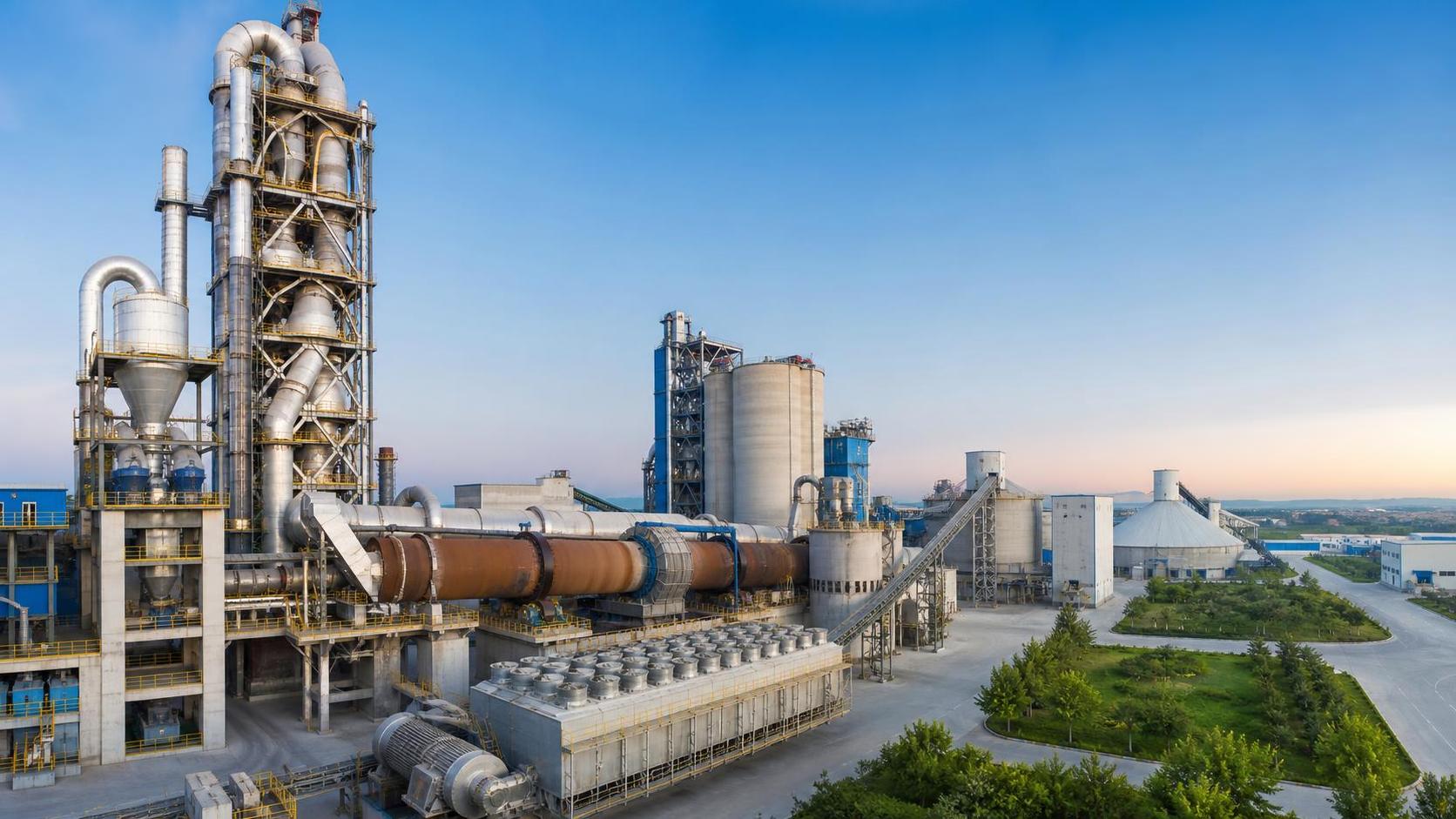
That is why line evaluation should start with boundaries, not with promises. Define the intended feedstock range, the target product family, the required operating window, and the compliance obligations. In the world CF-Elite tracks, this matters across cement plants, glass melting systems, kilns for thermal treatment, refractory lines, and extrusion systems for new building materials. The mechanical train may differ, but the evaluation logic is surprisingly consistent: you are judging how well the process architecture converts variable mineral inputs into stable output with controlled thermal intensity.
Capacity Is a Process Question, Not a Nameplate Question
When engineers discuss the capacity of a silicate production line, they usually mean one of three things, and confusion begins when those are mixed together: mechanical maximum, sustainable output, and saleable output. Mechanical maximum is what the equipment train can physically pass for a short period. Sustainable output is what the system can run over long campaigns without destabilizing heat balance or maintenance intervals. Saleable output is what meets the agreed quality threshold and can actually leave the plant as finished product. For investment decisions, the third number matters most.
A useful review therefore looks upstream and downstream of the kiln or furnace. Raw material preparation, dosing accuracy, drying, grinding, homogenization, preheating, firing, cooling, finishing, and packaging all set the real bottleneck. In many lines, the nominal core equipment is not the limiting unit at all. A well-sized thermal section can still underperform because of unstable feed chemistry, insufficient burner control, limited draft capacity, or poor cooling efficiency that blocks downstream handling.
Evaluation teams should ask a harder question than suppliers often volunteer: what operating assumptions sit behind the quoted capacity? Typical hidden assumptions include feed moisture, bulk density, particle size, calorific value of fuel, ambient conditions, planned stop frequency, and product grade mix. A line built for one silicate product spectrum may lose a meaningful portion of output when switched to tighter specifications or higher-value grades. That does not mean the line is weak; it means the assessment has to match the intended production strategy.
In practical terms, capacity evaluation should separate short-term demonstration data from normalized operating data. One strong test run under ideal feed conditions tells you less than a month of stable operation through changing material lots. If historical data is available, trends in throughput against moisture, fuel rate, and reject rate usually reveal more than a single peak figure.
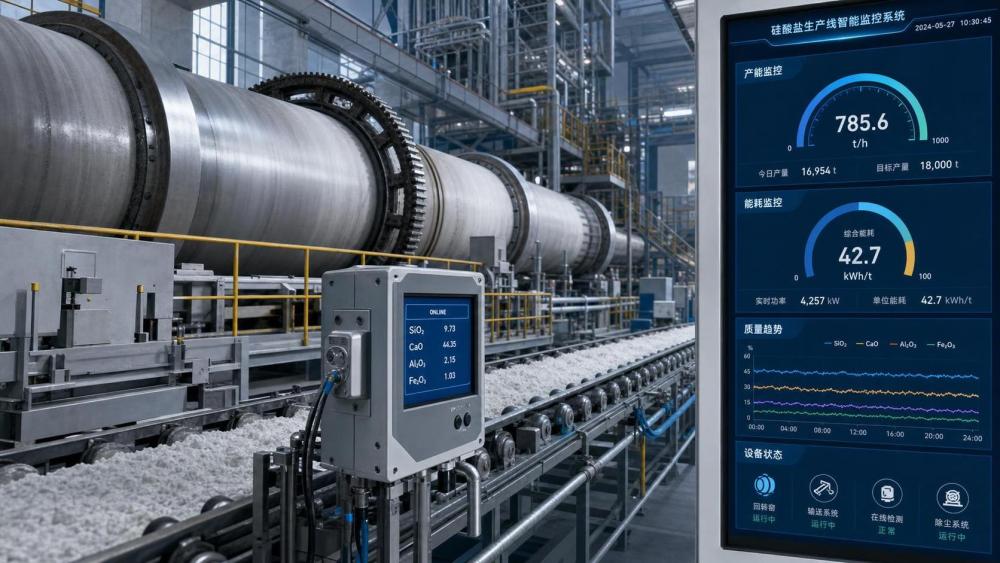
Energy Use Has to Be Read as a System Balance
Specific energy consumption is often treated as a clean comparison metric, but in silicate processing it is only meaningful with context. Thermal energy and electrical energy have different drivers, and both depend on the same process choices that affect quality. A line with low fuel use per ton may still be inefficient overall if it needs heavy recirculation, excessive grinding power, or repeated thermal correction due to unstable reactions. Likewise, a line that appears electrically efficient may be burning unnecessary fuel because preheating, insulation, airflow management, or waste heat recovery are underperforming.
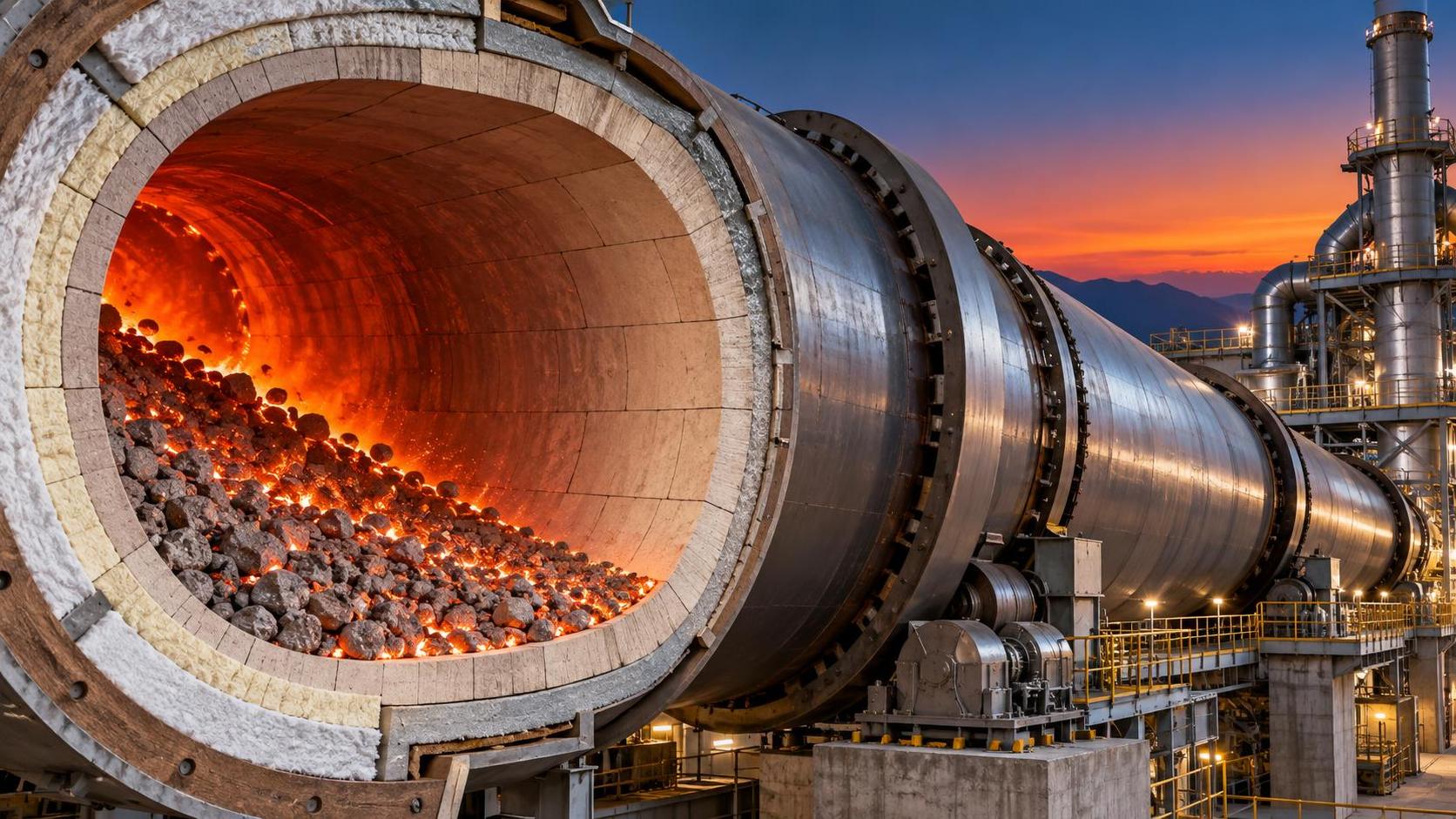
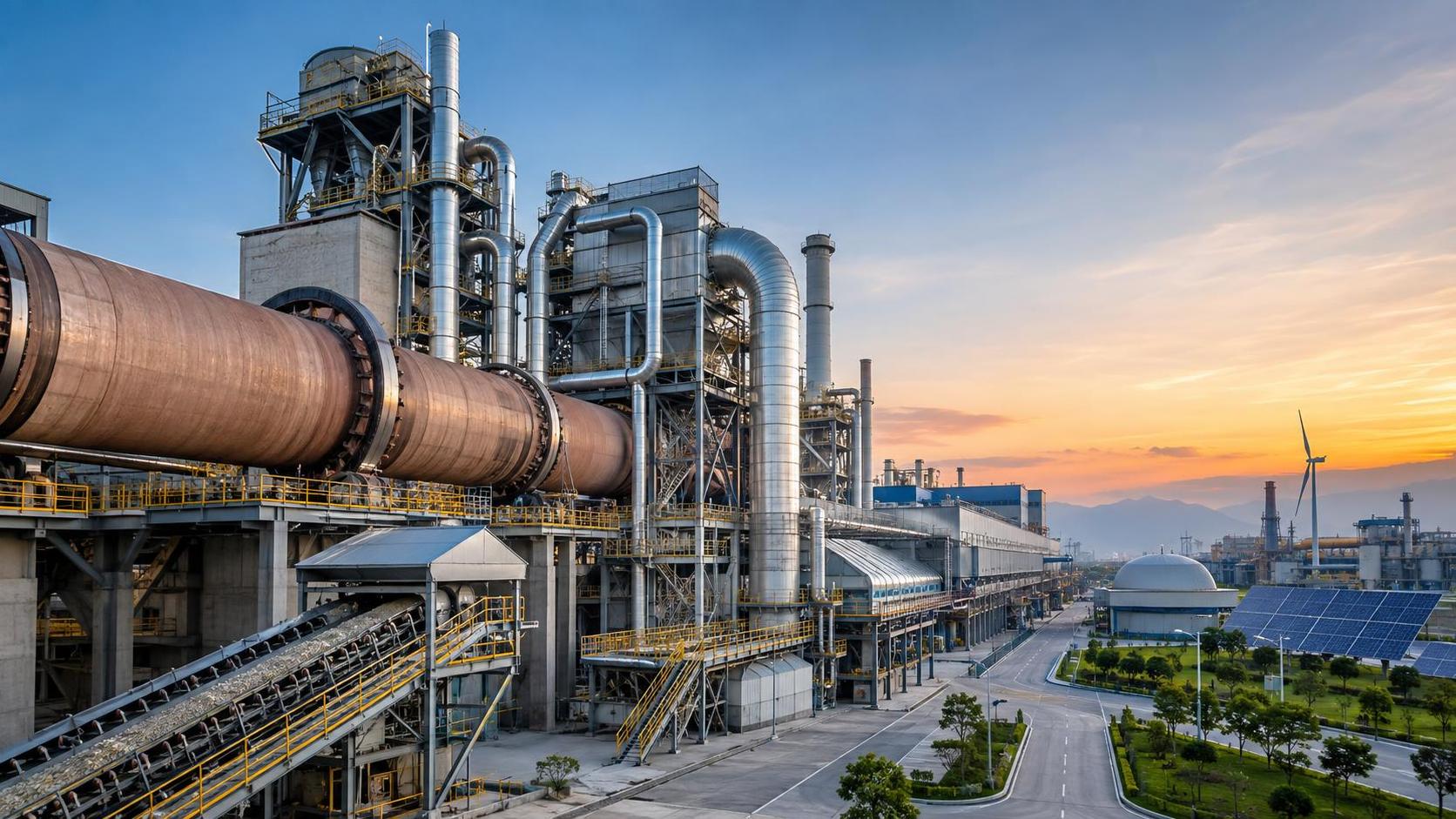
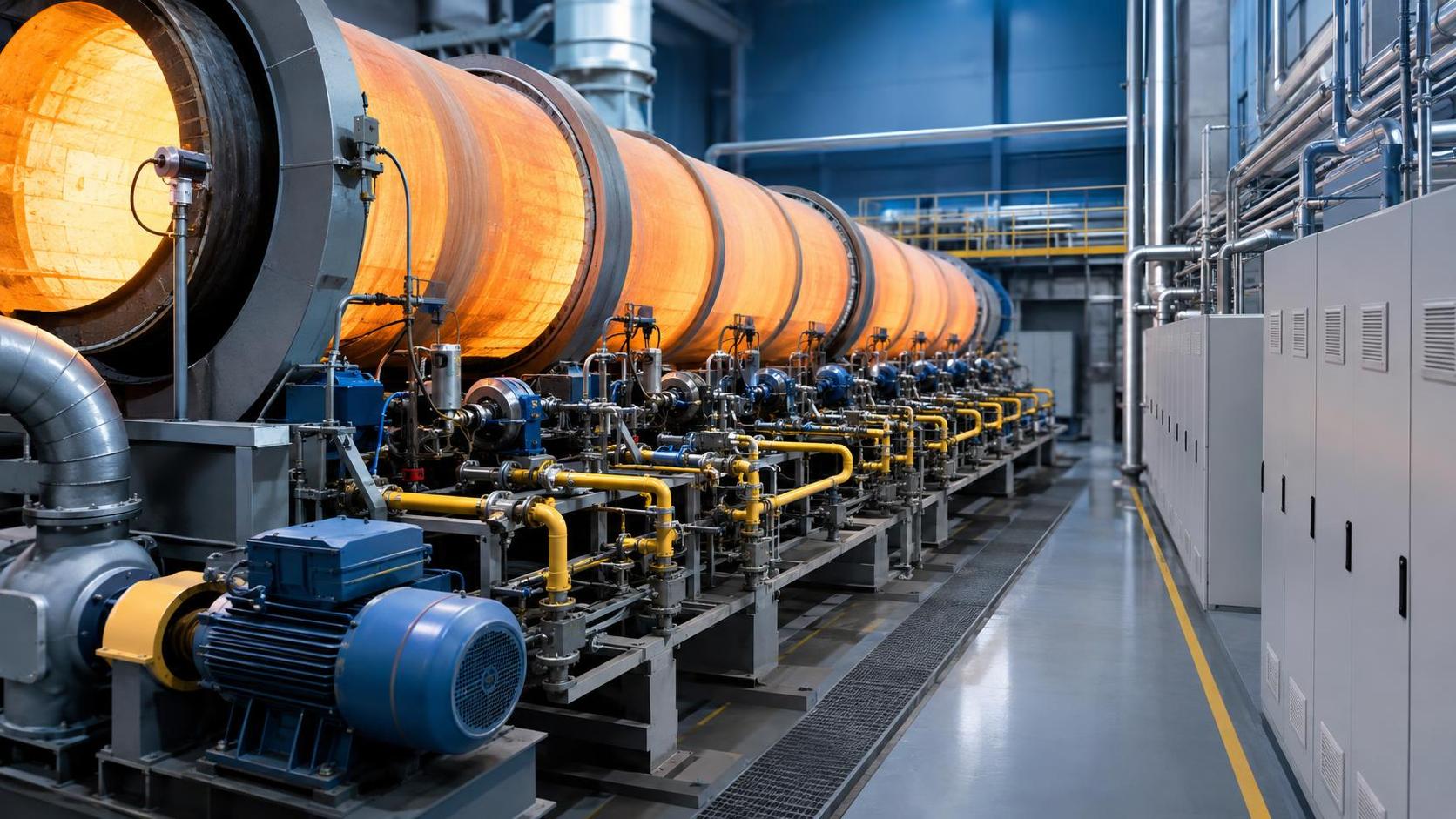
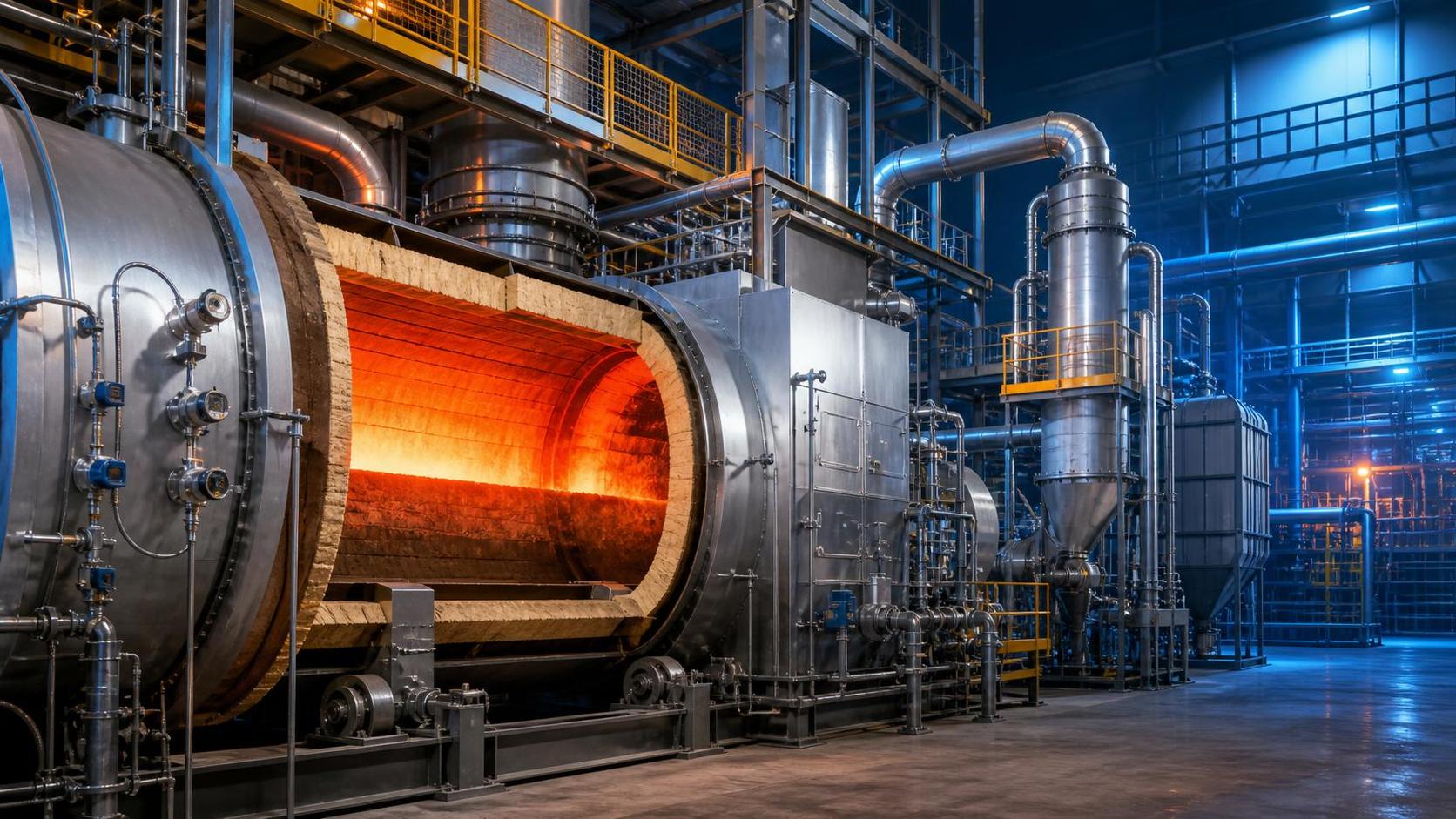
The better way to read energy is through heat balance and loss points. Where is energy entering, where is it being converted effectively, and where is it leaving without doing useful process work? In rotary kilns and high-temperature silicate systems, large losses often hide in exhaust gas temperature, shell losses, cooling air mismatch, combustion instability, and off-spec material that forces reprocessing. In glass and refractory contexts, uneven melting or firing can be just as expensive as obvious fuel waste because the energy penalty shows up in downgraded output rather than in the meter alone.
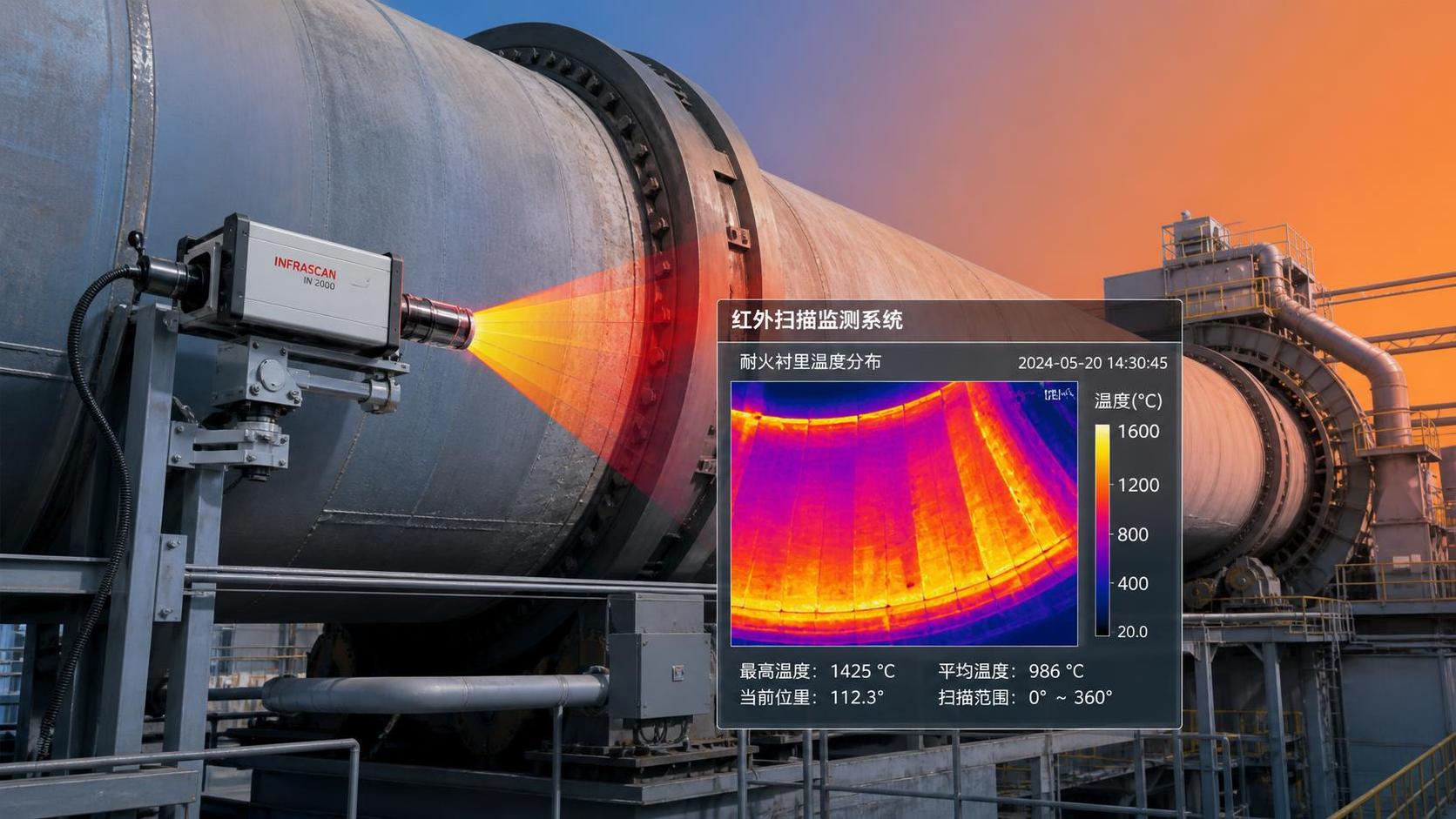
This is where CF-Elite’s focus on thermal management and process intelligence becomes relevant. A serious evaluation does not stop at nominal burner efficiency or motor rating. It asks whether the line architecture supports controlled heat transfer under real variability. Digital monitoring, online temperature profiling, combustion control, draft stability, refractory condition tracking, and data correlation between zones are no longer optional extras on many large lines. They are part of the answer to whether a plant can stay efficient after commissioning conditions are gone.
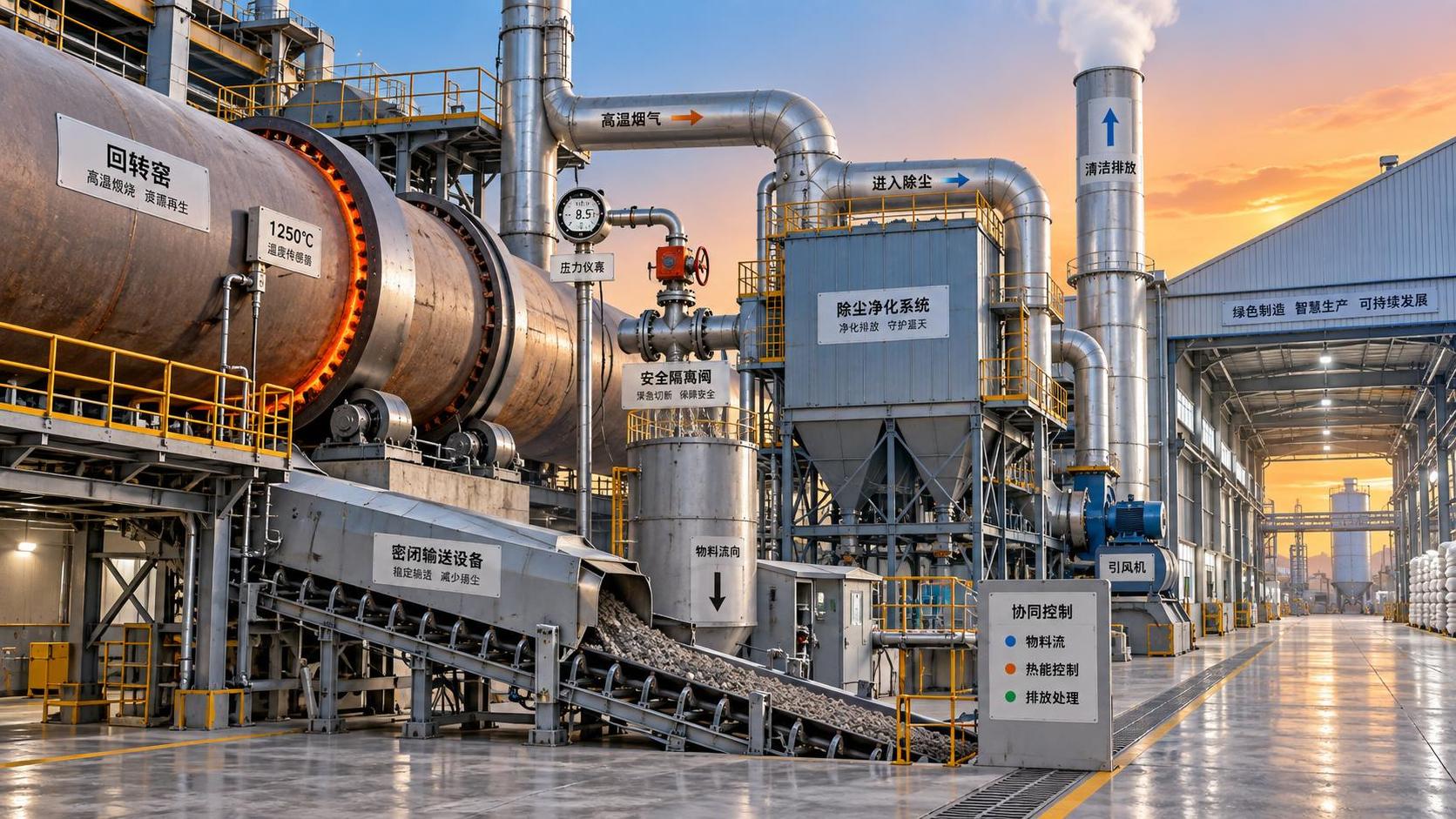
Energy review should also be linked to emissions and compliance. In many jurisdictions, thermal efficiency, dust handling, and process stability are tied together operationally even if they are reported separately. Poor combustion or poor material balance can raise both cost and regulatory exposure. Technical reviewers should therefore look at how the line manages particulate control, flue gas conditions, and secondary process disturbances, rather than treating environmental hardware as a detached package.
Quality Is Where Weak Evaluations Usually Fail
A common mistake in silicate line selection is to assume that quality can be “tuned later” once the plant is installed. Some quality issues can be corrected through operating practice. Others are built into residence time distribution, temperature uniformity, material transport behavior, mixing quality, atmosphere control, or cooling profile. If those fundamentals are wrong, operators may still produce acceptable material, but only with higher energy use, lower output, tighter raw material restrictions, or more sorting and rework.
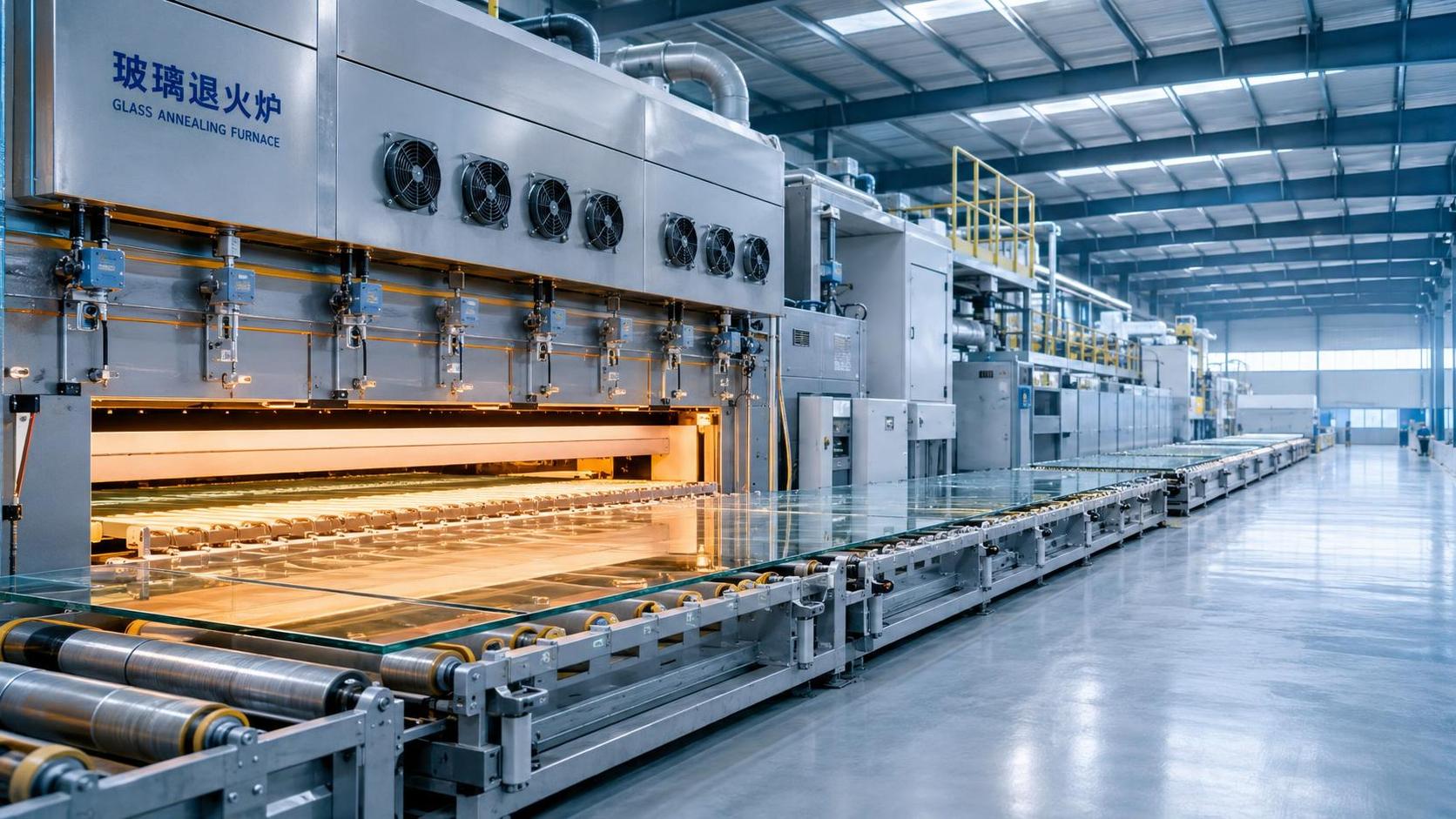
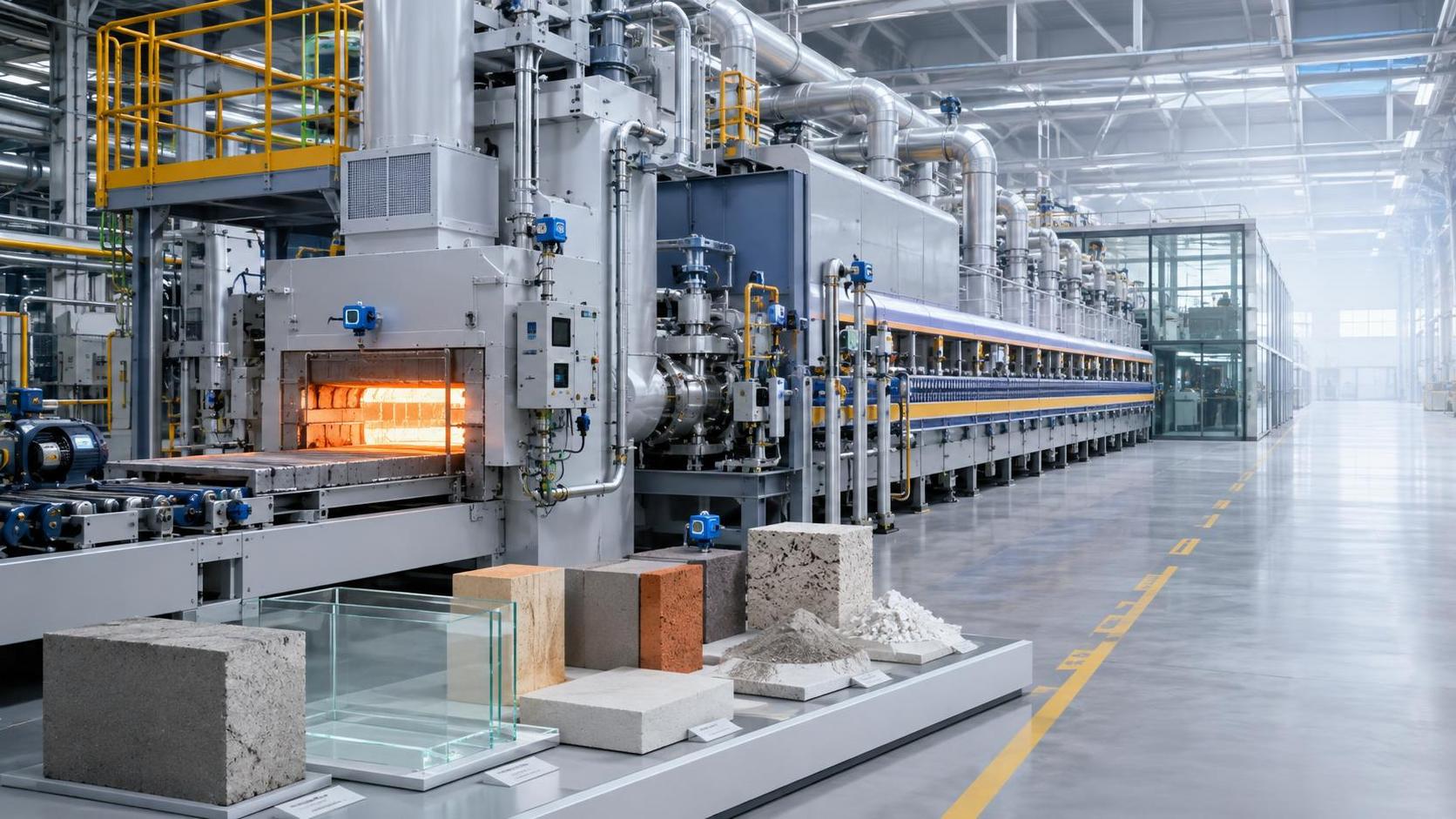
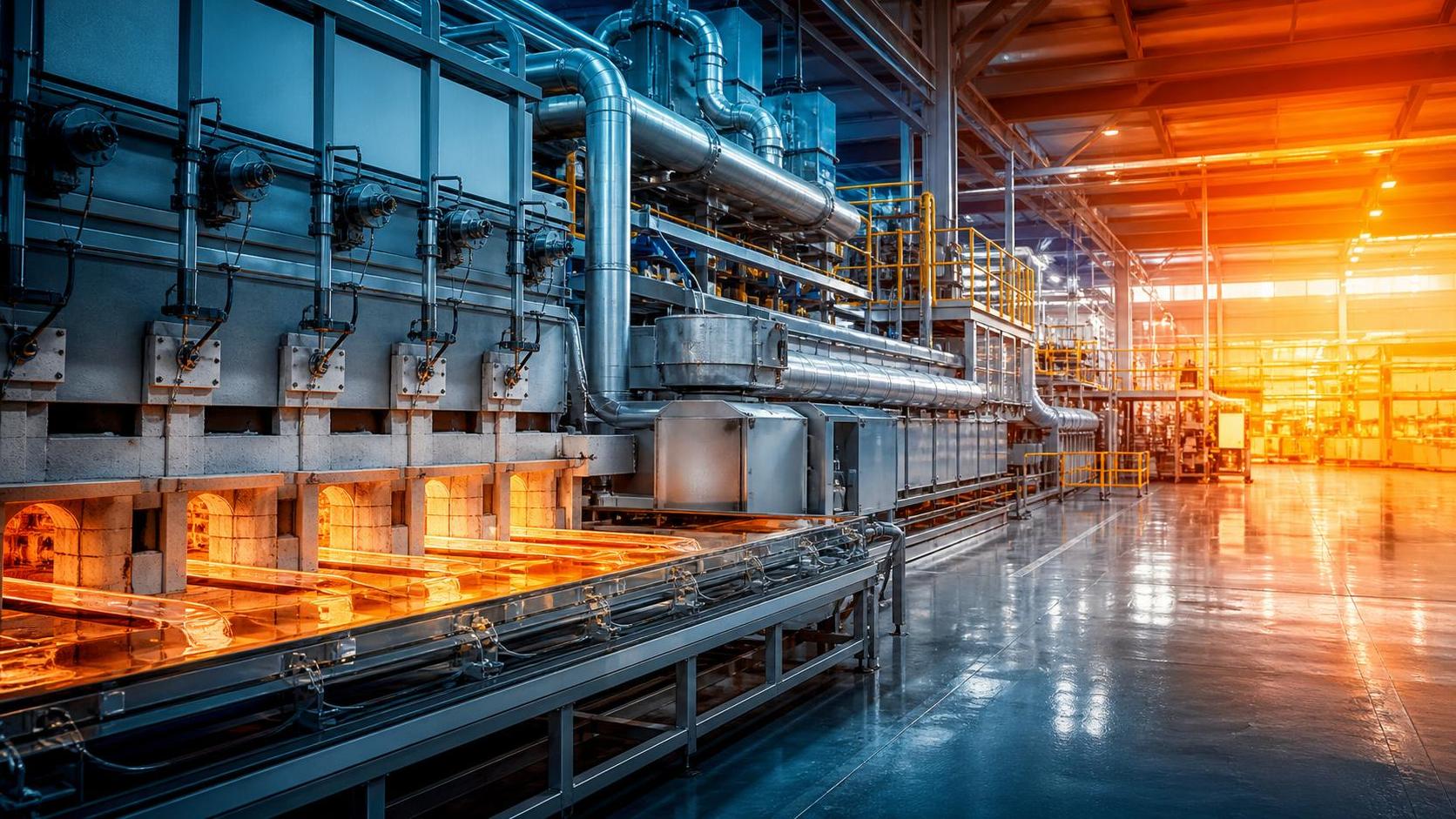
So quality evaluation needs to be specific. For cement-related processes, that may mean clinker quality stability and downstream grindability. For glass systems, it may mean melt homogeneity, seed or bubble control, and annealing consistency. For refractory production, phase formation, density, thermal shock behavior, and dimensional stability can be decisive. For extrusion-based building materials, shape retention, curing compatibility, green strength, and final structural uniformity often matter as much as headline throughput.
This is also where feedstock flexibility should be judged carefully. Suppliers sometimes present broad raw material adaptability as an advantage. It can be, but only if the control system, thermal design, and material preparation stages can absorb the variability without a severe quality penalty. High flexibility on paper may simply mean the line can process many materials, not that it can produce the same quality level from all of them.
The Interactions Matter More Than the Individual Components
Technical reviews often become equipment checklists: kiln diameter, burner type, mill power, insulation thickness, fan size, control brand. Those details matter, but the line should be judged as a coupled process. A strong raw meal system feeding an unstable thermal core will not rescue product quality. A sophisticated furnace with weak cooling logic may produce internal stresses or downstream handling issues. Efficient motors do little for plant economics if the process loop itself is forcing unnecessary circulation or overprocessing.
That is why commissioning philosophy and operating philosophy deserve attention. Some lines are engineered for tight process discipline and a narrow feed envelope. Others are designed with more tolerance but lower theoretical peak performance. Neither approach is automatically better. The right choice depends on whether the site has stable raw materials, reliable utilities, skilled operators, and a product mix that rewards consistency over nominal speed. Assessment teams should be wary of comparing two designs as if they were solving the same plant reality when they may be optimized for different constraints.
What Experienced Reviewers Usually Check Early
A disciplined evaluation usually comes back to a few practical checkpoints:
- Whether the quoted production rate is tied to a defined quality band rather than a theoretical pass-through figure.
- Whether the line can hold thermal stability during normal feed variation, startup, load changes, and maintenance cycles.
- Whether energy performance is documented across real operating windows rather than a single optimized condition.
- Whether process instrumentation is sufficient to explain deviations instead of only recording them.
- Whether wear parts, refractories, and hot-zone components are sized for the intended campaign length and fuel regime.
- Whether environmental control equipment is integrated into process logic, not added as a separate compliance afterthought.
None of these checks is glamorous, but this is usually where overoptimistic project assumptions are exposed. If a line performs well only with narrow raw material preparation, unusually careful operator intervention, or frequent tuning, that is not necessarily a design failure. It may still be a poor fit for the intended site.
A Better Decision Frame
For selection decisions, the most reliable view of a silicate production line is not the highest output, the lowest stated fuel figure, or the most elaborate equipment list. It is the balance the line can maintain between throughput, heat efficiency, and quality consistency over time. That balance should be tested against the actual business case: raw material volatility, targeted product grades, utility costs, emissions obligations, maintenance capability, and the cost of off-spec output.
In other words, evaluate the line as an operating system for mineral transformation, not as a collection of machines. When the process logic is sound, capacity claims become more believable, energy numbers become more transferable, and quality results become less dependent on ideal conditions. That is the standard worth applying before approving a silicate production line for procurement, upgrade, or expansion.
Related News
 Thermal Energy ArchitectWhy Heat-Resistant Materials Lose Abrasion Resistance at High TemperaturesHeat-resistant materials abrasion resistance can decline at high temperatures. Discover the thermal, chemical, and mechanical causes of wear—and how to choose longer-lasting linings.Sep 16, 2026
 Thermal Energy ArchitectHow to Evaluate a Thermal Energy Optimization Company for High-Temperature PlantsChoose a thermal energy optimization company with proven process expertise, measurable savings, and reliable delivery for high-temperature plants. Learn what to assess.Sep 15, 2026
 Thermal Energy ArchitectRotary Kiln Efficiency: How Feed Rate, Fuel Use, and Heat Loss Affect OutputRotary kiln efficiency explained: discover how feed rate, fuel use, heat loss, combustion, and cooling performance shape output, quality, and energy costs.Sep 14, 2026
 Thermal Energy ArchitectHow to Select Heat-Resistant Materials That Maintain Abrasion Resistance in KilnsHeat-resistant materials abrasion resistance: learn how to select kiln linings that withstand heat, wear, thermal cycling, and chemical attack for longer service life.Sep 13, 2026
 Thermal Energy ArchitectHow Rotary Kiln Automation Improves Temperature Control and Fuel EfficiencyRotary kiln technology automation enhances temperature control, stabilizes combustion, and improves fuel efficiency with smarter data, predictive control, and safer operations.Sep 12, 2026
 Silicate Process EngineerCement Plant Emission Control: Selecting Systems for Dust, NOx, and SO2 LimitsCement plant emission control guide: compare dust collectors, NOx reduction, and SO2 systems for reliable compliance across kiln modes, fuel changes, and operating upsets.Sep 11, 2026
 Thermal Energy ArchitectSelecting Abrasion-Resistant High-Temperature Materials for Kiln and Conveyor Wear ZonesHigh-temp material engineering guide to abrasion-resistant kiln and conveyor solutions—match wear, heat, chemistry, and installation design for longer service life.Sep 10, 2026
 Dr. Alistair VaughnIndustrial Process Engineering: How to Map Processes for Safer, More Efficient PlantsIndustrial process engineering reveals bottlenecks, safety risks, and energy losses through practical process mapping for safer, more efficient plants.Sep 09, 2026
 Optical Glass Tech FellowHow to Evaluate a Glass Annealing Equipment Manufacturer for Production StabilityChoose a glass annealing equipment manufacturer with proven thermal uniformity, reliable controls, lifecycle value, and responsive service for stable production.Sep 08, 2026
 Prof. Marcus ChenThermal Energy Architecture in North America: Strategies for Lower Building Energy UseThermal energy architecture North America helps project leaders cut building energy use through stronger envelopes, right-sized HVAC, storage, and smart commissioning.Sep 07, 2026
 Ms. Elena RodriguezHow Should Buyers Evaluate Building Material Industry Intelligence Pricing?Building material industry intelligence pricing: learn how to compare coverage, technical depth, and ROI to choose intelligence that reduces procurement risk.Sep 07, 2026
 Ms. Elena RodriguezHow to Use Building Material Intelligence Data for Market and Investment DecisionsBuilding material industry intelligence data helps leaders evaluate demand, costs, regulation, capacity, and technology to make smarter market and investment decisions.Sep 05, 2026
 Thermal Energy ArchitectHow PLC Control Improves Energy Efficiency and Temperature Stability in KilnsEnergy efficient kilns PLC control improves temperature stability, cuts fuel waste, and optimizes combustion, draft, and material flow. Explore proven strategies for smarter kiln modernization.Sep 04, 2026
 Optical Glass Tech FellowEuropean Glass Melting Processes: Furnace Choices, Energy Use, and Quality ControlGlass melting process Europe: explore furnace choices, energy efficiency, cullet strategy, and quality control to improve output, compliance, and long-term glass performance.Sep 03, 2026
 Thermal Energy ArchitectWhat Determines Refractory Lining Monitoring Price for Industrial Kilns?Refractory lining monitoring price depends on kiln size, sensor technology, installation, software, and support. Compare total lifecycle costs and choose the right solution.Sep 02, 2026
 Silicate Process EngineerCement Production System Costs: A Plant Buyer’s Guide to Budgeting and ROICement production systems cost planning made clear: compare CAPEX, operating costs, compliance, and ROI to build a resilient, profitable cement plant investment.Sep 01, 2026
 Dr. Alistair VaughnWhat Should a Process Technology Database Track for High-Temperature Plants?Process technology database essentials for high-temperature plants: track thermal profiles, feed chemistry, refractory wear, emissions, energy, and maintenance for safer, data-driven decisions.Aug 31, 2026
 Ms. Elena RodriguezHow to Evaluate a Silicate Processing Equipment Manufacturer for Plant ProjectsSilicate processing equipment manufacturer selection: assess process fit, guarantees, energy, compliance, delivery risk, and lifecycle support for dependable plant performance.Aug 30, 2026
 Dr. Alistair VaughnHow to Specify Custom Agricultural Processing Equipment for Throughput and HygieneEquipment customization services for agricultural processing: learn to specify hygienic, high-throughput lines that improve yield, reliability, and long-term efficiency.Aug 29, 2026
 Dr. Alistair VaughnHow to Select Process Plant Equipment for High-Temperature, Abrasive Production LinesProcess plant equipment selection for high-temperature, abrasive lines: reduce downtime, improve durability, and optimize lifecycle performance.Aug 28, 2026



Related News
- 00
0000-00
What Determines Refractory Production Line Price in a Turnkey Plant Project? - 00
0000-00
How to Evaluate a Silicate Production Line for Capacity, Energy Use, and Product Quality - 00
0000-00
Silicate Production Line Process Explained: Key Stages, Equipment, and Quality Control - 00
0000-00
How to Evaluate a Refractory Production Line in Southeast Asia: Capacity, Fuel, and Raw Material Factors - 00
0000-00
How to Evaluate a Silicate Production Lines Supplier for Capacity, Automation, and Raw Material Fit
Weekly Insights
Stay ahead with our curated technology reports delivered every Monday.