
How Can Glass Manufacturing Technology Improve Furnace Efficiency and Cut Energy Costs?




Meta Title: How Glass Manufacturing Technology Efficiency Improves Furnace Performance and Reduces Energy Costs
Fuel is one of the hardest costs to absorb in glass production, especially when margins are under pressure and carbon targets are getting tighter. That is why glass manufacturing technology efficiency matters at the board level, not just on the plant floor. If you are evaluating where to invest, the practical answer is this: the biggest gains usually come from better combustion control, stronger heat recovery, furnace design upgrades, and refractory performance that stays stable over time. The right mix can lower specific energy consumption, improve pull stability, and reduce avoidable maintenance losses without forcing a full line replacement.
Many companies start with the wrong question. They ask, “Which furnace technology is the most advanced?” A better question is, “Which upgrade removes the biggest source of energy waste in our current process?” Those are not always the same thing.
In glass plants, energy waste rarely comes from one dramatic failure. It usually comes from a collection of smaller losses: uneven combustion, excess air, poor insulation, batch inconsistency, hot repairs that arrive too late, and control systems that react slowly to process drift. When those issues stack up, operators burn more fuel to protect quality, and management ends up paying for instability twice: once in energy and again in production losses.
Where glass manufacturing technology efficiency actually changes the cost curve
A short answer, before we go deeper: glass manufacturing technology efficiency improves furnace economics when it helps the plant melt the same tonnage with less fuel, less variation, and fewer thermal disruptions. The best results usually come from coordinated upgrades rather than a single piece of equipment.
This matters because furnace efficiency is not just a burner issue. It sits at the intersection of thermal design, process control, materials performance, and production discipline. A new burner on an aging furnace with poor crown insulation and unstable batch feed may deliver only part of its promise. On the other hand, a well-targeted package of medium-scale upgrades can outperform a more expensive “headline” investment.
Combustion control is often the first place to look
In many facilities, combustion settings are still managed with a mix of operator experience, periodic measurement, and conservative safety margins. That approach keeps production running, but it often burns more fuel than necessary.
Modern combustion control systems improve the air-fuel ratio in real time, adjust for changing furnace conditions, and reduce excess oxygen without pushing the process into an unstable zone. In practical terms, that means less heat escaping through the flue and better use of every unit of fuel purchased.
What decision-makers sometimes miss is that digital combustion control is not valuable just because it is digital. Its value comes from repeatability. A furnace that depends too heavily on manual intervention usually runs with wider operating margins. Wider margins mean higher energy use.
If your plant is seeing frequent temperature swings, visible quality variation linked to melting behavior, or a persistent gap between designed and actual fuel performance, this is one of the most credible upgrade areas to review.
Regenerative and waste heat recovery systems deserve serious attention
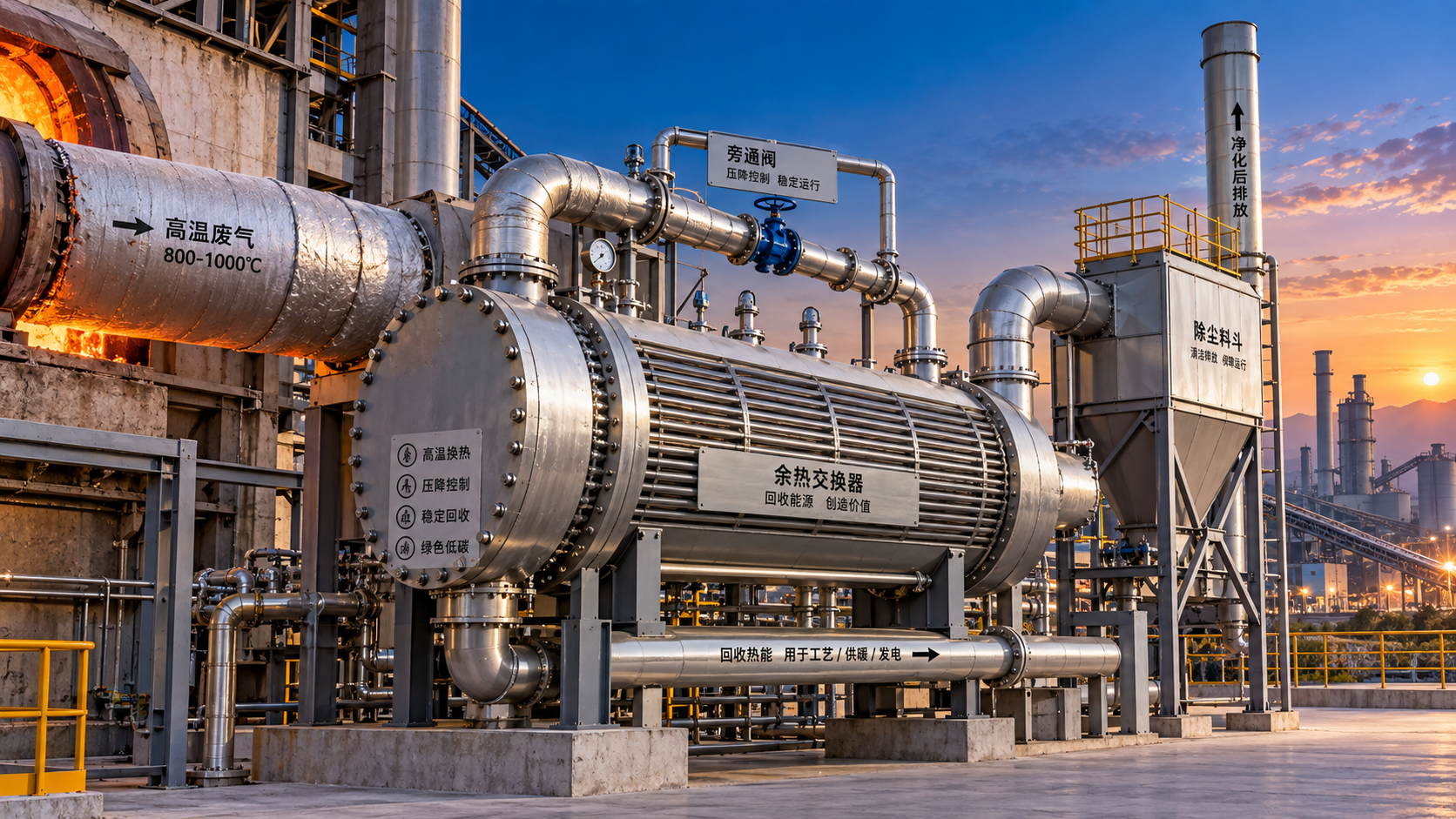
Some of the most expensive heat in a glass plant is the heat you have already paid for and then let leave the system. Waste heat recovery can improve economics in several ways: preheating combustion air, supporting batch or cullet preheating, or reducing utility demand in connected systems. The exact option depends on furnace type, line layout, fuel mix, maintenance capability, and local economics.
Not every recovery concept is equally suitable. A technically interesting solution may still be the wrong purchase if it creates fouling problems, introduces downtime risk, or becomes difficult to maintain under real operating conditions.
That is why the evaluation should go beyond estimated thermal savings. Ask these questions early:
- Will the system stay effective under our actual dust load and operating rhythm?
- Can our maintenance team support it without a specialist on site every time?
- Does the expected payback still work after realistic cleaning and downtime assumptions?
- Is the upgrade compatible with future decarbonization plans such as higher cullet use or fuel switching?
These questions filter out a lot of attractive presentations that do not hold up in production.
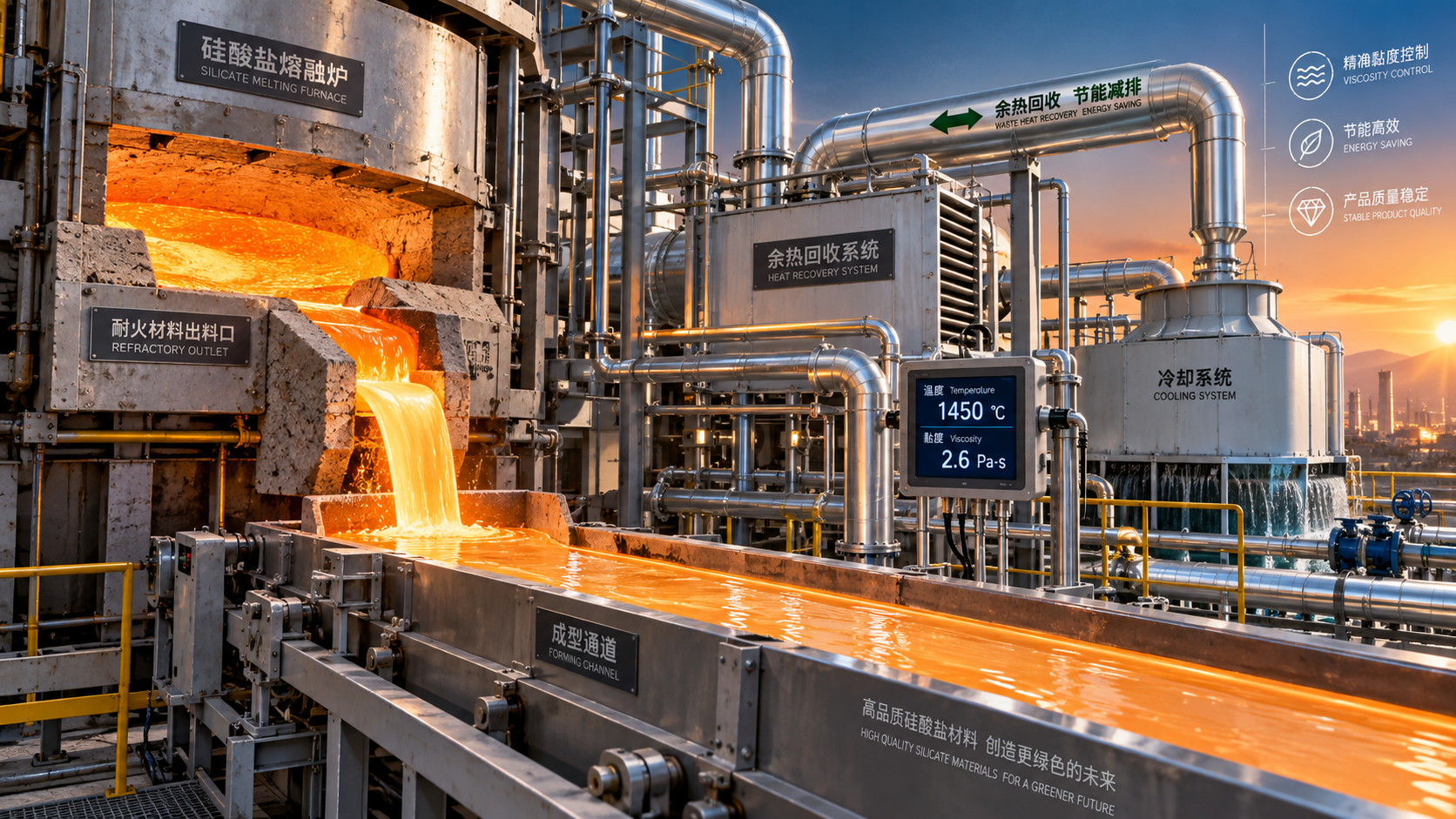
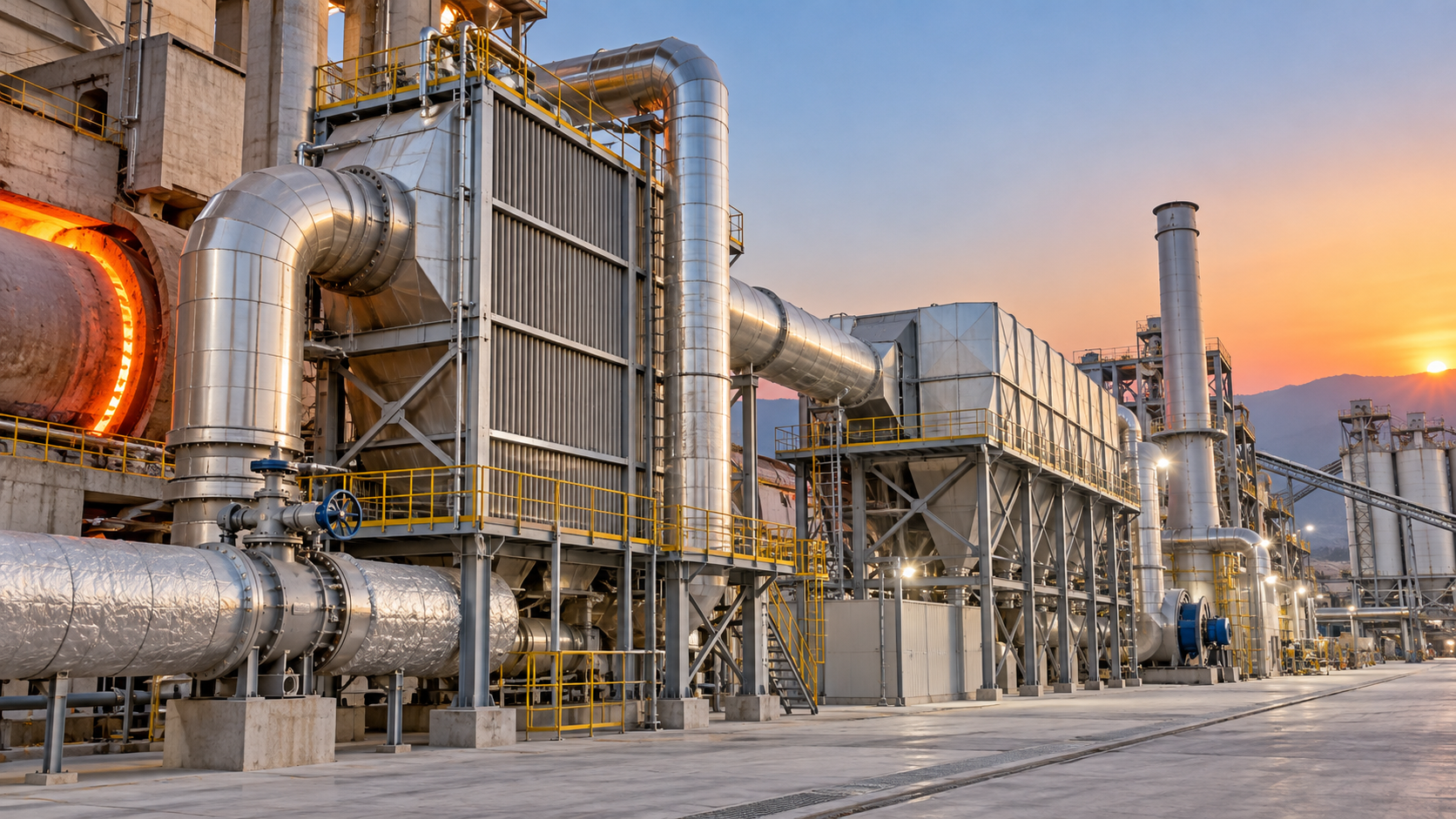
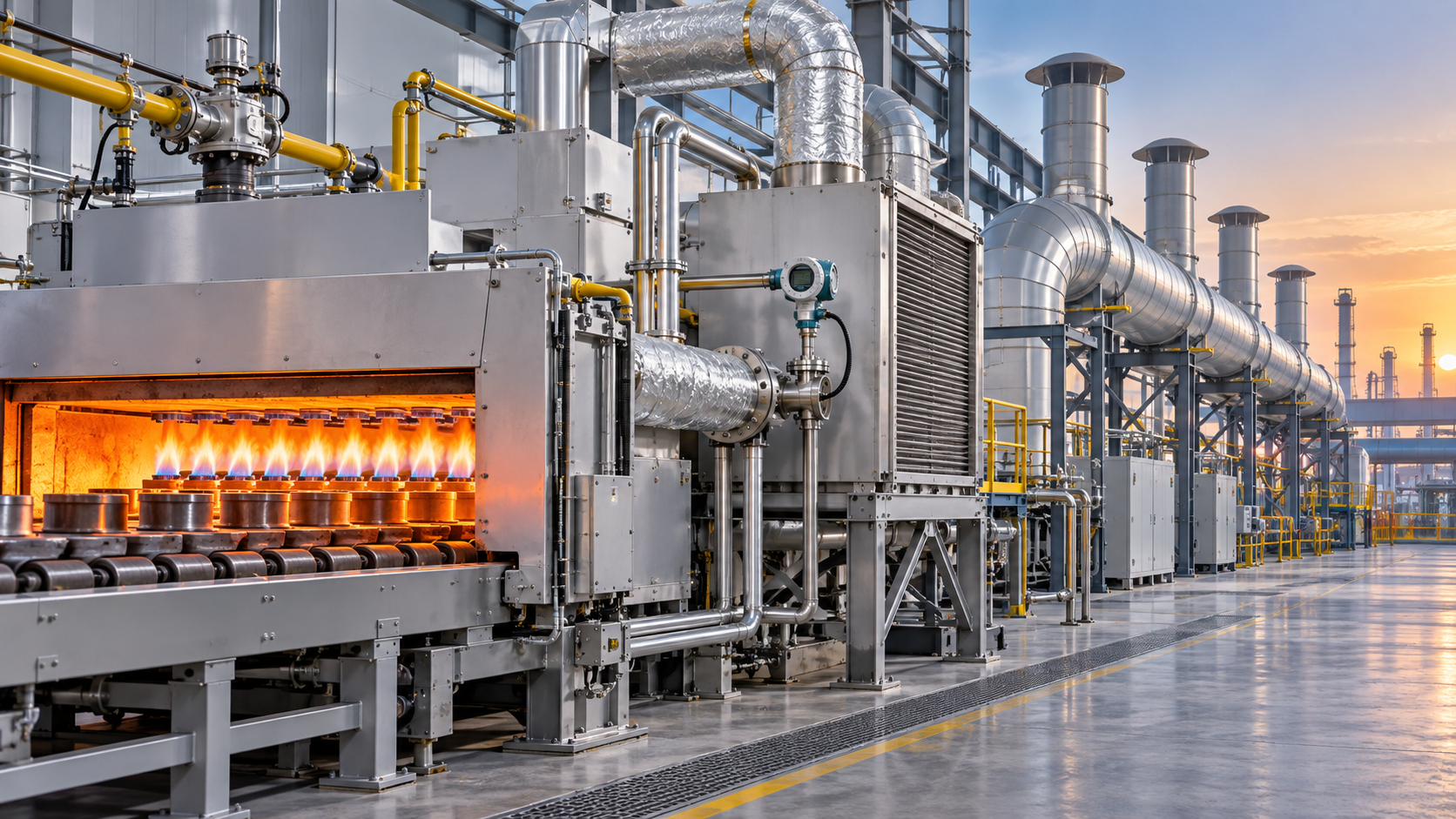
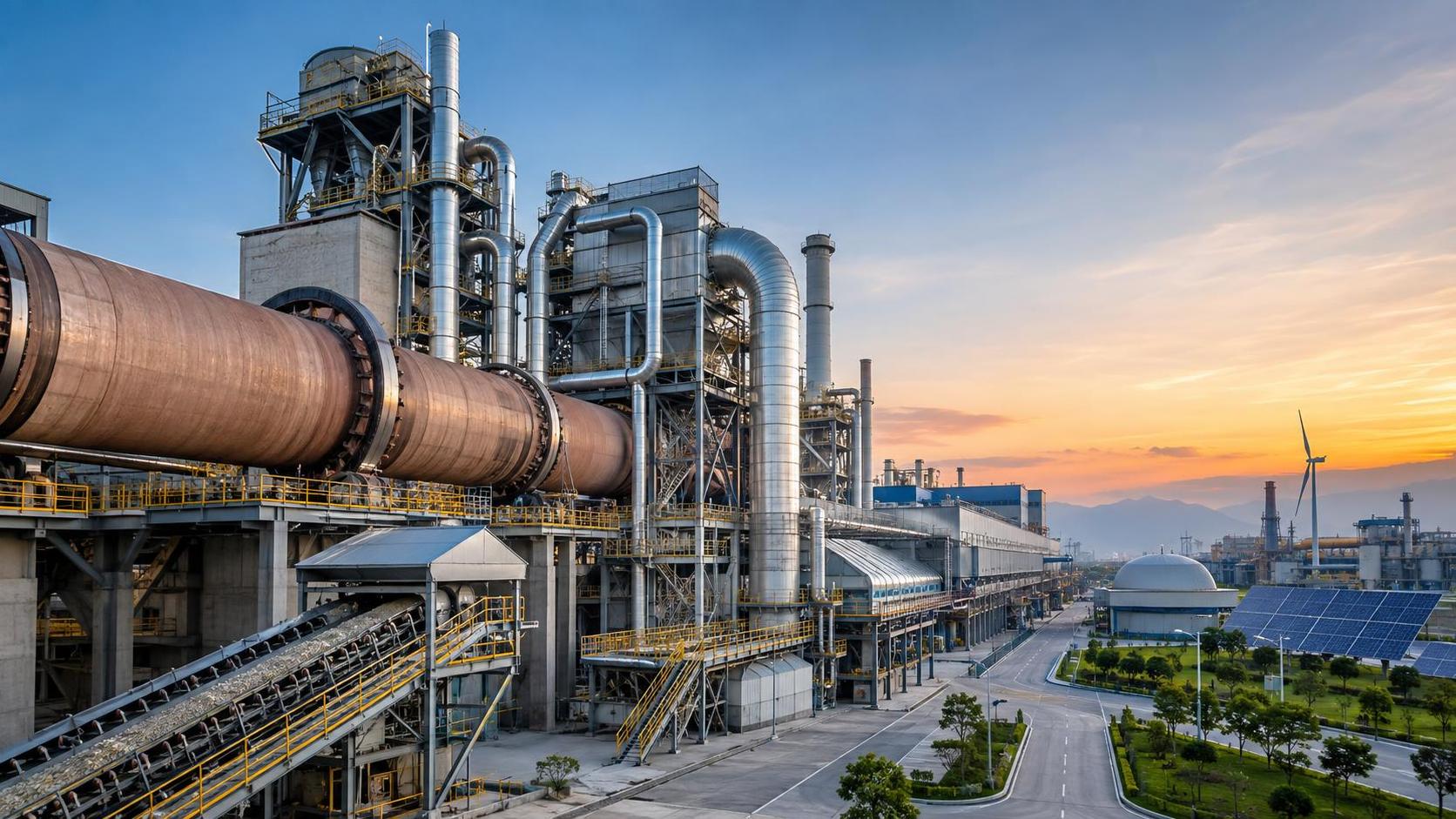
[图片占位符1:高温玻璃熔炉配套余热回收与数字燃烧控制系统示意,展示热流路径、蓄热室和监测界面,alt="glass manufacturing technology efficiency in a glass furnace with heat recovery and combustion control"]
Furnace design improvements are not only for new plants
There is a common misconception that meaningful furnace efficiency gains require a greenfield investment. In reality, many brownfield plants can capture measurable improvements through targeted design modifications during major repair cycles.
Examples may include burner arrangement optimization, insulation improvements, better sealing, redesigned superstructure elements, upgraded regenerators, or geometry changes that support more uniform heat transfer. The right option depends heavily on furnace age, glass type, pull rate, and campaign stage.
This is where procurement decisions become difficult. Vendors may present strong individual technologies, but the plant needs a whole-furnace view. A design change that improves thermal efficiency on paper can still be a poor choice if it creates glass quality risk, constrains operating flexibility, or shortens campaign life.
In other words, efficiency should be purchased as part of production resilience, not as an isolated metric.
Refractories have a bigger cost impact than many budgets reflect
When people discuss energy reduction, they usually focus on burners, sensors, or automation. Refractories get less attention because they do not always look like an “efficiency technology.” That is a mistake.
Worn, infiltrated, or poorly matched refractory materials increase heat loss and can destabilize thermal conditions long before a visible failure occurs. They also raise the likelihood of unplanned repair, local overheating, and campaign disruption. Once that starts, energy consumption per saleable ton usually gets worse fast.
Refractory selection should be tied to the actual chemical and thermal profile of the furnace, not just historical purchasing habits. Lower upfront price can become expensive if the lining loses insulating performance too early or drives higher maintenance frequency.
For teams comparing suppliers, the useful conversation is not “Which brick is cheapest?” but “Which lining package best protects campaign life, heat retention, and repair planning?” Those are very different procurement outcomes.
Cullet, batch quality, and melting behavior are part of the efficiency story
Some plants chase furnace upgrades while overlooking the feed side. Yet melting efficiency is shaped by what enters the furnace as much as by what happens inside it.
Higher cullet ratios can reduce melting energy demand in many situations, but the benefit depends on cullet quality, contamination control, logistics, and end-product requirements. Batch homogeneity also matters. Inconsistent raw material composition or granulometry can force operators to compensate with more aggressive firing, which quietly pushes up energy cost.
This is one reason energy projects underperform. The hardware is upgraded, but the material side remains unstable. The furnace then gets blamed for problems that start earlier in the process.
Before approving a major technology purchase, it is worth checking whether the plant has a disciplined view of cullet management, batch preparation, and feed consistency. If not, some of the cheapest efficiency gains may be upstream.
Digital monitoring helps, but only if it supports decisions
There is a lot of interest in dashboards, sensors, and digital twins across thermal industries. Some of that interest is justified. Some of it is fashion.
The useful test is simple: does the system help your team make a better decision faster? If the answer is yes, it has value. If it only adds screens and reports, it may not.
In furnace operations, digital tools are most effective when they help detect drift early, connect thermal behavior with maintenance risk, and improve coordination between operations, engineering, and management. For example, online monitoring of refractory condition or combustion trends can help plants intervene before losses become expensive.
This is also where intelligence platforms such as CF-Elite can be useful as a reference layer rather than a sales layer. For companies comparing equipment paths, fuel strategies, refractory approaches, or digital monitoring options, a cross-sector intelligence source can help frame the decision around process fit, maintenance reality, and long-cycle return instead of single-vendor claims.
What usually gets overstated in vendor discussions
One of the most common mistakes in furnace investment planning is treating published performance potential as plant-ready savings. Actual results depend on line condition, operator discipline, raw material quality, maintenance response, and integration quality. Even a strong technology package can underdeliver if commissioning is weak or if plant routines do not adapt.
Another issue is payback optimism. Energy savings can be real and still arrive slower than expected if production rates vary, if repairs interrupt the learning curve, or if the plant needs auxiliary upgrades to unlock the full benefit. Any cost model should be stress-tested against realistic operating conditions rather than best-case assumptions.
If a proposal promises large energy savings, ask what assumptions sit underneath that number. Then ask which of those assumptions your plant can actually control.
A practical way to prioritize investments
For most operations, the cleanest path is not “buy the newest technology.” It is to rank opportunities by operational loss, capital intensity, and implementation risk.
- Start with measurable thermal losses: flue losses, excess air, hot spots, unstable pull, or rising specific energy consumption.
- Separate quick-to-medium upgrades from major rebuild decisions.
- Check whether feed quality, cullet practice, or maintenance timing is undermining furnace performance.
- Model savings using conservative assumptions, especially for uptime and utilization.
- Choose suppliers and partners that can explain integration details, not just equipment features.
This approach is less dramatic than a full technology reset, but it is usually more bankable.
The real procurement question
When companies search for glass manufacturing technology efficiency, they are usually not looking for theory. They want to know which investments will cut furnace energy cost without creating quality risk or operational disruption.
The honest answer is that there is no universal best upgrade. A float line, container glass furnace, PV glass line, and specialty glass operation can face very different constraints. Still, the pattern is consistent: the strongest returns usually come from combining better combustion control, smarter heat recovery, sound refractory strategy, and tighter process visibility around the actual losses that matter in your plant.
If you are preparing a capex or retrofit decision, the next step is not to ask for more marketing claims. It is to establish a clear thermal baseline, identify where heat is being lost or overused, and compare upgrade paths against realistic maintenance and production conditions. That is how glass manufacturing technology efficiency becomes a cost reduction strategy instead of a talking point.
FAQ
How quickly can furnace efficiency upgrades pay back?
It depends on fuel prices, production stability, and the type of upgrade. Control and monitoring improvements often pay back faster than major structural rebuilds, but each case needs plant-specific verification.
Is a full furnace replacement necessary to reduce energy costs?
Not always. Many plants can lower energy use through combustion tuning, heat recovery, refractory improvements, and targeted retrofit work during planned maintenance windows.
What is the biggest hidden risk in energy-saving furnace projects?
Overestimating savings while underestimating integration and operating discipline. A good technology package still needs stable raw materials, sound commissioning, and consistent plant routines.
Do digital tools really improve furnace efficiency?
They can, if they help the team detect thermal drift, optimize settings, and act earlier on maintenance issues. Data without operational response has limited value.
图片占位符清单
图片占位符1:建议放在“Regenerative and waste heat recovery systems deserve serious attention”部分之后;内容为玻璃熔炉余热回收与数字燃烧控制示意;alt 文案为 “glass manufacturing technology efficiency in a glass furnace with heat recovery and combustion control”
内链锚文本建议
- glass furnace heat recovery systems: 建议链接到余热回收方案或技术解析页面
- refractory lining performance in glass furnaces: 建议链接到耐火材料或炉衬监测主题页面
- digital combustion control for glass production: 建议链接到燃烧控制或自动化监测页面
- glass furnace retrofit planning: 建议链接到改造方案或设备升级指南页面
- cullet ratio and melting efficiency: 建议链接到配料与熔化效率相关页面
外部权威来源建议
- 行业协会报告:玻璃制造能效、熔炉技术和减排路径相关资料
- 政府监管机构页面:工业能效、排放合规和燃烧系统安全要求
- 品牌官方技术文档或学术机构研究资料:燃烧控制、余热回收、耐火材料寿命与热工表现
Related News
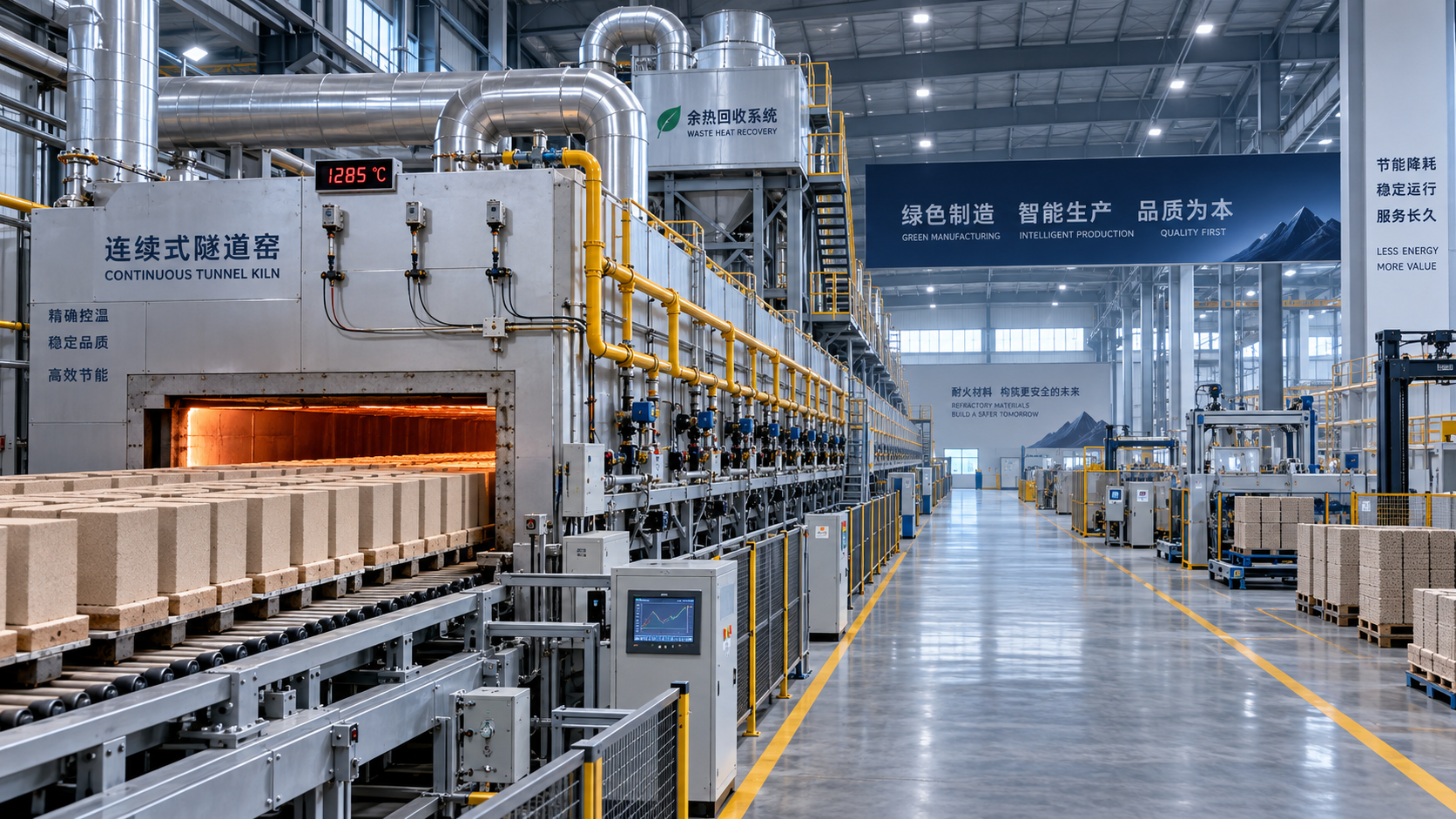
 Material Heat-Resist ExpertHow to Evaluate Refractory Production Lines for Output, Quality, and Energy UseRefractory production lines: learn how to assess qualified output, consistent quality, and total energy use for smarter, lower-risk investment decisions.Sep 25, 2026
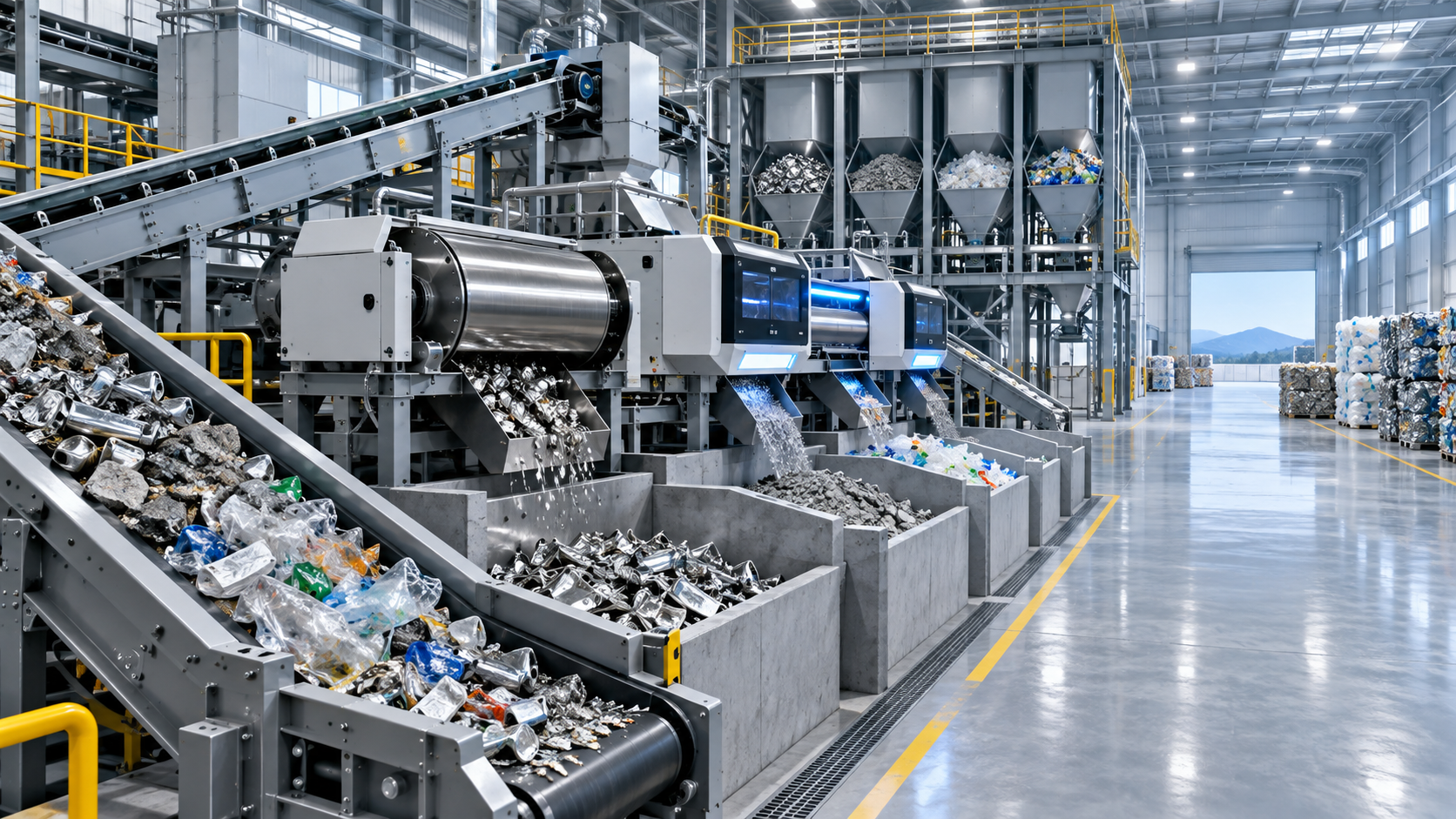
 Dr. Alistair VaughnHow Waste Recycling Technology Improves Material Recovery in Industrial PlantsWaste recycling technology improves material recovery through source segregation, smart separation, thermal treatment, and quality control for industrial plants.Sep 24, 2026
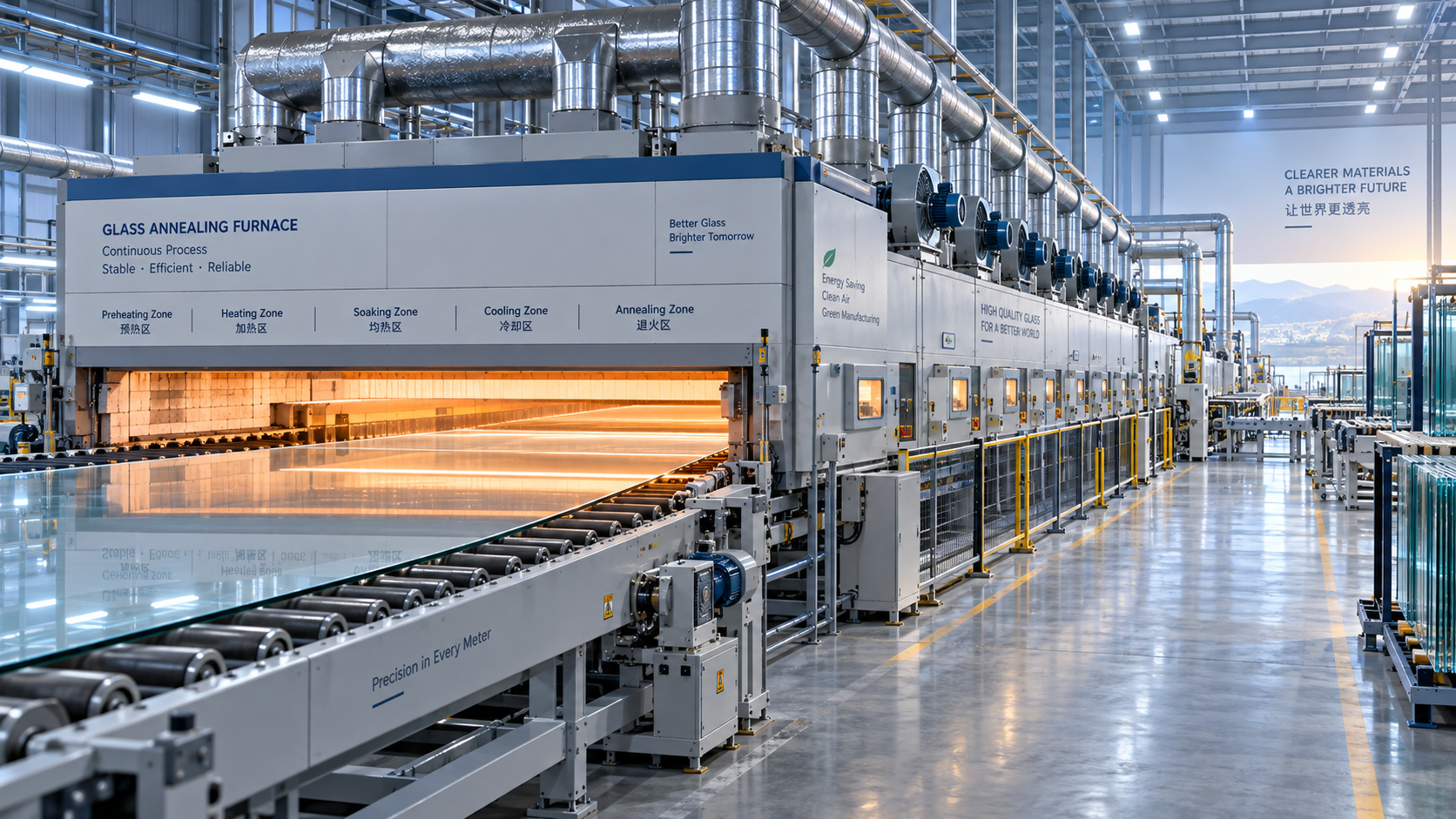
 Optical Glass Tech FellowHow to Specify Glass Annealing Equipment for European Quality and Energy RequirementsGlass annealing equipment Europe: learn how to specify lehrs for consistent glass quality, energy efficiency, compliance, automation, and reliable long-term performance.Sep 23, 2026
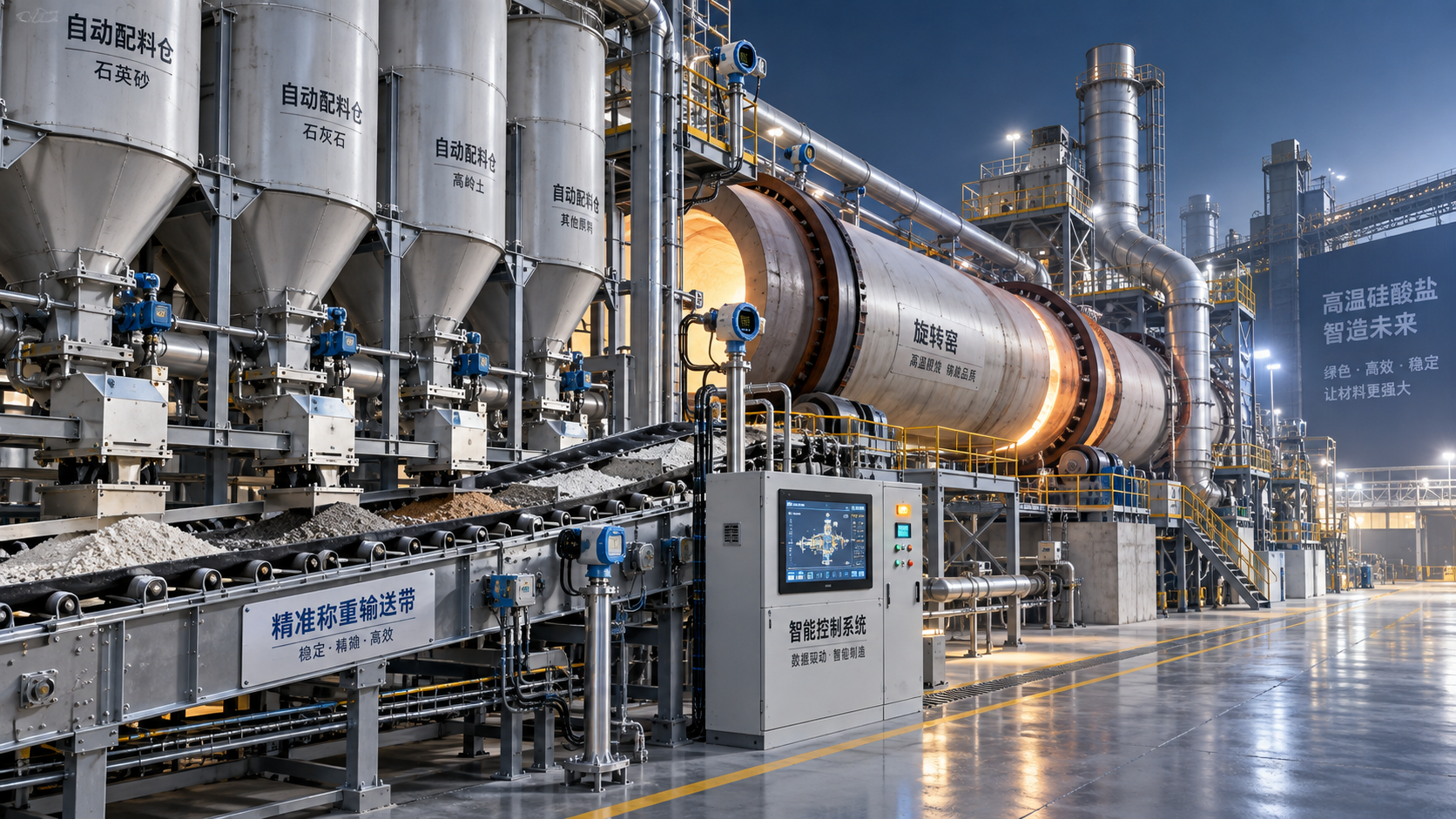
 Optical Glass Tech FellowSilicate Process Automation: Improving Batch Consistency and Energy ControlSilicate process automation improves batch consistency, energy control, traceability, and operator confidence across high-temperature manufacturing operations.Sep 22, 2026
 Optical Glass Tech FellowHow Silicate Industrial Processes Control Viscosity, Energy Use, and Product QualitySilicate industrial processes: learn how viscosity, chemistry, heat transfer, and atmosphere control reduce energy use, improve stability, and protect product quality.Sep 21, 2026
 Thermal Energy ArchitectHow European Plants Can Evaluate Energy Recovery Equipment for High-Temperature ProcessesIndustrial energy recovery equipment Europe: learn how high-temperature plants can assess waste-heat sources, integration risks, lifecycle value, and reliable recovery routes.Sep 20, 2026
 Thermal Energy ArchitectIndustrial Furnace Process Optimization: Reducing Fuel Use Without Sacrificing ThroughputIndustrial process optimization furnace strategies that cut fuel use while protecting throughput. Explore combustion control, heat recovery, refractory performance, and data-driven efficiency gains.Sep 19, 2026
 Ms. Elena RodriguezWhat Drives High-Pressure Extrusion Equipment Cost in Industrial Projects?High pressure extrusion equipment cost explained: compare pressure, die design, automation, wear, energy, and installation factors for smarter industrial investments.Sep 18, 2026
 Thermal Energy ArchitectHow to Size a Waste Heat Recovery Exchanger for High-Temperature Kiln Exhaust?Waste heat recovery exchanger sizing for high-temperature kiln exhaust: balance recoverable duty, fouling, corrosion limits, pressure drop, and reliable heat use.Sep 17, 2026
 Thermal Energy ArchitectWhy Heat-Resistant Materials Lose Abrasion Resistance at High TemperaturesHeat-resistant materials abrasion resistance can decline at high temperatures. Discover the thermal, chemical, and mechanical causes of wear—and how to choose longer-lasting linings.Sep 16, 2026
 Thermal Energy ArchitectHow to Evaluate a Thermal Energy Optimization Company for High-Temperature PlantsChoose a thermal energy optimization company with proven process expertise, measurable savings, and reliable delivery for high-temperature plants. Learn what to assess.Sep 15, 2026
 Thermal Energy ArchitectRotary Kiln Efficiency: How Feed Rate, Fuel Use, and Heat Loss Affect OutputRotary kiln efficiency explained: discover how feed rate, fuel use, heat loss, combustion, and cooling performance shape output, quality, and energy costs.Sep 14, 2026
 Thermal Energy ArchitectHow to Select Heat-Resistant Materials That Maintain Abrasion Resistance in KilnsHeat-resistant materials abrasion resistance: learn how to select kiln linings that withstand heat, wear, thermal cycling, and chemical attack for longer service life.Sep 13, 2026
 Thermal Energy ArchitectHow Rotary Kiln Automation Improves Temperature Control and Fuel EfficiencyRotary kiln technology automation enhances temperature control, stabilizes combustion, and improves fuel efficiency with smarter data, predictive control, and safer operations.Sep 12, 2026
 Silicate Process EngineerCement Plant Emission Control: Selecting Systems for Dust, NOx, and SO2 LimitsCement plant emission control guide: compare dust collectors, NOx reduction, and SO2 systems for reliable compliance across kiln modes, fuel changes, and operating upsets.Sep 11, 2026
 Thermal Energy ArchitectSelecting Abrasion-Resistant High-Temperature Materials for Kiln and Conveyor Wear ZonesHigh-temp material engineering guide to abrasion-resistant kiln and conveyor solutions—match wear, heat, chemistry, and installation design for longer service life.Sep 10, 2026
 Dr. Alistair VaughnIndustrial Process Engineering: How to Map Processes for Safer, More Efficient PlantsIndustrial process engineering reveals bottlenecks, safety risks, and energy losses through practical process mapping for safer, more efficient plants.Sep 09, 2026
 Optical Glass Tech FellowHow to Evaluate a Glass Annealing Equipment Manufacturer for Production StabilityChoose a glass annealing equipment manufacturer with proven thermal uniformity, reliable controls, lifecycle value, and responsive service for stable production.Sep 08, 2026
 Prof. Marcus ChenThermal Energy Architecture in North America: Strategies for Lower Building Energy UseThermal energy architecture North America helps project leaders cut building energy use through stronger envelopes, right-sized HVAC, storage, and smart commissioning.Sep 07, 2026
 Ms. Elena RodriguezHow Should Buyers Evaluate Building Material Industry Intelligence Pricing?Building material industry intelligence pricing: learn how to compare coverage, technical depth, and ROI to choose intelligence that reduces procurement risk.Sep 07, 2026



Related News
- 00
0000-00
How to Specify Glass Annealing Equipment for European Quality and Energy Requirements - 00
0000-00
Silicate Process Automation: Improving Batch Consistency and Energy Control - 00
0000-00
How Silicate Industrial Processes Control Viscosity, Energy Use, and Product Quality - 00
0000-00
How to Evaluate a Glass Annealing Equipment Manufacturer for Production Stability - 00
0000-00
European Glass Melting Processes: Furnace Choices, Energy Use, and Quality Control
Weekly Insights
Stay ahead with our curated technology reports delivered every Monday.