
How to Evaluate a Glass Manufacturing Technology Supplier for Yield, Energy Use, and Line Stability




Start with the line objective, not the supplier brochure
When a technical team evaluates a glass manufacturing technology supplier, the wrong comparison usually starts too early. People line up furnace dimensions, burner layouts, control screens, and utility promises before they have pinned down what the line actually needs to do. That is how weak decisions get dressed up as technical selection.
For yield, energy use, and line stability, the useful question is simpler: can this supplier support your product mix, raw material condition, quality target, and operating rhythm without turning the plant into a permanent tuning exercise? A float line, container glass furnace, PV glass line, and specialty thin-glass setup may all talk about efficiency, but the acceptable trade-offs are not the same. Before comparing vendors, write down the items that affect the conclusion:
- Glass type and thickness range
- Target pull rate or throughput window
- Expected cullet ratio and raw material variability
- Fuel strategy and utility constraints
- Product quality rejection modes that hurt profit most
- Planned campaign length and maintenance philosophy
If a supplier cannot tie its proposal back to those operating conditions, the discussion is still at sales level.
Check whether the process design is robust, not just efficient on paper
A lot of yield losses are designed in long before startup. On paper, many systems can hit nominal production rates. The harder test is what happens when batch chemistry drifts, cullet quality changes, ambient conditions swing, or operators push output during a busy order cycle.
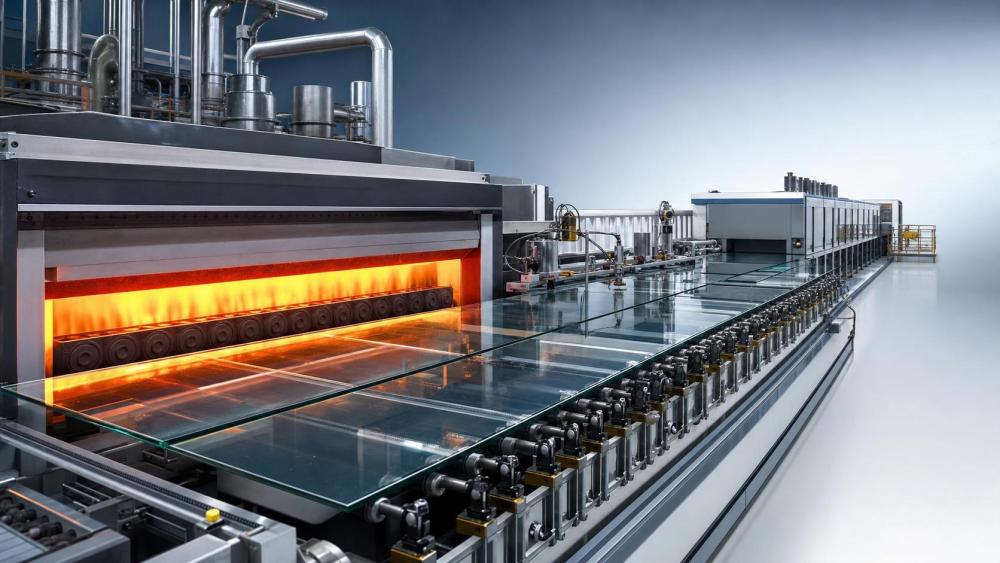
Ask the supplier to walk through the full thermal and material path: batch charging, melting, fining, conditioning, forming feed stability, annealing logic, and reject handling. You are not looking for a lecture. You are looking for signs that the process window is wide enough for real factory life.
Useful evaluation points include:
- How sensitive is the design to changes in cullet percentage or moisture?
- What operating variables are most critical to defect control?
- Where does the supplier expect the bottleneck to move when output rises?
- What is the recovery path after an upset, not just the normal-state target?
Suppliers with real process depth usually answer in cause-and-effect terms. Weak ones stay abstract and keep returning to nameplate capacity.
Interrogate yield through defect mechanisms
“High yield” is too vague to be useful. For technical evaluation, break yield into the defects that actually destroy saleable output: seeds, stones, cords, bubbles, thickness variation, edge damage, optical distortion, thermal breakage, coating-related scrap if downstream integration matters, and losses during changeover or stabilization.
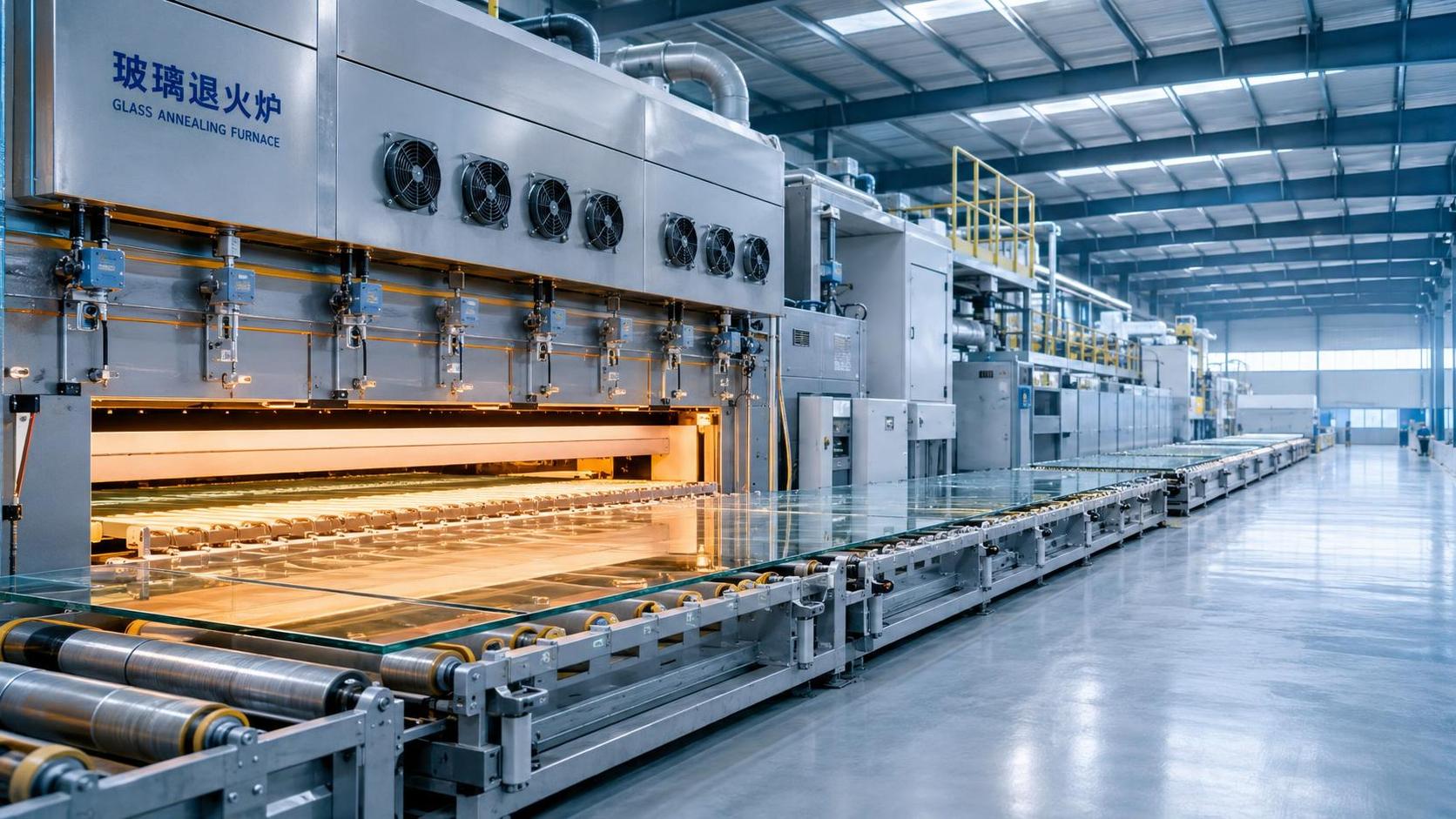
Then ask each glass manufacturing technology supplier where in its design those losses are controlled. This quickly separates process engineering from presentation. If a vendor claims strong yield but cannot explain how its melting zone supports fining, how temperature uniformity is maintained, or how annealing stability protects downstream quality, you have learned something important.
One common mistake is accepting aggregate yield claims without defining the boundary. Does the supplier mean hot-end output, cold-end accepted product, or saleable packs after inspection? Those are not interchangeable. Ask for the exact production stage used in any performance discussion and compare all proposals on the same basis.
Treat energy numbers as a system question
Energy evaluation gets distorted when buyers focus only on the furnace body or a single headline consumption figure. In real operation, energy performance depends on raw material preparation, combustion design, insulation strategy, waste heat handling, control response, pull stability, and the amount of off-spec glass generated during disturbances.
A practical review should ask the supplier to map where energy is used and where it is lost. That does not require secret formulas. It requires transparency on major contributors. Look for a structured answer covering:
Also check the unit basis. Energy per ton means little if suppliers assume different product thicknesses, cullet rates, line loads, or quality acceptance thresholds.
Do not separate line stability from automation quality
Some buyers still treat automation as a secondary layer added after the “real” process equipment. In modern glass production, that is a mistake. Line stability depends heavily on how the control logic handles temperature coordination, pressure balance, alarm prioritization, interlocks, trend visibility, and mode changes during startup, ramping, or upset recovery.
A polished HMI proves almost nothing. Ask for the control philosophy in operator terms. What variables are closed-loop? Which ones require manual correction? What happens when a sensor drifts or a utility fluctuation hits the line? Can the system show the sequence behind a disturbance, or does it leave the team hunting through alarms after the fact?
The best suppliers usually have a strong view on historian structure, parameter access control, and startup recipe management. They know that stable lines are built by repeatability, not hero operators.
Look hard at refractory life, maintenance access, and spare strategy
A supplier can look excellent during procurement and still become expensive through avoidable maintenance pain. For long-cycle, high-temperature assets, maintenance design is part of technical performance.
Review three things in one conversation: expected wear zones, inspection access, and the replacement logic for critical items. You want to know where the supplier expects degradation first, how that condition is detected, and whether the plant can intervene before quality or safety is hit.
- Are burner, sensor, and cooling-system access points practical during live operations?
- Can critical components be replaced without turning a short stop into a long outage?
- Does the spare parts list reflect actual risk ranking, or is it just a catalog export?
This is where technical evaluators catch a frequent problem: suppliers optimize installed scope price while quietly shifting lifecycle burden to the plant.
Check how the supplier handles operating variability
Most lines do not run under textbook conditions for long. Fuel quality changes. Batch composition moves. Teams change by shift. Utilities are less stable than the tender assumed. A credible supplier should be able to describe the control margin and operating discipline needed to stay within quality limits.
This matters even more if your project has one or more of these conditions: high cullet usage, mixed product schedule, aggressive energy targets, constrained utility infrastructure, or limited availability of experienced startup personnel. In those cases, a slightly more conservative process design may produce better commercial results than an aggressive design with tighter operating tolerance.
Use document review to test engineering maturity
A supplier’s real quality shows up in documents long before commissioning. Ask for sample deliverables that reflect how the company engineers and supports a line: P&IDs, instrument lists, control narratives, maintenance schedules, utility balance summaries, training plans, and acceptance test logic. You are not collecting paperwork for its own sake. You are checking whether the engineering is coherent across disciplines.
Watch for disconnects. If the process promise depends on tight control, but the instrumentation plan is thin, that is a warning. If energy performance is a headline selling point, but the utility balance is vague, that is another warning. Mature suppliers usually make it easy to trace claims back to design choices.
Compare suppliers with a weighted decision sheet, but keep the scoring honest
A scoring matrix helps, but only if it reflects operating risk rather than procurement convenience. Put more weight on factors that affect long-term stability and recoverability. A line that is slightly more expensive up front may still be the better choice if it is easier to stabilize, maintain, and tune across product changes.
A useful shortlist usually includes these decision buckets: process robustness, defect-control logic, energy architecture, automation depth, maintenance practicality, engineering documentation quality, and startup support. Price belongs in the model, but it should not be allowed to flatten technical differences that will become expensive later.
What to do before final selection
Before you close the evaluation, run one final pass in the order that mirrors real project risk. First, confirm that the proposed process can hold quality across your actual operating envelope. Then test whether the energy claims still make sense once production variability and reject loss are included. After that, challenge the control and maintenance approach, because unstable automation and poor serviceability erase good design faster than most teams expect.
The best choice is rarely the supplier with the most ambitious headline. It is the one that can explain, in operational detail, how the line stays productive when conditions are less than perfect. That is usually the difference between a glass project that reaches steady economics and one that keeps chasing them.
Related News
 Ms. Elena RodriguezWhat Drives High-Pressure Extrusion Equipment Cost in Industrial Projects?High pressure extrusion equipment cost explained: compare pressure, die design, automation, wear, energy, and installation factors for smarter industrial investments.Sep 18, 2026
 Thermal Energy ArchitectHow to Size a Waste Heat Recovery Exchanger for High-Temperature Kiln Exhaust?Waste heat recovery exchanger sizing for high-temperature kiln exhaust: balance recoverable duty, fouling, corrosion limits, pressure drop, and reliable heat use.Sep 17, 2026
 Thermal Energy ArchitectWhy Heat-Resistant Materials Lose Abrasion Resistance at High TemperaturesHeat-resistant materials abrasion resistance can decline at high temperatures. Discover the thermal, chemical, and mechanical causes of wear—and how to choose longer-lasting linings.Sep 16, 2026
 Thermal Energy ArchitectHow to Evaluate a Thermal Energy Optimization Company for High-Temperature PlantsChoose a thermal energy optimization company with proven process expertise, measurable savings, and reliable delivery for high-temperature plants. Learn what to assess.Sep 15, 2026
 Thermal Energy ArchitectRotary Kiln Efficiency: How Feed Rate, Fuel Use, and Heat Loss Affect OutputRotary kiln efficiency explained: discover how feed rate, fuel use, heat loss, combustion, and cooling performance shape output, quality, and energy costs.Sep 14, 2026
 Thermal Energy ArchitectHow to Select Heat-Resistant Materials That Maintain Abrasion Resistance in KilnsHeat-resistant materials abrasion resistance: learn how to select kiln linings that withstand heat, wear, thermal cycling, and chemical attack for longer service life.Sep 13, 2026
 Thermal Energy ArchitectHow Rotary Kiln Automation Improves Temperature Control and Fuel EfficiencyRotary kiln technology automation enhances temperature control, stabilizes combustion, and improves fuel efficiency with smarter data, predictive control, and safer operations.Sep 12, 2026
 Silicate Process EngineerCement Plant Emission Control: Selecting Systems for Dust, NOx, and SO2 LimitsCement plant emission control guide: compare dust collectors, NOx reduction, and SO2 systems for reliable compliance across kiln modes, fuel changes, and operating upsets.Sep 11, 2026
 Thermal Energy ArchitectSelecting Abrasion-Resistant High-Temperature Materials for Kiln and Conveyor Wear ZonesHigh-temp material engineering guide to abrasion-resistant kiln and conveyor solutions—match wear, heat, chemistry, and installation design for longer service life.Sep 10, 2026
 Dr. Alistair VaughnIndustrial Process Engineering: How to Map Processes for Safer, More Efficient PlantsIndustrial process engineering reveals bottlenecks, safety risks, and energy losses through practical process mapping for safer, more efficient plants.Sep 09, 2026
 Optical Glass Tech FellowHow to Evaluate a Glass Annealing Equipment Manufacturer for Production StabilityChoose a glass annealing equipment manufacturer with proven thermal uniformity, reliable controls, lifecycle value, and responsive service for stable production.Sep 08, 2026
 Prof. Marcus ChenThermal Energy Architecture in North America: Strategies for Lower Building Energy UseThermal energy architecture North America helps project leaders cut building energy use through stronger envelopes, right-sized HVAC, storage, and smart commissioning.Sep 07, 2026
 Ms. Elena RodriguezHow Should Buyers Evaluate Building Material Industry Intelligence Pricing?Building material industry intelligence pricing: learn how to compare coverage, technical depth, and ROI to choose intelligence that reduces procurement risk.Sep 07, 2026
 Ms. Elena RodriguezHow to Use Building Material Intelligence Data for Market and Investment DecisionsBuilding material industry intelligence data helps leaders evaluate demand, costs, regulation, capacity, and technology to make smarter market and investment decisions.Sep 05, 2026
 Thermal Energy ArchitectHow PLC Control Improves Energy Efficiency and Temperature Stability in KilnsEnergy efficient kilns PLC control improves temperature stability, cuts fuel waste, and optimizes combustion, draft, and material flow. Explore proven strategies for smarter kiln modernization.Sep 04, 2026
 Optical Glass Tech FellowEuropean Glass Melting Processes: Furnace Choices, Energy Use, and Quality ControlGlass melting process Europe: explore furnace choices, energy efficiency, cullet strategy, and quality control to improve output, compliance, and long-term glass performance.Sep 03, 2026
 Thermal Energy ArchitectWhat Determines Refractory Lining Monitoring Price for Industrial Kilns?Refractory lining monitoring price depends on kiln size, sensor technology, installation, software, and support. Compare total lifecycle costs and choose the right solution.Sep 02, 2026
 Silicate Process EngineerCement Production System Costs: A Plant Buyer’s Guide to Budgeting and ROICement production systems cost planning made clear: compare CAPEX, operating costs, compliance, and ROI to build a resilient, profitable cement plant investment.Sep 01, 2026
 Dr. Alistair VaughnWhat Should a Process Technology Database Track for High-Temperature Plants?Process technology database essentials for high-temperature plants: track thermal profiles, feed chemistry, refractory wear, emissions, energy, and maintenance for safer, data-driven decisions.Aug 31, 2026
 Ms. Elena RodriguezHow to Evaluate a Silicate Processing Equipment Manufacturer for Plant ProjectsSilicate processing equipment manufacturer selection: assess process fit, guarantees, energy, compliance, delivery risk, and lifecycle support for dependable plant performance.Aug 30, 2026




Related News
- 00
0000-00
How to Evaluate a Glass Annealing Equipment Manufacturer for Production Stability - 00
0000-00
European Glass Melting Processes: Furnace Choices, Energy Use, and Quality Control - 00
0000-00
How Glass Melting Furnace Design Impacts Energy Use and Glass Quality - 00
0000-00
How Can Glass Manufacturing Technology Improve Furnace Efficiency and Cut Energy Costs? - 00
0000-00
How to Evaluate Continuous Glass Annealing Equipment for Stable Throughput?
Weekly Insights
Stay ahead with our curated technology reports delivered every Monday.