
Glass Plant Process Solutions for Reducing Defects, Energy Loss, and Line Downtime




Glass Plant Process Solutions for Reducing Defects, Energy Loss, and Line Downtime
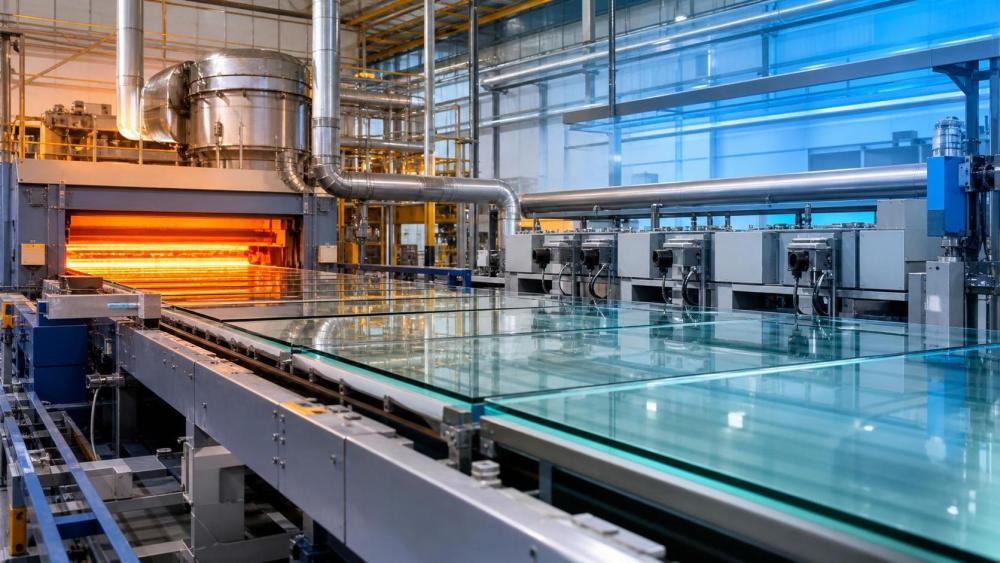
For project teams, glass plant process solutions have moved from improvement projects to operating essentials.
They now shape product quality, thermal efficiency, maintenance planning, and production reliability at the same time.
When defects rise, energy use drifts, and downtime becomes frequent, the root cause is rarely one isolated machine.
More often, the problem sits across the full process chain, from batch handling to melting, forming, annealing, and inspection.
That is why effective glass plant process solutions focus on process stability before they focus on hardware replacement.
In practical terms, this means connecting furnace behavior, combustion balance, line speed, heat recovery, and defect data.
The strongest plants treat these signals as one system, not as separate departments with separate targets.
From recent industry shifts, the clearer signal is that energy and quality can no longer be managed independently.
A line that saves fuel but creates rejects does not really improve cost performance.
Likewise, a line that protects quality through oversized thermal margins often hides major energy loss.
The better route is a balanced process strategy built around measurable operating windows.
Where Defects, Energy Loss, and Downtime Usually Begin
Most glass defects do not start at final inspection.
They usually begin earlier, where process variation is still small enough to overlook.
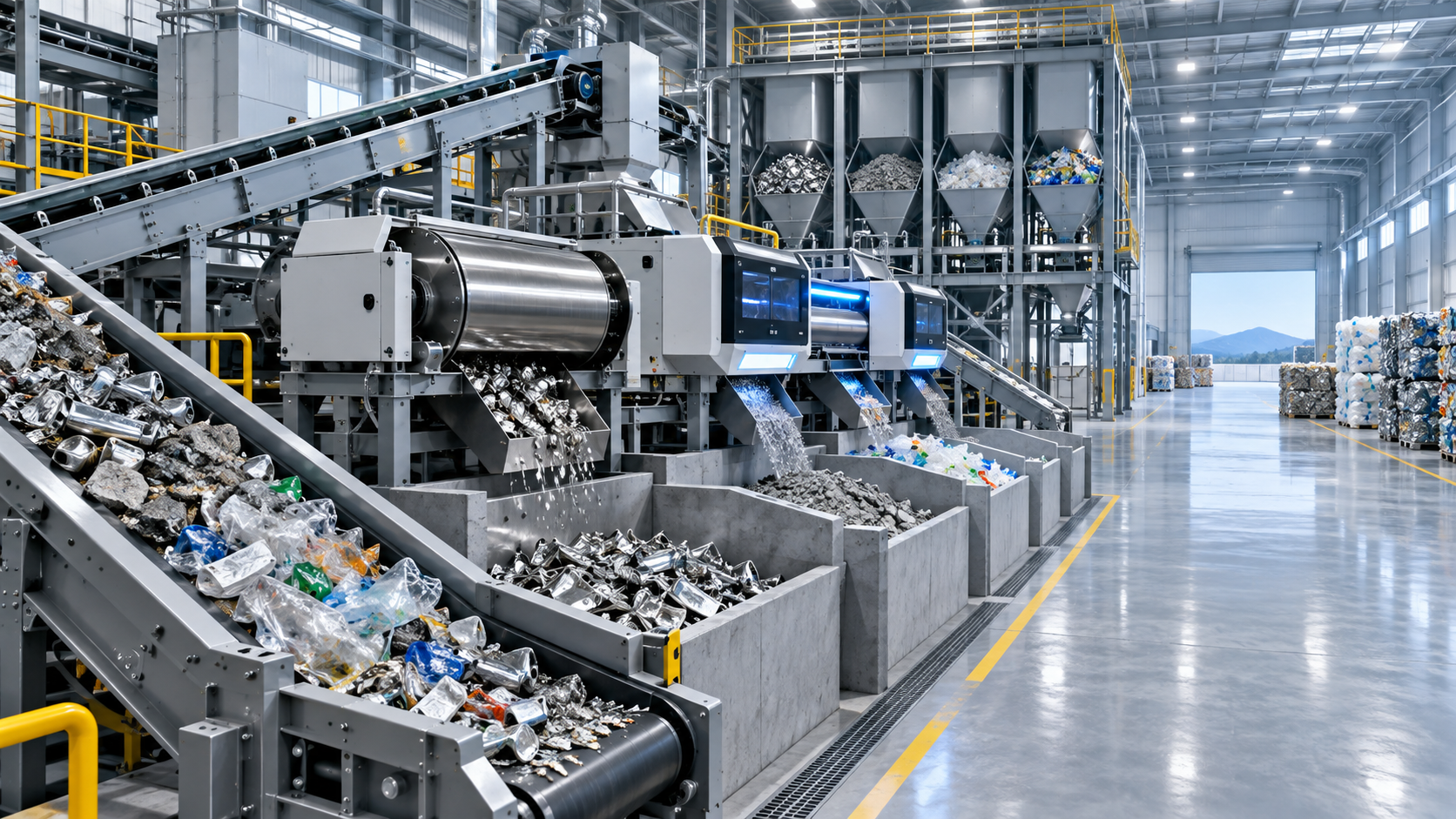
Typical sources include unstable batch moisture, raw material inconsistency, poor cullet control, and uneven furnace pull.
These conditions change melting behavior, bubble release, viscosity, and temperature distribution inside the furnace.
Once that happens, downstream equipment starts compensating, and hidden inefficiency builds quickly.
One common pattern is overfiring to protect throughput during unstable feed conditions.
That may hold output briefly, but it raises fuel use, stresses refractories, and shortens campaign life.
Another pattern appears in the annealing zone.
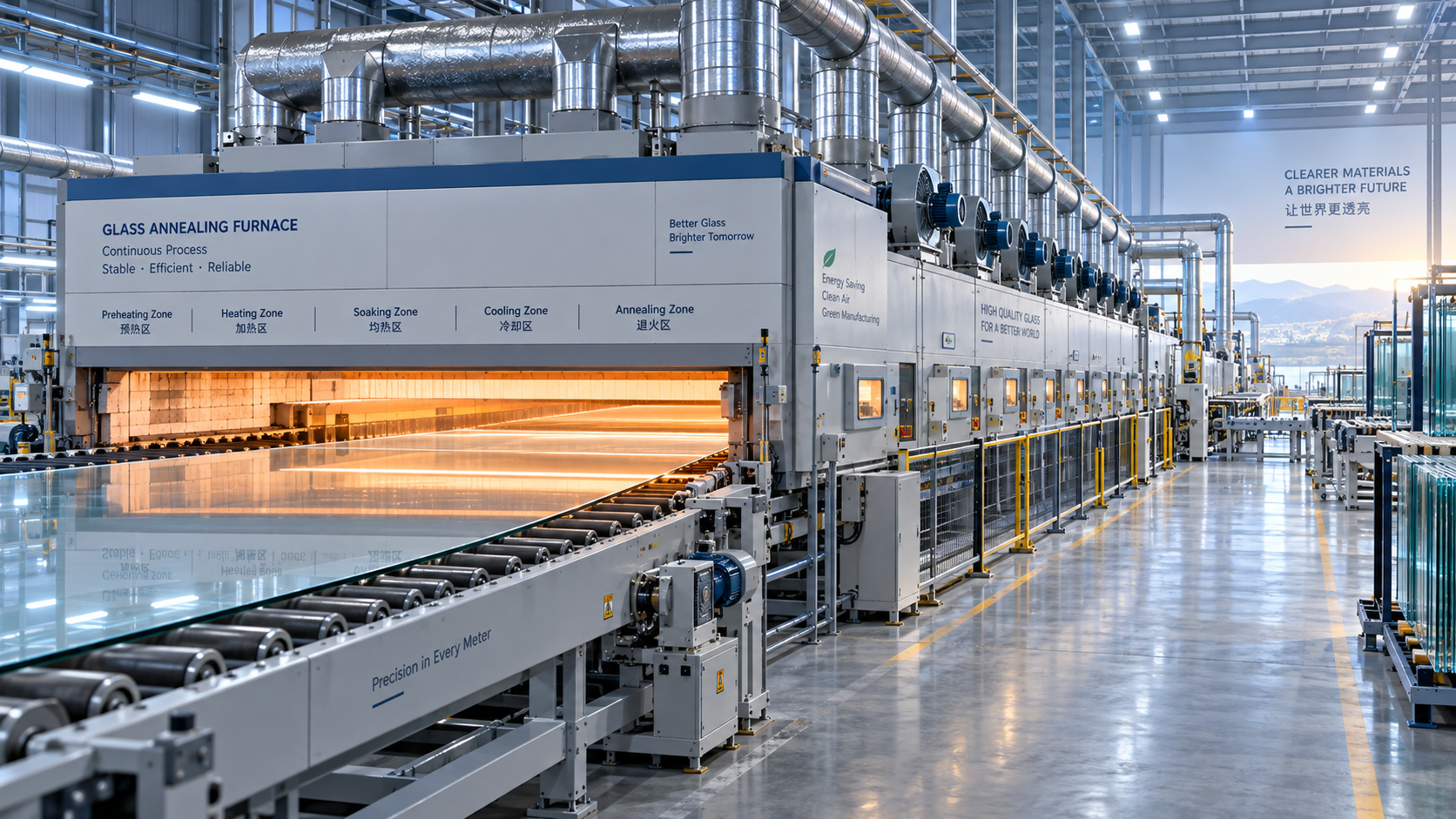
If temperature profiles are poorly matched to thickness and line speed, residual stress increases and breakage follows.
In both cases, the answer is not just more maintenance.
It is better process visibility and tighter operating discipline.
- Seed, bubble, and cord defects often point to melting instability.
- Scratches and shape variation may indicate forming imbalance or handling misalignment.
- Unexpected thermal consumption often signals combustion drift or weak insulation performance.
- Recurring stops usually reflect process mismatch rather than a single equipment fault.
Core Glass Plant Process Solutions That Deliver Measurable Results
The most effective glass plant process solutions combine control logic, equipment tuning, and operating routines.
They are not limited to one vendor package or one automation layer.
Instead, they create a stable process window that operators can hold every day.
1. Furnace and Combustion Optimization
A stable furnace remains the center of all glass plant process solutions.
Teams should track crown temperature, regenerator behavior, fuel to air ratio, and pull rate together.
This helps reduce overfiring, limit hot spots, and protect glass homogeneity.
2. Batch and Cullet Control
Consistent raw material preparation has a larger effect than many plants expect.
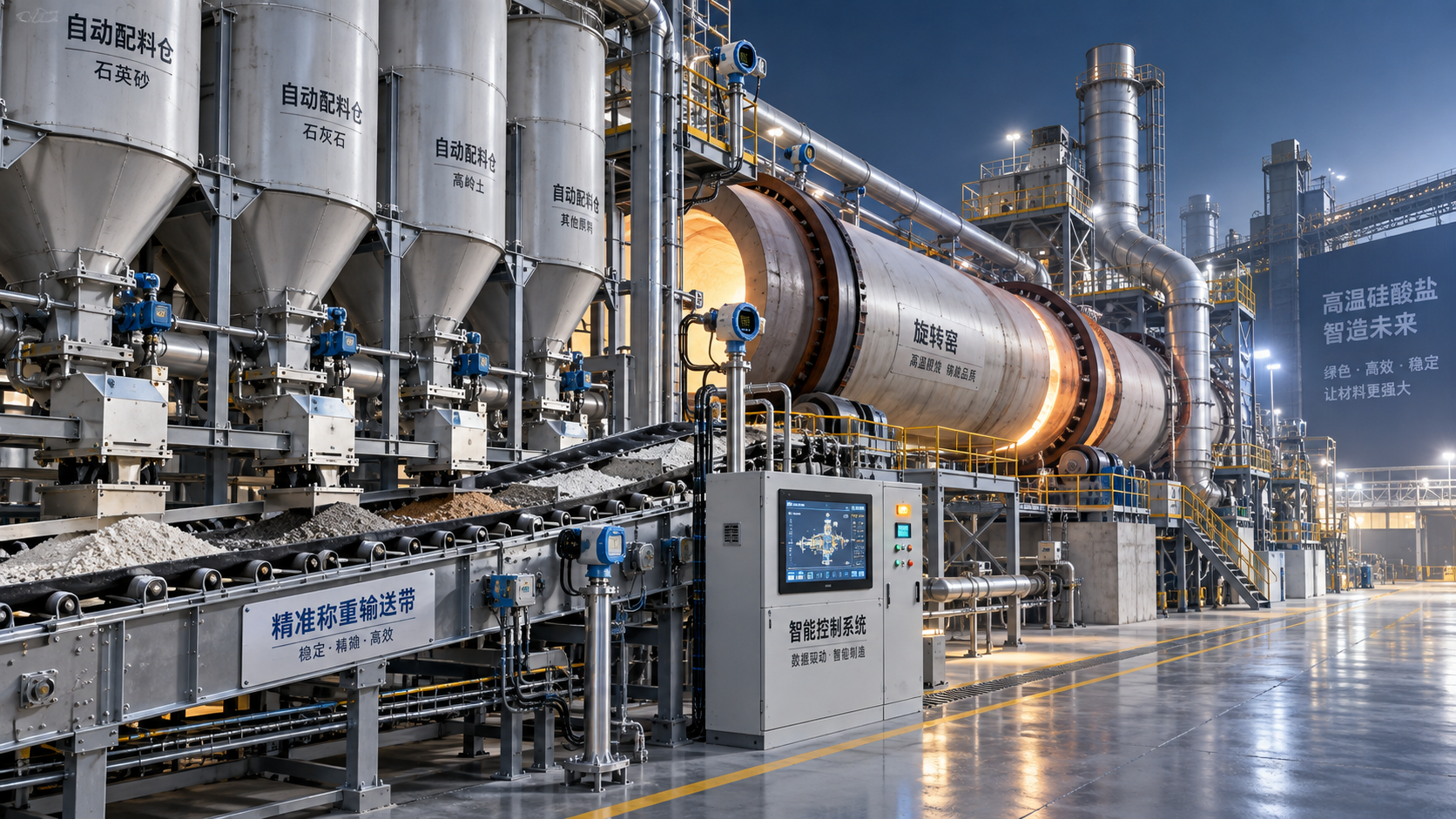
Improving moisture control, particle distribution, and cullet ratio can lower melt variability and energy demand.
3. Forming and Annealing Coordination
Glass plant process solutions also need tight coordination between forming conditions and lehr settings.
That is where many quality escapes can be prevented before they become scrap.
4. Heat Recovery and Insulation Upgrades
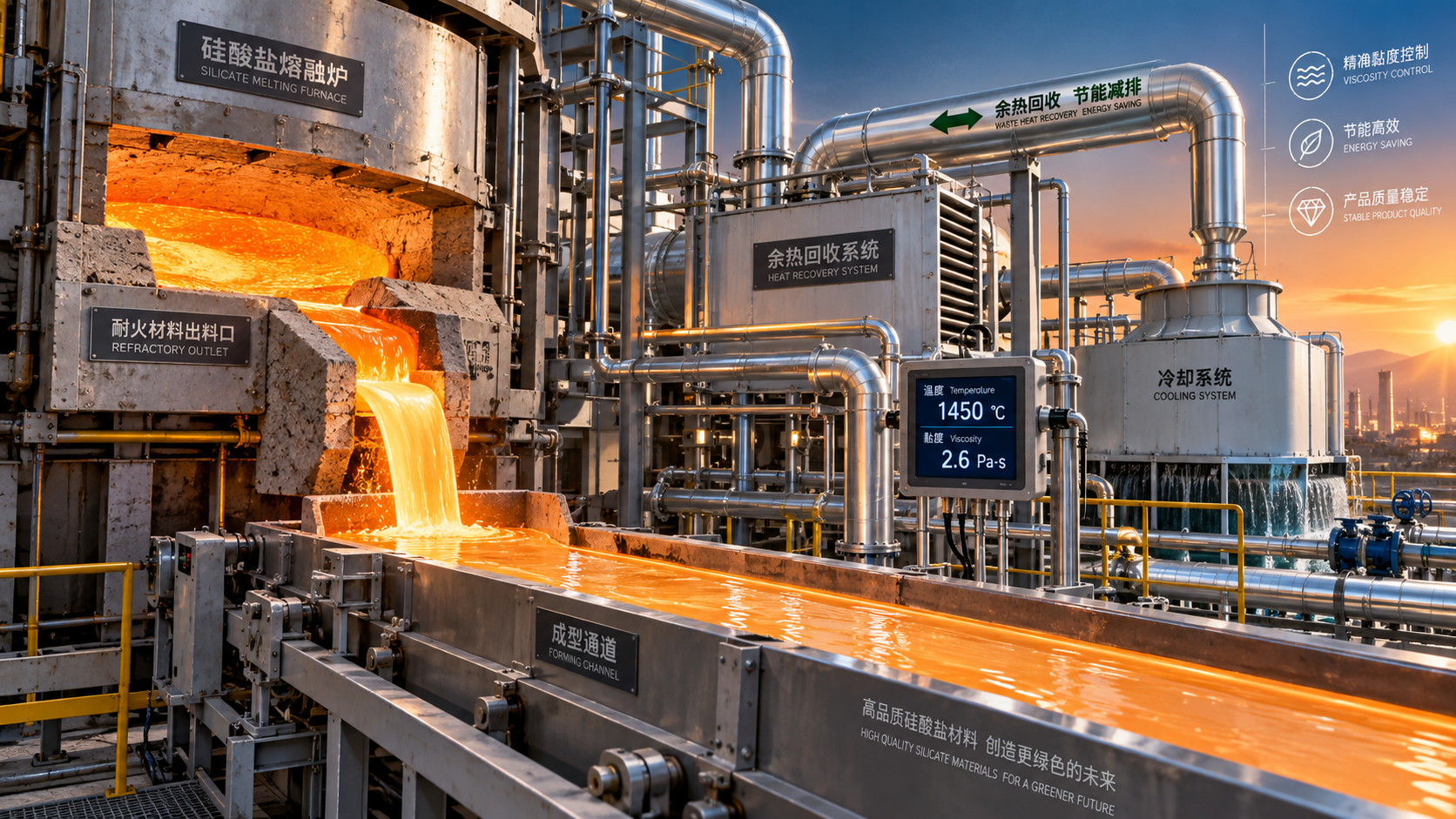
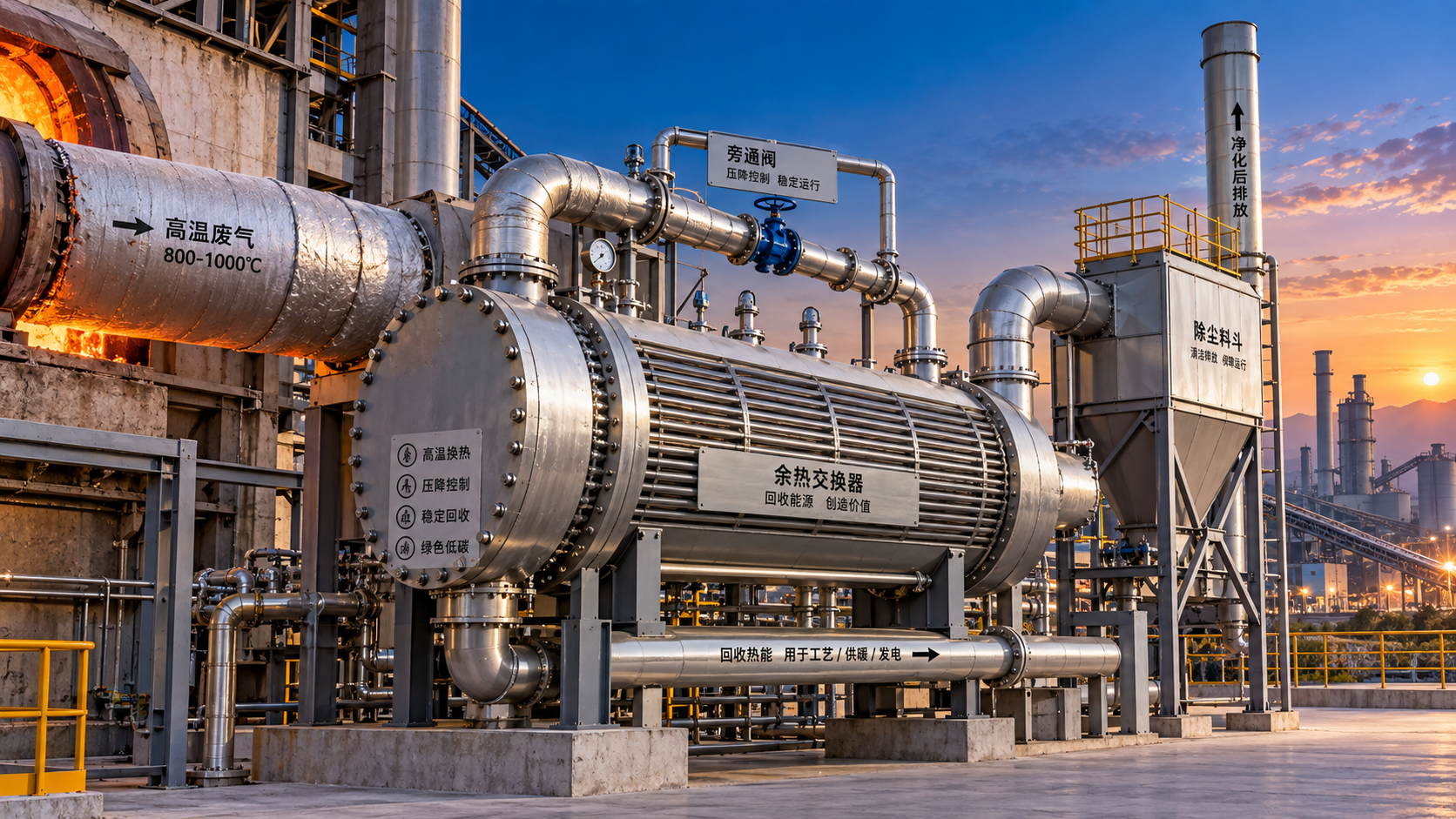
Energy loss often comes from familiar areas: flue gas, poor sealing, damaged refractory zones, and unbalanced heat loads.
Recovering waste heat and restoring thermal barriers can improve both efficiency and uptime.
5. Online Monitoring and Predictive Response
Modern glass plant process solutions rely on faster detection, not slower reaction.
Thermal imaging, pressure trend analysis, defect mapping, and campaign health tracking support earlier intervention.
How to Prioritize Glass Plant Process Solutions in Live Projects
In real projects, not every issue should be attacked at once.
The practical approach is to rank glass plant process solutions by loss impact and implementation speed.
This avoids large capital spending before the process baseline is understood.
A useful starting sequence often looks like this:
- Measure top losses by defect type, energy intensity, and unplanned stop duration.
- Map each loss to its upstream process condition, not only its final symptom.
- Confirm which variables can be stabilized through controls, routines, or maintenance changes.
- Reserve major rebuild decisions for issues proven to be structural.
This method gives project leaders a cleaner business case.
It also reduces disruption during implementation, which matters on high-volume lines.
More importantly, it aligns engineering, production, and energy targets under one operating plan.
A Practical Framework for Defect and Energy Reduction
To make glass plant process solutions actionable, plants need a simple decision framework.
That framework should connect operating signals to response rules.
This kind of framework keeps glass plant process solutions grounded in daily operations.
It prevents teams from chasing isolated alarms without fixing the process condition behind them.
Why Digital Intelligence Is Changing Glass Plant Process Solutions
A more visible trend is the shift toward digital support for glass plant process solutions.
Plants are using online monitoring, thermal modeling, and process simulation to shorten response time.
This does not replace experienced operators.
It gives them stronger evidence when process behavior starts to drift.
For organizations following high-temperature sectors closely, this is where strategic intelligence becomes useful.
At CF-Elite, long-cycle insight across glass manufacturing gear, refractory performance, kiln systems, and thermal management helps connect technical decisions with market direction.
That matters because process upgrades are no longer judged only by tonnage.
They are also judged by carbon intensity, campaign durability, and upgrade flexibility.
What Strong Execution Looks Like
The best glass plant process solutions are disciplined, measurable, and staged for real operating conditions.
They reduce defects by controlling variation early.
They cut energy loss by tightening thermal performance instead of adding wide safety margins.
They prevent line downtime by identifying unstable conditions before they trigger failures.
For current projects, the next move is straightforward.
Review the highest-cost defects, match them to upstream thermal and material signals, and build glass plant process solutions around those proven links.
That is where faster quality gains, lower fuel waste, and more reliable production usually begin.
Related News
 Thermal Energy ArchitectHow to Specify Heavy Industrial Process Systems for High-Temperature PlantsHeavy industrial processes systems: learn how to specify high-temperature plants for efficiency, emissions control, maintainability, and lifecycle performance.Oct 02, 2026
 Structural Material AnalystHow Sustainable Material Extrusion Can Improve Wall Panel Durability and Design FlexibilityDiscover how sustainable material extrusion for wall panels improves durability, moisture resistance, design flexibility, and installation consistency for high-performing wall systems.Oct 01, 2026
 Thermal Energy ArchitectHow to Evaluate a High-Temperature Materials Manufacturer for Furnace ApplicationsChoose a high-temperature materials manufacturer with confidence: compare thermal performance, chemical resistance, quality controls, installation support, and lifecycle cost.Sep 30, 2026
 Ms. Elena RodriguezHow to Structure Global Specification Data for Faster Industrial Product EvaluationGlobal specification-oriented product information helps industrial teams compare capacity, energy, emissions, automation, and lifecycle data on a like-for-like basis for faster, confident equipment decisions.Sep 29, 2026
 Thermal Energy ArchitectHow to Specify High-Temperature Process Systems for Continuous Thermal OperationsHigh-temperature process engineering systems: learn how to specify resilient continuous thermal operations for efficiency, compliance, reliable uptime, and long-term performance.Sep 28, 2026
 Thermal Energy ArchitectHow to Evaluate a Thermal Engineering Contractor for High-Temperature Plant ProjectsChoose a thermal engineering contractor with proven process expertise, lifecycle value, emissions control, and delivery discipline for reliable high-temperature plant performance.Sep 27, 2026
 Silicate Process EngineerHow Latin American Cement Plants Can Reduce Dust Emissions in Kilns and Transfer PointsCement plant dust control Latin America: reduce kiln and transfer-point emissions with practical airflow, filtration, monitoring, and maintenance strategies.Sep 26, 2026
 Material Heat-Resist ExpertHow to Evaluate Refractory Production Lines for Output, Quality, and Energy UseRefractory production lines: learn how to assess qualified output, consistent quality, and total energy use for smarter, lower-risk investment decisions.Sep 25, 2026
 Dr. Alistair VaughnHow Waste Recycling Technology Improves Material Recovery in Industrial PlantsWaste recycling technology improves material recovery through source segregation, smart separation, thermal treatment, and quality control for industrial plants.Sep 24, 2026
 Optical Glass Tech FellowHow to Specify Glass Annealing Equipment for European Quality and Energy RequirementsGlass annealing equipment Europe: learn how to specify lehrs for consistent glass quality, energy efficiency, compliance, automation, and reliable long-term performance.Sep 23, 2026
 Optical Glass Tech FellowSilicate Process Automation: Improving Batch Consistency and Energy ControlSilicate process automation improves batch consistency, energy control, traceability, and operator confidence across high-temperature manufacturing operations.Sep 22, 2026
 Optical Glass Tech FellowHow Silicate Industrial Processes Control Viscosity, Energy Use, and Product QualitySilicate industrial processes: learn how viscosity, chemistry, heat transfer, and atmosphere control reduce energy use, improve stability, and protect product quality.Sep 21, 2026
 Thermal Energy ArchitectHow European Plants Can Evaluate Energy Recovery Equipment for High-Temperature ProcessesIndustrial energy recovery equipment Europe: learn how high-temperature plants can assess waste-heat sources, integration risks, lifecycle value, and reliable recovery routes.Sep 20, 2026
 Thermal Energy ArchitectIndustrial Furnace Process Optimization: Reducing Fuel Use Without Sacrificing ThroughputIndustrial process optimization furnace strategies that cut fuel use while protecting throughput. Explore combustion control, heat recovery, refractory performance, and data-driven efficiency gains.Sep 19, 2026
 Ms. Elena RodriguezWhat Drives High-Pressure Extrusion Equipment Cost in Industrial Projects?High pressure extrusion equipment cost explained: compare pressure, die design, automation, wear, energy, and installation factors for smarter industrial investments.Sep 18, 2026
 Thermal Energy ArchitectHow to Size a Waste Heat Recovery Exchanger for High-Temperature Kiln Exhaust?Waste heat recovery exchanger sizing for high-temperature kiln exhaust: balance recoverable duty, fouling, corrosion limits, pressure drop, and reliable heat use.Sep 17, 2026
 Thermal Energy ArchitectWhy Heat-Resistant Materials Lose Abrasion Resistance at High TemperaturesHeat-resistant materials abrasion resistance can decline at high temperatures. Discover the thermal, chemical, and mechanical causes of wear—and how to choose longer-lasting linings.Sep 16, 2026
 Thermal Energy ArchitectHow to Evaluate a Thermal Energy Optimization Company for High-Temperature PlantsChoose a thermal energy optimization company with proven process expertise, measurable savings, and reliable delivery for high-temperature plants. Learn what to assess.Sep 15, 2026
 Thermal Energy ArchitectRotary Kiln Efficiency: How Feed Rate, Fuel Use, and Heat Loss Affect OutputRotary kiln efficiency explained: discover how feed rate, fuel use, heat loss, combustion, and cooling performance shape output, quality, and energy costs.Sep 14, 2026
 Thermal Energy ArchitectHow to Select Heat-Resistant Materials That Maintain Abrasion Resistance in KilnsHeat-resistant materials abrasion resistance: learn how to select kiln linings that withstand heat, wear, thermal cycling, and chemical attack for longer service life.Sep 13, 2026

Related News
- 00
0000-00
How to Specify Glass Annealing Equipment for European Quality and Energy Requirements - 00
0000-00
Silicate Process Automation: Improving Batch Consistency and Energy Control - 00
0000-00
How Silicate Industrial Processes Control Viscosity, Energy Use, and Product Quality - 00
0000-00
How to Evaluate a Glass Annealing Equipment Manufacturer for Production Stability - 00
0000-00
European Glass Melting Processes: Furnace Choices, Energy Use, and Quality Control
Weekly Insights
Stay ahead with our curated technology reports delivered every Monday.