
Glass Melting Innovations Pricing: What Drives Furnace Upgrade Costs?




Glass Melting Innovations Pricing: What Drives Furnace Upgrade Costs?
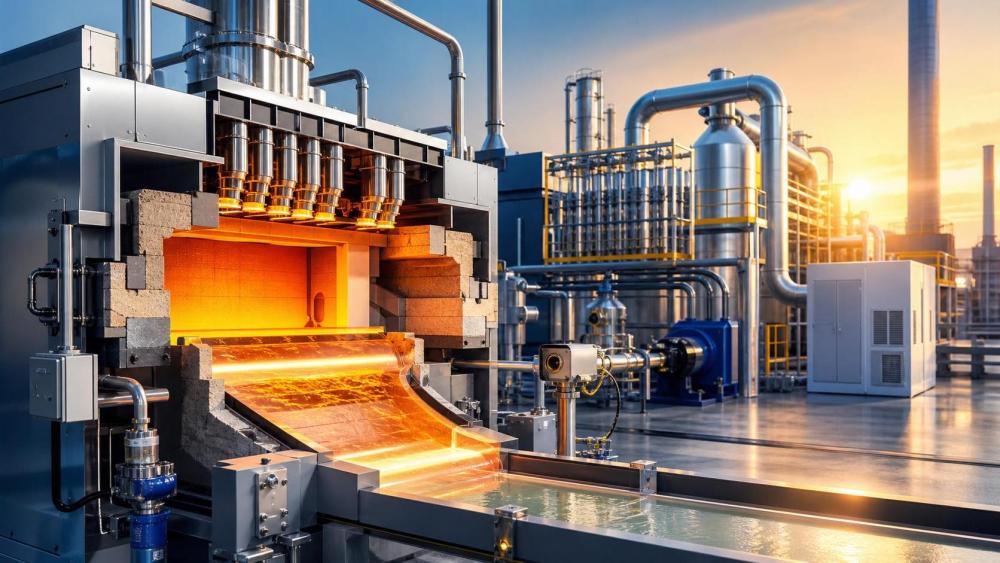
For financial decision-makers, understanding glass melting innovations pricing starts with the cost drivers behind every furnace upgrade.
Energy efficiency, refractory life, automation depth, emissions compliance, and process stability all influence capital planning.
The real question is not only what the upgrade costs today.
It is what the furnace will cost over the next ten to fifteen years.
In glass operations, furnace upgrades are rarely single-line purchases.
They affect fuel use, pull rate, quality losses, downtime, and maintenance cycles at the same time.
That is why glass melting innovations pricing must be reviewed as a full business case, not a vendor quote comparison.
Why Glass Melting Innovations Pricing Has Become More Complex
Recent market shifts have changed how furnace investments are priced and approved.
Fuel volatility is one reason.
Carbon rules and reporting pressure are another.
At the same time, product mix is becoming less predictable.
Plants now need better thermal control, faster changeover response, and tighter defect management.
This pushes glass melting innovations pricing beyond burner replacement or refractory patching.
It now includes digital controls, combustion redesign, waste heat recovery, and hybrid electrification options.
From a finance view, the pricing challenge is simple.
The upgrade scope looks technical, but the approval logic is commercial.
A lower bid may create higher long-term cash burn.
A higher bid may protect margin if it reduces energy intensity and unplanned shutdowns.
The Main Cost Drivers Behind Furnace Upgrade Budgets
The biggest cost blocks in glass melting innovations pricing usually appear in five areas.
1. Furnace Design Scope
A partial rebuild costs far less than a full furnace redesign.
But partial projects may limit future efficiency gains.
Changes to crown geometry, throat design, forehearth integration, or boosting systems raise engineering complexity fast.
2. Refractory Quality and Campaign Life
Premium refractory packages lift upfront spend, but they can extend service life materially.
That matters when production interruption costs exceed material savings.
In many cases, the cheapest lining package is the most expensive operating choice.
3. Combustion and Energy Systems
Burner upgrades, oxygen enrichment, electric boosting, and heat recovery each affect glass melting innovations pricing differently.
The right option depends on cullet ratio, fuel access, emissions obligations, and local power economics.
4. Automation and Monitoring
Advanced control systems add cost early.
They often pay back through temperature stability, lower operator dependence, and faster fault detection.
Online refractory monitoring and digital twin support can also lower risk during campaign life.
5. Shutdown and Installation Risk
This part is often underestimated in furnace upgrade budgets.
A delayed rebuild can erase expected savings in one quarter.
Labor access, crane coordination, curing schedules, and restart quality losses must be priced into the model.
How to Compare Vendor Quotes Beyond Headline Price
A common error is comparing furnace proposals only by EPC number.
That misses the deeper structure of glass melting innovations pricing.
A stronger comparison model should separate price from value drivers.
- Guaranteed specific energy consumption after stabilization
- Expected furnace campaign length under actual product mix
- Allowance for restart scrap and ramp-up losses
- Emissions performance under future, not current, compliance rules
- Software, sensors, and support coverage after commissioning
- Responsibility split during delays, defects, or output shortfalls
This is where many approvals become clearer.
A vendor with a higher capital quote may offer stronger guarantees and lower lifecycle exposure.
In actual business terms, that can mean better earnings protection.
A Practical Cost Framework for Approval Teams
A useful furnace investment model should connect capex with operating and strategic outcomes.
That makes glass melting innovations pricing easier to defend internally.
This framework also helps when comparing conventional and low-carbon furnace pathways.
Without that structure, glass melting innovations pricing can look inconsistent or inflated.
With it, the pricing logic becomes easier to audit.
Where Long-Term Savings Usually Come From
Most returns from furnace modernization come from a few repeatable sources.
The key is to quantify them conservatively.
- Lower fuel intensity per ton of melted glass
- Lower scrap during normal production and restart periods
- Longer refractory life and fewer emergency repairs
- Improved throughput at stable quality levels
- Lower exposure to emissions penalties or retrofit obligations
More obvious savings, like fuel reduction, are usually modeled first.
The stronger signal often comes from quality and uptime.
That is especially true in float glass, container glass, and technical glass lines with strict customer tolerance windows.
So when reviewing glass melting innovations pricing, expected stability should be treated as a financial variable.
Common Budget Risks That Distort Furnace Investment Decisions
Several recurring mistakes weaken upgrade approval quality.
- Using standard energy prices without stress-testing future volatility
- Ignoring lost contribution margin during shutdown and ramp-up
- Assuming all vendors define campaign life the same way
- Excluding software maintenance, spare sensors, and specialist support
- Treating carbon compliance as a distant issue rather than a priced risk
These gaps can make glass melting innovations pricing appear cheaper than it really is.
They also create tension later, when promised returns fail to appear in operating results.
A disciplined model should include downside scenarios, not just the base case.
How CF-Elite Supports Better Upgrade Cost Evaluation
For organizations reviewing high-temperature process investments, technical context is often the missing piece.
CF-Elite tracks the operational logic behind large-scale silicate lines, industrial kilns, and thermal management systems.
That perspective matters because glass melting innovations pricing is shaped by engineering details with direct commercial impact.
Through market intelligence, emissions trend analysis, furnace monitoring developments, and equipment evolution signals, cost evaluation becomes more grounded.
This is particularly useful when comparing retrofit timing, technology pathways, and supplier claims across regions.
Final Take on Glass Melting Innovations Pricing
The best way to assess glass melting innovations pricing is to connect upgrade cost with operating reality.
A furnace is not only a thermal asset.
It is a long-cycle earnings driver.
When energy, quality, uptime, refractory life, and compliance are priced together, approval decisions become more defensible.
That also improves negotiation quality with suppliers.
In practical terms, the next step is to build a side-by-side model using lifecycle cost, downtime exposure, and guarantee strength.
That is where glass melting innovations pricing stops being a purchase number and starts becoming a strategic investment decision.
Related News
 Optical Glass Tech FellowHow to Evaluate Automated Float Glass Lines for Capacity, Quality, and Energy UseEvaluate automated float glass lines for net capacity, consistent quality, energy efficiency, automation reliability, and lifecycle value. Explore key criteria for smarter investment decisions.Oct 05, 2026
 Thermal Energy ArchitectWhat Does CE Marking Require for an Energy-Efficient Industrial Kiln?Energy efficient kiln CE requirements explained: assess safety, technical files, energy performance, and EU compliance before purchase or commissioning.Oct 04, 2026
 Thermal Energy ArchitectRefractory Manufacturing Solutions for Brick Plants: How to Extend Kiln LifeRefractory manufacturing solutions for brick plant operations: discover proven strategies to extend kiln life, reduce heat loss, prevent lining failures, and plan cost-effective repairs.Oct 03, 2026
 Thermal Energy ArchitectHow to Specify Heavy Industrial Process Systems for High-Temperature PlantsHeavy industrial processes systems: learn how to specify high-temperature plants for efficiency, emissions control, maintainability, and lifecycle performance.Oct 02, 2026
 Structural Material AnalystHow Sustainable Material Extrusion Can Improve Wall Panel Durability and Design FlexibilityDiscover how sustainable material extrusion for wall panels improves durability, moisture resistance, design flexibility, and installation consistency for high-performing wall systems.Oct 01, 2026
 Thermal Energy ArchitectHow to Evaluate a High-Temperature Materials Manufacturer for Furnace ApplicationsChoose a high-temperature materials manufacturer with confidence: compare thermal performance, chemical resistance, quality controls, installation support, and lifecycle cost.Sep 30, 2026
 Ms. Elena RodriguezHow to Structure Global Specification Data for Faster Industrial Product EvaluationGlobal specification-oriented product information helps industrial teams compare capacity, energy, emissions, automation, and lifecycle data on a like-for-like basis for faster, confident equipment decisions.Sep 29, 2026
 Thermal Energy ArchitectHow to Specify High-Temperature Process Systems for Continuous Thermal OperationsHigh-temperature process engineering systems: learn how to specify resilient continuous thermal operations for efficiency, compliance, reliable uptime, and long-term performance.Sep 28, 2026
 Thermal Energy ArchitectHow to Evaluate a Thermal Engineering Contractor for High-Temperature Plant ProjectsChoose a thermal engineering contractor with proven process expertise, lifecycle value, emissions control, and delivery discipline for reliable high-temperature plant performance.Sep 27, 2026
 Silicate Process EngineerHow Latin American Cement Plants Can Reduce Dust Emissions in Kilns and Transfer PointsCement plant dust control Latin America: reduce kiln and transfer-point emissions with practical airflow, filtration, monitoring, and maintenance strategies.Sep 26, 2026
 Material Heat-Resist ExpertHow to Evaluate Refractory Production Lines for Output, Quality, and Energy UseRefractory production lines: learn how to assess qualified output, consistent quality, and total energy use for smarter, lower-risk investment decisions.Sep 25, 2026
 Dr. Alistair VaughnHow Waste Recycling Technology Improves Material Recovery in Industrial PlantsWaste recycling technology improves material recovery through source segregation, smart separation, thermal treatment, and quality control for industrial plants.Sep 24, 2026
 Optical Glass Tech FellowHow to Specify Glass Annealing Equipment for European Quality and Energy RequirementsGlass annealing equipment Europe: learn how to specify lehrs for consistent glass quality, energy efficiency, compliance, automation, and reliable long-term performance.Sep 23, 2026
 Optical Glass Tech FellowSilicate Process Automation: Improving Batch Consistency and Energy ControlSilicate process automation improves batch consistency, energy control, traceability, and operator confidence across high-temperature manufacturing operations.Sep 22, 2026
 Optical Glass Tech FellowHow Silicate Industrial Processes Control Viscosity, Energy Use, and Product QualitySilicate industrial processes: learn how viscosity, chemistry, heat transfer, and atmosphere control reduce energy use, improve stability, and protect product quality.Sep 21, 2026
 Thermal Energy ArchitectHow European Plants Can Evaluate Energy Recovery Equipment for High-Temperature ProcessesIndustrial energy recovery equipment Europe: learn how high-temperature plants can assess waste-heat sources, integration risks, lifecycle value, and reliable recovery routes.Sep 20, 2026
 Thermal Energy ArchitectIndustrial Furnace Process Optimization: Reducing Fuel Use Without Sacrificing ThroughputIndustrial process optimization furnace strategies that cut fuel use while protecting throughput. Explore combustion control, heat recovery, refractory performance, and data-driven efficiency gains.Sep 19, 2026
 Ms. Elena RodriguezWhat Drives High-Pressure Extrusion Equipment Cost in Industrial Projects?High pressure extrusion equipment cost explained: compare pressure, die design, automation, wear, energy, and installation factors for smarter industrial investments.Sep 18, 2026
 Thermal Energy ArchitectHow to Size a Waste Heat Recovery Exchanger for High-Temperature Kiln Exhaust?Waste heat recovery exchanger sizing for high-temperature kiln exhaust: balance recoverable duty, fouling, corrosion limits, pressure drop, and reliable heat use.Sep 17, 2026
 Thermal Energy ArchitectWhy Heat-Resistant Materials Lose Abrasion Resistance at High TemperaturesHeat-resistant materials abrasion resistance can decline at high temperatures. Discover the thermal, chemical, and mechanical causes of wear—and how to choose longer-lasting linings.Sep 16, 2026

Related News
- 00
0000-00
How to Evaluate Automated Float Glass Lines for Capacity, Quality, and Energy Use - 00
0000-00
How to Specify Glass Annealing Equipment for European Quality and Energy Requirements - 00
0000-00
Silicate Process Automation: Improving Batch Consistency and Energy Control - 00
0000-00
How Silicate Industrial Processes Control Viscosity, Energy Use, and Product Quality - 00
0000-00
How to Evaluate a Glass Annealing Equipment Manufacturer for Production Stability
Weekly Insights
Stay ahead with our curated technology reports delivered every Monday.