
How to Choose an Industrial Equipment Customization Supplier for Complex Projects




How to Choose an Industrial Equipment Customization Supplier for Complex Projects
Choosing the right industrial equipment customization supplier can determine whether a complex project delivers long-term efficiency, compliance, and ROI.
In heavy-process industries, the decision reaches far beyond fabrication capacity.
It involves process understanding, thermal performance, integration depth, service continuity, and the ability to reduce project risk before installation begins.
For sectors such as cement, glass, incineration, refractory production, and material extrusion, supplier selection often shapes operating results for years.
This guide explains how to evaluate an industrial equipment customization supplier with a practical, project-driven lens.
Start with process fit, not brochure strength
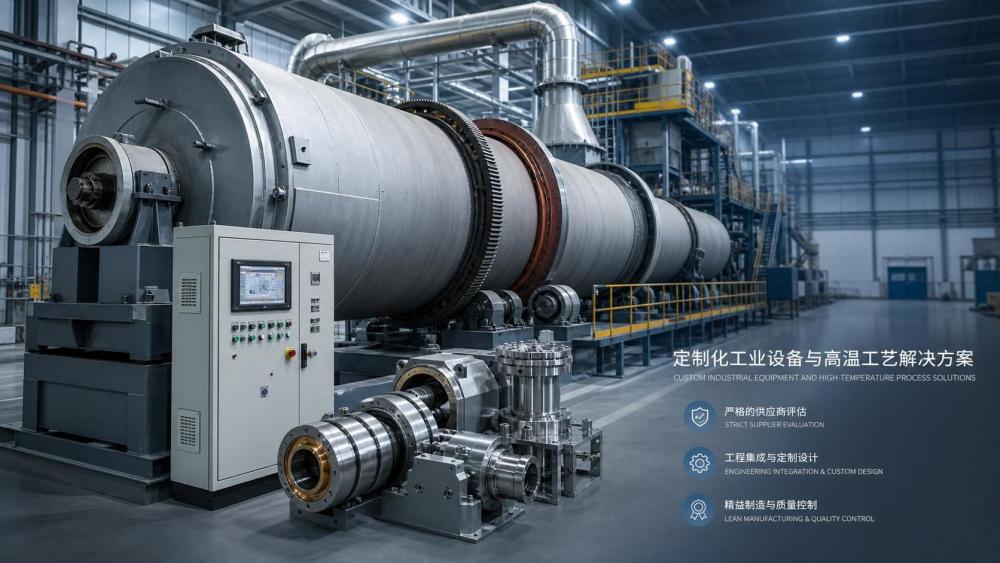
A capable industrial equipment customization supplier should first understand the process conditions your project must handle.
That includes feed variability, temperature ranges, emissions limits, throughput targets, fuel choices, maintenance windows, and utility constraints.
For complex projects, generic product catalogs are rarely enough.
A serious supplier should ask detailed questions early.
If early discussions stay at the surface, later engineering gaps usually become expensive change orders.
In practice, this matters most in high-temperature lines.
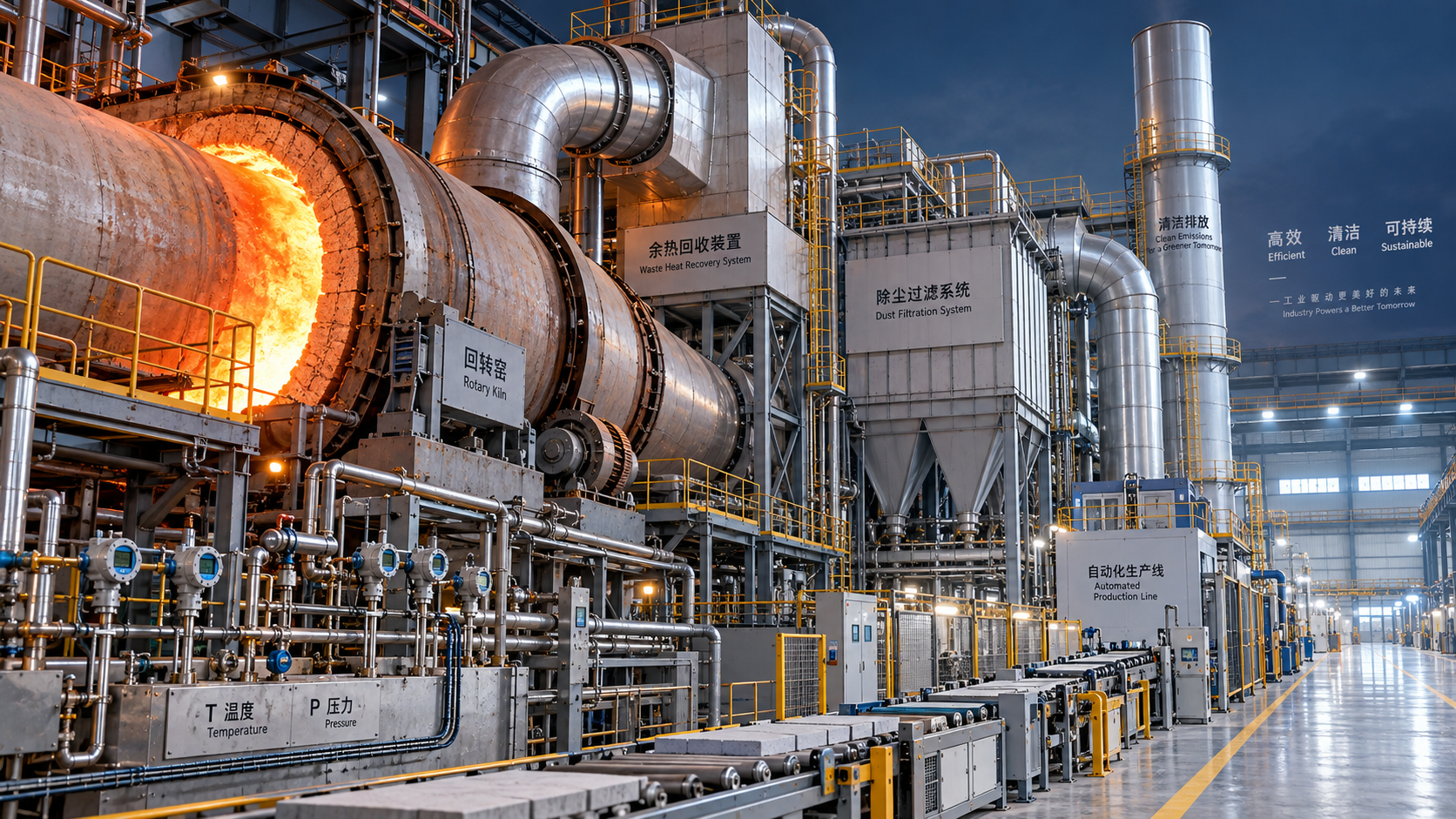
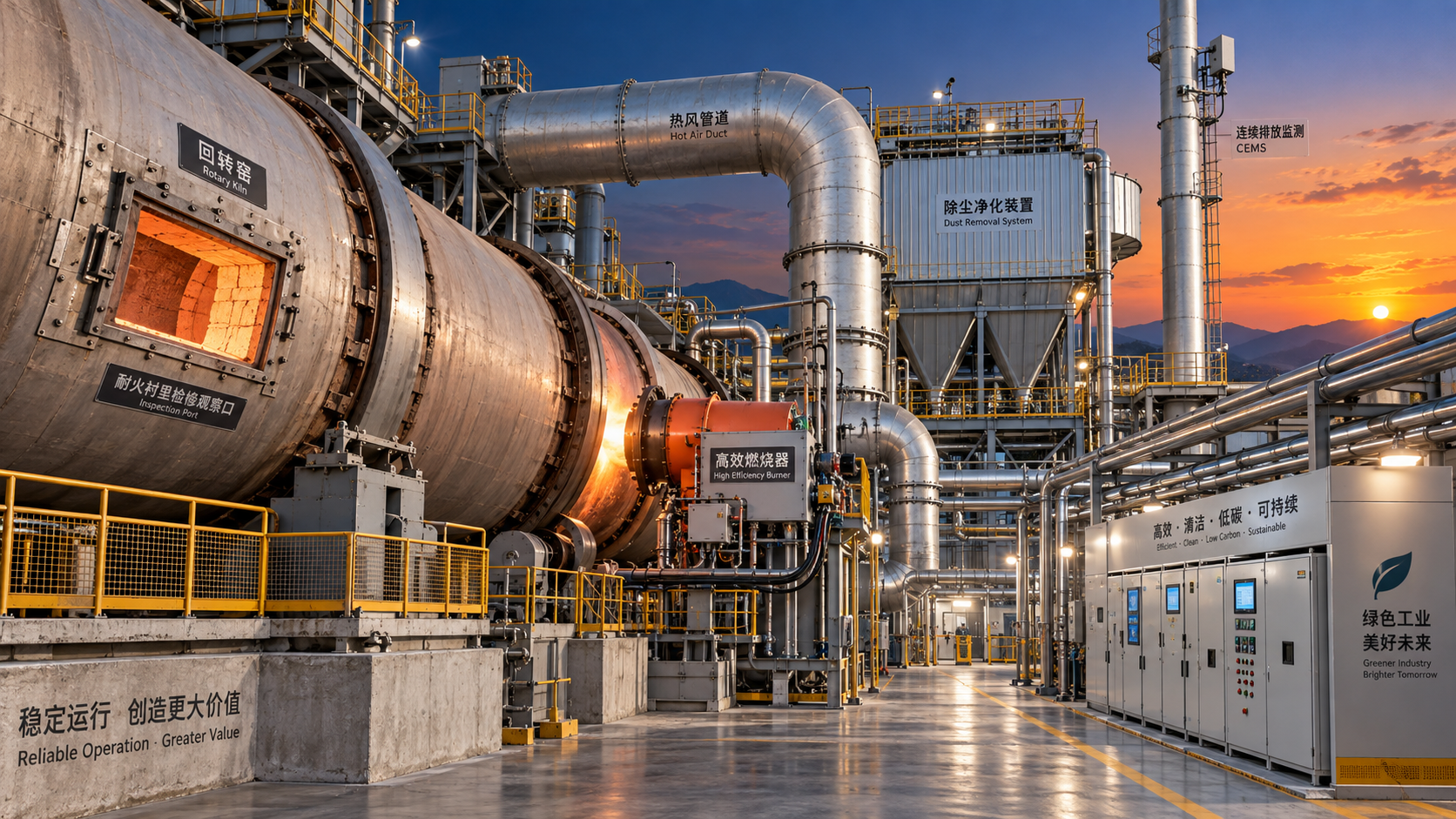
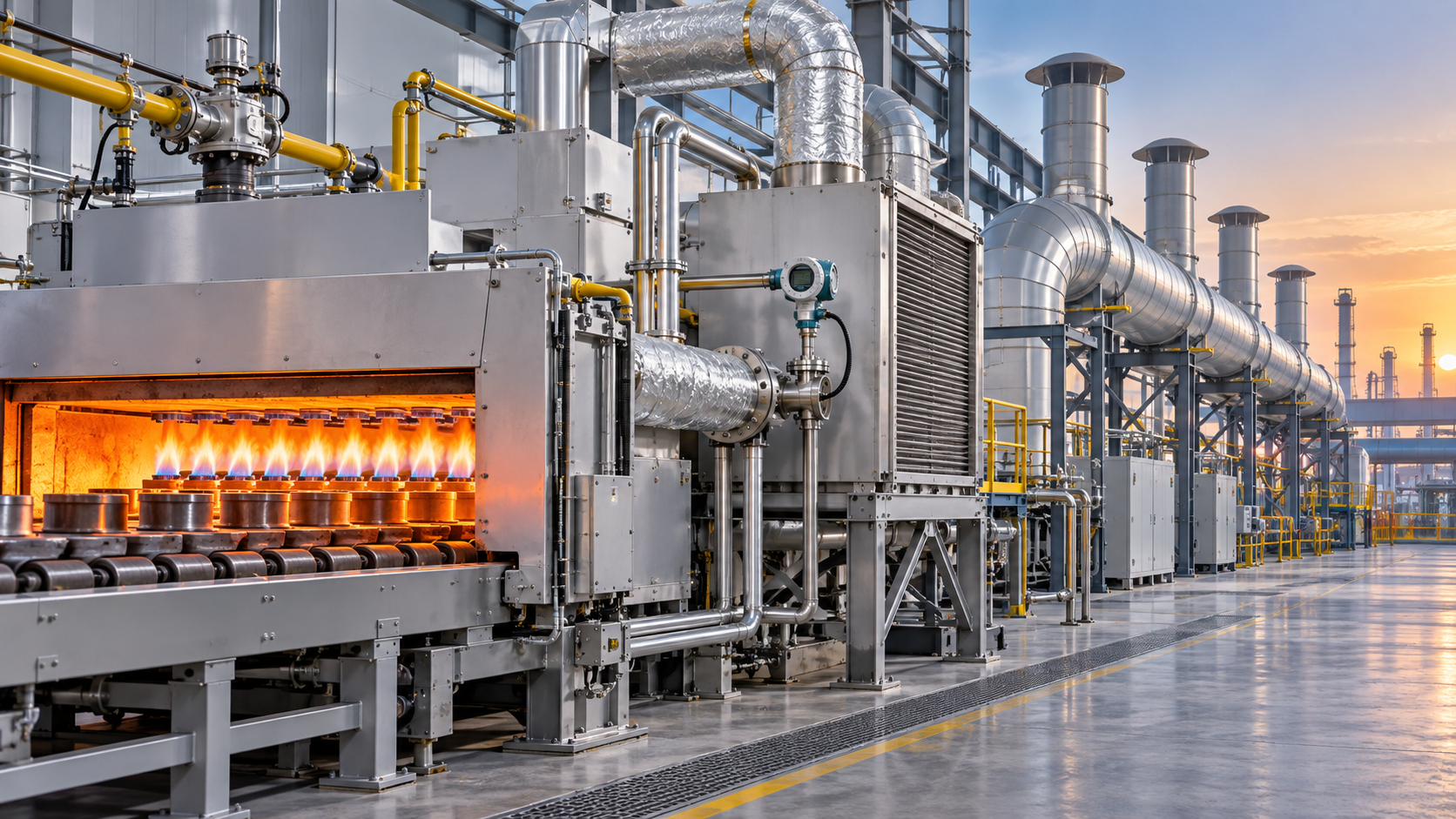
Rotary kilns, float glass furnaces, incineration systems, and refractory production lines all depend on exact thermal and material balances.
A qualified industrial equipment customization supplier should connect equipment design to those balances from the start.
What to verify in the first evaluation round
- Experience with similar temperature, material, and output conditions.
- Ability to model heat transfer, flow behavior, and production bottlenecks.
- Understanding of local environmental and safety compliance requirements.
- Willingness to adapt designs to plant-specific utility and layout realities.
Judge engineering depth through evidence
Many suppliers can machine parts and assemble systems.
Fewer can prove that their engineering decisions will hold under demanding industrial loads.
This is where an industrial equipment customization supplier separates into two groups: fabricators and true solution partners.
Ask for engineering evidence, not broad assurances.
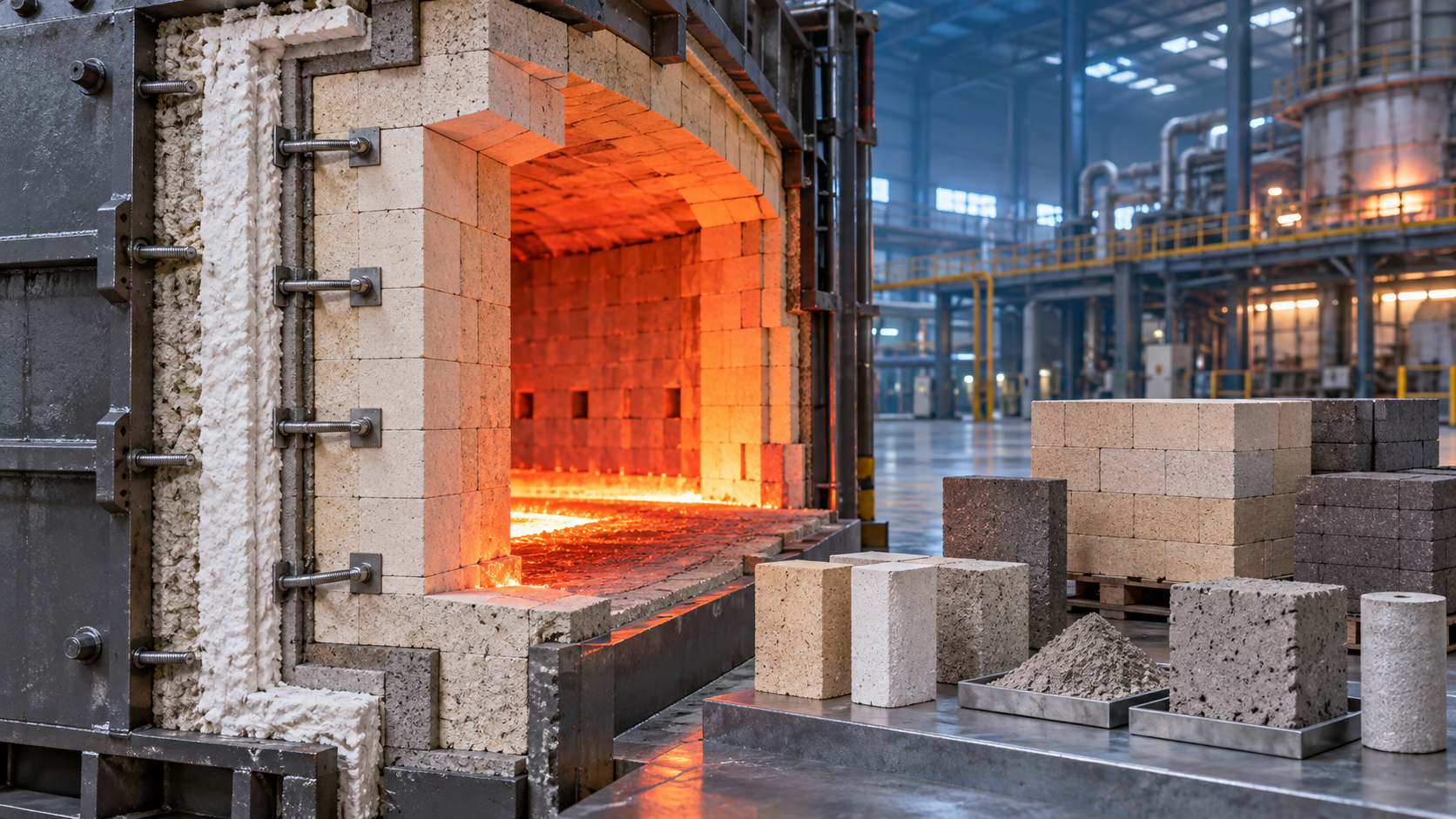
That evidence may include process calculations, thermal simulations, refractory design logic, stress analysis, instrumentation philosophy, and control architecture.
The more complex the project, the more important documentation becomes.
Recent market shifts make this even more relevant.
Energy efficiency targets, carbon reduction pressure, and digital monitoring expectations are now standard in many industrial procurement decisions.
An industrial equipment customization supplier should explain how its design supports fuel savings, emissions stability, uptime, and data visibility.
Useful questions to ask
- Which design assumptions are based on measured plant data?
- What failure modes were considered in the customization plan?
- How are thermal expansion, corrosion, abrasion, and refractory wear addressed?
- What operating margins are built into the final design?
Assess integration capability across the full project chain
Complex projects often fail at the interfaces, not in the core machine itself.
That is why integration capability matters as much as product quality.
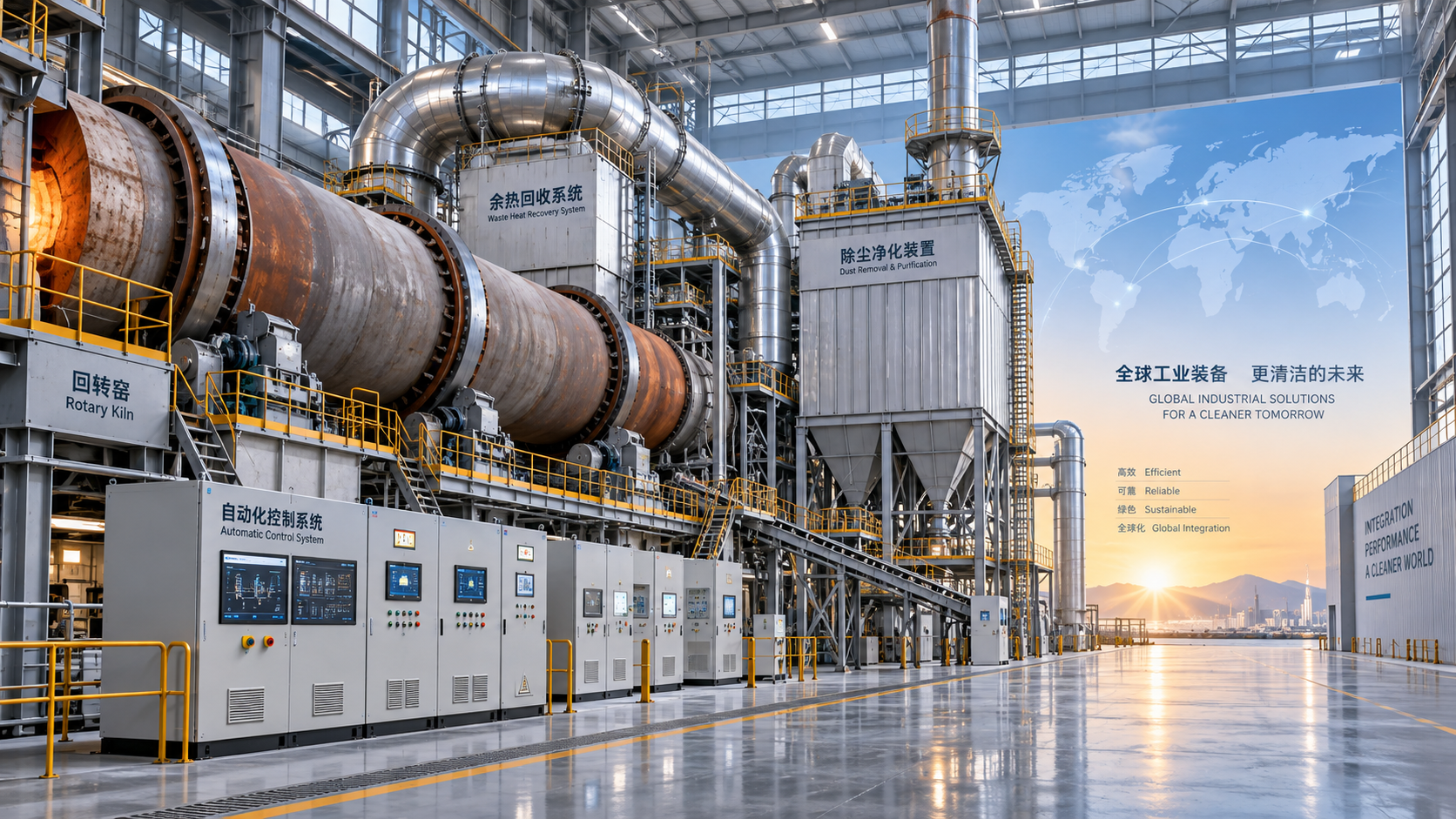
A dependable industrial equipment customization supplier should coordinate mechanics, electrics, controls, civil requirements, installation logic, and commissioning steps.
This becomes critical when equipment must connect with legacy lines.
For example, a new calcination unit may need to match upstream material moisture, downstream grinding behavior, and existing plant automation protocols.
In glass or refractory plants, even small interface errors can reduce yield, damage lining life, or destabilize temperature control.
This also means the best industrial equipment customization supplier usually works well with EPC teams, plant engineers, and third-party specialists.
Smooth coordination shortens schedules and limits claims.
Look for these integration signals
- Clear interface lists and responsibility boundaries.
- P&IDs, GA drawings, and control narratives provided early.
- Structured coordination meetings during design and fabrication.
- Commissioning plans tied to performance acceptance criteria.
Check manufacturing discipline and supply reliability
Engineering quality loses value if execution is inconsistent.
A strong industrial equipment customization supplier must show manufacturing discipline, supplier control, and realistic delivery planning.
This includes welding procedures, material traceability, dimensional inspection, refractory installation standards, FAT planning, and packaging methods for oversized shipments.
Long-cycle equipment projects carry supply chain risk by default.
Imported burners, drives, insulation systems, control hardware, or special alloys can shift timelines quickly.
That is why schedule credibility matters more than optimistic promises.
An industrial equipment customization supplier should identify long-lead items, backup sourcing options, and the impact of specification changes on lead time.
A simple supplier score table
Do not overlook lifecycle support and upgrade potential
The purchase decision should not end at delivery.
A valuable industrial equipment customization supplier stays relevant through commissioning, ramp-up, optimization, and future upgrades.
This is especially important in industries facing evolving emissions rules, fuel switching, waste co-processing, or digital monitoring requirements.
More operators now expect predictive maintenance, online condition tracking, and performance dashboards.
A future-ready industrial equipment customization supplier should explain how the system can adapt without major redesign.
That may include modular burner upgrades, alternative fuel compatibility, improved lining materials, automation retrofits, or digital twin support.
This is where strategic intelligence also matters.
In high-temperature sectors, technology direction often changes with carbon policy, energy pricing, and urban renewal demand.
Suppliers that understand these signals usually design with longer commercial relevance in mind.
Make the final decision with a risk-based framework
Price still matters, but it should not be the lead filter for complex industrial equipment procurement.
The better approach is to compare suppliers by total project risk and long-term operating value.
A lower initial quote may hide weak process design, delayed startup, higher maintenance, or poor efficiency.
A stronger industrial equipment customization supplier often delivers better economics over the full asset life.
Before awarding a contract, narrow the decision to a structured review.
- Confirm technical compliance line by line.
- Review performance guarantees and exclusions carefully.
- Check commissioning scope, training, and spare parts support.
- Validate response time for field issues and warranty claims.
- Score commercial flexibility against technical confidence.
The strongest choice is usually the supplier that combines sound engineering, credible execution, and a clear understanding of your plant’s operational reality.
When evaluating an industrial equipment customization supplier, that combination is what protects uptime, compliance, and return on investment.
Use that lens, and the selection process becomes less about sales claims and more about durable project performance.
Related News
 Optical Glass Tech FellowHow to Evaluate Automated Float Glass Lines for Capacity, Quality, and Energy UseEvaluate automated float glass lines for net capacity, consistent quality, energy efficiency, automation reliability, and lifecycle value. Explore key criteria for smarter investment decisions.Oct 05, 2026
 Thermal Energy ArchitectWhat Does CE Marking Require for an Energy-Efficient Industrial Kiln?Energy efficient kiln CE requirements explained: assess safety, technical files, energy performance, and EU compliance before purchase or commissioning.Oct 04, 2026
 Thermal Energy ArchitectRefractory Manufacturing Solutions for Brick Plants: How to Extend Kiln LifeRefractory manufacturing solutions for brick plant operations: discover proven strategies to extend kiln life, reduce heat loss, prevent lining failures, and plan cost-effective repairs.Oct 03, 2026
 Thermal Energy ArchitectHow to Specify Heavy Industrial Process Systems for High-Temperature PlantsHeavy industrial processes systems: learn how to specify high-temperature plants for efficiency, emissions control, maintainability, and lifecycle performance.Oct 02, 2026
 Structural Material AnalystHow Sustainable Material Extrusion Can Improve Wall Panel Durability and Design FlexibilityDiscover how sustainable material extrusion for wall panels improves durability, moisture resistance, design flexibility, and installation consistency for high-performing wall systems.Oct 01, 2026
 Thermal Energy ArchitectHow to Evaluate a High-Temperature Materials Manufacturer for Furnace ApplicationsChoose a high-temperature materials manufacturer with confidence: compare thermal performance, chemical resistance, quality controls, installation support, and lifecycle cost.Sep 30, 2026
 Ms. Elena RodriguezHow to Structure Global Specification Data for Faster Industrial Product EvaluationGlobal specification-oriented product information helps industrial teams compare capacity, energy, emissions, automation, and lifecycle data on a like-for-like basis for faster, confident equipment decisions.Sep 29, 2026
 Thermal Energy ArchitectHow to Specify High-Temperature Process Systems for Continuous Thermal OperationsHigh-temperature process engineering systems: learn how to specify resilient continuous thermal operations for efficiency, compliance, reliable uptime, and long-term performance.Sep 28, 2026
 Thermal Energy ArchitectHow to Evaluate a Thermal Engineering Contractor for High-Temperature Plant ProjectsChoose a thermal engineering contractor with proven process expertise, lifecycle value, emissions control, and delivery discipline for reliable high-temperature plant performance.Sep 27, 2026
 Silicate Process EngineerHow Latin American Cement Plants Can Reduce Dust Emissions in Kilns and Transfer PointsCement plant dust control Latin America: reduce kiln and transfer-point emissions with practical airflow, filtration, monitoring, and maintenance strategies.Sep 26, 2026
 Material Heat-Resist ExpertHow to Evaluate Refractory Production Lines for Output, Quality, and Energy UseRefractory production lines: learn how to assess qualified output, consistent quality, and total energy use for smarter, lower-risk investment decisions.Sep 25, 2026
 Dr. Alistair VaughnHow Waste Recycling Technology Improves Material Recovery in Industrial PlantsWaste recycling technology improves material recovery through source segregation, smart separation, thermal treatment, and quality control for industrial plants.Sep 24, 2026
 Optical Glass Tech FellowHow to Specify Glass Annealing Equipment for European Quality and Energy RequirementsGlass annealing equipment Europe: learn how to specify lehrs for consistent glass quality, energy efficiency, compliance, automation, and reliable long-term performance.Sep 23, 2026
 Optical Glass Tech FellowSilicate Process Automation: Improving Batch Consistency and Energy ControlSilicate process automation improves batch consistency, energy control, traceability, and operator confidence across high-temperature manufacturing operations.Sep 22, 2026
 Optical Glass Tech FellowHow Silicate Industrial Processes Control Viscosity, Energy Use, and Product QualitySilicate industrial processes: learn how viscosity, chemistry, heat transfer, and atmosphere control reduce energy use, improve stability, and protect product quality.Sep 21, 2026
 Thermal Energy ArchitectHow European Plants Can Evaluate Energy Recovery Equipment for High-Temperature ProcessesIndustrial energy recovery equipment Europe: learn how high-temperature plants can assess waste-heat sources, integration risks, lifecycle value, and reliable recovery routes.Sep 20, 2026
 Thermal Energy ArchitectIndustrial Furnace Process Optimization: Reducing Fuel Use Without Sacrificing ThroughputIndustrial process optimization furnace strategies that cut fuel use while protecting throughput. Explore combustion control, heat recovery, refractory performance, and data-driven efficiency gains.Sep 19, 2026
 Ms. Elena RodriguezWhat Drives High-Pressure Extrusion Equipment Cost in Industrial Projects?High pressure extrusion equipment cost explained: compare pressure, die design, automation, wear, energy, and installation factors for smarter industrial investments.Sep 18, 2026
 Thermal Energy ArchitectHow to Size a Waste Heat Recovery Exchanger for High-Temperature Kiln Exhaust?Waste heat recovery exchanger sizing for high-temperature kiln exhaust: balance recoverable duty, fouling, corrosion limits, pressure drop, and reliable heat use.Sep 17, 2026
 Thermal Energy ArchitectWhy Heat-Resistant Materials Lose Abrasion Resistance at High TemperaturesHeat-resistant materials abrasion resistance can decline at high temperatures. Discover the thermal, chemical, and mechanical causes of wear—and how to choose longer-lasting linings.Sep 16, 2026

Related News
- 00
0000-00
How to Structure Global Specification Data for Faster Industrial Product Evaluation - 00
0000-00
What Drives High-Pressure Extrusion Equipment Cost in Industrial Projects? - 00
0000-00
How Should Buyers Evaluate Building Material Industry Intelligence Pricing? - 00
0000-00
How to Use Building Material Intelligence Data for Market and Investment Decisions - 00
0000-00
How to Evaluate a Silicate Processing Equipment Manufacturer for Plant Projects
Weekly Insights
Stay ahead with our curated technology reports delivered every Monday.