
How to Use a Technical Comparison Resources Platform to Evaluate Industrial Equipment




Industrial equipment evaluation rarely fails because of missing data alone. It fails when specifications, thermal limits, operating curves, maintenance history, and compliance signals sit in separate places and are compared without context.
That is why a technical comparison resources platform matters. In heavy-process sectors, it helps turn scattered information into a structured basis for judging fit, risk, efficiency, and lifecycle value.
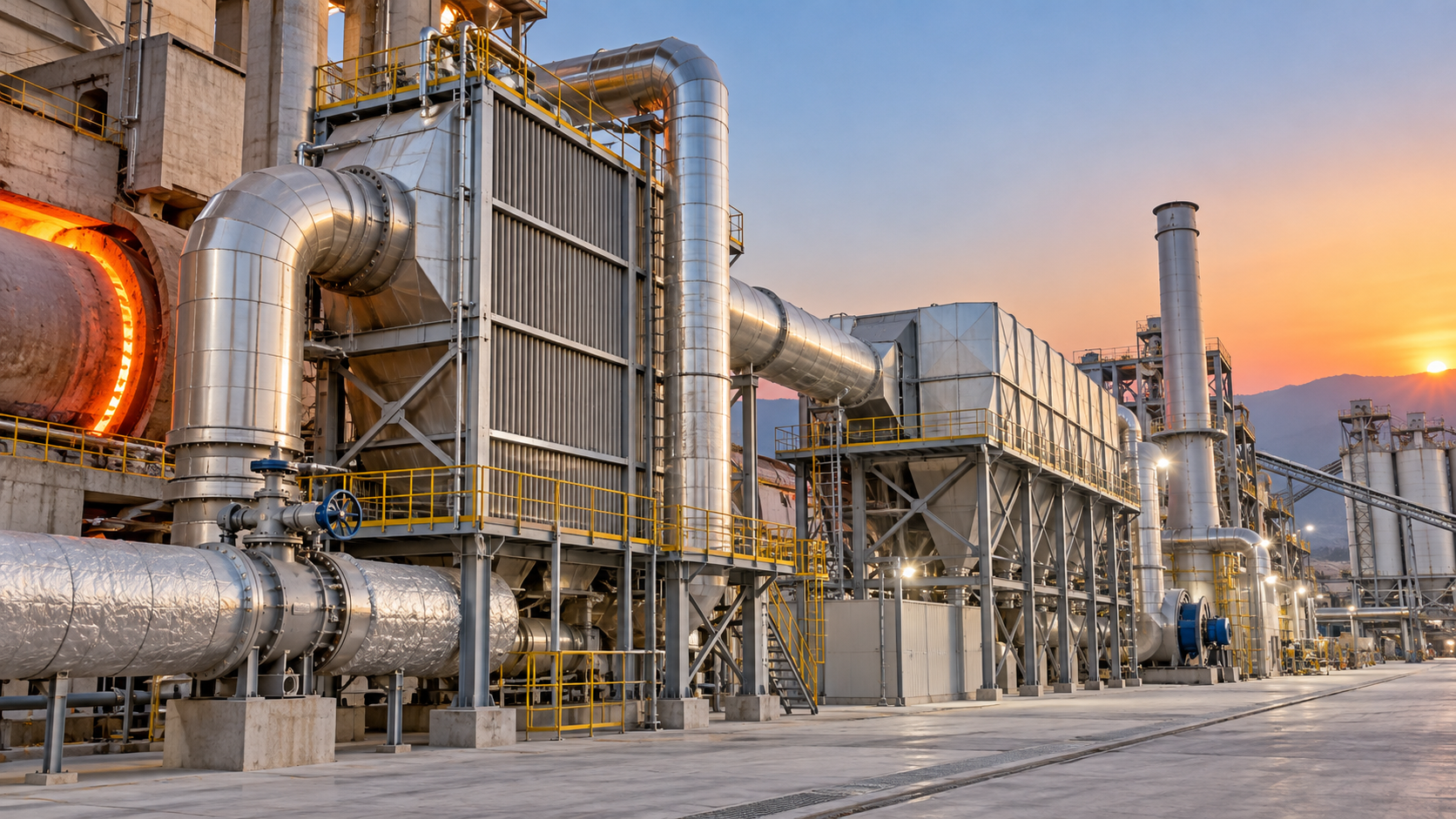
This matters even more in cement plants, glass lines, industrial kilns, refractory production, and material extrusion systems. In these environments, a small mismatch in thermal behavior or process stability can reshape total operating cost.
A strong technical comparison resources platform does not only list equipment models. It connects process conditions, energy performance, wear resistance, emissions expectations, and market intelligence so decisions reflect actual industrial use.
What a Technical Comparison Resources Platform Really Does
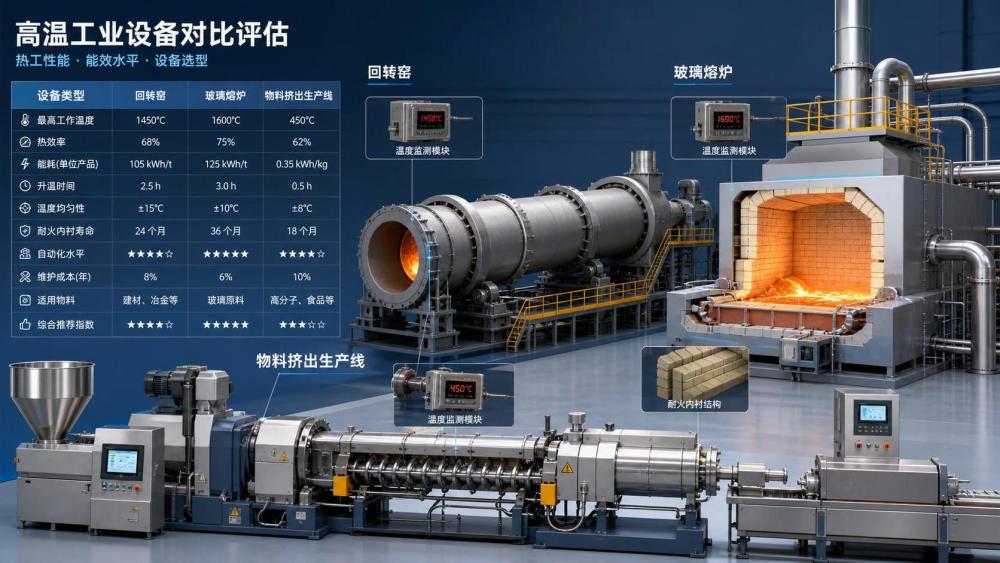
At a basic level, the platform creates a common frame for comparison. It allows one kiln, melting unit, burner system, or extrusion line to be judged against another using comparable technical evidence.
The useful part is not the dashboard itself. The useful part is the logic behind the comparison, including normalized operating ranges, test conditions, material compatibility, and reference standards.
In high-temperature industries, equipment rarely performs the same way across every feedstock, refractory choice, fuel mix, or production rhythm. A technical comparison resources platform helps separate nominal design claims from process-relevant performance.
That distinction is central to platforms such as CF-Elite. Its intelligence focus across silicate production, incineration, and specialized extrusion reflects a practical truth: thermal equipment must be compared within the chemistry and heat balance of the line.
Why Comparison Has Become More Demanding
Industrial selection now sits under more pressure than before. Buyers are weighing fuel flexibility, carbon intensity, uptime, digital monitoring, refractory life, and environmental compliance at the same time.
This is especially visible in sectors covered by CF-Elite. Cement and glass lines are under constant scrutiny for energy use. Incineration systems must balance destruction efficiency with emissions control. Extrusion lines face productivity and material consistency demands.
A conventional spreadsheet often captures headline specifications but misses operating interdependence. For example, higher throughput may come with higher thermal stress, faster lining wear, or tighter feed preparation requirements.
A technical comparison resources platform is valuable because it makes those tradeoffs visible earlier. That reduces the chance of choosing equipment that looks strong on paper but underperforms in the intended process window.
The Core Dimensions Worth Comparing
Not every parameter deserves equal weight. The comparison should begin with the conditions that define process success, not with the longest specification sheet.
In practice, several dimensions usually deserve first attention.
A technical comparison resources platform should let users rank these dimensions differently by project. A glass annealing line and a co-processing rotary kiln do not share the same decision hierarchy.
How to Use the Platform in a Practical Sequence
The best comparisons start before any model shortlist is built. The first task is to define the real operating envelope, including feed variability, target output, thermal load, fuel strategy, and downtime tolerance.
Next, use the technical comparison resources platform to screen out options that fail basic compatibility. This prevents time being spent on equipment that cannot handle the line’s process chemistry or heat profile.
Then move from headline metrics to conditional metrics. Rated capacity, for instance, should be checked against moisture content, ambient conditions, residence time, and emissions configuration.
After that, compare lifecycle variables. These include spare parts exposure, lining replacement cycles, burner tuning requirements, instrumentation reliability, and the availability of remote diagnostics.
Finally, add market and regulatory intelligence. This is where a platform with a strategic intelligence layer becomes more useful than a product catalog, because technical fit and future compliance cannot be separated anymore.
A short working checklist
- Match every technical claim to a documented operating condition.
- Compare energy data on the same production basis.
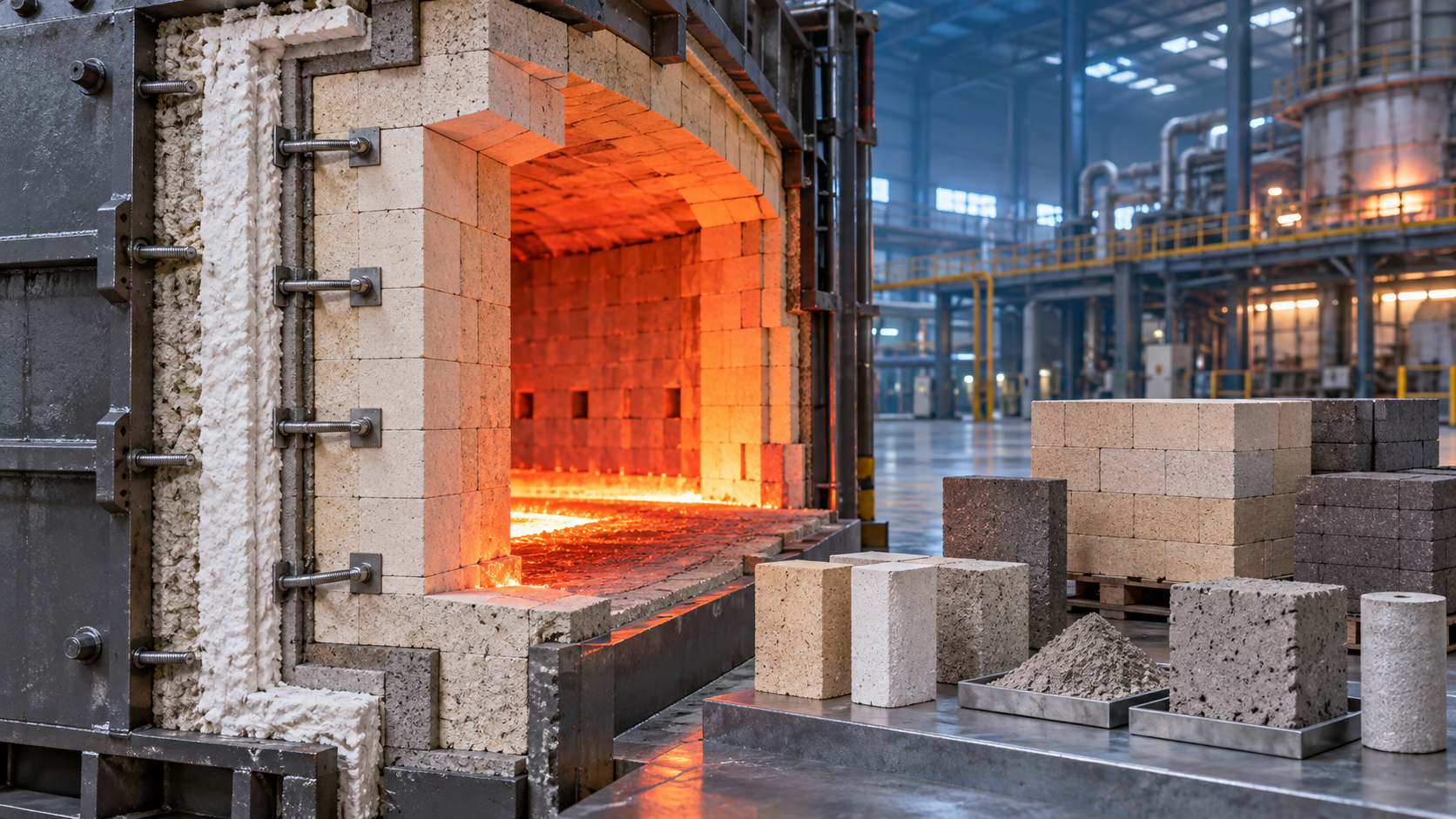
- Check refractory and wear assumptions, not only steel structure data.
- Review emissions performance with the actual fuel and feed mix.
- Look for monitoring features that reduce diagnosis time.
- Test whether the supplier’s reference cases match similar process conditions.
Typical Use Cases Across Heavy-Process Equipment
The same technical comparison resources platform can support very different equipment decisions, but only when the use case remains specific.
Cement production systems
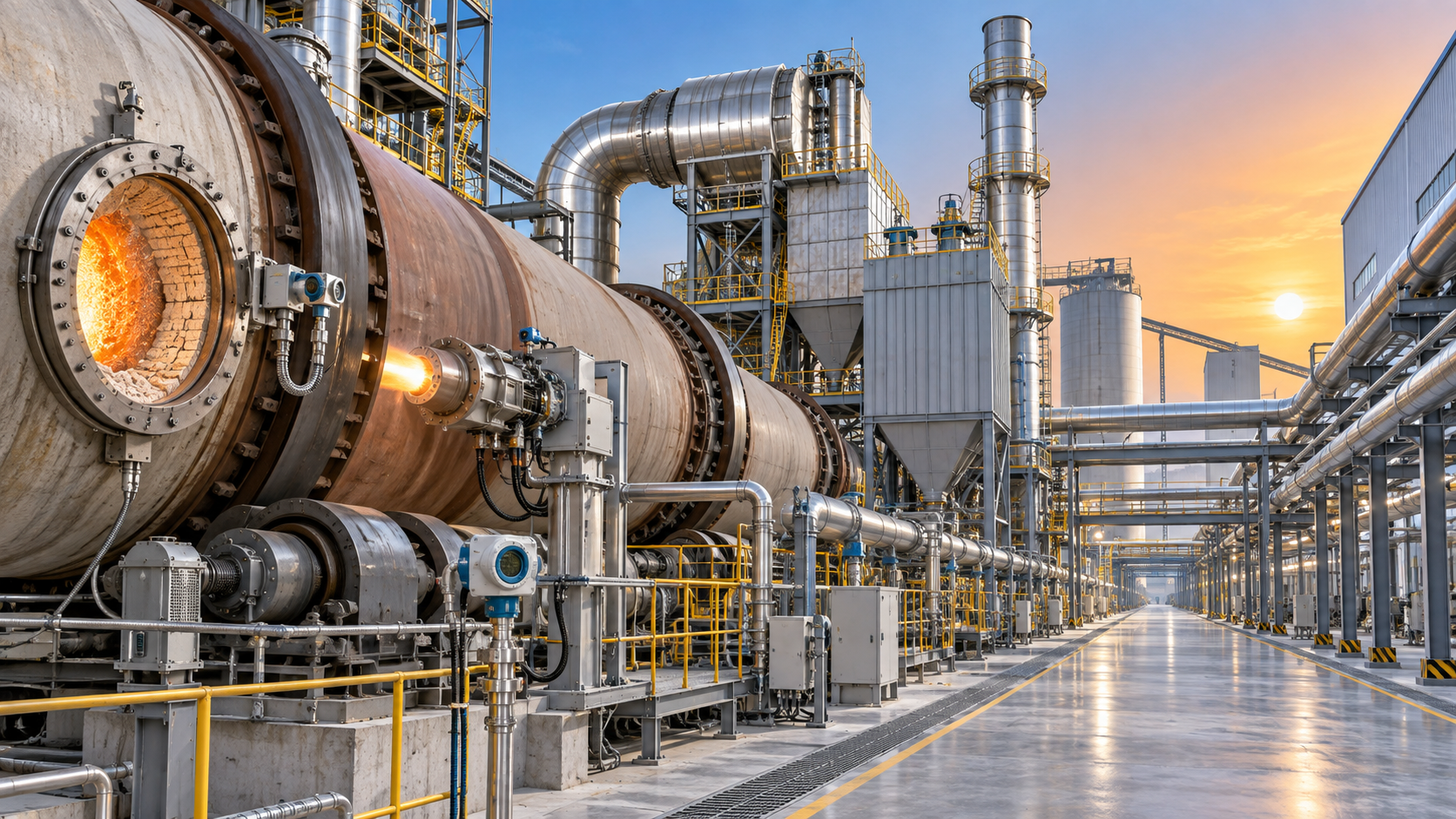
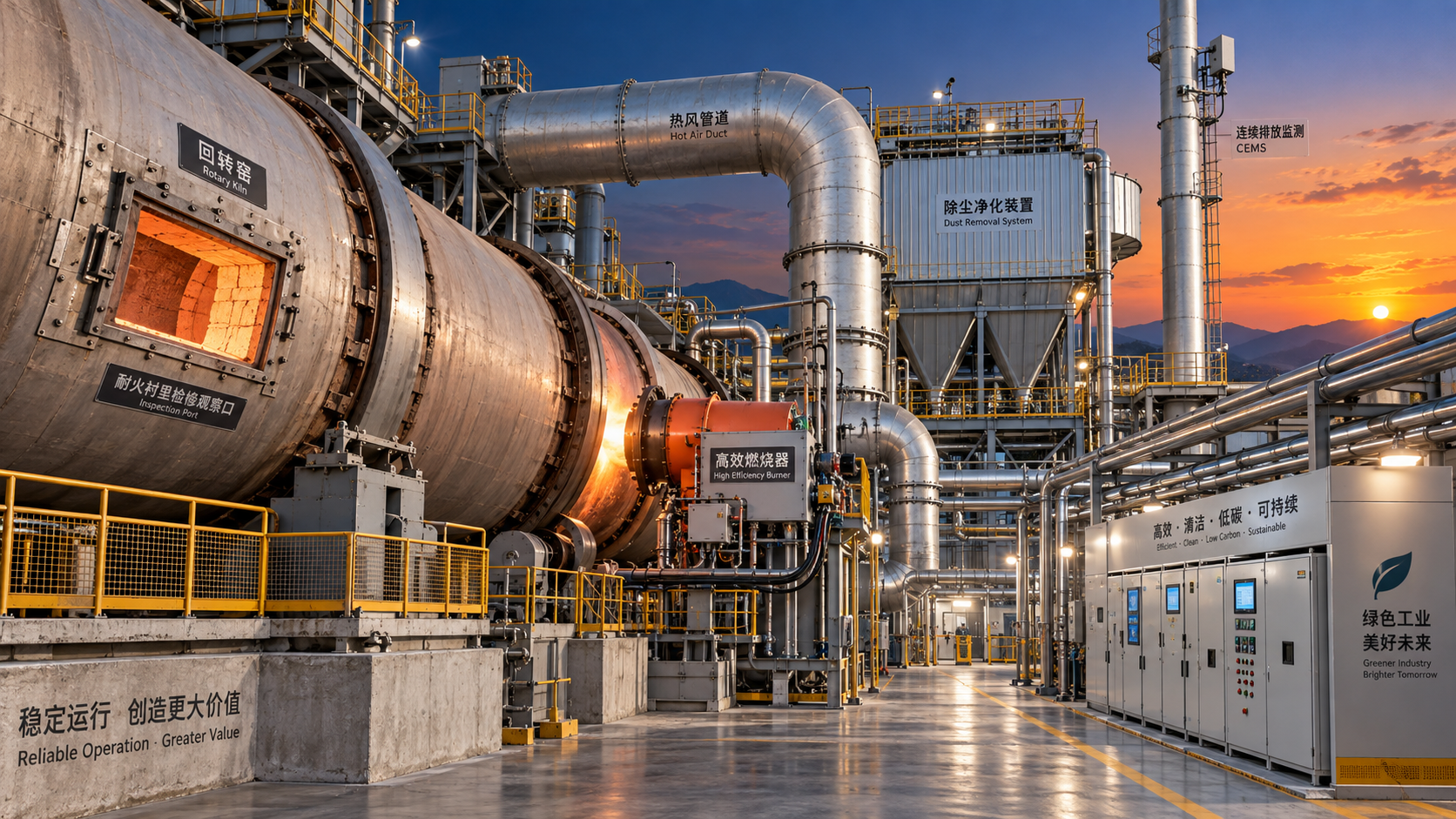
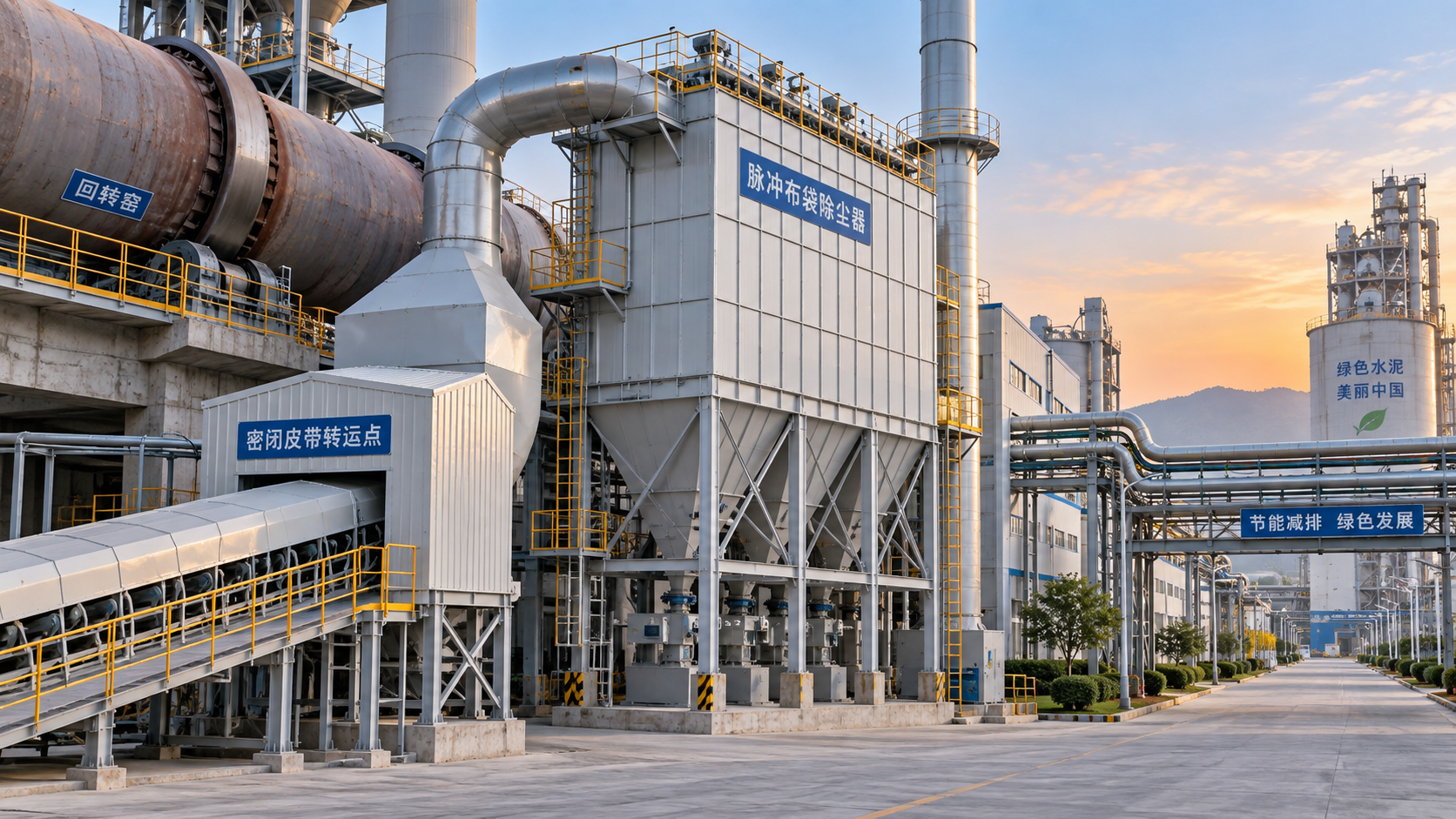
Comparison often centers on thermal efficiency, alternative fuel readiness, dust control integration, and clinker quality stability. Kiln shell losses and preheater behavior may carry more value than nominal throughput.
Glass manufacturing equipment
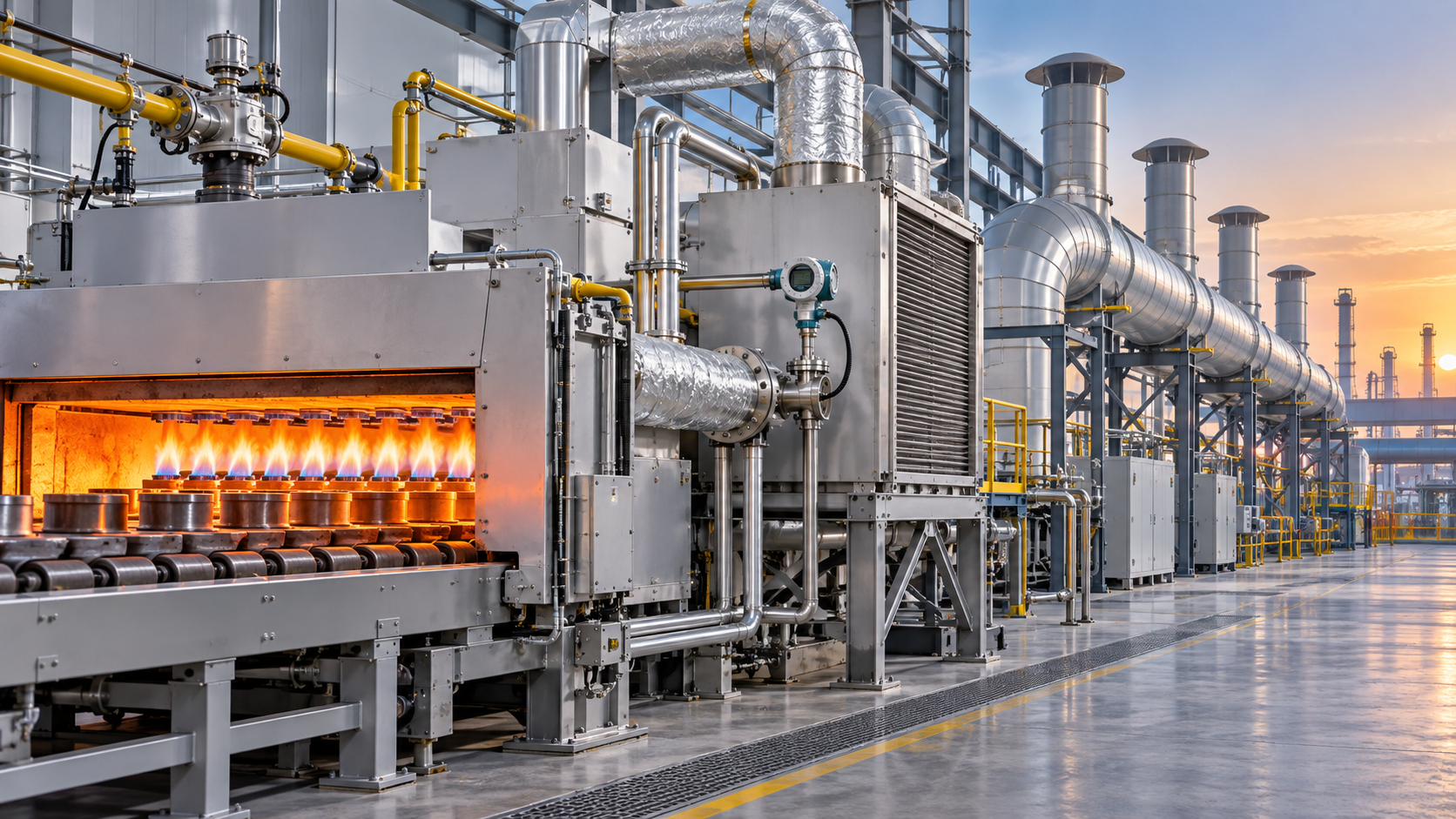
Melting uniformity, burner control precision, annealing consistency, and energy intensity become the key benchmarks. Digital twin compatibility is increasingly useful when process tuning must be continuous.
Industrial kilns and incineration
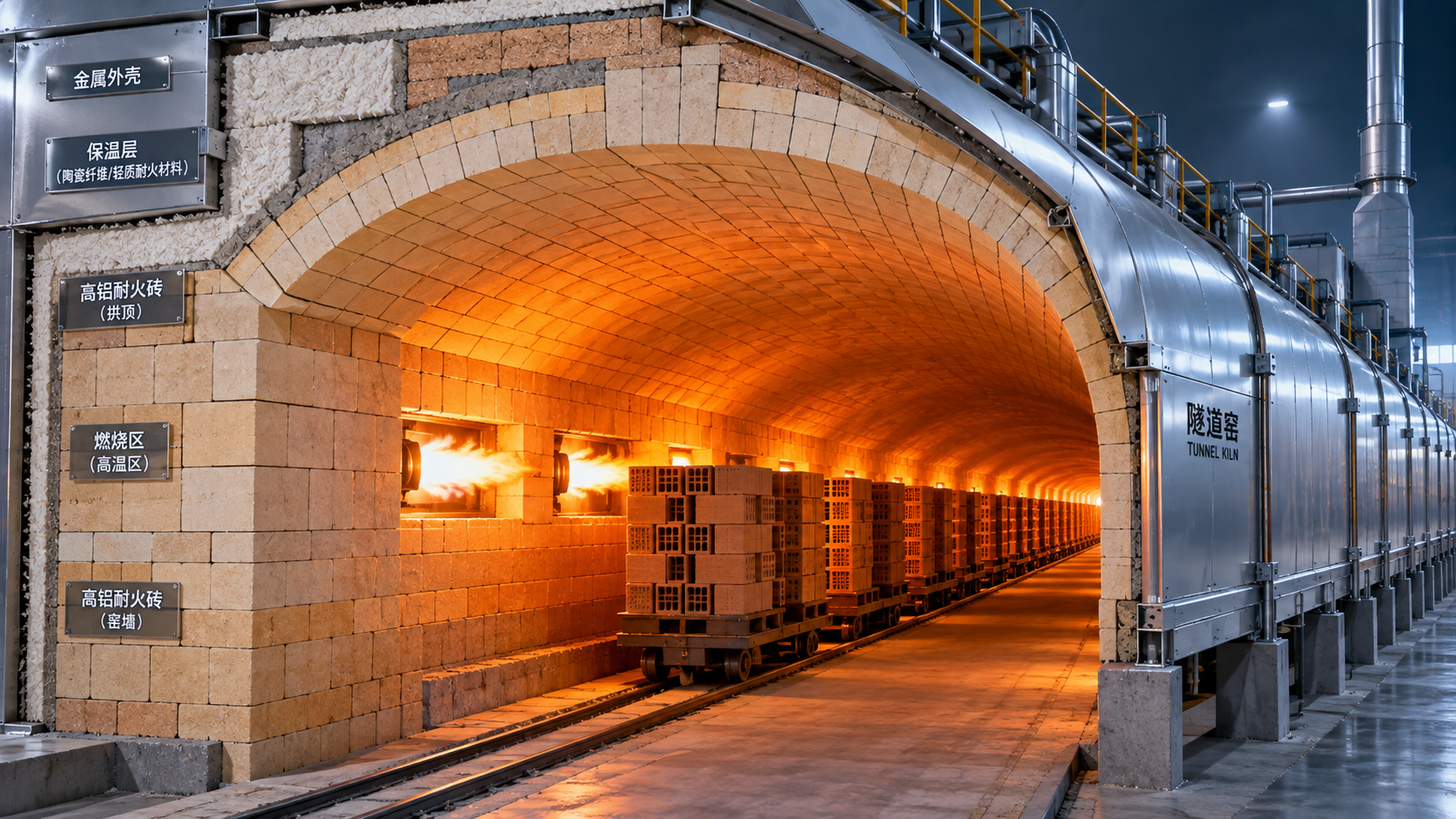
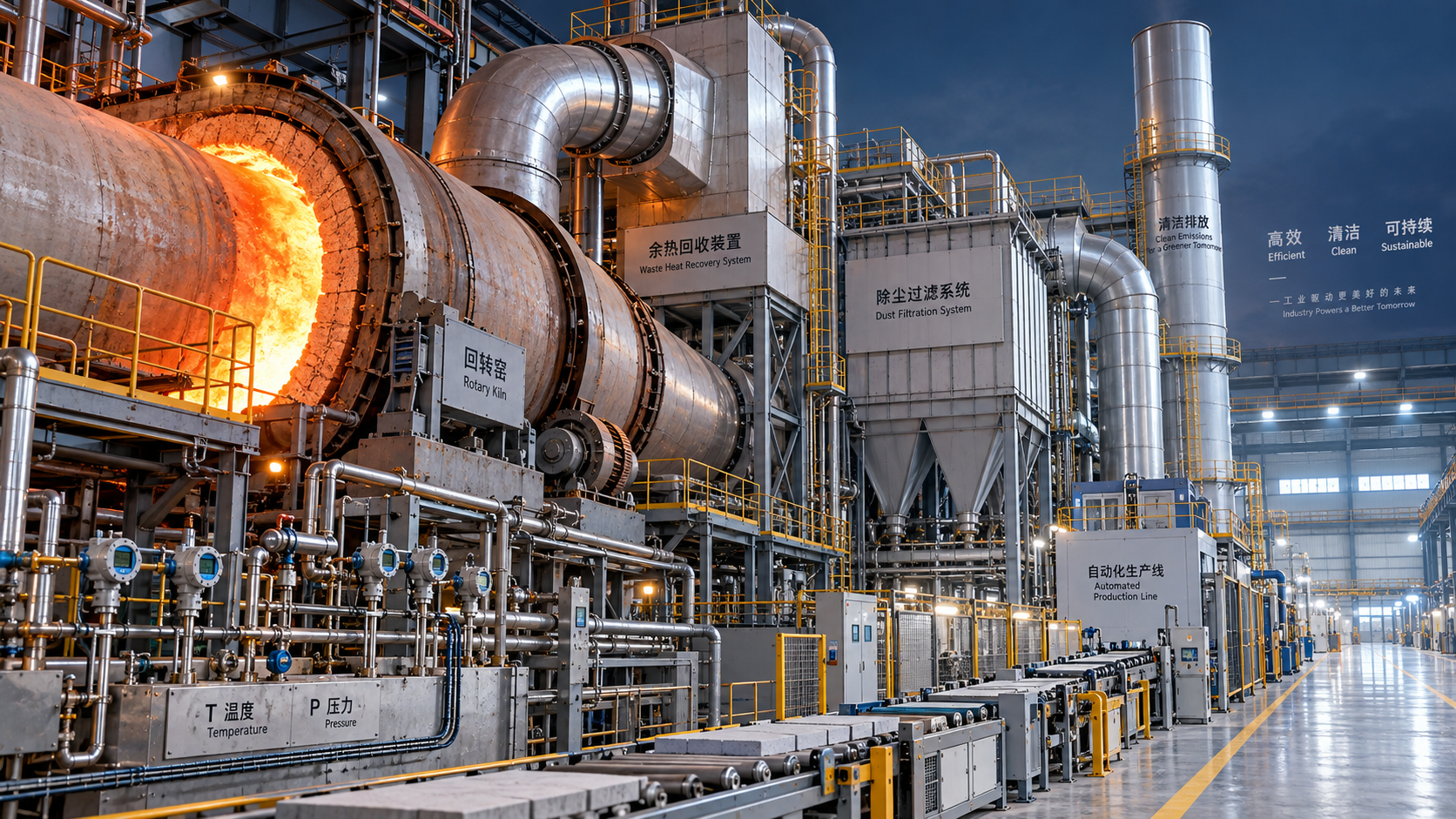
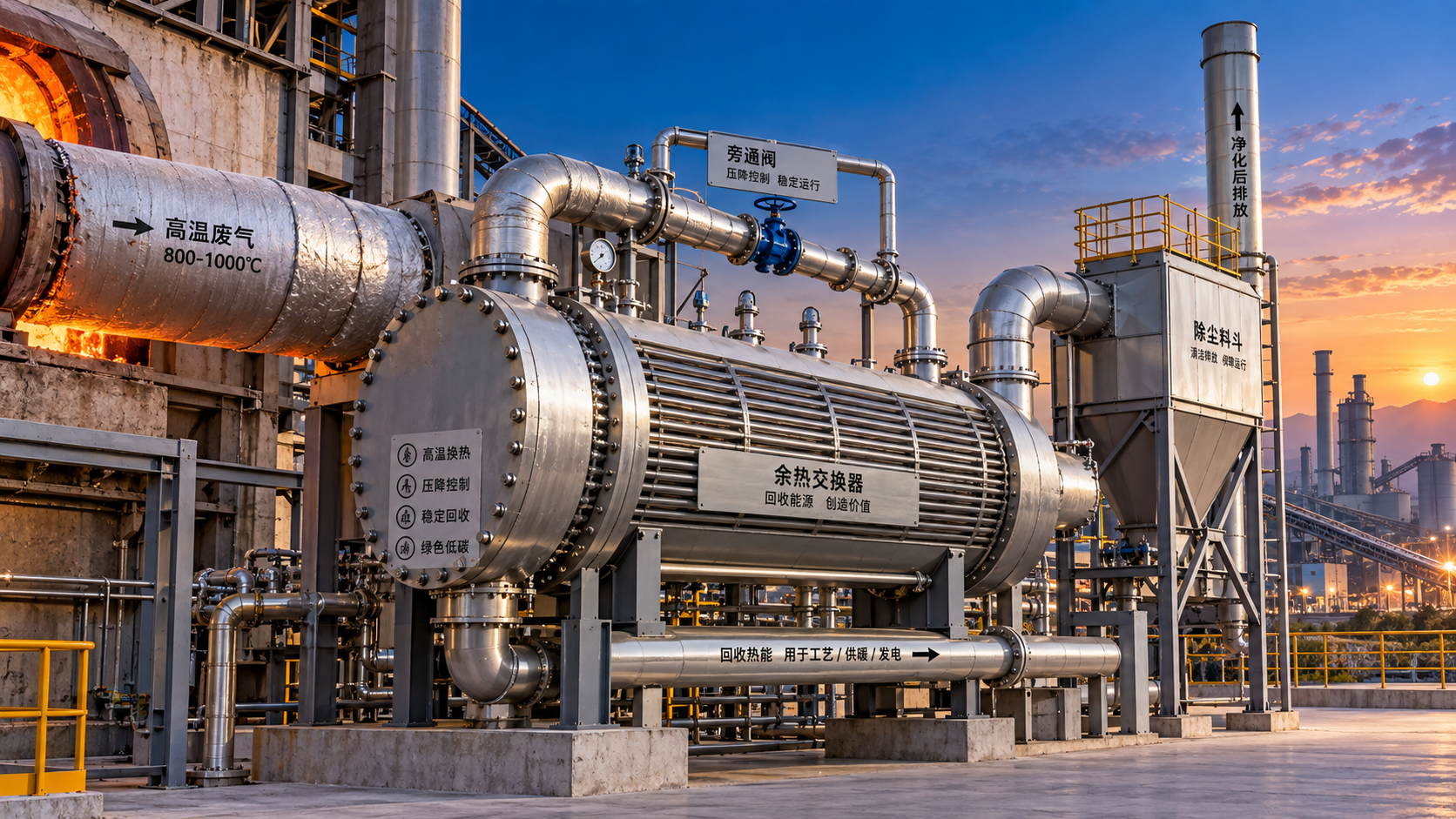
Here the platform should highlight destruction efficiency, fuel flexibility, waste heat recovery, lining endurance, and emissions stability under fluctuating waste composition.
Refractory production lines
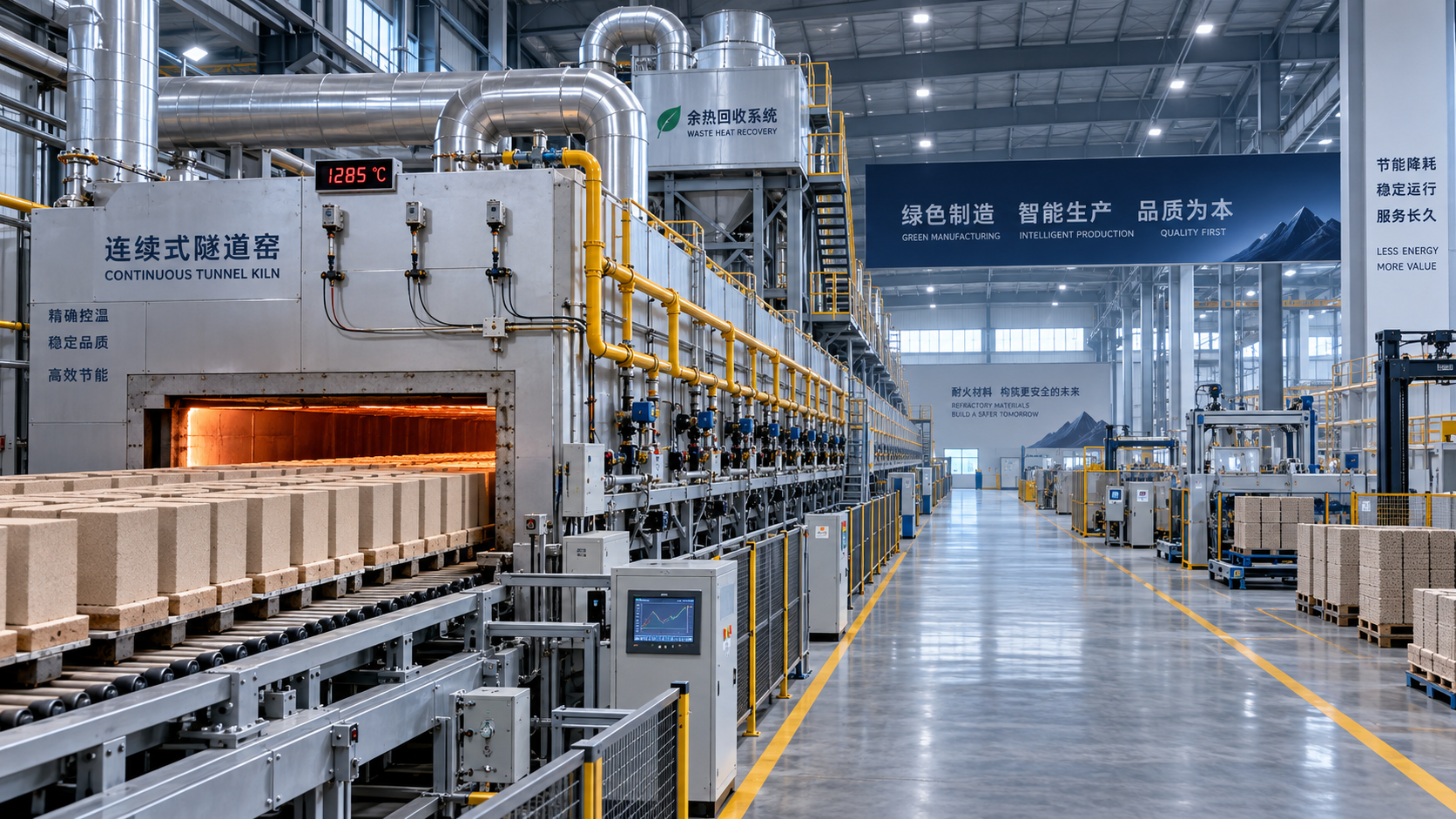
The right comparison often depends on firing control, thermal gradients, product consistency, and online monitoring of high-stress zones that influence campaign life.
New building material extrusion
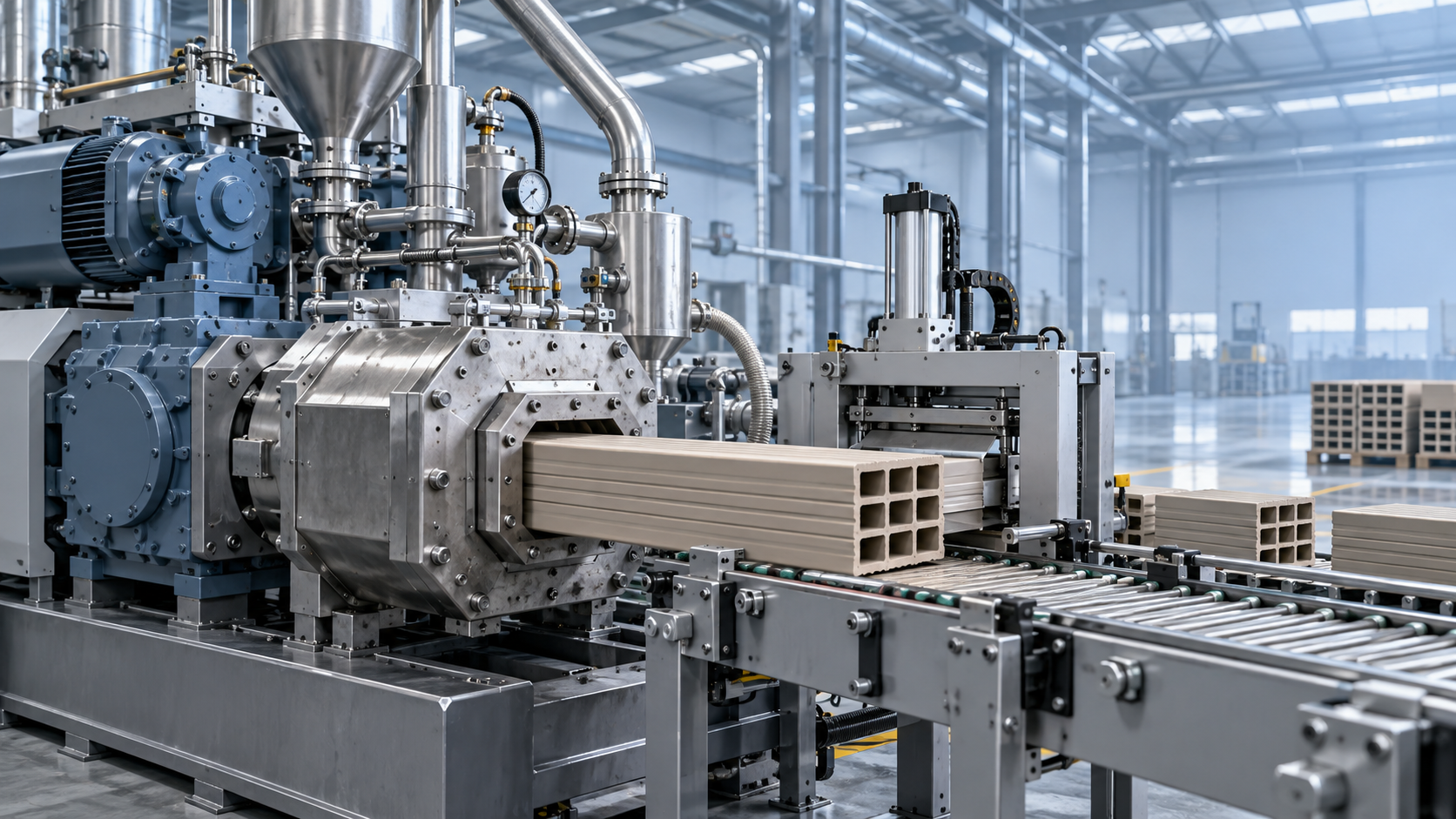
Pressure stability, die wear, raw material adaptability, moisture handling, and energy consumption per unit output usually matter more than raw installed power.
Where Evaluation Often Goes Wrong
One common mistake is comparing design maxima instead of stable operating ranges. Equipment that reaches a high peak can still perform poorly in day-to-day production.
Another problem is treating all data as equally credible. A technical comparison resources platform should distinguish manufacturer declarations, field references, third-party validation, and regulatory documentation.
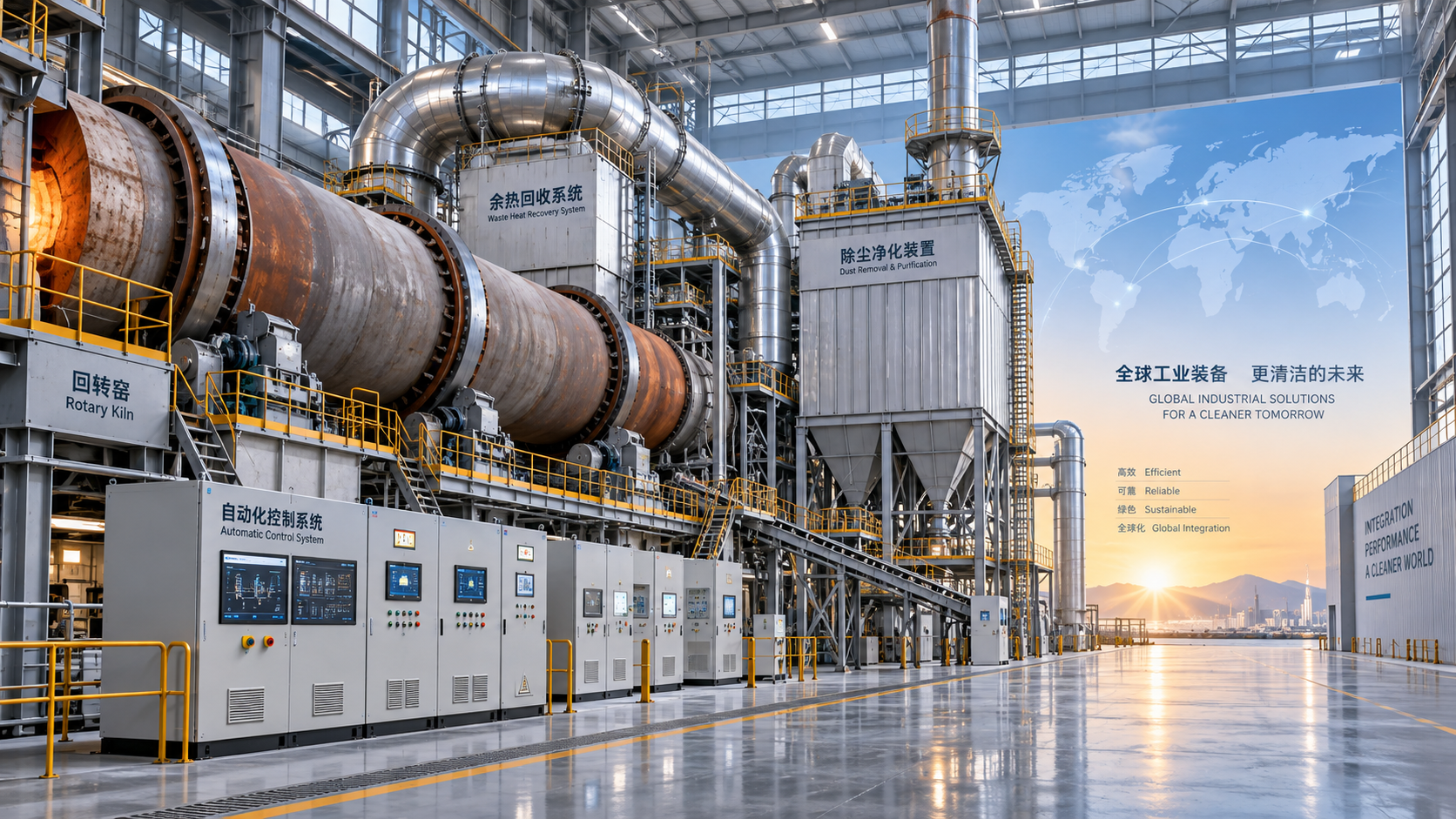
Some evaluations also ignore surrounding systems. Combustion hardware, dust collection, waste heat recovery, and refractory design can alter the true value of the core machine.
There is also a timing issue. Decisions made only around capex often miss energy price exposure, maintenance labor constraints, and carbon reporting requirements that become visible later.
Building a Better Comparison Standard
A platform becomes more reliable when users create a repeatable internal method. That method should define mandatory data fields, acceptable evidence sources, and project-specific weighting.
For high-temperature sectors, it helps to combine three views. One is process reality. Another is equipment durability. The third is transition pressure from energy efficiency and decarbonization policy.
This is where CF-Elite’s model is relevant. By linking process engineering, thermal management, commercial intelligence, and regulatory movement, it reflects how industrial equipment is actually judged today.
A technical comparison resources platform should therefore be used as an evidence framework, not as an automatic decision engine. Final judgment still depends on how well the data fits the intended production environment.
What to Do Next With the Comparison Results
Once the shortlist is narrowed, turn the comparison into a decision record. Capture why one option scores better, which assumptions remain open, and what technical verification is still required.
Then test the strongest candidates against future conditions, not only current demand. Fuel switching, tighter emissions limits, digital monitoring expansion, and carbon performance reporting can change equipment value quickly.
A well-used technical comparison resources platform helps create that forward view. It supports better questions, sharper exclusions, and more defensible equipment choices across demanding thermal and materials-processing operations.
The practical next step is simple: define the process window, rank comparison criteria, and review each candidate through the same evidence structure. That is usually where better industrial decisions begin.
Related News
 Thermal Energy ArchitectEnergy-Efficient Silicate Production Lines: What to Compare Before SelectionSilicate production lines energy efficient selection guide: compare thermal performance, stability, emissions, controls, and lifecycle value before investing.Oct 06, 2026
 Optical Glass Tech FellowHow to Evaluate Automated Float Glass Lines for Capacity, Quality, and Energy UseEvaluate automated float glass lines for net capacity, consistent quality, energy efficiency, automation reliability, and lifecycle value. Explore key criteria for smarter investment decisions.Oct 05, 2026
 Thermal Energy ArchitectWhat Does CE Marking Require for an Energy-Efficient Industrial Kiln?Energy efficient kiln CE requirements explained: assess safety, technical files, energy performance, and EU compliance before purchase or commissioning.Oct 04, 2026
 Thermal Energy ArchitectRefractory Manufacturing Solutions for Brick Plants: How to Extend Kiln LifeRefractory manufacturing solutions for brick plant operations: discover proven strategies to extend kiln life, reduce heat loss, prevent lining failures, and plan cost-effective repairs.Oct 03, 2026
 Thermal Energy ArchitectHow to Specify Heavy Industrial Process Systems for High-Temperature PlantsHeavy industrial processes systems: learn how to specify high-temperature plants for efficiency, emissions control, maintainability, and lifecycle performance.Oct 02, 2026
 Structural Material AnalystHow Sustainable Material Extrusion Can Improve Wall Panel Durability and Design FlexibilityDiscover how sustainable material extrusion for wall panels improves durability, moisture resistance, design flexibility, and installation consistency for high-performing wall systems.Oct 01, 2026
 Thermal Energy ArchitectHow to Evaluate a High-Temperature Materials Manufacturer for Furnace ApplicationsChoose a high-temperature materials manufacturer with confidence: compare thermal performance, chemical resistance, quality controls, installation support, and lifecycle cost.Sep 30, 2026
 Ms. Elena RodriguezHow to Structure Global Specification Data for Faster Industrial Product EvaluationGlobal specification-oriented product information helps industrial teams compare capacity, energy, emissions, automation, and lifecycle data on a like-for-like basis for faster, confident equipment decisions.Sep 29, 2026
 Thermal Energy ArchitectHow to Specify High-Temperature Process Systems for Continuous Thermal OperationsHigh-temperature process engineering systems: learn how to specify resilient continuous thermal operations for efficiency, compliance, reliable uptime, and long-term performance.Sep 28, 2026
 Thermal Energy ArchitectHow to Evaluate a Thermal Engineering Contractor for High-Temperature Plant ProjectsChoose a thermal engineering contractor with proven process expertise, lifecycle value, emissions control, and delivery discipline for reliable high-temperature plant performance.Sep 27, 2026
 Silicate Process EngineerHow Latin American Cement Plants Can Reduce Dust Emissions in Kilns and Transfer PointsCement plant dust control Latin America: reduce kiln and transfer-point emissions with practical airflow, filtration, monitoring, and maintenance strategies.Sep 26, 2026
 Material Heat-Resist ExpertHow to Evaluate Refractory Production Lines for Output, Quality, and Energy UseRefractory production lines: learn how to assess qualified output, consistent quality, and total energy use for smarter, lower-risk investment decisions.Sep 25, 2026
 Dr. Alistair VaughnHow Waste Recycling Technology Improves Material Recovery in Industrial PlantsWaste recycling technology improves material recovery through source segregation, smart separation, thermal treatment, and quality control for industrial plants.Sep 24, 2026
 Optical Glass Tech FellowHow to Specify Glass Annealing Equipment for European Quality and Energy RequirementsGlass annealing equipment Europe: learn how to specify lehrs for consistent glass quality, energy efficiency, compliance, automation, and reliable long-term performance.Sep 23, 2026
 Optical Glass Tech FellowSilicate Process Automation: Improving Batch Consistency and Energy ControlSilicate process automation improves batch consistency, energy control, traceability, and operator confidence across high-temperature manufacturing operations.Sep 22, 2026
 Optical Glass Tech FellowHow Silicate Industrial Processes Control Viscosity, Energy Use, and Product QualitySilicate industrial processes: learn how viscosity, chemistry, heat transfer, and atmosphere control reduce energy use, improve stability, and protect product quality.Sep 21, 2026
 Thermal Energy ArchitectHow European Plants Can Evaluate Energy Recovery Equipment for High-Temperature ProcessesIndustrial energy recovery equipment Europe: learn how high-temperature plants can assess waste-heat sources, integration risks, lifecycle value, and reliable recovery routes.Sep 20, 2026
 Thermal Energy ArchitectIndustrial Furnace Process Optimization: Reducing Fuel Use Without Sacrificing ThroughputIndustrial process optimization furnace strategies that cut fuel use while protecting throughput. Explore combustion control, heat recovery, refractory performance, and data-driven efficiency gains.Sep 19, 2026
 Ms. Elena RodriguezWhat Drives High-Pressure Extrusion Equipment Cost in Industrial Projects?High pressure extrusion equipment cost explained: compare pressure, die design, automation, wear, energy, and installation factors for smarter industrial investments.Sep 18, 2026
 Thermal Energy ArchitectHow to Size a Waste Heat Recovery Exchanger for High-Temperature Kiln Exhaust?Waste heat recovery exchanger sizing for high-temperature kiln exhaust: balance recoverable duty, fouling, corrosion limits, pressure drop, and reliable heat use.Sep 17, 2026

Related News
- 00
0000-00
How to Structure Global Specification Data for Faster Industrial Product Evaluation - 00
0000-00
What Drives High-Pressure Extrusion Equipment Cost in Industrial Projects? - 00
0000-00
How Should Buyers Evaluate Building Material Industry Intelligence Pricing? - 00
0000-00
How to Use Building Material Intelligence Data for Market and Investment Decisions - 00
0000-00
How to Evaluate a Silicate Processing Equipment Manufacturer for Plant Projects
Weekly Insights
Stay ahead with our curated technology reports delivered every Monday.