
Thermal Engineering Consultancy: What to Review Before Planning a Kiln Upgrade




Thermal Engineering Consultancy: What deserves review before a kiln upgrade begins?
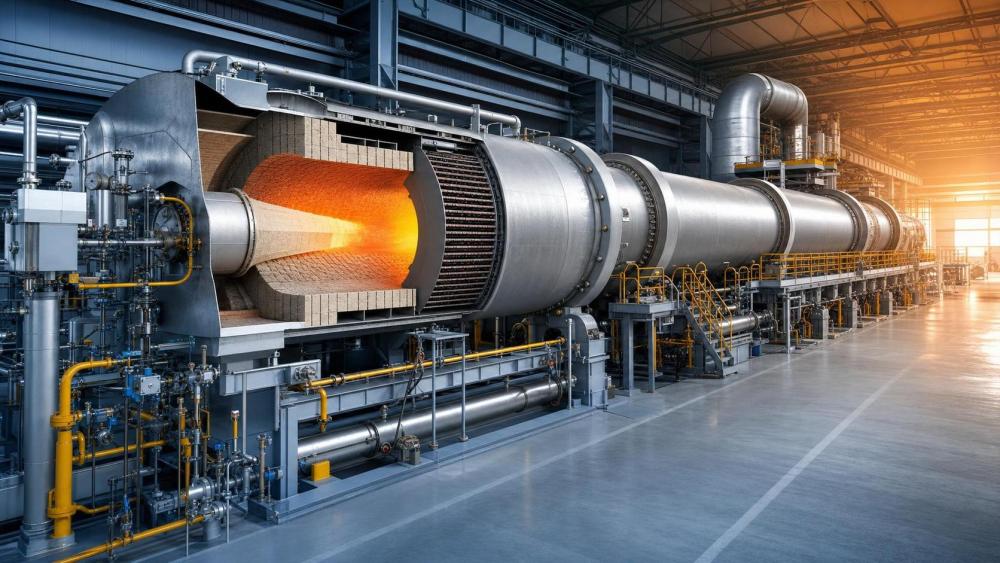
A kiln upgrade can improve fuel efficiency, throughput, and emissions performance. It can also lock in new problems when the baseline is unclear.
That is why a thermal engineering consultancy matters early. The job is not only to validate supplier claims.
It should reveal how heat moves through the system, where losses occur, and which constraints will limit gains after installation.
In cement, glass, incineration, refractory, and extrusion lines, the same pattern appears. Mechanical upgrades fail when thermal behavior is treated as a secondary issue.
CF-Elite follows these sectors closely because ultra-high temperature operations depend on linked decisions, not isolated equipment purchases.
A sound review connects combustion, refractory life, process chemistry, controls, carbon targets, and future operating flexibility.
So the practical question is not whether to modernize. It is whether the upgrade logic is complete enough to support return, compliance, and reliability.
What should a thermal engineering consultancy actually examine first?
Start with the thermal baseline. Without it, every performance promise becomes difficult to verify after the outage ends.
A useful thermal engineering consultancy will usually review five areas together rather than one by one.
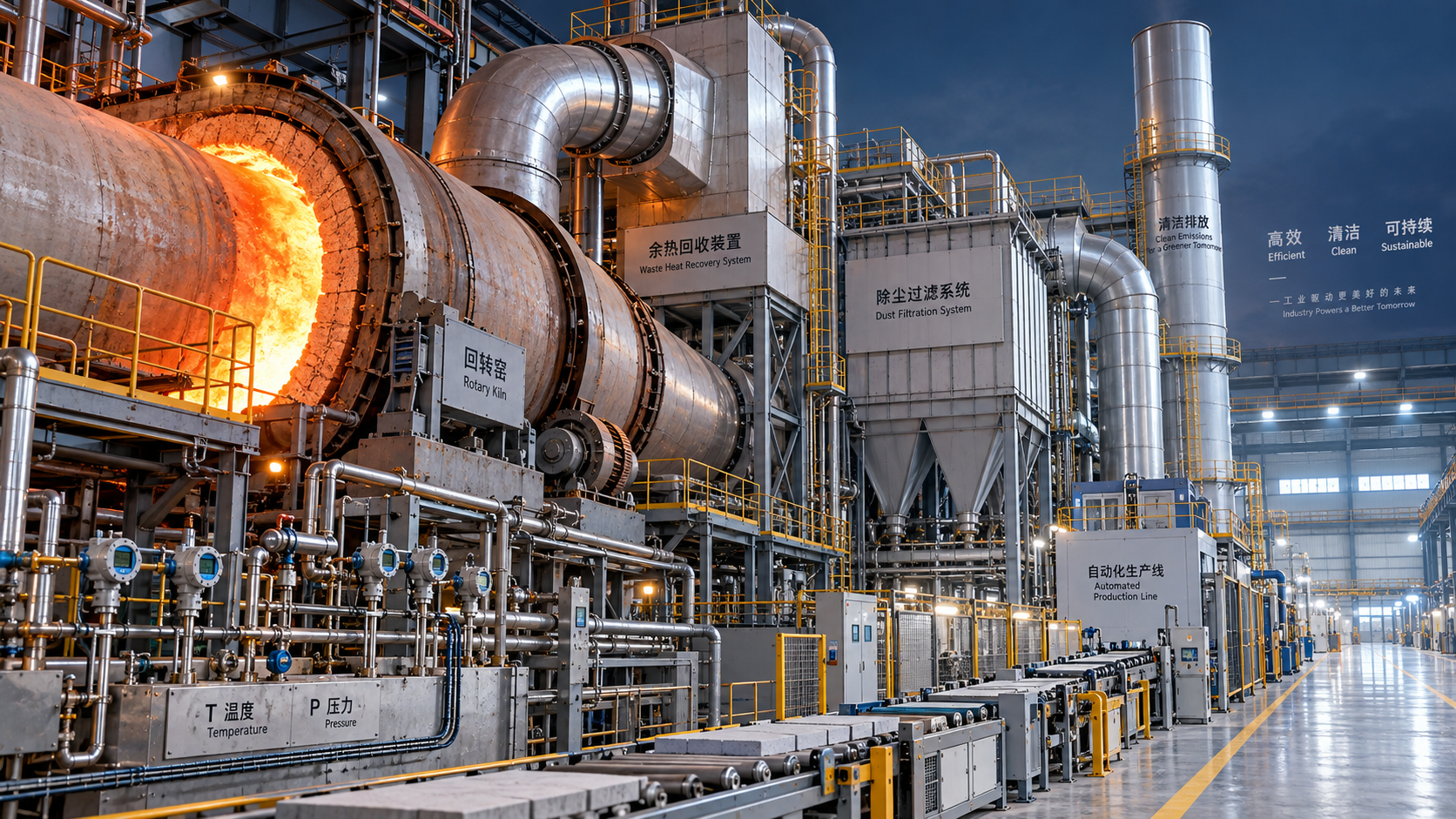
- Heat balance across the full kiln system, including shell losses, exhaust temperature, and secondary air recovery.
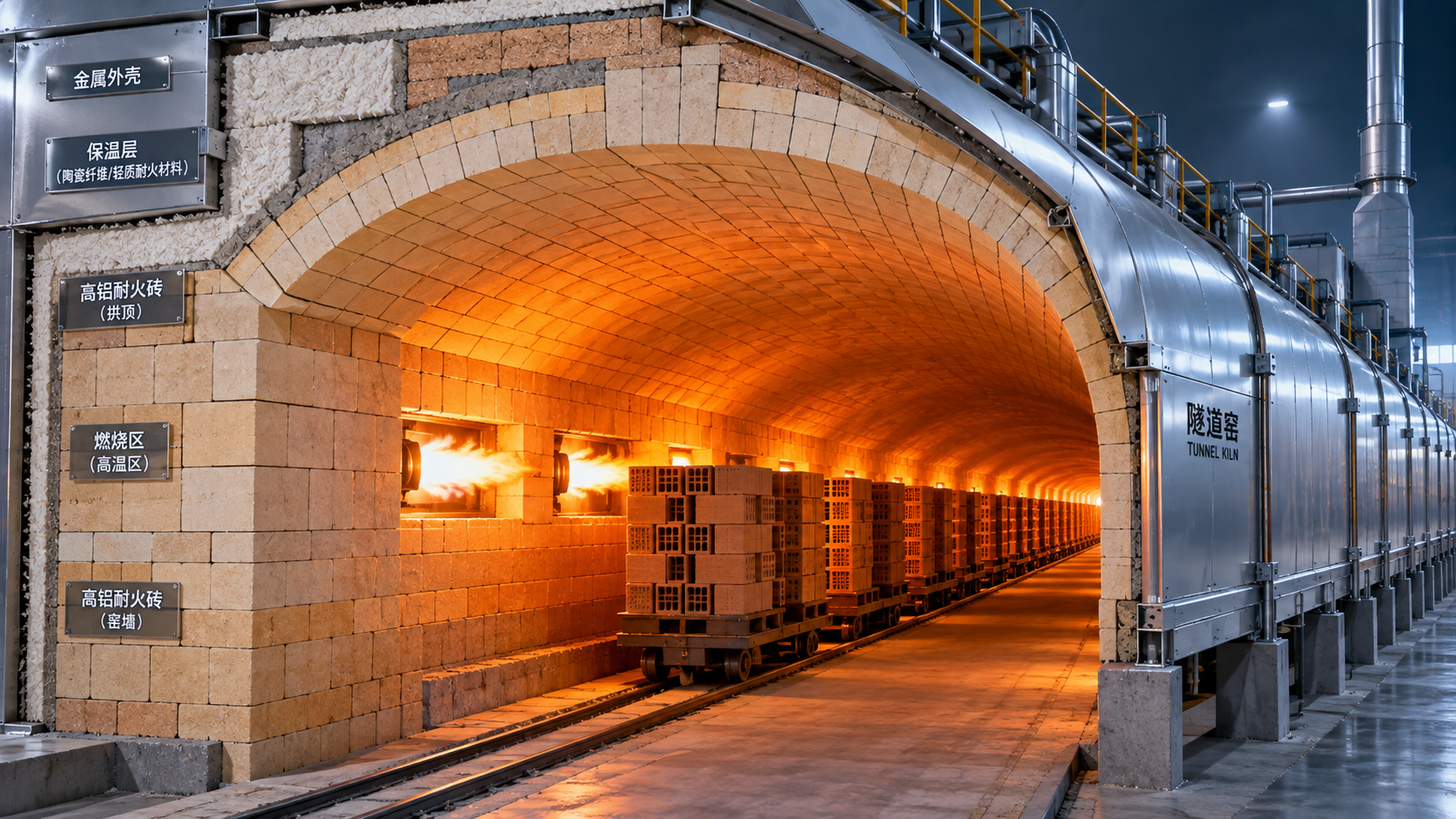
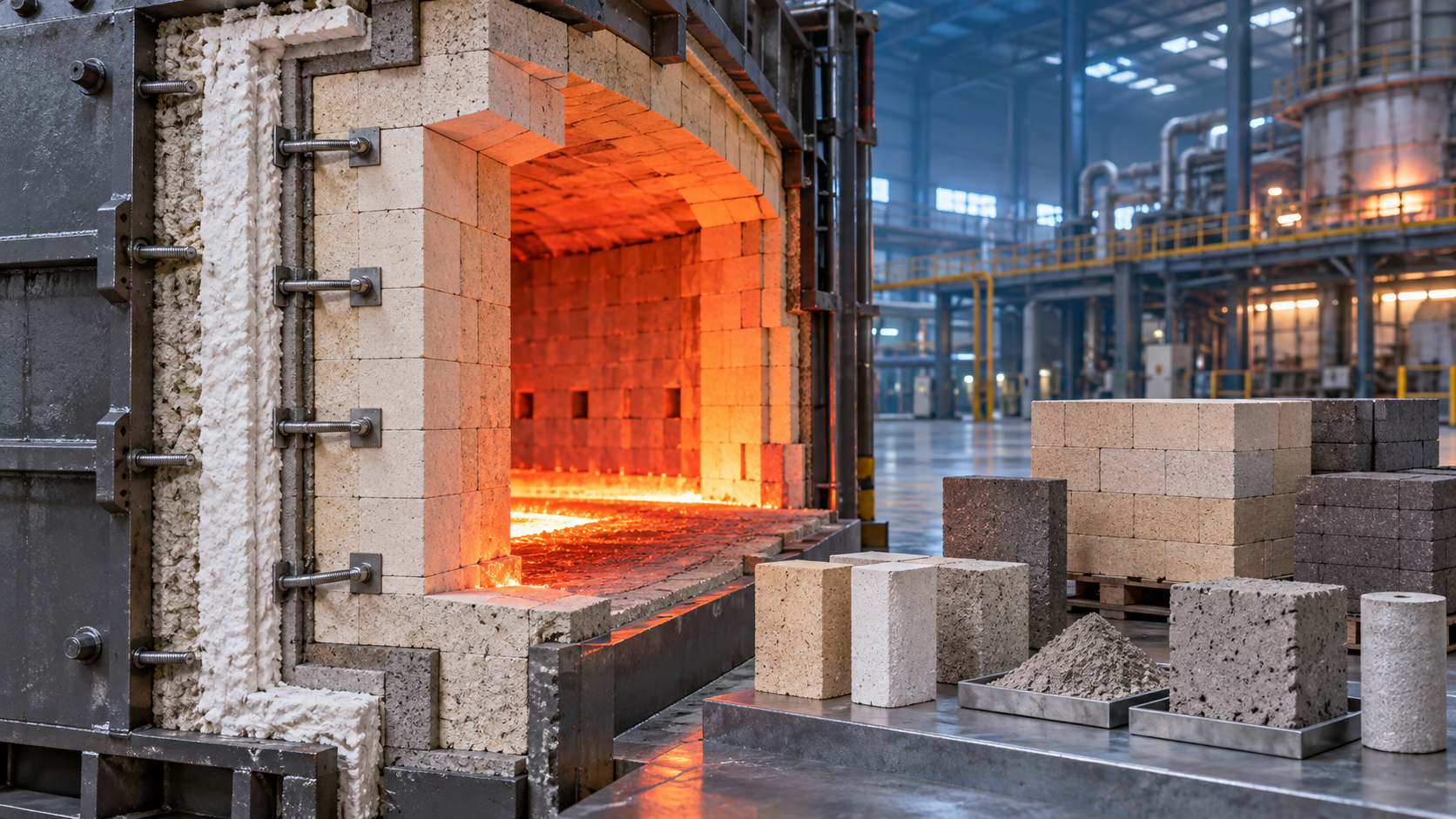
- Refractory condition, wear pattern, hot spots, anchoring, and remaining lining life under new firing conditions.
- Fuel mix flexibility, especially where coal, gas, alternative fuels, or waste-derived streams may change flame shape.
- Emissions constraints, including NOx, SOx, CO, dust, and possible permit implications after capacity or fuel changes.
- Control system readiness, covering instrumentation accuracy, response time, historian quality, and operator visibility.
In practical terms, the review should answer one hard question: where is the real bottleneck, and is it thermal, chemical, mechanical, or operational?
That distinction matters. A larger burner or new cooler will not solve unstable feed chemistry or poor draft control.
CF-Elite often frames kiln modernization through this broader system lens. It reflects how high-temperature industries actually gain durable efficiency.
How do you know whether the problem is efficiency, capacity, or compliance?
This is where many upgrade plans become too generic. The thermal engineering consultancy should separate business goals from engineering symptoms.
For example, high specific fuel consumption may come from air leakage, refractory degradation, poor combustion tuning, or unstable material residence time.
Meanwhile, a throughput limit may have little to do with burner power. It may come from calcination limits, draft imbalance, or cooler recovery losses.
A short decision table helps clarify what to check before scope is frozen.
A strong thermal engineering consultancy will push for measured evidence here. Trend data, shell temperature maps, and combustion records usually tell a clearer story than assumptions.
Where do upgrade plans most often go wrong?
The common mistake is treating the kiln as a single machine instead of a thermal process chain.
An apparently simple burner change may alter flame momentum, coating formation, refractory stress, and downstream emissions. Those interactions are easy to underestimate.
Another risk is weak data quality. If temperature, pressure, oxygen, or flow instruments drift, the upgrade study may optimize against false readings.
Schedule pressure creates a different problem. Teams often define equipment during budget season before process validation is complete.
In that situation, the thermal engineering consultancy becomes especially important. It can challenge scope assumptions before procurement locks them in.
The following warning signs usually justify a deeper pre-upgrade review:
- Expected savings are expressed as percentages without measured baseline conditions.
- Refractory and burner changes are planned separately, although they influence each other directly.
- Alternative fuel use is assumed feasible without flame stability trials or ash impact analysis.
- The control system upgrade is postponed, even though current instrumentation is already unreliable.
- Environmental review starts after technical scope approval rather than before it.
In sectors tracked by CF-Elite, especially silicate and incineration lines, these missed connections often drive the largest cost overruns.
How should fuel flexibility, decarbonization, and controls affect the decision?
This part is no longer optional. Fuel risk, carbon policy, and digital control maturity now shape upgrade value as much as thermal efficiency.
A thermal engineering consultancy should test whether the kiln can handle future fuel scenarios without unstable flame behavior or unacceptable emissions drift.
That means reviewing burner design, combustion air strategy, material chemistry, and exhaust treatment together.
Controls deserve equal attention. A kiln cannot hold a tighter thermal window if sensors are slow, historians are incomplete, or operator screens hide meaningful deviations.
CF-Elite’s coverage of digital twin simulation and online refractory monitoring reflects this shift. Better decisions increasingly depend on better operational visibility.
The practical review questions are straightforward:
- Can the current kiln geometry support the planned fuel spectrum?
- Will a new firing regime shorten lining life or change coating stability?
- Are emissions limits likely to tighten during the investment payback period?
- Can the automation layer maintain stable operation after throughput or fuel changes?
When those answers are unclear, the upgrade scope is still immature.
What is a reasonable way to compare consultants before committing?
Price alone is a weak filter. The better comparison is depth of diagnosis, sector relevance, and willingness to quantify uncertainty.
A capable thermal engineering consultancy should speak comfortably across heat transfer, process chemistry, refractory behavior, emissions, and controls.
That range matters in cement kilns, glass melting systems, industrial incineration, and advanced extrusion lines because thermal issues rarely stay in one discipline.
Before selection, it helps to ask for a sample review structure rather than a sales deck. The structure should show how findings become decisions.
This is also where intelligence platforms like CF-Elite can help. Independent sector insight makes it easier to test whether a recommendation fits market and regulatory direction.
What should be ready before the upgrade plan moves into execution?
By this stage, the thermal engineering consultancy should have reduced uncertainty, not just described opportunities.
A practical handoff into execution usually includes a verified baseline, ranked upgrade options, outage implications, and a post-startup validation plan.
The best upgrade plans also define what success looks like in operating terms. Not just energy saved, but stable kiln behavior under real production conditions.
Before final approval, confirm these points:
- Baseline thermal data has been checked against current field measurements.
- Refractory, burner, and controls changes have been reviewed as one operating system.
- Fuel flexibility assumptions are supported by technical evidence, not only commercial interest.
- Compliance impacts are known for current and likely future regulations.
- The startup plan includes measurement points for heat balance and process stability confirmation.
In simple terms, a kiln upgrade is worth planning only when the engineering case is stronger than the sales narrative.
A disciplined thermal engineering consultancy helps build that case. The next step is to organize current operating data, define the real constraint, and compare upgrade paths against measurable thermal and compliance outcomes.
Related News
 Thermal Energy ArchitectEnergy-Efficient Silicate Production Lines: What to Compare Before SelectionSilicate production lines energy efficient selection guide: compare thermal performance, stability, emissions, controls, and lifecycle value before investing.Oct 06, 2026
 Optical Glass Tech FellowHow to Evaluate Automated Float Glass Lines for Capacity, Quality, and Energy UseEvaluate automated float glass lines for net capacity, consistent quality, energy efficiency, automation reliability, and lifecycle value. Explore key criteria for smarter investment decisions.Oct 05, 2026
 Thermal Energy ArchitectWhat Does CE Marking Require for an Energy-Efficient Industrial Kiln?Energy efficient kiln CE requirements explained: assess safety, technical files, energy performance, and EU compliance before purchase or commissioning.Oct 04, 2026
 Thermal Energy ArchitectRefractory Manufacturing Solutions for Brick Plants: How to Extend Kiln LifeRefractory manufacturing solutions for brick plant operations: discover proven strategies to extend kiln life, reduce heat loss, prevent lining failures, and plan cost-effective repairs.Oct 03, 2026
 Thermal Energy ArchitectHow to Specify Heavy Industrial Process Systems for High-Temperature PlantsHeavy industrial processes systems: learn how to specify high-temperature plants for efficiency, emissions control, maintainability, and lifecycle performance.Oct 02, 2026
 Structural Material AnalystHow Sustainable Material Extrusion Can Improve Wall Panel Durability and Design FlexibilityDiscover how sustainable material extrusion for wall panels improves durability, moisture resistance, design flexibility, and installation consistency for high-performing wall systems.Oct 01, 2026
 Thermal Energy ArchitectHow to Evaluate a High-Temperature Materials Manufacturer for Furnace ApplicationsChoose a high-temperature materials manufacturer with confidence: compare thermal performance, chemical resistance, quality controls, installation support, and lifecycle cost.Sep 30, 2026
 Ms. Elena RodriguezHow to Structure Global Specification Data for Faster Industrial Product EvaluationGlobal specification-oriented product information helps industrial teams compare capacity, energy, emissions, automation, and lifecycle data on a like-for-like basis for faster, confident equipment decisions.Sep 29, 2026
 Thermal Energy ArchitectHow to Specify High-Temperature Process Systems for Continuous Thermal OperationsHigh-temperature process engineering systems: learn how to specify resilient continuous thermal operations for efficiency, compliance, reliable uptime, and long-term performance.Sep 28, 2026
 Thermal Energy ArchitectHow to Evaluate a Thermal Engineering Contractor for High-Temperature Plant ProjectsChoose a thermal engineering contractor with proven process expertise, lifecycle value, emissions control, and delivery discipline for reliable high-temperature plant performance.Sep 27, 2026
 Silicate Process EngineerHow Latin American Cement Plants Can Reduce Dust Emissions in Kilns and Transfer PointsCement plant dust control Latin America: reduce kiln and transfer-point emissions with practical airflow, filtration, monitoring, and maintenance strategies.Sep 26, 2026
 Material Heat-Resist ExpertHow to Evaluate Refractory Production Lines for Output, Quality, and Energy UseRefractory production lines: learn how to assess qualified output, consistent quality, and total energy use for smarter, lower-risk investment decisions.Sep 25, 2026
 Dr. Alistair VaughnHow Waste Recycling Technology Improves Material Recovery in Industrial PlantsWaste recycling technology improves material recovery through source segregation, smart separation, thermal treatment, and quality control for industrial plants.Sep 24, 2026
 Optical Glass Tech FellowHow to Specify Glass Annealing Equipment for European Quality and Energy RequirementsGlass annealing equipment Europe: learn how to specify lehrs for consistent glass quality, energy efficiency, compliance, automation, and reliable long-term performance.Sep 23, 2026
 Optical Glass Tech FellowSilicate Process Automation: Improving Batch Consistency and Energy ControlSilicate process automation improves batch consistency, energy control, traceability, and operator confidence across high-temperature manufacturing operations.Sep 22, 2026
 Optical Glass Tech FellowHow Silicate Industrial Processes Control Viscosity, Energy Use, and Product QualitySilicate industrial processes: learn how viscosity, chemistry, heat transfer, and atmosphere control reduce energy use, improve stability, and protect product quality.Sep 21, 2026
 Thermal Energy ArchitectHow European Plants Can Evaluate Energy Recovery Equipment for High-Temperature ProcessesIndustrial energy recovery equipment Europe: learn how high-temperature plants can assess waste-heat sources, integration risks, lifecycle value, and reliable recovery routes.Sep 20, 2026
 Thermal Energy ArchitectIndustrial Furnace Process Optimization: Reducing Fuel Use Without Sacrificing ThroughputIndustrial process optimization furnace strategies that cut fuel use while protecting throughput. Explore combustion control, heat recovery, refractory performance, and data-driven efficiency gains.Sep 19, 2026
 Ms. Elena RodriguezWhat Drives High-Pressure Extrusion Equipment Cost in Industrial Projects?High pressure extrusion equipment cost explained: compare pressure, die design, automation, wear, energy, and installation factors for smarter industrial investments.Sep 18, 2026
 Thermal Energy ArchitectHow to Size a Waste Heat Recovery Exchanger for High-Temperature Kiln Exhaust?Waste heat recovery exchanger sizing for high-temperature kiln exhaust: balance recoverable duty, fouling, corrosion limits, pressure drop, and reliable heat use.Sep 17, 2026

Related News
- 00
0000-00
Energy-Efficient Silicate Production Lines: What to Compare Before Selection - 00
0000-00
What Does CE Marking Require for an Energy-Efficient Industrial Kiln? - 00
0000-00
Refractory Manufacturing Solutions for Brick Plants: How to Extend Kiln Life - 00
0000-00
How to Specify Heavy Industrial Process Systems for High-Temperature Plants - 00
0000-00
How to Evaluate a High-Temperature Materials Manufacturer for Furnace Applications
Weekly Insights
Stay ahead with our curated technology reports delivered every Monday.