
Material Science Innovations for High-Temperature Processing: What Improves Thermal Stability?




Material Science Innovations for High-Temperature Processing: What Improves Thermal Stability?
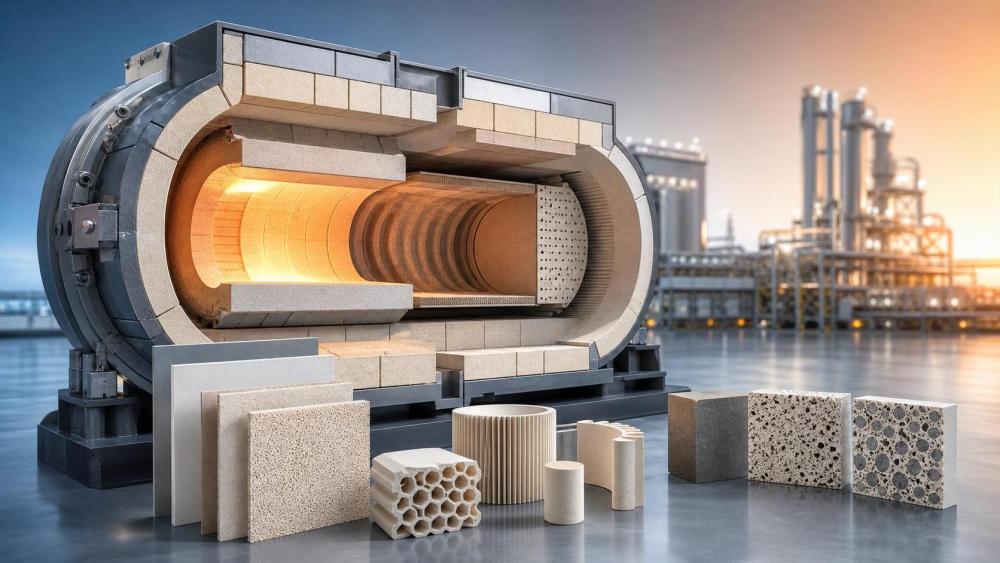
From refractory linings to thermal barrier systems, heat-facing equipment is changing fast.
That is why material science innovations high temperature strategies now sit closer to process design, maintenance, and carbon goals.
In cement, glass, incineration, and extrusion, thermal stability is no longer only about surviving peak temperature.
It is about resisting thermal shock, chemical attack, creep, oxidation, and structural fatigue over long campaigns.
The more useful question is practical: what actually improves thermal stability under industrial conditions?
Recent progress shows that chemistry, microstructure, surface engineering, and data feedback now work together.
This also means thermal performance can be engineered with more precision than before.
Why Thermal Stability Fails First in Real Plants
Material science innovations high temperature programs start with failure mapping, not only material selection tables.
A kiln lining may handle design temperature, yet still crack from temperature gradients during startup and shutdown.
Glass contact refractories may stay dimensionally stable, then fail because alkali vapors penetrate open porosity.
Incineration chambers often face mixed stress, where ash chemistry and cycling damage act at the same time.
In practice, thermal stability weakens through several linked mechanisms:
- Phase transformation that changes volume and creates internal stress.
- Grain growth that lowers strength at sustained high temperature.
- Oxidation, slag attack, or vapor corrosion that changes surface chemistry.
- Creep deformation under load in long-duration heat zones.
- Microcrack formation from rapid heating, cooling, or nonuniform heat flow.
So the best material is rarely the one with the highest temperature rating on paper.
It is the one that matches the full thermal and chemical profile of the process line.
Core Material Science Innovations High Temperature Systems Depend On
Several breakthroughs now shape material science innovations high temperature engineers follow most closely.
1. Microstructure Control
Thermal stability improves when pore size, grain boundaries, and crystal distribution are tightly controlled.
Fine-tuned microstructure can slow crack growth while preserving insulation or mechanical strength.
This is especially relevant in alumina, mullite, zirconia, and silicon carbide systems.
2. Advanced Ceramic Compositions
Engineered ceramics now combine high melting stability with better shock resistance and lower reactivity.
Partially stabilized zirconia and composite oxide ceramics are useful where cyclic heat loads are severe.
In hostile atmospheres, non-oxide ceramics also offer strong oxidation and wear performance.
3. Functional Coatings and Barrier Layers
Thermal barrier coatings reduce heat transfer and shield base materials from corrosive environments.
When bond coats are optimized, coating adhesion lasts longer under repeated expansion and contraction.
That directly supports furnace parts, burner blocks, and metal fixtures near hot zones.
4. Composite Design
Composites spread stress more effectively than monolithic materials in many high-temperature applications.
Fiber reinforcement, graded interfaces, and layered structures help control crack propagation.
This matters in extrusion tooling, kiln furniture, and thermal shields exposed to repeated cycling.
What Improves Thermal Stability in Specific Industrial Settings
The strongest signal from the market is clear: thermal stability is application-specific.
Material science innovations high temperature planning works best when tied to each process environment.
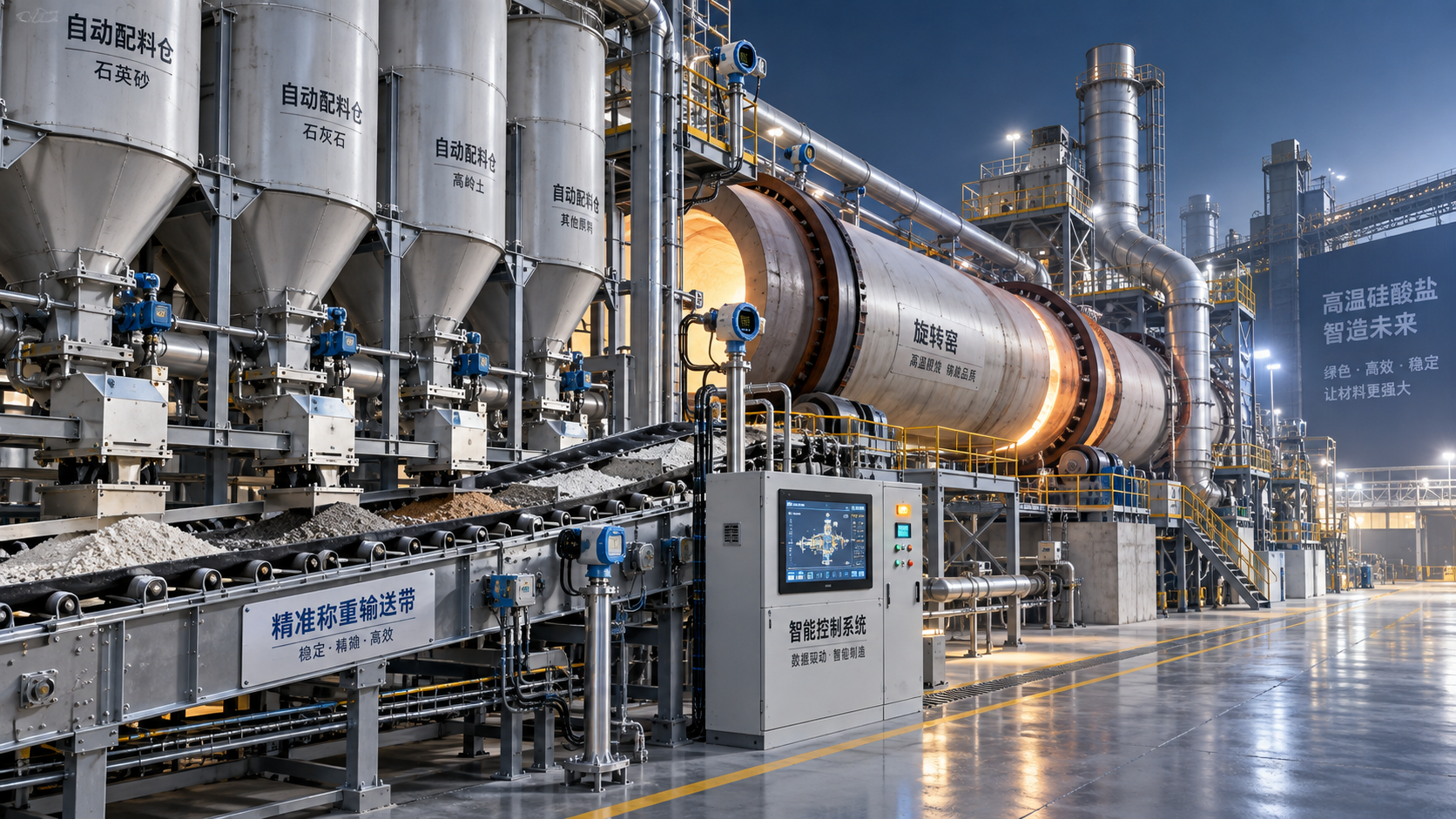
Cement Production Plants
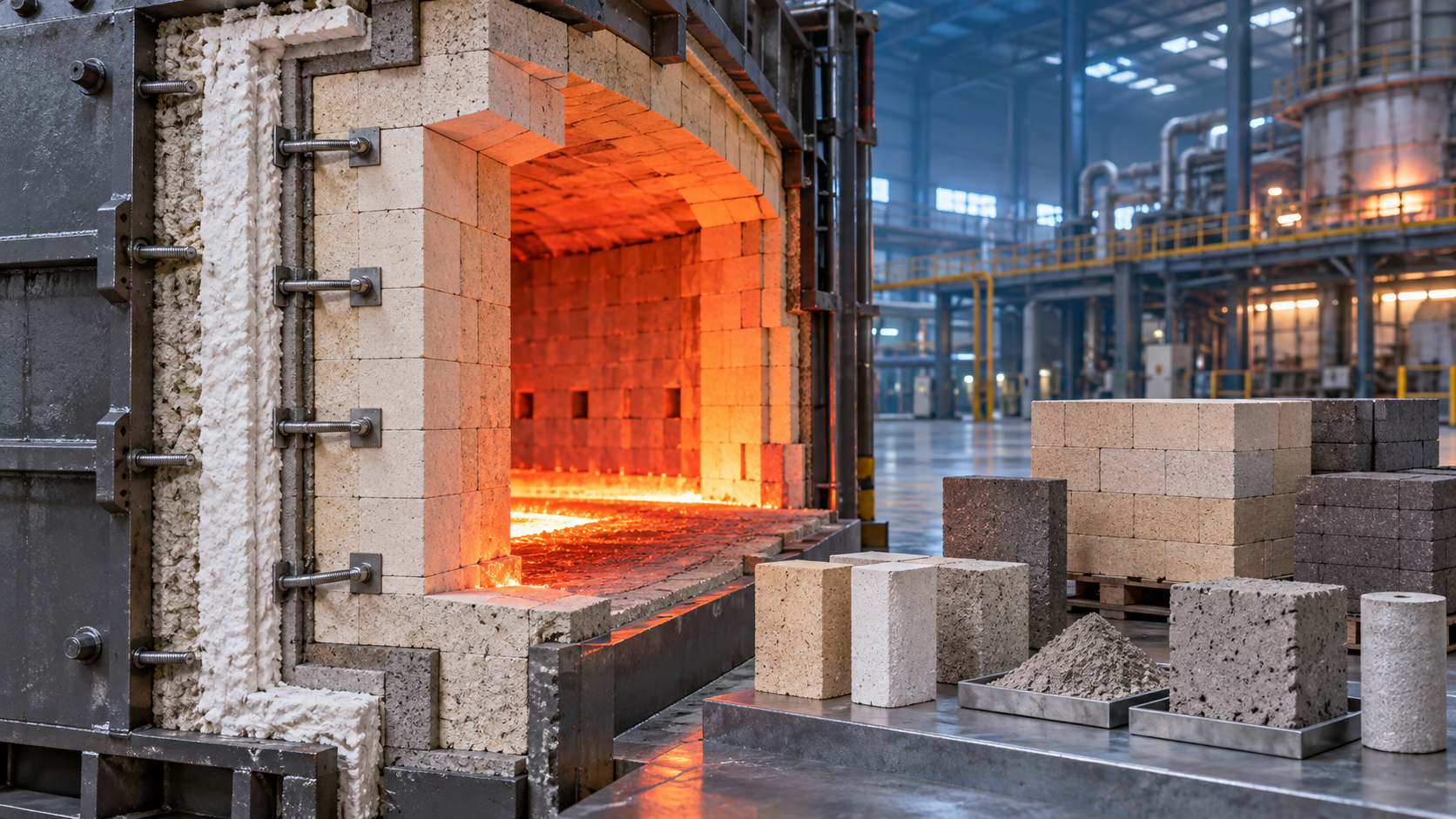
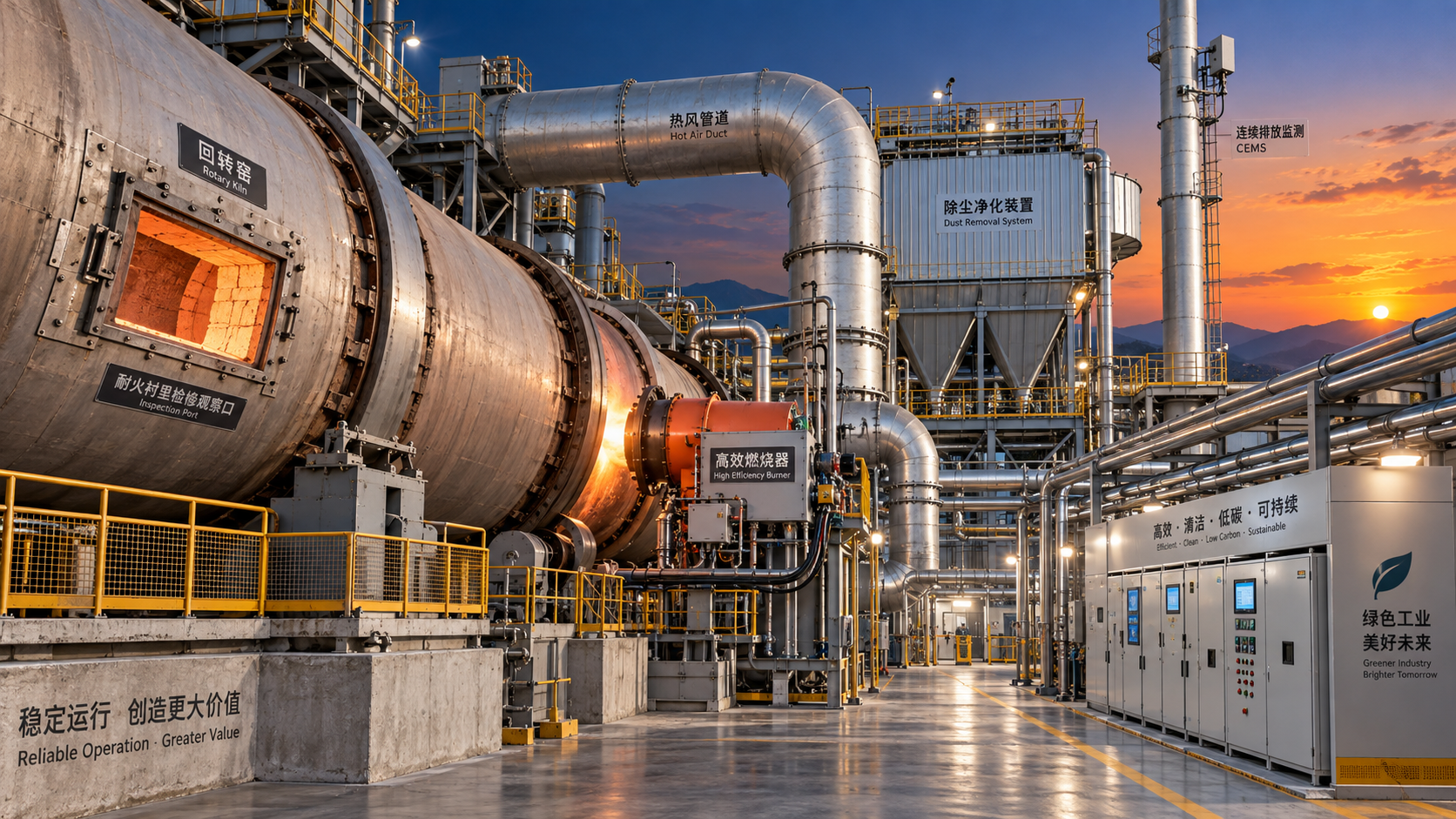
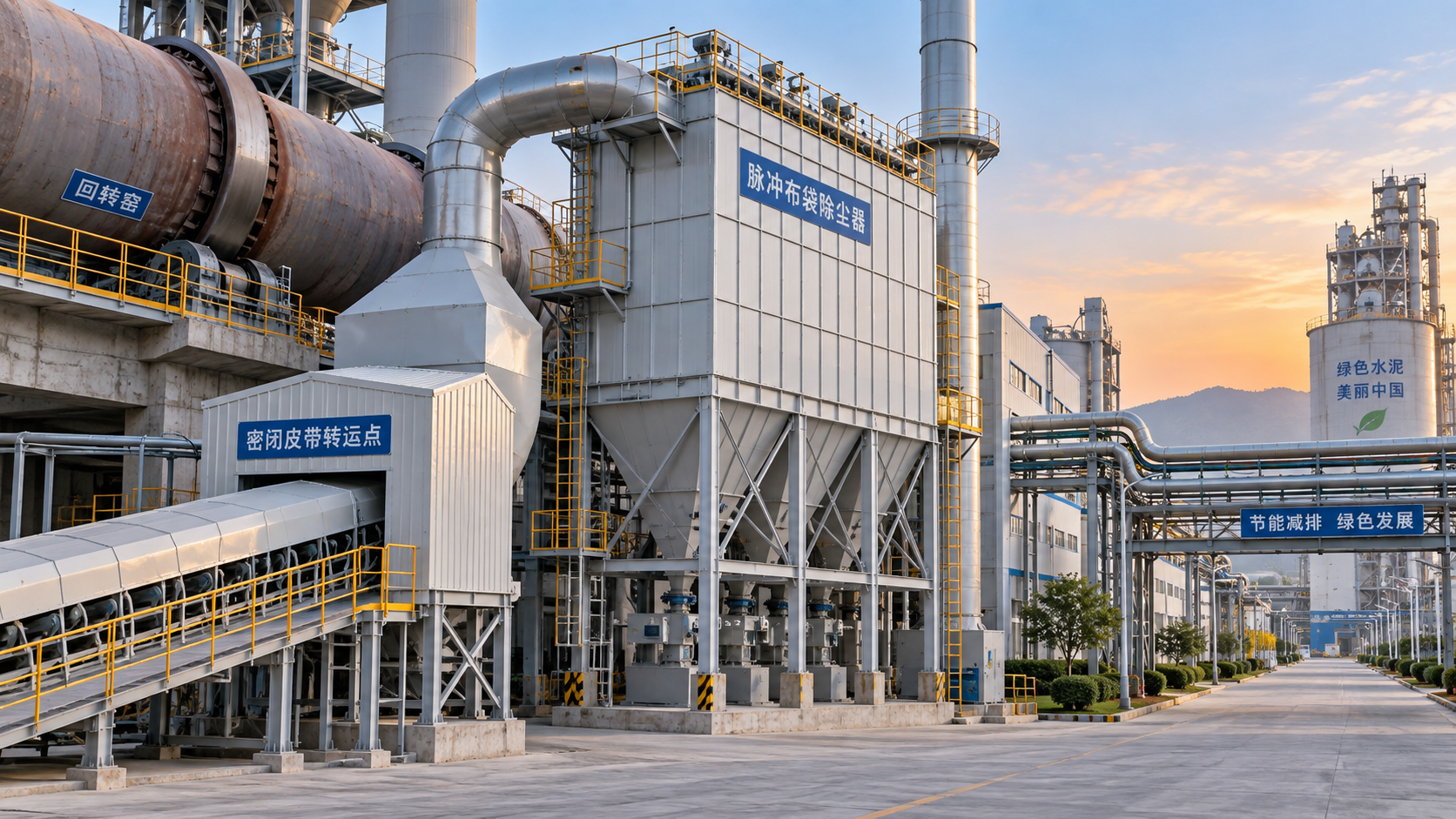
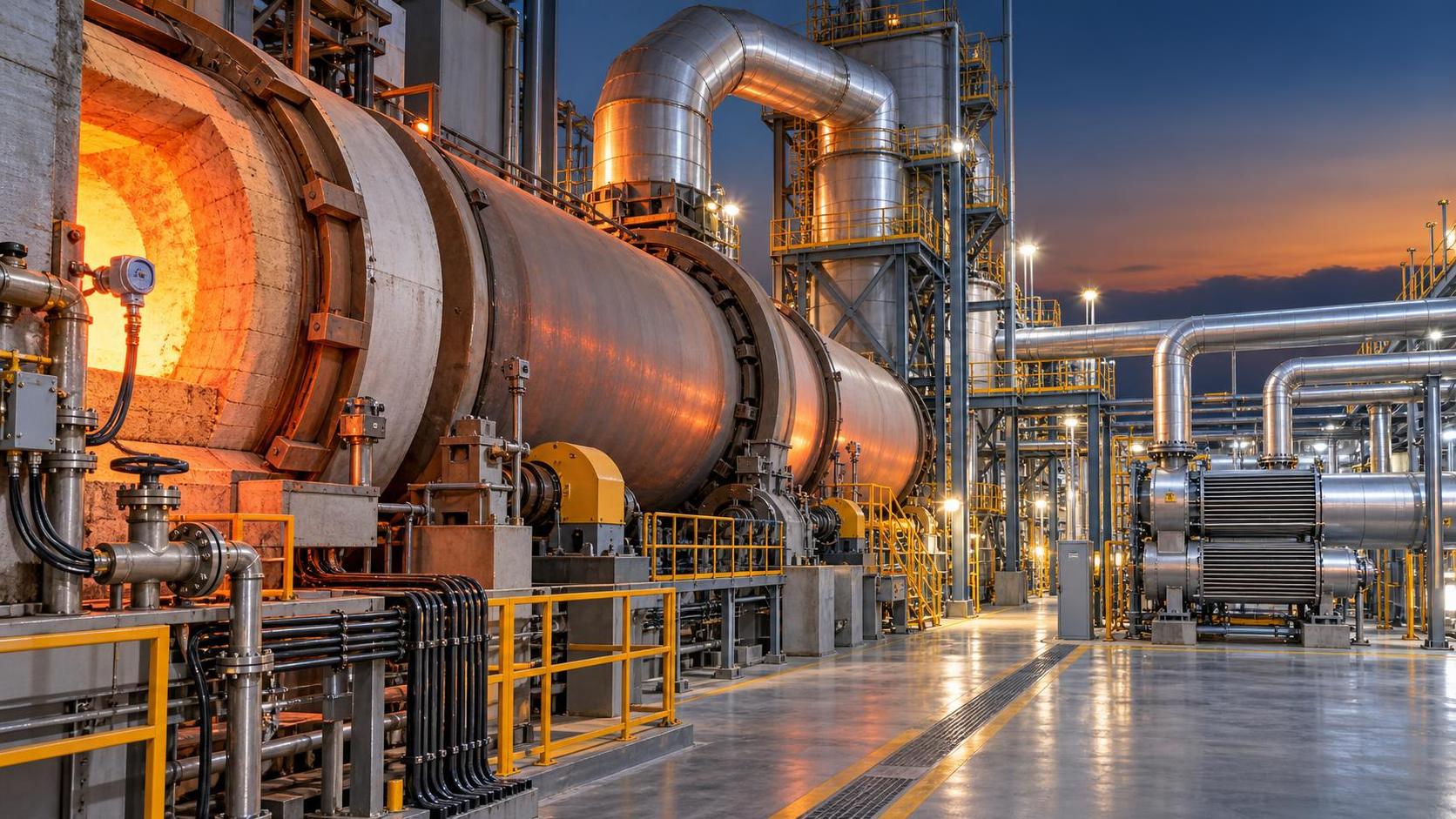
Rotary kilns need refractories that manage coating behavior, alkali load, and shell temperature together.
Spinel-forming linings and low-porosity brick designs often improve thermal stability over long campaigns.
Better lining stability lowers unscheduled shutdowns and helps energy efficiency stay closer to target.
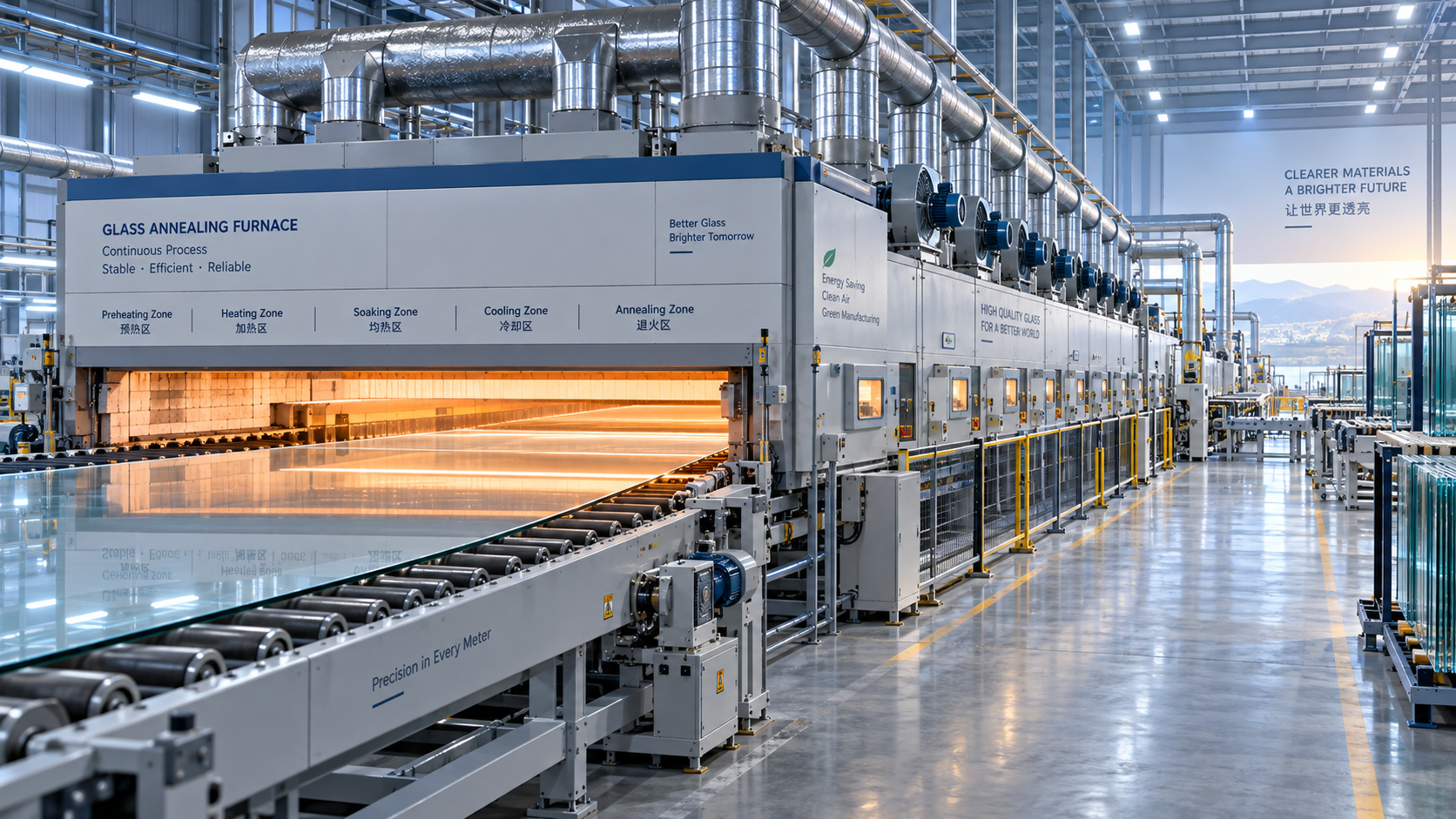
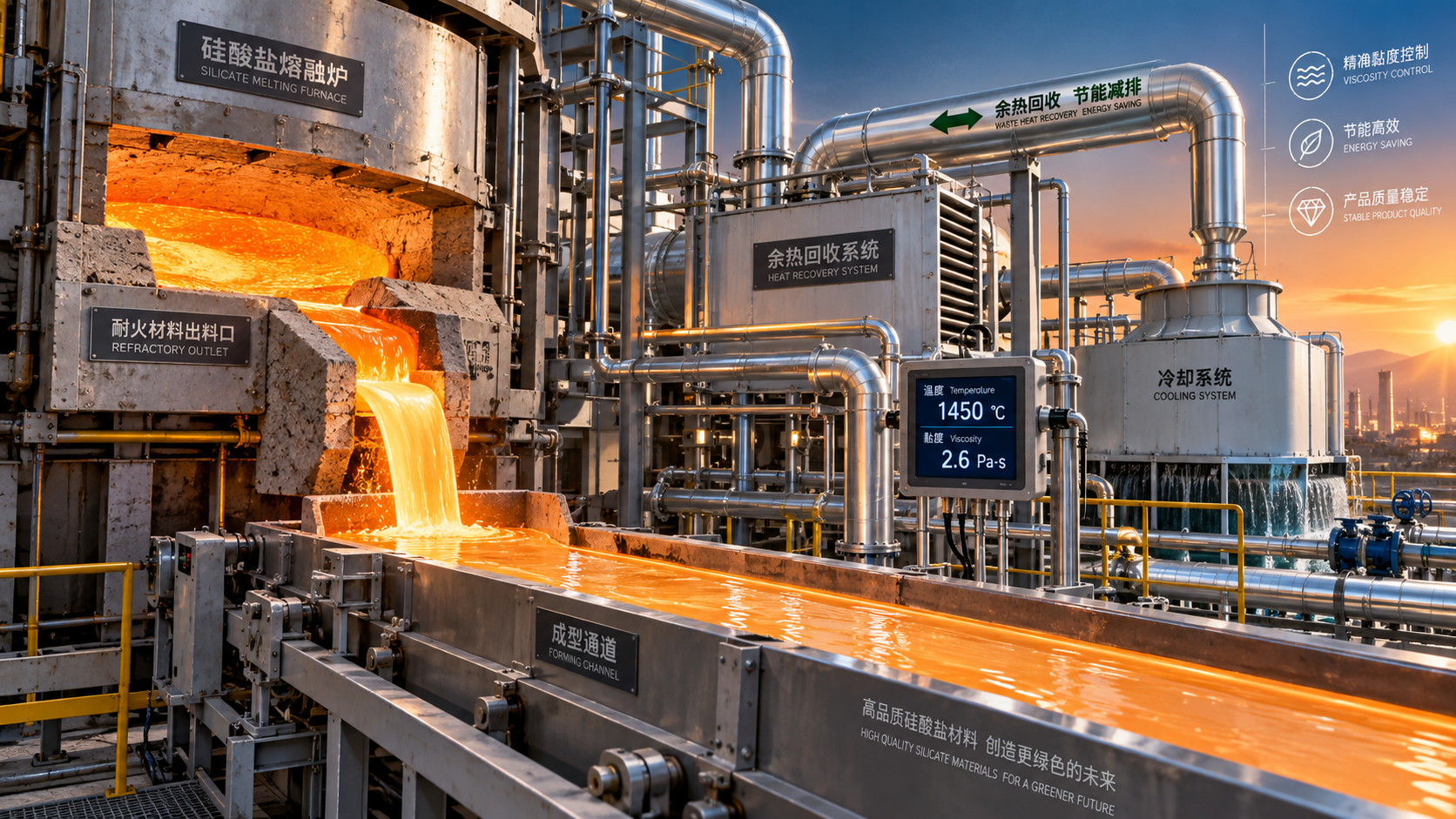
Glass Manufacturing Gear
Glass contact materials must control contamination while surviving continuous heat exposure.
Fused cast refractories, zircon-based systems, and cleaner microstructures reduce erosion and blister risks.
Here, thermal stability also protects final product quality, not only equipment life.
Industrial Kilns and Incineration
Waste streams create variable atmospheres, sticky ash, chlorine attack, and difficult thermal cycling.
Dense chemical-resistant linings and smart anchor designs are often more important than maximum temperature class alone.
That reduces spalling and extends maintenance windows under unpredictable feed conditions.
Refractory Production Lines and Material Extrusion
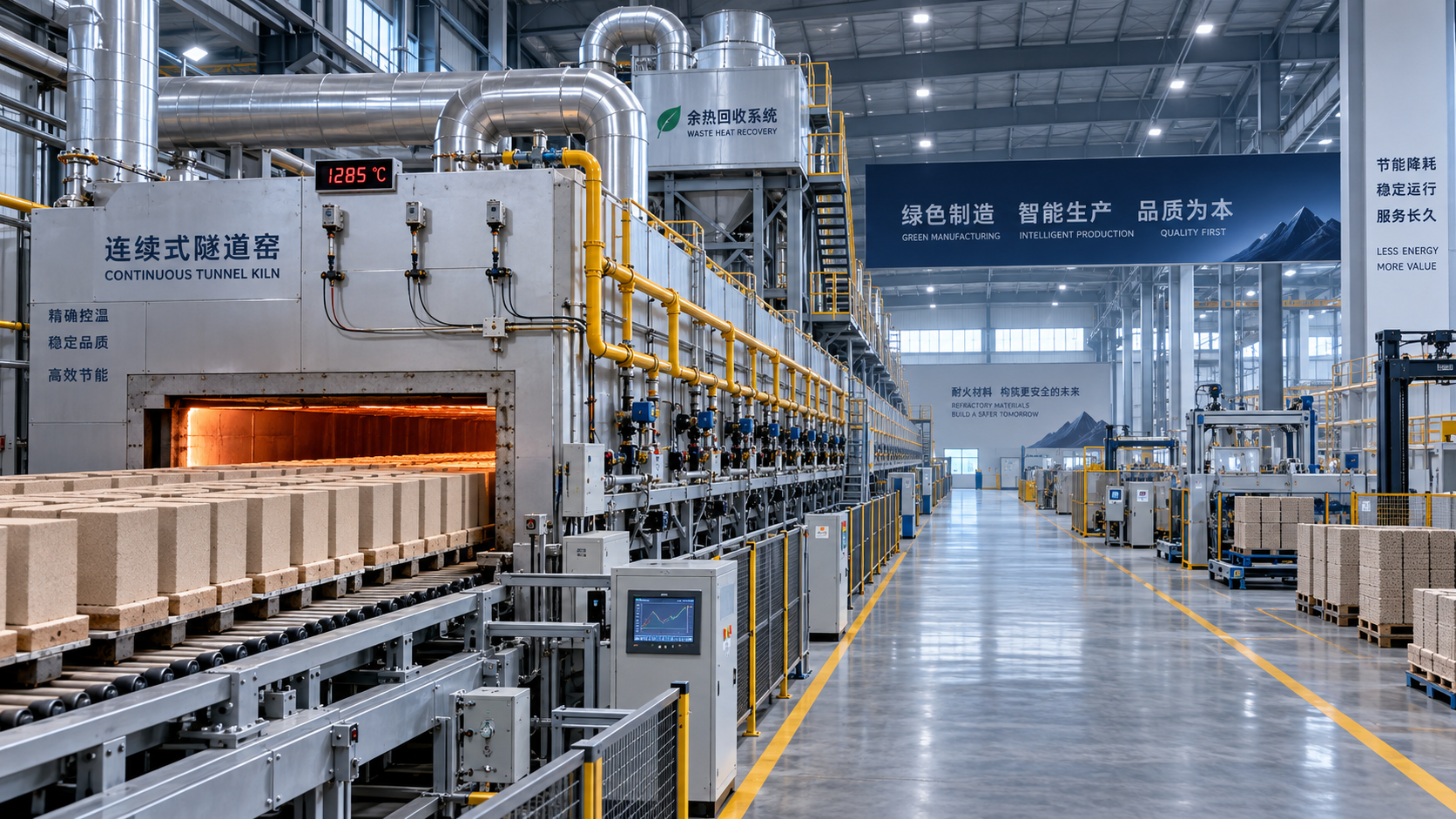
Thermal stability in production equipment affects the quality of the thermal barrier products themselves.
Uniform die temperature, wear-resistant ceramic parts, and controlled cooling profiles make a measurable difference.
This also supports greener lightweight materials with fewer defects and lower scrap rates.
How to Evaluate Thermal Stability Beyond Datasheets
A common mistake is choosing materials from catalog values without process-based validation.
For material science innovations high temperature decisions, the evaluation method matters as much as the chemistry.
Useful assessment criteria usually include:
- Thermal shock resistance under realistic heating and cooling rates.
- Creep behavior under load at target operating temperature.
- Corrosion resistance against slag, vapor, ash, or molten material.
- Porosity, permeability, and crack network development after cycling.
- Compatibility with anchors, shells, insulation layers, or adjoining refractories.
Standard tests are useful, but field simulation brings better decisions.
Digital twin models, online shell scanning, and lining wear monitoring are becoming practical tools.
That shift matters because thermal stability is dynamic, not static.
The Carbon and Efficiency Connection
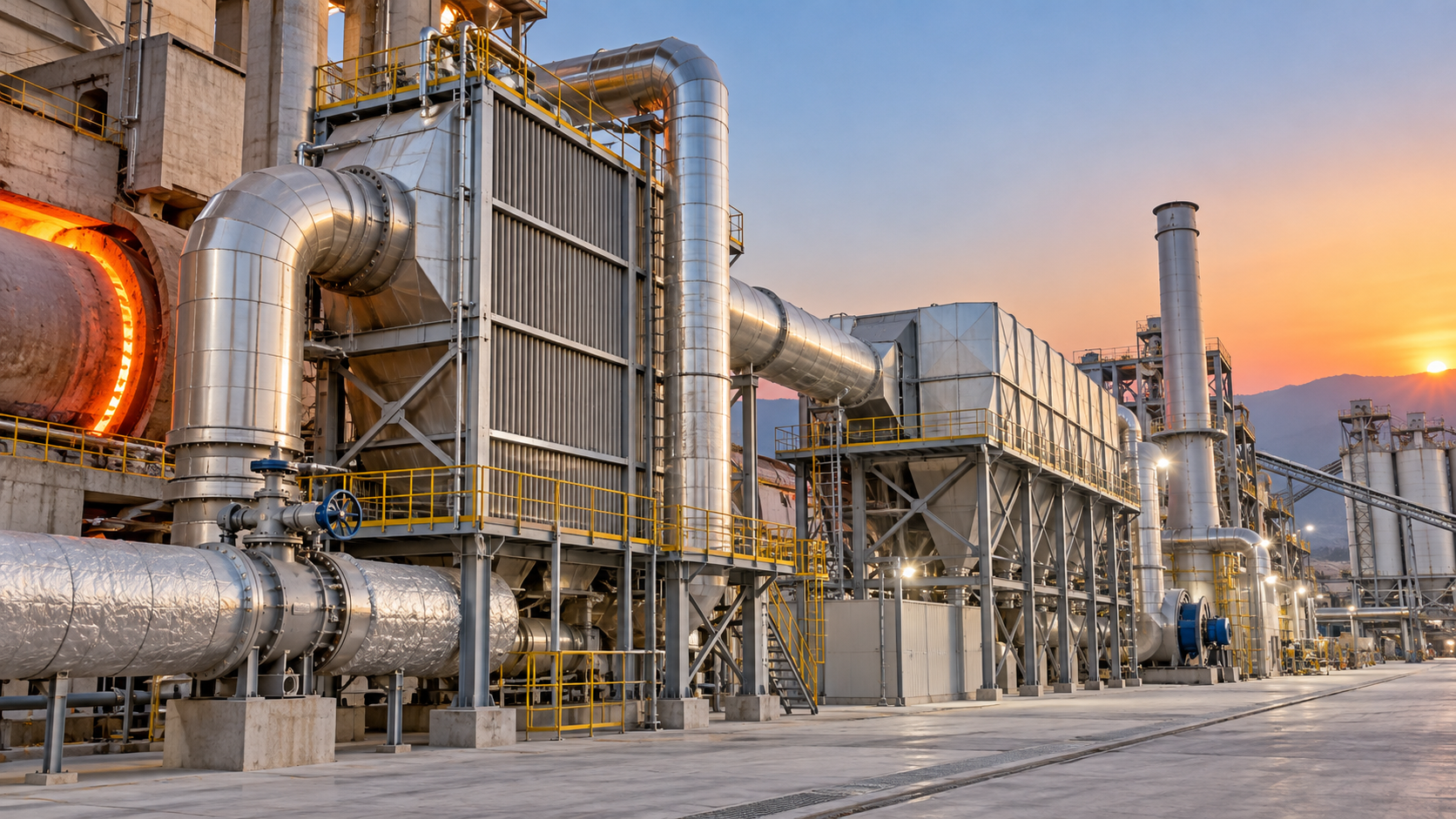
More stable materials usually improve fuel use, campaign length, and maintenance planning at the same time.
This is where material science innovations high temperature work connects directly with decarbonization.
Lower heat loss means lower energy demand.
Longer service life reduces replacement frequency, transport burden, and production interruption.
More predictable operation also helps plants handle tighter emissions rules and cost pressure.
What to Watch Next
From recent changes, the next wave will likely combine materials engineering with operating intelligence.
Expect more interest in self-monitoring linings, functionally graded ceramics, and lower-carbon refractory processing.
Another strong signal is the move toward selection models based on total lifecycle value.
That changes procurement logic from upfront price to stability, downtime risk, and energy performance.
For anyone tracking material science innovations high temperature trends, the takeaway is straightforward.
Thermal stability improves when materials are designed around real heat profiles, real chemistry, and real operating cycles.
In actual industrial work, that is where stronger reliability, lower emissions, and better process economics begin.
A useful next step is to compare current lining or component failures against process-specific heat and corrosion data, then align upgrades with measurable thermal stability targets.
Related News
 Thermal Energy ArchitectWhat Does CE Marking Require for an Energy-Efficient Industrial Kiln?Energy efficient kiln CE requirements explained: assess safety, technical files, energy performance, and EU compliance before purchase or commissioning.Oct 04, 2026
 Thermal Energy ArchitectRefractory Manufacturing Solutions for Brick Plants: How to Extend Kiln LifeRefractory manufacturing solutions for brick plant operations: discover proven strategies to extend kiln life, reduce heat loss, prevent lining failures, and plan cost-effective repairs.Oct 03, 2026
 Thermal Energy ArchitectHow to Specify Heavy Industrial Process Systems for High-Temperature PlantsHeavy industrial processes systems: learn how to specify high-temperature plants for efficiency, emissions control, maintainability, and lifecycle performance.Oct 02, 2026
 Structural Material AnalystHow Sustainable Material Extrusion Can Improve Wall Panel Durability and Design FlexibilityDiscover how sustainable material extrusion for wall panels improves durability, moisture resistance, design flexibility, and installation consistency for high-performing wall systems.Oct 01, 2026
 Thermal Energy ArchitectHow to Evaluate a High-Temperature Materials Manufacturer for Furnace ApplicationsChoose a high-temperature materials manufacturer with confidence: compare thermal performance, chemical resistance, quality controls, installation support, and lifecycle cost.Sep 30, 2026
 Ms. Elena RodriguezHow to Structure Global Specification Data for Faster Industrial Product EvaluationGlobal specification-oriented product information helps industrial teams compare capacity, energy, emissions, automation, and lifecycle data on a like-for-like basis for faster, confident equipment decisions.Sep 29, 2026
 Thermal Energy ArchitectHow to Specify High-Temperature Process Systems for Continuous Thermal OperationsHigh-temperature process engineering systems: learn how to specify resilient continuous thermal operations for efficiency, compliance, reliable uptime, and long-term performance.Sep 28, 2026
 Thermal Energy ArchitectHow to Evaluate a Thermal Engineering Contractor for High-Temperature Plant ProjectsChoose a thermal engineering contractor with proven process expertise, lifecycle value, emissions control, and delivery discipline for reliable high-temperature plant performance.Sep 27, 2026
 Silicate Process EngineerHow Latin American Cement Plants Can Reduce Dust Emissions in Kilns and Transfer PointsCement plant dust control Latin America: reduce kiln and transfer-point emissions with practical airflow, filtration, monitoring, and maintenance strategies.Sep 26, 2026
 Material Heat-Resist ExpertHow to Evaluate Refractory Production Lines for Output, Quality, and Energy UseRefractory production lines: learn how to assess qualified output, consistent quality, and total energy use for smarter, lower-risk investment decisions.Sep 25, 2026
 Dr. Alistair VaughnHow Waste Recycling Technology Improves Material Recovery in Industrial PlantsWaste recycling technology improves material recovery through source segregation, smart separation, thermal treatment, and quality control for industrial plants.Sep 24, 2026
 Optical Glass Tech FellowHow to Specify Glass Annealing Equipment for European Quality and Energy RequirementsGlass annealing equipment Europe: learn how to specify lehrs for consistent glass quality, energy efficiency, compliance, automation, and reliable long-term performance.Sep 23, 2026
 Optical Glass Tech FellowSilicate Process Automation: Improving Batch Consistency and Energy ControlSilicate process automation improves batch consistency, energy control, traceability, and operator confidence across high-temperature manufacturing operations.Sep 22, 2026
 Optical Glass Tech FellowHow Silicate Industrial Processes Control Viscosity, Energy Use, and Product QualitySilicate industrial processes: learn how viscosity, chemistry, heat transfer, and atmosphere control reduce energy use, improve stability, and protect product quality.Sep 21, 2026
 Thermal Energy ArchitectHow European Plants Can Evaluate Energy Recovery Equipment for High-Temperature ProcessesIndustrial energy recovery equipment Europe: learn how high-temperature plants can assess waste-heat sources, integration risks, lifecycle value, and reliable recovery routes.Sep 20, 2026
 Thermal Energy ArchitectIndustrial Furnace Process Optimization: Reducing Fuel Use Without Sacrificing ThroughputIndustrial process optimization furnace strategies that cut fuel use while protecting throughput. Explore combustion control, heat recovery, refractory performance, and data-driven efficiency gains.Sep 19, 2026
 Ms. Elena RodriguezWhat Drives High-Pressure Extrusion Equipment Cost in Industrial Projects?High pressure extrusion equipment cost explained: compare pressure, die design, automation, wear, energy, and installation factors for smarter industrial investments.Sep 18, 2026
 Thermal Energy ArchitectHow to Size a Waste Heat Recovery Exchanger for High-Temperature Kiln Exhaust?Waste heat recovery exchanger sizing for high-temperature kiln exhaust: balance recoverable duty, fouling, corrosion limits, pressure drop, and reliable heat use.Sep 17, 2026
 Thermal Energy ArchitectWhy Heat-Resistant Materials Lose Abrasion Resistance at High TemperaturesHeat-resistant materials abrasion resistance can decline at high temperatures. Discover the thermal, chemical, and mechanical causes of wear—and how to choose longer-lasting linings.Sep 16, 2026
 Thermal Energy ArchitectHow to Evaluate a Thermal Energy Optimization Company for High-Temperature PlantsChoose a thermal energy optimization company with proven process expertise, measurable savings, and reliable delivery for high-temperature plants. Learn what to assess.Sep 15, 2026
Related News
- 00
0000-00
Thermal Energy Architecture in North America: Strategies for Lower Building Energy Use - 00
0000-00
How to Evaluate a Green Material Production Line for Energy Use, Output, and Product Quality - 00
0000-00
Silicate Technology Trends: What New Process Upgrades Matter for Refractory and Cement Plants? - 00
0000-00
Thermal Engineering Optimization: Which Process Parameters Most Affect Energy Use? - 00
0000-00
Material Extrusion Technology in Europe: Which Materials and Production Goals Fit Best?
Weekly Insights
Stay ahead with our curated technology reports delivered every Monday.