
Thermal Engineering Optimization: Which Process Parameters Most Affect Energy Use?




Thermal Engineering Optimization: Which Process Parameters Most Affect Energy Use?
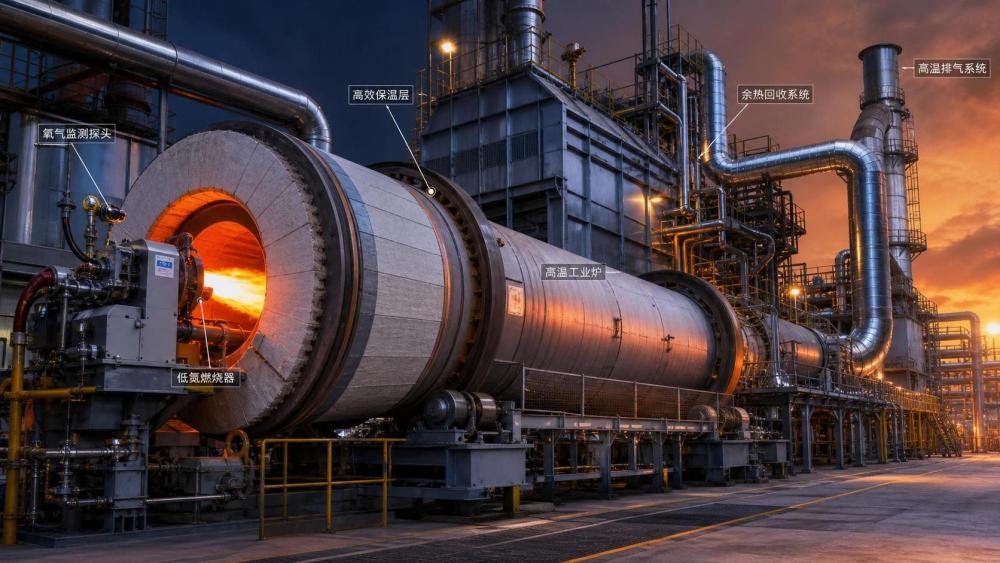
Thermal engineering optimization is rarely driven by one setting alone.
In kilns, furnaces, incinerators, and extrusion lines, energy use shifts when a few core variables move together.
That is why technical assessment must focus on the parameters with the highest leverage, not the longest checklist.
For technical evaluators, the practical question is straightforward.
Which process parameters most strongly change fuel demand, thermal stability, output quality, and carbon intensity?
In most high-temperature systems, the answer starts with combustion balance, residence time, temperature profile, insulation condition, moisture load, and heat recovery performance.
These factors appear in different forms across cement plants, glass lines, industrial kilns, refractory production, and material extrusion.
Yet the logic behind thermal engineering optimization stays remarkably consistent.
When heat transfer is inefficient or process control drifts, energy use rises faster than many operators expect.
This also means small parameter improvements can generate outsized savings when the system runs continuously.
Why parameter priority matters in thermal engineering optimization
Not every variable deserves equal attention.
Some settings look important on dashboards but have limited impact on total energy consumption.
Others quietly determine whether the line runs near design efficiency or wastes heat all day.
From recent project reviews, the clearer signal is this.
The best thermal engineering optimization programs rank process variables by energy sensitivity, controllability, and economic return.
That approach helps separate structural losses from short-term operator issues.
- Energy sensitivity: how much fuel use changes when the parameter shifts.
- Controllability: how accurately the parameter can be measured and adjusted.
- Interaction risk: whether one change destabilizes quality, throughput, or emissions.
- Payback potential: whether the improvement justifies instrumentation or retrofit cost.
This framework is especially useful when screening plant upgrades or comparing equipment suppliers.
Combustion air ratio and oxygen control
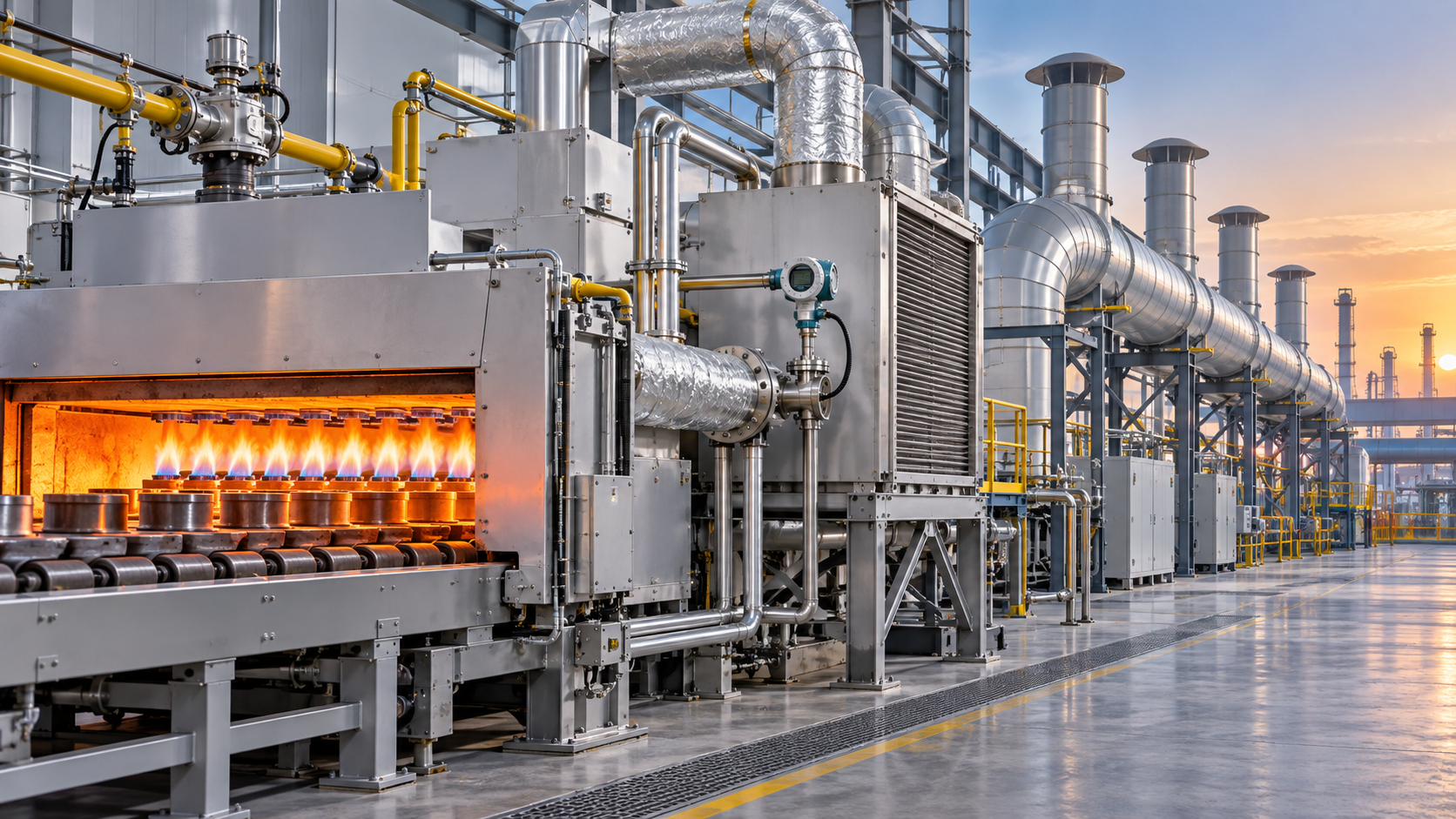
In most fired systems, air-to-fuel ratio is the first parameter to investigate.
Too little air creates incomplete combustion, unstable flame behavior, and product inconsistency.
Too much excess air pushes hot gases out of the system and carries useful heat into the stack.
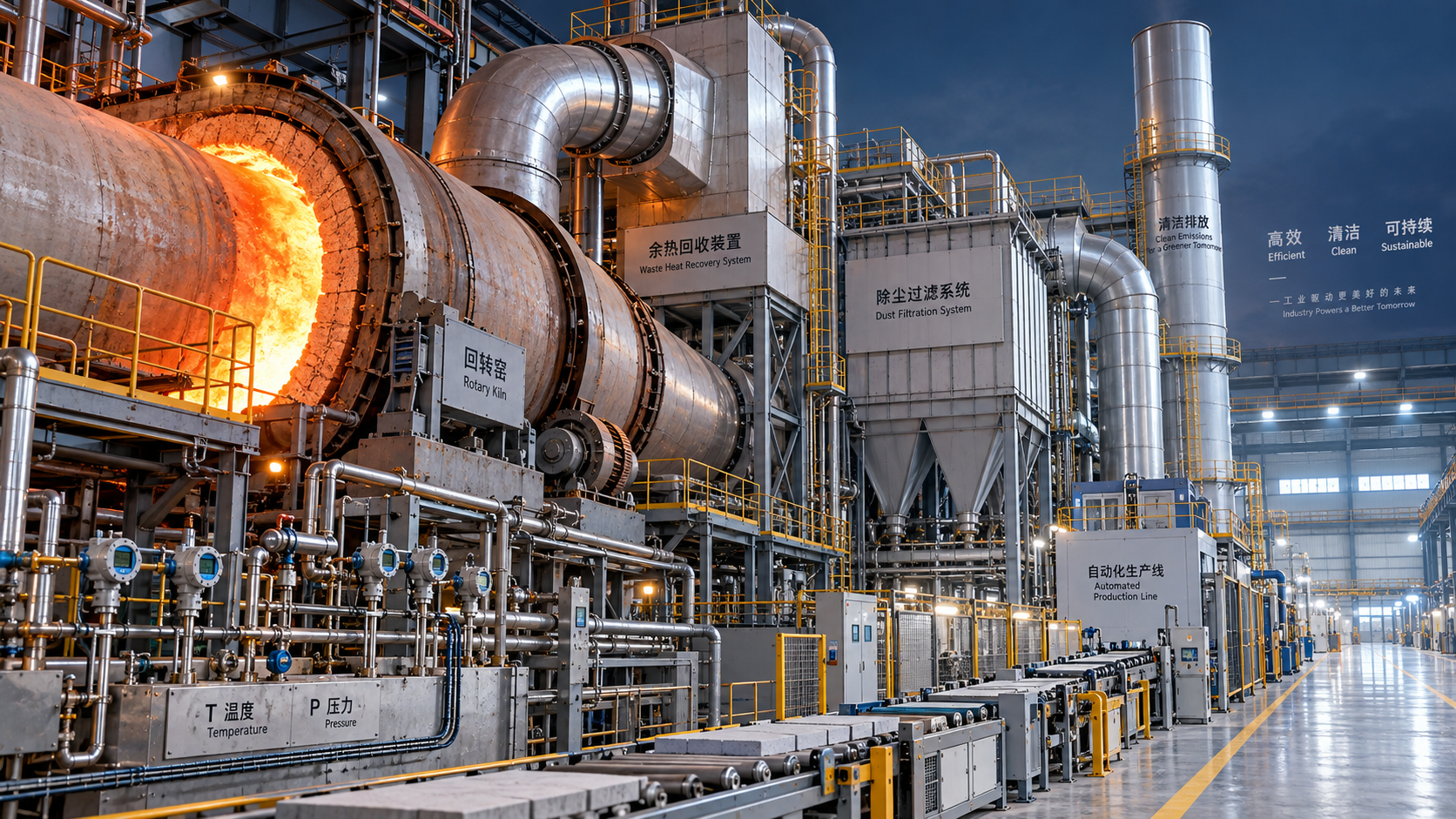
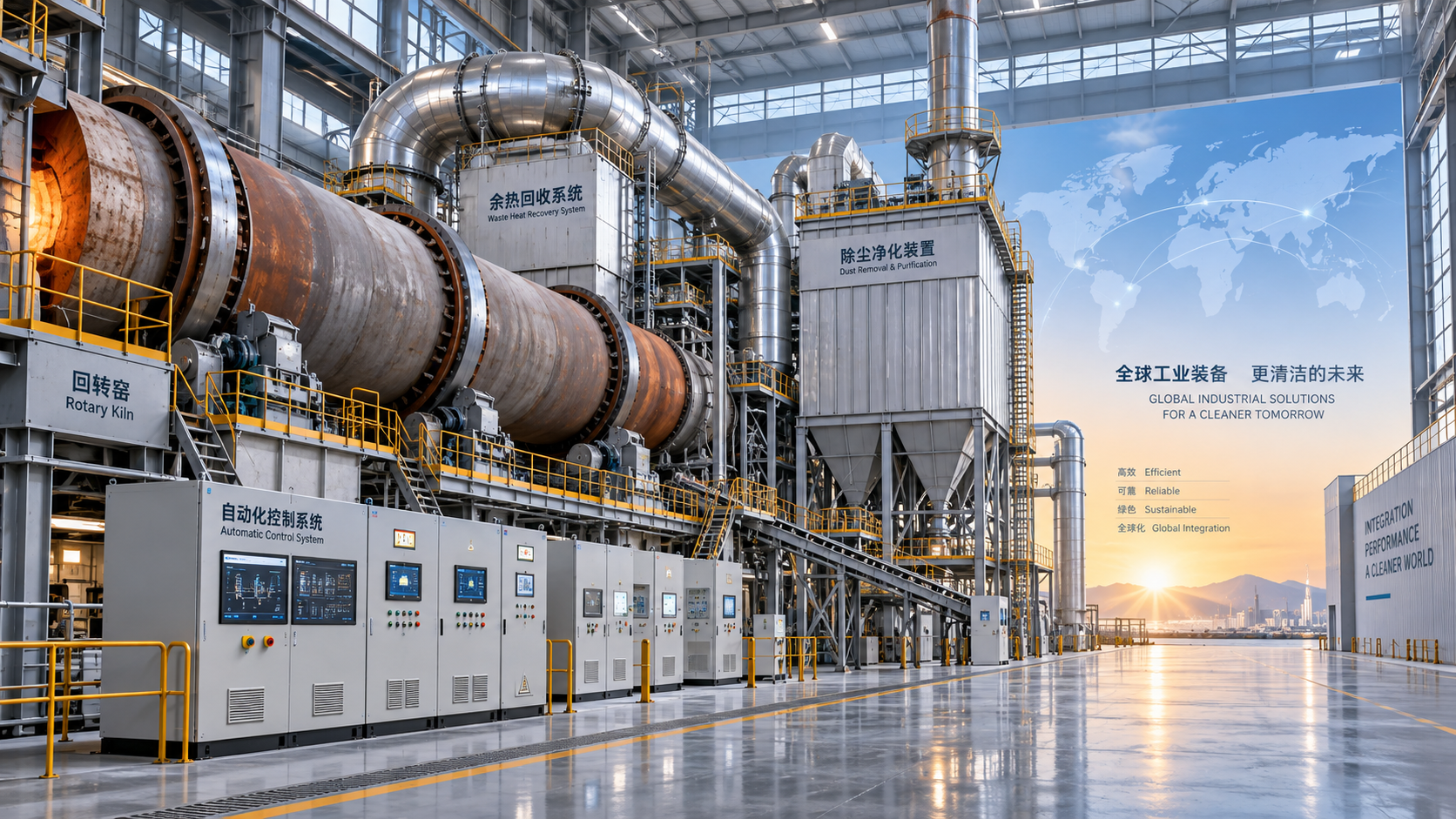
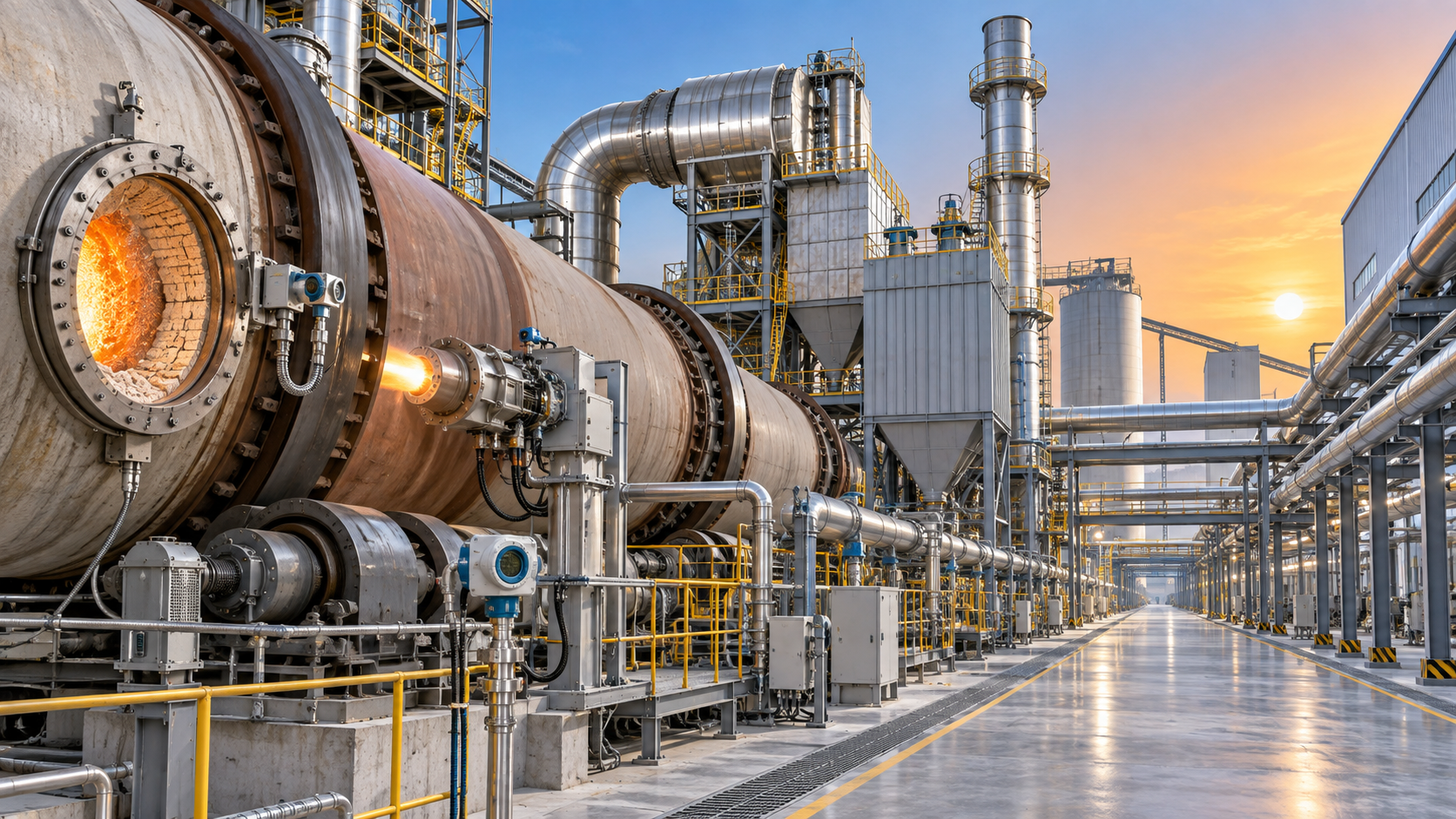
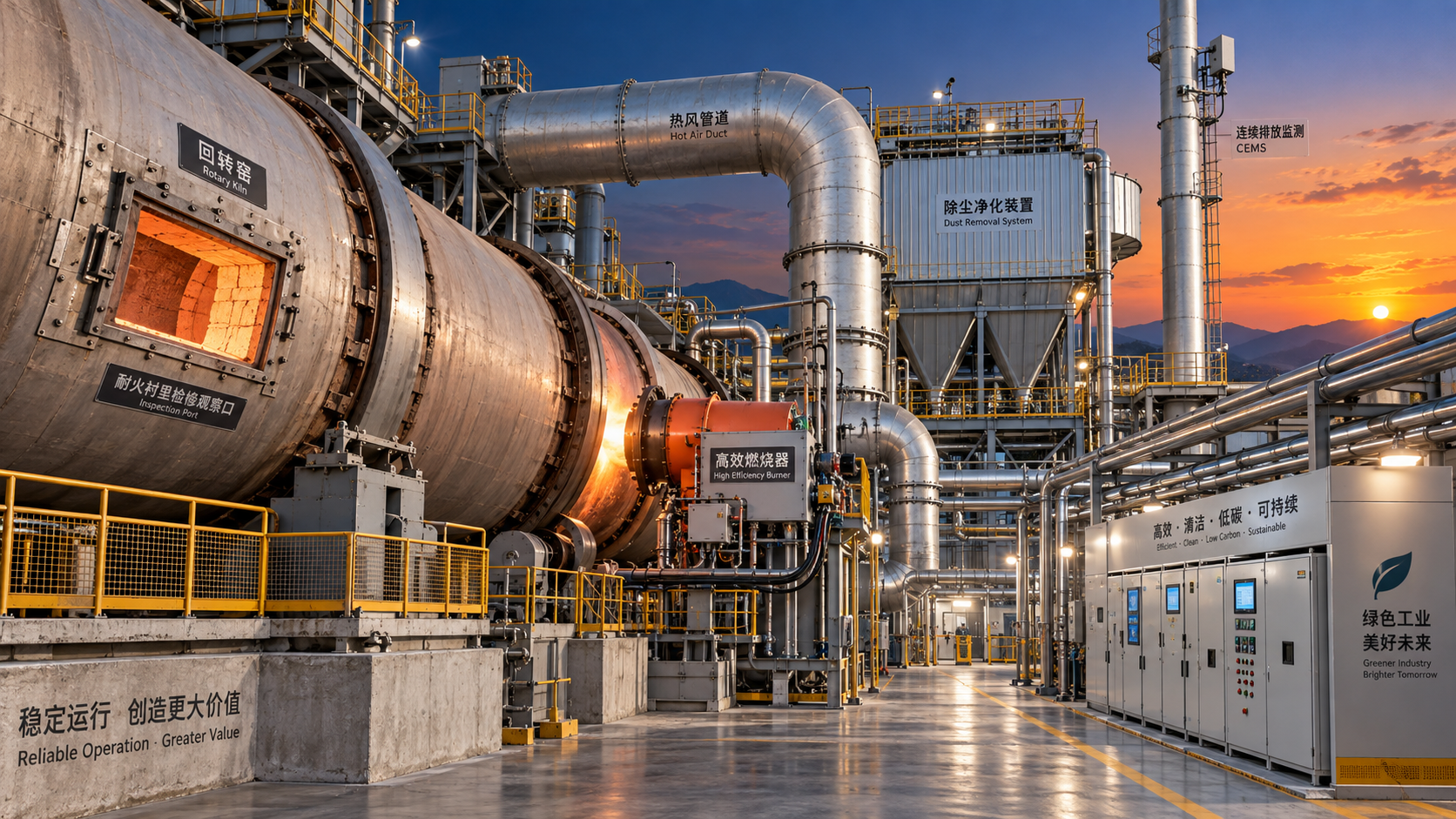
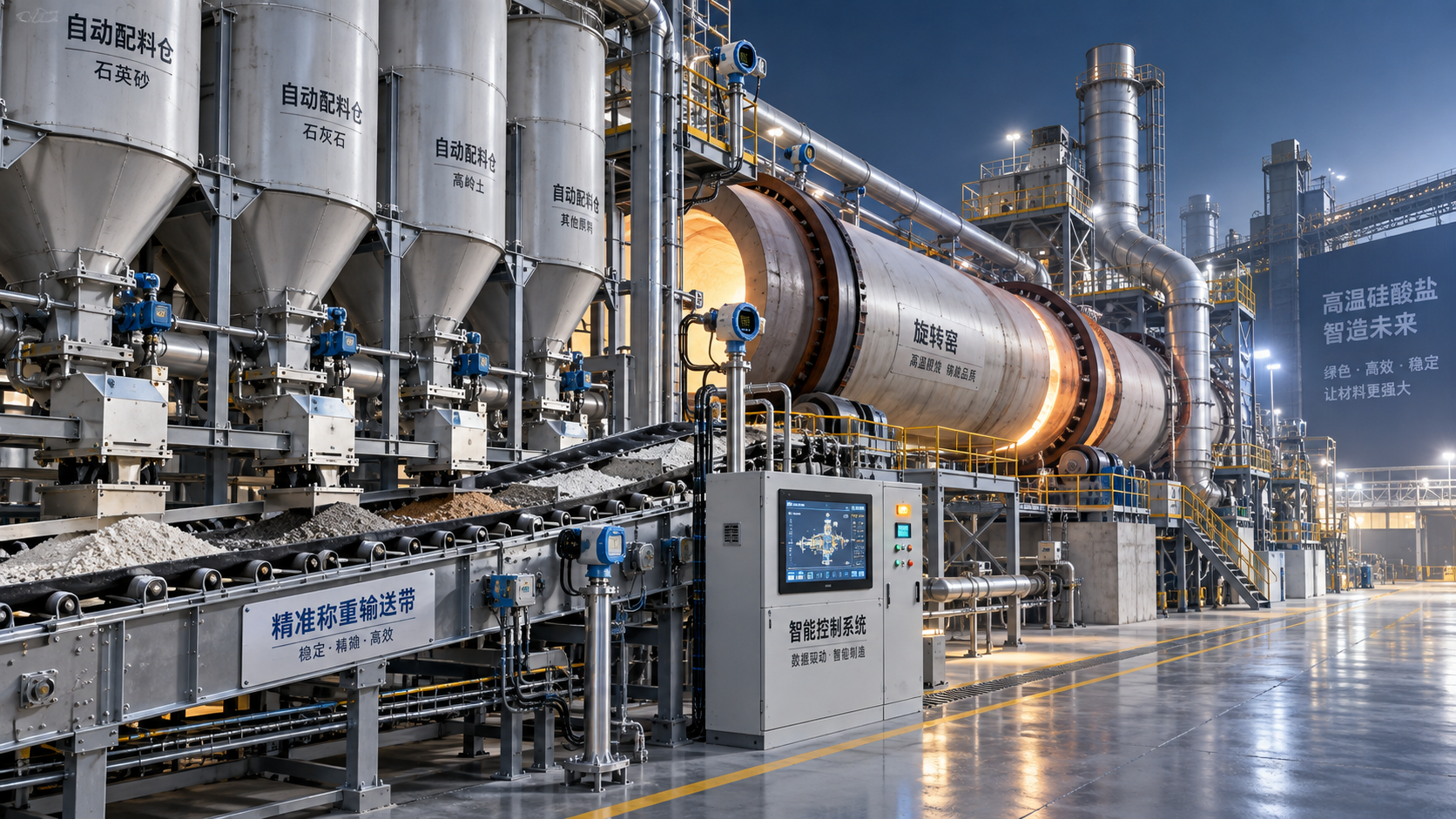
That loss is often larger than expected in rotary kilns and thermal oxidizers.
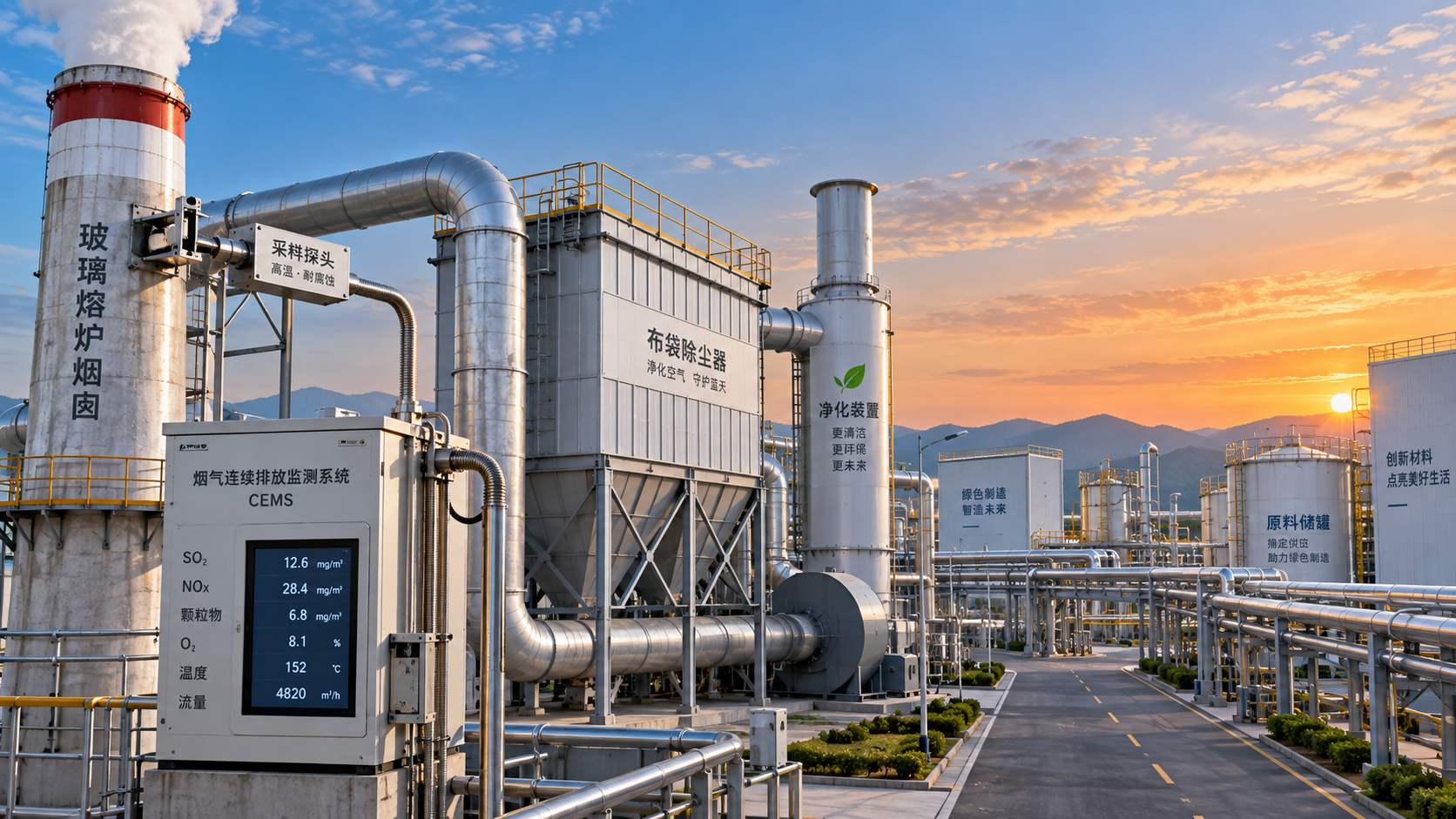
Effective thermal engineering optimization therefore relies on stable oxygen targets, burner tuning, and fast feedback from flue gas analysis.
The exact target depends on fuel type, burner geometry, process chemistry, and emission limits.
Still, the pattern is consistent across sectors.
When excess oxygen drifts above the practical operating window, energy intensity usually climbs.
During evaluation, review burner maintenance history, air leakage points, analyzer calibration, and control loop response time.
What to check
- Stack oxygen trend under steady load.
- Air infiltration around seals, doors, and duct joints.
- Combustion fan stability and burner nozzle condition.
- Relationship between oxygen, CO, NOx, and specific fuel consumption.
Residence time, throughput, and temperature profile
Thermal engineering optimization also depends on how long material stays in each heating zone.
If throughput rises without matching heat transfer capacity, operators often compensate by raising setpoint temperature.
That usually increases fuel use faster than production gain.
The better route is to analyze residence time distribution and the shape of the thermal profile.
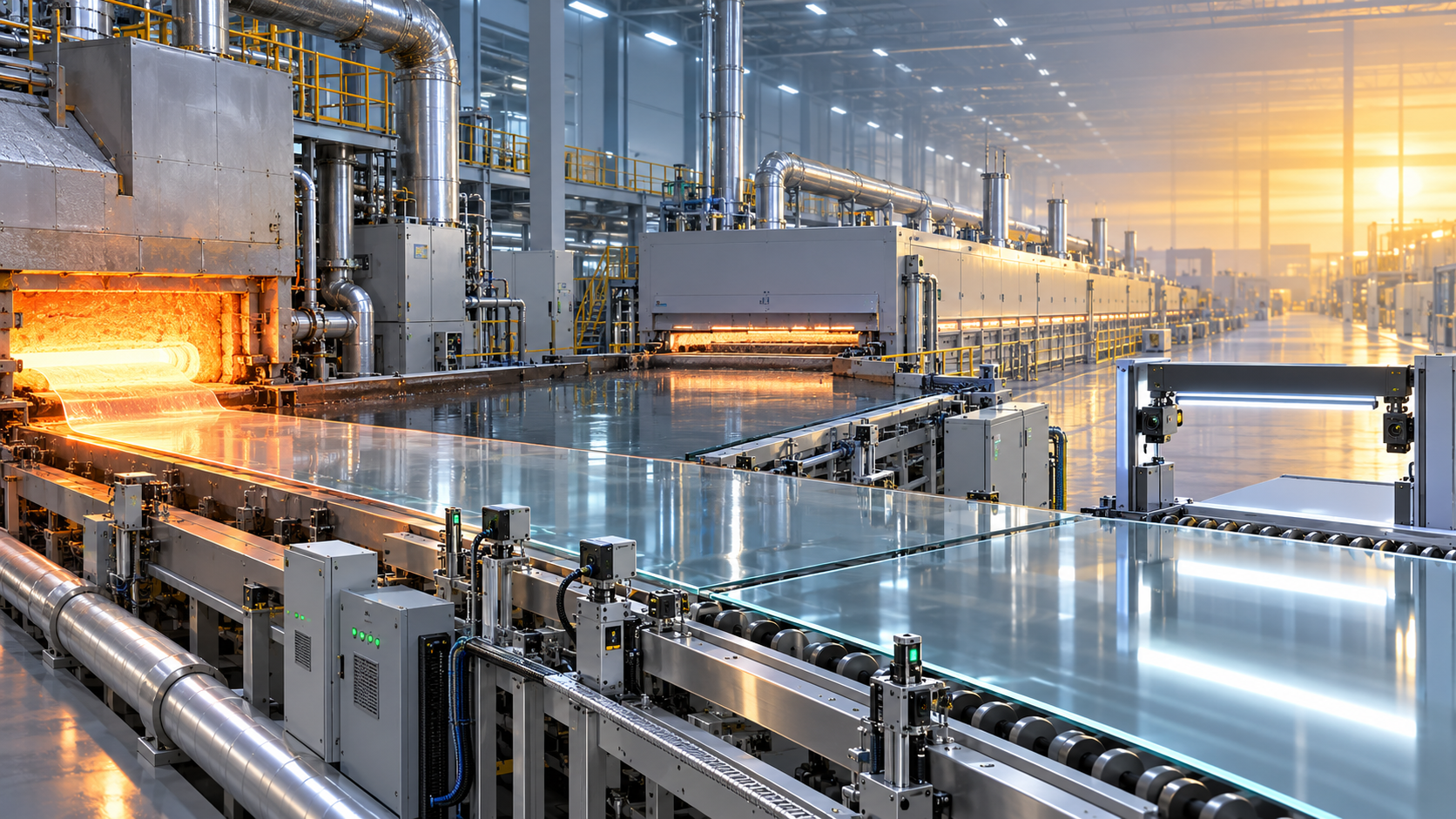
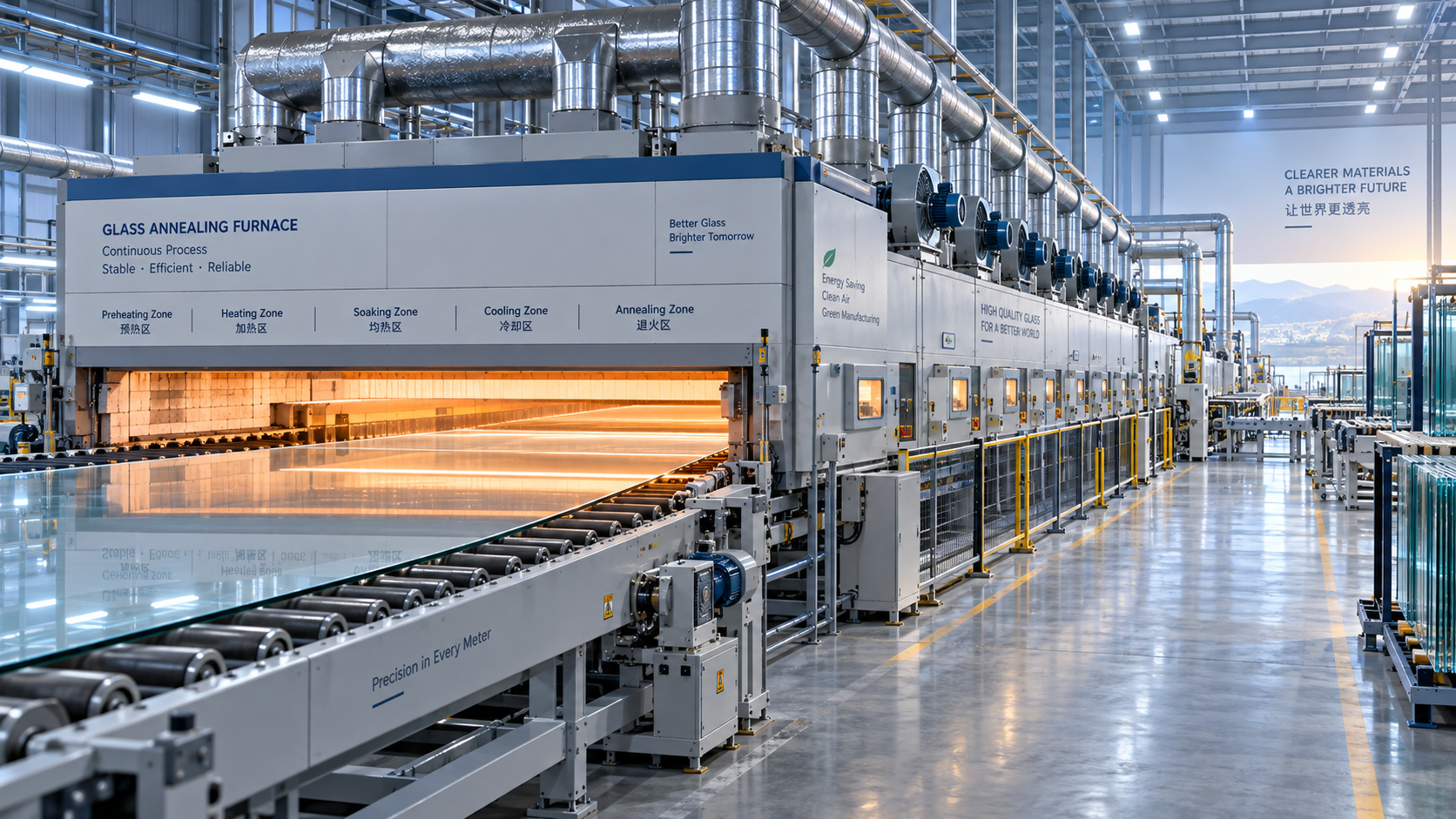
In glass melting, uneven temperature fields raise both energy demand and defect risk.
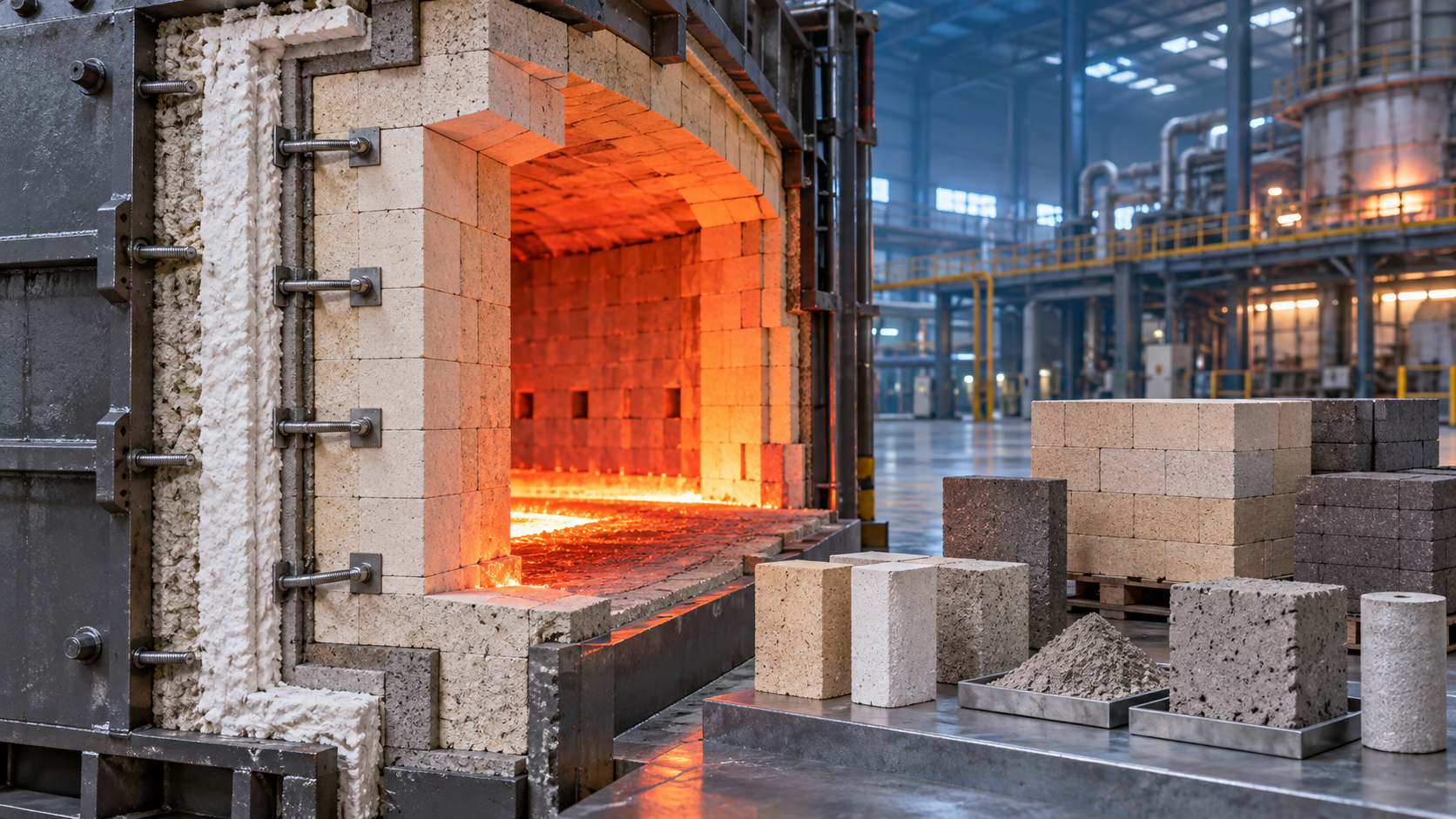
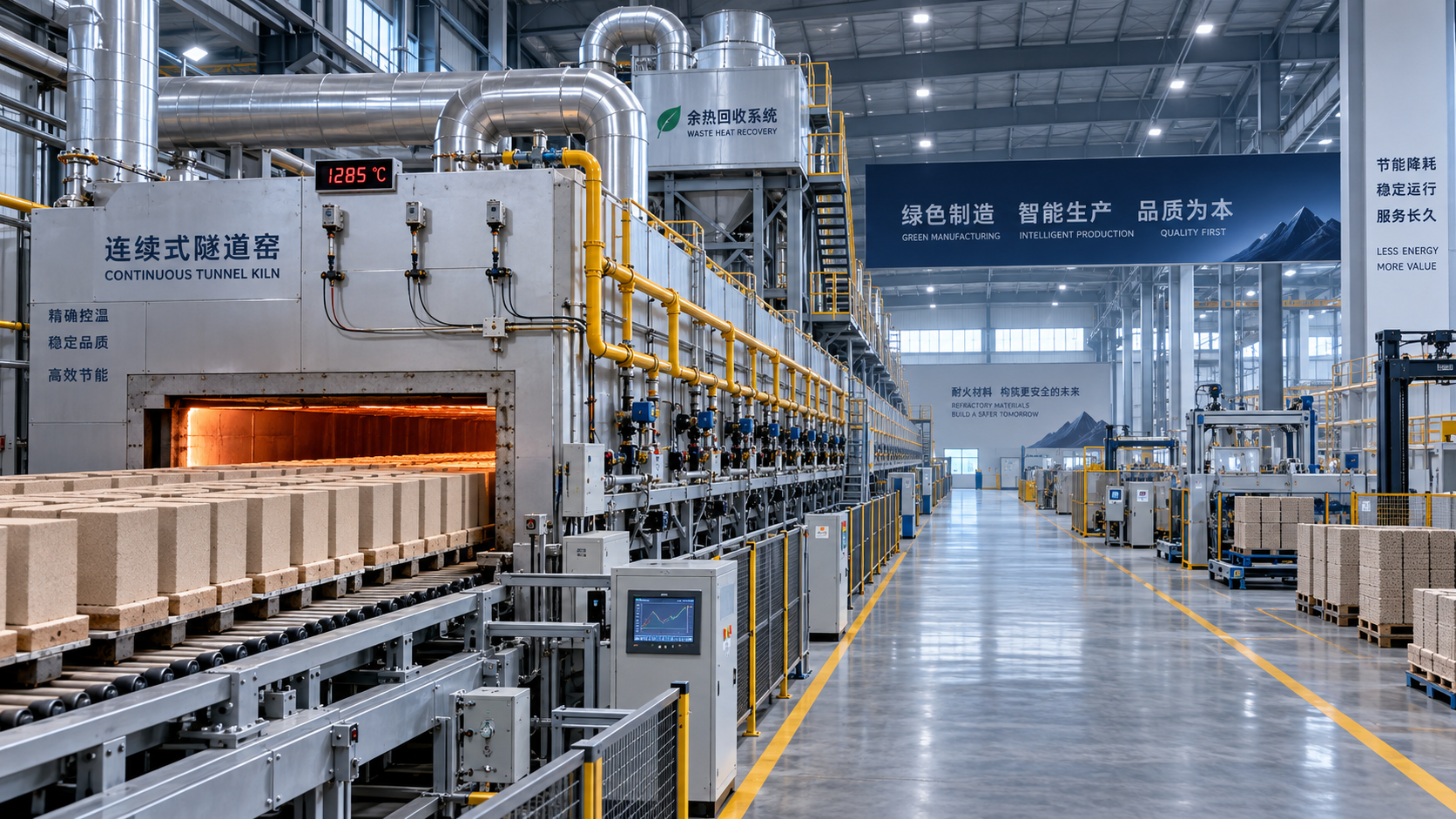
In refractory firing, underexposed zones may force rework or conservative overheating.
In extrusion drying and curing, short residence time can trap moisture and reduce final strength.
So the key question is not just peak temperature.
It is whether the material receives the right thermal exposure, at the right rate, in the right zone.
Moisture content and feed consistency
One of the most underestimated drivers in thermal engineering optimization is moisture.
Every extra unit of water requires heat for evaporation before useful process heating even begins.
That burden shows up quickly in sludge incineration, raw meal drying, biomass co-processing, and lightweight material extrusion.
Feed variability creates a second problem.
When moisture, particle size, or bulk density swings too widely, control systems chase the disturbance instead of optimizing the process.
In practical terms, stable feed preparation often delivers better energy results than aggressive burner adjustments.
This is why pre-drying, blending, and inline moisture measurement deserve careful attention during technical review.
Common signs of hidden moisture losses
- Fuel spikes during weather changes.
- Large dryer exhaust temperature swings.
- Unstable product strength or firing color.
- Frequent manual intervention after feed source changes.
Insulation, refractory condition, and shell losses
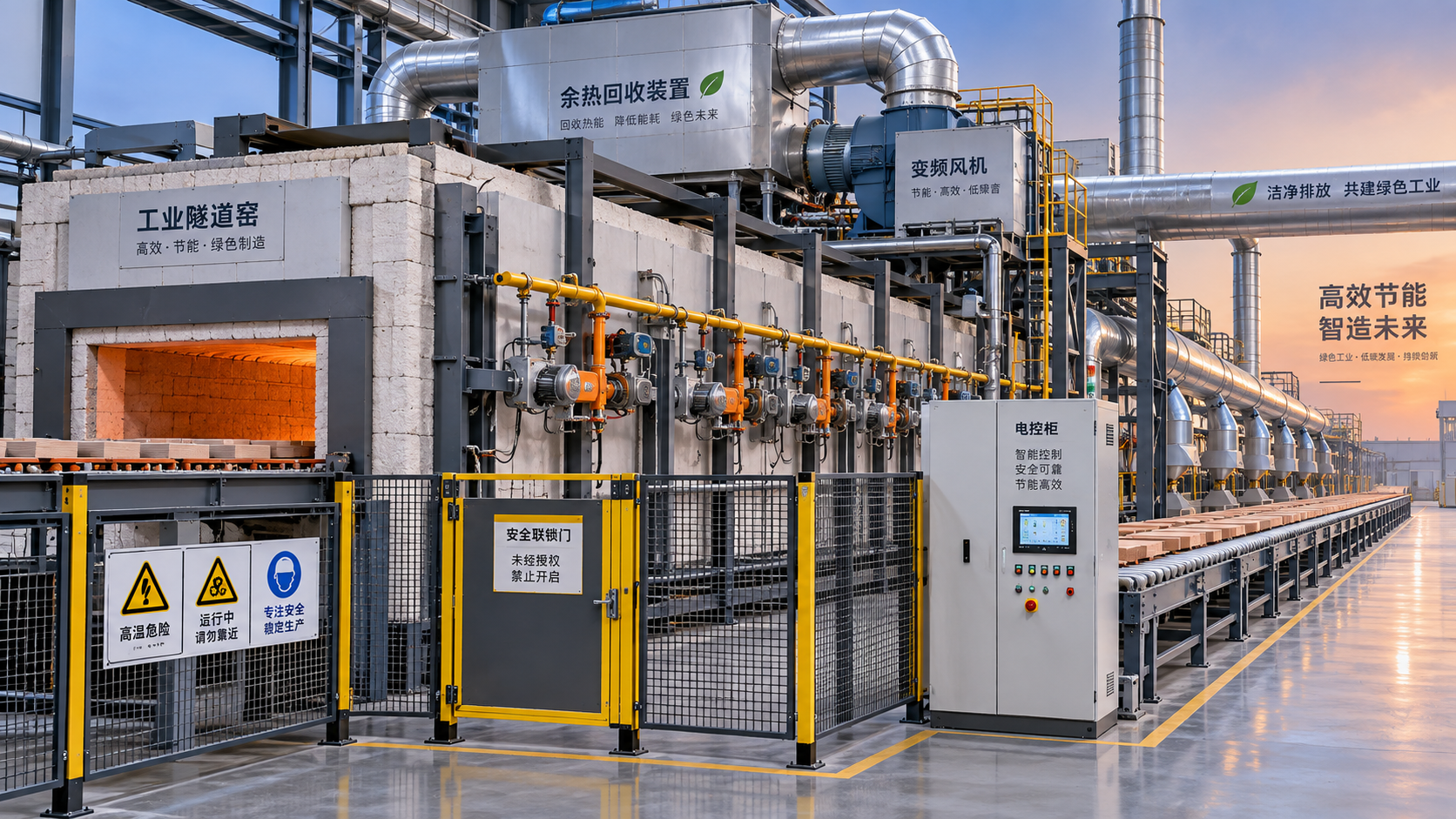
Heat that escapes through walls, shells, doors, or damaged linings directly weakens thermal engineering optimization.
These losses are easy to normalize and therefore easy to ignore.
But over long operating cycles, they become a major cost center.
In rotary kilns, refractory wear changes internal heat retention and can alter process chemistry.
In glass furnaces, crown and sidewall degradation often increases heat loss before failure becomes visually obvious.
In intermittent furnaces, poor door sealing causes repeated energy penalties during each cycle.
Thermography, shell scanning, and refractory life tracking are therefore essential, not optional.
This area often produces some of the clearest evidence for retrofit decisions.
Heat recovery efficiency and exhaust management
A system can look stable and still waste large amounts of recoverable heat.
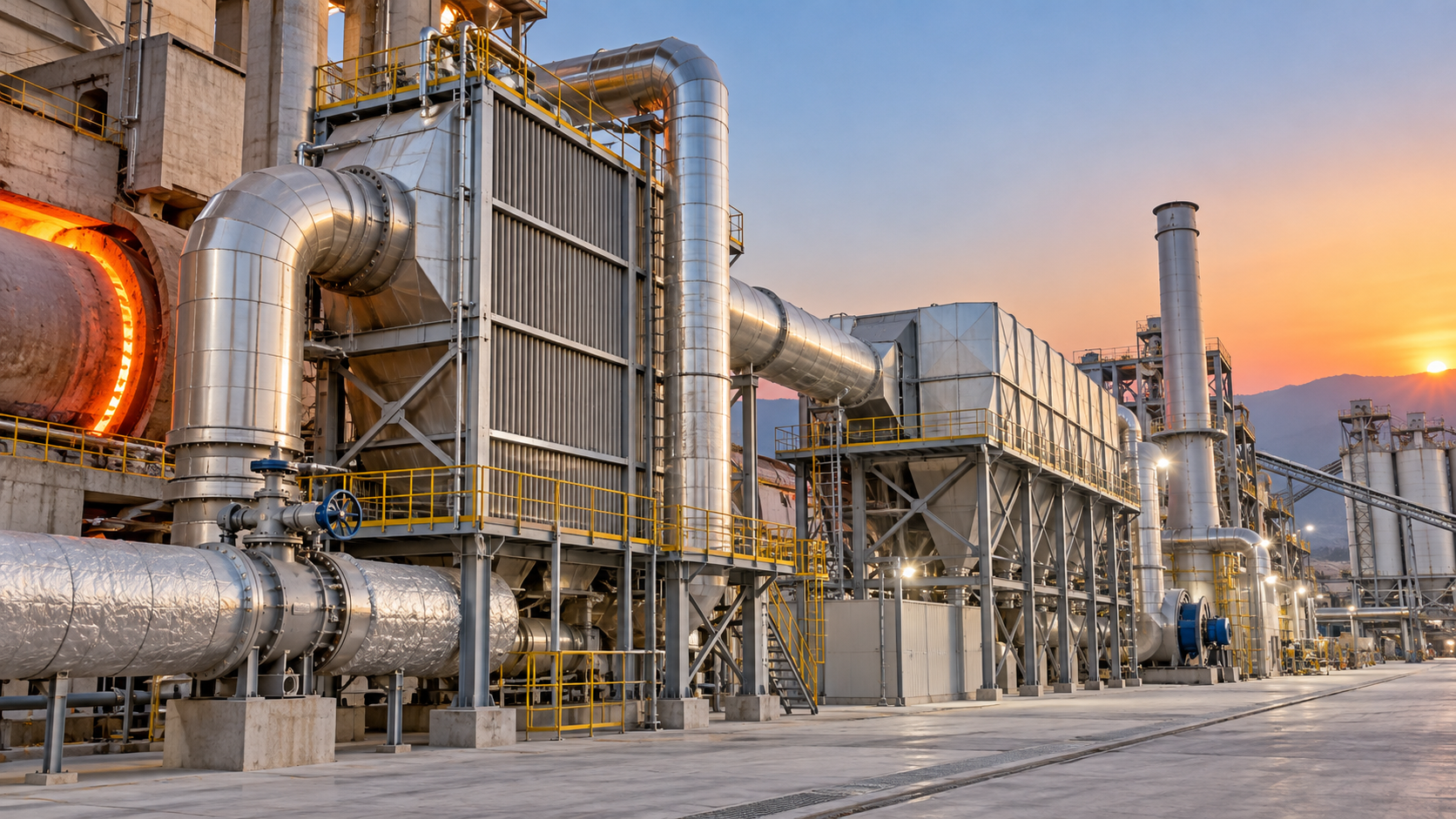
That is why heat recovery sits near the center of thermal engineering optimization.
Preheaters, regenerators, recuperators, waste heat boilers, and secondary air systems all depend on actual transfer efficiency, not design labels.
Fouling, bypass leakage, poor flow distribution, and control mismatch can sharply reduce recovered energy.
In several plant audits, exhaust temperature looked acceptable, but recovery equipment was underperforming because of partial blockage and weak balancing.
That kind of loss is expensive because it hides inside normal operations.
A sound evaluation compares available waste heat, recovered heat, and the final effect on specific energy consumption.
How to evaluate parameter impact with more precision
Good thermal engineering optimization needs evidence that is both operational and financial.
The most useful method is to connect process data, fuel data, quality data, and maintenance history.
Then rank variables by measurable impact.
- Establish a normalized baseline using production rate, product type, and ambient conditions.
- Identify variables with the strongest correlation to specific energy consumption.
- Separate controllable parameters from structural design limits.
- Validate findings through short trials or digital twin simulation.
- Estimate payback with fuel savings, quality effect, and maintenance implications.
This is where intelligence-led review becomes valuable.
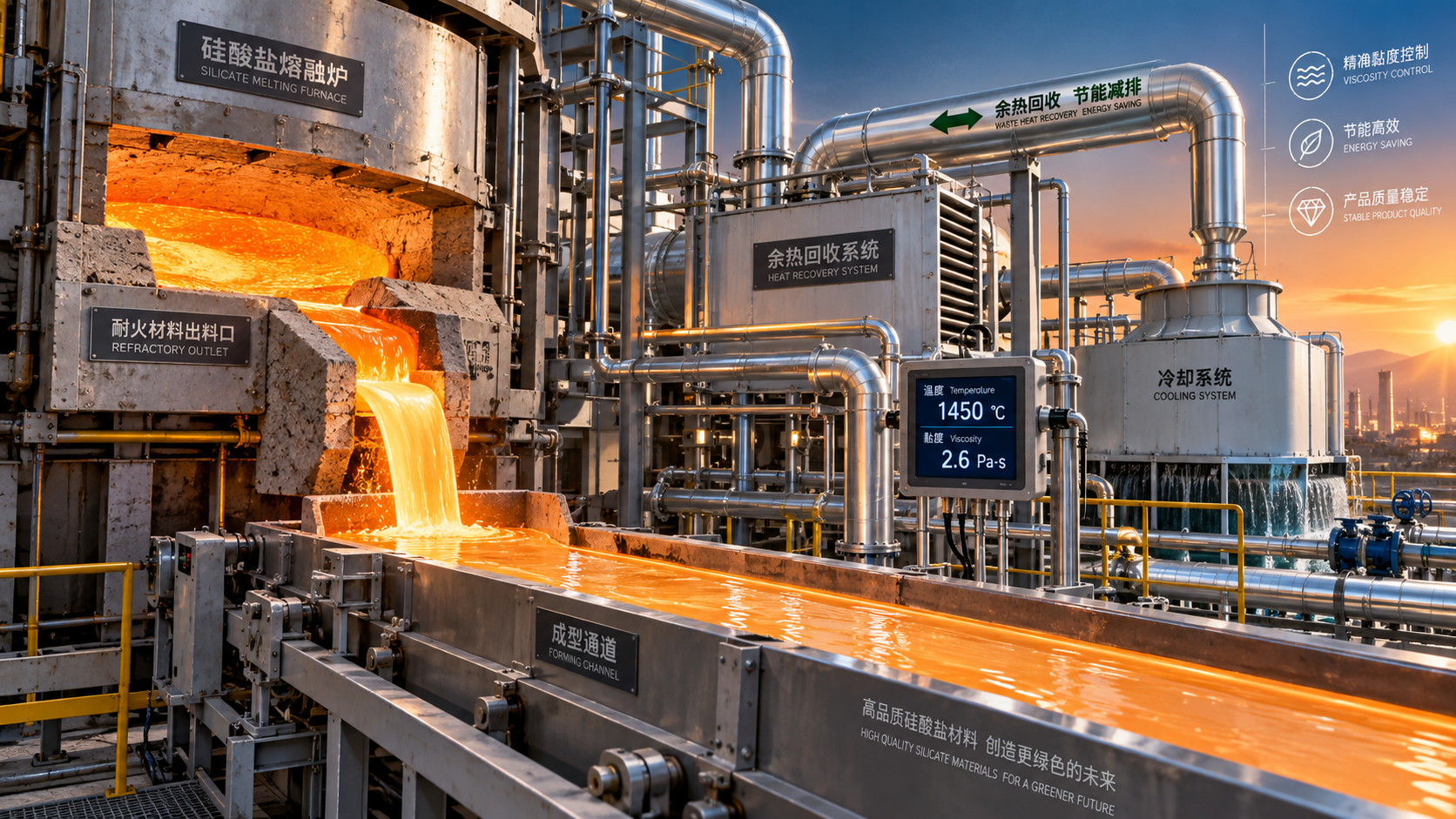
Across large-scale silicate production lines and thermal processing assets, the best decisions come from cross-checking physics, process kinetics, and operating economics together.
That aligns closely with how CF-Elite approaches high-temperature industry analysis.
Where thermal engineering optimization usually starts paying back
The strongest savings usually come from a short list.
- Reducing excess air and stabilizing combustion.
- Improving feed moisture control and consistency.
- Correcting residence time and zone balance.
- Repairing refractory and insulation losses.
- Restoring actual heat recovery performance.
These are not just operating details.
They shape fuel intensity, product stability, equipment life, and decarbonization potential at the same time.
For technical evaluation, the most credible path is to prioritize the variables that move both thermal efficiency and business performance.
That is the practical core of thermal engineering optimization.
When assessment is disciplined, parameter-focused, and grounded in plant reality, energy reduction stops being a broad ambition and becomes an actionable engineering program.
Related News
 Optical Glass Tech FellowHow Glass Furnace Emissions Are Measured and Controlled for Regulatory ComplianceGlass furnace emissions: learn how to measure, monitor, and control NOx, SOx, particulate, CO, and CO2 for reliable regulatory compliance.Oct 08, 2026
 Prof. Marcus ChenIndustrial Decarbonization Strategies in Europe: A Roadmap for Energy-Intensive PlantsIndustrial decarbonization strategies Europe: explore practical pathways for energy-intensive plants to cut emissions, improve efficiency, and protect performance.Oct 07, 2026
 Thermal Energy ArchitectEnergy-Efficient Silicate Production Lines: What to Compare Before SelectionSilicate production lines energy efficient selection guide: compare thermal performance, stability, emissions, controls, and lifecycle value before investing.Oct 06, 2026
 Optical Glass Tech FellowHow to Evaluate Automated Float Glass Lines for Capacity, Quality, and Energy UseEvaluate automated float glass lines for net capacity, consistent quality, energy efficiency, automation reliability, and lifecycle value. Explore key criteria for smarter investment decisions.Oct 05, 2026
 Thermal Energy ArchitectWhat Does CE Marking Require for an Energy-Efficient Industrial Kiln?Energy efficient kiln CE requirements explained: assess safety, technical files, energy performance, and EU compliance before purchase or commissioning.Oct 04, 2026
 Thermal Energy ArchitectRefractory Manufacturing Solutions for Brick Plants: How to Extend Kiln LifeRefractory manufacturing solutions for brick plant operations: discover proven strategies to extend kiln life, reduce heat loss, prevent lining failures, and plan cost-effective repairs.Oct 03, 2026
 Thermal Energy ArchitectHow to Specify Heavy Industrial Process Systems for High-Temperature PlantsHeavy industrial processes systems: learn how to specify high-temperature plants for efficiency, emissions control, maintainability, and lifecycle performance.Oct 02, 2026
 Structural Material AnalystHow Sustainable Material Extrusion Can Improve Wall Panel Durability and Design FlexibilityDiscover how sustainable material extrusion for wall panels improves durability, moisture resistance, design flexibility, and installation consistency for high-performing wall systems.Oct 01, 2026
 Thermal Energy ArchitectHow to Evaluate a High-Temperature Materials Manufacturer for Furnace ApplicationsChoose a high-temperature materials manufacturer with confidence: compare thermal performance, chemical resistance, quality controls, installation support, and lifecycle cost.Sep 30, 2026
 Ms. Elena RodriguezHow to Structure Global Specification Data for Faster Industrial Product EvaluationGlobal specification-oriented product information helps industrial teams compare capacity, energy, emissions, automation, and lifecycle data on a like-for-like basis for faster, confident equipment decisions.Sep 29, 2026
 Thermal Energy ArchitectHow to Specify High-Temperature Process Systems for Continuous Thermal OperationsHigh-temperature process engineering systems: learn how to specify resilient continuous thermal operations for efficiency, compliance, reliable uptime, and long-term performance.Sep 28, 2026
 Thermal Energy ArchitectHow to Evaluate a Thermal Engineering Contractor for High-Temperature Plant ProjectsChoose a thermal engineering contractor with proven process expertise, lifecycle value, emissions control, and delivery discipline for reliable high-temperature plant performance.Sep 27, 2026
 Silicate Process EngineerHow Latin American Cement Plants Can Reduce Dust Emissions in Kilns and Transfer PointsCement plant dust control Latin America: reduce kiln and transfer-point emissions with practical airflow, filtration, monitoring, and maintenance strategies.Sep 26, 2026
 Material Heat-Resist ExpertHow to Evaluate Refractory Production Lines for Output, Quality, and Energy UseRefractory production lines: learn how to assess qualified output, consistent quality, and total energy use for smarter, lower-risk investment decisions.Sep 25, 2026
 Dr. Alistair VaughnHow Waste Recycling Technology Improves Material Recovery in Industrial PlantsWaste recycling technology improves material recovery through source segregation, smart separation, thermal treatment, and quality control for industrial plants.Sep 24, 2026
 Optical Glass Tech FellowHow to Specify Glass Annealing Equipment for European Quality and Energy RequirementsGlass annealing equipment Europe: learn how to specify lehrs for consistent glass quality, energy efficiency, compliance, automation, and reliable long-term performance.Sep 23, 2026
 Optical Glass Tech FellowSilicate Process Automation: Improving Batch Consistency and Energy ControlSilicate process automation improves batch consistency, energy control, traceability, and operator confidence across high-temperature manufacturing operations.Sep 22, 2026
 Optical Glass Tech FellowHow Silicate Industrial Processes Control Viscosity, Energy Use, and Product QualitySilicate industrial processes: learn how viscosity, chemistry, heat transfer, and atmosphere control reduce energy use, improve stability, and protect product quality.Sep 21, 2026
 Thermal Energy ArchitectHow European Plants Can Evaluate Energy Recovery Equipment for High-Temperature ProcessesIndustrial energy recovery equipment Europe: learn how high-temperature plants can assess waste-heat sources, integration risks, lifecycle value, and reliable recovery routes.Sep 20, 2026
 Thermal Energy ArchitectIndustrial Furnace Process Optimization: Reducing Fuel Use Without Sacrificing ThroughputIndustrial process optimization furnace strategies that cut fuel use while protecting throughput. Explore combustion control, heat recovery, refractory performance, and data-driven efficiency gains.Sep 19, 2026


Related News
- 00
0000-00
Industrial Decarbonization Strategies in Europe: A Roadmap for Energy-Intensive Plants - 00
0000-00
Thermal Energy Architecture in North America: Strategies for Lower Building Energy Use - 00
0000-00
How to Evaluate a Green Material Production Line for Energy Use, Output, and Product Quality - 00
0000-00
Silicate Technology Trends: What New Process Upgrades Matter for Refractory and Cement Plants? - 00
0000-00
Thermal Engineering Optimization: Which Process Parameters Most Affect Energy Use?
Weekly Insights
Stay ahead with our curated technology reports delivered every Monday.