
Global Material Trends in Procurement: What Buyers Should Watch in Supply and Pricing




Global material trends procurement is moving beyond price tables
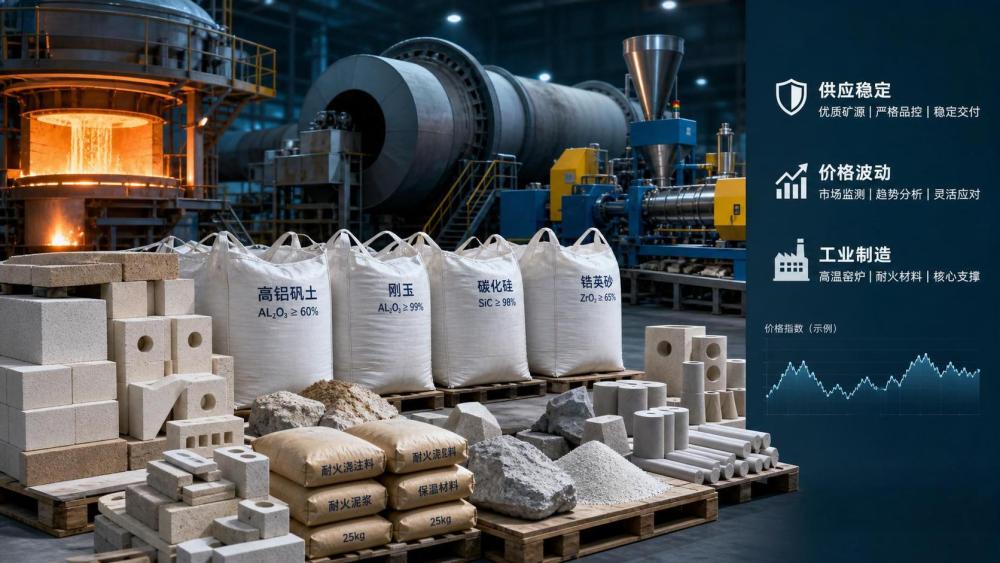
Global material trends procurement now sits at the intersection of energy, regulation, logistics, and industrial process stability.
That shift matters most in sectors where heat, chemistry, and uptime define commercial performance.
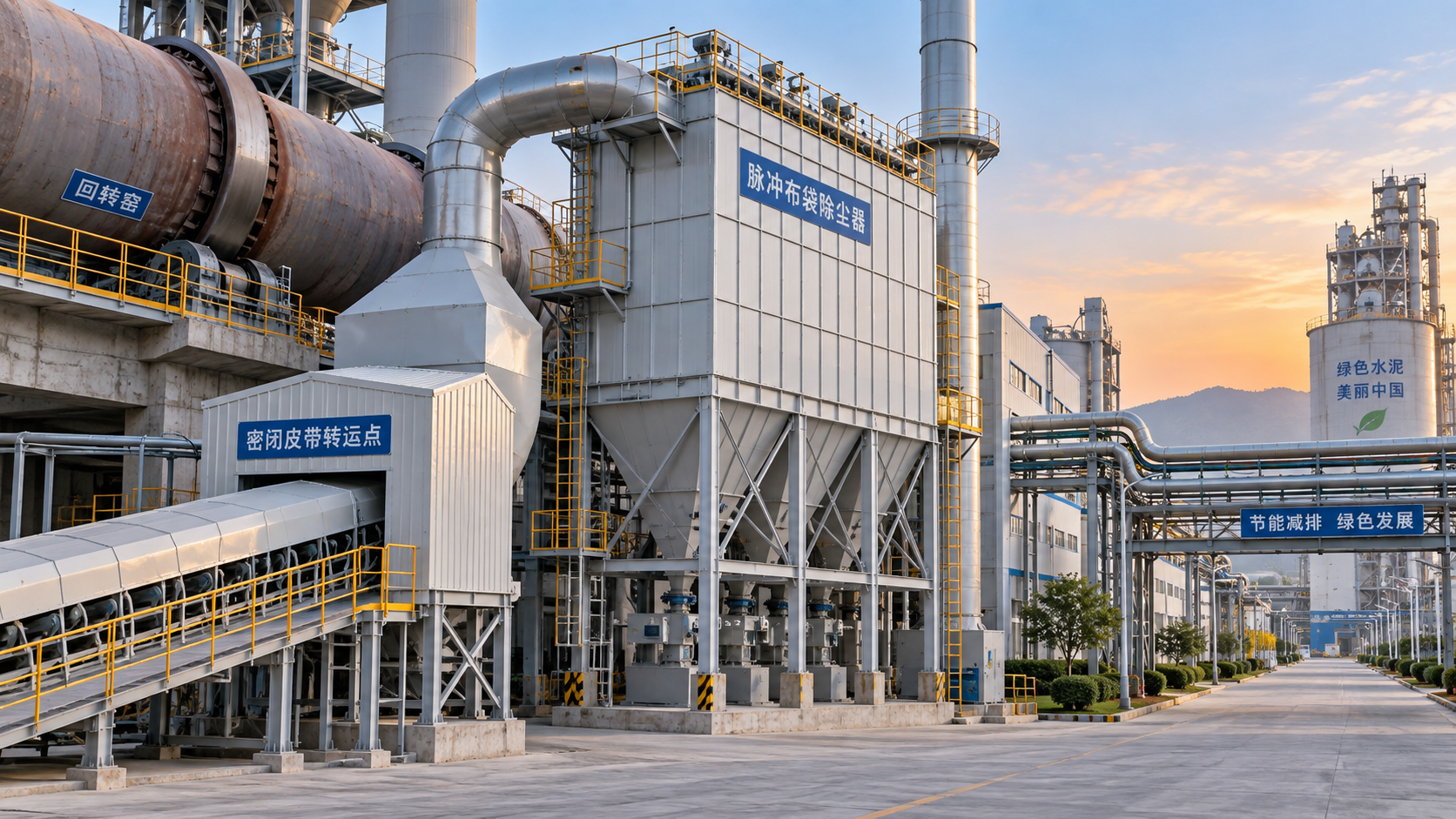
In cement, glass, refractory, incineration, and extrusion systems, a small material disturbance can reshape output economics for months.
Recent market behavior shows that supply security is no longer separate from pricing.
Freight volatility, power tariffs, carbon rules, and regional industrial policy now move together.
For long-cycle equipment and foundation materials, the buying question has become more structural.
The real issue is not only what a material costs today, but how stable its technical and commercial profile will remain.
This is why global material trends procurement deserves closer reading across both macro signals and process-level details.
From the vantage point of CF-Elite, the pattern is especially visible in high-temperature industries.
Availability, emissions pressure, and performance requirements are converging faster than many sourcing models expected.
Why the supply picture feels tighter even when capacity exists
One of the clearer signals is that nominal capacity no longer guarantees practical availability.
Mines, smelters, kilns, and processors may still be online, yet deliverability has become more conditional.
Energy-intensive materials are the first to show this tension.
When gas and electricity costs rise sharply, producers protect margins by adjusting output, product mix, or delivery priority.
That creates selective scarcity rather than universal shortage.
The effect is pronounced in fused minerals, refractories, industrial glass inputs, and specialty additives.
A second layer comes from environmental compliance.
Plants facing stricter dust, waste heat, or carbon thresholds often redirect capital toward compliance before expansion.
That delays new supply even when market demand looks attractive.
In global material trends procurement, this means buyers must distinguish between installed capacity and usable capacity.
- Installed capacity reflects what the industry can make under normal conditions.
- Usable capacity reflects what can ship reliably under energy, policy, and logistics constraints.
- Commercially available capacity reflects what remains after priority contracts and strategic allocations.
That distinction changes negotiation strategy and timing more than many spreadsheets reveal.
Pricing is being shaped by hidden cost layers
Price movements are also less transparent than they appear.
A stable quotation can hide rising costs in energy clauses, packaging, lead time premiums, and quality adjustments.
This is where global material trends procurement becomes an intelligence exercise.
The visible market price is only one layer of exposure.
For process-critical materials, the real landed cost often depends on consistency, yield loss, thermal efficiency, and maintenance frequency.
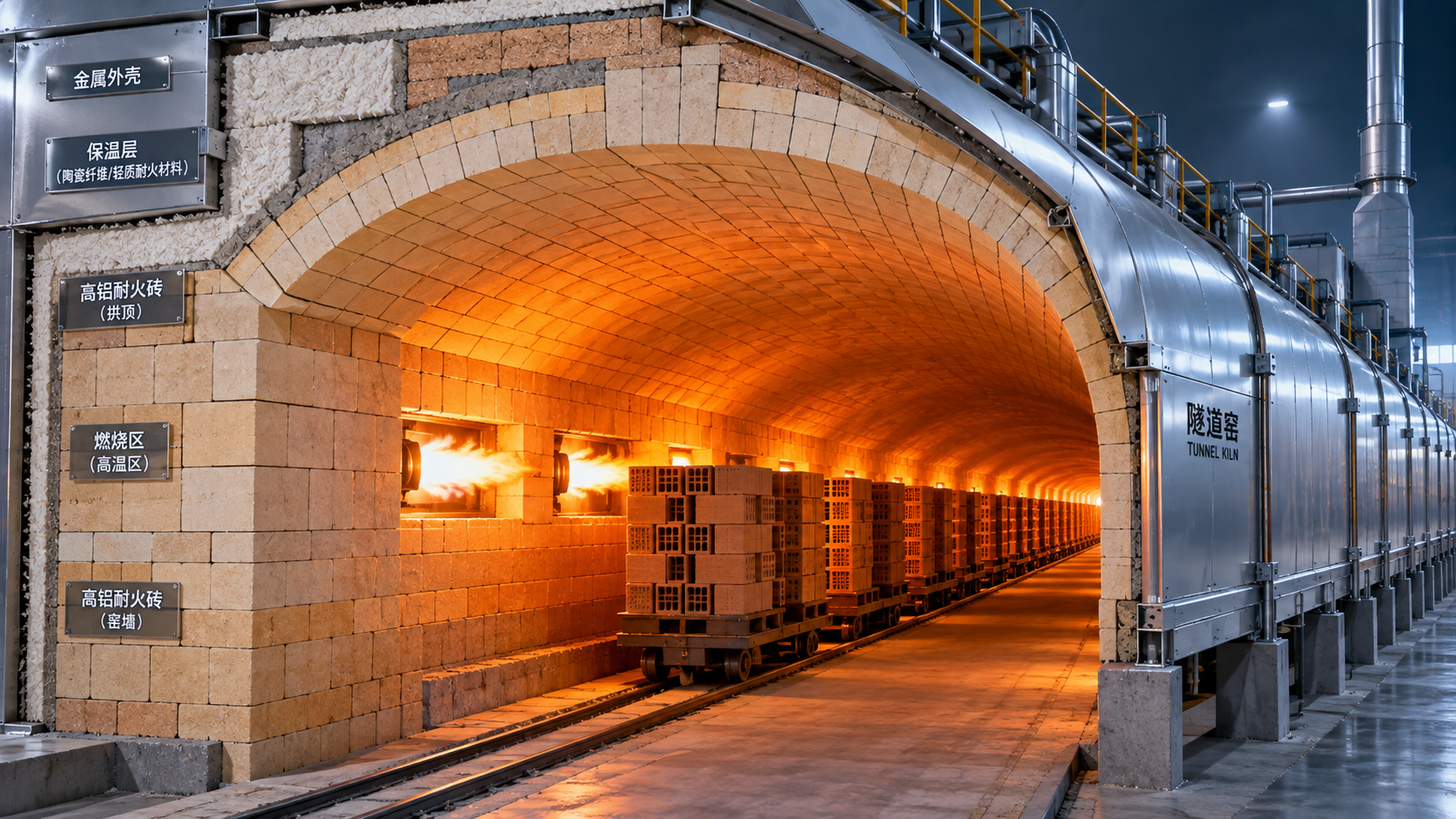
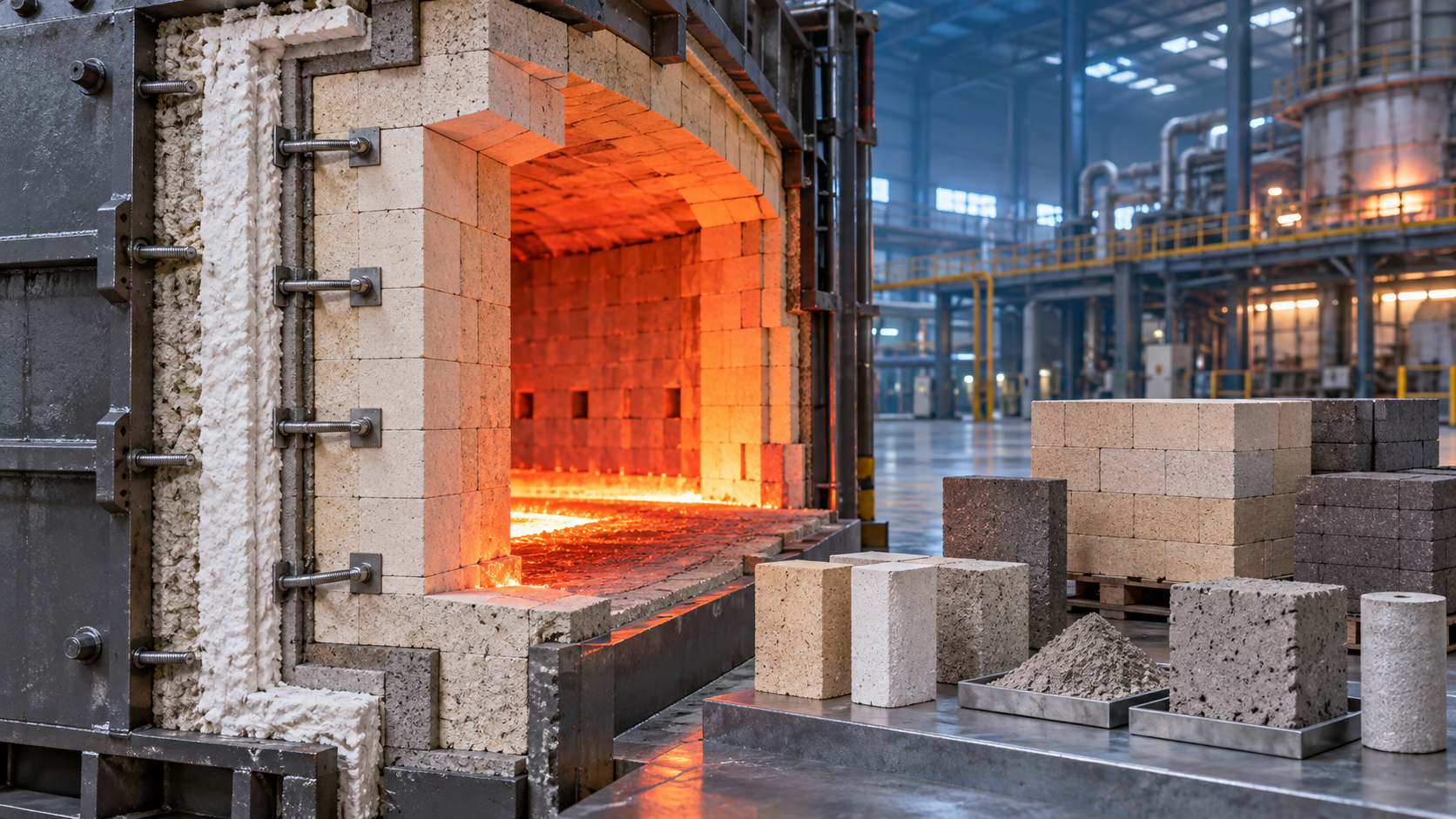
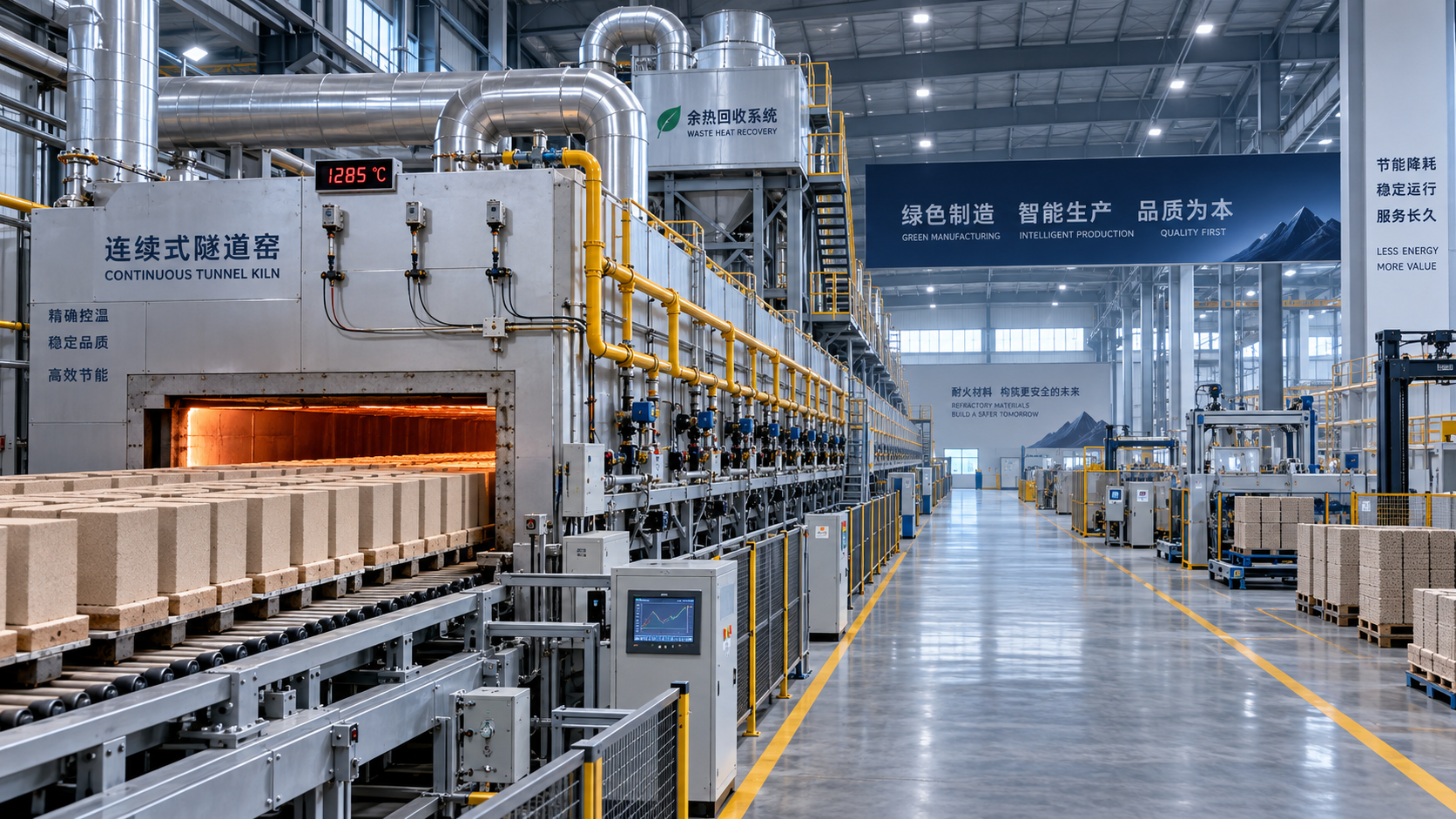
In refractory systems, a cheaper lining may reduce campaign life.
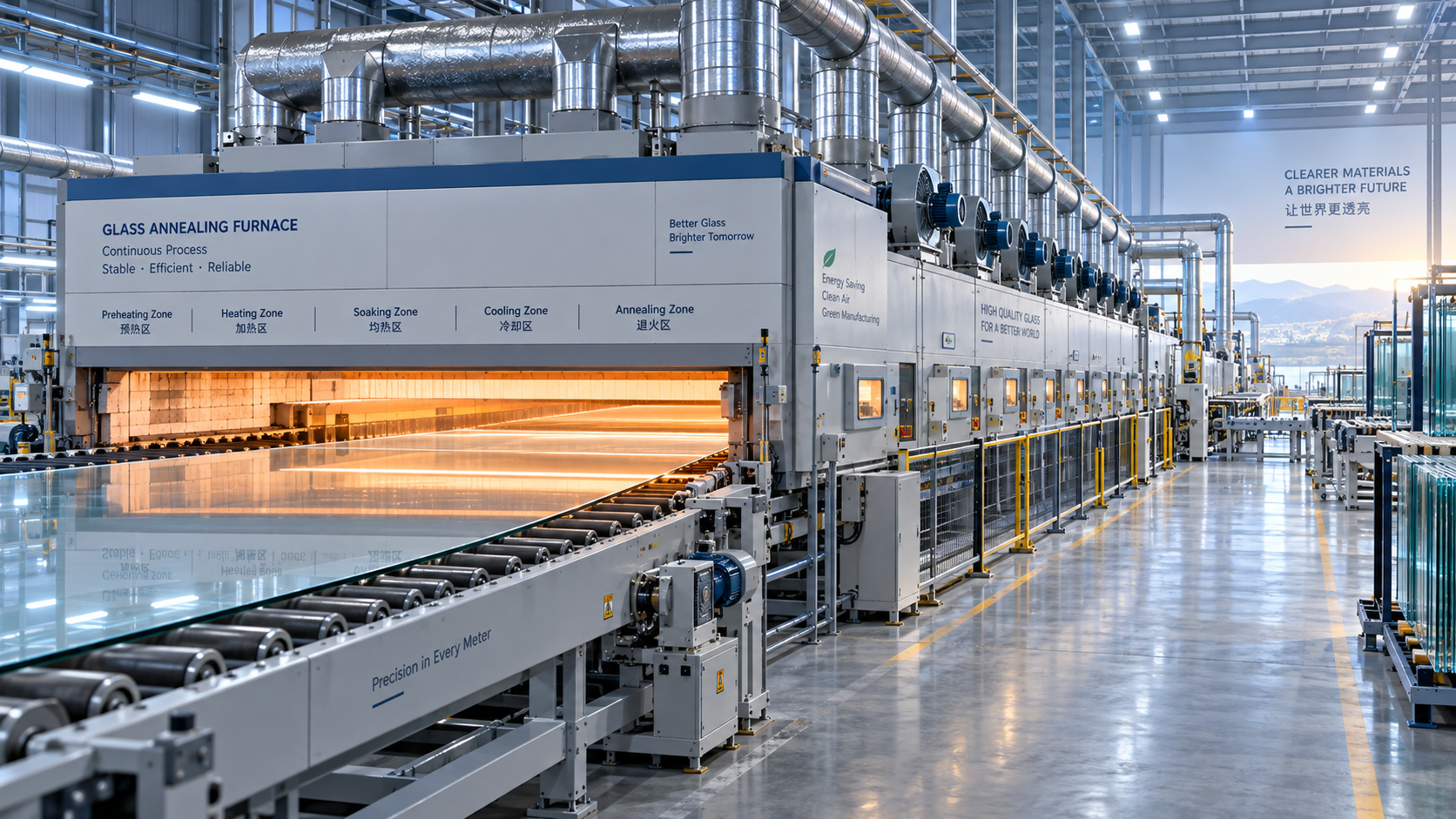
In glass production, minor raw material variation may disturb melt behavior or downstream surface quality.
In kilns and incineration units, lower-grade inputs can increase fuel demand and emissions burden.
The market is therefore rewarding buyers who read total operating consequences, not only invoice numbers.
Demand signals are changing across high-temperature value chains
Demand is not simply rising or falling in one direction.
It is being redistributed toward materials that support lower emissions, better thermal control, and longer asset life.
That is a meaningful change for global material trends procurement.
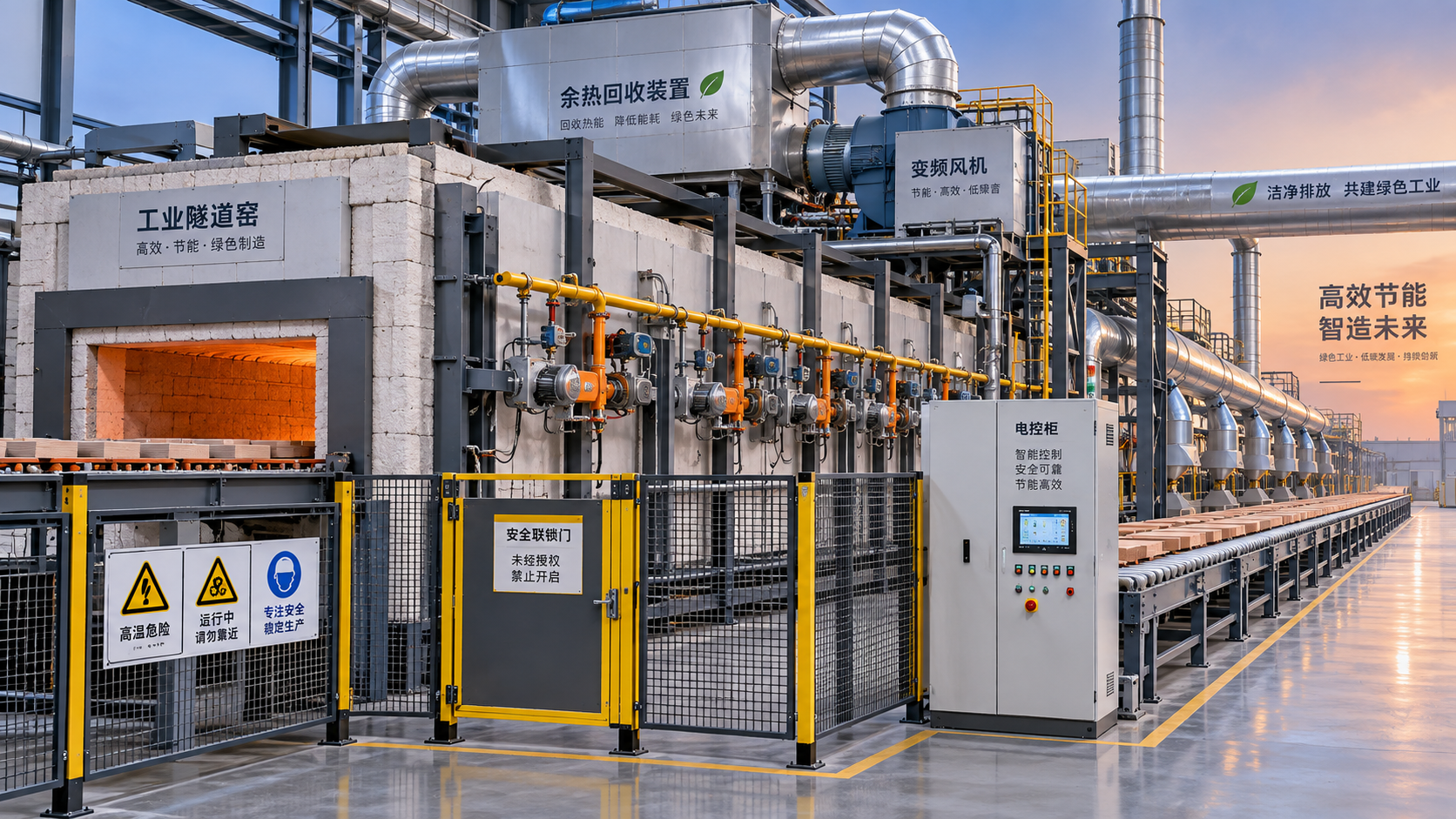
In cement systems, alternative fuels and co-processing are increasing interest in linings and components that tolerate more aggressive operating conditions.
In glass, solar and electronics demand keeps pressure on quality-sensitive inputs and furnace efficiency upgrades.
In refractory production, the shift is toward service life, thermal shock resistance, and monitoring compatibility.
In new building material extrusion, lightweight and low-carbon formulations are changing additive and equipment requirements.
These changes are connected.
They show a broader preference for materials that reduce process instability over time.
CF-Elite’s coverage of thermal management and silicate process intelligence fits this shift closely.
The most useful insight often comes from linking market movement with process behavior.
A material that looks expensive on day one may defend energy efficiency, campaign duration, and compliance margins for years.
The biggest risk is treating all materials as commercially equal
One persistent mistake in global material trends procurement is to group materials by purchase category alone.
That works for low-impact consumables, but not for materials tied to thermal balance or chemical reactions.
A more useful view separates materials by operational consequence.
Where sensitivity is usually highest
- Inputs that alter firing temperature, melt viscosity, or heat transfer behavior.
- Materials with limited qualified suppliers or long recertification cycles.
- Components whose failure stops the line rather than reducing efficiency.
- Products exposed to tightening emissions or traceability rules.
This lens changes sourcing priorities.
It also improves internal discussions about substitution risk, safety stock, and contract duration.
More importantly, it supports sharper business evaluation.
When industrial assets operate in long cycles, wrong material assumptions can outlast the original procurement decision.
What deserves closer watching over the next planning cycle
Several signals now carry more forecasting value than headline commodity prices alone.
Watching them together gives a better read on global material trends procurement.
- Regional power pricing for energy-intensive processing clusters.
- Carbon accounting rules affecting embedded material emissions.
- Port reliability and shipping lane disruptions for bulky industrial cargo.
- Capacity moves in refractory minerals, industrial silica, alumina, and engineered additives.
- Technology upgrades that change acceptable input ranges or performance standards.
More subtle signals matter too.
When suppliers begin emphasizing traceability, energy sourcing, or process simulation support, the market is usually re-pricing technical confidence.
That is often an early sign of structural change rather than temporary volatility.
A practical response starts with better decision framing
The response does not need to be dramatic, but it does need to be more disciplined.
For global material trends procurement, a strong starting point is to connect market data with plant-level consequences.
That means comparing supply options through performance, energy exposure, compliance risk, and recovery time after disruption.
A second step is to review which materials deserve technical intelligence support rather than routine price sourcing.
This is where specialist observation has real value.
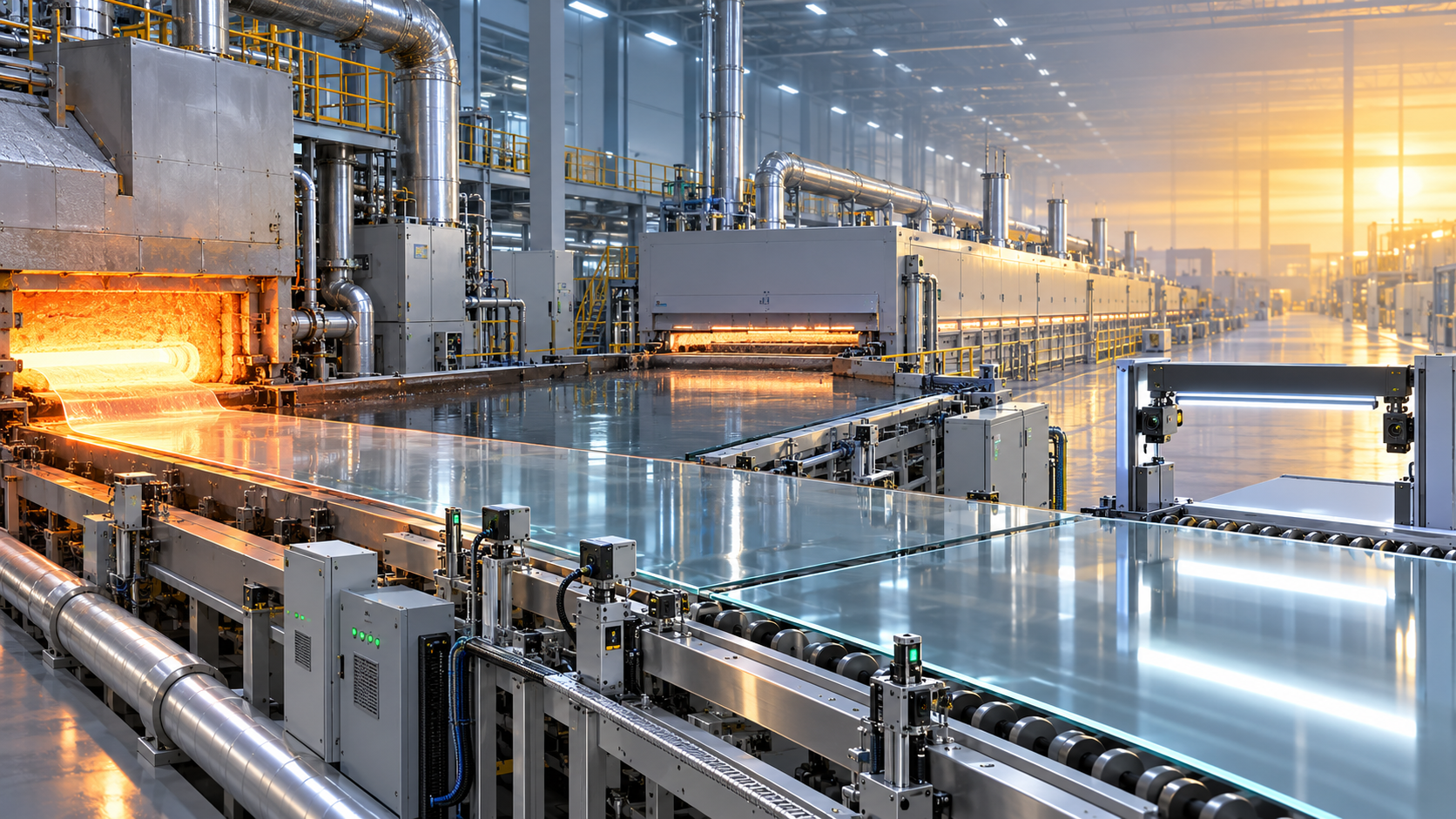
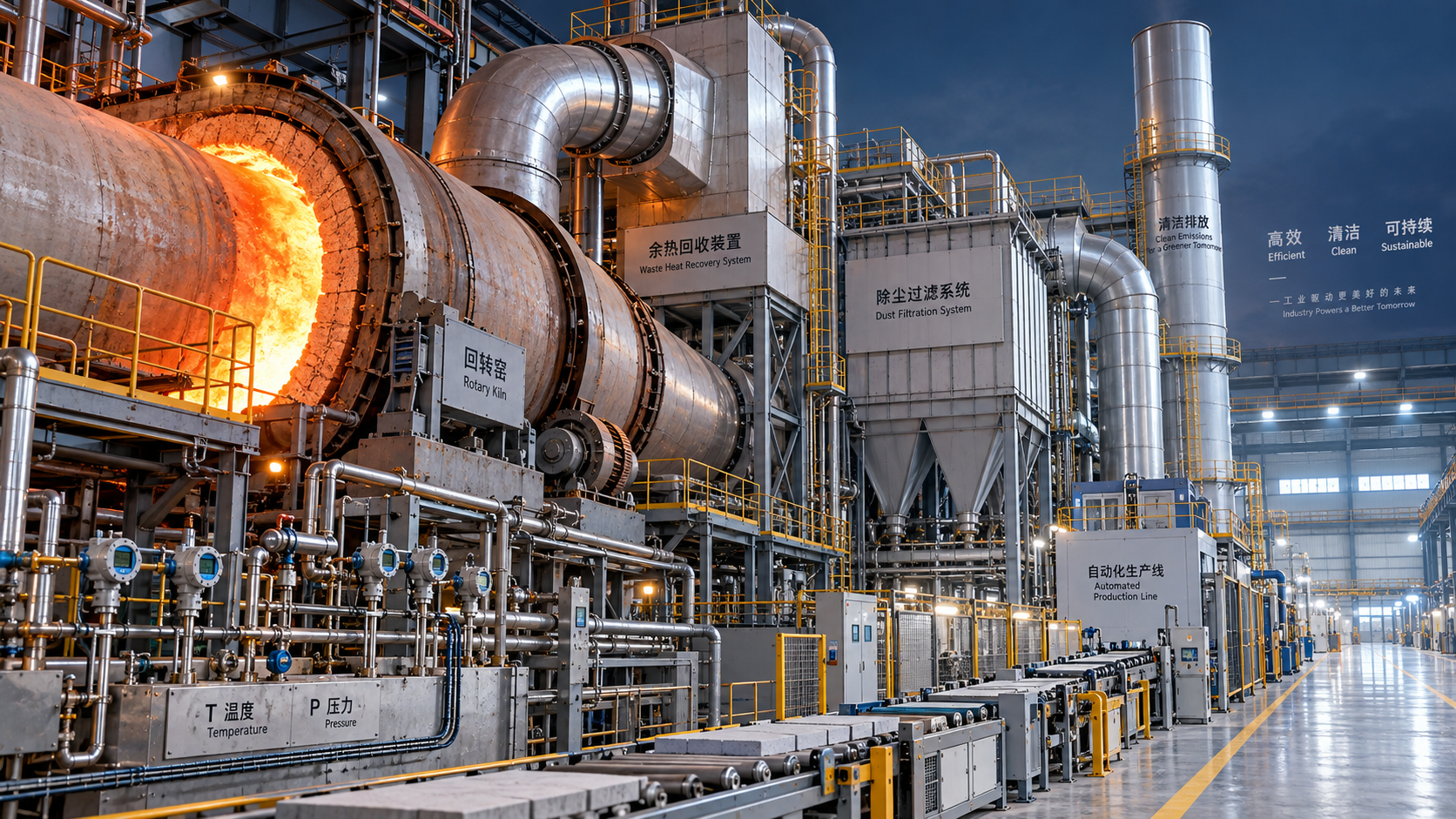
CF-Elite’s focus on kilns, float lines, refractory systems, and extrusion equipment reflects a wider market need.
Industrial decisions increasingly depend on linking raw material movement with thermal performance, emissions pressure, and asset longevity.
The next planning cycle should therefore include a short list of actions.
- Map materials by operational criticality, not by spend alone.
- Track energy and carbon exposure by supplier region.
- Test whether cheaper substitutions change line stability or service life.
- Build scenario views for freight delays and selective shortages.
- Update sourcing assumptions when process technology or regulation changes.
The market is unlikely to become simpler soon.
Still, clearer judgment is possible when price, performance, and policy are read as one system.
That is the more durable way to navigate global material trends procurement and protect long-cycle industrial value.
Related News
 Optical Glass Tech FellowHow Glass Furnace Emissions Are Measured and Controlled for Regulatory ComplianceGlass furnace emissions: learn how to measure, monitor, and control NOx, SOx, particulate, CO, and CO2 for reliable regulatory compliance.Oct 08, 2026
 Prof. Marcus ChenIndustrial Decarbonization Strategies in Europe: A Roadmap for Energy-Intensive PlantsIndustrial decarbonization strategies Europe: explore practical pathways for energy-intensive plants to cut emissions, improve efficiency, and protect performance.Oct 07, 2026
 Thermal Energy ArchitectEnergy-Efficient Silicate Production Lines: What to Compare Before SelectionSilicate production lines energy efficient selection guide: compare thermal performance, stability, emissions, controls, and lifecycle value before investing.Oct 06, 2026
 Optical Glass Tech FellowHow to Evaluate Automated Float Glass Lines for Capacity, Quality, and Energy UseEvaluate automated float glass lines for net capacity, consistent quality, energy efficiency, automation reliability, and lifecycle value. Explore key criteria for smarter investment decisions.Oct 05, 2026
 Thermal Energy ArchitectWhat Does CE Marking Require for an Energy-Efficient Industrial Kiln?Energy efficient kiln CE requirements explained: assess safety, technical files, energy performance, and EU compliance before purchase or commissioning.Oct 04, 2026
 Thermal Energy ArchitectRefractory Manufacturing Solutions for Brick Plants: How to Extend Kiln LifeRefractory manufacturing solutions for brick plant operations: discover proven strategies to extend kiln life, reduce heat loss, prevent lining failures, and plan cost-effective repairs.Oct 03, 2026
 Thermal Energy ArchitectHow to Specify Heavy Industrial Process Systems for High-Temperature PlantsHeavy industrial processes systems: learn how to specify high-temperature plants for efficiency, emissions control, maintainability, and lifecycle performance.Oct 02, 2026
 Structural Material AnalystHow Sustainable Material Extrusion Can Improve Wall Panel Durability and Design FlexibilityDiscover how sustainable material extrusion for wall panels improves durability, moisture resistance, design flexibility, and installation consistency for high-performing wall systems.Oct 01, 2026
 Thermal Energy ArchitectHow to Evaluate a High-Temperature Materials Manufacturer for Furnace ApplicationsChoose a high-temperature materials manufacturer with confidence: compare thermal performance, chemical resistance, quality controls, installation support, and lifecycle cost.Sep 30, 2026
 Ms. Elena RodriguezHow to Structure Global Specification Data for Faster Industrial Product EvaluationGlobal specification-oriented product information helps industrial teams compare capacity, energy, emissions, automation, and lifecycle data on a like-for-like basis for faster, confident equipment decisions.Sep 29, 2026
 Thermal Energy ArchitectHow to Specify High-Temperature Process Systems for Continuous Thermal OperationsHigh-temperature process engineering systems: learn how to specify resilient continuous thermal operations for efficiency, compliance, reliable uptime, and long-term performance.Sep 28, 2026
 Thermal Energy ArchitectHow to Evaluate a Thermal Engineering Contractor for High-Temperature Plant ProjectsChoose a thermal engineering contractor with proven process expertise, lifecycle value, emissions control, and delivery discipline for reliable high-temperature plant performance.Sep 27, 2026
 Silicate Process EngineerHow Latin American Cement Plants Can Reduce Dust Emissions in Kilns and Transfer PointsCement plant dust control Latin America: reduce kiln and transfer-point emissions with practical airflow, filtration, monitoring, and maintenance strategies.Sep 26, 2026
 Material Heat-Resist ExpertHow to Evaluate Refractory Production Lines for Output, Quality, and Energy UseRefractory production lines: learn how to assess qualified output, consistent quality, and total energy use for smarter, lower-risk investment decisions.Sep 25, 2026
 Dr. Alistair VaughnHow Waste Recycling Technology Improves Material Recovery in Industrial PlantsWaste recycling technology improves material recovery through source segregation, smart separation, thermal treatment, and quality control for industrial plants.Sep 24, 2026
 Optical Glass Tech FellowHow to Specify Glass Annealing Equipment for European Quality and Energy RequirementsGlass annealing equipment Europe: learn how to specify lehrs for consistent glass quality, energy efficiency, compliance, automation, and reliable long-term performance.Sep 23, 2026
 Optical Glass Tech FellowSilicate Process Automation: Improving Batch Consistency and Energy ControlSilicate process automation improves batch consistency, energy control, traceability, and operator confidence across high-temperature manufacturing operations.Sep 22, 2026
 Optical Glass Tech FellowHow Silicate Industrial Processes Control Viscosity, Energy Use, and Product QualitySilicate industrial processes: learn how viscosity, chemistry, heat transfer, and atmosphere control reduce energy use, improve stability, and protect product quality.Sep 21, 2026
 Thermal Energy ArchitectHow European Plants Can Evaluate Energy Recovery Equipment for High-Temperature ProcessesIndustrial energy recovery equipment Europe: learn how high-temperature plants can assess waste-heat sources, integration risks, lifecycle value, and reliable recovery routes.Sep 20, 2026
 Thermal Energy ArchitectIndustrial Furnace Process Optimization: Reducing Fuel Use Without Sacrificing ThroughputIndustrial process optimization furnace strategies that cut fuel use while protecting throughput. Explore combustion control, heat recovery, refractory performance, and data-driven efficiency gains.Sep 19, 2026

Related News
- 00
0000-00
How to Structure Global Specification Data for Faster Industrial Product Evaluation - 00
0000-00
What Drives High-Pressure Extrusion Equipment Cost in Industrial Projects? - 00
0000-00
How Should Buyers Evaluate Building Material Industry Intelligence Pricing? - 00
0000-00
How to Use Building Material Intelligence Data for Market and Investment Decisions - 00
0000-00
How to Evaluate a Silicate Processing Equipment Manufacturer for Plant Projects
Weekly Insights
Stay ahead with our curated technology reports delivered every Monday.