
Glass Furnace Emissions Explained: Main Sources, Monitoring Points, and Control Options




Why Glass Furnace Emissions Matter More Than Ever
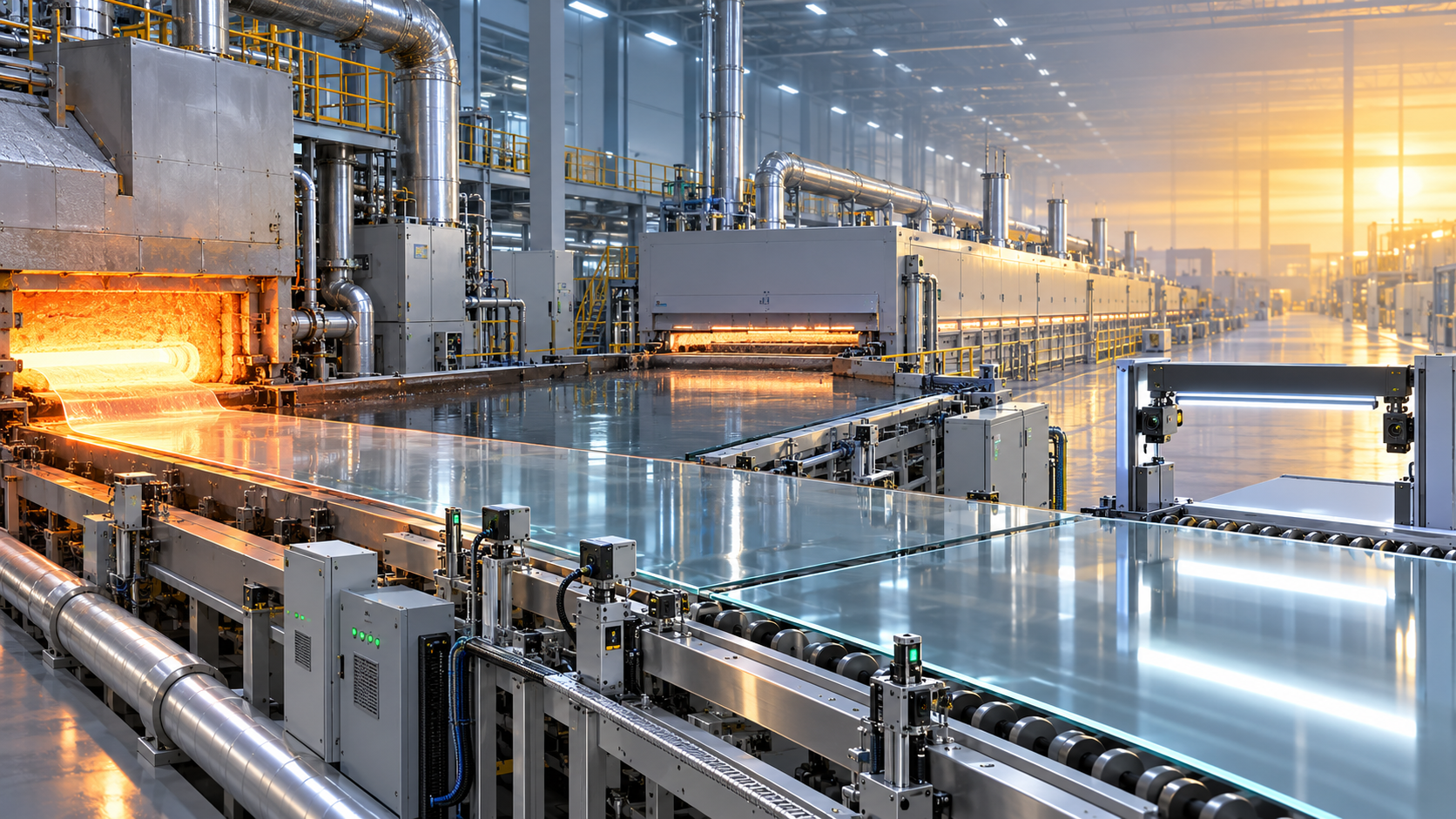
Glass furnace emissions sit at the intersection of environmental compliance, fuel efficiency, product quality, and long-term asset planning.
That is why the topic now reaches beyond permitting teams and into mainstream plant strategy.
A furnace does not release one simple exhaust stream.
It releases a changing mixture shaped by combustion conditions, glass chemistry, raw material purity, cullet ratio, furnace design, and pull rate.
For float lines, container glass plants, fiberglass operations, and specialty glass units, those variables affect both emissions risk and operating cost.
This is especially relevant in heavy industry, where decarbonization targets are tightening while production stability remains non-negotiable.
Within the broader silicate sector tracked by CF-Elite, glass manufacturing is closely linked with kiln systems, refractory behavior, thermal management, and digital monitoring.
That wider view helps explain why glass furnace emissions are not just an environmental issue.
They are a signal of how well the entire hot-end system is performing.
What Actually Makes Up Furnace Emissions
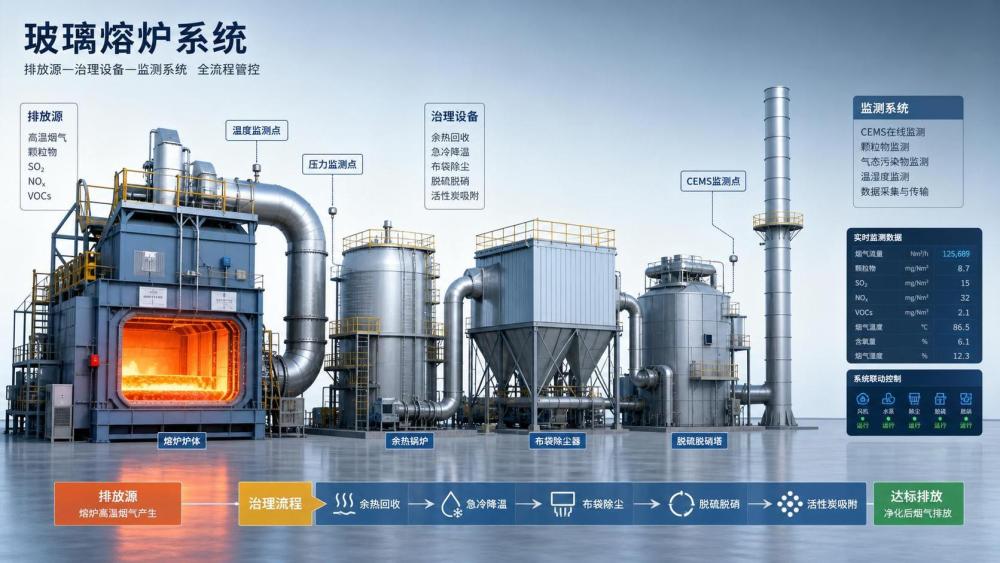
In practical terms, glass furnace emissions come from three overlapping sources.
The first is fuel combustion.
The second is batch decomposition and melting reactions.
The third is volatilization of fine or reactive constituents at high temperature.
Combustion typically generates CO2, NOx, water vapor, and, under poor conditions, CO and unburned compounds.
Batch reactions add another layer.
Carbonates release CO2 during decomposition, while sulfates, chlorides, and fluorides can form acid gases or secondary particulates.
Volatile materials may include sodium, boron, lead, arsenic, selenium, or other compounds, depending on the glass type.
Even when concentrations are moderate, their behavior matters because they can condense downstream and complicate filtration.
Dust is another key component.
Some dust comes from entrained batch fines.
Some forms after vaporized species cool and react in the exhaust path.
That is one reason two furnaces with similar output can show very different glass furnace emissions profiles.
Typical pollutants to track
The Main Sources Behind Emission Variability
The most useful way to read glass furnace emissions is to focus on variability, not just annual averages.
A stable furnace tends to produce a more predictable environmental footprint.
A drifting furnace usually reveals itself in the stack before it shows up in the financial report.
Fuel and firing system
Air-fuel, oxy-fuel, electric boosting, and hybrid configurations generate different emission patterns.
Higher flame temperatures can reduce some inefficiencies while pushing NOx upward.
Burner balance, excess oxygen, and regenerator performance also change the result.
Batch composition
Raw material selection has a direct influence on glass furnace emissions.
Sulfate fining agents, chloride content, cullet contamination, and moisture all affect off-gas chemistry.
When quality teams change recipes, environmental consequences often follow.
Furnace age and refractory condition
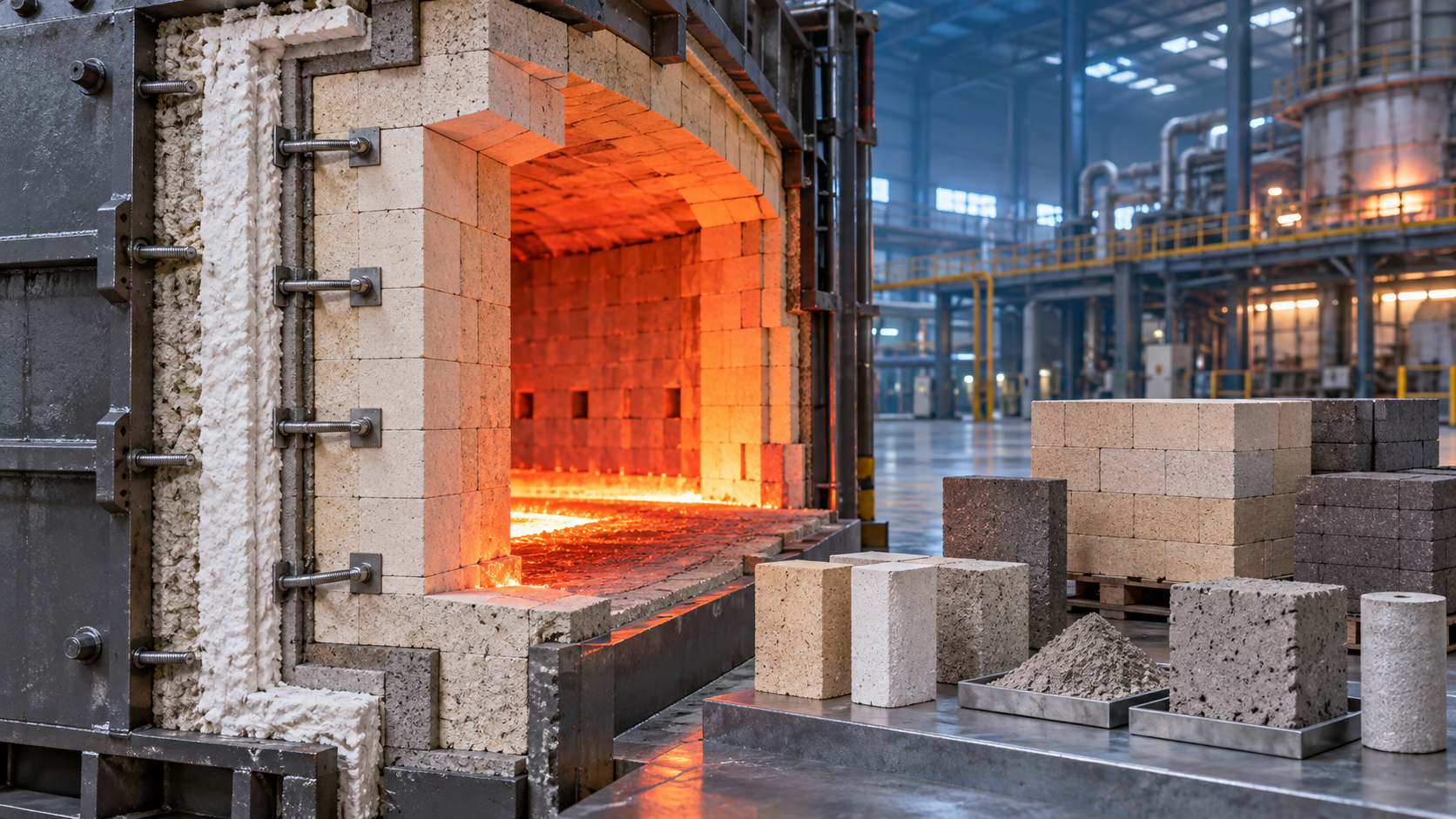
Aging refractories can alter heat transfer, flame shape, air infiltration, and batch blanket behavior.
This may raise fuel demand and increase unstable combustion events.
CF-Elite often frames this as a thermal management issue, not only a maintenance issue.
Production rate changes
Pull increases, campaign transitions, and start-up phases tend to create short-term spikes.
Those periods deserve separate analysis instead of being hidden inside monthly averages.
Where Monitoring Delivers the Most Value
Effective control starts with the right monitoring points.
Many sites measure only the stack and miss the process signals that explain changes.
For glass furnace emissions, that creates slow diagnosis and weak corrective action.
Priority monitoring locations
- Combustion zone indicators, including oxygen, temperature, and pressure balance.
- Regenerator or recuperator outlets, where heat recovery and air leakage become visible.
- Dust collection inlets, where particulate loading and acid gas trends emerge.
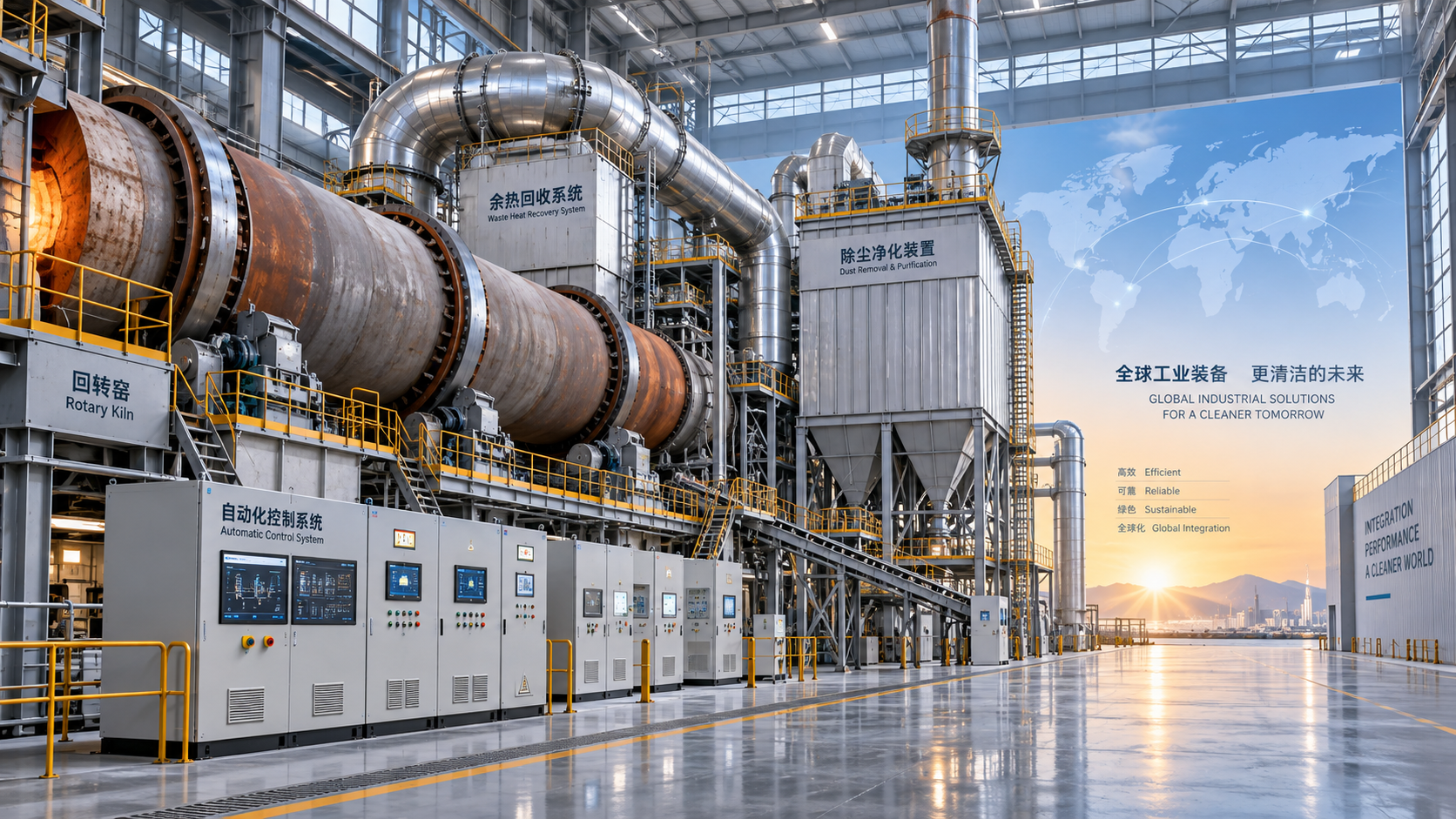
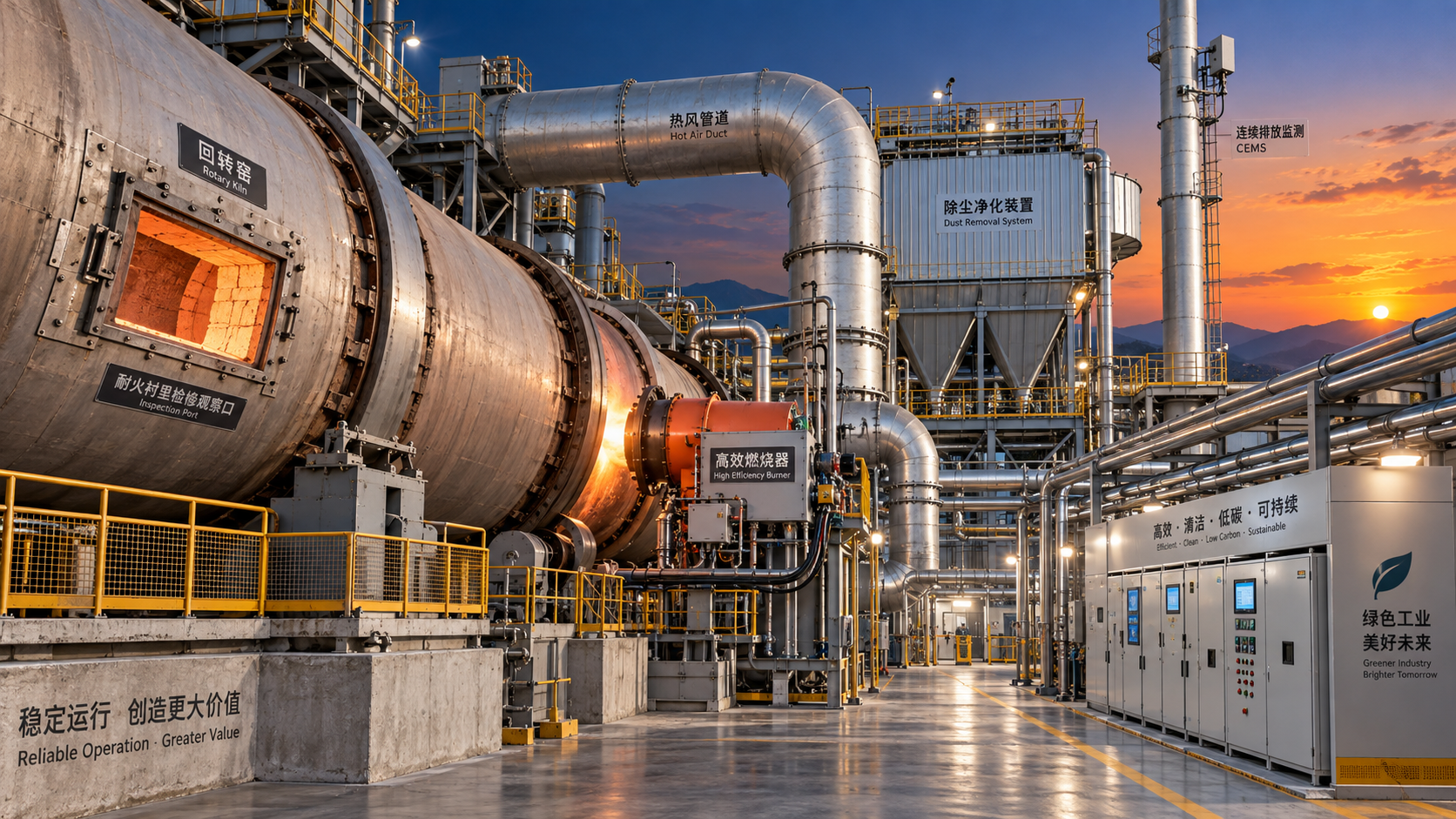
- Stack CEMS points, where compliance data is formally established.
- Batch charging and cullet handling areas, where fugitive dust may be underestimated.
The strongest systems connect these points instead of treating them as separate instruments.
That is where digital twin logic and online condition monitoring become useful.
They help relate furnace behavior, refractory wear, and exhaust changes in one operating picture.
What should be trended, not just sampled
Single compliance snapshots rarely explain operating risk.
Trend oxygen, NOx, CO, exhaust temperature, pressure drop, dust collector loading, and fuel consumption together.
When these signals move in the same direction, the source of glass furnace emissions becomes easier to isolate.
Control Options and Their Trade-Offs
There is no universal control package for glass furnace emissions.
The right solution depends on pollutant mix, furnace configuration, utility cost, campaign stage, and future carbon strategy.
Primary measures inside the process
Combustion tuning is usually the first step.
It can lower NOx and CO without major hardware changes, but it requires stable operating discipline.
Batch reformulation is another lever.
Reducing volatile inputs or contaminated cullet can cut downstream load before filtration begins.
Electric boosting may also help by shifting part of the thermal input and changing flame conditions.
Secondary end-of-pipe systems
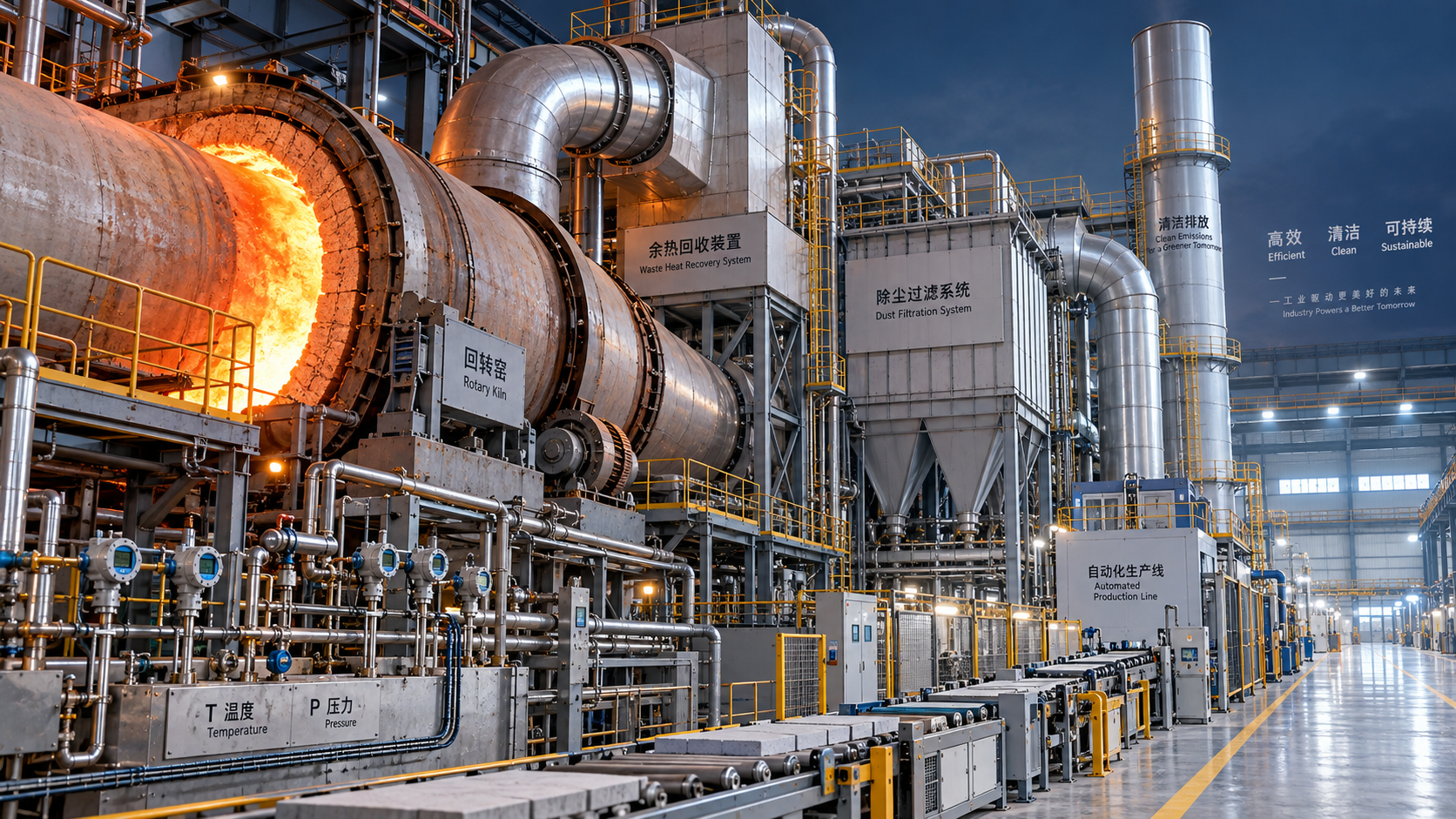
Baghouses are widely used for particulate control and can perform well when gas conditioning is correct.
Dry or semi-dry scrubbing addresses acid gases, especially when sulfur or halides are significant.
Selective non-catalytic reduction and selective catalytic reduction can be considered for NOx reduction.
Each option introduces its own utility demand, reagent logistics, and maintenance burden.
How to compare options realistically
Using Emissions Data in Project Decisions
The practical value of glass furnace emissions data appears when it influences project timing and design choices.
A retrofit decision should not rely on stack limits alone.
It should connect process chemistry, thermal efficiency, refractory condition, and future production plans.
In cross-sector terms, the lesson is familiar.
Cement lines, incineration systems, and refractory plants all show the same pattern.
Emission control works best when it is integrated with process intelligence.
That is also where CF-Elite’s industry lens becomes useful.
Comparing thermal systems across adjacent high-temperature industries often reveals solutions that a single-sector review would miss.
For example, better online monitoring, campaign-based maintenance planning, and heat recovery logic can improve environmental performance without isolating emissions from core operations.
A Clearer Next Step
Glass furnace emissions should be treated as a decision framework, not just a reporting requirement.
Start by separating combustion-related emissions from batch-related emissions.
Then map where variability enters the system.
After that, compare monitoring coverage with the control strategy already in place.
Sites that make this sequence visible usually gain faster troubleshooting, better capital prioritization, and fewer surprises during regulatory review.
The most useful next move is often a disciplined gap review.
Check pollutant sources, sensor positions, trend quality, and retrofit assumptions against actual furnace behavior.
That creates a stronger basis for choosing control options that fit both present compliance needs and longer-term production resilience.
Related News
 Optical Glass Tech FellowHow Glass Furnace Emissions Are Measured and Controlled for Regulatory ComplianceGlass furnace emissions: learn how to measure, monitor, and control NOx, SOx, particulate, CO, and CO2 for reliable regulatory compliance.Oct 08, 2026
 Prof. Marcus ChenIndustrial Decarbonization Strategies in Europe: A Roadmap for Energy-Intensive PlantsIndustrial decarbonization strategies Europe: explore practical pathways for energy-intensive plants to cut emissions, improve efficiency, and protect performance.Oct 07, 2026
 Thermal Energy ArchitectEnergy-Efficient Silicate Production Lines: What to Compare Before SelectionSilicate production lines energy efficient selection guide: compare thermal performance, stability, emissions, controls, and lifecycle value before investing.Oct 06, 2026
 Optical Glass Tech FellowHow to Evaluate Automated Float Glass Lines for Capacity, Quality, and Energy UseEvaluate automated float glass lines for net capacity, consistent quality, energy efficiency, automation reliability, and lifecycle value. Explore key criteria for smarter investment decisions.Oct 05, 2026
 Thermal Energy ArchitectWhat Does CE Marking Require for an Energy-Efficient Industrial Kiln?Energy efficient kiln CE requirements explained: assess safety, technical files, energy performance, and EU compliance before purchase or commissioning.Oct 04, 2026
 Thermal Energy ArchitectRefractory Manufacturing Solutions for Brick Plants: How to Extend Kiln LifeRefractory manufacturing solutions for brick plant operations: discover proven strategies to extend kiln life, reduce heat loss, prevent lining failures, and plan cost-effective repairs.Oct 03, 2026
 Thermal Energy ArchitectHow to Specify Heavy Industrial Process Systems for High-Temperature PlantsHeavy industrial processes systems: learn how to specify high-temperature plants for efficiency, emissions control, maintainability, and lifecycle performance.Oct 02, 2026
 Structural Material AnalystHow Sustainable Material Extrusion Can Improve Wall Panel Durability and Design FlexibilityDiscover how sustainable material extrusion for wall panels improves durability, moisture resistance, design flexibility, and installation consistency for high-performing wall systems.Oct 01, 2026
 Thermal Energy ArchitectHow to Evaluate a High-Temperature Materials Manufacturer for Furnace ApplicationsChoose a high-temperature materials manufacturer with confidence: compare thermal performance, chemical resistance, quality controls, installation support, and lifecycle cost.Sep 30, 2026
 Ms. Elena RodriguezHow to Structure Global Specification Data for Faster Industrial Product EvaluationGlobal specification-oriented product information helps industrial teams compare capacity, energy, emissions, automation, and lifecycle data on a like-for-like basis for faster, confident equipment decisions.Sep 29, 2026
 Thermal Energy ArchitectHow to Specify High-Temperature Process Systems for Continuous Thermal OperationsHigh-temperature process engineering systems: learn how to specify resilient continuous thermal operations for efficiency, compliance, reliable uptime, and long-term performance.Sep 28, 2026
 Thermal Energy ArchitectHow to Evaluate a Thermal Engineering Contractor for High-Temperature Plant ProjectsChoose a thermal engineering contractor with proven process expertise, lifecycle value, emissions control, and delivery discipline for reliable high-temperature plant performance.Sep 27, 2026
 Silicate Process EngineerHow Latin American Cement Plants Can Reduce Dust Emissions in Kilns and Transfer PointsCement plant dust control Latin America: reduce kiln and transfer-point emissions with practical airflow, filtration, monitoring, and maintenance strategies.Sep 26, 2026
 Material Heat-Resist ExpertHow to Evaluate Refractory Production Lines for Output, Quality, and Energy UseRefractory production lines: learn how to assess qualified output, consistent quality, and total energy use for smarter, lower-risk investment decisions.Sep 25, 2026
 Dr. Alistair VaughnHow Waste Recycling Technology Improves Material Recovery in Industrial PlantsWaste recycling technology improves material recovery through source segregation, smart separation, thermal treatment, and quality control for industrial plants.Sep 24, 2026
 Optical Glass Tech FellowHow to Specify Glass Annealing Equipment for European Quality and Energy RequirementsGlass annealing equipment Europe: learn how to specify lehrs for consistent glass quality, energy efficiency, compliance, automation, and reliable long-term performance.Sep 23, 2026
 Optical Glass Tech FellowSilicate Process Automation: Improving Batch Consistency and Energy ControlSilicate process automation improves batch consistency, energy control, traceability, and operator confidence across high-temperature manufacturing operations.Sep 22, 2026
 Optical Glass Tech FellowHow Silicate Industrial Processes Control Viscosity, Energy Use, and Product QualitySilicate industrial processes: learn how viscosity, chemistry, heat transfer, and atmosphere control reduce energy use, improve stability, and protect product quality.Sep 21, 2026
 Thermal Energy ArchitectHow European Plants Can Evaluate Energy Recovery Equipment for High-Temperature ProcessesIndustrial energy recovery equipment Europe: learn how high-temperature plants can assess waste-heat sources, integration risks, lifecycle value, and reliable recovery routes.Sep 20, 2026
 Thermal Energy ArchitectIndustrial Furnace Process Optimization: Reducing Fuel Use Without Sacrificing ThroughputIndustrial process optimization furnace strategies that cut fuel use while protecting throughput. Explore combustion control, heat recovery, refractory performance, and data-driven efficiency gains.Sep 19, 2026

Related News
- 00
0000-00
How Glass Furnace Emissions Are Measured and Controlled for Regulatory Compliance - 00
0000-00
How to Evaluate Automated Float Glass Lines for Capacity, Quality, and Energy Use - 00
0000-00
How to Specify Glass Annealing Equipment for European Quality and Energy Requirements - 00
0000-00
Silicate Process Automation: Improving Batch Consistency and Energy Control - 00
0000-00
How Silicate Industrial Processes Control Viscosity, Energy Use, and Product Quality
Weekly Insights
Stay ahead with our curated technology reports delivered every Monday.