
Glass Industry Intelligence in the Middle East: What Buyers Should Track Before Sourcing




Regional sourcing decisions in glass are no longer driven by price sheets alone. In today’s market, glass industry intelligence Middle East has become a practical filter for judging stability, technical fit, and long-term supply risk.
The region combines energy-intensive manufacturing, fast-moving infrastructure demand, export ambition, and tightening environmental expectations. That mix creates opportunity, but it also means supplier strength can change quickly.
Before comparing float capacity, furnace age, or processing lead times, it helps to read the market behind the factory. The most useful signals often sit outside the quotation itself.
Why the Middle East matters in glass sourcing

The Middle East holds a strategic position between Europe, Africa, and Asia. That location supports exports, shortens some delivery routes, and gives regional producers access to diverse end markets.
It is also a serious production base for architectural glass, container glass, and selected technical segments. In some markets, new construction and industrial policy continue to support fresh capacity.
This is where glass industry intelligence Middle East becomes valuable. It helps distinguish between plants built for durable competitiveness and plants benefiting only from temporary market conditions.
From CF-Elite’s perspective, the issue is not only volume. Real competitiveness depends on thermal efficiency, furnace reliability, refractory performance, emissions management, and process control across the full production line.
What glass industry intelligence Middle East actually covers
Good intelligence is broader than news about factory openings. It connects market demand with operating conditions inside the plant.
In practical terms, glass industry intelligence Middle East should include furnace economics, fuel exposure, batch material access, logistics performance, compliance pressure, and investment in production technology.
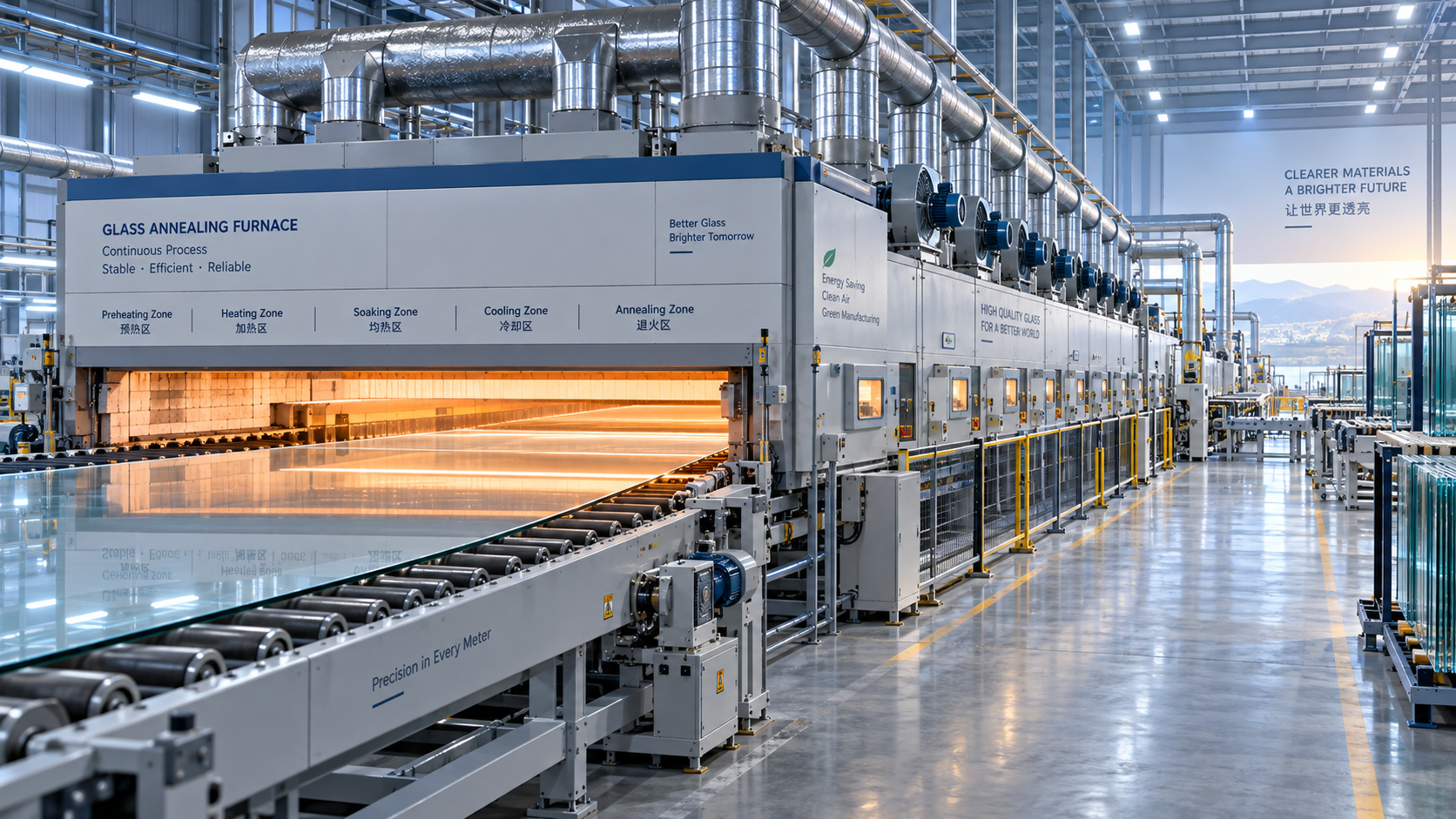
It should also track whether a supplier is moving toward digital monitoring, better annealing control, tighter defect detection, and lower-carbon melting practices.
That broader lens matches CF-Elite’s focus on foundation materials and thermal management. In heavy process industries, the commercial outcome usually starts with physical and energy realities.
The signals that shape supplier strength
Several indicators tend to reveal whether a regional producer is likely to stay competitive over time or struggle under cost and compliance pressure.
Energy structure and furnace economics
Glass production lives and dies by heat. Natural gas pricing, power availability, and fuel policy can shift total cost far more than small differences in labor or packaging.
A supplier with newer melting systems, better combustion tuning, and disciplined heat recovery often has more room to protect pricing during volatility.
Raw material consistency
Silica quality, soda ash sourcing, cullet strategy, and impurity control all affect clarity, yield, and furnace wear. Low-cost input is not the same as stable input.
When reviewing glass industry intelligence Middle East, input security deserves as much attention as nominal production capacity.
Export orientation and logistics resilience
A supplier may have strong production statistics yet weak export discipline. Port access, breakage control, container availability, and customs predictability still determine delivered performance.
Technology renewal
Plants investing in upgraded float lines, online inspection, digital twins, and condition monitoring are usually easier to trust for specification-sensitive orders.
These upgrades reduce the gap between quoted quality and repeatable quality. That matters more than headline capacity in many sourcing programs.
Regulation is now part of commercial risk
Environmental regulation across the region is not uniform, but it is becoming harder to ignore. Air emissions, industrial waste handling, water use, and carbon reporting are entering supplier evaluation more directly.
For glass industry intelligence Middle East, this matters in two ways. First, compliance costs can change supplier pricing. Second, weak compliance can create interruption risk later.
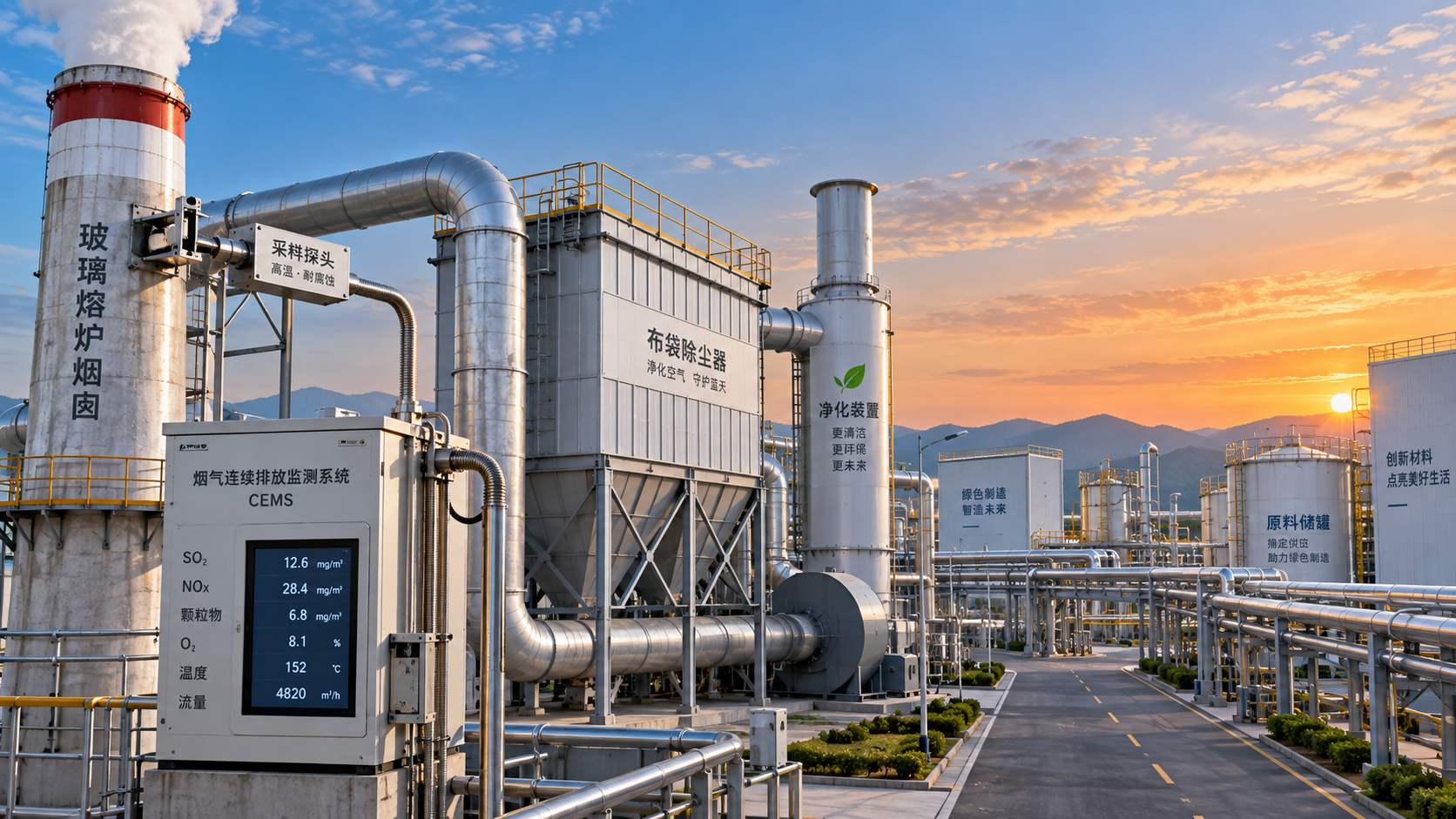
This is especially relevant for exporters serving customers with stricter ESG expectations. Plants with credible monitoring systems and documented process discipline tend to hold their market position better.
CF-Elite’s intelligence approach is useful here because thermal systems, refractory life, and emissions performance are linked. A plant under technical stress often shows commercial stress soon after.
Different glass segments require different reading
Not every category should be assessed with the same sourcing logic. The operating signals change by product and by downstream requirement.
This is why generic market commentary has limited use. Glass industry intelligence Middle East becomes more actionable when tied to the exact product family under review.
How to turn market intelligence into sourcing decisions
The most effective process is to combine regional market reading with plant-level verification. One without the other leaves blind spots.
- Map supplier exposure to gas, electricity, and transport volatility.
- Check whether recent capacity additions are fully operational or still ramping.
- Review maintenance history, furnace campaign stage, and refractory condition.
- Ask for evidence of quality monitoring, not only certificates.
- Compare export track record by destination, not just annual tonnage.
- Track environmental compliance changes that may affect output or cost.
Usually, the strongest decisions come from a small set of verified indicators rather than a long list of marketing claims. That is where structured intelligence saves time.
Where CF-Elite adds context
In glass, useful market knowledge often sits between engineering detail and commercial judgment. CF-Elite is built around that intersection.
Its coverage of glass manufacturing gear, industrial kilns, refractory systems, and thermal efficiency helps explain why some suppliers maintain quality and margin under pressure while others fall behind.
The same applies to decarbonization and digitalization. A factory discussing carbon reduction, online monitoring, or digital twin simulation is not automatically superior, but those signals are worth testing.
For anyone reading glass industry intelligence Middle East, that technical-commercial bridge matters. It turns scattered updates into a clearer sourcing narrative.
A practical next step before shortlisting suppliers
A useful starting point is to rank potential suppliers against five factors: energy resilience, process maturity, quality control, export reliability, and regulatory readiness.
Then compare that ranking with product-specific needs such as coating accuracy, breakage tolerance, thickness range, or delivery cadence. This quickly shows which offers are only attractive on paper.
Glass industry intelligence Middle East is most valuable when it narrows uncertainty before negotiation begins. It does not replace factory due diligence, but it makes that due diligence sharper.
The next move is not simply to collect more data. It is to define which market signals change commercial confidence, then use them consistently across every supplier review.
Related News
 Optical Glass Tech FellowHow Glass Furnace Emissions Are Measured and Controlled for Regulatory ComplianceGlass furnace emissions: learn how to measure, monitor, and control NOx, SOx, particulate, CO, and CO2 for reliable regulatory compliance.Oct 08, 2026
 Prof. Marcus ChenIndustrial Decarbonization Strategies in Europe: A Roadmap for Energy-Intensive PlantsIndustrial decarbonization strategies Europe: explore practical pathways for energy-intensive plants to cut emissions, improve efficiency, and protect performance.Oct 07, 2026
 Thermal Energy ArchitectEnergy-Efficient Silicate Production Lines: What to Compare Before SelectionSilicate production lines energy efficient selection guide: compare thermal performance, stability, emissions, controls, and lifecycle value before investing.Oct 06, 2026
 Optical Glass Tech FellowHow to Evaluate Automated Float Glass Lines for Capacity, Quality, and Energy UseEvaluate automated float glass lines for net capacity, consistent quality, energy efficiency, automation reliability, and lifecycle value. Explore key criteria for smarter investment decisions.Oct 05, 2026
 Thermal Energy ArchitectWhat Does CE Marking Require for an Energy-Efficient Industrial Kiln?Energy efficient kiln CE requirements explained: assess safety, technical files, energy performance, and EU compliance before purchase or commissioning.Oct 04, 2026
 Thermal Energy ArchitectRefractory Manufacturing Solutions for Brick Plants: How to Extend Kiln LifeRefractory manufacturing solutions for brick plant operations: discover proven strategies to extend kiln life, reduce heat loss, prevent lining failures, and plan cost-effective repairs.Oct 03, 2026
 Thermal Energy ArchitectHow to Specify Heavy Industrial Process Systems for High-Temperature PlantsHeavy industrial processes systems: learn how to specify high-temperature plants for efficiency, emissions control, maintainability, and lifecycle performance.Oct 02, 2026
 Structural Material AnalystHow Sustainable Material Extrusion Can Improve Wall Panel Durability and Design FlexibilityDiscover how sustainable material extrusion for wall panels improves durability, moisture resistance, design flexibility, and installation consistency for high-performing wall systems.Oct 01, 2026
 Thermal Energy ArchitectHow to Evaluate a High-Temperature Materials Manufacturer for Furnace ApplicationsChoose a high-temperature materials manufacturer with confidence: compare thermal performance, chemical resistance, quality controls, installation support, and lifecycle cost.Sep 30, 2026
 Ms. Elena RodriguezHow to Structure Global Specification Data for Faster Industrial Product EvaluationGlobal specification-oriented product information helps industrial teams compare capacity, energy, emissions, automation, and lifecycle data on a like-for-like basis for faster, confident equipment decisions.Sep 29, 2026
 Thermal Energy ArchitectHow to Specify High-Temperature Process Systems for Continuous Thermal OperationsHigh-temperature process engineering systems: learn how to specify resilient continuous thermal operations for efficiency, compliance, reliable uptime, and long-term performance.Sep 28, 2026
 Thermal Energy ArchitectHow to Evaluate a Thermal Engineering Contractor for High-Temperature Plant ProjectsChoose a thermal engineering contractor with proven process expertise, lifecycle value, emissions control, and delivery discipline for reliable high-temperature plant performance.Sep 27, 2026
 Silicate Process EngineerHow Latin American Cement Plants Can Reduce Dust Emissions in Kilns and Transfer PointsCement plant dust control Latin America: reduce kiln and transfer-point emissions with practical airflow, filtration, monitoring, and maintenance strategies.Sep 26, 2026
 Material Heat-Resist ExpertHow to Evaluate Refractory Production Lines for Output, Quality, and Energy UseRefractory production lines: learn how to assess qualified output, consistent quality, and total energy use for smarter, lower-risk investment decisions.Sep 25, 2026
 Dr. Alistair VaughnHow Waste Recycling Technology Improves Material Recovery in Industrial PlantsWaste recycling technology improves material recovery through source segregation, smart separation, thermal treatment, and quality control for industrial plants.Sep 24, 2026
 Optical Glass Tech FellowHow to Specify Glass Annealing Equipment for European Quality and Energy RequirementsGlass annealing equipment Europe: learn how to specify lehrs for consistent glass quality, energy efficiency, compliance, automation, and reliable long-term performance.Sep 23, 2026
 Optical Glass Tech FellowSilicate Process Automation: Improving Batch Consistency and Energy ControlSilicate process automation improves batch consistency, energy control, traceability, and operator confidence across high-temperature manufacturing operations.Sep 22, 2026
 Optical Glass Tech FellowHow Silicate Industrial Processes Control Viscosity, Energy Use, and Product QualitySilicate industrial processes: learn how viscosity, chemistry, heat transfer, and atmosphere control reduce energy use, improve stability, and protect product quality.Sep 21, 2026
 Thermal Energy ArchitectHow European Plants Can Evaluate Energy Recovery Equipment for High-Temperature ProcessesIndustrial energy recovery equipment Europe: learn how high-temperature plants can assess waste-heat sources, integration risks, lifecycle value, and reliable recovery routes.Sep 20, 2026
 Thermal Energy ArchitectIndustrial Furnace Process Optimization: Reducing Fuel Use Without Sacrificing ThroughputIndustrial process optimization furnace strategies that cut fuel use while protecting throughput. Explore combustion control, heat recovery, refractory performance, and data-driven efficiency gains.Sep 19, 2026






Related News
- 00
0000-00
How Waste Recycling Technology Improves Material Recovery in Industrial Plants - 00
0000-00
Industrial Process Engineering: How to Map Processes for Safer, More Efficient Plants - 00
0000-00
What Should a Process Technology Database Track for High-Temperature Plants? - 00
0000-00
How to Specify Custom Agricultural Processing Equipment for Throughput and Hygiene - 00
0000-00
How to Select Process Plant Equipment for High-Temperature, Abrasive Production Lines
Weekly Insights
Stay ahead with our curated technology reports delivered every Monday.