
Industrial Material Science for Silicates: Key Properties That Affect Thermal Shock and Strength




Industrial material science for silicates sits at the center of heat-intensive manufacturing. It explains why one lining survives repeated startups, while another cracks after a short cycle.
Across kilns, glass lines, incineration systems, and extrusion equipment, thermal shock resistance and strength are not abstract lab terms. They shape uptime, fuel demand, maintenance intervals, and product consistency.
That is why this topic matters well beyond material selection. It also influences decarbonization plans, process control strategy, and capital decisions in high-temperature industries.
Why silicate behavior deserves closer attention
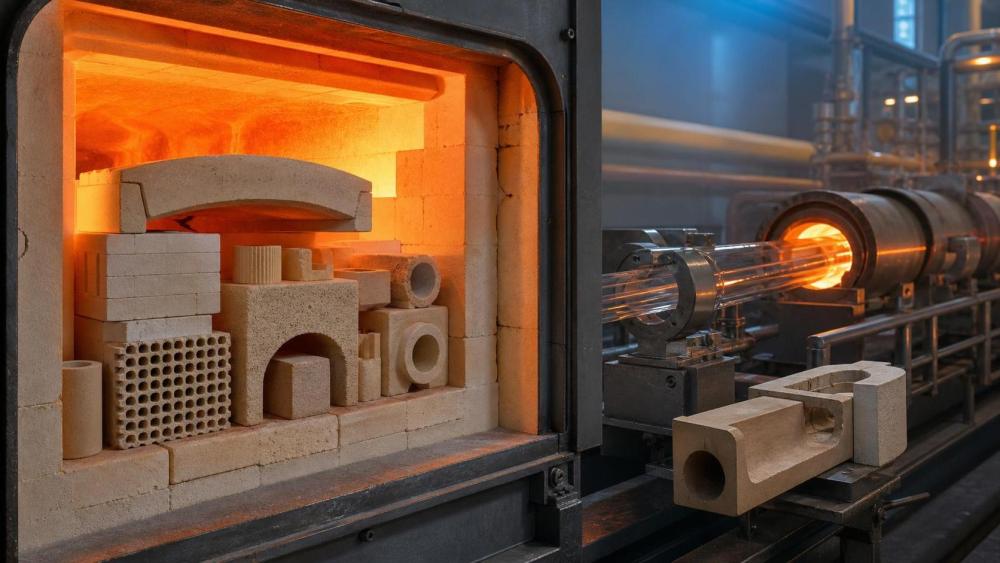
Silicates appear in cement systems, specialty glass, refractories, insulation products, and newer extruded building materials. Their value comes from structure, phase stability, and response to heat flow.
In practical terms, industrial material science for silicates studies how composition and microstructure govern cracking, deformation, heat transfer, and load-bearing capacity under service conditions.
This matters more when operating windows become tighter. Plants are being pushed to reduce emissions, use alternative fuels, process variable feedstocks, and extend campaign life without sacrificing safety.
CF-Elite tracks this intersection closely because it links thermal management with equipment intelligence. Material data only becomes useful when matched with real production constraints.
The two performance questions behind the headline
Thermal shock asks a simple question: can a silicate material survive rapid temperature change without forming critical cracks? Strength asks another: can it carry mechanical and thermal loads without failing?
The two are related, but not identical. A material with high room-temperature strength may still perform poorly if expansion is too high or crack propagation is too easy.
Likewise, a material with moderate strength can still resist thermal cycling well if its microstructure dissipates stress and limits unstable fracture growth.
What usually controls thermal shock resistance
- Coefficient of thermal expansion, because larger dimensional change creates higher internal stress.
- Thermal conductivity, because faster heat distribution reduces steep temperature gradients.
- Elastic modulus, because stiffer bodies often accumulate higher thermal stress.
- Fracture toughness, because crack resistance determines whether local damage becomes failure.
- Porosity and pore shape, because controlled porosity can blunt cracks but excessive porosity lowers strength.
What usually controls mechanical strength
Mechanical strength in silicates depends on crystal phases, grain bonding, defect population, residual stress, and service temperature. Testing at ambient conditions rarely tells the whole story.
A lining brick, glass component, or extruded silicate body may weaken sharply once viscous flow, phase change, or chemical attack begins. Strength must be understood in its actual thermal environment.
Key properties that change field performance
For industrial material science for silicates, several properties deserve constant comparison because they influence both failure mode and operating economics.
The balance between these properties is rarely straightforward. Better insulation may increase thermal gradients. Lower expansion may reduce shock stress, yet change compatibility with adjacent components.
Where the tradeoffs show up in real operations
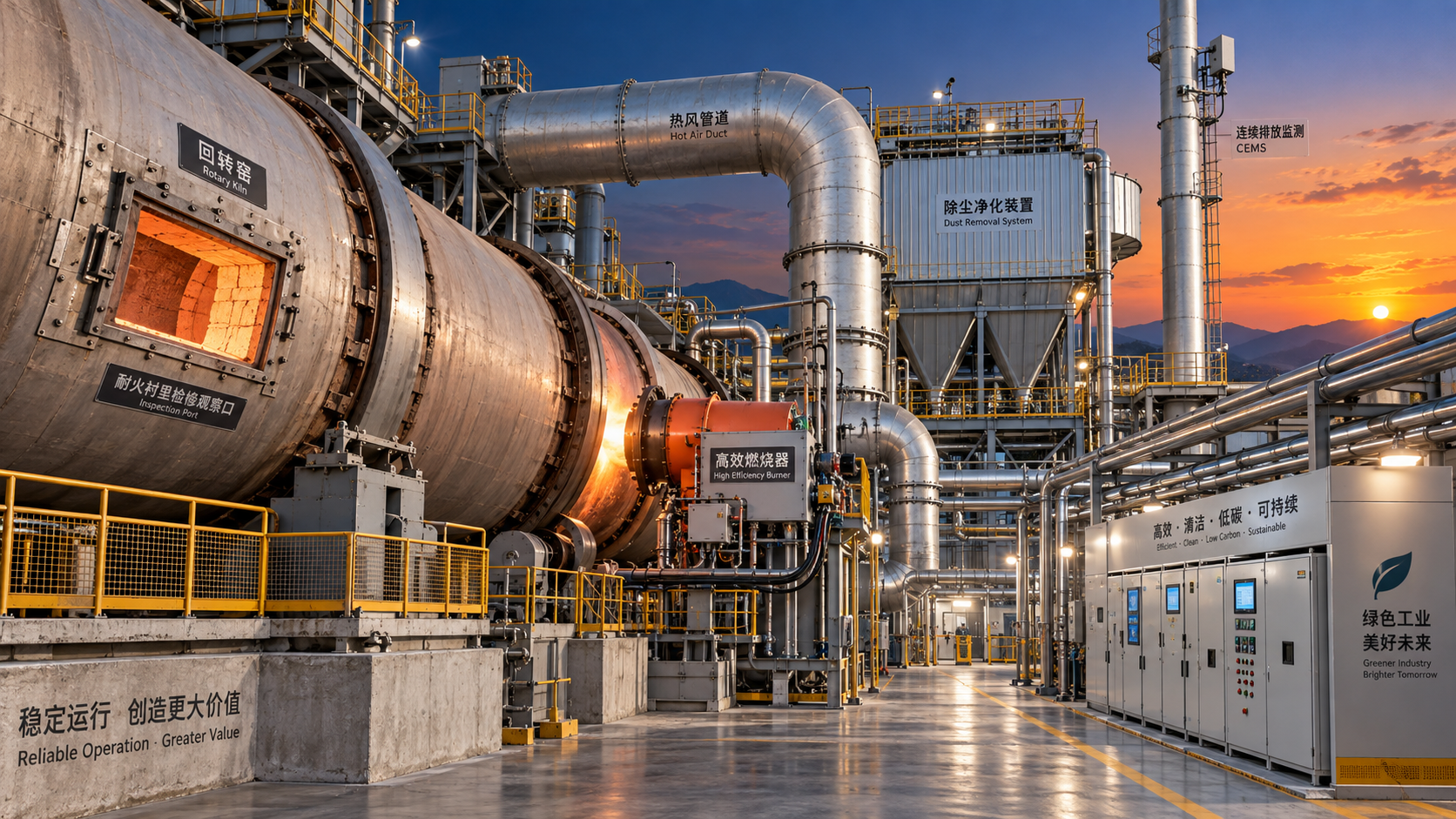
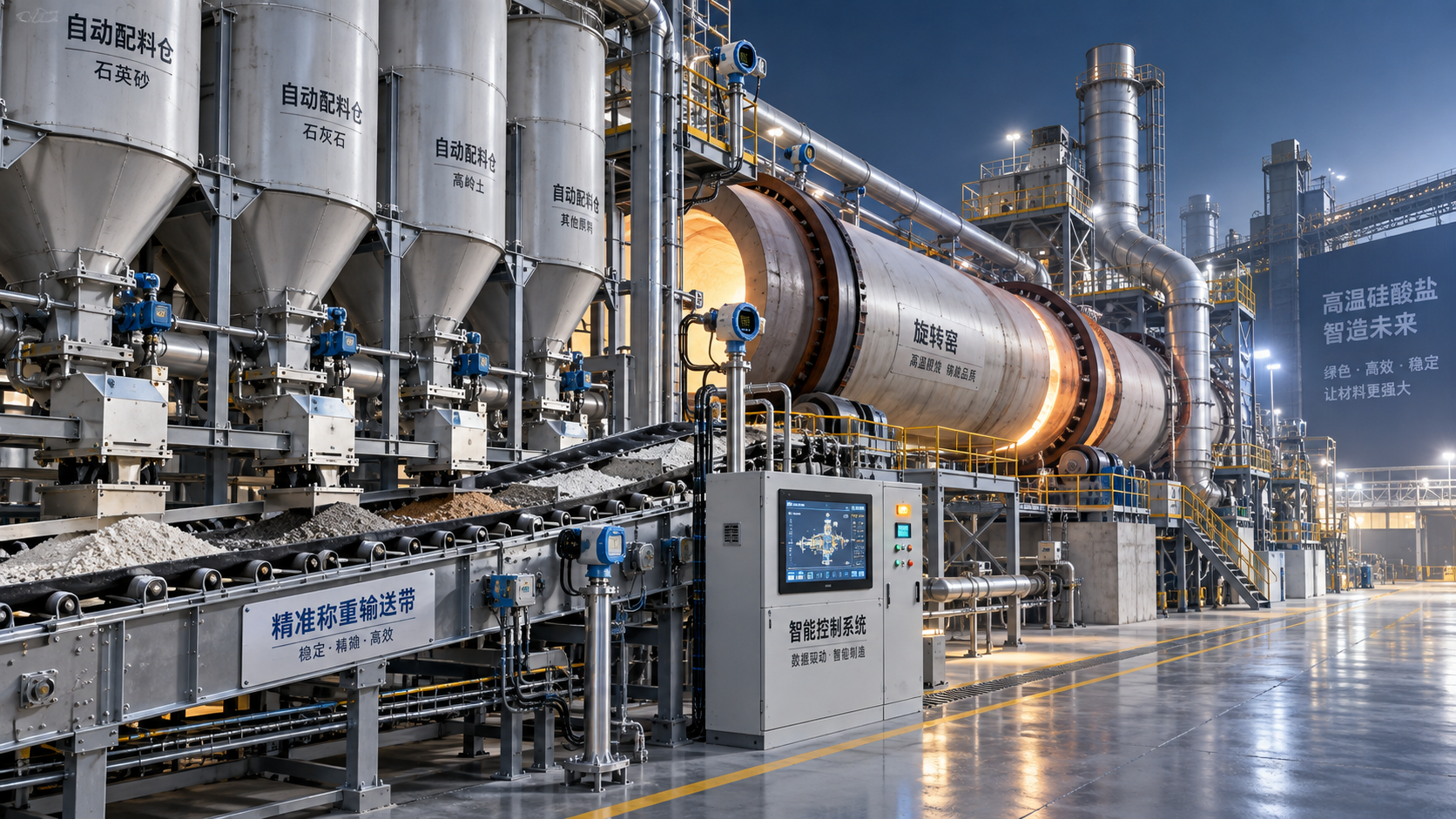
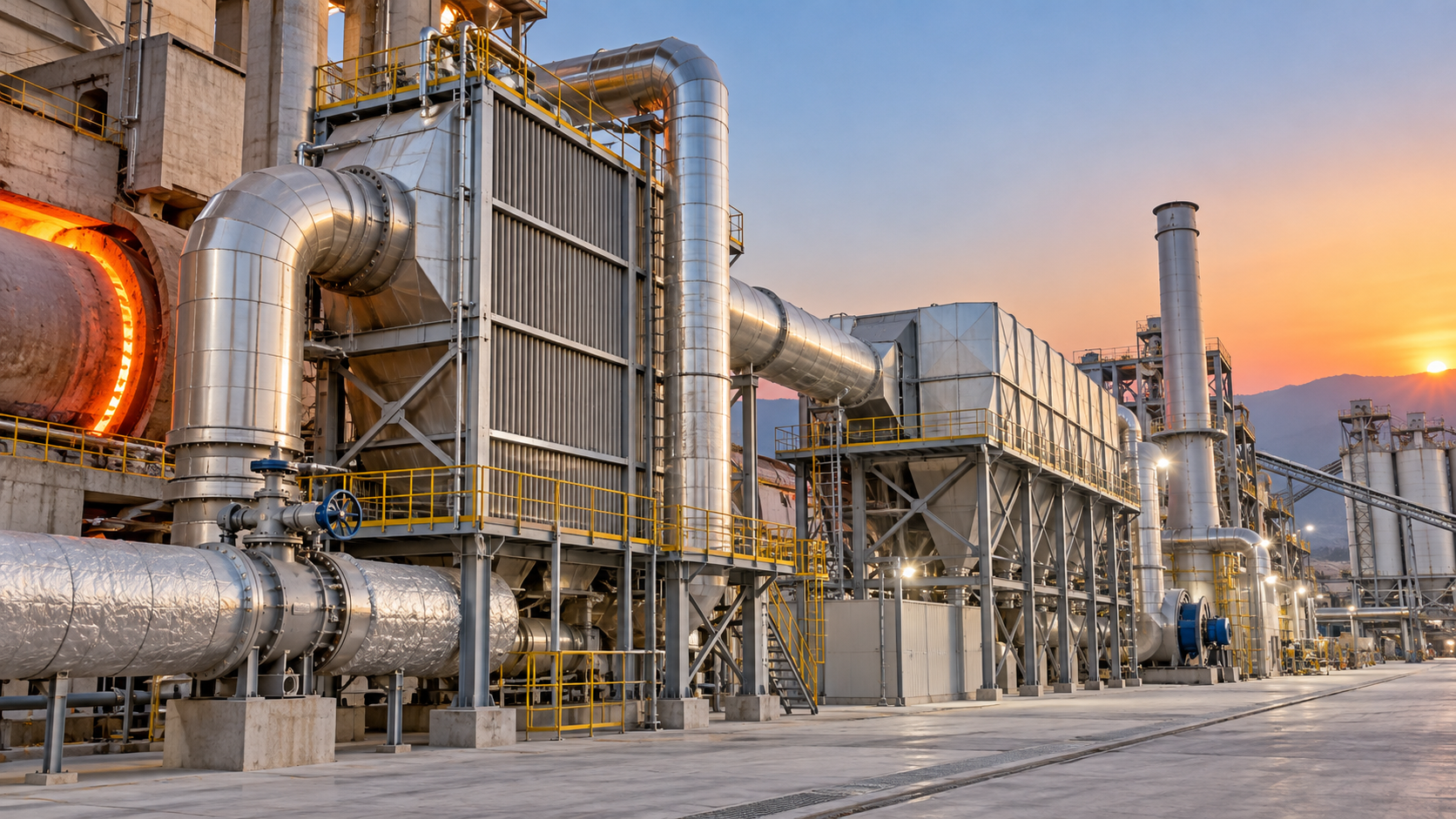
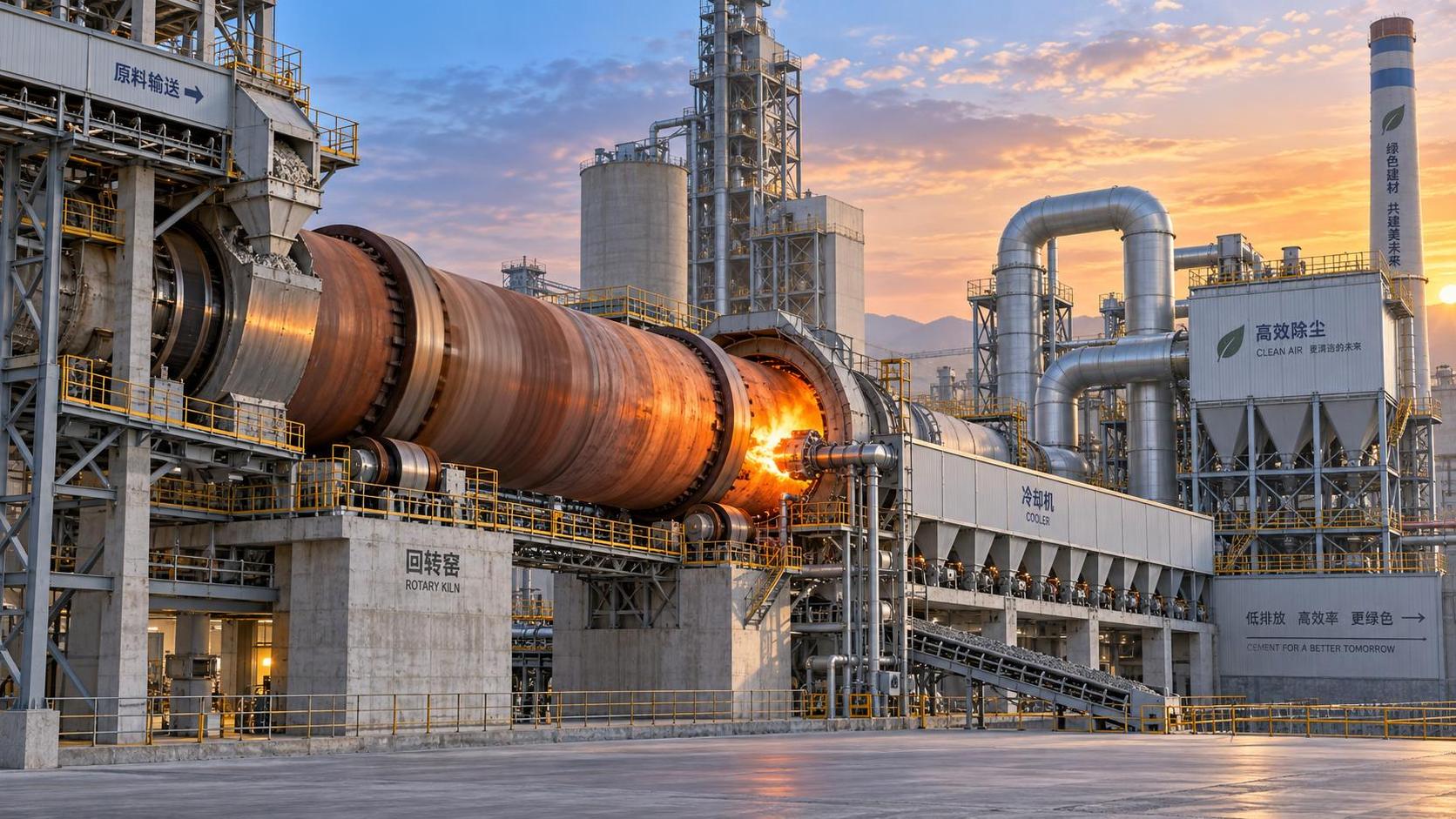
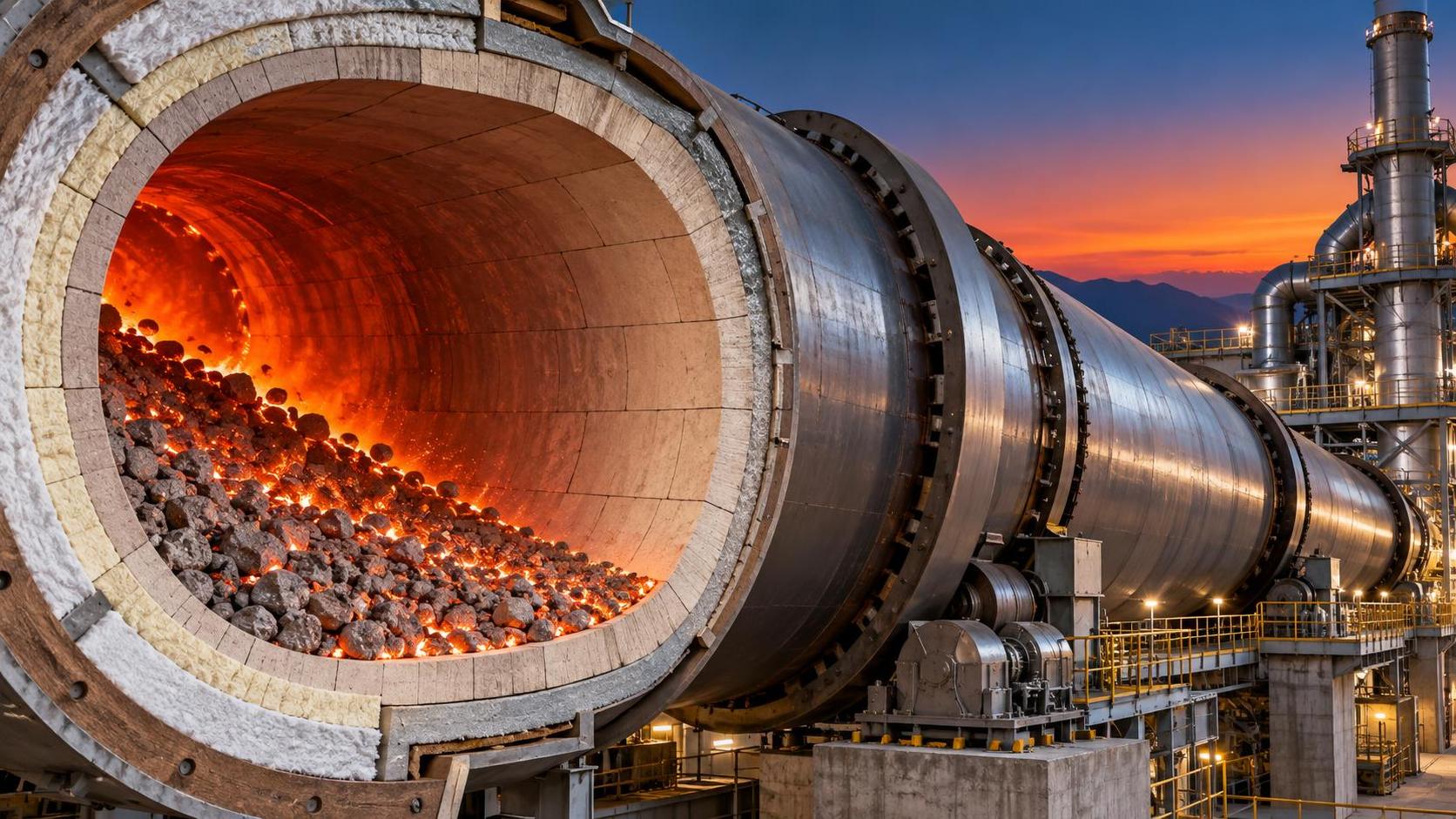
In cement production, alternative fuels often make flame shape, ash chemistry, and local thermal loads less predictable. Refractory selection must therefore account for both chemistry and thermal shock behavior.
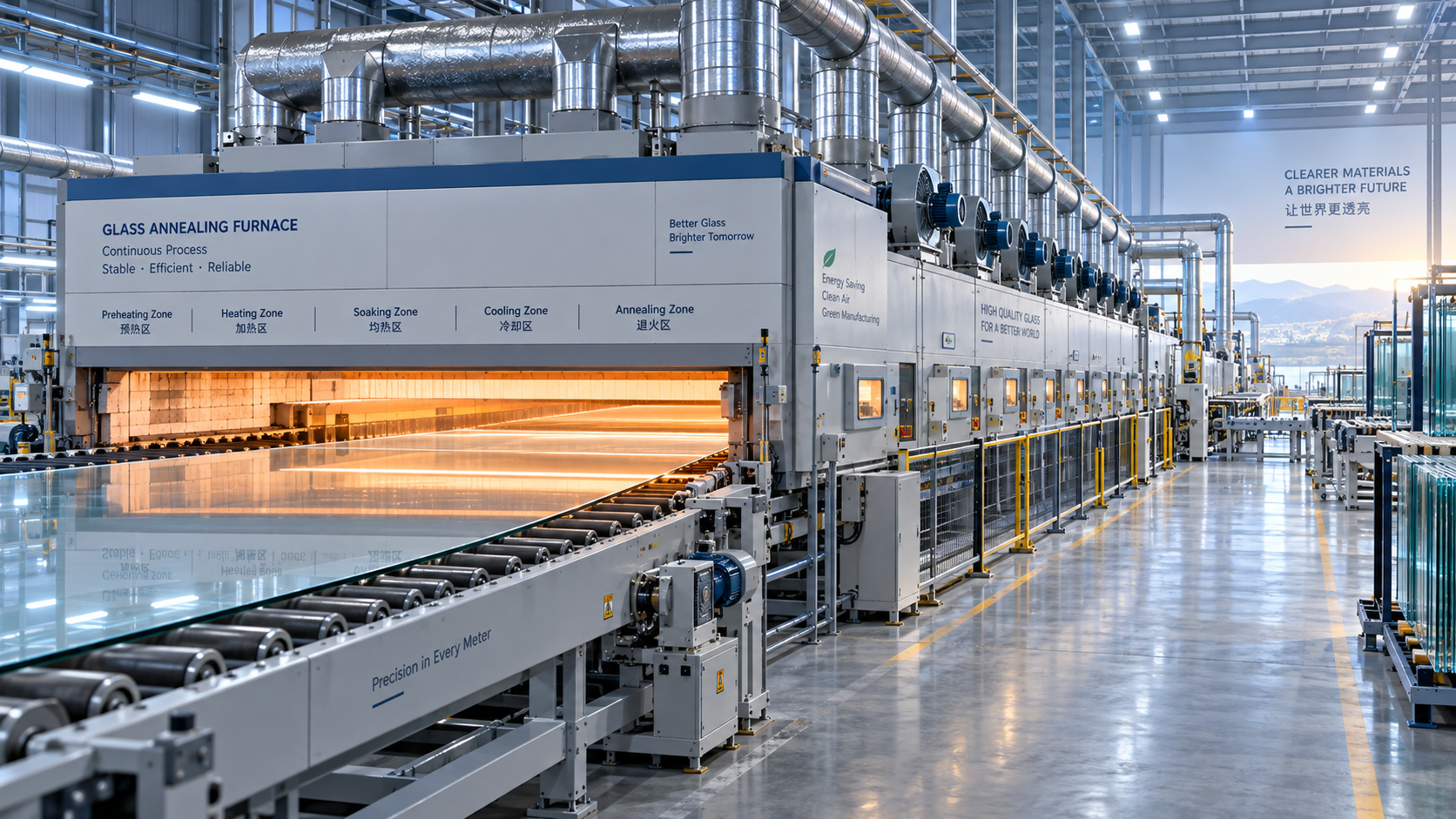
In glass manufacturing gear, thermal gradients during melting, refining, and annealing can generate stress that affects product flatness, optical quality, and furnace component life.
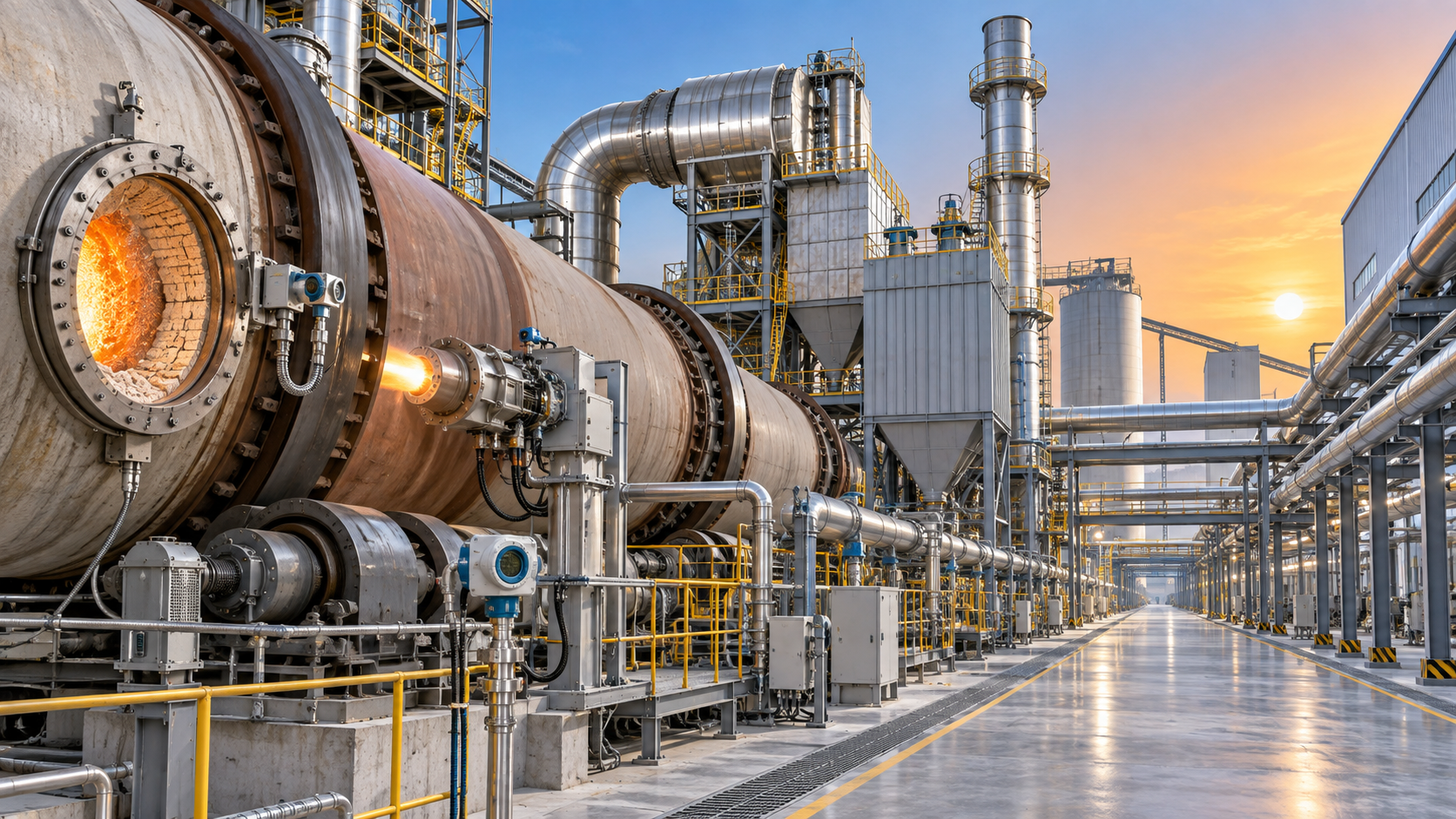
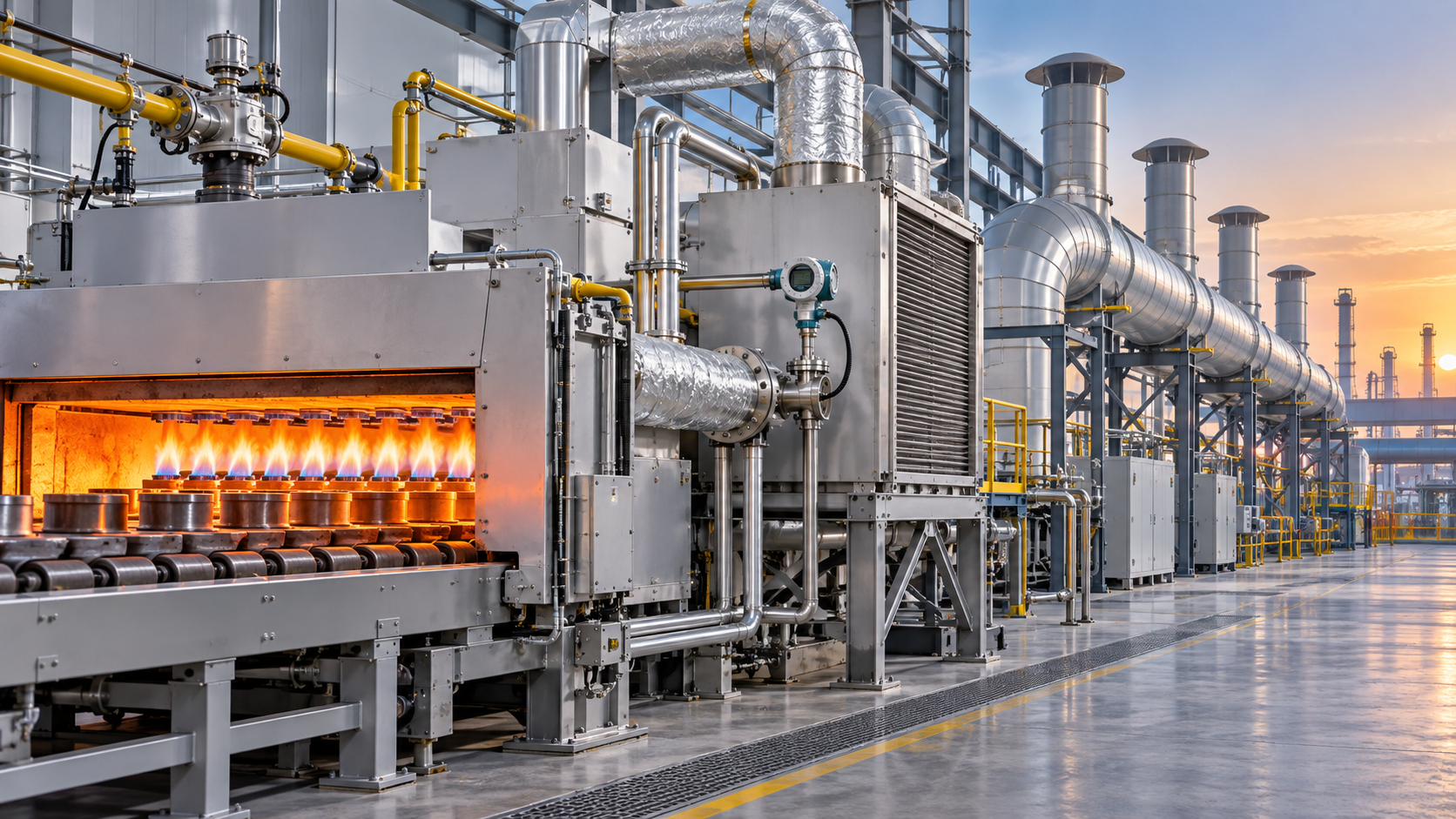
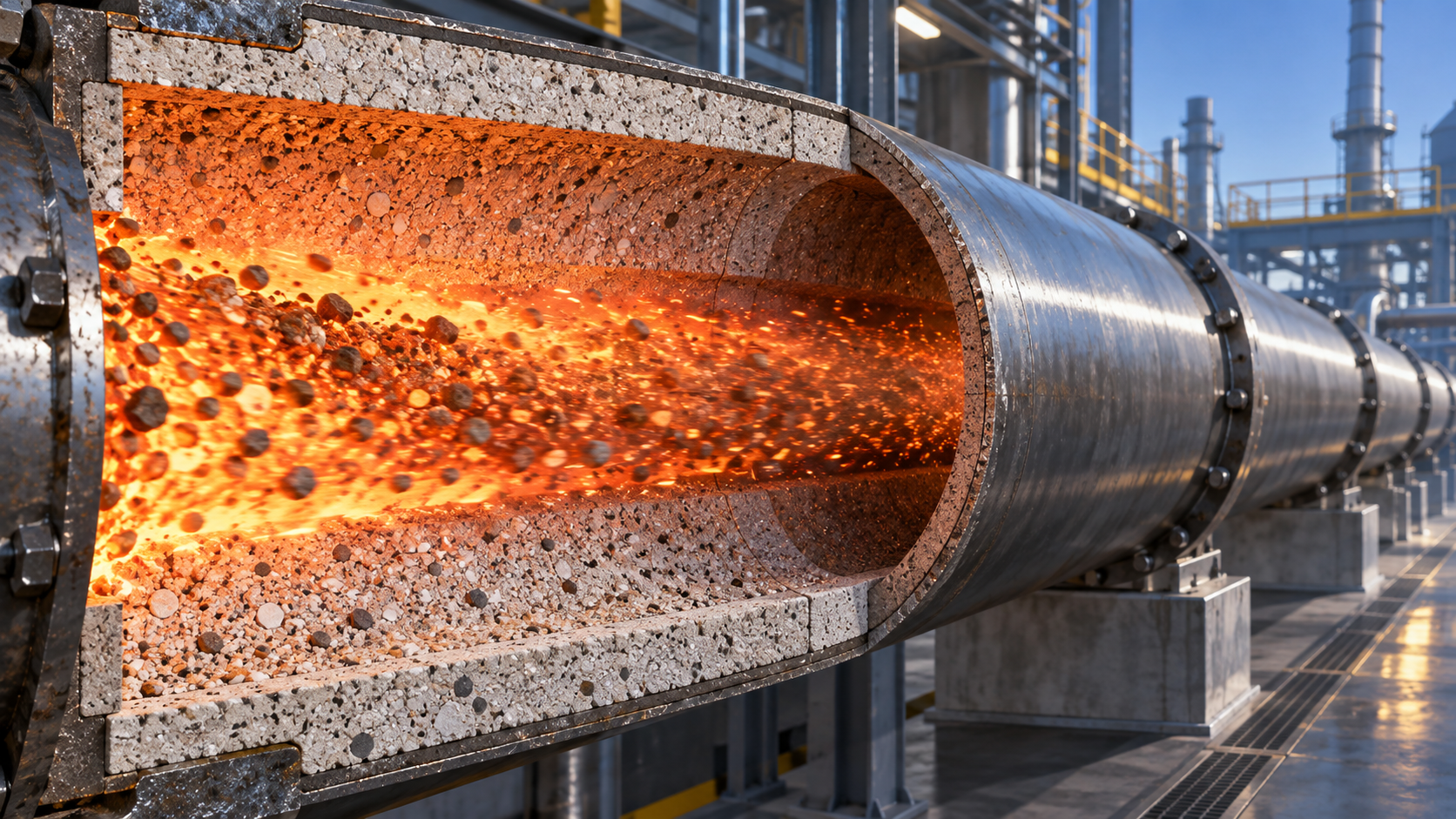
Industrial kilns and incineration units face repeated cycling, corrosive atmospheres, and uneven feed behavior. Materials that look acceptable on datasheets may fail early when local gradients spike.
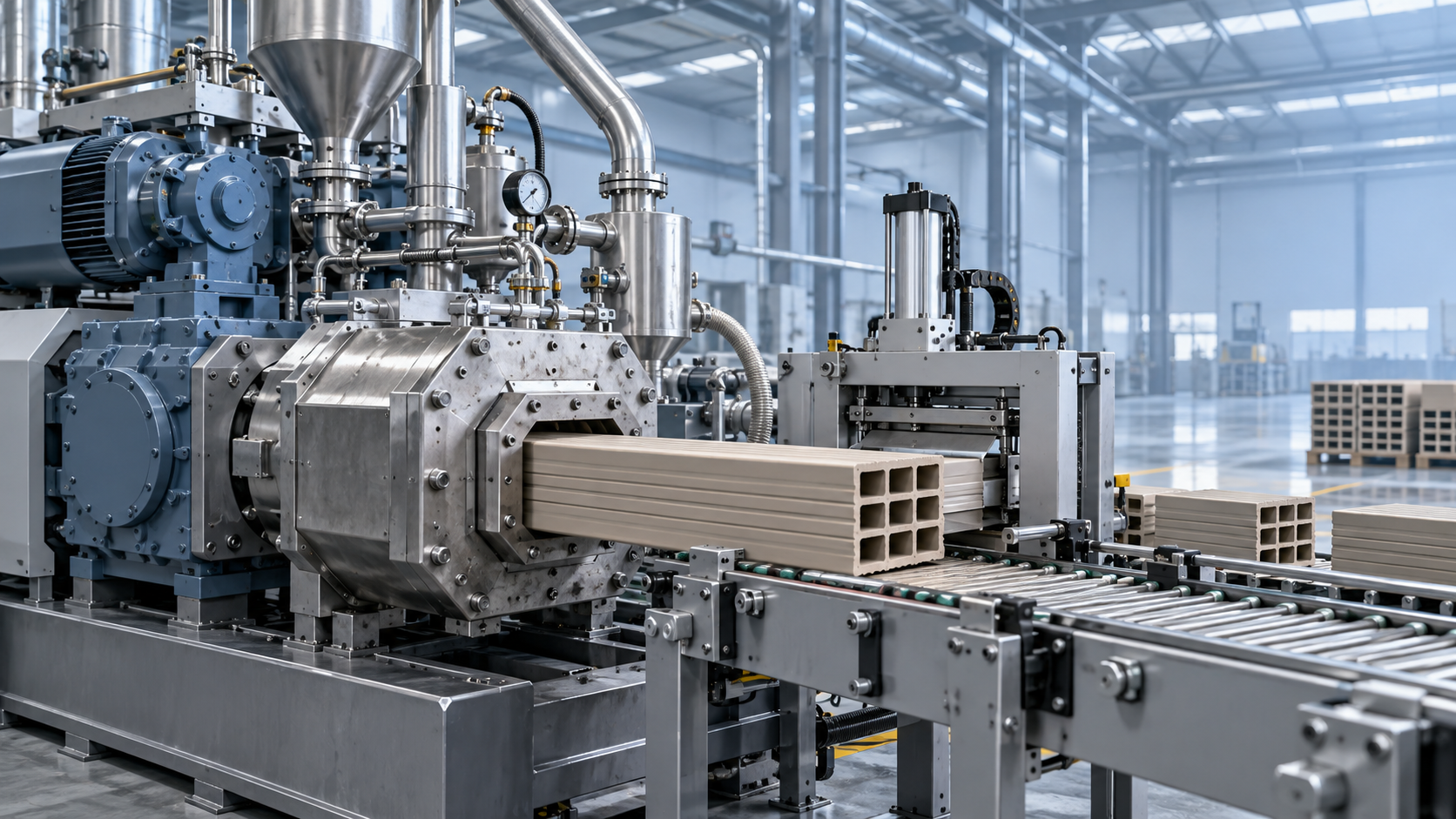
New building material extrusion adds another layer. Green bodies and fired products must keep shape through moisture loss, heating, and cooling, while retaining enough strength for transport and installation.
This is where industrial material science for silicates becomes a business tool. It helps translate lab properties into process risk, service life, and maintenance planning.
Signals worth examining before failure appears
- Rising shell temperatures or uneven infrared maps
- More frequent small shutdown repairs
- Visible edge chipping after restart cycles
- Strength loss after exposure to alkali, slag, or ash
- Drift between modeled and observed heat balance
How to interpret material data more carefully
A common mistake is treating single-value datasheets as decision-ready evidence. Silicate performance depends on test method, specimen geometry, heating rate, and thermal history.
For example, thermal shock resistance measured by water quench may not reflect a furnace with slower but repeated gas-phase cycling. The damage mechanism can be very different.
Phase evolution also matters. Quartz inversion, glassy phase softening, cristobalite behavior, and bond changes can alter expansion and strength during service.
CF-Elite’s intelligence perspective is useful here because process engineers increasingly compare material data with operational telemetry, digital twin outputs, and maintenance records rather than reviewing properties in isolation.
A practical review sequence
- Define the real thermal cycle, not the nominal one.
- Identify chemical exposure, abrasion, and mechanical constraint.
- Compare hot properties, not only room-temperature values.
- Check compatibility between layers, anchors, joints, and neighboring materials.
- Link material choice to energy loss, downtime cost, and carbon implications.
Why this topic is gaining weight in lower-carbon industry
Decarbonization is changing thermal systems. Fuel substitution, electrification pathways, waste co-processing, and tighter efficiency targets all change the demands placed on silicate materials.
A small improvement in refractory life or thermal stability can reduce unplanned shutdowns, lower heat loss, and support more stable combustion. Those effects matter at plant scale.
The same is true for glass lines and extrusion systems, where temperature uniformity and dimensional control influence scrap rate, throughput, and energy intensity.
Industrial material science for silicates therefore supports more than durability. It informs how high-temperature sectors pursue resource circularity and cleaner production without losing operational reliability.
Useful next steps for better judgment
The most reliable evaluations start with the service environment, then move backward to material choice. That approach avoids overvaluing isolated strength numbers or generic grade descriptions.
It helps to build a comparison sheet that includes expansion, conductivity, hot strength, fracture behavior, phase stability, and expected cycling severity. Trends are often more revealing than headline values.
For ongoing monitoring, thermal imaging, lining inspection history, process variability records, and shutdown reports should be reviewed together. That is often where hidden thermal shock patterns become visible.
Anyone following industrial material science for silicates should keep one question in view: which property is limiting performance in the actual process window? Once that is clear, material decisions become far more defensible.
From there, the next move is usually straightforward: refine the operating profile, compare candidate materials against real thermal cycles, and use field evidence to sharpen the final specification.
Related News
 Thermal Energy ArchitectHow to Specify Heavy Industrial Process Systems for High-Temperature PlantsHeavy industrial processes systems: learn how to specify high-temperature plants for efficiency, emissions control, maintainability, and lifecycle performance.Oct 02, 2026
 Structural Material AnalystHow Sustainable Material Extrusion Can Improve Wall Panel Durability and Design FlexibilityDiscover how sustainable material extrusion for wall panels improves durability, moisture resistance, design flexibility, and installation consistency for high-performing wall systems.Oct 01, 2026
 Thermal Energy ArchitectHow to Evaluate a High-Temperature Materials Manufacturer for Furnace ApplicationsChoose a high-temperature materials manufacturer with confidence: compare thermal performance, chemical resistance, quality controls, installation support, and lifecycle cost.Sep 30, 2026
 Ms. Elena RodriguezHow to Structure Global Specification Data for Faster Industrial Product EvaluationGlobal specification-oriented product information helps industrial teams compare capacity, energy, emissions, automation, and lifecycle data on a like-for-like basis for faster, confident equipment decisions.Sep 29, 2026
 Thermal Energy ArchitectHow to Specify High-Temperature Process Systems for Continuous Thermal OperationsHigh-temperature process engineering systems: learn how to specify resilient continuous thermal operations for efficiency, compliance, reliable uptime, and long-term performance.Sep 28, 2026
 Thermal Energy ArchitectHow to Evaluate a Thermal Engineering Contractor for High-Temperature Plant ProjectsChoose a thermal engineering contractor with proven process expertise, lifecycle value, emissions control, and delivery discipline for reliable high-temperature plant performance.Sep 27, 2026
 Silicate Process EngineerHow Latin American Cement Plants Can Reduce Dust Emissions in Kilns and Transfer PointsCement plant dust control Latin America: reduce kiln and transfer-point emissions with practical airflow, filtration, monitoring, and maintenance strategies.Sep 26, 2026
 Material Heat-Resist ExpertHow to Evaluate Refractory Production Lines for Output, Quality, and Energy UseRefractory production lines: learn how to assess qualified output, consistent quality, and total energy use for smarter, lower-risk investment decisions.Sep 25, 2026
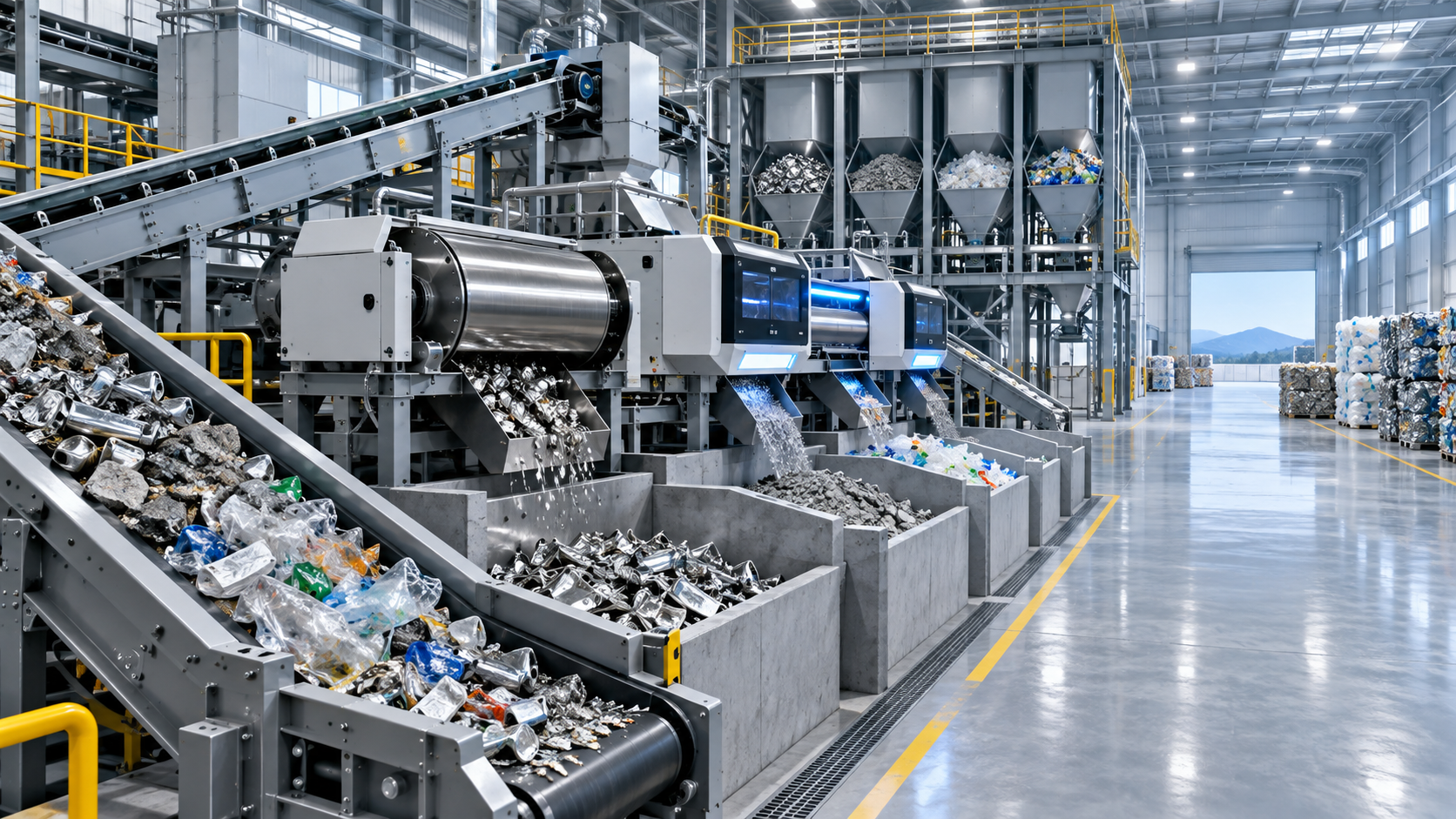
 Dr. Alistair VaughnHow Waste Recycling Technology Improves Material Recovery in Industrial PlantsWaste recycling technology improves material recovery through source segregation, smart separation, thermal treatment, and quality control for industrial plants.Sep 24, 2026
 Optical Glass Tech FellowHow to Specify Glass Annealing Equipment for European Quality and Energy RequirementsGlass annealing equipment Europe: learn how to specify lehrs for consistent glass quality, energy efficiency, compliance, automation, and reliable long-term performance.Sep 23, 2026
 Optical Glass Tech FellowSilicate Process Automation: Improving Batch Consistency and Energy ControlSilicate process automation improves batch consistency, energy control, traceability, and operator confidence across high-temperature manufacturing operations.Sep 22, 2026
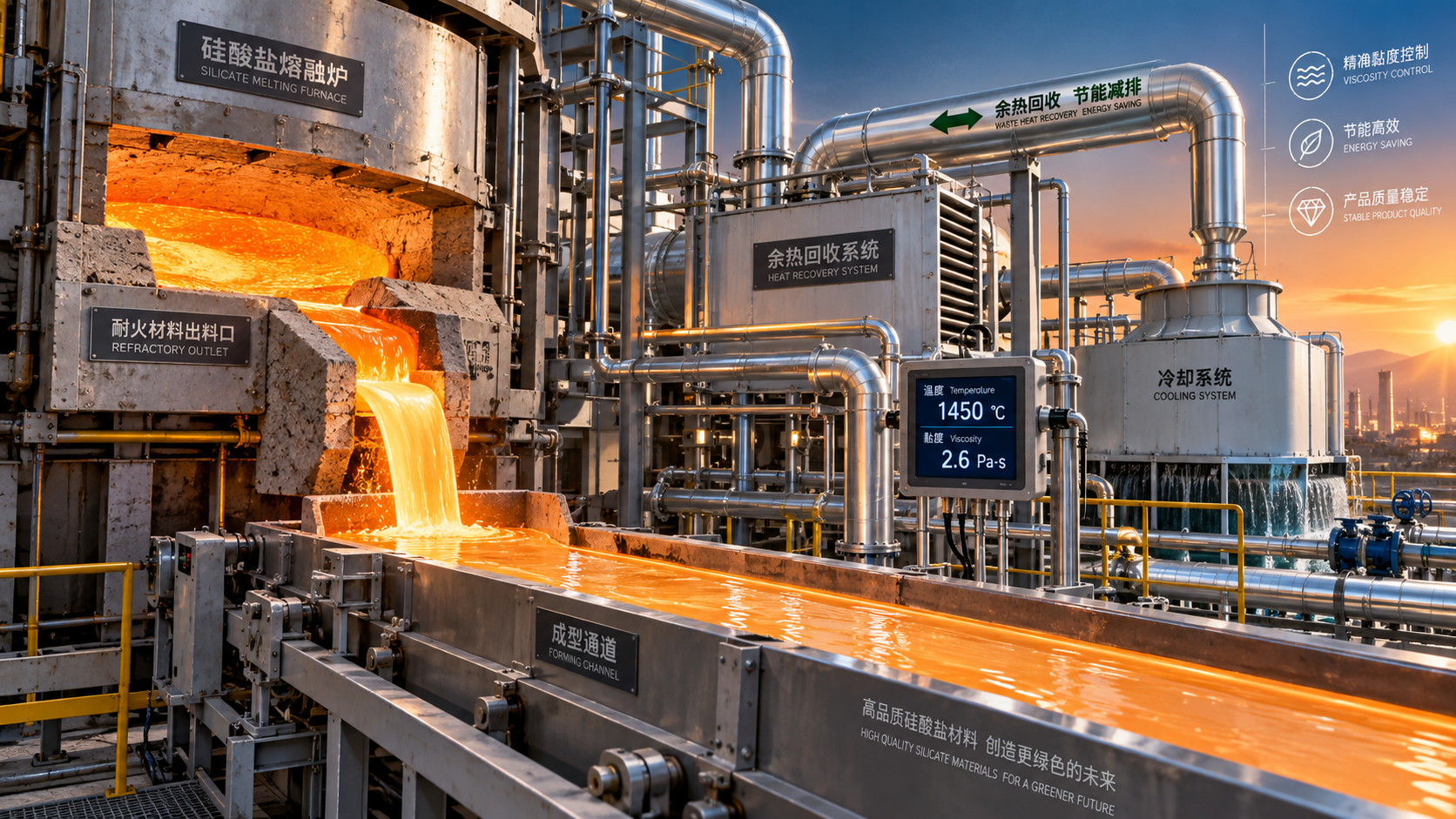
 Optical Glass Tech FellowHow Silicate Industrial Processes Control Viscosity, Energy Use, and Product QualitySilicate industrial processes: learn how viscosity, chemistry, heat transfer, and atmosphere control reduce energy use, improve stability, and protect product quality.Sep 21, 2026
 Thermal Energy ArchitectHow European Plants Can Evaluate Energy Recovery Equipment for High-Temperature ProcessesIndustrial energy recovery equipment Europe: learn how high-temperature plants can assess waste-heat sources, integration risks, lifecycle value, and reliable recovery routes.Sep 20, 2026
 Thermal Energy ArchitectIndustrial Furnace Process Optimization: Reducing Fuel Use Without Sacrificing ThroughputIndustrial process optimization furnace strategies that cut fuel use while protecting throughput. Explore combustion control, heat recovery, refractory performance, and data-driven efficiency gains.Sep 19, 2026
 Ms. Elena RodriguezWhat Drives High-Pressure Extrusion Equipment Cost in Industrial Projects?High pressure extrusion equipment cost explained: compare pressure, die design, automation, wear, energy, and installation factors for smarter industrial investments.Sep 18, 2026
 Thermal Energy ArchitectHow to Size a Waste Heat Recovery Exchanger for High-Temperature Kiln Exhaust?Waste heat recovery exchanger sizing for high-temperature kiln exhaust: balance recoverable duty, fouling, corrosion limits, pressure drop, and reliable heat use.Sep 17, 2026
 Thermal Energy ArchitectWhy Heat-Resistant Materials Lose Abrasion Resistance at High TemperaturesHeat-resistant materials abrasion resistance can decline at high temperatures. Discover the thermal, chemical, and mechanical causes of wear—and how to choose longer-lasting linings.Sep 16, 2026
 Thermal Energy ArchitectHow to Evaluate a Thermal Energy Optimization Company for High-Temperature PlantsChoose a thermal energy optimization company with proven process expertise, measurable savings, and reliable delivery for high-temperature plants. Learn what to assess.Sep 15, 2026
 Thermal Energy ArchitectRotary Kiln Efficiency: How Feed Rate, Fuel Use, and Heat Loss Affect OutputRotary kiln efficiency explained: discover how feed rate, fuel use, heat loss, combustion, and cooling performance shape output, quality, and energy costs.Sep 14, 2026
 Thermal Energy ArchitectHow to Select Heat-Resistant Materials That Maintain Abrasion Resistance in KilnsHeat-resistant materials abrasion resistance: learn how to select kiln linings that withstand heat, wear, thermal cycling, and chemical attack for longer service life.Sep 13, 2026

Related News
- 00
0000-00
How Waste Recycling Technology Improves Material Recovery in Industrial Plants - 00
0000-00
Industrial Process Engineering: How to Map Processes for Safer, More Efficient Plants - 00
0000-00
What Should a Process Technology Database Track for High-Temperature Plants? - 00
0000-00
How to Specify Custom Agricultural Processing Equipment for Throughput and Hygiene - 00
0000-00
How to Select Process Plant Equipment for High-Temperature, Abrasive Production Lines
Weekly Insights
Stay ahead with our curated technology reports delivered every Monday.