
Industrial Thermal Management Controls: Which Parameters Matter Most in Daily Operation?




Why do industrial thermal management controls deserve daily attention?
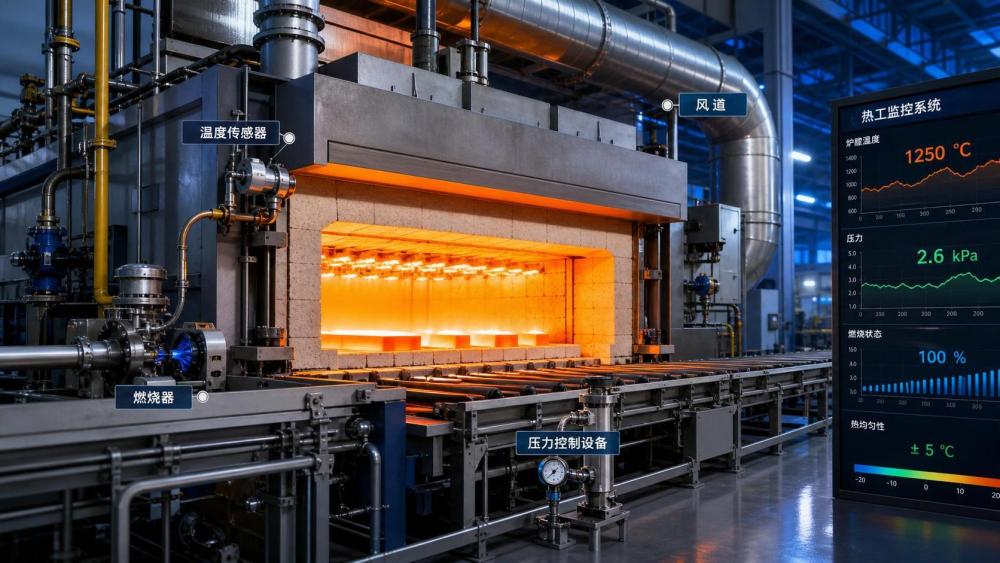
In high-temperature plants, stable heat is never just a utility issue. It shapes fuel use, product consistency, refractory wear, and the rhythm of daily operation.
That is why industrial thermal management controls matter across cement lines, glass furnaces, incineration systems, refractory production, and material extrusion equipment.
When control logic is weak, the first symptom is rarely dramatic. More often, operators see drifting temperatures, uneven material behavior, slow recovery after disturbances, or unexplained energy spikes.
CF-Elite often tracks these issues across silicate and heat-intensive sectors. The same pattern appears repeatedly: small parameter errors can quietly grow into downtime, emissions pressure, or quality rejection.
So which settings deserve the closest watch in daily work? The short answer is not one number, but a group of linked control points.
Which parameters matter most in industrial thermal management controls?
The most important parameters are those that explain how heat is generated, transferred, retained, and corrected when the process shifts.
In practical operation, five parameters usually carry the most weight:
- Process temperature at critical zones, not just one headline reading.
- Temperature uniformity across the chamber, line, bed, or product path.
- Air-fuel ratio or combustion balance, especially where thermal load changes fast.
- Pressure and draft stability, which strongly affect flame shape and heat distribution.
- Residence time and material throughput, because heat control always interacts with production speed.
These parameters are linked. A good temperature reading can still hide poor thermal control if draft is unstable or if material moves too quickly through the hot zone.
A useful way to think about industrial thermal management controls is simple: they should keep the process inside a repeatable thermal window, not just hit a peak temperature.
A quick judgment table for daily checks
The table below helps connect each parameter with the operating risk behind it.
Is temperature still the top priority, or is that too narrow?
Temperature is still central, but temperature alone is too narrow for sound industrial thermal management controls.
A kiln can display the correct average temperature while still running badly. Heat may be uneven, the flame may be too long, or material may be moving through the zone at the wrong pace.
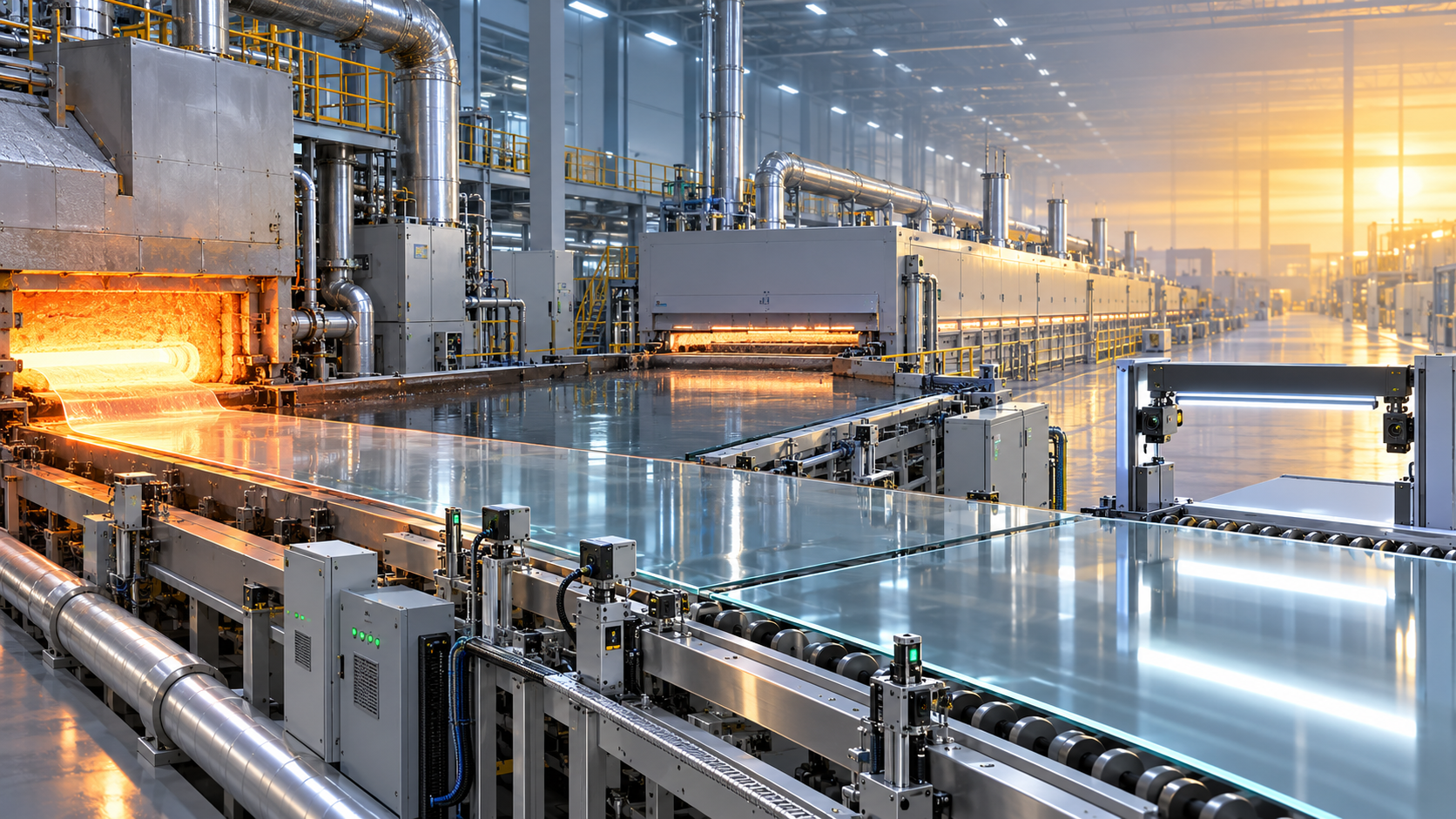
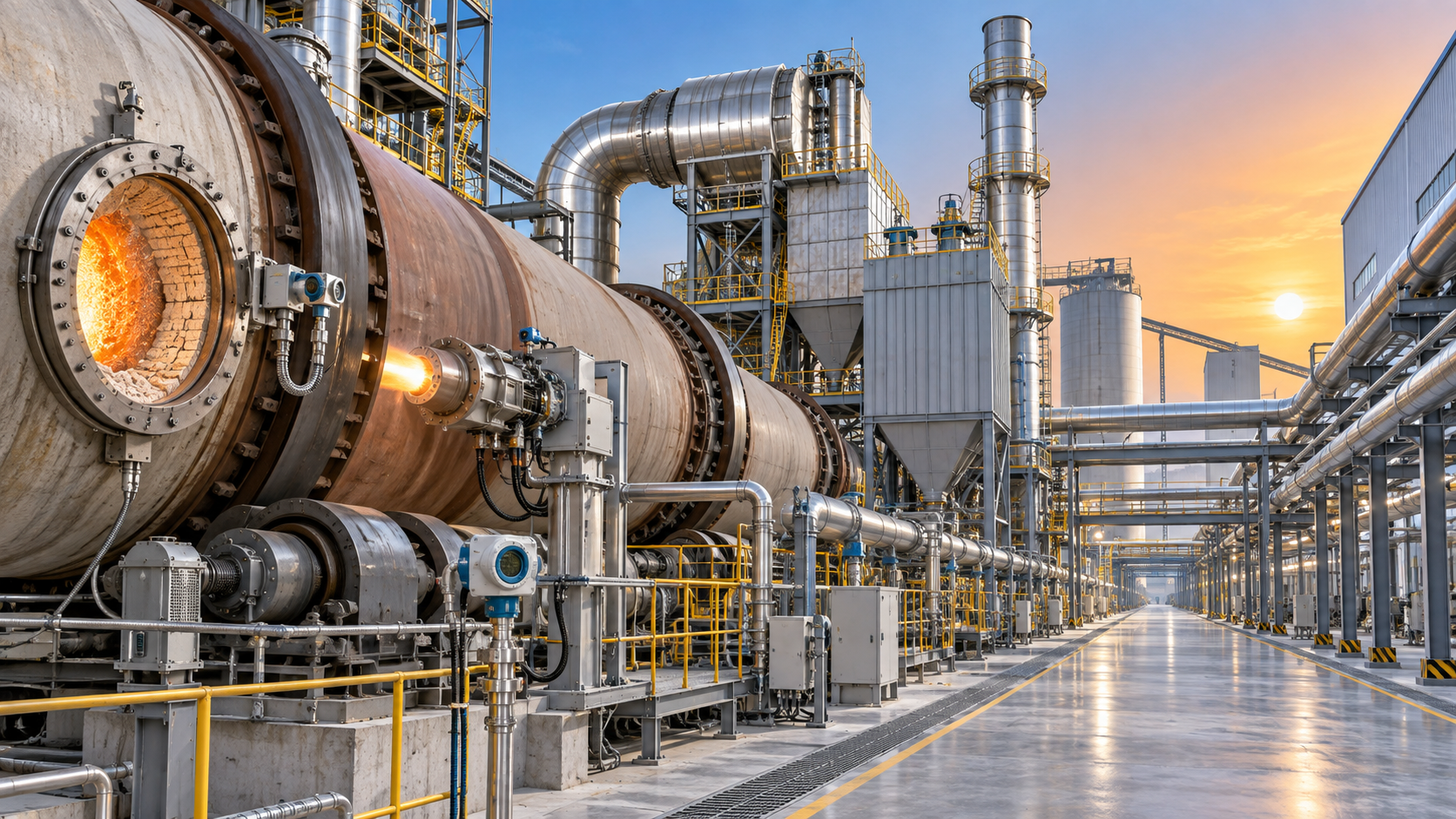
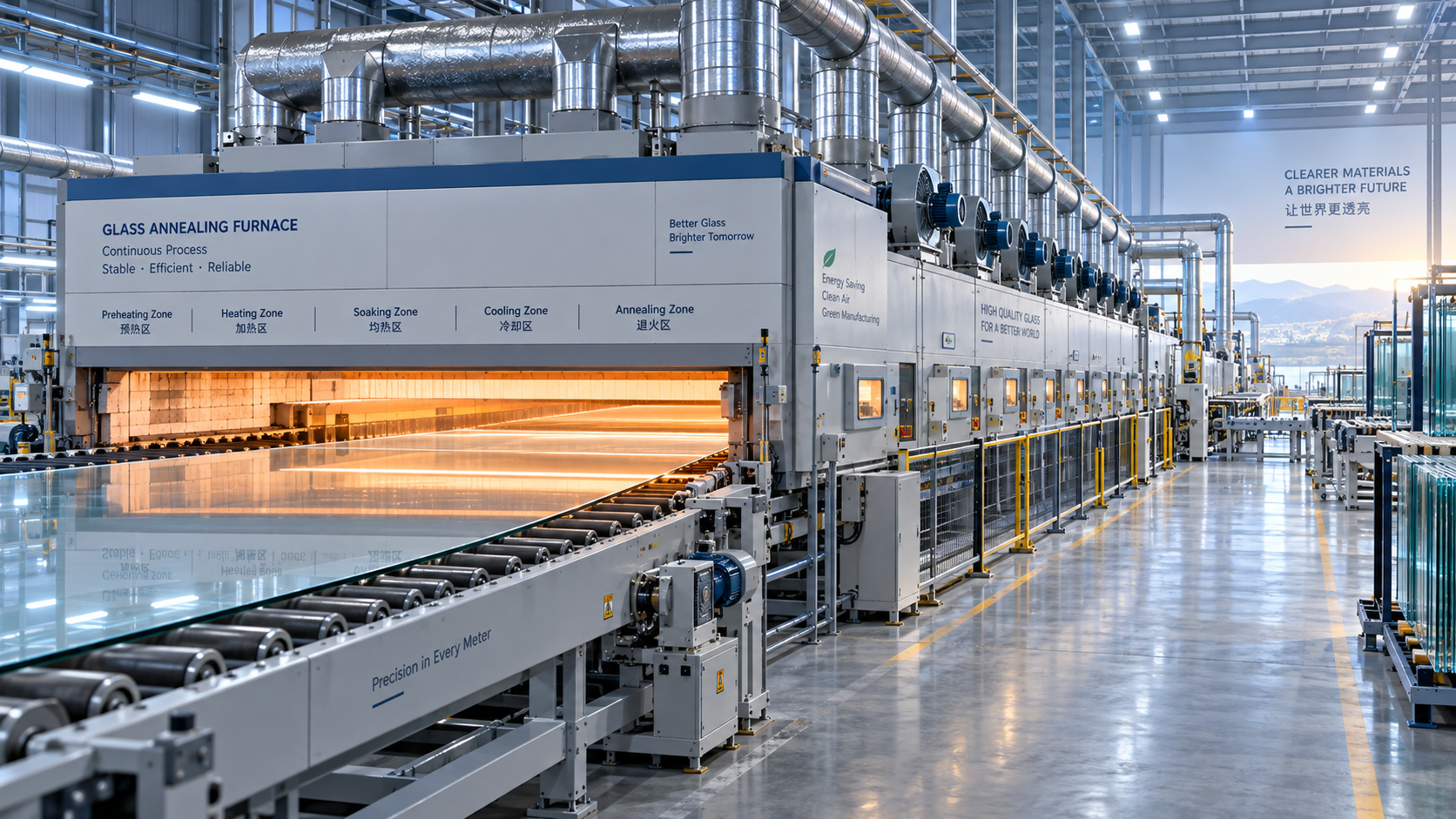
This is especially common in glass annealing, rotary kilns, and extrusion drying sections. A single sensor can reassure the control room while the product sees a different thermal reality.
A better question is whether the process is thermally balanced. That means checking:
- How quickly the system reaches target heat
- How evenly that heat spreads
- How stable conditions remain during load changes
- How much correction is needed to hold the setpoint
If the controller is always chasing the setpoint, the process is not truly stable. Daily operation should aim for fewer corrections, not just hotter firing.
How do these controls change from kilns to incineration, glass, and extrusion?
The core logic stays similar, but the weighting changes by process. That is where many teams misjudge industrial thermal management controls.
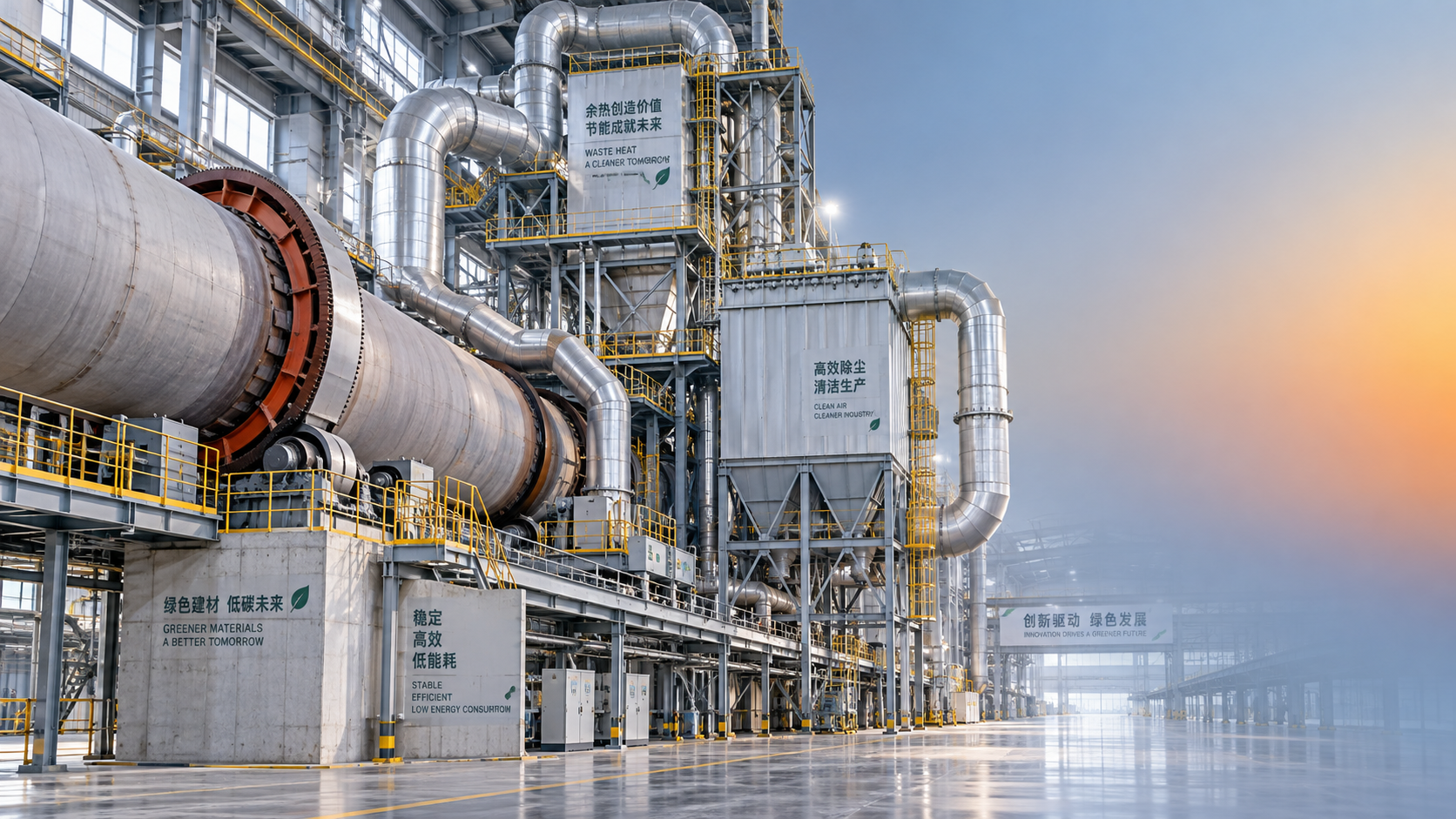
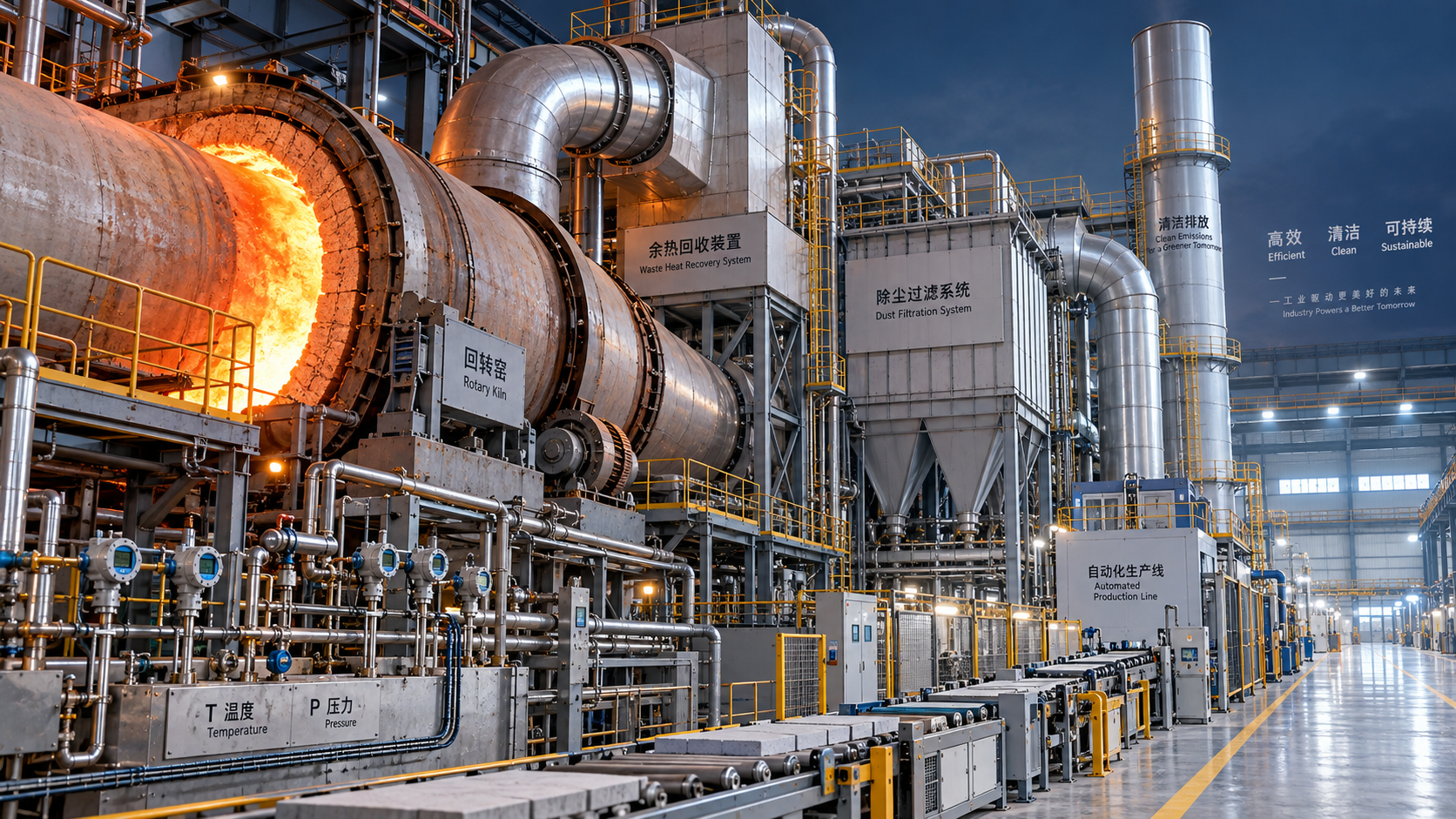
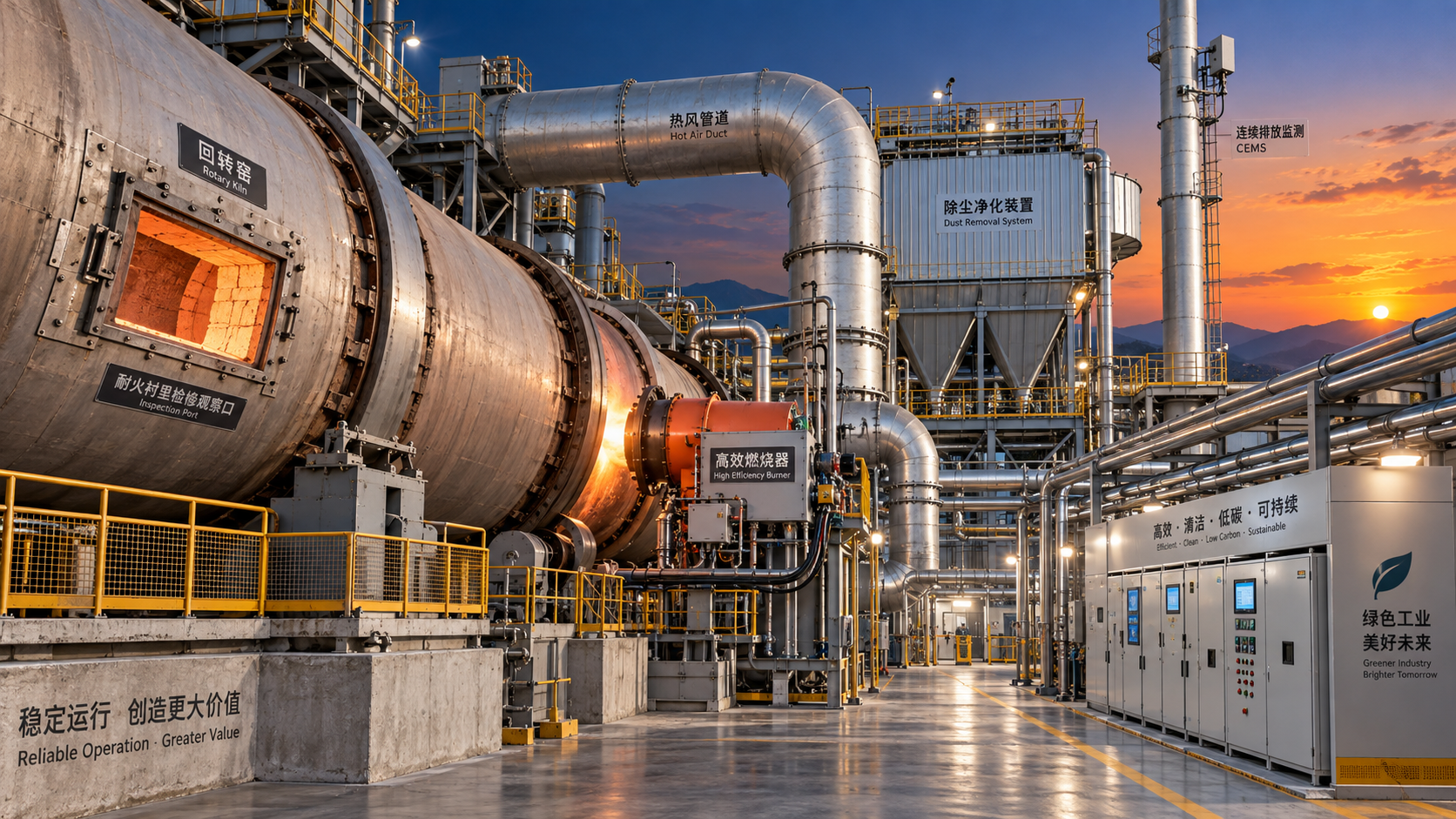
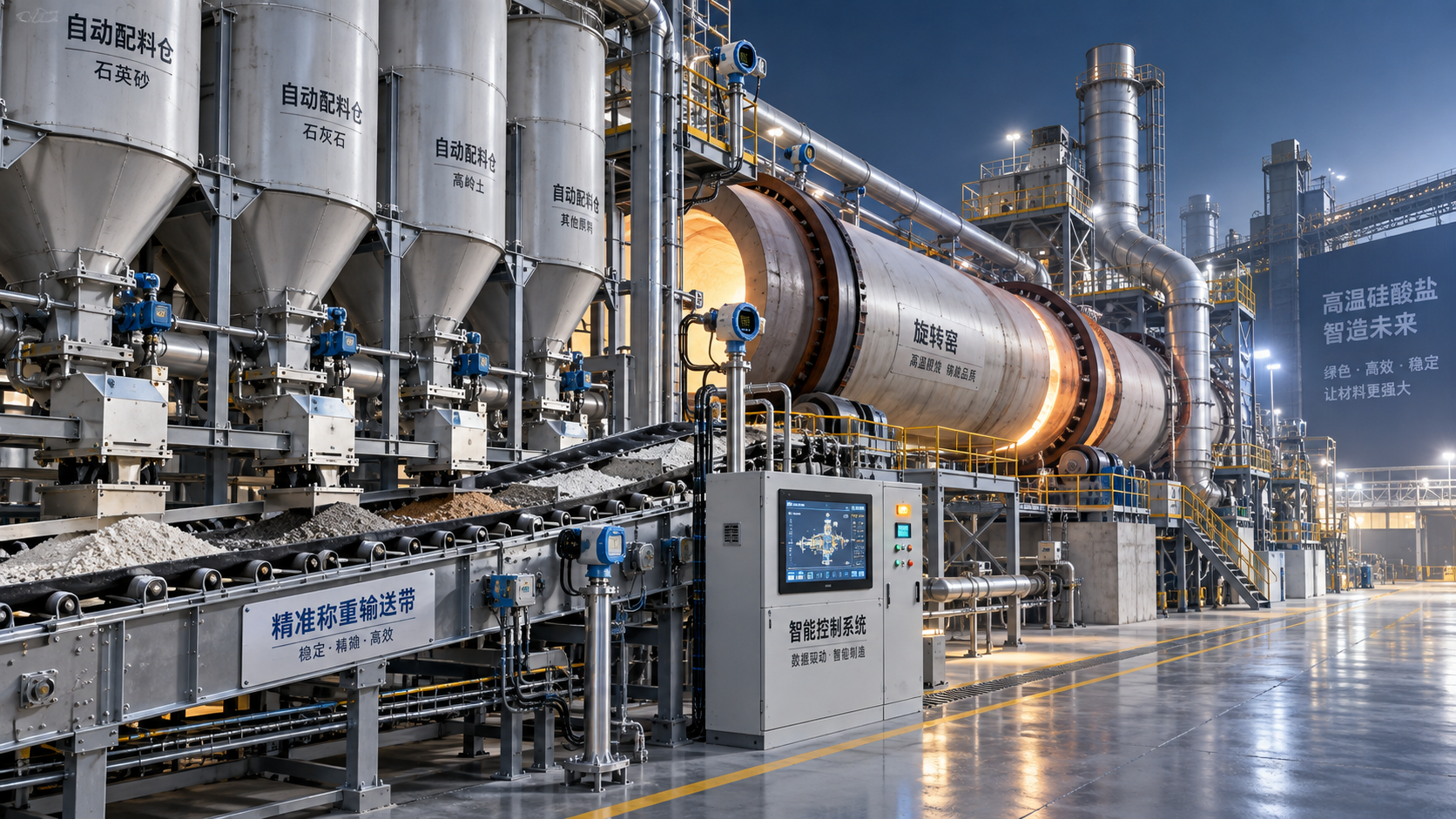
In cement and lime kilns, combustion stability, shell loss, feed variability, and residence time are tightly connected. A raw mix shift can become a thermal control problem within hours.
In glass production, temperature uniformity and cooling profile often matter more than raw peak heat. Slight imbalance can create stress, haze, dimensional issues, or surface defects.
For industrial incineration, the usual pressure points are secondary chamber temperature, oxygen level, draft control, and destruction stability under changing waste composition.
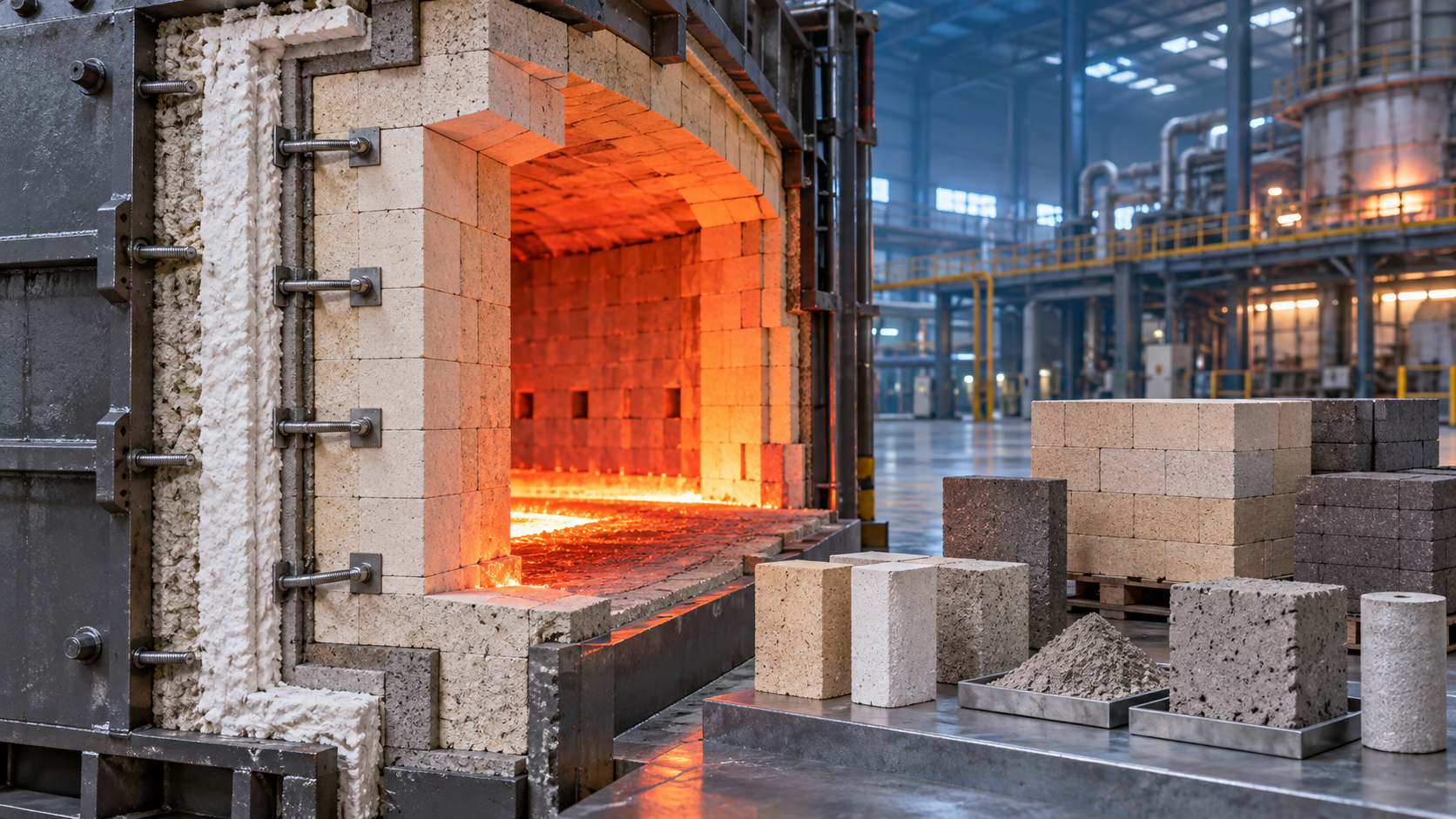
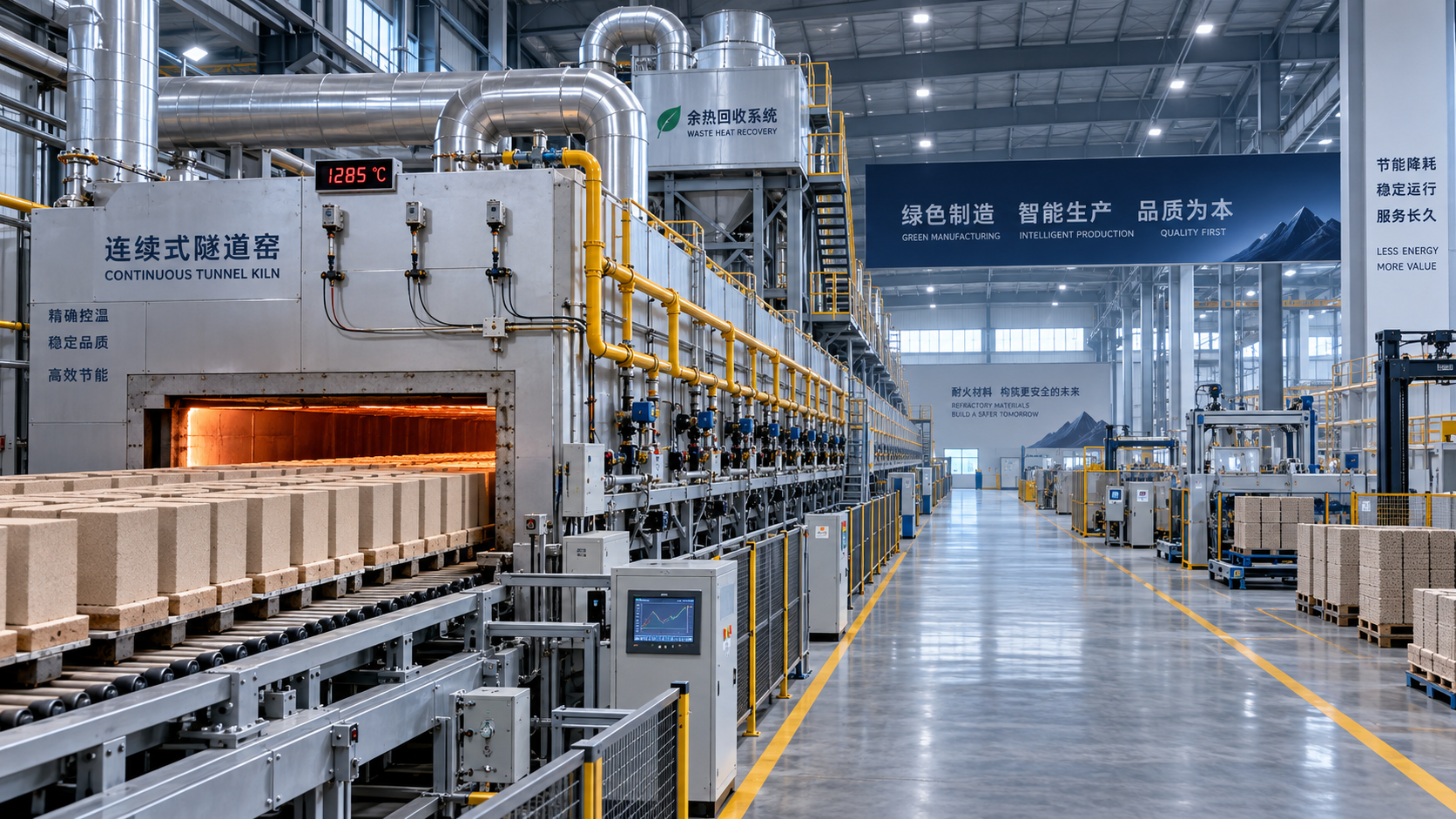
In refractory lines and new building material extrusion, moisture removal, staged heating, and controlled cooldown often decide whether the final product remains structurally sound.
This cross-sector view is one reason CF-Elite’s intelligence approach is useful. Thermal problems often look unique locally, but their control logic repeats across high-temperature industries.
What usually goes wrong in daily operation?
Most daily failures are not caused by missing instruments. They come from weak interpretation, delayed calibration, or chasing symptoms instead of root causes.
A few mistakes appear again and again:
- Treating one temperature point as representative of the whole thermal process.
- Ignoring sensor drift until quality problems appear downstream.
- Adjusting fuel aggressively without checking airflow, draft, or material condition.
- Running faster throughput before confirming thermal recovery capacity.
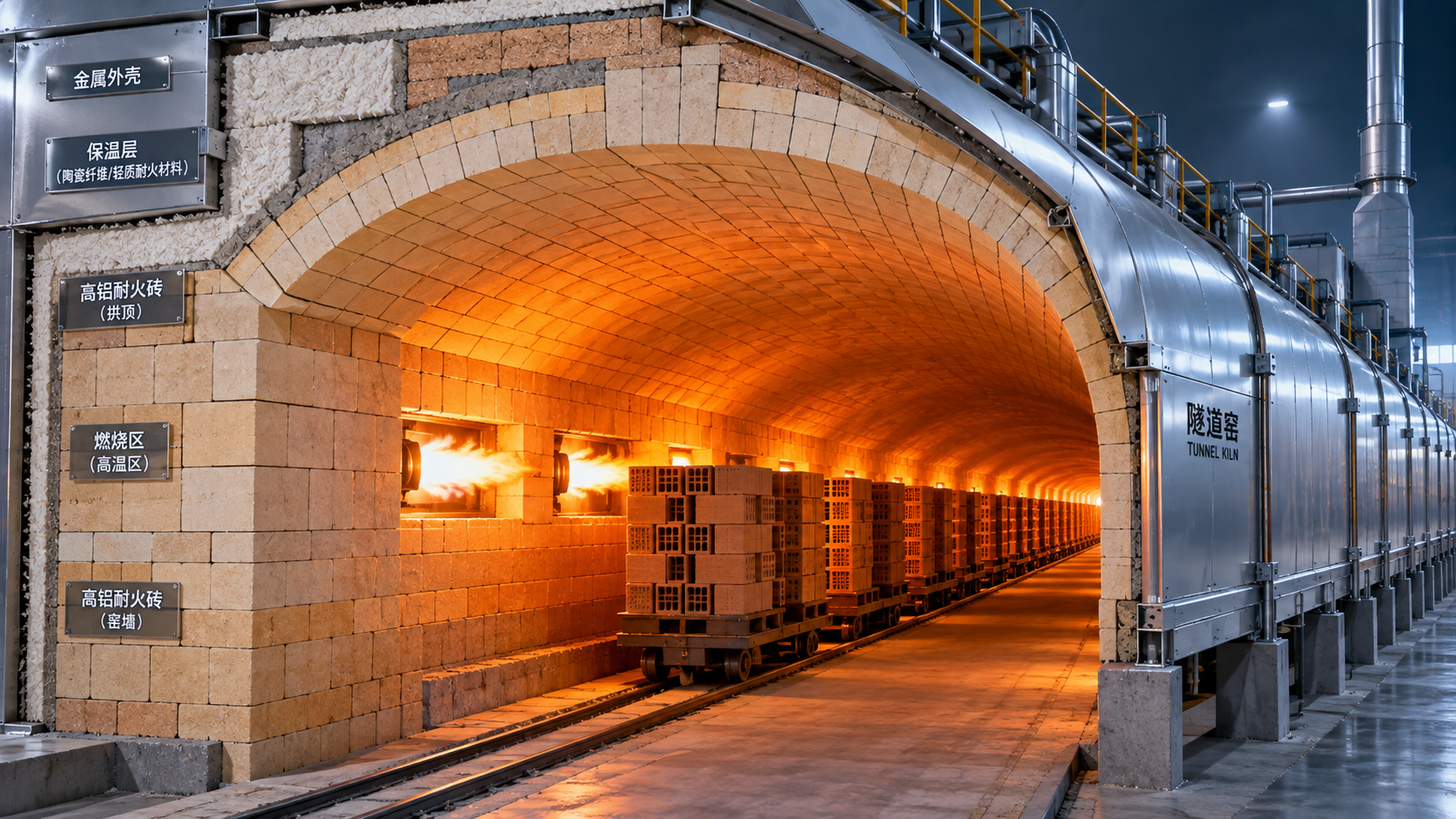
- Overlooking refractory degradation, insulation loss, or air leakage.
In actual operation, hidden heat loss is especially expensive. It drives up fuel consumption slowly, so it is often accepted as normal until shutdown inspection proves otherwise.
Another common issue is poor coordination between thermal data and product results. If defects, emissions, or unstable throughput are reviewed separately, the control pattern is easy to miss.
How should daily teams judge whether industrial thermal management controls are working well?
A healthy system is not defined by one perfect shift. It is defined by repeatability over time, especially during disturbances.
A practical evaluation method is to review four dimensions together:
When these four dimensions align, industrial thermal management controls are usually in a reliable operating range.
Where they do not align, the next step is not blind retuning. It is checking measurement quality, process variability, and equipment condition together.
What is the smartest next step if performance keeps drifting?
Start with a parameter map, not a large overhaul. List the critical thermal zones, control loops, sensors, response times, and the production variables that disturb them most.
Then compare three things from the same operating window: thermal data, equipment condition, and product or emissions outcomes. That usually reveals whether the problem is control logic, heat loss, or feed variability.
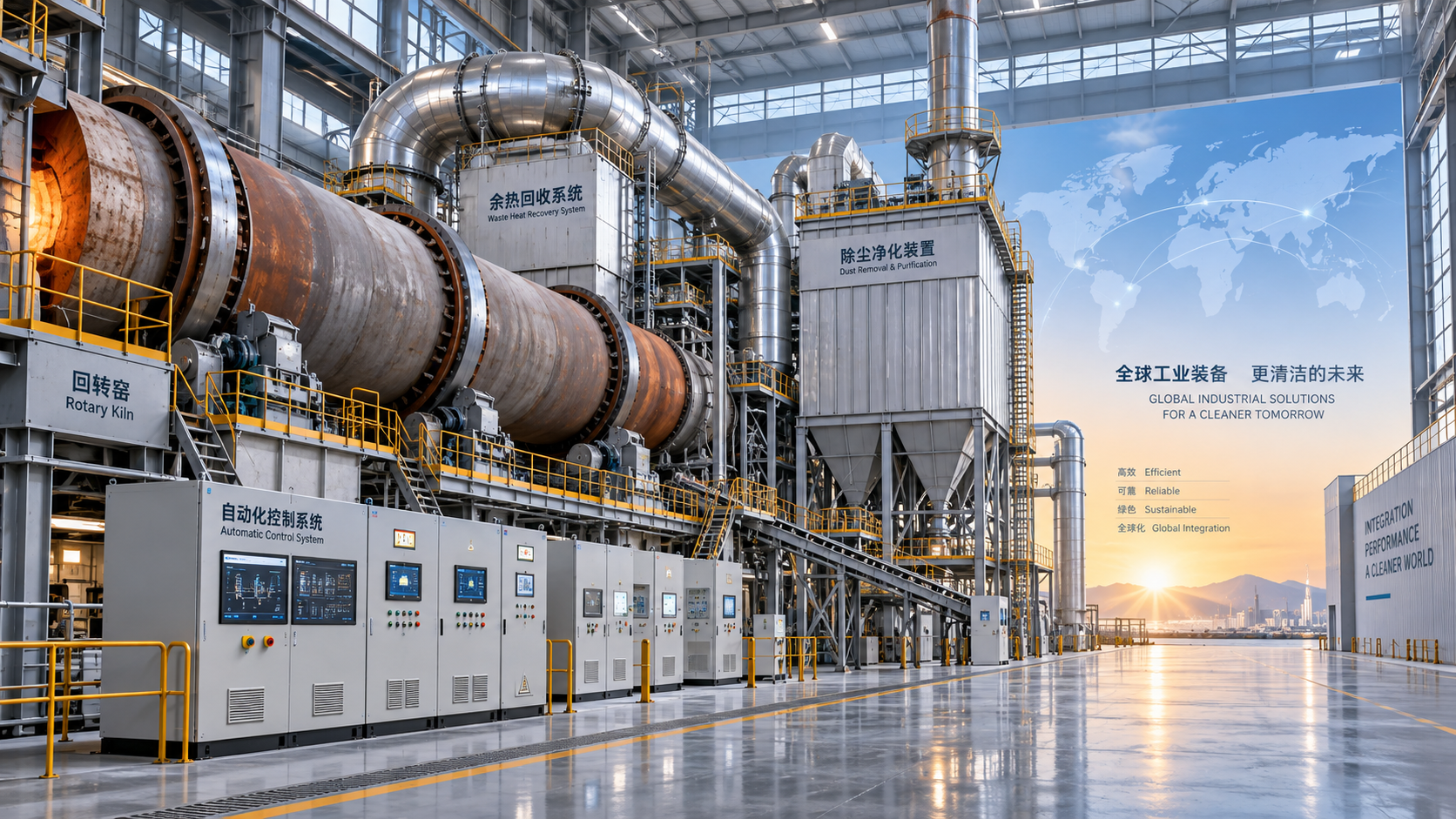
For plants handling silicate materials or high-temperature conversion, this approach is more effective than watching isolated alarms. It also aligns with CF-Elite’s broader focus on linking process physics, reaction behavior, and energy efficiency.
The key takeaway is straightforward. Industrial thermal management controls work best when temperature, airflow, pressure, time, and load are judged as one operating system.
If daily stability is slipping, begin by tightening sensor confidence, confirming thermal balance by zone, and reviewing whether throughput changes have outrun the system’s heat capacity.
That kind of disciplined review often prevents the larger losses: poor quality, rising fuel use, shortened refractory life, and avoidable downtime.
Related News
 Dr. Alistair VaughnHow Process Technology Platforms Improve Control Across Multi-Line ManufacturingDiscover how a process technology platform strengthens cross-line control, connects operational data, and improves energy, quality, and maintenance decisions.Oct 10, 2026
 Optical Glass Tech FellowHow Glass Furnace Emissions Are Measured and Controlled for Regulatory ComplianceGlass furnace emissions: learn how to measure, monitor, and control NOx, SOx, particulate, CO, and CO2 for reliable regulatory compliance.Oct 08, 2026
 Prof. Marcus ChenIndustrial Decarbonization Strategies in Europe: A Roadmap for Energy-Intensive PlantsIndustrial decarbonization strategies Europe: explore practical pathways for energy-intensive plants to cut emissions, improve efficiency, and protect performance.Oct 07, 2026
 Thermal Energy ArchitectEnergy-Efficient Silicate Production Lines: What to Compare Before SelectionSilicate production lines energy efficient selection guide: compare thermal performance, stability, emissions, controls, and lifecycle value before investing.Oct 06, 2026
 Optical Glass Tech FellowHow to Evaluate Automated Float Glass Lines for Capacity, Quality, and Energy UseEvaluate automated float glass lines for net capacity, consistent quality, energy efficiency, automation reliability, and lifecycle value. Explore key criteria for smarter investment decisions.Oct 05, 2026
 Thermal Energy ArchitectWhat Does CE Marking Require for an Energy-Efficient Industrial Kiln?Energy efficient kiln CE requirements explained: assess safety, technical files, energy performance, and EU compliance before purchase or commissioning.Oct 04, 2026
 Thermal Energy ArchitectRefractory Manufacturing Solutions for Brick Plants: How to Extend Kiln LifeRefractory manufacturing solutions for brick plant operations: discover proven strategies to extend kiln life, reduce heat loss, prevent lining failures, and plan cost-effective repairs.Oct 03, 2026
 Thermal Energy ArchitectHow to Specify Heavy Industrial Process Systems for High-Temperature PlantsHeavy industrial processes systems: learn how to specify high-temperature plants for efficiency, emissions control, maintainability, and lifecycle performance.Oct 02, 2026
 Structural Material AnalystHow Sustainable Material Extrusion Can Improve Wall Panel Durability and Design FlexibilityDiscover how sustainable material extrusion for wall panels improves durability, moisture resistance, design flexibility, and installation consistency for high-performing wall systems.Oct 01, 2026
 Thermal Energy ArchitectHow to Evaluate a High-Temperature Materials Manufacturer for Furnace ApplicationsChoose a high-temperature materials manufacturer with confidence: compare thermal performance, chemical resistance, quality controls, installation support, and lifecycle cost.Sep 30, 2026
 Ms. Elena RodriguezHow to Structure Global Specification Data for Faster Industrial Product EvaluationGlobal specification-oriented product information helps industrial teams compare capacity, energy, emissions, automation, and lifecycle data on a like-for-like basis for faster, confident equipment decisions.Sep 29, 2026
 Thermal Energy ArchitectHow to Specify High-Temperature Process Systems for Continuous Thermal OperationsHigh-temperature process engineering systems: learn how to specify resilient continuous thermal operations for efficiency, compliance, reliable uptime, and long-term performance.Sep 28, 2026
 Thermal Energy ArchitectHow to Evaluate a Thermal Engineering Contractor for High-Temperature Plant ProjectsChoose a thermal engineering contractor with proven process expertise, lifecycle value, emissions control, and delivery discipline for reliable high-temperature plant performance.Sep 27, 2026
 Silicate Process EngineerHow Latin American Cement Plants Can Reduce Dust Emissions in Kilns and Transfer PointsCement plant dust control Latin America: reduce kiln and transfer-point emissions with practical airflow, filtration, monitoring, and maintenance strategies.Sep 26, 2026
 Material Heat-Resist ExpertHow to Evaluate Refractory Production Lines for Output, Quality, and Energy UseRefractory production lines: learn how to assess qualified output, consistent quality, and total energy use for smarter, lower-risk investment decisions.Sep 25, 2026
 Dr. Alistair VaughnHow Waste Recycling Technology Improves Material Recovery in Industrial PlantsWaste recycling technology improves material recovery through source segregation, smart separation, thermal treatment, and quality control for industrial plants.Sep 24, 2026
 Optical Glass Tech FellowHow to Specify Glass Annealing Equipment for European Quality and Energy RequirementsGlass annealing equipment Europe: learn how to specify lehrs for consistent glass quality, energy efficiency, compliance, automation, and reliable long-term performance.Sep 23, 2026
 Optical Glass Tech FellowSilicate Process Automation: Improving Batch Consistency and Energy ControlSilicate process automation improves batch consistency, energy control, traceability, and operator confidence across high-temperature manufacturing operations.Sep 22, 2026
 Optical Glass Tech FellowHow Silicate Industrial Processes Control Viscosity, Energy Use, and Product QualitySilicate industrial processes: learn how viscosity, chemistry, heat transfer, and atmosphere control reduce energy use, improve stability, and protect product quality.Sep 21, 2026
 Thermal Energy ArchitectHow European Plants Can Evaluate Energy Recovery Equipment for High-Temperature ProcessesIndustrial energy recovery equipment Europe: learn how high-temperature plants can assess waste-heat sources, integration risks, lifecycle value, and reliable recovery routes.Sep 20, 2026

Related News
- 00
0000-00
How Process Technology Platforms Improve Control Across Multi-Line Manufacturing - 00
0000-00
How Waste Recycling Technology Improves Material Recovery in Industrial Plants - 00
0000-00
Industrial Process Engineering: How to Map Processes for Safer, More Efficient Plants - 00
0000-00
What Should a Process Technology Database Track for High-Temperature Plants? - 00
0000-00
How to Specify Custom Agricultural Processing Equipment for Throughput and Hygiene
Weekly Insights
Stay ahead with our curated technology reports delivered every Monday.