
How to Evaluate Energy Recovery for Kilns: Fuel Savings, Waste Heat Sources, and ROI




Why does energy recovery for kilns deserve board-level attention?
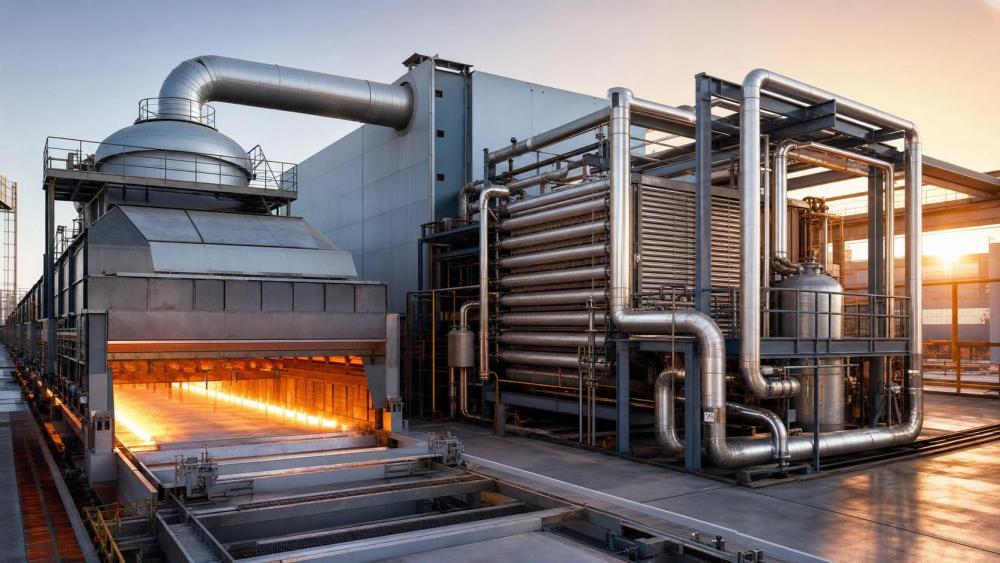
Energy recovery for kilns is rarely a minor utility project. In most plants, it affects fuel spend, production stability, emissions exposure, and future capital flexibility at the same time.
That is why the first question is not technical. It is financial: can recovered heat become a predictable cash-flow improvement rather than a one-time engineering ambition?
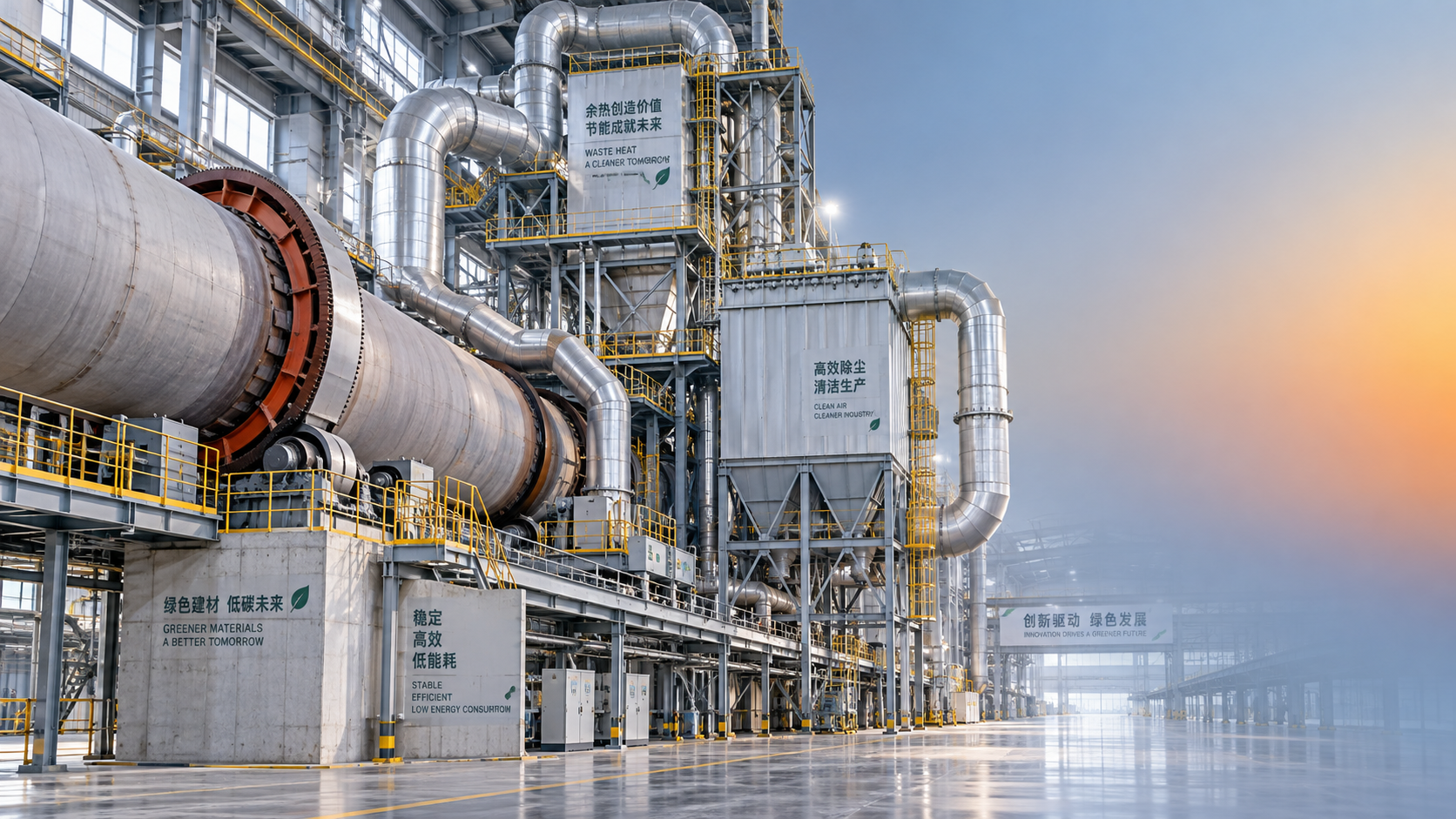
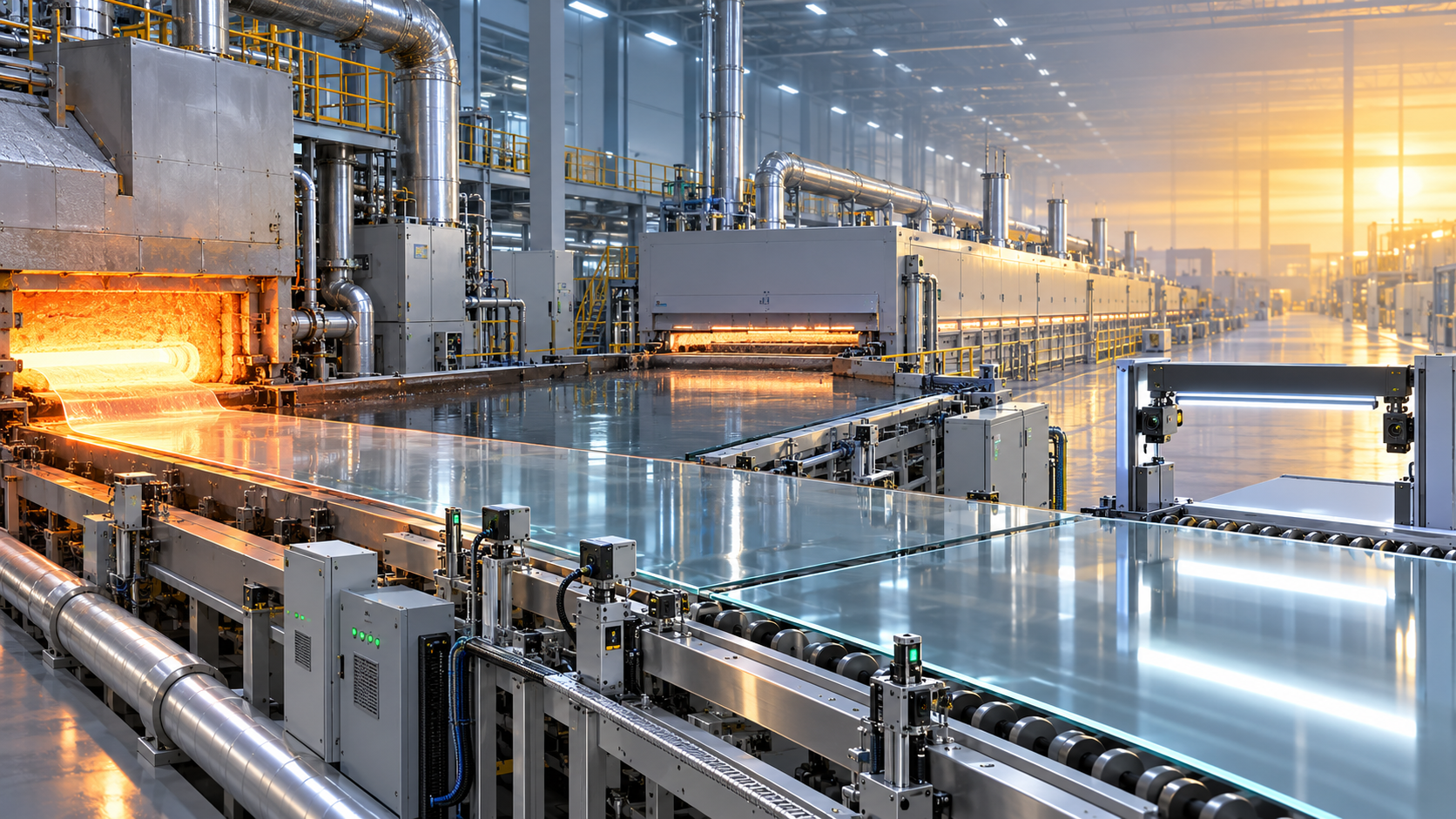
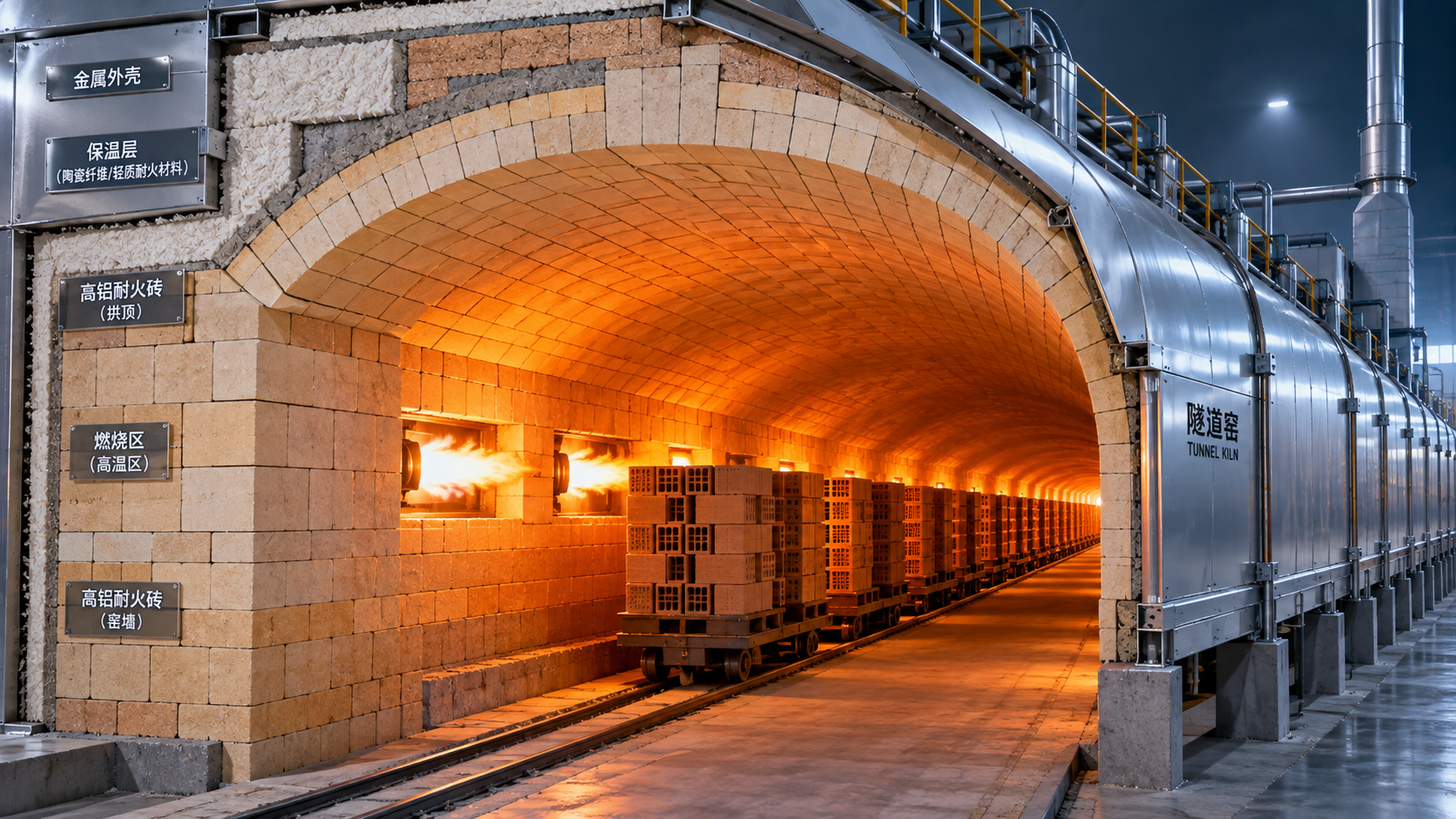
In cement, glass, refractory, incineration, and extrusion lines, kiln systems release large amounts of usable thermal energy. Some leaves through flue gas. Some escapes from hot product, shell losses, or cooling stages.
The practical value of energy recovery for kilns depends on three linked facts. How much heat is available, how often it appears, and whether that heat matches a real demand inside the site.
CF-Elite often frames this issue through thermal management, not equipment in isolation. That approach matters because high-temperature lines behave like systems, not like standalone machines with neat payback labels.
A proposal can look attractive on nameplate data and still disappoint in operation. The missing piece is usually heat quality, operating rhythm, or integration cost.
Where does recoverable heat actually come from in kiln operations?
This is where many evaluations begin to sharpen. Not all waste heat sources are equal, and not every hot stream deserves capital investment.
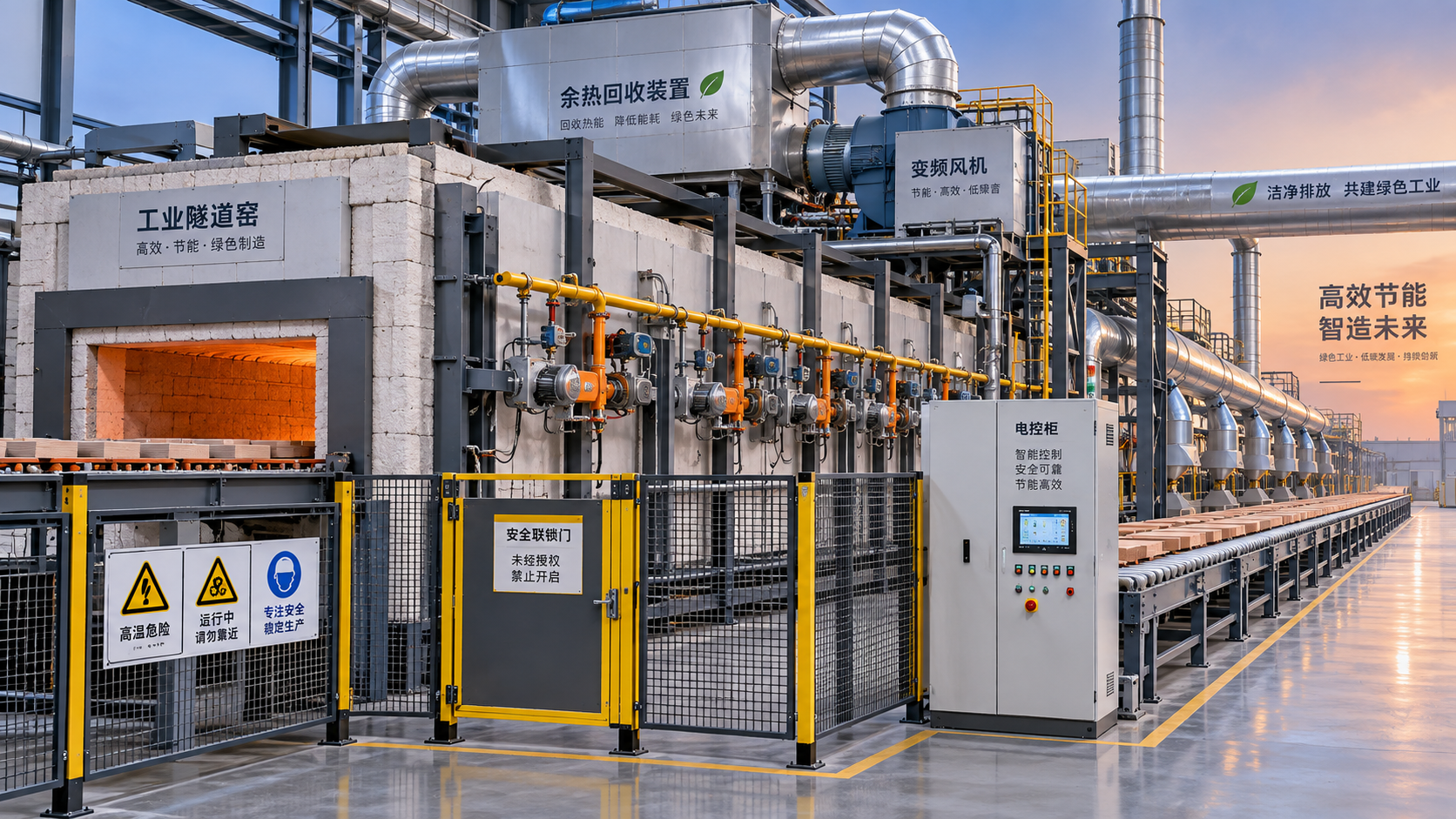
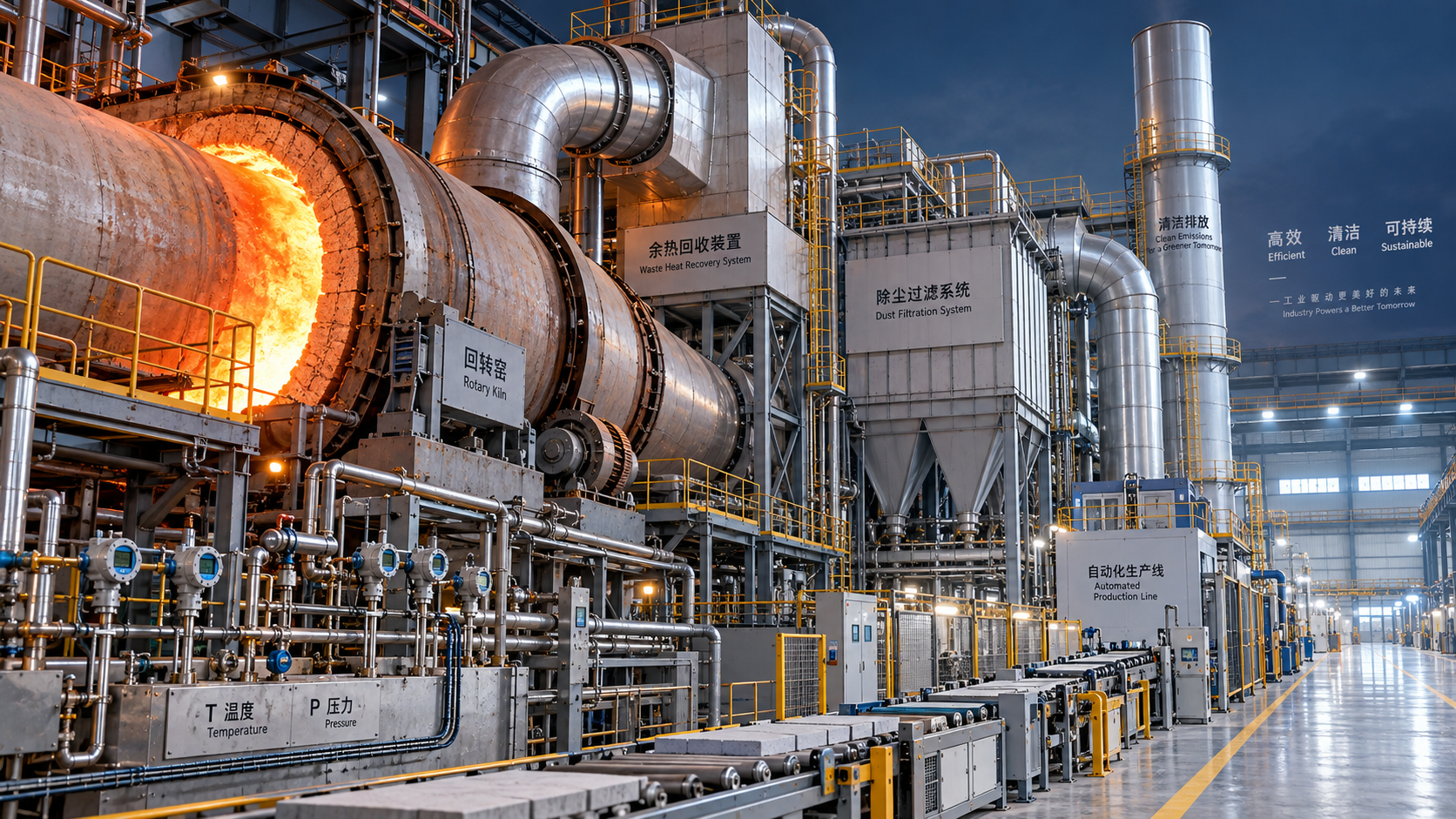
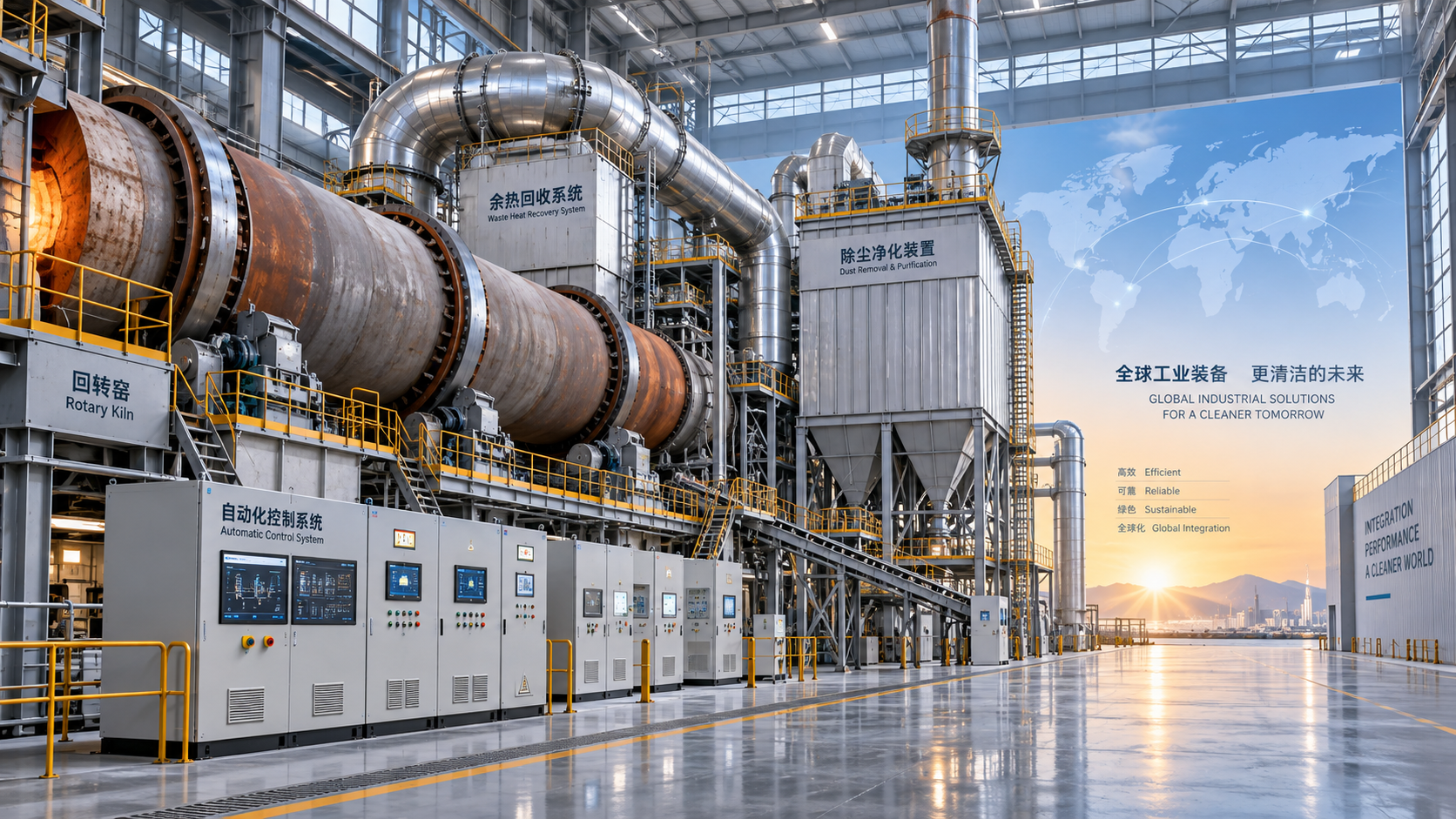
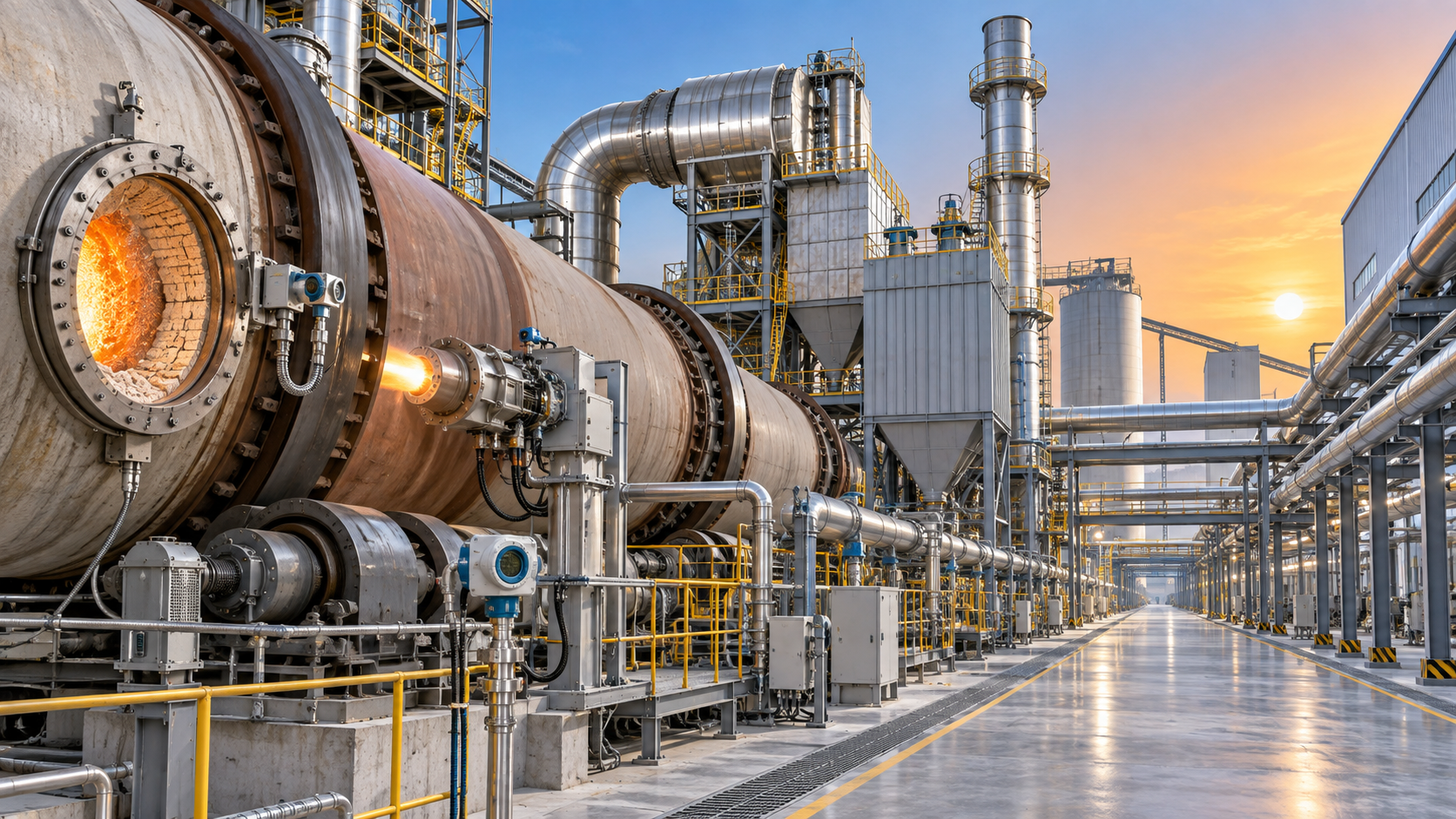
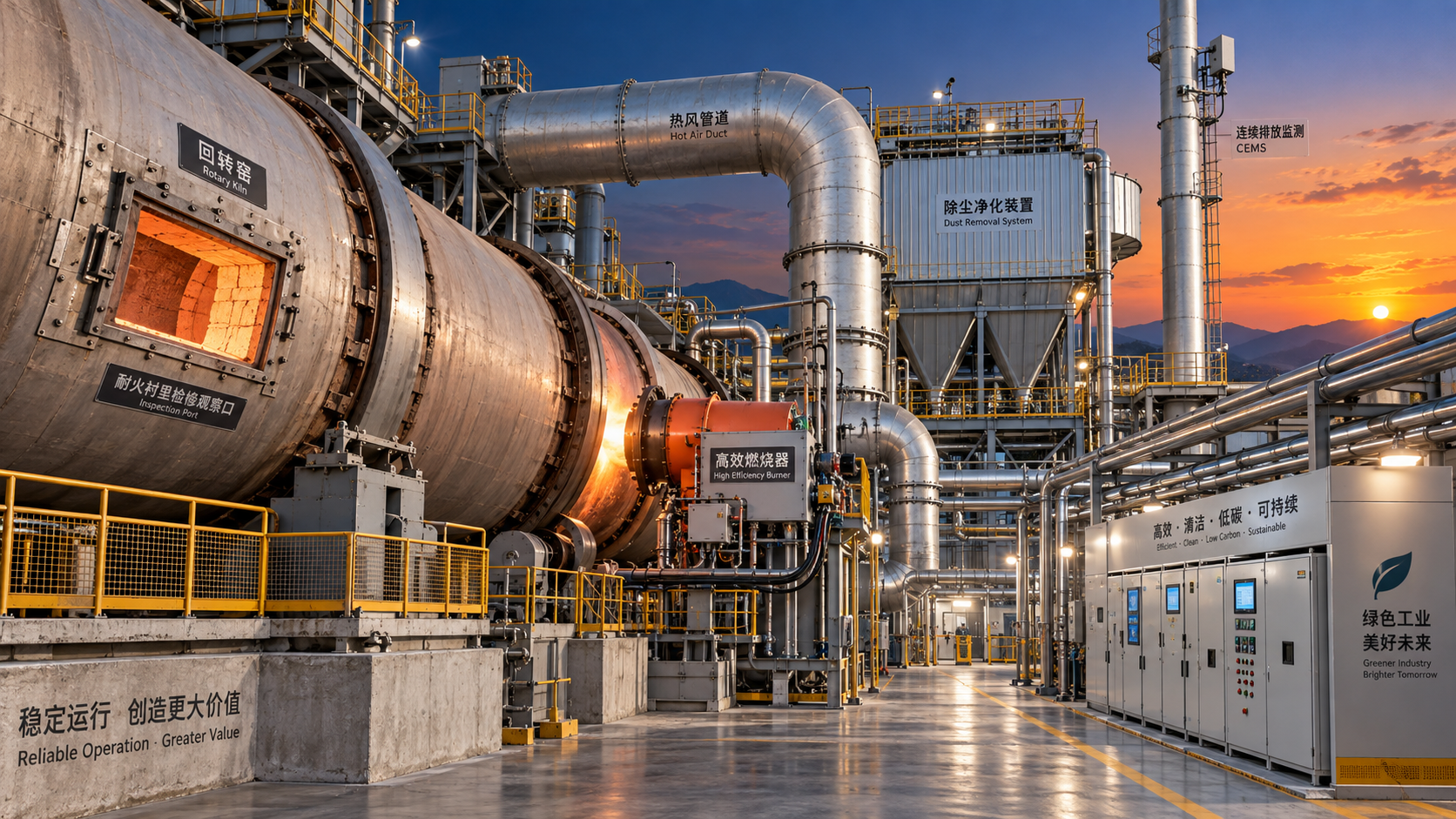
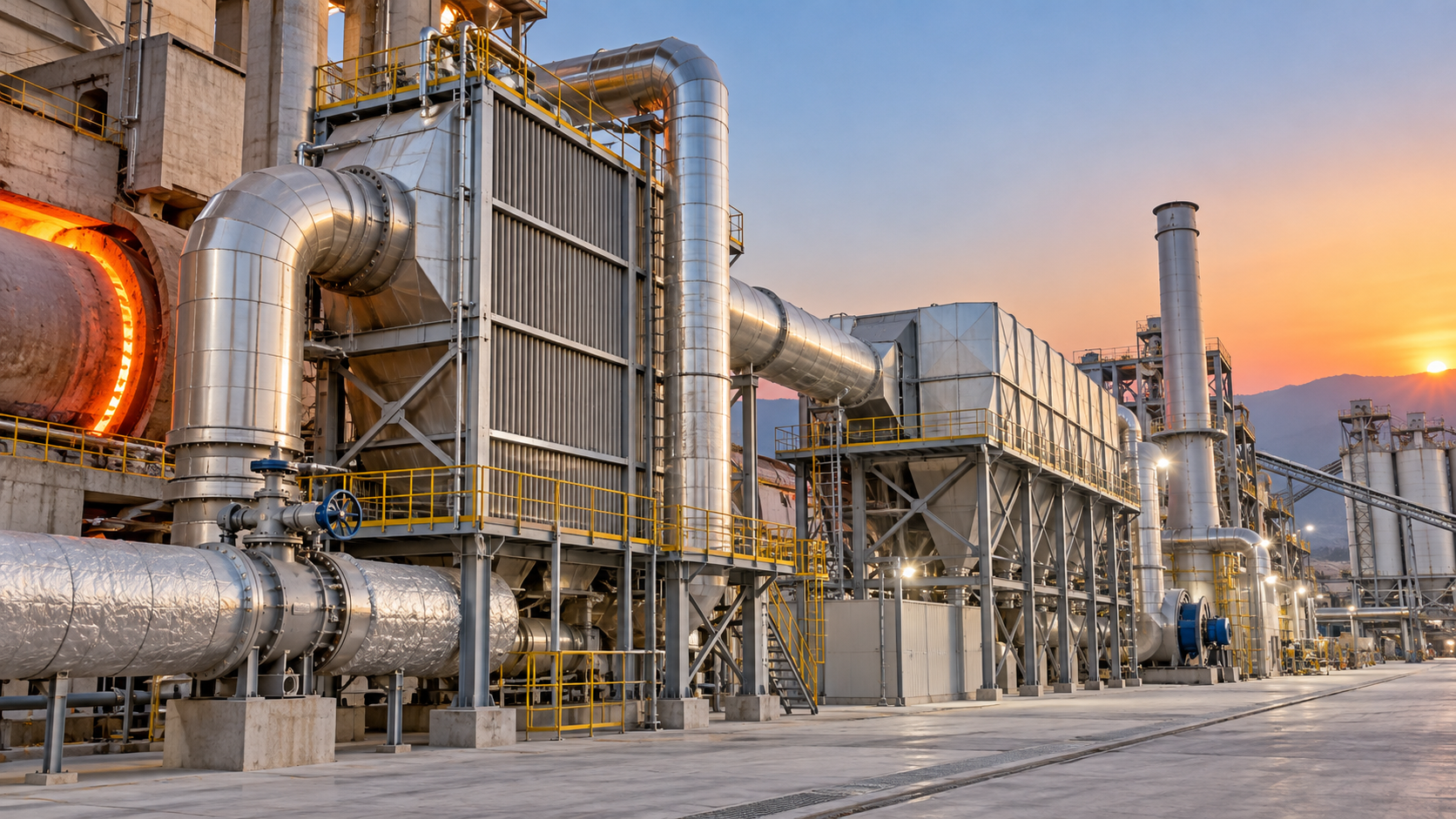
The most common waste heat sources in energy recovery for kilns include exhaust gas, clinker or product coolers, kiln shell radiation, hot combustion air discharge, and downstream drying sections.
Exhaust gas is usually the first target. It often carries the largest thermal volume, but dust loading, corrosive compounds, and temperature swings can complicate recovery design.
Product coolers can be attractive when the process already rejects heat at a stable rate. In some silicate operations, this stream is easier to reuse than high-variability stack gas.
Shell heat sounds tempting, yet it is often lower-value energy. Recovery from shell losses may work in niche retrofits, but it usually trails flue gas or cooler recovery in economic priority.
A useful way to screen sources is to compare four questions before requesting quotations.
The point is simple. The best waste heat source is not always the hottest one. It is the stream that can be captured reliably and used without disrupting the line.
How should fuel savings be calculated without overstating the case?
The cleanest mistake in energy recovery for kilns is to convert every recovered kilojoule into direct fuel savings. Real plants do not behave that neatly.
A better method starts with baseline fuel intensity. Measure fuel use per ton, operating hours, kiln loading pattern, and seasonal shifts. Then isolate where recovered heat would replace purchased energy.
For example, if recovered heat preheats combustion air, savings depend on burner response, excess oxygen control, and whether firing conditions remain stable at different feed rates.
If the heat supports drying, the avoided cost may come from gas, steam, or electricity. Each replacement path has a different value, and the highest theoretical heat recovery may not deliver the best economics.
In practical reviews, four adjustments usually improve accuracy:
- Apply availability factors for shutdowns, maintenance, and unstable production campaigns.
- Deduct parasitic power for fans, pumps, controls, and pressure drop.
- Reduce value where recovered heat temperature is lower than the target process needs.
- Use conservative fuel price scenarios instead of peak-market assumptions.
This is especially relevant in industries tracked by CF-Elite, where process chemistry and thermal balance often shift with raw material quality, product mix, and environmental control settings.
A credible savings model should show annual energy reduction, avoided utility cost, added operating cost, and confidence range. That final item is often more useful than a single optimistic number.
When does the ROI for energy recovery for kilns really hold up?
ROI holds up when the project matches a stable thermal source with a constant internal heat demand. It weakens when either side is intermittent.
Payback should include more than installed equipment cost. Ducting, insulation, dust handling, tie-ins, shutdown labor, controls, and refractory changes can move project economics significantly.
The stronger cases for energy recovery for kilns often share a few traits:
- High annual operating hours with limited campaign interruption.
- Expensive or volatile fuel supply.
- A nearby use for heat, such as feed drying or combustion air preheat.
- Tightening carbon cost, emissions policy, or waste heat reporting pressure.
A wider view of ROI also matters. Some projects improve line stability, reduce burner stress, or support future decarbonization pathways. Those benefits may not appear in a narrow payback spreadsheet, but they change long-term asset value.
More cautious evaluations use three cases: base, downside, and upside. That structure reveals whether the project survives lower production volume, lower fuel prices, or delayed commissioning.
If the downside case breaks the investment logic, the project likely needs redesign or phasing rather than fast approval.
What usually gets missed during vendor comparison?
Quotations often look comparable when they are not. The gap usually hides in assumptions about fouling rates, maintenance access, thermal degradation, and guaranteed operating windows.
In energy recovery for kilns, a lower capital number can be offset by heavier cleaning frequency, weaker controls integration, or shorter exchanger life under dusty and corrosive conditions.
A useful comparison sheet should ask for the same commercial and technical answers from every bidder.
It also helps to ask whether the design supports future process digitization. In several CF-Elite coverage areas, online monitoring and digital twins are becoming part of thermal asset management, not optional extras.
Are there warning signs that a kiln heat recovery project is being oversold?
Yes, and they tend to appear early. One warning sign is a proposal built around average temperatures without a time-based profile of flow, downtime, and production variability.
Another is vague treatment of dust chemistry. In kiln and incineration settings, alkalis, chlorides, sulfur compounds, and particulates can reshape maintenance cost very quickly.
There is also risk when fuel savings are presented without showing auxiliary power penalties or operational constraints. Recovered heat is useful only if it works inside the real process envelope.
A short screening list can keep reviews grounded:
- Demand for the recovered heat is seasonal or uncertain.
- The design requires long ducts across crowded plant areas.
- Performance claims ignore raw material variation.
- The payback works only under best-case fuel pricing.
- No one owns post-startup monitoring and optimization.
In actual operation, the strongest projects are usually the least dramatic on paper. They solve one clear thermal mismatch well and prove savings through measurable plant data.
What is the smartest next step before approving energy recovery for kilns?
Start with a site-specific heat map. That means measured temperatures, flow rates, operating hours, and current energy sinks across the kiln line and nearby utilities.
Then rank opportunities by usable heat, not gross heat. A medium-temperature stream with steady daily demand can outperform a hotter source with weak integration value.
It is also worth building one common evaluation sheet for all bidders. Include thermal assumptions, CAPEX, outage needs, parasitic loads, maintenance plan, guaranteed output, and downside-case ROI.
For sectors followed by CF-Elite, this wider view is increasingly important. Carbon pressure, fuel price volatility, and plant digitization are pushing thermal projects from utility upgrades into strategic asset decisions.
The most reliable path is not to chase the biggest theoretical recovery number. It is to confirm where waste heat is stable, where it can be reused cleanly, and how quickly that decision strengthens operating margin.
When those answers are clear, energy recovery for kilns becomes easier to judge on its real merits: fuel savings, implementation risk, and ROI that can survive operating reality.
Related News
 Dr. Alistair VaughnHow Process Technology Platforms Improve Control Across Multi-Line ManufacturingDiscover how a process technology platform strengthens cross-line control, connects operational data, and improves energy, quality, and maintenance decisions.Oct 10, 2026
 Optical Glass Tech FellowHow Glass Furnace Emissions Are Measured and Controlled for Regulatory ComplianceGlass furnace emissions: learn how to measure, monitor, and control NOx, SOx, particulate, CO, and CO2 for reliable regulatory compliance.Oct 08, 2026
 Prof. Marcus ChenIndustrial Decarbonization Strategies in Europe: A Roadmap for Energy-Intensive PlantsIndustrial decarbonization strategies Europe: explore practical pathways for energy-intensive plants to cut emissions, improve efficiency, and protect performance.Oct 07, 2026
 Thermal Energy ArchitectEnergy-Efficient Silicate Production Lines: What to Compare Before SelectionSilicate production lines energy efficient selection guide: compare thermal performance, stability, emissions, controls, and lifecycle value before investing.Oct 06, 2026
 Optical Glass Tech FellowHow to Evaluate Automated Float Glass Lines for Capacity, Quality, and Energy UseEvaluate automated float glass lines for net capacity, consistent quality, energy efficiency, automation reliability, and lifecycle value. Explore key criteria for smarter investment decisions.Oct 05, 2026
 Thermal Energy ArchitectWhat Does CE Marking Require for an Energy-Efficient Industrial Kiln?Energy efficient kiln CE requirements explained: assess safety, technical files, energy performance, and EU compliance before purchase or commissioning.Oct 04, 2026
 Thermal Energy ArchitectRefractory Manufacturing Solutions for Brick Plants: How to Extend Kiln LifeRefractory manufacturing solutions for brick plant operations: discover proven strategies to extend kiln life, reduce heat loss, prevent lining failures, and plan cost-effective repairs.Oct 03, 2026
 Thermal Energy ArchitectHow to Specify Heavy Industrial Process Systems for High-Temperature PlantsHeavy industrial processes systems: learn how to specify high-temperature plants for efficiency, emissions control, maintainability, and lifecycle performance.Oct 02, 2026
 Structural Material AnalystHow Sustainable Material Extrusion Can Improve Wall Panel Durability and Design FlexibilityDiscover how sustainable material extrusion for wall panels improves durability, moisture resistance, design flexibility, and installation consistency for high-performing wall systems.Oct 01, 2026
 Thermal Energy ArchitectHow to Evaluate a High-Temperature Materials Manufacturer for Furnace ApplicationsChoose a high-temperature materials manufacturer with confidence: compare thermal performance, chemical resistance, quality controls, installation support, and lifecycle cost.Sep 30, 2026
 Ms. Elena RodriguezHow to Structure Global Specification Data for Faster Industrial Product EvaluationGlobal specification-oriented product information helps industrial teams compare capacity, energy, emissions, automation, and lifecycle data on a like-for-like basis for faster, confident equipment decisions.Sep 29, 2026
 Thermal Energy ArchitectHow to Specify High-Temperature Process Systems for Continuous Thermal OperationsHigh-temperature process engineering systems: learn how to specify resilient continuous thermal operations for efficiency, compliance, reliable uptime, and long-term performance.Sep 28, 2026
 Thermal Energy ArchitectHow to Evaluate a Thermal Engineering Contractor for High-Temperature Plant ProjectsChoose a thermal engineering contractor with proven process expertise, lifecycle value, emissions control, and delivery discipline for reliable high-temperature plant performance.Sep 27, 2026
 Silicate Process EngineerHow Latin American Cement Plants Can Reduce Dust Emissions in Kilns and Transfer PointsCement plant dust control Latin America: reduce kiln and transfer-point emissions with practical airflow, filtration, monitoring, and maintenance strategies.Sep 26, 2026
 Material Heat-Resist ExpertHow to Evaluate Refractory Production Lines for Output, Quality, and Energy UseRefractory production lines: learn how to assess qualified output, consistent quality, and total energy use for smarter, lower-risk investment decisions.Sep 25, 2026
 Dr. Alistair VaughnHow Waste Recycling Technology Improves Material Recovery in Industrial PlantsWaste recycling technology improves material recovery through source segregation, smart separation, thermal treatment, and quality control for industrial plants.Sep 24, 2026
 Optical Glass Tech FellowHow to Specify Glass Annealing Equipment for European Quality and Energy RequirementsGlass annealing equipment Europe: learn how to specify lehrs for consistent glass quality, energy efficiency, compliance, automation, and reliable long-term performance.Sep 23, 2026
 Optical Glass Tech FellowSilicate Process Automation: Improving Batch Consistency and Energy ControlSilicate process automation improves batch consistency, energy control, traceability, and operator confidence across high-temperature manufacturing operations.Sep 22, 2026
 Optical Glass Tech FellowHow Silicate Industrial Processes Control Viscosity, Energy Use, and Product QualitySilicate industrial processes: learn how viscosity, chemistry, heat transfer, and atmosphere control reduce energy use, improve stability, and protect product quality.Sep 21, 2026
 Thermal Energy ArchitectHow European Plants Can Evaluate Energy Recovery Equipment for High-Temperature ProcessesIndustrial energy recovery equipment Europe: learn how high-temperature plants can assess waste-heat sources, integration risks, lifecycle value, and reliable recovery routes.Sep 20, 2026

Related News
- 00
0000-00
Energy-Efficient Silicate Production Lines: What to Compare Before Selection - 00
0000-00
What Does CE Marking Require for an Energy-Efficient Industrial Kiln? - 00
0000-00
Refractory Manufacturing Solutions for Brick Plants: How to Extend Kiln Life - 00
0000-00
How to Specify Heavy Industrial Process Systems for High-Temperature Plants - 00
0000-00
How to Evaluate a High-Temperature Materials Manufacturer for Furnace Applications
Weekly Insights
Stay ahead with our curated technology reports delivered every Monday.