
What an Industrial Material Science Platform Should Offer for Faster Technical Validation




An industrial material science platform matters most when validation must happen before budgets, production windows, or compliance deadlines move. In high-temperature sectors, technical review is rarely about one data sheet. It is about linking process conditions, material behavior, equipment limits, and regulatory signals fast enough to support a reliable decision.
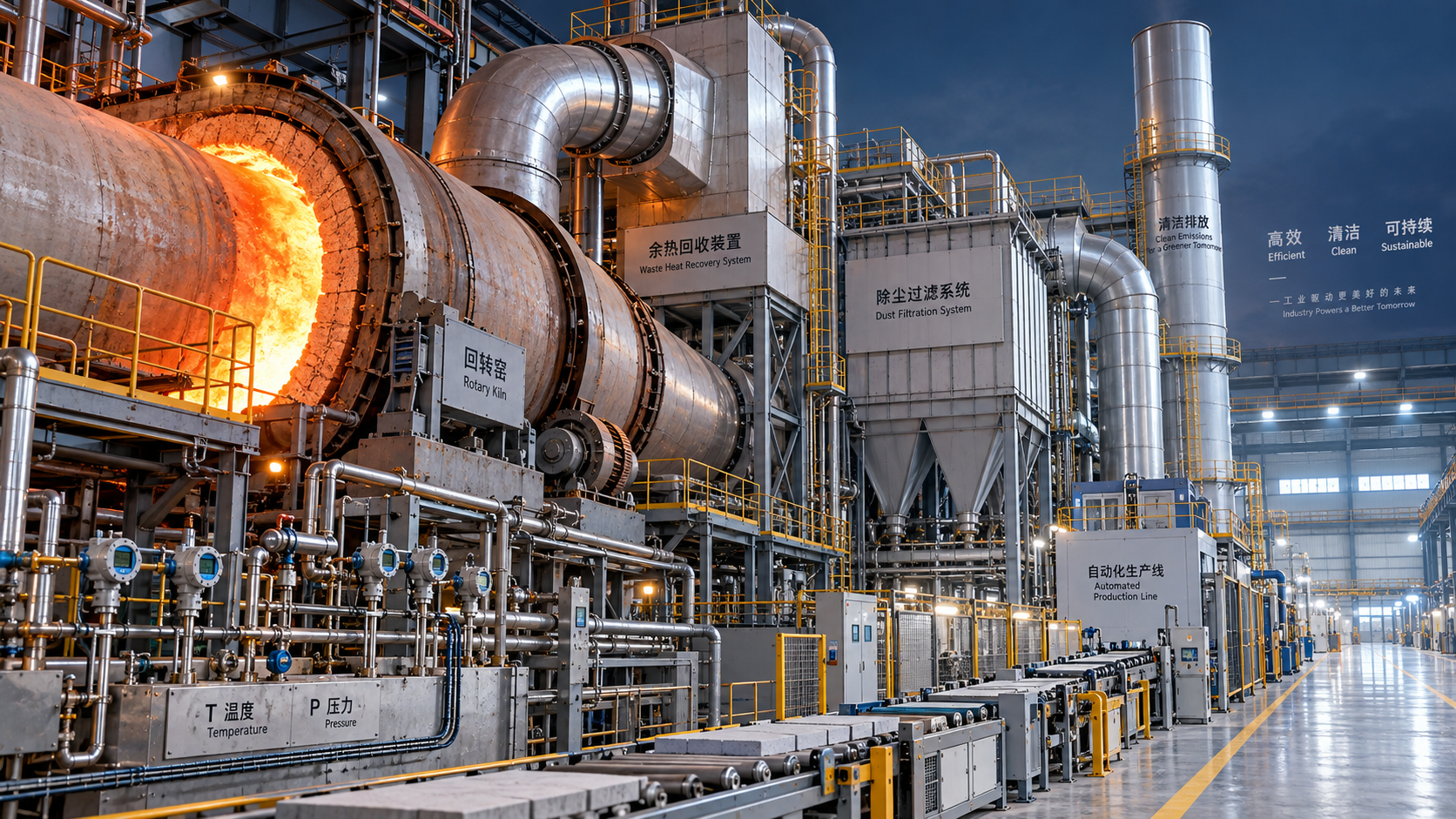
That is why the value of an industrial material science platform now extends beyond search and storage. It should help translate kiln temperatures, refractory wear patterns, glass melting logic, extrusion pressure ranges, and emissions constraints into evidence that can be checked, compared, and acted on without delay.
Why faster technical validation has become a priority
Across cement, glass, incineration, refractory manufacturing, and new building material extrusion, the cost of waiting has increased. Equipment cycles are long, retrofit decisions are expensive, and technical mismatches often surface late.
A specification may look acceptable on paper, yet fail under actual thermal load, chemical attack, or fuel variability. Validation now has to account for performance, environmental exposure, operating stability, and carbon pressure at the same time.
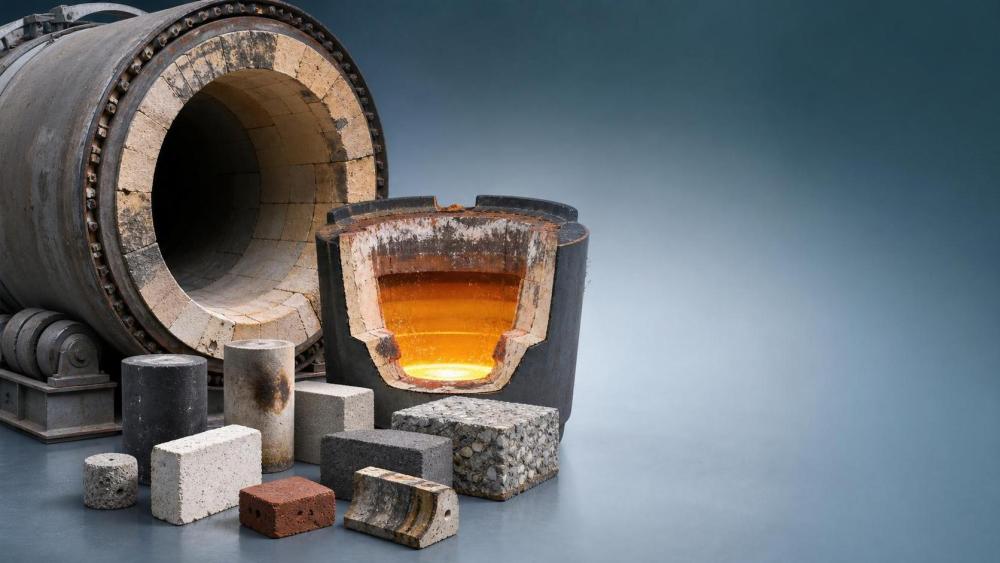
This is where an industrial material science platform becomes a decision tool rather than a reference archive. It shortens the path from initial screening to technical confidence by organizing the facts that usually sit in disconnected reports, standards, and supplier material.
What the platform should really connect
At a basic level, the platform should connect four layers of information. If any one layer is weak, validation slows down or becomes less trustworthy.
Process parameters
Temperature bands, residence time, feed composition, combustion conditions, pressure, cooling rate, and throughput must be visible in practical context. Numbers alone are not enough without operational ranges and boundary conditions.
Material response
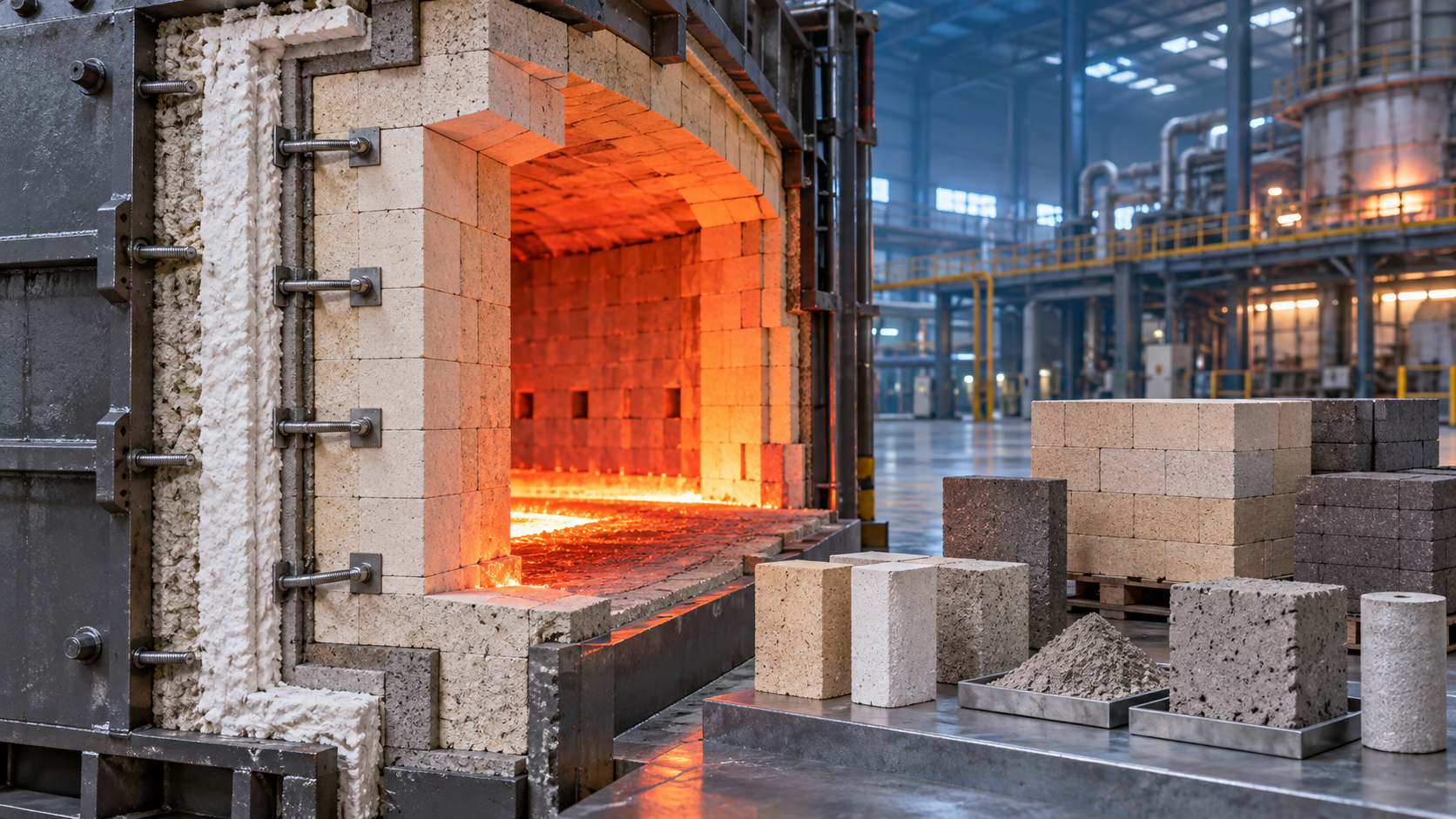
A useful industrial material science platform should show how materials behave under stress, corrosion, thermal cycling, abrasion, and chemical reaction. That includes failure modes, not only best-case properties.
Equipment compatibility
Validation often fails when material data is separated from machine design. A platform should clarify whether a lining, burner setup, feeder, annealing zone, or extrusion die can support the intended operating profile.
Compliance and market signals
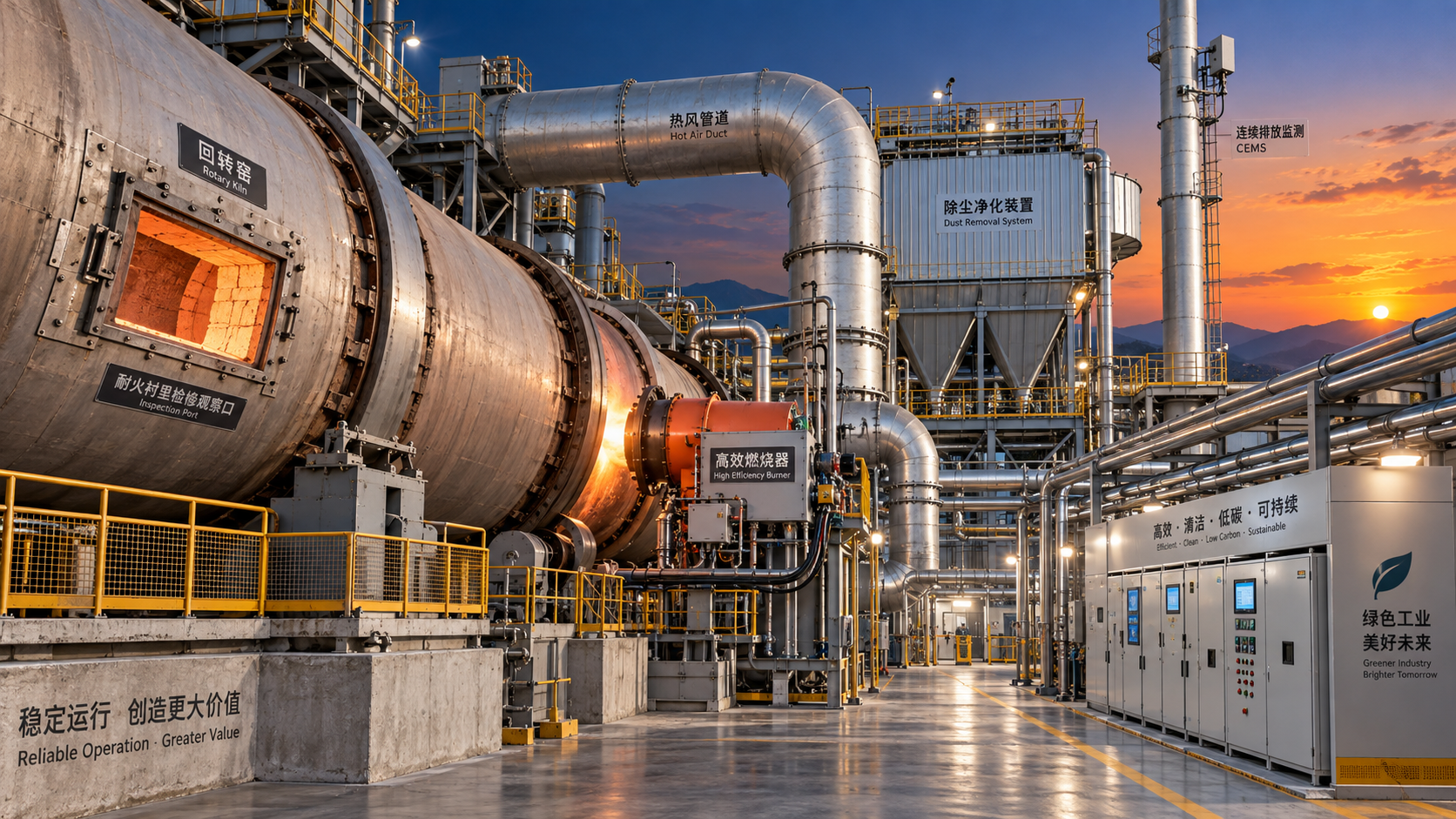
Technical approval increasingly depends on emissions thresholds, dust control expectations, energy targets, and regional policy shifts. The right platform should connect technical validation with these external requirements before rework becomes necessary.
What strong coverage looks like in practice
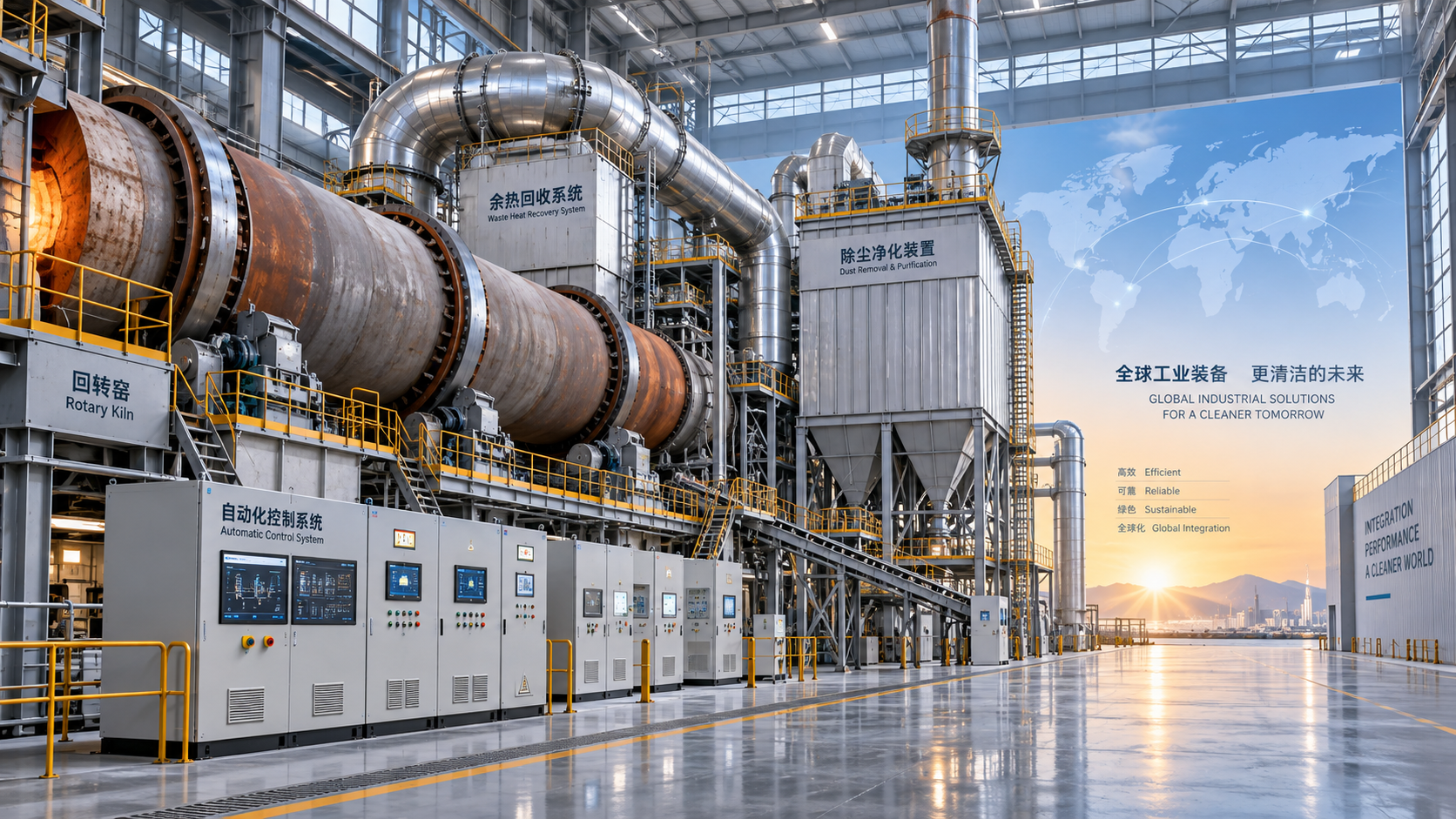
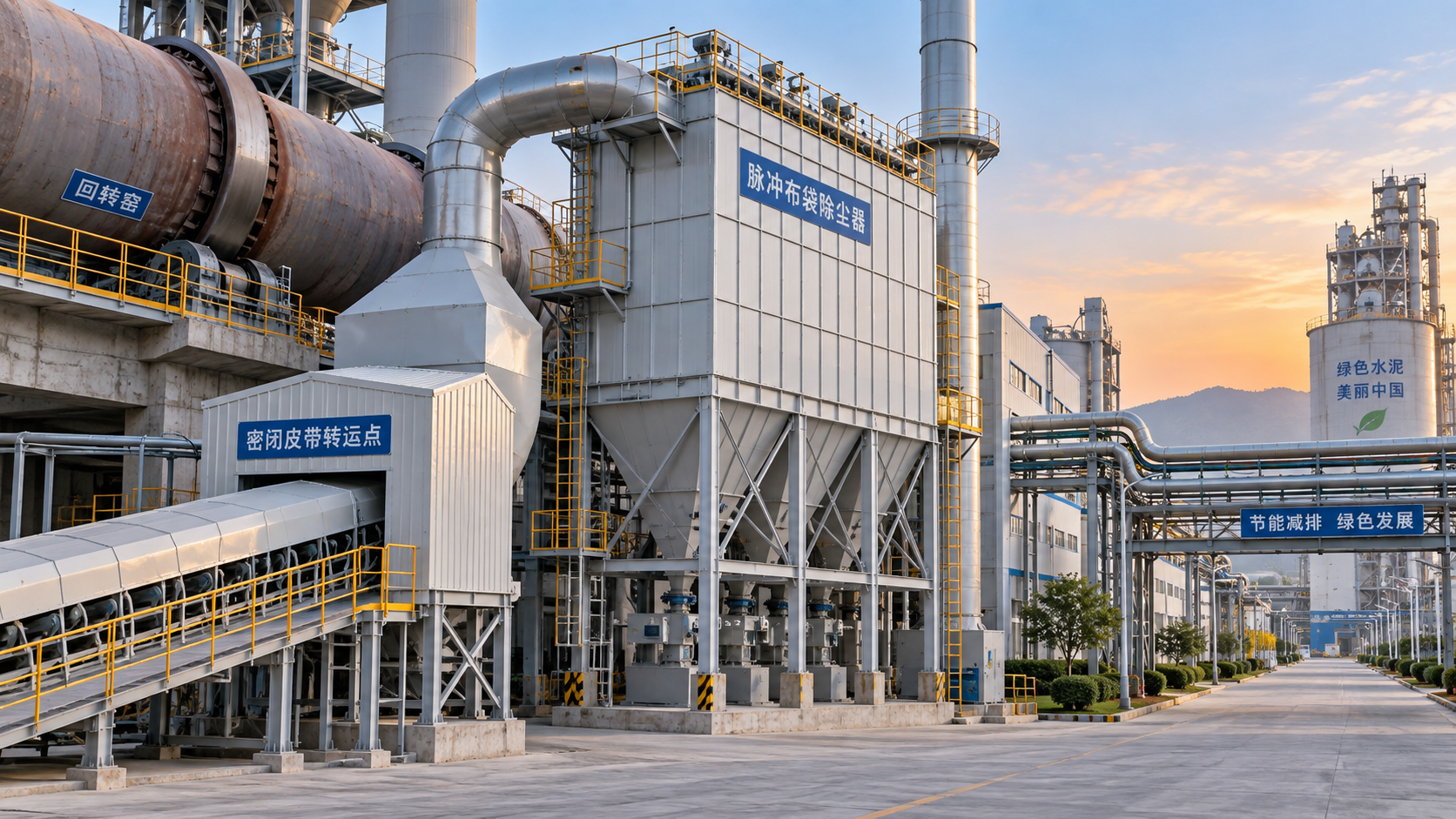
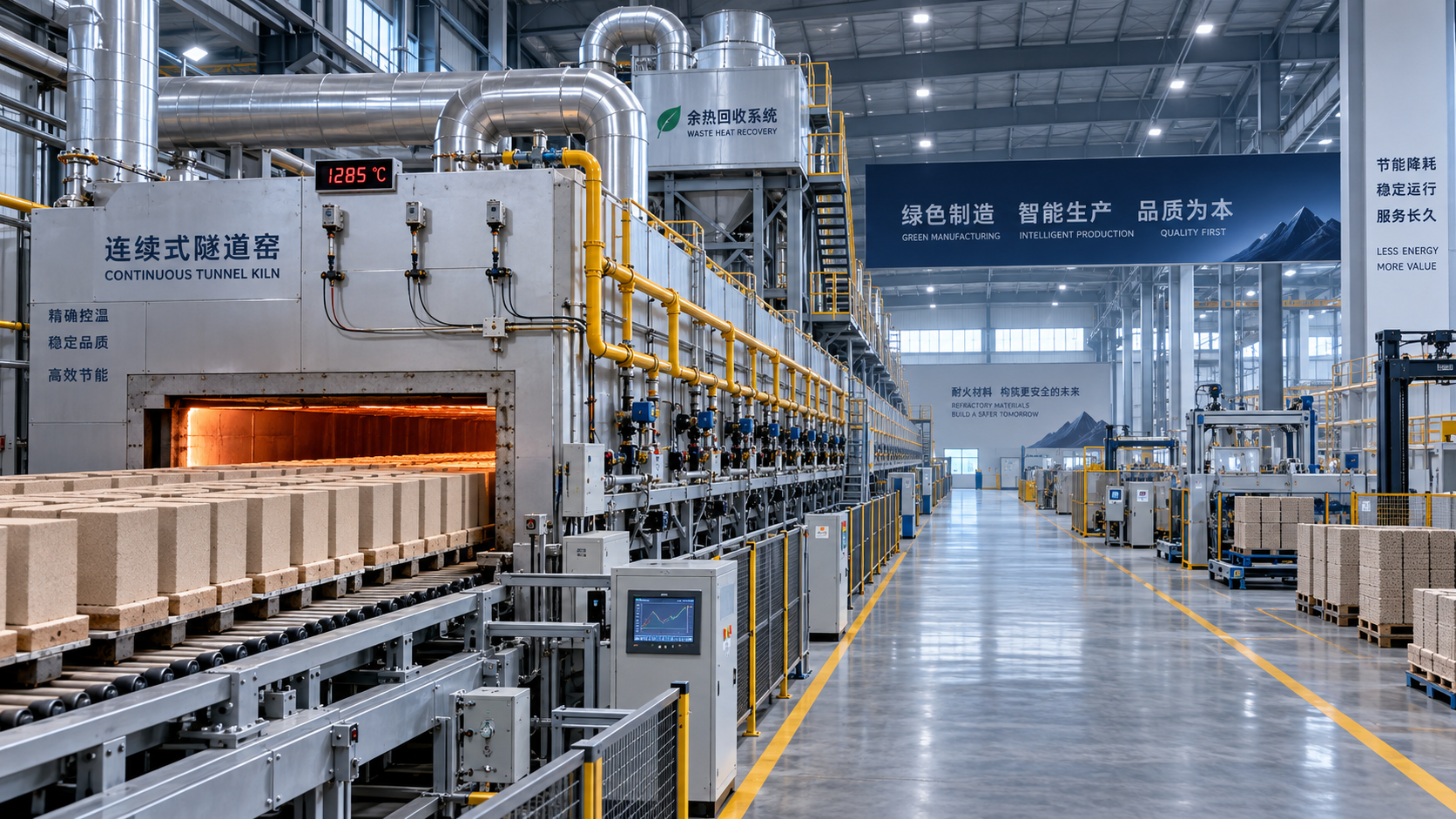
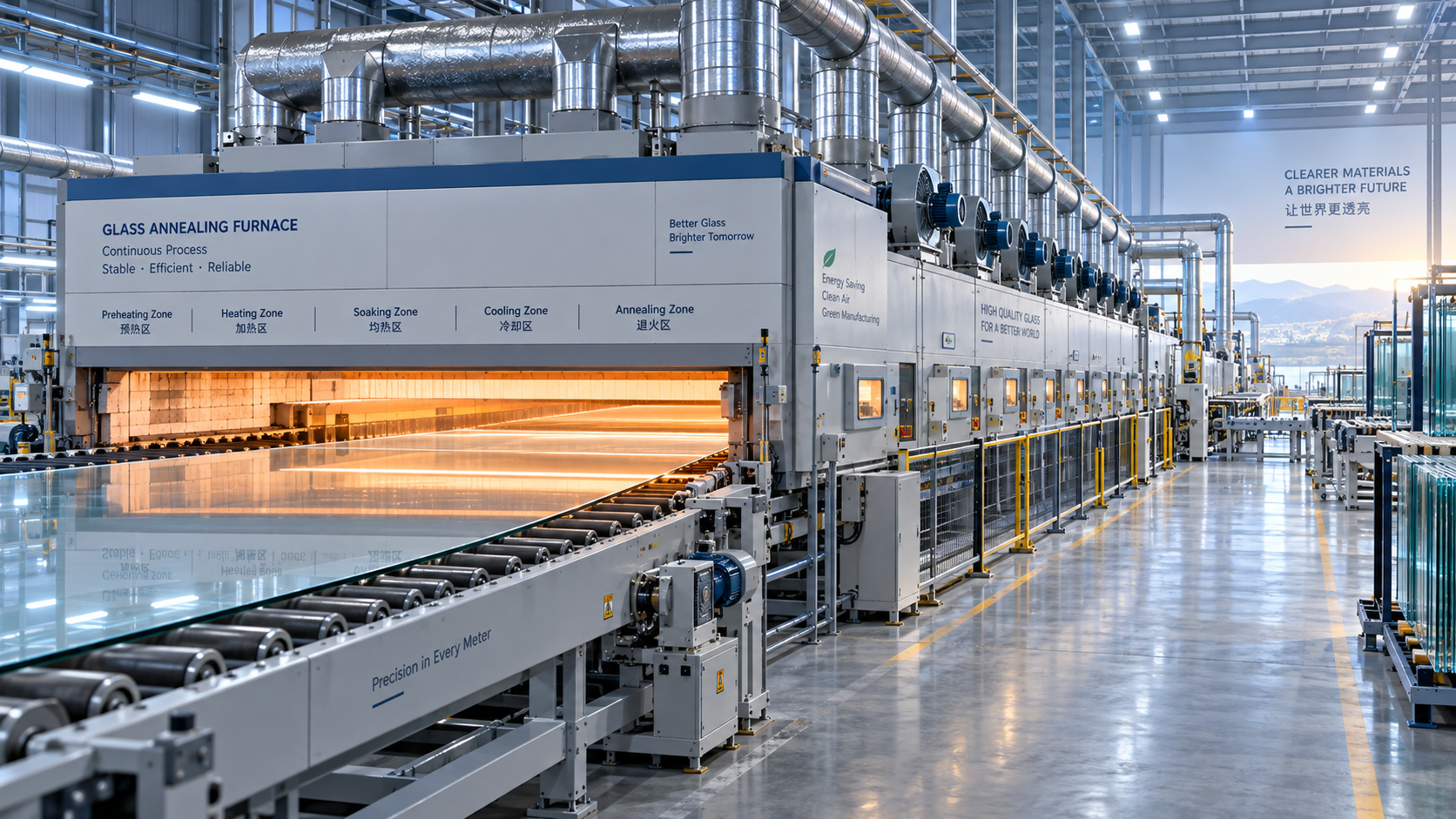
The most useful platforms do not treat industries as isolated boxes. They reveal how related thermal systems behave across different production environments, which is especially valuable when comparing solutions or adapting proven designs.
CF-Elite is positioned around that logic. Its focus on foundation materials and thermal management reflects a real market need: technical validation in heavy industry depends on stitched intelligence, not scattered data points.
This kind of cross-sector structure makes an industrial material science platform more useful during early validation, especially when a project sits between process design, equipment selection, and sustainability review.
Features that reduce uncertainty instead of adding noise
Many platforms collect information well but still slow down decision-making. The issue is usually not volume. It is weak filtering, missing context, or poor linkage between technical and commercial relevance.
A capable industrial material science platform should offer several things clearly.
- Search by operating condition, not only by material name or equipment category.
- Structured comparison between candidate materials, process routes, and system designs.
- Traceable source quality, including standards, field data, and expert interpretation.
- Regional compliance mapping tied to application scenarios.
- Trend reporting that explains why a technical shift matters commercially.
- Monitoring and simulation references that support pre-installation judgment.
CF-Elite’s Strategic Intelligence Center aligns well with that expectation. Its value is not simply in publishing sector news. It is in connecting process engineering, thermal design, refractory logic, and commercial insight into one usable decision environment.
Where technical validation usually breaks down
In real projects, delays often come from familiar gaps. A platform should help surface them early rather than leave them for site commissioning or late procurement review.
Context-free material claims
Performance data without application boundaries is risky. A refractory may perform well at one temperature profile and fail under thermal shock or alkali attack in another process.
Missing interaction effects
Kiln atmosphere, feed impurities, burner settings, and maintenance intervals can change outcomes sharply. An industrial material science platform should show these interaction effects wherever possible.
Compliance checked too late
Environmental and carbon constraints now shape technical feasibility. If these are reviewed only after design choices are made, the validation cycle becomes longer and more expensive.
No bridge between engineering and market reality
Some technically sound options remain impractical because supply chains, retrofit complexity, or regional demand trends do not support them. Practical validation requires both technical and market intelligence.
How to judge platform usefulness before relying on it
A quick evaluation framework helps. The goal is not to find the platform with the most content. It is to find the one that shortens judgment without weakening rigor.
- Check whether process data can be filtered by actual thermal and chemical conditions.
- Review how the platform handles uncertain or incomplete field evidence.
- See whether it connects equipment, materials, and compliance in one workflow.
- Look for expert commentary that explains tradeoffs, not just outcomes.
- Test whether cross-industry analogies are available and technically credible.
- Verify that updates reflect live regulatory and market movement.
An industrial material science platform becomes more valuable when it can support both early screening and deeper validation. That continuity matters in sectors where one assumption can affect energy efficiency, equipment life, and carbon exposure together.
A practical next step for stronger validation
Start with one recurring validation problem rather than a broad content review. It may be refractory selection for corrosive kiln zones, annealing consistency in specialty glass, or extrusion stability for lightweight materials.
Then map the decision chain. Identify which parameters matter, which failure modes are costly, which compliance signals can block progress, and which market shifts may change the preferred option.
From there, the right industrial material science platform should reveal whether it can connect those elements into one usable picture. That is the standard worth applying. Faster technical validation is not just about speed. It is about reaching defensible decisions with less uncertainty and better timing.
Related News
 Optical Glass Tech FellowHow Glass Furnace Emissions Are Measured and Controlled for Regulatory ComplianceGlass furnace emissions: learn how to measure, monitor, and control NOx, SOx, particulate, CO, and CO2 for reliable regulatory compliance.Oct 08, 2026
 Prof. Marcus ChenIndustrial Decarbonization Strategies in Europe: A Roadmap for Energy-Intensive PlantsIndustrial decarbonization strategies Europe: explore practical pathways for energy-intensive plants to cut emissions, improve efficiency, and protect performance.Oct 07, 2026
 Thermal Energy ArchitectEnergy-Efficient Silicate Production Lines: What to Compare Before SelectionSilicate production lines energy efficient selection guide: compare thermal performance, stability, emissions, controls, and lifecycle value before investing.Oct 06, 2026
 Optical Glass Tech FellowHow to Evaluate Automated Float Glass Lines for Capacity, Quality, and Energy UseEvaluate automated float glass lines for net capacity, consistent quality, energy efficiency, automation reliability, and lifecycle value. Explore key criteria for smarter investment decisions.Oct 05, 2026
 Thermal Energy ArchitectWhat Does CE Marking Require for an Energy-Efficient Industrial Kiln?Energy efficient kiln CE requirements explained: assess safety, technical files, energy performance, and EU compliance before purchase or commissioning.Oct 04, 2026
 Thermal Energy ArchitectRefractory Manufacturing Solutions for Brick Plants: How to Extend Kiln LifeRefractory manufacturing solutions for brick plant operations: discover proven strategies to extend kiln life, reduce heat loss, prevent lining failures, and plan cost-effective repairs.Oct 03, 2026
 Thermal Energy ArchitectHow to Specify Heavy Industrial Process Systems for High-Temperature PlantsHeavy industrial processes systems: learn how to specify high-temperature plants for efficiency, emissions control, maintainability, and lifecycle performance.Oct 02, 2026
 Structural Material AnalystHow Sustainable Material Extrusion Can Improve Wall Panel Durability and Design FlexibilityDiscover how sustainable material extrusion for wall panels improves durability, moisture resistance, design flexibility, and installation consistency for high-performing wall systems.Oct 01, 2026
 Thermal Energy ArchitectHow to Evaluate a High-Temperature Materials Manufacturer for Furnace ApplicationsChoose a high-temperature materials manufacturer with confidence: compare thermal performance, chemical resistance, quality controls, installation support, and lifecycle cost.Sep 30, 2026
 Ms. Elena RodriguezHow to Structure Global Specification Data for Faster Industrial Product EvaluationGlobal specification-oriented product information helps industrial teams compare capacity, energy, emissions, automation, and lifecycle data on a like-for-like basis for faster, confident equipment decisions.Sep 29, 2026
 Thermal Energy ArchitectHow to Specify High-Temperature Process Systems for Continuous Thermal OperationsHigh-temperature process engineering systems: learn how to specify resilient continuous thermal operations for efficiency, compliance, reliable uptime, and long-term performance.Sep 28, 2026
 Thermal Energy ArchitectHow to Evaluate a Thermal Engineering Contractor for High-Temperature Plant ProjectsChoose a thermal engineering contractor with proven process expertise, lifecycle value, emissions control, and delivery discipline for reliable high-temperature plant performance.Sep 27, 2026
 Silicate Process EngineerHow Latin American Cement Plants Can Reduce Dust Emissions in Kilns and Transfer PointsCement plant dust control Latin America: reduce kiln and transfer-point emissions with practical airflow, filtration, monitoring, and maintenance strategies.Sep 26, 2026
 Material Heat-Resist ExpertHow to Evaluate Refractory Production Lines for Output, Quality, and Energy UseRefractory production lines: learn how to assess qualified output, consistent quality, and total energy use for smarter, lower-risk investment decisions.Sep 25, 2026
 Dr. Alistair VaughnHow Waste Recycling Technology Improves Material Recovery in Industrial PlantsWaste recycling technology improves material recovery through source segregation, smart separation, thermal treatment, and quality control for industrial plants.Sep 24, 2026
 Optical Glass Tech FellowHow to Specify Glass Annealing Equipment for European Quality and Energy RequirementsGlass annealing equipment Europe: learn how to specify lehrs for consistent glass quality, energy efficiency, compliance, automation, and reliable long-term performance.Sep 23, 2026
 Optical Glass Tech FellowSilicate Process Automation: Improving Batch Consistency and Energy ControlSilicate process automation improves batch consistency, energy control, traceability, and operator confidence across high-temperature manufacturing operations.Sep 22, 2026
 Optical Glass Tech FellowHow Silicate Industrial Processes Control Viscosity, Energy Use, and Product QualitySilicate industrial processes: learn how viscosity, chemistry, heat transfer, and atmosphere control reduce energy use, improve stability, and protect product quality.Sep 21, 2026
 Thermal Energy ArchitectHow European Plants Can Evaluate Energy Recovery Equipment for High-Temperature ProcessesIndustrial energy recovery equipment Europe: learn how high-temperature plants can assess waste-heat sources, integration risks, lifecycle value, and reliable recovery routes.Sep 20, 2026
 Thermal Energy ArchitectIndustrial Furnace Process Optimization: Reducing Fuel Use Without Sacrificing ThroughputIndustrial process optimization furnace strategies that cut fuel use while protecting throughput. Explore combustion control, heat recovery, refractory performance, and data-driven efficiency gains.Sep 19, 2026







Related News
- 00
0000-00
How to Structure Global Specification Data for Faster Industrial Product Evaluation - 00
0000-00
What Drives High-Pressure Extrusion Equipment Cost in Industrial Projects? - 00
0000-00
How Should Buyers Evaluate Building Material Industry Intelligence Pricing? - 00
0000-00
How to Use Building Material Intelligence Data for Market and Investment Decisions - 00
0000-00
How to Evaluate a Silicate Processing Equipment Manufacturer for Plant Projects
Weekly Insights
Stay ahead with our curated technology reports delivered every Monday.