
Silicate Production Lines Price Breakdown: Capacity, Automation, and ROI Factors




Why does silicate production lines price vary so much between projects?
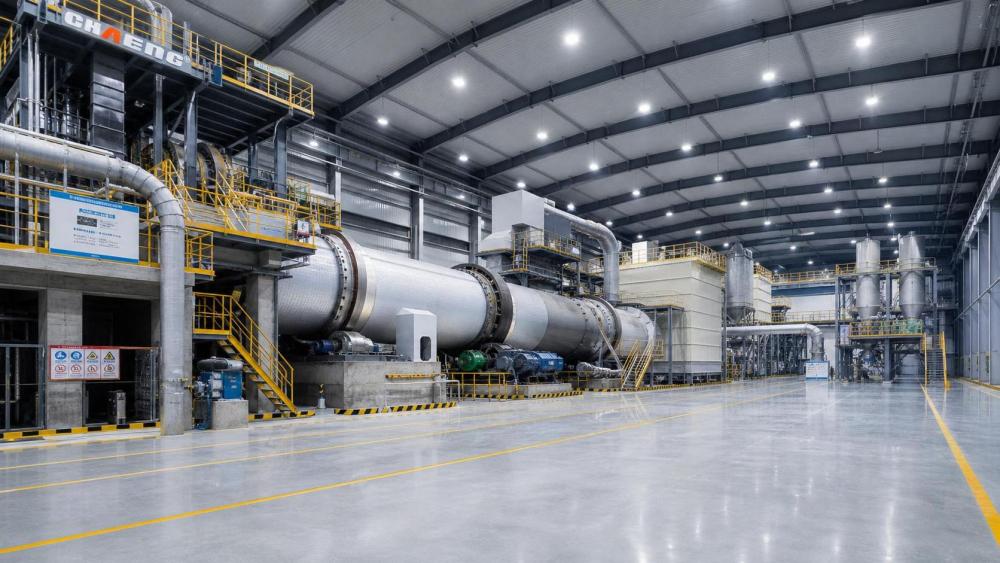
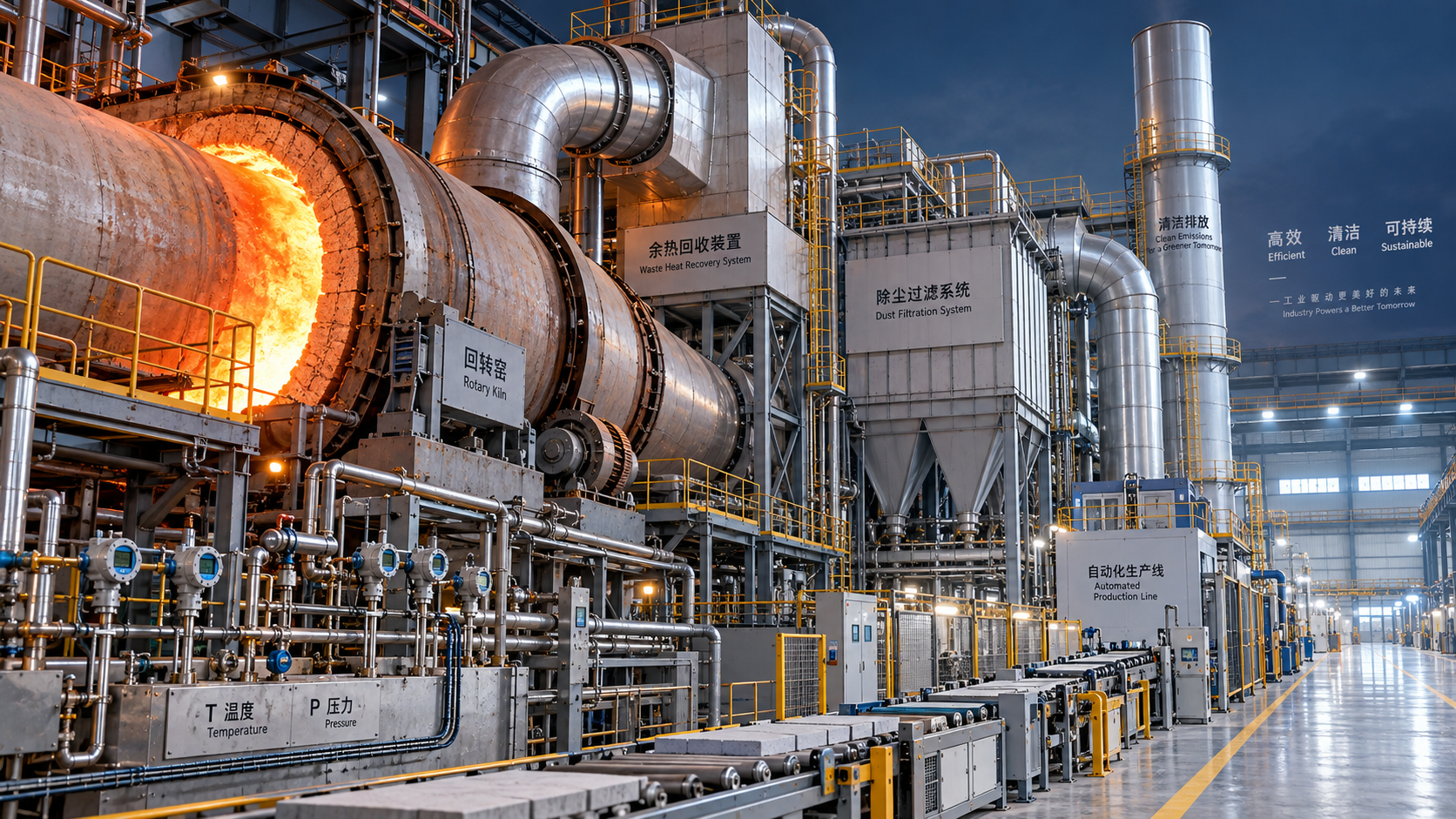
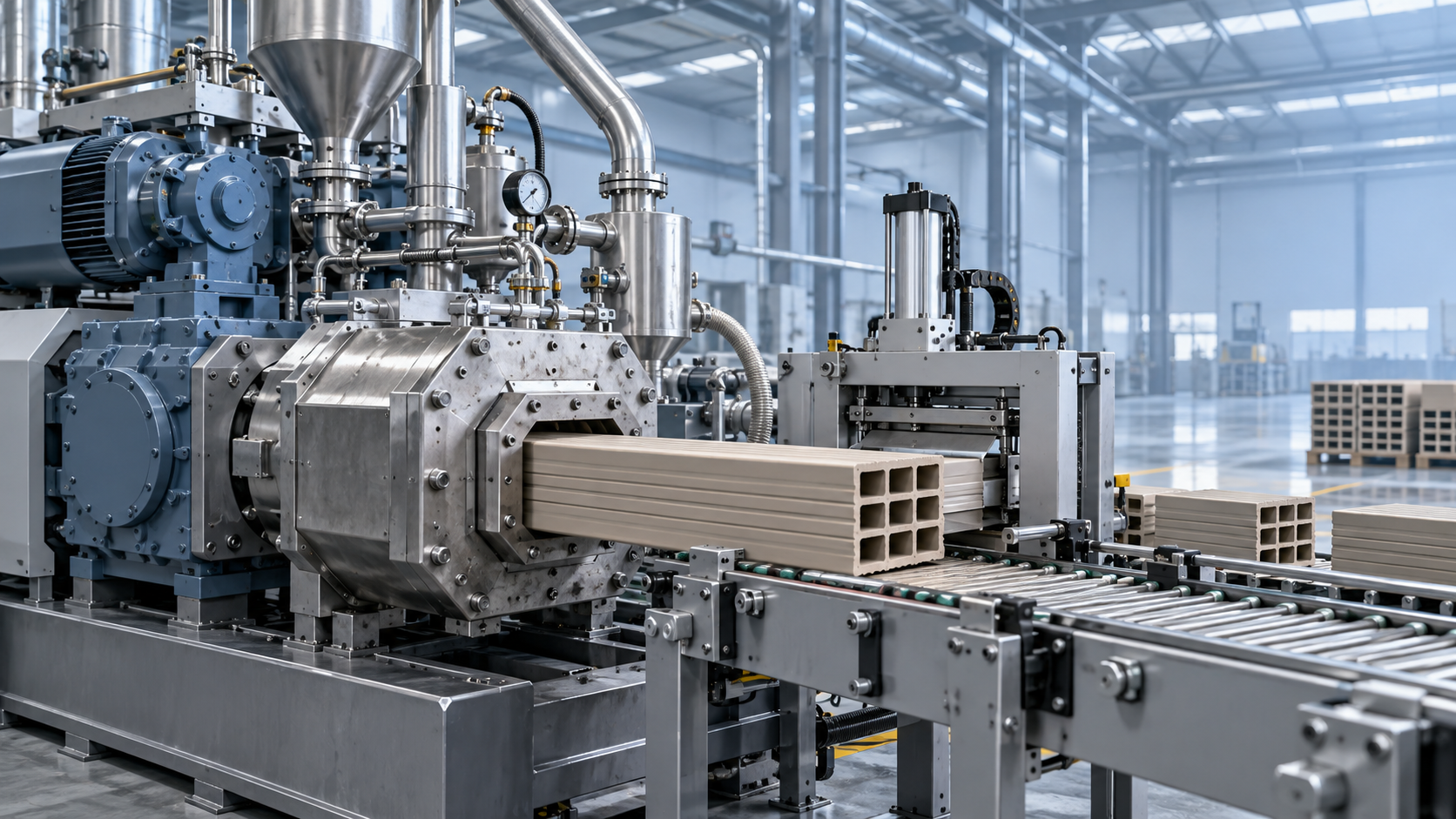
Silicate production lines price rarely reflects one machine or one workshop decision. It usually represents a full process chain, from raw material preparation to firing, cooling, handling, and emission control.
That is why two offers can look similar on the first page, yet differ sharply in total project value after engineering details are reviewed.
In practical terms, a price quote is shaped by output targets, process stability, energy structure, automation scope, and environmental compliance.
For large-scale thermal industries, CF-Elite often frames the question differently: not “What is the quoted line price?” but “What physical, chemical, and operating assumptions are embedded in that price?”
This matters because silicate systems sit close to the same decision logic seen in cement plants, glass lines, kilns, refractory production, and extrusion equipment.
The shared pattern is simple. Higher thermal precision, stronger process integration, and tighter carbon-control requirements usually push the capital number upward.
At the same time, those additions can improve yield, reduce downtime, and lower fuel intensity, which changes the investment case.
So when reviewing silicate production lines price, the useful question is not whether one line is expensive. The useful question is whether the cost structure matches the intended operating model.
How much does capacity really change the price structure?
Capacity is usually the first visible driver, but it does not increase cost in a perfectly linear way.
A medium-capacity line may need many of the same functional sections as a larger line. That means some engineering, controls, and environmental systems are already required before output expands.
Because of that, larger projects often show a lower unit investment per ton, even though the total silicate production lines price is much higher.
Capacity decisions usually affect these areas most:
- Raw material storage and dosing volume
- Kiln or furnace dimensions and thermal load
- Cooling, conveying, and packaging throughput
- Dust collection, waste heat handling, and utility sizing
- Foundation, steel structure, and installation workload
A common mistake is selecting future capacity too aggressively. Idle design capacity can weaken return on investment if market demand develops slower than expected.
A second mistake is sizing too narrowly. If debottlenecking later requires kiln upgrades, larger fans, or control rewrites, the later expansion can become more expensive than a staged original design.
More balanced projects usually define base capacity, peak capacity, and expansion path before discussing the final silicate production lines price.
A quick comparison often helps
Does more automation always justify a higher silicate production lines price?
Not always, but in many heavy thermal processes, automation changes the economics more than the hardware list suggests.
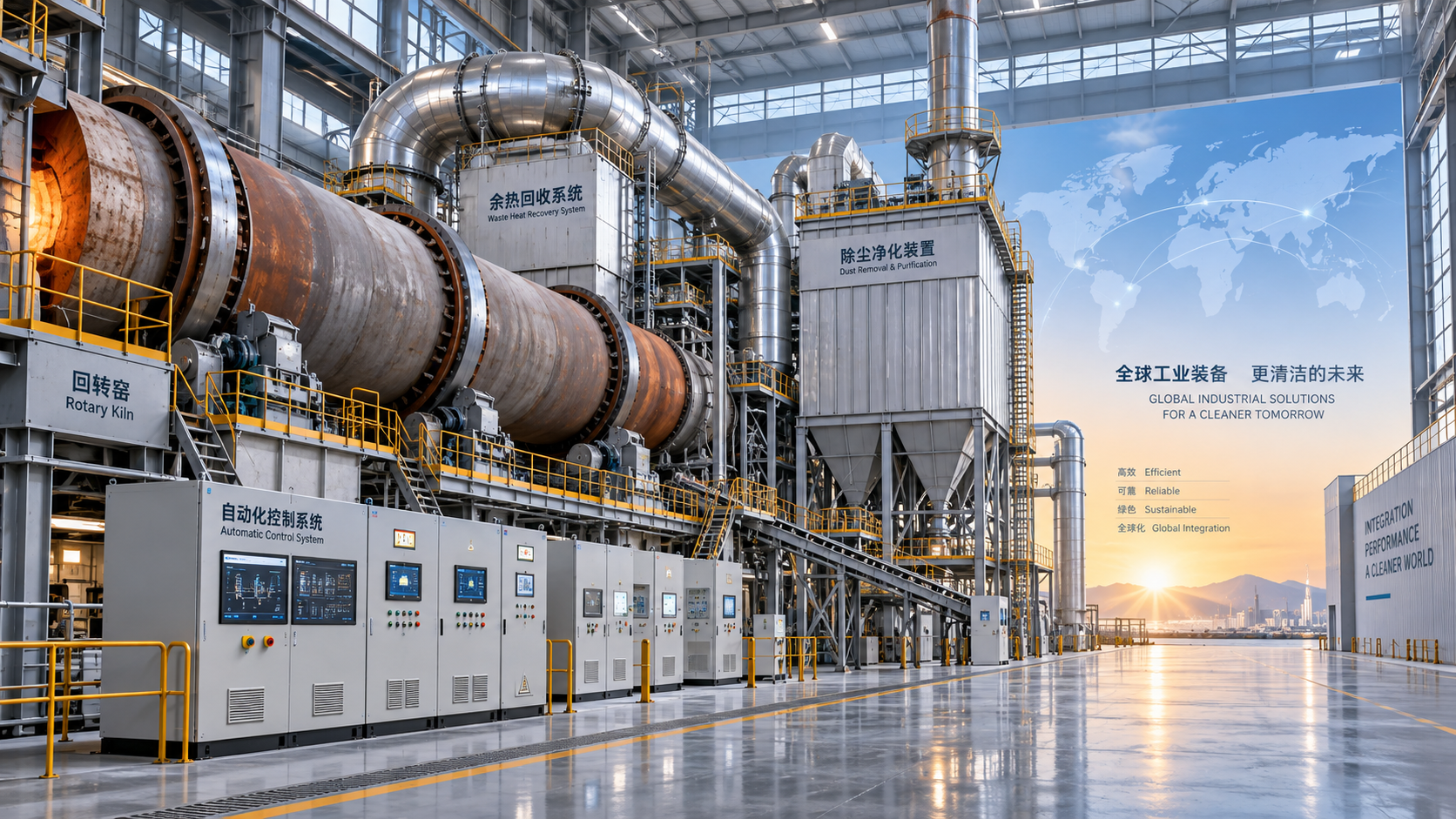
Basic automation covers interlocks, safety logic, and standard production monitoring. Advanced automation adds recipe control, quality traceability, predictive maintenance, and energy optimization.
The price gap between those levels can be significant. Still, the real question is how sensitive the process is to human variation.
For silicate lines with tight firing windows, fluctuating feed chemistry, or strict product uniformity targets, automation often protects both output and margin.
This is one reason CF-Elite’s industry analysis frequently links digital supervision with broader themes like decarbonization and process intelligence.
Better controls can reduce overburning, stabilize residence time, and improve fuel use. That lowers hidden operating costs that rarely appear in the first price discussion.
However, adding every available control module is not automatically wise. A line should only carry automation that operators can maintain, use, and integrate into daily decisions.
A sensible review usually asks:
- Which variables most affect product consistency?
- Where do shutdowns usually start?
- Can energy data be tied to batch quality?
- Will spare parts and technical support remain available locally?
If those answers are clear, a higher silicate production lines price from automation can be commercially justified rather than treated as an optional premium.
Where do energy efficiency and raw material flexibility enter the cost equation?
They enter earlier than many buyers expect. In some projects, they decide the better offer even before civil work is finalized.
A lower silicate production lines price can become less attractive if the line depends on narrow feed specifications or consumes excessive thermal energy.
Raw material adaptability matters because silicate operations often face variable mineral quality, moisture changes, impurity shifts, and regional sourcing constraints.
If the line cannot absorb those variations, the apparent savings from lower capital cost may be lost through waste, unstable quality, and frequent process correction.
Energy efficiency has become even more central as fuel cost volatility and carbon rules tighten across global industrial markets.
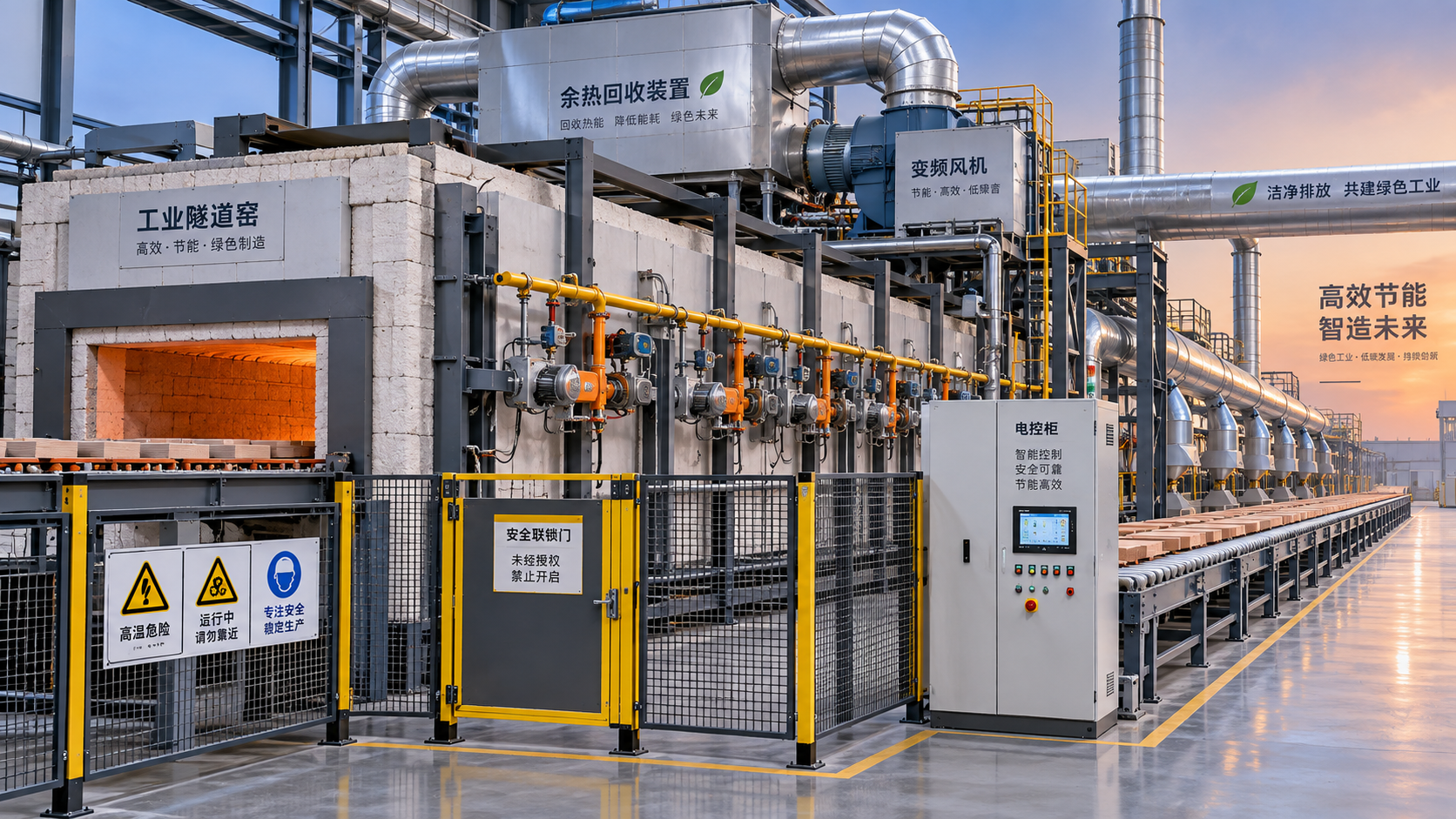
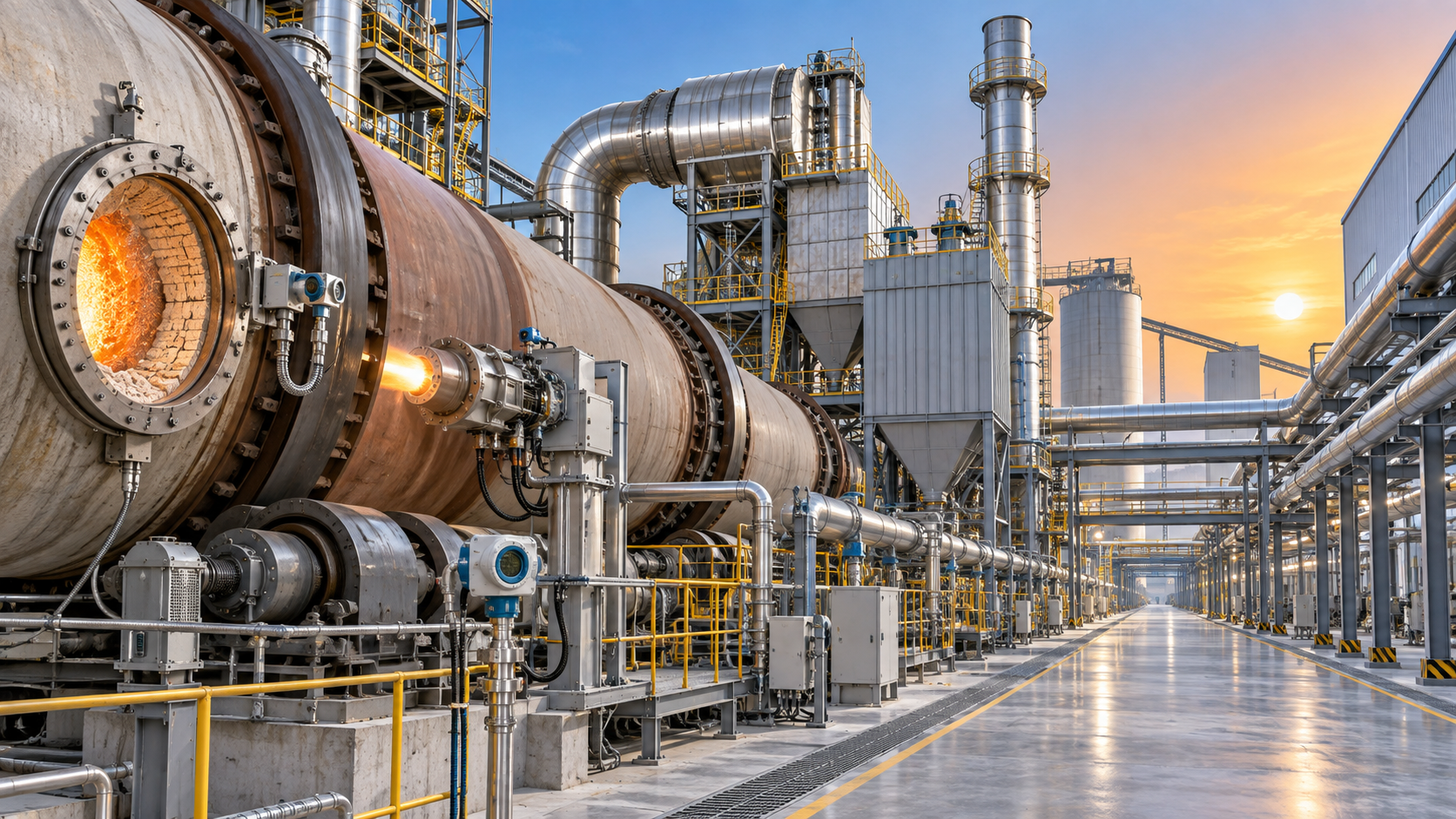
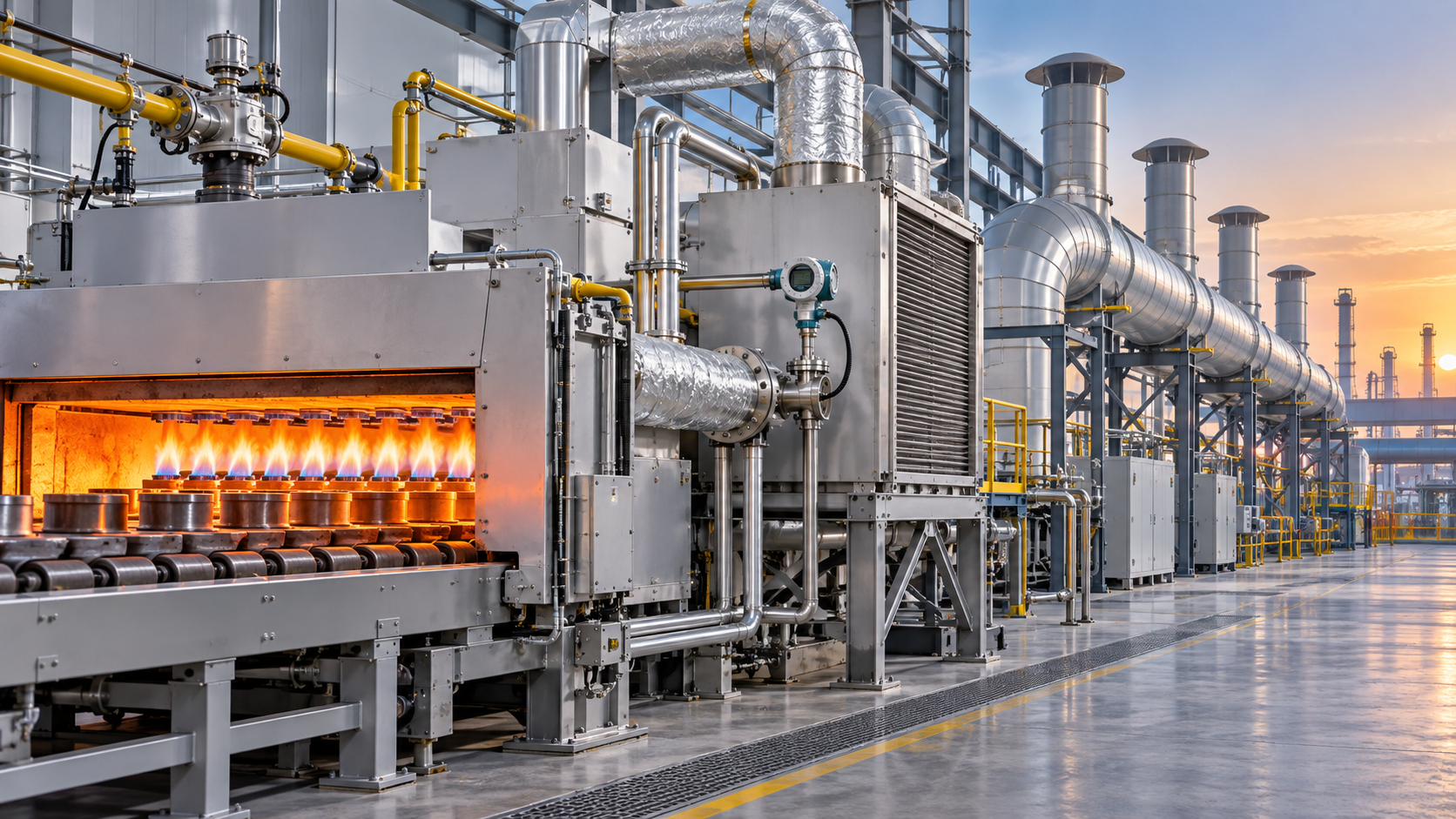
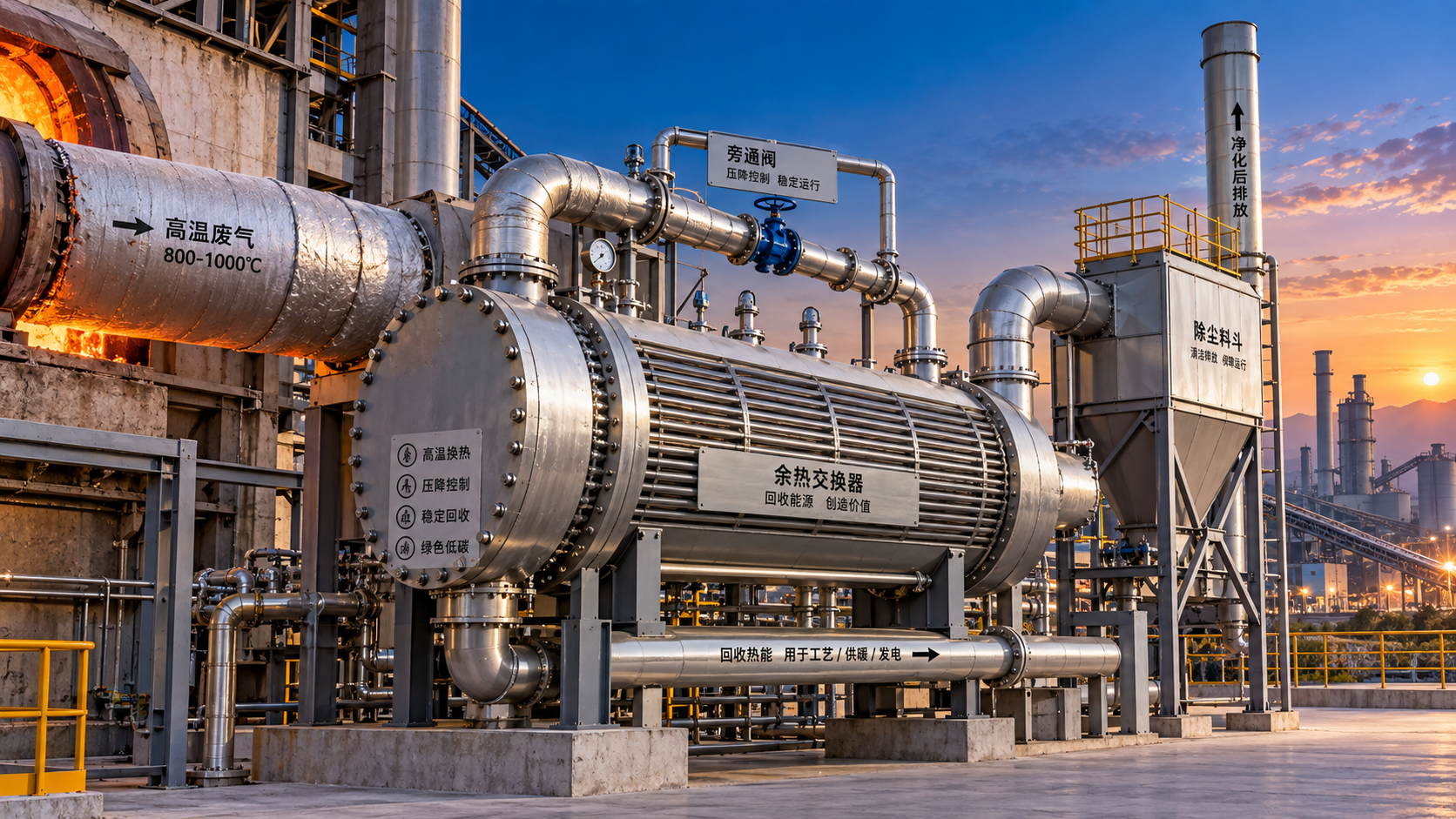
In practice, the most relevant checks include burner design, insulation performance, waste heat recovery potential, combustion control, and continuous monitoring of high-temperature zones.
This perspective aligns with the broader CF-Elite view of foundation materials and thermal management. The line is not only a production asset. It is also an energy conversion system.
That is why the best silicate production lines price assessment combines equipment scope with long-cycle operating assumptions, especially where green building materials and emissions performance influence market access.
What hidden costs are commonly missed when comparing suppliers?
This is where many evaluations become misleading. A quote can look competitive because several expensive items sit outside the supplier’s base scope.
The most overlooked cost areas are usually not dramatic. They are fragmented, technical, and easy to underestimate during early screening.
Watch these items carefully before judging silicate production lines price:
- Civil works, foundations, and seismic design requirements
- Utility infrastructure for gas, power, compressed air, and water treatment
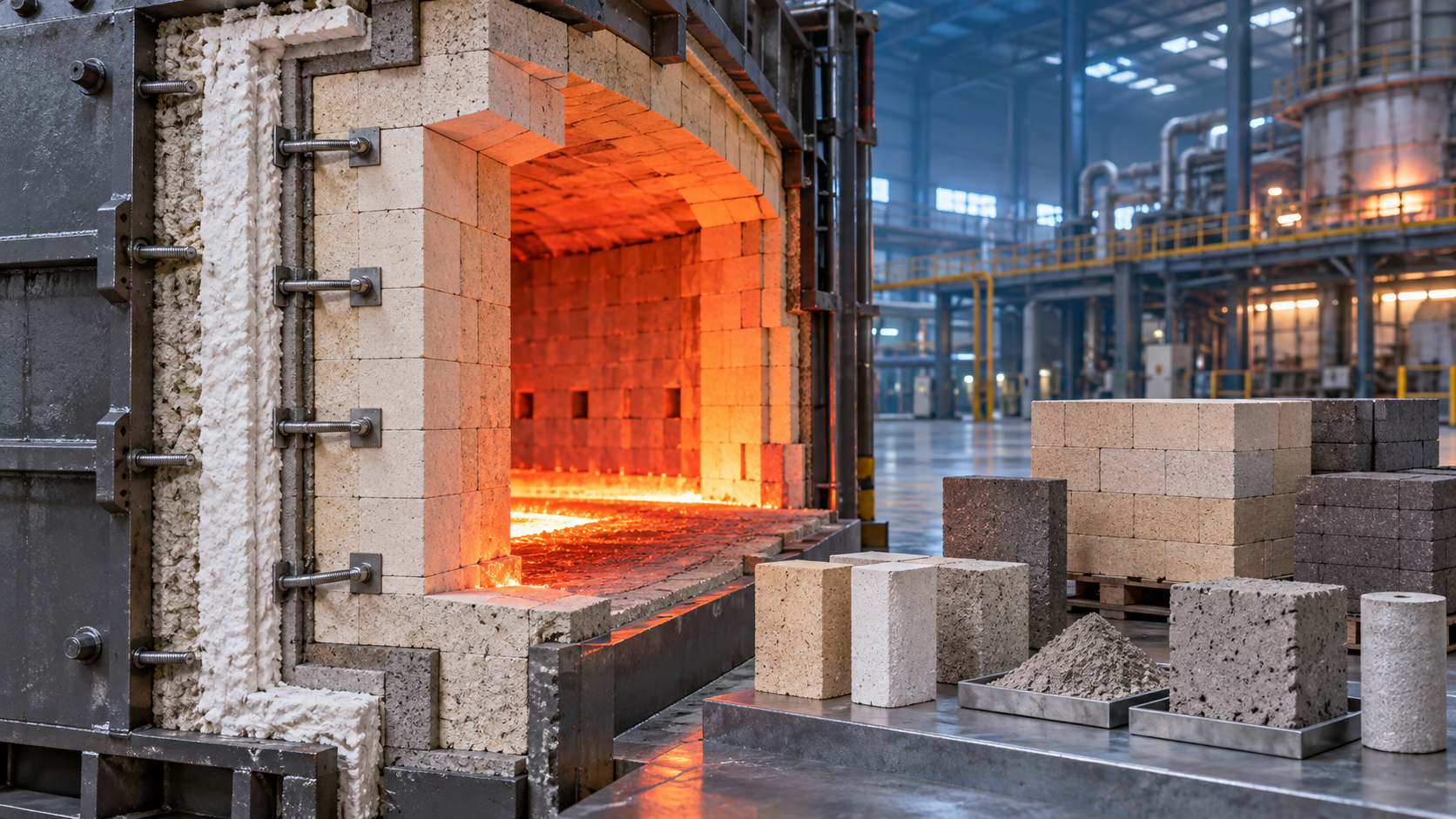
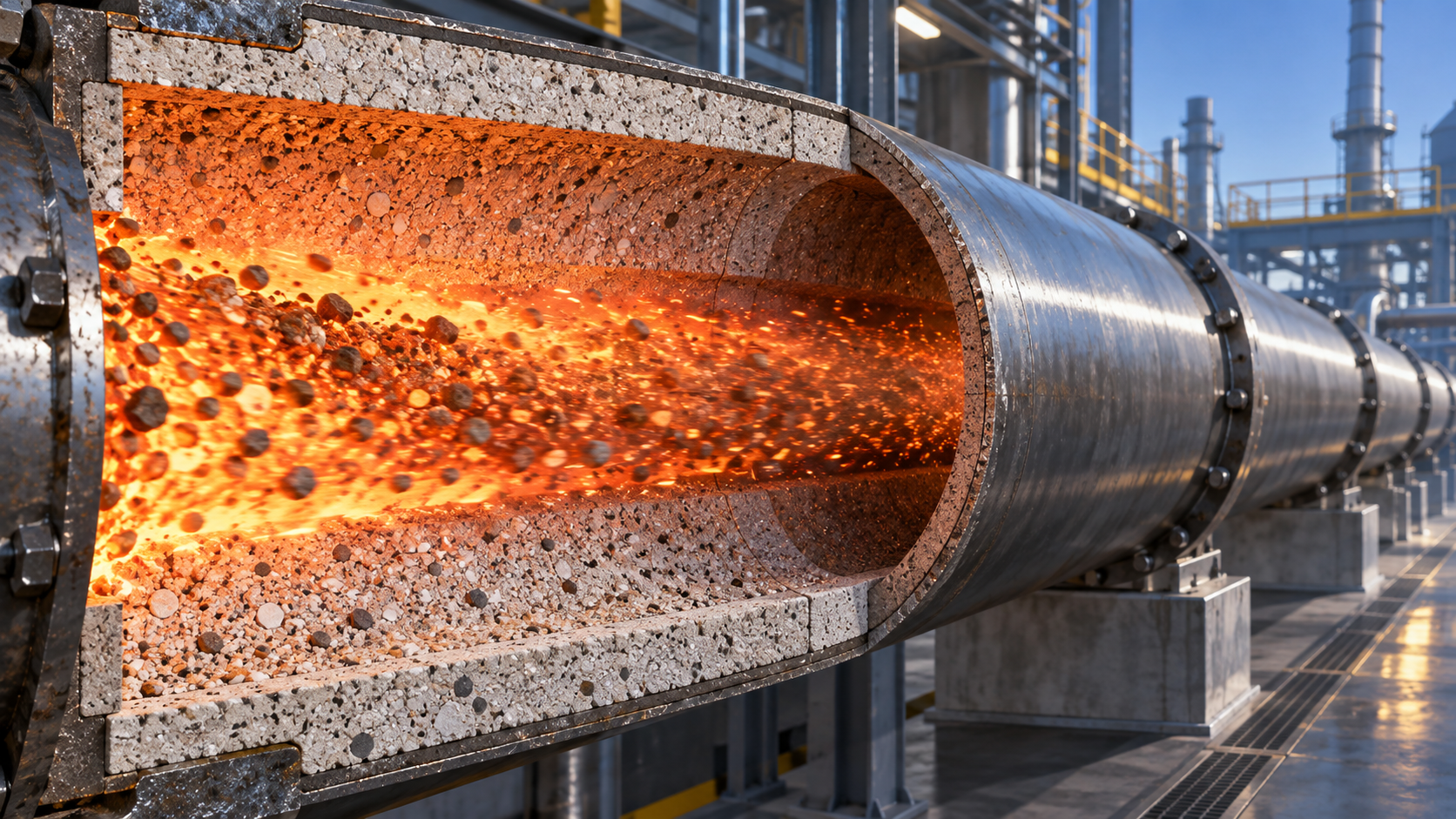
- Refractory lining life and replacement intervals
- Commissioning duration and trial material consumption
- Emission control upgrades required by local permits
- Operator training, software licensing, and remote diagnostics
- Critical spare parts package for the first operating year
Another overlooked area is performance guarantee wording. Capacity, fuel consumption, product quality, and acceptance tests should be defined in measurable terms.
Without that, a lower upfront silicate production lines price may simply transfer technical risk into the operating phase.
A practical screening table
How should ROI be judged when the line is expected to run for years?
ROI should be built from operating reality, not from headline price alone.
A useful model combines capital expenditure with throughput stability, fuel intensity, maintenance cycles, labor structure, and expected utilization.
For many industrial projects, payback shifts more from uptime and energy control than from small differences in the initial silicate production lines price.
It also helps to test three scenarios instead of one forecast:
- Base case with normal raw material quality and expected demand
- Conservative case with slower ramp-up and higher energy costs
- Expansion case with improved utilization after market growth
That approach usually reveals whether a cheaper line remains attractive under stress, or whether a more advanced line protects margin better over time.
In sectors touched by urban renewal, resource circularity, and stricter emissions policy, long-term competitiveness increasingly depends on process intelligence as much as mechanical output.
That is why market observers such as CF-Elite emphasize the connection between thermal efficiency, digital monitoring, and commercial resilience.
When the evaluation is done well, silicate production lines price becomes one part of a broader investment logic, not the final decision by itself.
So what is the smartest next step before requesting final quotations?
Start by converting broad demand into a short technical-commercial brief. This should define target output, raw material range, energy source, product quality window, and environmental obligations.
Then compare suppliers against the same assumptions. Without a common basis, silicate production lines price comparisons are often distorted by missing scope or different design boundaries.
It also helps to request lifecycle data, not just equipment lists. Ask for utility consumption, refractory life, maintenance philosophy, automation architecture, and expected ramp-up period.
The strongest decisions usually come from matching three things: capacity realism, automation usefulness, and ROI under variable operating conditions.
If those points are clear, the silicate production lines price discussion becomes more transparent, more comparable, and far more useful for long-cycle industrial planning.
A disciplined review now can prevent expensive redesign, underperformance, or compliance upgrades later. That is usually the difference between buying equipment and building a durable production asset.
Related News
 Optical Glass Tech FellowHow to Evaluate Automated Float Glass Lines for Capacity, Quality, and Energy UseEvaluate automated float glass lines for net capacity, consistent quality, energy efficiency, automation reliability, and lifecycle value. Explore key criteria for smarter investment decisions.Oct 05, 2026
 Thermal Energy ArchitectWhat Does CE Marking Require for an Energy-Efficient Industrial Kiln?Energy efficient kiln CE requirements explained: assess safety, technical files, energy performance, and EU compliance before purchase or commissioning.Oct 04, 2026
 Thermal Energy ArchitectRefractory Manufacturing Solutions for Brick Plants: How to Extend Kiln LifeRefractory manufacturing solutions for brick plant operations: discover proven strategies to extend kiln life, reduce heat loss, prevent lining failures, and plan cost-effective repairs.Oct 03, 2026
 Thermal Energy ArchitectHow to Specify Heavy Industrial Process Systems for High-Temperature PlantsHeavy industrial processes systems: learn how to specify high-temperature plants for efficiency, emissions control, maintainability, and lifecycle performance.Oct 02, 2026
 Structural Material AnalystHow Sustainable Material Extrusion Can Improve Wall Panel Durability and Design FlexibilityDiscover how sustainable material extrusion for wall panels improves durability, moisture resistance, design flexibility, and installation consistency for high-performing wall systems.Oct 01, 2026
 Thermal Energy ArchitectHow to Evaluate a High-Temperature Materials Manufacturer for Furnace ApplicationsChoose a high-temperature materials manufacturer with confidence: compare thermal performance, chemical resistance, quality controls, installation support, and lifecycle cost.Sep 30, 2026
 Ms. Elena RodriguezHow to Structure Global Specification Data for Faster Industrial Product EvaluationGlobal specification-oriented product information helps industrial teams compare capacity, energy, emissions, automation, and lifecycle data on a like-for-like basis for faster, confident equipment decisions.Sep 29, 2026
 Thermal Energy ArchitectHow to Specify High-Temperature Process Systems for Continuous Thermal OperationsHigh-temperature process engineering systems: learn how to specify resilient continuous thermal operations for efficiency, compliance, reliable uptime, and long-term performance.Sep 28, 2026
 Thermal Energy ArchitectHow to Evaluate a Thermal Engineering Contractor for High-Temperature Plant ProjectsChoose a thermal engineering contractor with proven process expertise, lifecycle value, emissions control, and delivery discipline for reliable high-temperature plant performance.Sep 27, 2026
 Silicate Process EngineerHow Latin American Cement Plants Can Reduce Dust Emissions in Kilns and Transfer PointsCement plant dust control Latin America: reduce kiln and transfer-point emissions with practical airflow, filtration, monitoring, and maintenance strategies.Sep 26, 2026
 Material Heat-Resist ExpertHow to Evaluate Refractory Production Lines for Output, Quality, and Energy UseRefractory production lines: learn how to assess qualified output, consistent quality, and total energy use for smarter, lower-risk investment decisions.Sep 25, 2026
 Dr. Alistair VaughnHow Waste Recycling Technology Improves Material Recovery in Industrial PlantsWaste recycling technology improves material recovery through source segregation, smart separation, thermal treatment, and quality control for industrial plants.Sep 24, 2026
 Optical Glass Tech FellowHow to Specify Glass Annealing Equipment for European Quality and Energy RequirementsGlass annealing equipment Europe: learn how to specify lehrs for consistent glass quality, energy efficiency, compliance, automation, and reliable long-term performance.Sep 23, 2026
 Optical Glass Tech FellowSilicate Process Automation: Improving Batch Consistency and Energy ControlSilicate process automation improves batch consistency, energy control, traceability, and operator confidence across high-temperature manufacturing operations.Sep 22, 2026
 Optical Glass Tech FellowHow Silicate Industrial Processes Control Viscosity, Energy Use, and Product QualitySilicate industrial processes: learn how viscosity, chemistry, heat transfer, and atmosphere control reduce energy use, improve stability, and protect product quality.Sep 21, 2026
 Thermal Energy ArchitectHow European Plants Can Evaluate Energy Recovery Equipment for High-Temperature ProcessesIndustrial energy recovery equipment Europe: learn how high-temperature plants can assess waste-heat sources, integration risks, lifecycle value, and reliable recovery routes.Sep 20, 2026
 Thermal Energy ArchitectIndustrial Furnace Process Optimization: Reducing Fuel Use Without Sacrificing ThroughputIndustrial process optimization furnace strategies that cut fuel use while protecting throughput. Explore combustion control, heat recovery, refractory performance, and data-driven efficiency gains.Sep 19, 2026
 Ms. Elena RodriguezWhat Drives High-Pressure Extrusion Equipment Cost in Industrial Projects?High pressure extrusion equipment cost explained: compare pressure, die design, automation, wear, energy, and installation factors for smarter industrial investments.Sep 18, 2026
 Thermal Energy ArchitectHow to Size a Waste Heat Recovery Exchanger for High-Temperature Kiln Exhaust?Waste heat recovery exchanger sizing for high-temperature kiln exhaust: balance recoverable duty, fouling, corrosion limits, pressure drop, and reliable heat use.Sep 17, 2026
 Thermal Energy ArchitectWhy Heat-Resistant Materials Lose Abrasion Resistance at High TemperaturesHeat-resistant materials abrasion resistance can decline at high temperatures. Discover the thermal, chemical, and mechanical causes of wear—and how to choose longer-lasting linings.Sep 16, 2026

Related News
- 00
0000-00
How to Evaluate Refractory Production Lines for Output, Quality, and Energy Use - 00
0000-00
What Determines Refractory Production Line Price in a Turnkey Plant Project? - 00
0000-00
How to Evaluate a Silicate Production Line for Capacity, Energy Use, and Product Quality - 00
0000-00
Silicate Production Line Process Explained: Key Stages, Equipment, and Quality Control - 00
0000-00
How to Evaluate a Refractory Production Line in Southeast Asia: Capacity, Fuel, and Raw Material Factors
Weekly Insights
Stay ahead with our curated technology reports delivered every Monday.