
Heat-Resistant Materials for High-Temperature Equipment: Types, Limits, and Best-Fit Uses




Why do heat-resistant materials matter so much in high-temperature equipment?
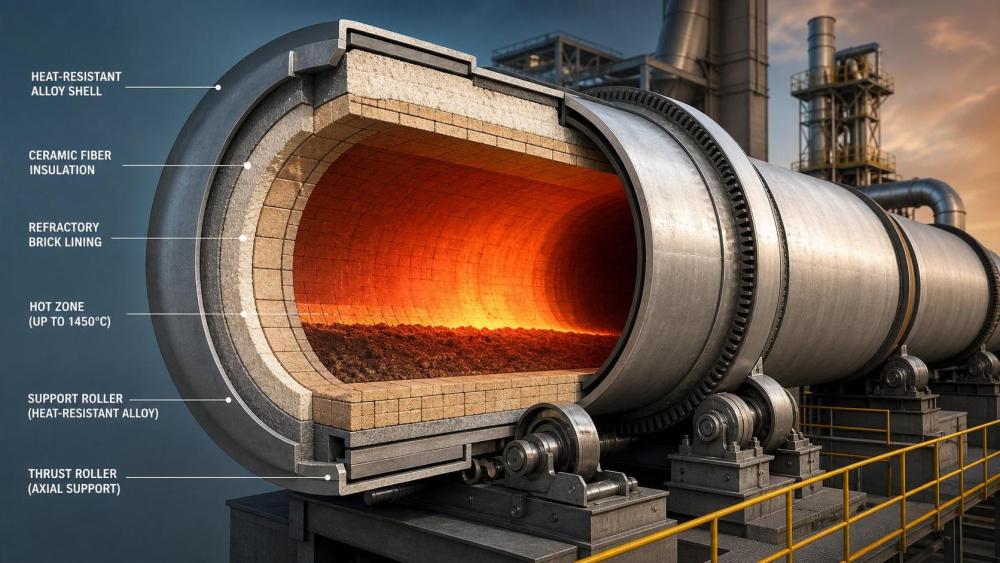
Heat-resistant materials high temperature systems rely on are not just protective layers. They shape equipment life, fuel use, process stability, and shutdown frequency.
In kilns, incinerators, glass furnaces, and extrusion lines, the wrong material rarely fails quietly. It usually cracks, scales, warps, or loses strength under repeated thermal stress.
That is why material choice should start with operating reality, not with a catalog temperature alone.
A lining rated for 1400 degrees C may still underperform if alkali vapors, abrasion, flame impingement, or thermal cycling are severe.
CF-Elite follows this issue closely across cement production plants, glass manufacturing gear, industrial kilns, refractory lines, and new building material extrusion.
The practical lesson is consistent. Matching heat-resistant materials high temperature conditions require means balancing heat, chemistry, mechanical load, and maintenance strategy together.
When people say heat-resistant materials, what kinds are they really talking about?
The term covers several material families, and each behaves differently once temperatures rise.
For everyday plant decisions, it helps to separate them into four broad groups.
- Refractories: fireclay, high-alumina, silica, magnesia, spinel, and castables used for linings, burner zones, kiln hoods, and furnace walls.
- Heat-resistant alloys: stainless steels, nickel alloys, and Fe-Cr-Al grades used in trays, fixtures, ducts, anchors, and radiant tubes.
- Ceramic components: silicon carbide, alumina ceramics, cordierite, and zirconia used where wear resistance or dimensional stability is critical.
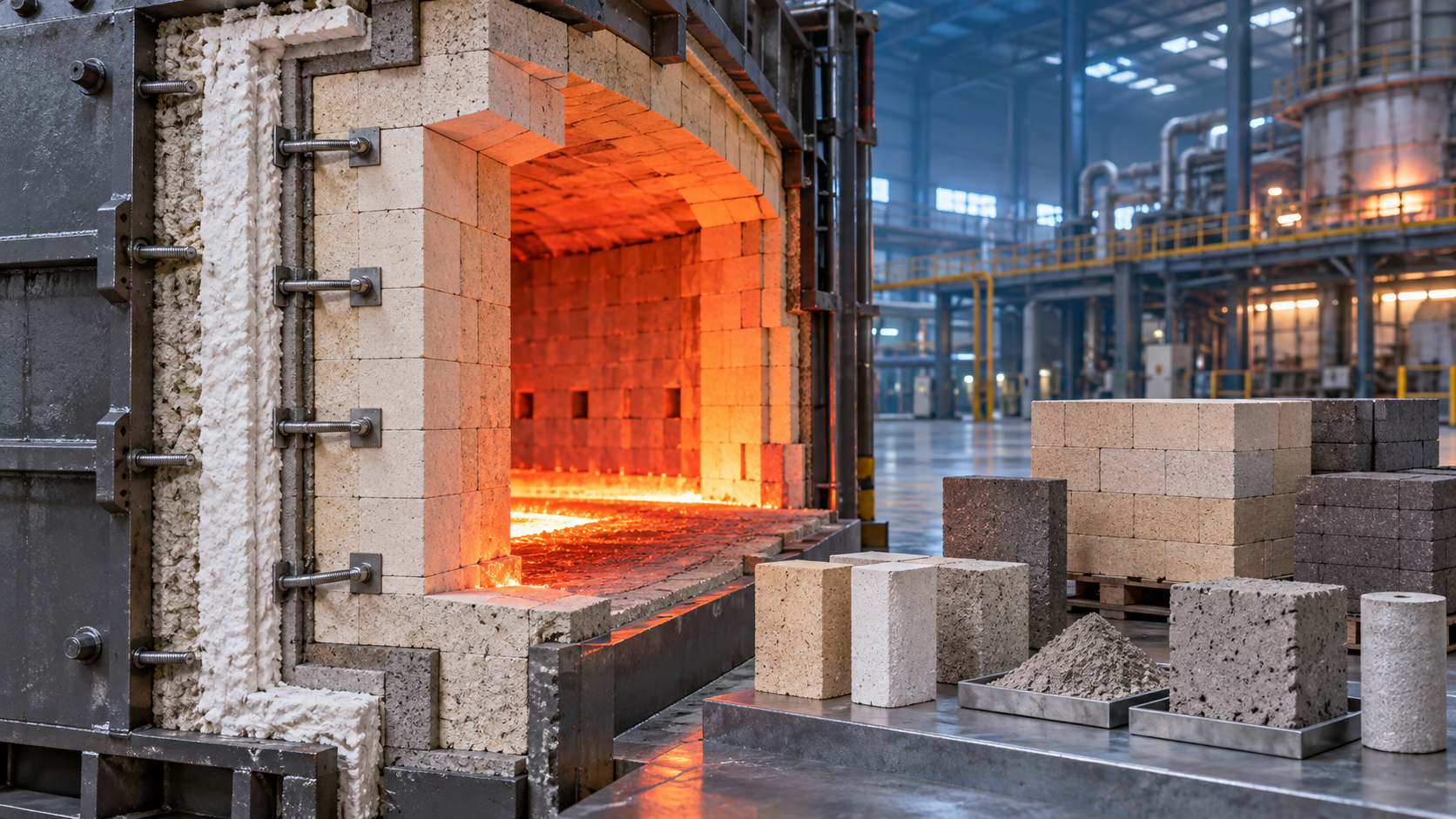
- Insulation materials: ceramic fiber, microporous panels, and insulating bricks used to reduce shell temperature and energy loss.
These groups are often combined in layers. A dense hot-face refractory may handle flame and slag, while insulation behind it controls heat loss.
The same logic appears in glass lines and incineration systems. A metal shell carries structure, but ceramic or refractory materials defend against direct heat.
So the better question is not which material is best overall. It is which combination best fits the equipment zone.
How high is “high temperature,” and where do common materials start to struggle?
This is where many selection mistakes begin. Maximum service temperature is useful, but it is not the whole story.
Some materials tolerate high peak heat, yet degrade quickly under cycling, corrosion, or load.
The table is a working guide, not a universal rule. Exact limits depend on atmosphere, load, hold time, and temperature fluctuation.
In actual heat-resistant materials high temperature selection, continuous temperature matters more than short test peaks. That distinction often decides whether service life is measured in months or years.
Which materials fit kilns, incinerators, glass lines, and extrusion equipment best?
Different equipment zones fail for different reasons, so the best-fit answer changes by process.
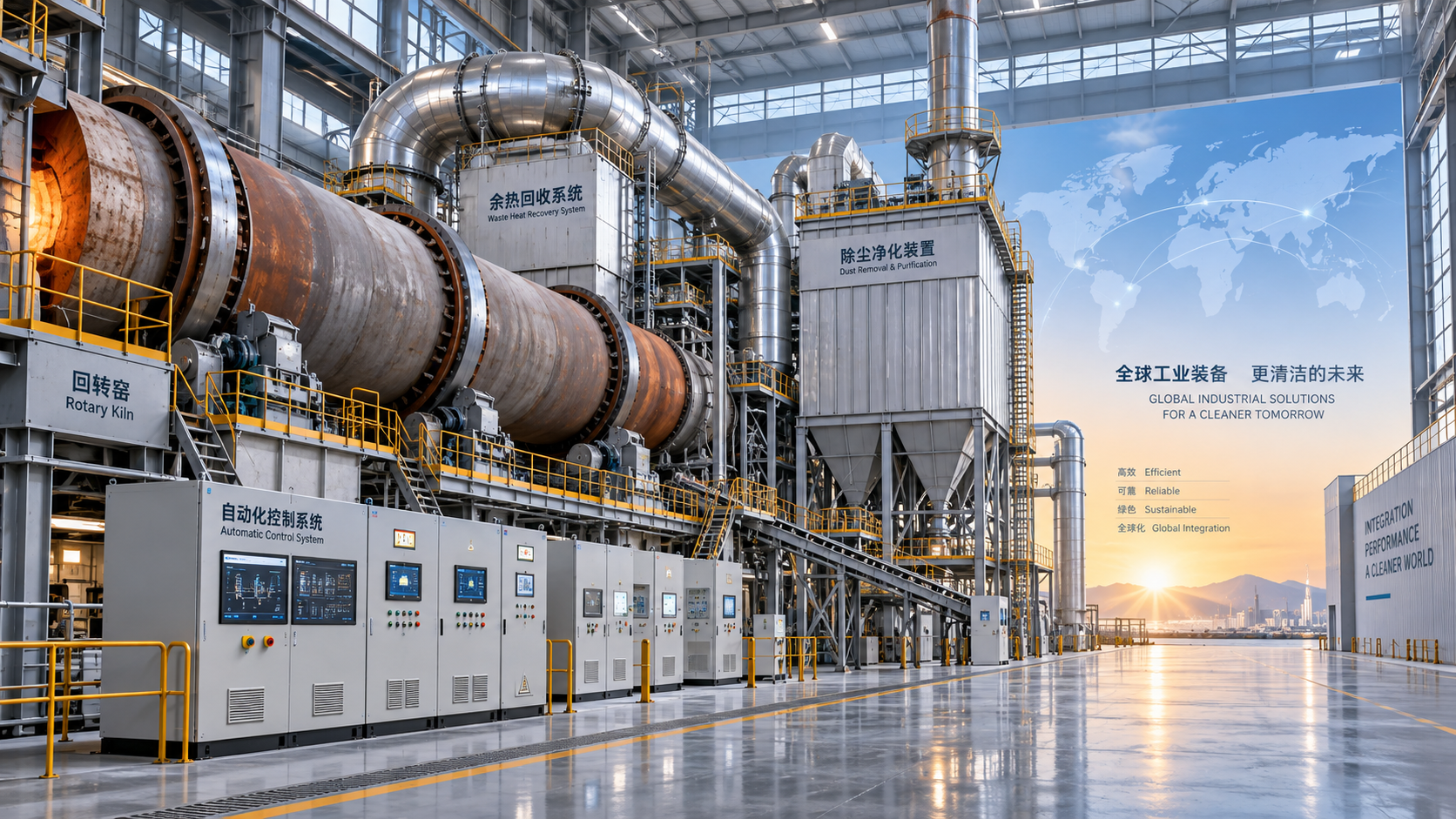
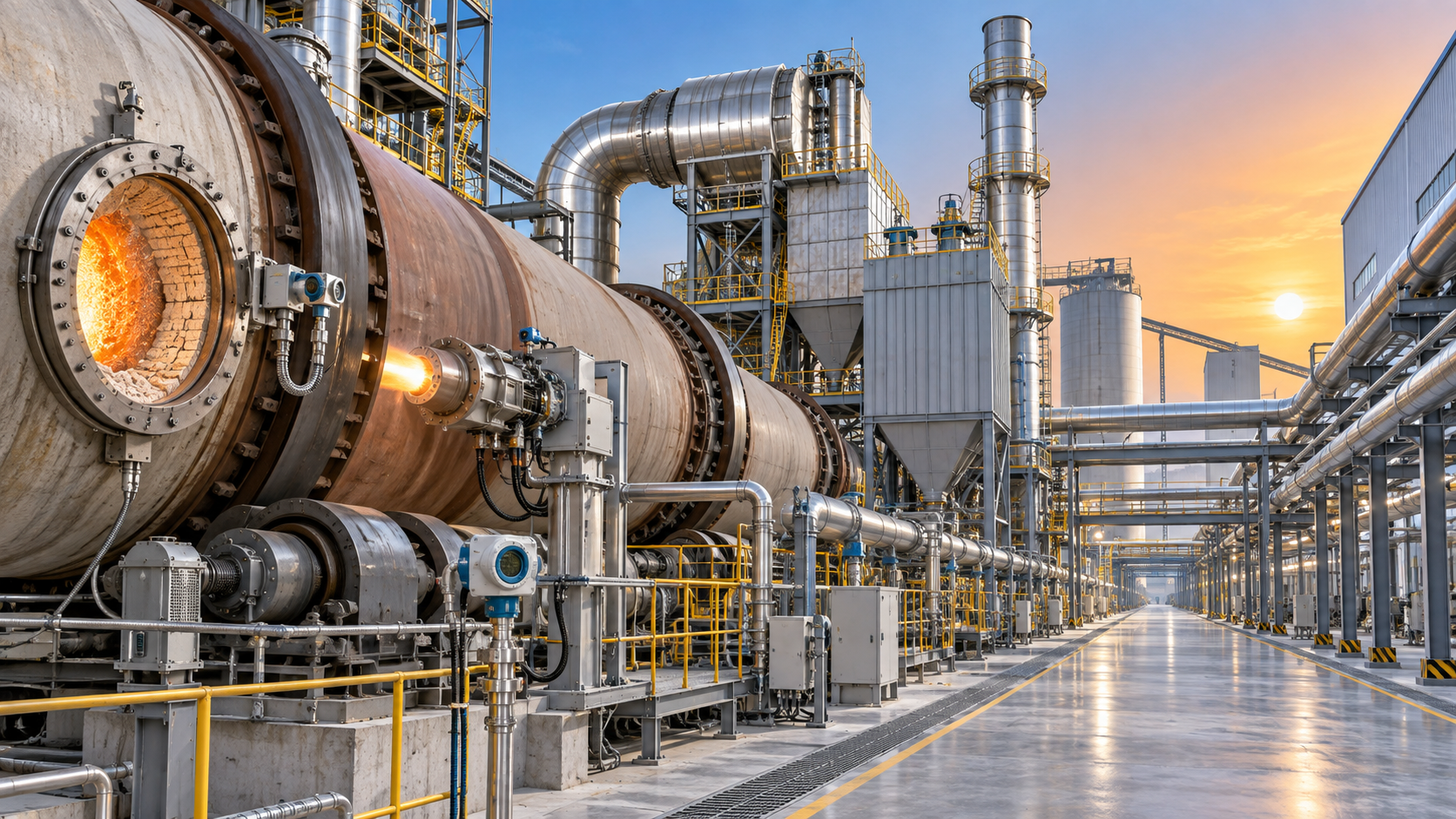
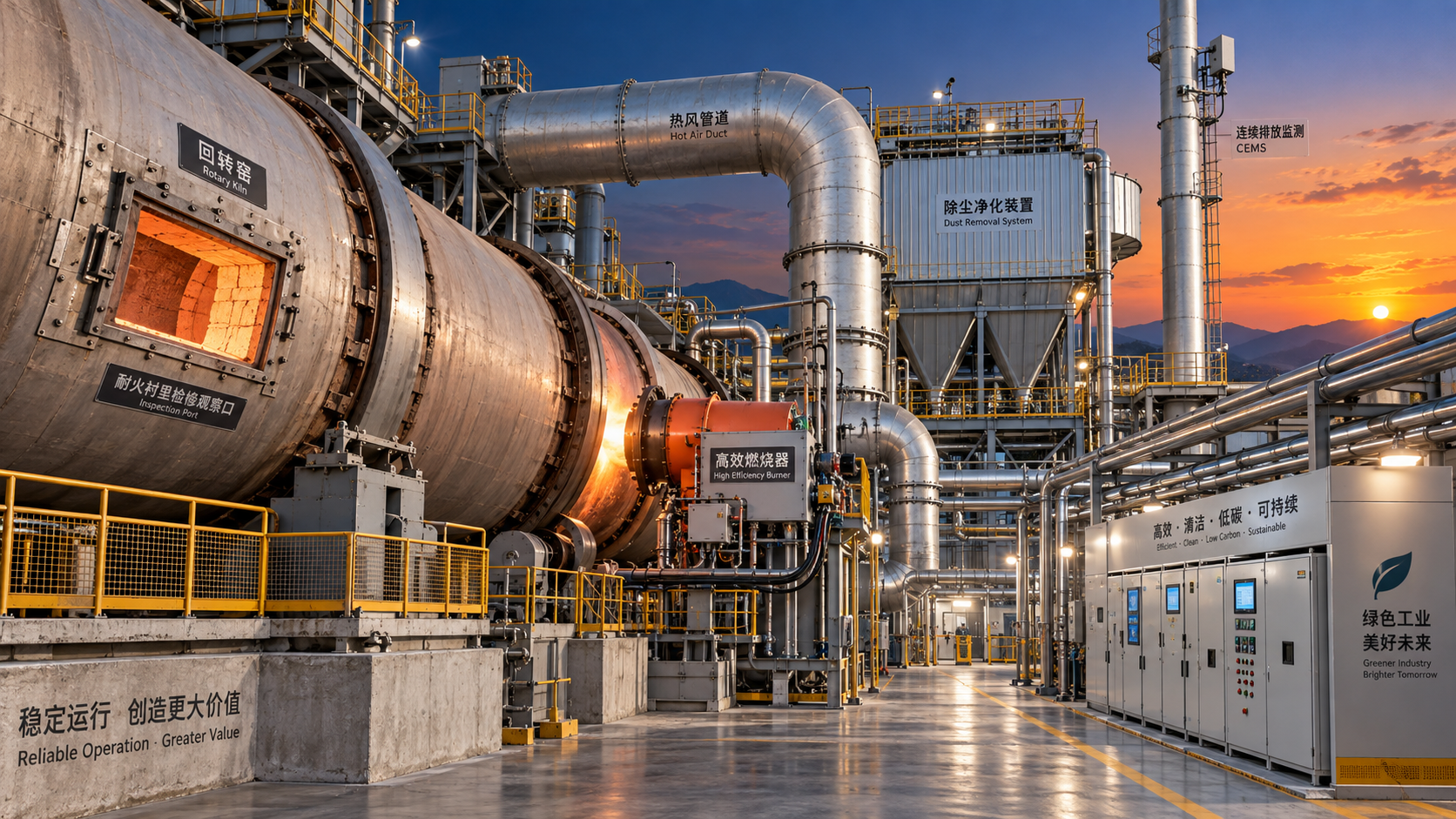
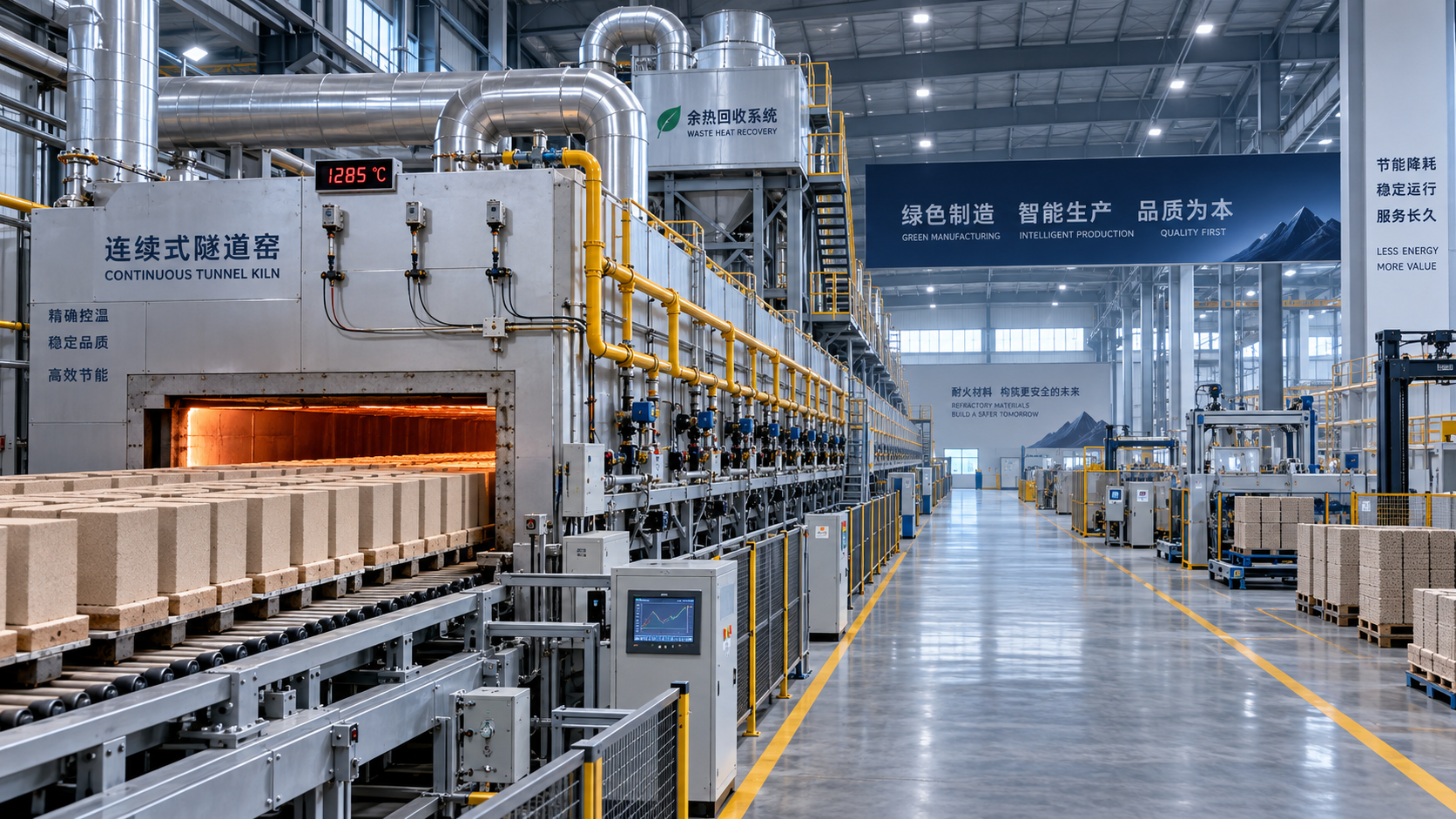
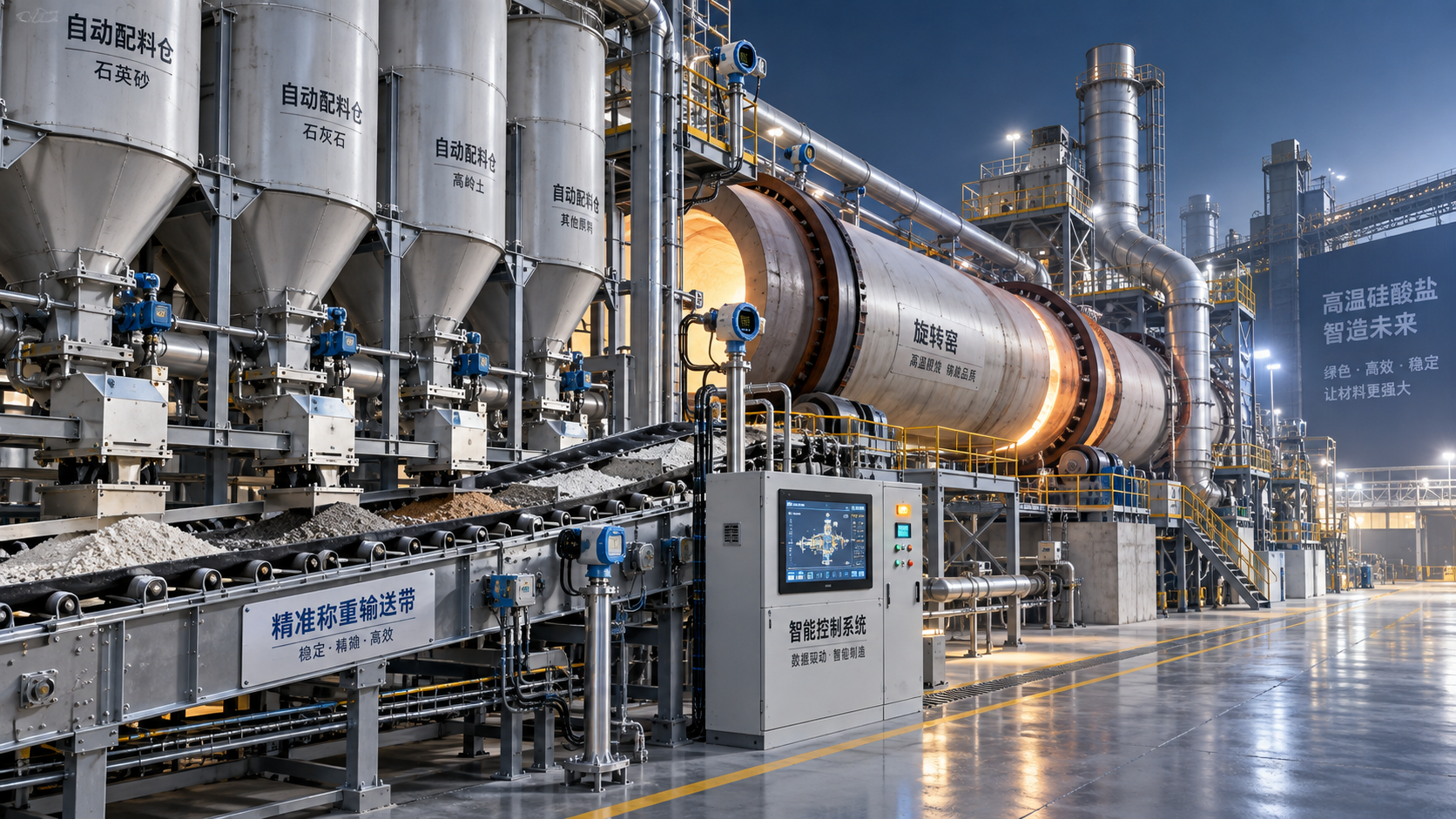
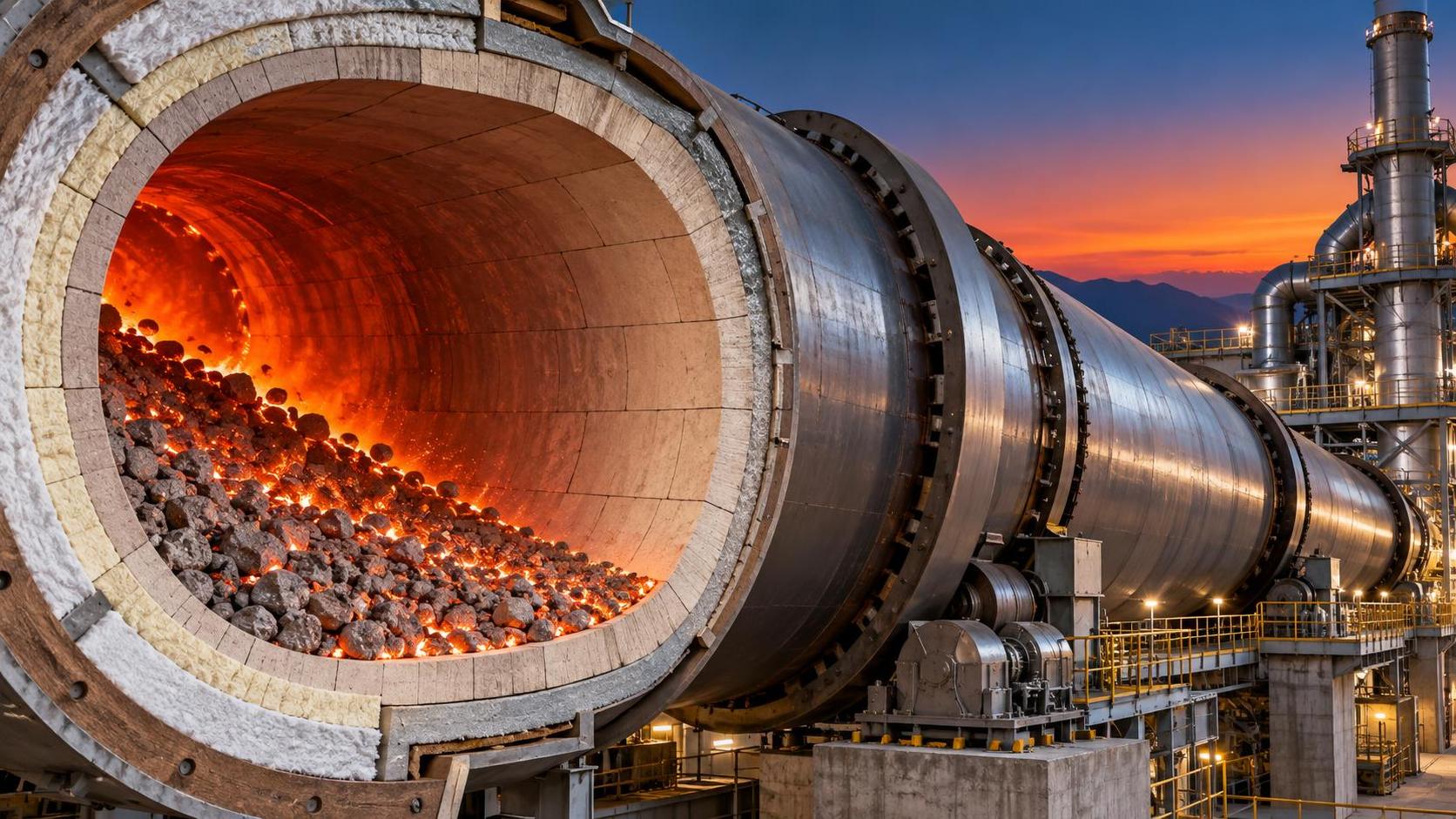
In rotary kilns, high-alumina and magnesia-based refractories are common where clinker chemistry, coating behavior, and abrasion are intense.
In industrial incineration, selection usually prioritizes thermal shock resistance, chemical attack from ash, and stable performance under uneven feed composition.
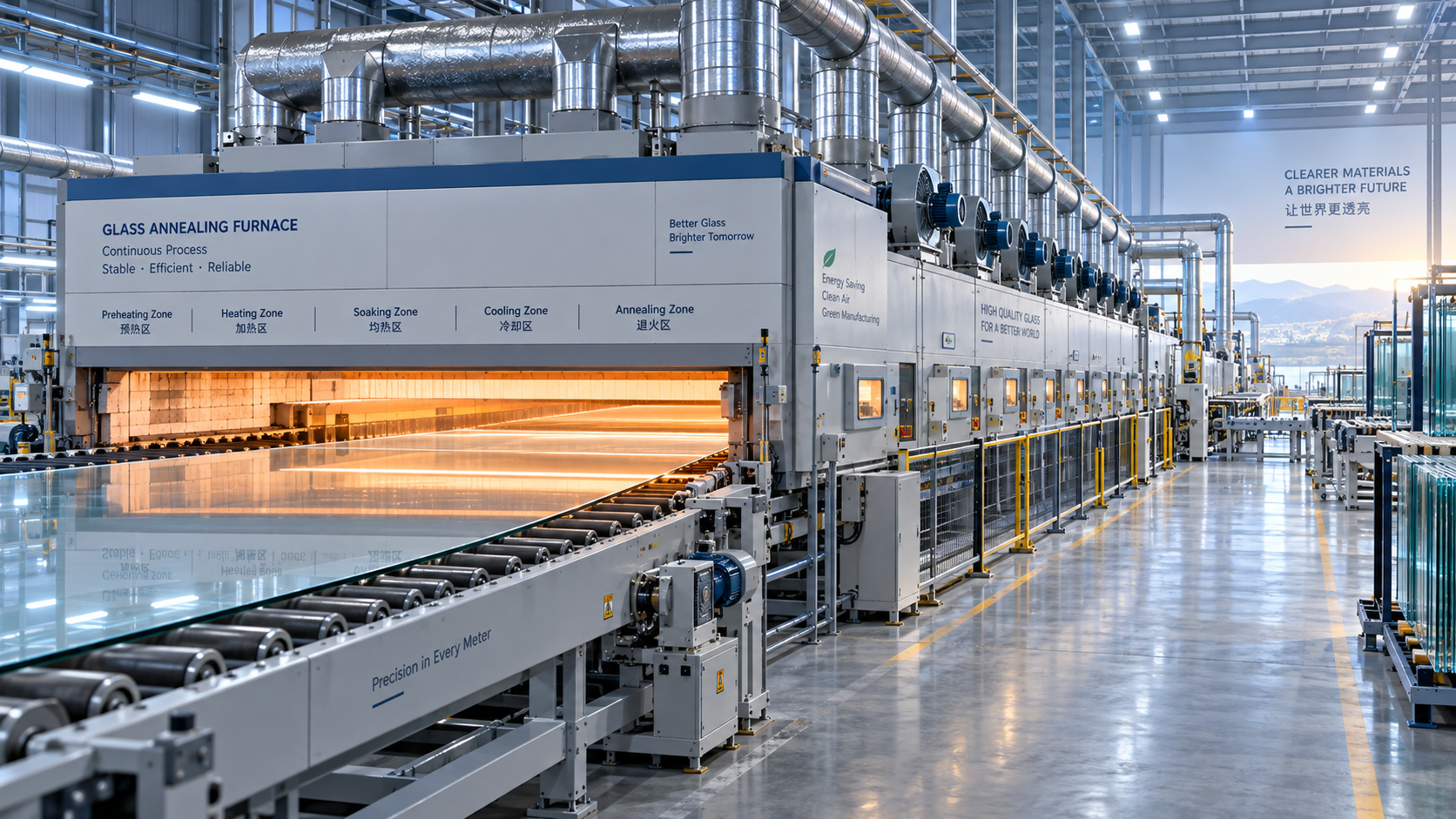
Glass manufacturing gear often demands materials with low contamination risk and predictable thermal expansion. Silica refractories, fused cast products, and specialty ceramics are frequently used.
For material extrusion equipment, surfaces may face heat plus pressure, friction, and local wear. Here, heat-resistant alloys and ceramics often work together.
CF-Elite’s sector tracking highlights another pattern. As decarbonization pushes tighter fuel control and more alternative inputs, thermal conditions become less forgiving.
That means older material choices may no longer be the safest benchmark, even if they once worked acceptably.
- Use dense refractories where hot-face durability and slag resistance dominate.
- Use ceramic fiber or insulating brick where energy retention matters more than impact strength.
- Use alloy components where structural shape, fastening, or repeated handling is required.
- Use advanced ceramics where wear, purity, or dimensional stability becomes the main issue.
What is the most reliable way to choose heat-resistant materials for high temperature service?
A reliable choice starts with five questions, and none of them should be skipped.
1. What is the real temperature profile?
Record normal range, peaks, ramp rate, and how often start-stop cycles occur. Thermal cycling damages many materials faster than steady heat.
2. What chemistry is present?
Oxidizing, reducing, sulfur-rich, alkaline, chlorinated, or dusty atmospheres all change performance. Heat alone never tells the full story.
3. Is the zone structural, protective, or insulating?
A support anchor and a hot-face brick may sit centimeters apart, yet require completely different materials.
4. What failure mode is already visible?
Look for spalling, creep, abrasion grooves, shell hotspots, oxidation scale, or glass contamination. The failure pattern often reveals the wrong property was prioritized.
5. What maintenance window is realistic?
Some premium materials cost more upfront but reduce outage frequency. In long-cycle equipment, lifecycle value usually matters more than purchase price.
This is the core of heat-resistant materials high temperature decision-making. A correct match is a system decision, not just a materials decision.
Where do selection mistakes usually happen?
Most errors are not dramatic. They come from small assumptions that stack up.
One common mistake is choosing only by maximum rated temperature. Another is copying a material from another plant without checking fuel mix or process chemistry.
A third mistake is treating insulation and hot-face materials as interchangeable. They are not.
There is also a hidden cost issue. Over-specifying expensive alloys in noncritical zones can waste budget that would be better spent on refractory design or monitoring.
In practice, these warning signs deserve attention:
- Frequent patch repairs in the same location.
- Rising fuel use without process explanation.
- External shell hotspots or deformed supports.
- Unexpected contamination of glass or processed material.
- Shorter lining life after switching feedstock or fuel.
These symptoms usually mean the material is seeing a different duty than the specification assumed.
How should you compare options before the next shutdown or retrofit?
A simple comparison sheet works better than relying on memory. It helps separate real technical gains from sales claims or habit.
For plants following CF-Elite intelligence on thermal management, this broader comparison is becoming standard. It connects uptime, emissions, and material life instead of treating them separately.
Before any replacement, build a zone-by-zone list of failures, temperatures, atmospheres, and repair intervals. Then compare candidate heat-resistant materials high temperature performance against those facts.
That approach usually leads to better service life, steadier energy performance, and fewer surprises during operation.
Related News
 Thermal Energy ArchitectHow to Specify Heavy Industrial Process Systems for High-Temperature PlantsHeavy industrial processes systems: learn how to specify high-temperature plants for efficiency, emissions control, maintainability, and lifecycle performance.Oct 02, 2026
 Structural Material AnalystHow Sustainable Material Extrusion Can Improve Wall Panel Durability and Design FlexibilityDiscover how sustainable material extrusion for wall panels improves durability, moisture resistance, design flexibility, and installation consistency for high-performing wall systems.Oct 01, 2026
 Thermal Energy ArchitectHow to Evaluate a High-Temperature Materials Manufacturer for Furnace ApplicationsChoose a high-temperature materials manufacturer with confidence: compare thermal performance, chemical resistance, quality controls, installation support, and lifecycle cost.Sep 30, 2026
 Ms. Elena RodriguezHow to Structure Global Specification Data for Faster Industrial Product EvaluationGlobal specification-oriented product information helps industrial teams compare capacity, energy, emissions, automation, and lifecycle data on a like-for-like basis for faster, confident equipment decisions.Sep 29, 2026
 Thermal Energy ArchitectHow to Specify High-Temperature Process Systems for Continuous Thermal OperationsHigh-temperature process engineering systems: learn how to specify resilient continuous thermal operations for efficiency, compliance, reliable uptime, and long-term performance.Sep 28, 2026
 Thermal Energy ArchitectHow to Evaluate a Thermal Engineering Contractor for High-Temperature Plant ProjectsChoose a thermal engineering contractor with proven process expertise, lifecycle value, emissions control, and delivery discipline for reliable high-temperature plant performance.Sep 27, 2026
 Silicate Process EngineerHow Latin American Cement Plants Can Reduce Dust Emissions in Kilns and Transfer PointsCement plant dust control Latin America: reduce kiln and transfer-point emissions with practical airflow, filtration, monitoring, and maintenance strategies.Sep 26, 2026
 Material Heat-Resist ExpertHow to Evaluate Refractory Production Lines for Output, Quality, and Energy UseRefractory production lines: learn how to assess qualified output, consistent quality, and total energy use for smarter, lower-risk investment decisions.Sep 25, 2026
 Dr. Alistair VaughnHow Waste Recycling Technology Improves Material Recovery in Industrial PlantsWaste recycling technology improves material recovery through source segregation, smart separation, thermal treatment, and quality control for industrial plants.Sep 24, 2026
 Optical Glass Tech FellowHow to Specify Glass Annealing Equipment for European Quality and Energy RequirementsGlass annealing equipment Europe: learn how to specify lehrs for consistent glass quality, energy efficiency, compliance, automation, and reliable long-term performance.Sep 23, 2026
 Optical Glass Tech FellowSilicate Process Automation: Improving Batch Consistency and Energy ControlSilicate process automation improves batch consistency, energy control, traceability, and operator confidence across high-temperature manufacturing operations.Sep 22, 2026
 Optical Glass Tech FellowHow Silicate Industrial Processes Control Viscosity, Energy Use, and Product QualitySilicate industrial processes: learn how viscosity, chemistry, heat transfer, and atmosphere control reduce energy use, improve stability, and protect product quality.Sep 21, 2026
 Thermal Energy ArchitectHow European Plants Can Evaluate Energy Recovery Equipment for High-Temperature ProcessesIndustrial energy recovery equipment Europe: learn how high-temperature plants can assess waste-heat sources, integration risks, lifecycle value, and reliable recovery routes.Sep 20, 2026
 Thermal Energy ArchitectIndustrial Furnace Process Optimization: Reducing Fuel Use Without Sacrificing ThroughputIndustrial process optimization furnace strategies that cut fuel use while protecting throughput. Explore combustion control, heat recovery, refractory performance, and data-driven efficiency gains.Sep 19, 2026
 Ms. Elena RodriguezWhat Drives High-Pressure Extrusion Equipment Cost in Industrial Projects?High pressure extrusion equipment cost explained: compare pressure, die design, automation, wear, energy, and installation factors for smarter industrial investments.Sep 18, 2026
 Thermal Energy ArchitectHow to Size a Waste Heat Recovery Exchanger for High-Temperature Kiln Exhaust?Waste heat recovery exchanger sizing for high-temperature kiln exhaust: balance recoverable duty, fouling, corrosion limits, pressure drop, and reliable heat use.Sep 17, 2026
 Thermal Energy ArchitectWhy Heat-Resistant Materials Lose Abrasion Resistance at High TemperaturesHeat-resistant materials abrasion resistance can decline at high temperatures. Discover the thermal, chemical, and mechanical causes of wear—and how to choose longer-lasting linings.Sep 16, 2026
 Thermal Energy ArchitectHow to Evaluate a Thermal Energy Optimization Company for High-Temperature PlantsChoose a thermal energy optimization company with proven process expertise, measurable savings, and reliable delivery for high-temperature plants. Learn what to assess.Sep 15, 2026
 Thermal Energy ArchitectRotary Kiln Efficiency: How Feed Rate, Fuel Use, and Heat Loss Affect OutputRotary kiln efficiency explained: discover how feed rate, fuel use, heat loss, combustion, and cooling performance shape output, quality, and energy costs.Sep 14, 2026
 Thermal Energy ArchitectHow to Select Heat-Resistant Materials That Maintain Abrasion Resistance in KilnsHeat-resistant materials abrasion resistance: learn how to select kiln linings that withstand heat, wear, thermal cycling, and chemical attack for longer service life.Sep 13, 2026
Related News
- 00
0000-00
How to Evaluate Refractory Production Lines for Output, Quality, and Energy Use - 00
0000-00
What Determines Refractory Production Line Price in a Turnkey Plant Project? - 00
0000-00
How to Evaluate a Silicate Production Line for Capacity, Energy Use, and Product Quality - 00
0000-00
Silicate Production Line Process Explained: Key Stages, Equipment, and Quality Control - 00
0000-00
How to Evaluate a Refractory Production Line in Southeast Asia: Capacity, Fuel, and Raw Material Factors
Weekly Insights
Stay ahead with our curated technology reports delivered every Monday.