
Tunnel Kiln Refractory Manufacturing Solutions: How to Compare Fuel Use, Throughput, and Line Layout




Why does tunnel kiln selection become so difficult once fuel, output, and layout are all on the table?
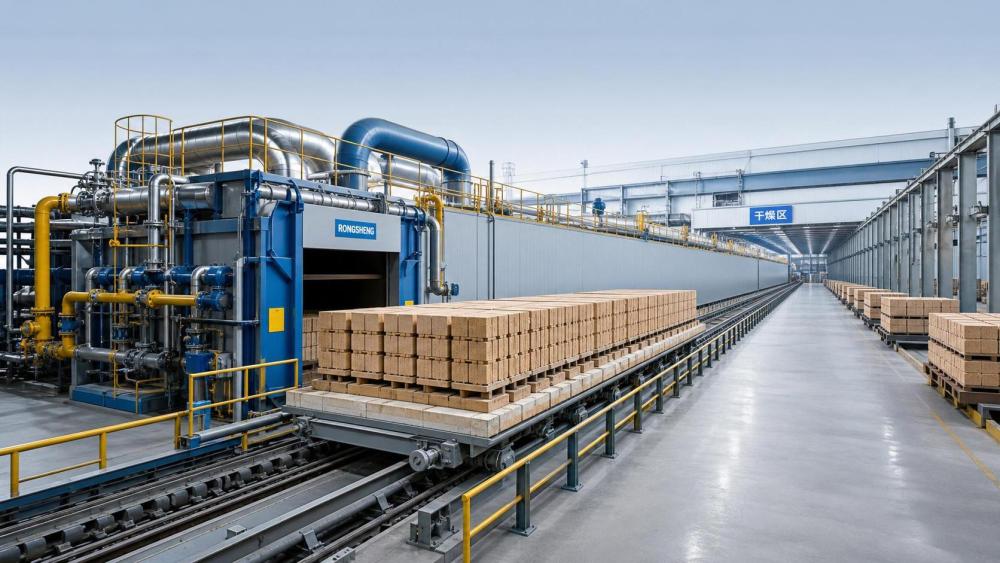
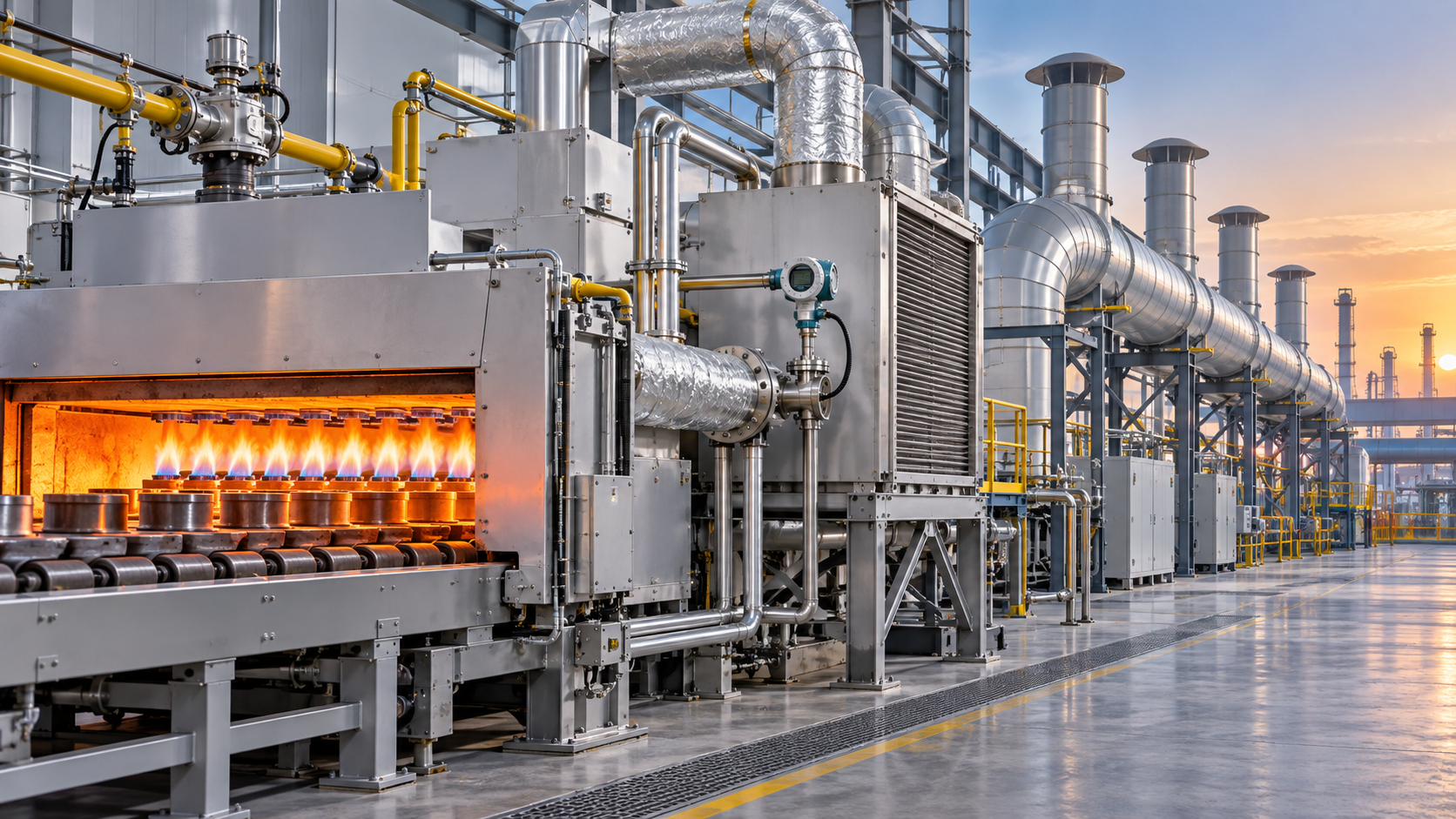
Choosing refractory manufacturing solutions tunnel kiln systems is rarely a single-parameter decision.
A line may look efficient on paper, yet become expensive when fuel quality shifts, product mix widens, or site logistics tighten.
That is why comparisons should start with operating context, not brochure capacity.
In refractory production, thermal balance affects nearly everything.
It shapes firing stability, brick density, dimensional consistency, kiln car life, and maintenance frequency.
A tunnel kiln that performs well for dense alumina products may be poorly matched to lighter insulating shapes.
The more practical question is this: which configuration fits the plant’s real production rhythm?
CF-Elite often frames this issue through the wider lens of thermal management.
That approach matters because refractory lines sit inside a broader industrial chain shared with cement, glass, incineration, and extrusion equipment.
Across those sectors, the same pattern appears.
The best furnace or kiln option is not the one with the highest peak figure.
It is the one that keeps energy use, throughput, and product quality in balance under realistic plant conditions.
When comparing refractory manufacturing solutions tunnel kiln options, which parameters matter first?
Start with three anchors: fuel profile, annual tonnage, and line layout constraints.
Without those, almost every supplier comparison becomes misleading.
Fuel profile means more than choosing gas, oil, or mixed combustion.
It also includes fuel price volatility, burner control range, air preheating potential, and local emissions limits.
Annual tonnage should be matched with product complexity.
Stable runs of standardized bricks need a different kiln logic than frequent size changes or specialty batches.
Layout constraints are often underestimated.
A narrow site, poor raw material flow, or limited future expansion space can turn a technically strong kiln into a long-term bottleneck.
A useful early screening table looks like this.
This kind of structured check is more reliable than comparing only kiln dimensions or burner counts.
Is lower fuel consumption always the best sign of a better tunnel kiln line?
Not necessarily.
A low fuel figure can be genuine efficiency, or it can reflect narrow test conditions, reduced output, or a simplified product mix.
In actual operation, specific fuel use should be reviewed together with loading pattern and finished yield.
For example, a tunnel kiln may save fuel by slowing the line and increasing thermal retention.
If that reduces daily saleable tons, the plant may lose more in output than it saves in energy.
The opposite can also happen.
A faster line may use slightly more fuel, yet deliver better unit economics through higher throughput and fewer unstable firing cycles.
More useful questions include the following.
- How is fuel use measured: per firing cycle, per ton of green body, or per ton of accepted product?
- Was the reference based on dense fireclay, high-alumina, insulation products, or mixed output?
- Does the design include heat recovery to dryers or combustion air systems?
- How stable is performance during partial load operation?
CF-Elite’s cross-sector observation is helpful here.
In cement, glass, and incineration lines, energy numbers only become meaningful when tied to process stability.
The same discipline should be applied to refractory manufacturing solutions tunnel kiln assessments.
How should throughput be judged when supplier capacities look similar?
Published throughput figures often hide the most important difference: usable throughput versus theoretical throughput.
A kiln rated for the same daily tonnage may deliver very different outcomes once stacking height, kiln car design, firing curve, and product mix are considered.
Ask for capacity evidence by product family.
A line optimized for standard shaped bricks may underperform when special shapes dominate the loading pattern.
That matters because irregular geometry often reduces packing density and changes heat penetration behavior.
It is also worth checking how the upstream and downstream sections behave.
A tunnel kiln can only sustain throughput if pressing, drying, handling, sorting, and packaging stay synchronized.
In practice, line balance failures are more common than furnace design failures.
A practical review usually includes:
- Average tons per day by each core product group
- Maximum sustainable throughput over a full operating month
- Expected yield loss during product changeovers
- Kiln car cycle time and maintenance reserve
- Automation response during startup, shutdown, and disturbance events
When numbers appear close, the stronger option is usually the one with the tighter operating window definition.
That shows the supplier understands production reality rather than only design capacity.
What layout choices usually create hidden cost later?
Layout problems rarely show up in the first technical proposal.
They appear later as forklift congestion, heat loss between sections, poor maintenance access, or awkward green body transfer routes.
For refractory manufacturing solutions tunnel kiln projects, layout should be judged as a production flow system, not a standalone machine footprint.
One common issue is over-compressing the kiln area to fit site limits.
That can complicate car movement, limit inspection space, and weaken future expansion options.
Another issue is separating dryers and kiln heat recovery logic.
The plant then pays twice for energy that should have been integrated from the beginning.
Need-to-check points usually include:
- Distance between shaping, drying, firing, and finished goods areas
- Room for burner access, crown inspection, and car rail maintenance
- Space for future capacity increase or additional product lines
- Utility routing for gas, power, combustion air, and exhaust handling
- Worker safety around hot zones and mobile handling equipment
This is where CF-Elite’s intelligence perspective becomes practical.
Across heavy thermal industries, layout quality often decides whether digital monitoring and carbon reduction programs can actually work.
A poor physical arrangement limits later upgrades, even when automation is available.
Which mistakes distort cost comparisons during procurement?
The biggest mistake is treating capex as the full cost picture.
A lower purchase price may hide higher fuel use, weaker temperature uniformity, shorter service intervals, or more frequent kiln car repairs.
Another common mistake is comparing lines with different boundary conditions.
One quotation may include drying integration, waste heat recovery, and control software.
Another may exclude those items and still appear cheaper.
A more disciplined cost review should separate:
- Initial equipment and installation scope
- Fuel and electricity cost per accepted ton
- Refractory and mechanical maintenance cycle
- Expected yield losses from thermal non-uniformity
- Downtime exposure during service or spare part delays
- Compliance cost linked to emissions and carbon targets
For long-cycle industrial assets, the cheapest quotation often becomes the most expensive decision after two or three operating years.
That is especially true where gas pricing, environmental rules, and output flexibility all matter at once.
So what is a sensible next step before shortlisting a tunnel kiln line?
Build the shortlist around plant data, not generic supplier rankings.
That means defining product families, target output, fuel assumptions, allowable yield loss, and site limits before asking for final proposals.
It also helps to request a common comparison format.
Ask each bidder to report the same thermal, throughput, and layout indicators.
That simple step reduces confusion more than adding extra presentations.
For many industrial teams, the most useful support comes from intelligence that connects technical design with market direction.
CF-Elite’s focus on high-temperature production systems reflects that need.
Fuel economics, carbon pressure, monitoring systems, and thermal process design are no longer separate conversations.
They belong in one evaluation frame.
In short, better refractory manufacturing solutions tunnel kiln decisions come from clearer assumptions.
Check real throughput, validate fuel metrics, test layout practicality, and compare lifecycle cost using the same boundaries.
That is usually the fastest route to a line that performs well on both production and cost.
Related News
 Structural Material AnalystHow Sustainable Material Extrusion Can Improve Wall Panel Durability and Design FlexibilityDiscover how sustainable material extrusion for wall panels improves durability, moisture resistance, design flexibility, and installation consistency for high-performing wall systems.Oct 01, 2026
 Thermal Energy ArchitectHow to Evaluate a High-Temperature Materials Manufacturer for Furnace ApplicationsChoose a high-temperature materials manufacturer with confidence: compare thermal performance, chemical resistance, quality controls, installation support, and lifecycle cost.Sep 30, 2026
 Ms. Elena RodriguezHow to Structure Global Specification Data for Faster Industrial Product EvaluationGlobal specification-oriented product information helps industrial teams compare capacity, energy, emissions, automation, and lifecycle data on a like-for-like basis for faster, confident equipment decisions.Sep 29, 2026
 Thermal Energy ArchitectHow to Specify High-Temperature Process Systems for Continuous Thermal OperationsHigh-temperature process engineering systems: learn how to specify resilient continuous thermal operations for efficiency, compliance, reliable uptime, and long-term performance.Sep 28, 2026
 Thermal Energy ArchitectHow to Evaluate a Thermal Engineering Contractor for High-Temperature Plant ProjectsChoose a thermal engineering contractor with proven process expertise, lifecycle value, emissions control, and delivery discipline for reliable high-temperature plant performance.Sep 27, 2026
 Silicate Process EngineerHow Latin American Cement Plants Can Reduce Dust Emissions in Kilns and Transfer PointsCement plant dust control Latin America: reduce kiln and transfer-point emissions with practical airflow, filtration, monitoring, and maintenance strategies.Sep 26, 2026
 Material Heat-Resist ExpertHow to Evaluate Refractory Production Lines for Output, Quality, and Energy UseRefractory production lines: learn how to assess qualified output, consistent quality, and total energy use for smarter, lower-risk investment decisions.Sep 25, 2026
 Dr. Alistair VaughnHow Waste Recycling Technology Improves Material Recovery in Industrial PlantsWaste recycling technology improves material recovery through source segregation, smart separation, thermal treatment, and quality control for industrial plants.Sep 24, 2026
 Optical Glass Tech FellowHow to Specify Glass Annealing Equipment for European Quality and Energy RequirementsGlass annealing equipment Europe: learn how to specify lehrs for consistent glass quality, energy efficiency, compliance, automation, and reliable long-term performance.Sep 23, 2026
 Optical Glass Tech FellowSilicate Process Automation: Improving Batch Consistency and Energy ControlSilicate process automation improves batch consistency, energy control, traceability, and operator confidence across high-temperature manufacturing operations.Sep 22, 2026
 Optical Glass Tech FellowHow Silicate Industrial Processes Control Viscosity, Energy Use, and Product QualitySilicate industrial processes: learn how viscosity, chemistry, heat transfer, and atmosphere control reduce energy use, improve stability, and protect product quality.Sep 21, 2026
 Thermal Energy ArchitectHow European Plants Can Evaluate Energy Recovery Equipment for High-Temperature ProcessesIndustrial energy recovery equipment Europe: learn how high-temperature plants can assess waste-heat sources, integration risks, lifecycle value, and reliable recovery routes.Sep 20, 2026
 Thermal Energy ArchitectIndustrial Furnace Process Optimization: Reducing Fuel Use Without Sacrificing ThroughputIndustrial process optimization furnace strategies that cut fuel use while protecting throughput. Explore combustion control, heat recovery, refractory performance, and data-driven efficiency gains.Sep 19, 2026
 Ms. Elena RodriguezWhat Drives High-Pressure Extrusion Equipment Cost in Industrial Projects?High pressure extrusion equipment cost explained: compare pressure, die design, automation, wear, energy, and installation factors for smarter industrial investments.Sep 18, 2026
 Thermal Energy ArchitectHow to Size a Waste Heat Recovery Exchanger for High-Temperature Kiln Exhaust?Waste heat recovery exchanger sizing for high-temperature kiln exhaust: balance recoverable duty, fouling, corrosion limits, pressure drop, and reliable heat use.Sep 17, 2026
 Thermal Energy ArchitectWhy Heat-Resistant Materials Lose Abrasion Resistance at High TemperaturesHeat-resistant materials abrasion resistance can decline at high temperatures. Discover the thermal, chemical, and mechanical causes of wear—and how to choose longer-lasting linings.Sep 16, 2026
 Thermal Energy ArchitectHow to Evaluate a Thermal Energy Optimization Company for High-Temperature PlantsChoose a thermal energy optimization company with proven process expertise, measurable savings, and reliable delivery for high-temperature plants. Learn what to assess.Sep 15, 2026
 Thermal Energy ArchitectRotary Kiln Efficiency: How Feed Rate, Fuel Use, and Heat Loss Affect OutputRotary kiln efficiency explained: discover how feed rate, fuel use, heat loss, combustion, and cooling performance shape output, quality, and energy costs.Sep 14, 2026
 Thermal Energy ArchitectHow to Select Heat-Resistant Materials That Maintain Abrasion Resistance in KilnsHeat-resistant materials abrasion resistance: learn how to select kiln linings that withstand heat, wear, thermal cycling, and chemical attack for longer service life.Sep 13, 2026
 Thermal Energy ArchitectHow Rotary Kiln Automation Improves Temperature Control and Fuel EfficiencyRotary kiln technology automation enhances temperature control, stabilizes combustion, and improves fuel efficiency with smarter data, predictive control, and safer operations.Sep 12, 2026


Related News
- 00
0000-00
How to Evaluate Refractory Production Lines for Output, Quality, and Energy Use - 00
0000-00
What Determines Refractory Production Line Price in a Turnkey Plant Project? - 00
0000-00
How to Evaluate a Silicate Production Line for Capacity, Energy Use, and Product Quality - 00
0000-00
Silicate Production Line Process Explained: Key Stages, Equipment, and Quality Control - 00
0000-00
How to Evaluate a Refractory Production Line in Southeast Asia: Capacity, Fuel, and Raw Material Factors
Weekly Insights
Stay ahead with our curated technology reports delivered every Monday.