
Advanced Ceramics Production Automation: Which Processes Deliver the Highest ROI?




Advanced Ceramics Production Automation: Which Processes Deliver the Highest ROI?
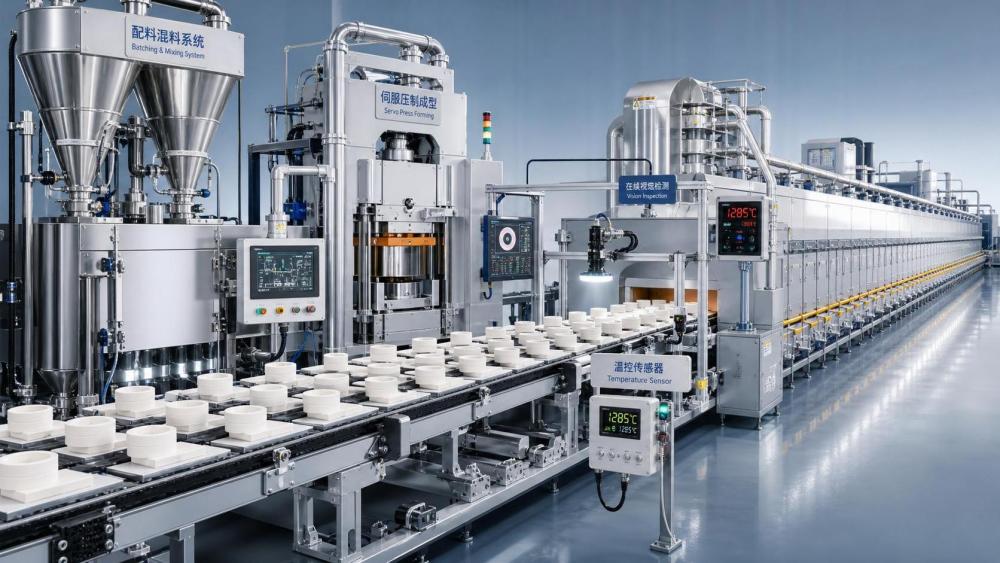
For enterprise leaders evaluating capital allocation, advanced ceramics production automation is no longer just a technical upgrade. It is a direct lever for yield, energy efficiency, quality stability, and labor resilience.
The harder question is not whether to automate. It is where advanced ceramics production automation creates the fastest and most durable return.
In practice, ROI varies sharply by process step. Some upgrades improve throughput quickly. Others reduce hidden scrap, rework, downtime, or energy loss across the entire line.
That distinction matters in advanced ceramics, where small process drift can destroy margins. Tight tolerances, expensive powders, and energy-intensive firing make every defect costly.
From CF-Elite’s view of thermal industries, the best investments usually connect material control, firing discipline, and digital quality feedback. Standalone automation helps, but closed-loop automation pays more.
This article examines which advanced ceramics production automation processes usually deliver the highest ROI, what conditions make returns stronger, and how to sequence investments with less risk.
Why ROI Behaves Differently in Advanced Ceramics
Advanced ceramics production automation should be judged differently from generic factory automation. The economics are shaped by material cost, yield sensitivity, and firing complexity.
A minor improvement in defect reduction can outperform a major labor-saving project. This is especially true for alumina, zirconia, silicon carbide, and technical ceramic components.
Three value drivers usually dominate:
- Higher first-pass yield from tighter process consistency
- Lower firing and drying losses through better thermal control
- Reduced labor exposure in repetitive or contamination-sensitive tasks
More importantly, advanced ceramics production automation often creates compounding gains. Better dosing improves forming. Better forming improves sintering. Better inspection sharpens upstream correction.
The Highest-ROI Automation Areas
1. Raw Material Dosing and Mixing Control
For many plants, this is the first place to look. Raw material inconsistency creates defects that no downstream system can fully recover.
Automated weighing, binder addition, moisture control, and recipe management often produce fast ROI. They reduce batch variation, operator dependency, and contamination risk.
The return is strongest when input powders are expensive or formulations are complex. In those cases, even small dosing errors become significant cost leaks.
2. Pressing, Extrusion, and Forming Automation
Forming is usually the second major ROI zone. Automated press control, servo-driven feed systems, and monitored compaction profiles reduce density variation.
That matters because density uniformity affects shrinkage, cracking, and dimensional stability later. Better forming often lowers scrap more than plants initially expect.
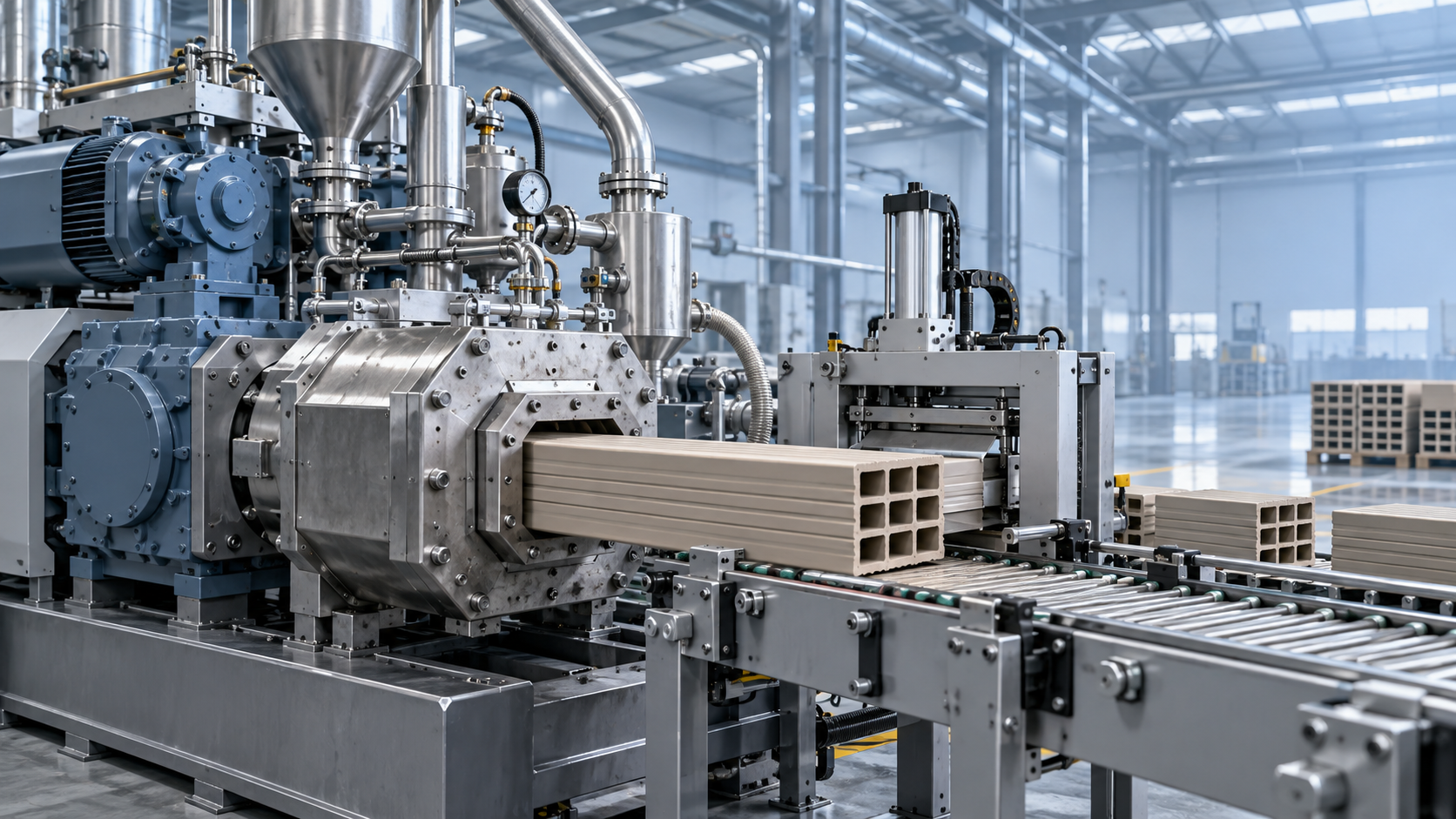
For extrusion-based lines, automation around feed pressure, screw speed, die condition, and cut length typically improves throughput and product consistency together.
3. Kiln and Sintering Process Automation
This is often the largest strategic opportunity. Firing consumes significant energy and determines final microstructure, strength, porosity, and dimensional accuracy.
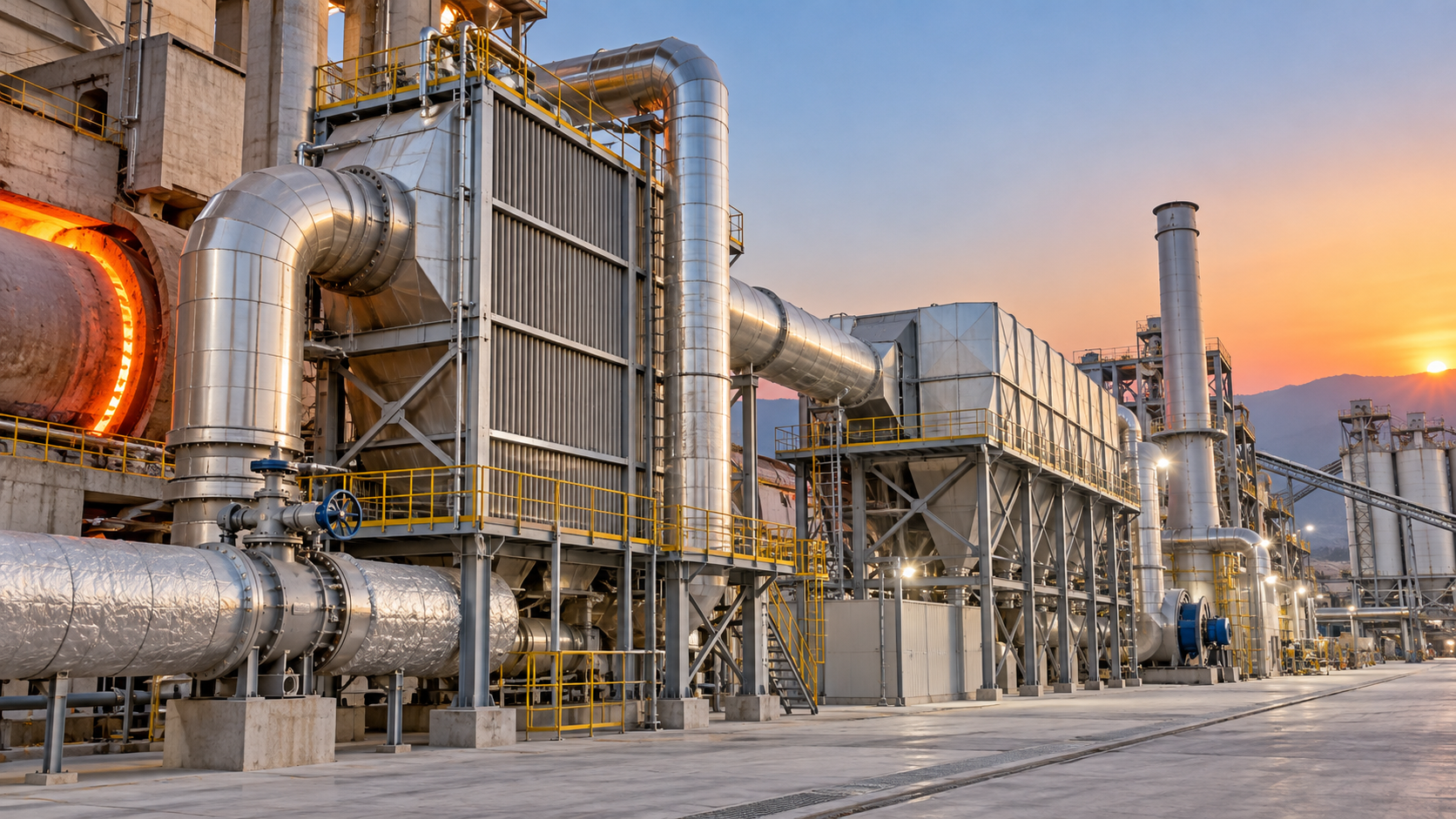
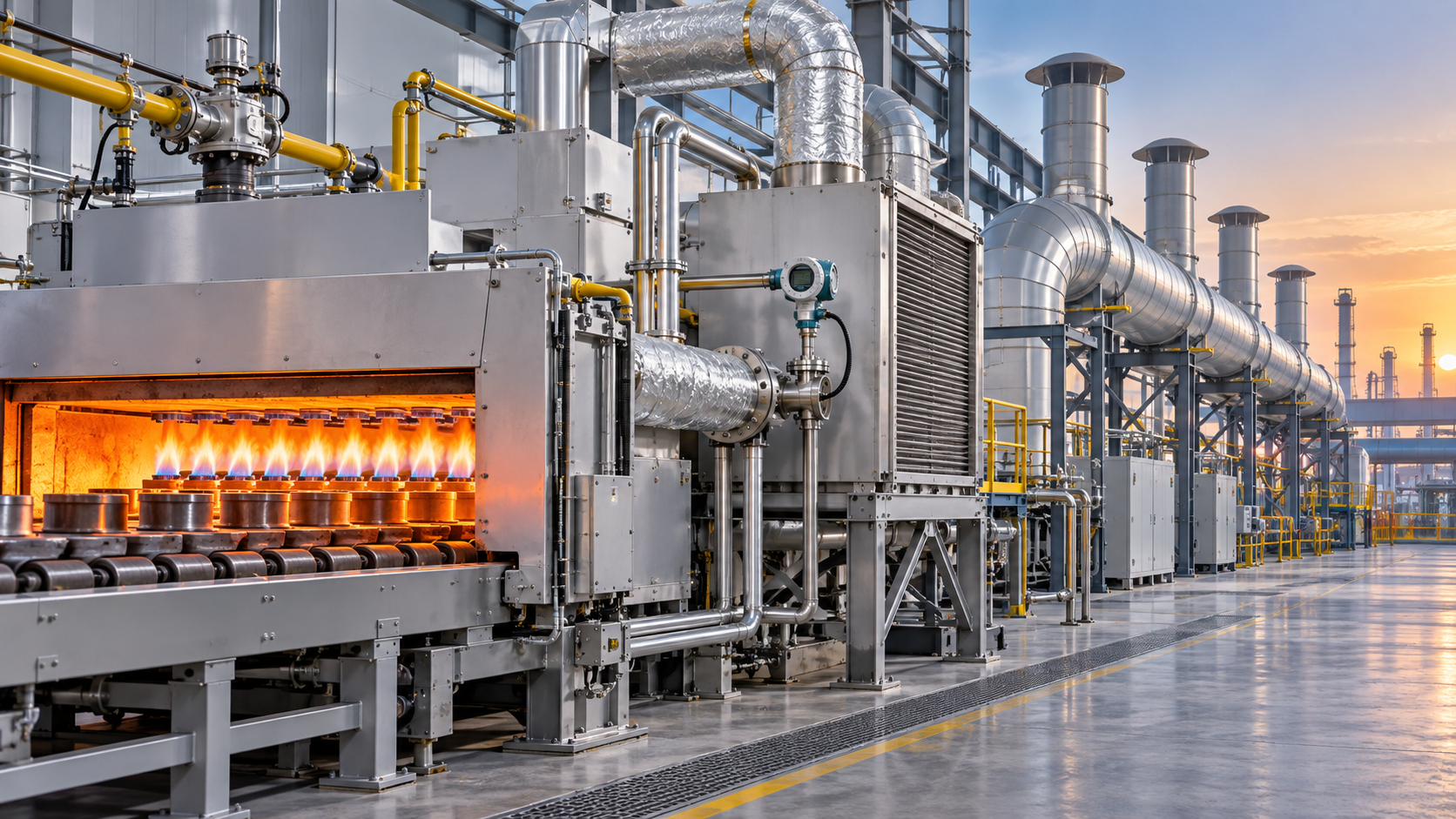
Advanced ceramics production automation in kiln zones, atmosphere control, loading patterns, and thermal profiling can produce excellent ROI when defect losses are high.
Returns rise further when systems include predictive controls, digital twins, or online refractory and temperature monitoring. Those tools reduce both energy waste and unplanned stoppages.
4. Automated Inspection and Inline Metrology
Inspection does not always look like a production bottleneck. Yet in advanced ceramics, delayed defect discovery is one of the most expensive failure modes.
Machine vision, laser measurement, surface inspection, and AI-assisted defect classification can deliver strong ROI by catching drift earlier and reducing final-stage rejects.
The real value appears when inspection data feeds upstream correction. Without that loop, plants gain visibility but miss the larger savings.
5. Robotic Handling and Packaging
Robotic handling usually delivers moderate but reliable ROI. It is especially useful for fragile green bodies, hot parts, clean-room conditions, and labor-constrained operations.
The business case improves when breakage, ergonomic risk, or shift staffing is already a problem. It also supports traceability and more stable takt time.
ROI Ranking by Typical Payback Logic
Although each line is different, the following pattern is common in advanced ceramics production automation decisions.
The key point is simple. The highest ROI often comes from process control before manual labor reduction becomes the main story.
What Makes an Automation Project Pay Back Faster
Not every advanced ceramics production automation project performs equally. Returns accelerate when several operating conditions are already present.
- High-value raw materials with expensive loss rates
- Frequent recipe changes or multi-product production
- Strong quality claims requiring traceability
- Energy-intensive kilns with unstable thermal behavior
- Repeated labor shortages or difficult shift coverage
More visible savings often come from labor. Bigger savings often come from avoided defects, less rework, and lower fuel consumption.
This is why procurement teams should model full process economics, not just headcount reduction. Advanced ceramics production automation usually wins through total cost improvement.
Common Procurement Mistakes That Weaken ROI
Several mistakes repeatedly slow returns, even when the technology itself is sound.
- Buying isolated equipment without data connectivity to MES, SCADA, or quality systems.
- Prioritizing line speed while ignoring powder behavior and thermal constraints.
- Using generic ROI assumptions instead of defect-specific and product-specific calculations.
- Underestimating commissioning, recipe tuning, and operator adoption time.
- Selecting vendors with weak experience in high-temperature process integration.
From recent market shifts, the stronger signal is clear. Buyers now expect automation suppliers to understand materials, thermal behavior, and digital control together.
How to Prioritize Advanced Ceramics Production Automation Investments
A practical approach is to rank opportunities by defect cost, energy intensity, and throughput dependency. This produces a more realistic investment roadmap.
A useful sequence often looks like this:
- Stabilize raw material dosing and mixing.
- Upgrade forming control where density variation is driving scrap.
- Automate kiln monitoring and thermal optimization.
- Add inline inspection tied to corrective process feedback.
- Expand robotic handling where labor or breakage limits output.
In actual operations, this sequence tends to balance fast wins with longer-term transformation. It also reduces the risk of automating unstable upstream conditions.
A Better ROI Lens for Capital Decisions
The best advanced ceramics production automation investment is rarely the most visible machine. It is usually the process step where variation creates the highest hidden cost.
For many lines, the strongest ROI comes from automated dosing, forming control, kiln optimization, and inspection linked by usable production data.
That also aligns with broader industrial priorities. Better automation supports energy efficiency, traceability, decarbonization, and more resilient production planning.
The most effective next step is straightforward. Map the top three loss drivers in your line, quantify their annual cost, and test advanced ceramics production automation against those numbers first.
When procurement is anchored in process economics rather than equipment features alone, automation decisions become clearer, faster, and easier to defend.
Related News
 Thermal Energy ArchitectHow to Evaluate a Thermal Engineering Contractor for High-Temperature Plant ProjectsChoose a thermal engineering contractor with proven process expertise, lifecycle value, emissions control, and delivery discipline for reliable high-temperature plant performance.Sep 27, 2026
 Silicate Process EngineerHow Latin American Cement Plants Can Reduce Dust Emissions in Kilns and Transfer PointsCement plant dust control Latin America: reduce kiln and transfer-point emissions with practical airflow, filtration, monitoring, and maintenance strategies.Sep 26, 2026
 Material Heat-Resist ExpertHow to Evaluate Refractory Production Lines for Output, Quality, and Energy UseRefractory production lines: learn how to assess qualified output, consistent quality, and total energy use for smarter, lower-risk investment decisions.Sep 25, 2026
 Dr. Alistair VaughnHow Waste Recycling Technology Improves Material Recovery in Industrial PlantsWaste recycling technology improves material recovery through source segregation, smart separation, thermal treatment, and quality control for industrial plants.Sep 24, 2026
 Optical Glass Tech FellowHow to Specify Glass Annealing Equipment for European Quality and Energy RequirementsGlass annealing equipment Europe: learn how to specify lehrs for consistent glass quality, energy efficiency, compliance, automation, and reliable long-term performance.Sep 23, 2026
 Optical Glass Tech FellowSilicate Process Automation: Improving Batch Consistency and Energy ControlSilicate process automation improves batch consistency, energy control, traceability, and operator confidence across high-temperature manufacturing operations.Sep 22, 2026
 Optical Glass Tech FellowHow Silicate Industrial Processes Control Viscosity, Energy Use, and Product QualitySilicate industrial processes: learn how viscosity, chemistry, heat transfer, and atmosphere control reduce energy use, improve stability, and protect product quality.Sep 21, 2026
 Thermal Energy ArchitectHow European Plants Can Evaluate Energy Recovery Equipment for High-Temperature ProcessesIndustrial energy recovery equipment Europe: learn how high-temperature plants can assess waste-heat sources, integration risks, lifecycle value, and reliable recovery routes.Sep 20, 2026
 Thermal Energy ArchitectIndustrial Furnace Process Optimization: Reducing Fuel Use Without Sacrificing ThroughputIndustrial process optimization furnace strategies that cut fuel use while protecting throughput. Explore combustion control, heat recovery, refractory performance, and data-driven efficiency gains.Sep 19, 2026
 Ms. Elena RodriguezWhat Drives High-Pressure Extrusion Equipment Cost in Industrial Projects?High pressure extrusion equipment cost explained: compare pressure, die design, automation, wear, energy, and installation factors for smarter industrial investments.Sep 18, 2026
 Thermal Energy ArchitectHow to Size a Waste Heat Recovery Exchanger for High-Temperature Kiln Exhaust?Waste heat recovery exchanger sizing for high-temperature kiln exhaust: balance recoverable duty, fouling, corrosion limits, pressure drop, and reliable heat use.Sep 17, 2026
 Thermal Energy ArchitectWhy Heat-Resistant Materials Lose Abrasion Resistance at High TemperaturesHeat-resistant materials abrasion resistance can decline at high temperatures. Discover the thermal, chemical, and mechanical causes of wear—and how to choose longer-lasting linings.Sep 16, 2026
 Thermal Energy ArchitectHow to Evaluate a Thermal Energy Optimization Company for High-Temperature PlantsChoose a thermal energy optimization company with proven process expertise, measurable savings, and reliable delivery for high-temperature plants. Learn what to assess.Sep 15, 2026
 Thermal Energy ArchitectRotary Kiln Efficiency: How Feed Rate, Fuel Use, and Heat Loss Affect OutputRotary kiln efficiency explained: discover how feed rate, fuel use, heat loss, combustion, and cooling performance shape output, quality, and energy costs.Sep 14, 2026
 Thermal Energy ArchitectHow to Select Heat-Resistant Materials That Maintain Abrasion Resistance in KilnsHeat-resistant materials abrasion resistance: learn how to select kiln linings that withstand heat, wear, thermal cycling, and chemical attack for longer service life.Sep 13, 2026
 Thermal Energy ArchitectHow Rotary Kiln Automation Improves Temperature Control and Fuel EfficiencyRotary kiln technology automation enhances temperature control, stabilizes combustion, and improves fuel efficiency with smarter data, predictive control, and safer operations.Sep 12, 2026
 Silicate Process EngineerCement Plant Emission Control: Selecting Systems for Dust, NOx, and SO2 LimitsCement plant emission control guide: compare dust collectors, NOx reduction, and SO2 systems for reliable compliance across kiln modes, fuel changes, and operating upsets.Sep 11, 2026
 Thermal Energy ArchitectSelecting Abrasion-Resistant High-Temperature Materials for Kiln and Conveyor Wear ZonesHigh-temp material engineering guide to abrasion-resistant kiln and conveyor solutions—match wear, heat, chemistry, and installation design for longer service life.Sep 10, 2026
 Dr. Alistair VaughnIndustrial Process Engineering: How to Map Processes for Safer, More Efficient PlantsIndustrial process engineering reveals bottlenecks, safety risks, and energy losses through practical process mapping for safer, more efficient plants.Sep 09, 2026
 Optical Glass Tech FellowHow to Evaluate a Glass Annealing Equipment Manufacturer for Production StabilityChoose a glass annealing equipment manufacturer with proven thermal uniformity, reliable controls, lifecycle value, and responsive service for stable production.Sep 08, 2026


Related News
- 00
0000-00
How to Evaluate Refractory Production Lines for Output, Quality, and Energy Use - 00
0000-00
What Determines Refractory Production Line Price in a Turnkey Plant Project? - 00
0000-00
How to Evaluate a Silicate Production Line for Capacity, Energy Use, and Product Quality - 00
0000-00
Silicate Production Line Process Explained: Key Stages, Equipment, and Quality Control - 00
0000-00
How to Evaluate a Refractory Production Line in Southeast Asia: Capacity, Fuel, and Raw Material Factors
Weekly Insights
Stay ahead with our curated technology reports delivered every Monday.