
How to Evaluate a Silicate Production Lines Supplier for Capacity, Automation, and Raw Material Fit




How to Evaluate a Silicate Production Lines Supplier for Capacity, Automation, and Raw Material Fit
Choosing the right silicate production lines supplier can determine whether a project meets its output targets, automation goals, and raw material requirements.
For project teams, the decision goes far beyond quotation sheets.
It requires a close review of process matching, control depth, utility balance, and long-term plant stability.
In practice, a strong supplier is not simply the one with the biggest name.
It is the one that can prove technical fit under your feedstock, product mix, and operating constraints.
Start with Process Scope Before Comparing Suppliers
Every silicate production lines supplier will present capacity numbers.
Those numbers mean little without a clear process boundary.
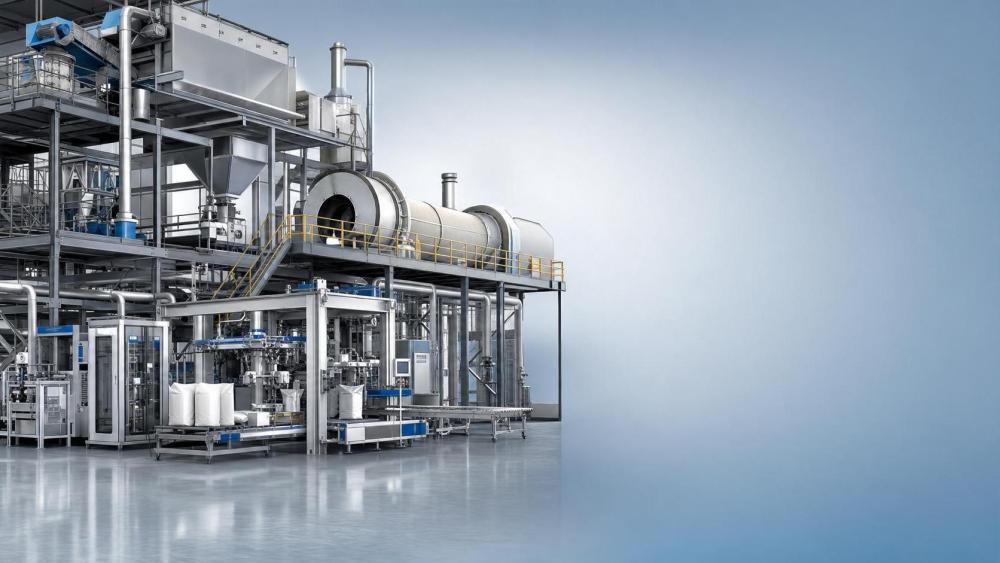
First, define what the line must include.
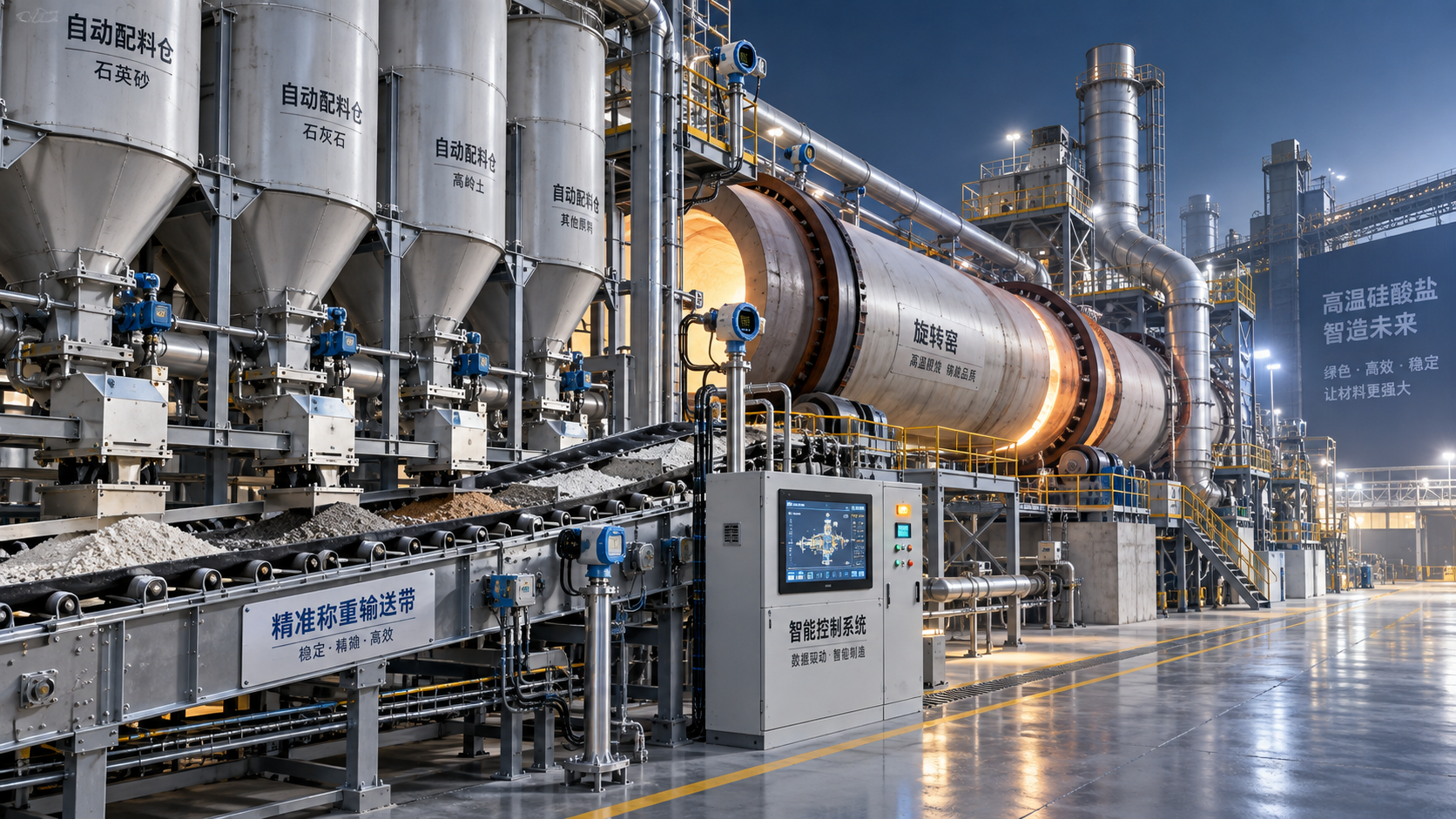
That may cover raw material crushing, batching, grinding, mixing, calcination, cooling, conveying, packing, and emissions treatment.
Some suppliers quote only the core kiln or reactor area.
Others include upstream and downstream systems that shape actual plant performance.
This is where early alignment saves time later.
Ask each silicate production lines supplier to map its offer against one shared process flow.
Without that, commercial comparisons usually become misleading.
Check Capacity Claims Against Real Operating Conditions
Rated output is often presented under ideal conditions.
The better question is what the line can sustain across a normal production year.
Ask for design capacity, guaranteed capacity, and expected annual availability as separate figures.
These should never be blended into one headline number.
A capable silicate production lines supplier should explain performance under feed fluctuation, moisture variation, planned maintenance, and seasonal utility changes.
That explanation matters more than a brochure figure.
Review these capacity checkpoints:
- Hourly and daily throughput by product grade.
- Turndown ratio during partial load operation.
- Utility consumption per ton at different loads.
- Bottlenecks during startup, shutdown, and recipe change.
- Maintenance intervals for wear parts and thermal sections.
A reliable silicate production lines supplier should also show a reference line with similar chemistry and output range.
If the reference uses easier materials, treat the promised capacity carefully.
Evaluate Automation Beyond Basic PLC Control
Automation depth has become a major differentiator in heavy process equipment.
Yet many offers still describe automation in very general terms.
A modern silicate production lines supplier should specify what is monitored, what is controlled, and what is optimized automatically.
That includes raw feed consistency, thermal balance, combustion tuning, pressure control, alarm logic, recipe handling, and traceability.
More advanced suppliers can support historian systems, remote diagnostics, predictive maintenance, and digital performance dashboards.
These functions are especially useful when labor skill levels vary across shifts.
When assessing automation, ask five direct questions:
- Which critical variables are closed-loop controlled?
- How are deviations diagnosed and displayed to operators?
- Can recipes be changed without destabilizing thermal zones?
- What remote service tools are included after commissioning?
- How does the system connect with MES or plant ERP platforms?
In recent projects, the clearer signal is not screen count.
It is how quickly the line recovers from disturbances without quality loss.
Test Raw Material Fit as a Technical, Not Commercial, Issue
Raw material fit is where many silicate projects succeed or fail.
Even a strong silicate production lines supplier can underperform if feedstock data is incomplete.
Silicate systems are sensitive to particle size, moisture, alkali content, impurities, bulk density, and thermal reaction behavior.
That sensitivity affects equipment sizing, refractory selection, residence time, and emissions control.
Require each supplier to review:
- Full chemical composition and expected variability range.
- Moisture profile by season and storage condition.
- PSD data for all major solid inputs.
- Softening, melting, and reaction temperature behavior.
- Potential corrosive or sticky phases during heating.
The best silicate production lines supplier will usually request lab testing, pilot validation, or a detailed heat and mass balance study.
That extra step may look slower at the start.
In reality, it reduces expensive redesign during fabrication or commissioning.
Compare Supplier Engineering Depth, Not Just Equipment Lists
A long equipment schedule does not prove system understanding.
What matters is whether the silicate production lines supplier can defend its design logic.
Look for process narratives, utility balances, control philosophies, and materials-of-construction rationale.
This is especially important in high-temperature systems where thermal stress and chemistry interact constantly.
A useful comparison table can include:
This makes supplier evaluation more evidence-based and less dependent on sales framing.
Look at Lifecycle Risk, Service, and Upgrade Potential
Selection should not stop at commissioning.
A silicate production lines supplier also becomes part of your operating future.
That means spare parts access, technical response speed, training quality, and retrofit support all matter.
This matters even more when emissions rules tighten or product grades evolve.
Focus on these risk points:
- Lead times for critical parts and refractory materials.
- Local or regional field service capability.
- Operator and maintenance training depth.
- Upgrade path for sensors, drives, and controls.
- Performance guarantee terms and remedy mechanisms.
A serious silicate production lines supplier should discuss operating data review after startup.
That shows they are prepared for optimization, not only delivery.
Use a Shortlist Framework That Supports Final Decision Quality
At final selection stage, the cleanest approach is a weighted scorecard.
It keeps technical fit in front of pricing pressure.
A practical scorecard may assign weight to:
- Process compatibility with actual raw materials.
- Sustainable capacity under realistic operation.
- Automation maturity and data visibility.
- Energy efficiency and emissions compliance.
- Lifecycle support and upgrade readiness.
- Commercial terms, schedule, and guarantee strength.
This also helps internal alignment across engineering, operations, procurement, and finance.
From a decision standpoint, the right silicate production lines supplier is the one with the most credible fit, not simply the lowest bid.
That distinction becomes very expensive when overlooked.
A disciplined evaluation process leads to better output stability, smoother ramp-up, and fewer surprises once the line goes live.
Related News
 Ms. Elena RodriguezGlass Market Intelligence: How to Assess Demand, Capacity, and Regional Growth RisksGlass market intelligence for evaluating demand, effective capacity, energy exposure, trade dynamics, and regional growth risks before investing in glass manufacturing.Oct 11, 2026
 Optical Glass Tech FellowWhat Should a Glass Furnace Energy Specification Include?What should be included in a glass furnace energy specification? Explore performance, fuel flexibility, heat recovery, emissions, and monitoring essentials.Oct 11, 2026
 Dr. Alistair VaughnHow Process Technology Platforms Improve Control Across Multi-Line ManufacturingDiscover how a process technology platform strengthens cross-line control, connects operational data, and improves energy, quality, and maintenance decisions.Oct 10, 2026
 Optical Glass Tech FellowHow Glass Furnace Emissions Are Measured and Controlled for Regulatory ComplianceGlass furnace emissions: learn how to measure, monitor, and control NOx, SOx, particulate, CO, and CO2 for reliable regulatory compliance.Oct 08, 2026
 Prof. Marcus ChenIndustrial Decarbonization Strategies in Europe: A Roadmap for Energy-Intensive PlantsIndustrial decarbonization strategies Europe: explore practical pathways for energy-intensive plants to cut emissions, improve efficiency, and protect performance.Oct 07, 2026
 Thermal Energy ArchitectEnergy-Efficient Silicate Production Lines: What to Compare Before SelectionSilicate production lines energy efficient selection guide: compare thermal performance, stability, emissions, controls, and lifecycle value before investing.Oct 06, 2026
 Optical Glass Tech FellowHow to Evaluate Automated Float Glass Lines for Capacity, Quality, and Energy UseEvaluate automated float glass lines for net capacity, consistent quality, energy efficiency, automation reliability, and lifecycle value. Explore key criteria for smarter investment decisions.Oct 05, 2026
 Thermal Energy ArchitectWhat Does CE Marking Require for an Energy-Efficient Industrial Kiln?Energy efficient kiln CE requirements explained: assess safety, technical files, energy performance, and EU compliance before purchase or commissioning.Oct 04, 2026
 Thermal Energy ArchitectRefractory Manufacturing Solutions for Brick Plants: How to Extend Kiln LifeRefractory manufacturing solutions for brick plant operations: discover proven strategies to extend kiln life, reduce heat loss, prevent lining failures, and plan cost-effective repairs.Oct 03, 2026
 Thermal Energy ArchitectHow to Specify Heavy Industrial Process Systems for High-Temperature PlantsHeavy industrial processes systems: learn how to specify high-temperature plants for efficiency, emissions control, maintainability, and lifecycle performance.Oct 02, 2026
 Structural Material AnalystHow Sustainable Material Extrusion Can Improve Wall Panel Durability and Design FlexibilityDiscover how sustainable material extrusion for wall panels improves durability, moisture resistance, design flexibility, and installation consistency for high-performing wall systems.Oct 01, 2026
 Thermal Energy ArchitectHow to Evaluate a High-Temperature Materials Manufacturer for Furnace ApplicationsChoose a high-temperature materials manufacturer with confidence: compare thermal performance, chemical resistance, quality controls, installation support, and lifecycle cost.Sep 30, 2026
 Ms. Elena RodriguezHow to Structure Global Specification Data for Faster Industrial Product EvaluationGlobal specification-oriented product information helps industrial teams compare capacity, energy, emissions, automation, and lifecycle data on a like-for-like basis for faster, confident equipment decisions.Sep 29, 2026
 Thermal Energy ArchitectHow to Specify High-Temperature Process Systems for Continuous Thermal OperationsHigh-temperature process engineering systems: learn how to specify resilient continuous thermal operations for efficiency, compliance, reliable uptime, and long-term performance.Sep 28, 2026
 Thermal Energy ArchitectHow to Evaluate a Thermal Engineering Contractor for High-Temperature Plant ProjectsChoose a thermal engineering contractor with proven process expertise, lifecycle value, emissions control, and delivery discipline for reliable high-temperature plant performance.Sep 27, 2026
 Silicate Process EngineerHow Latin American Cement Plants Can Reduce Dust Emissions in Kilns and Transfer PointsCement plant dust control Latin America: reduce kiln and transfer-point emissions with practical airflow, filtration, monitoring, and maintenance strategies.Sep 26, 2026
 Material Heat-Resist ExpertHow to Evaluate Refractory Production Lines for Output, Quality, and Energy UseRefractory production lines: learn how to assess qualified output, consistent quality, and total energy use for smarter, lower-risk investment decisions.Sep 25, 2026
 Dr. Alistair VaughnHow Waste Recycling Technology Improves Material Recovery in Industrial PlantsWaste recycling technology improves material recovery through source segregation, smart separation, thermal treatment, and quality control for industrial plants.Sep 24, 2026
 Optical Glass Tech FellowHow to Specify Glass Annealing Equipment for European Quality and Energy RequirementsGlass annealing equipment Europe: learn how to specify lehrs for consistent glass quality, energy efficiency, compliance, automation, and reliable long-term performance.Sep 23, 2026
 Optical Glass Tech FellowSilicate Process Automation: Improving Batch Consistency and Energy ControlSilicate process automation improves batch consistency, energy control, traceability, and operator confidence across high-temperature manufacturing operations.Sep 22, 2026

Related News
- 00
0000-00
How to Evaluate Refractory Production Lines for Output, Quality, and Energy Use - 00
0000-00
What Determines Refractory Production Line Price in a Turnkey Plant Project? - 00
0000-00
How to Evaluate a Silicate Production Line for Capacity, Energy Use, and Product Quality - 00
0000-00
Silicate Production Line Process Explained: Key Stages, Equipment, and Quality Control - 00
0000-00
How to Evaluate a Refractory Production Line in Southeast Asia: Capacity, Fuel, and Raw Material Factors
Weekly Insights
Stay ahead with our curated technology reports delivered every Monday.