
Dust Control System Supplier Selection: Key Airflow, Filtration, and Compliance Factors




Selecting a dust control system supplier is no longer a narrow equipment decision. In cement, glass, incineration, refractory, and extrusion operations, dust behavior affects product quality, operator exposure, fire risk, and permit performance at the same time.
That is especially true in high-temperature lines, where airflow can shift with process heat, raw material moisture, and load changes. A capable dust control system supplier must therefore be judged on process understanding, filtration stability, and compliance discipline, not only on quoted collection efficiency.
Across the sectors tracked by CF-Elite, this issue sits close to larger priorities: energy efficiency, decarbonization, uptime, and reliable environmental reporting. Dust collection is often the point where those priorities become measurable in daily plant conditions.
Why supplier selection matters more in heat-intensive industries

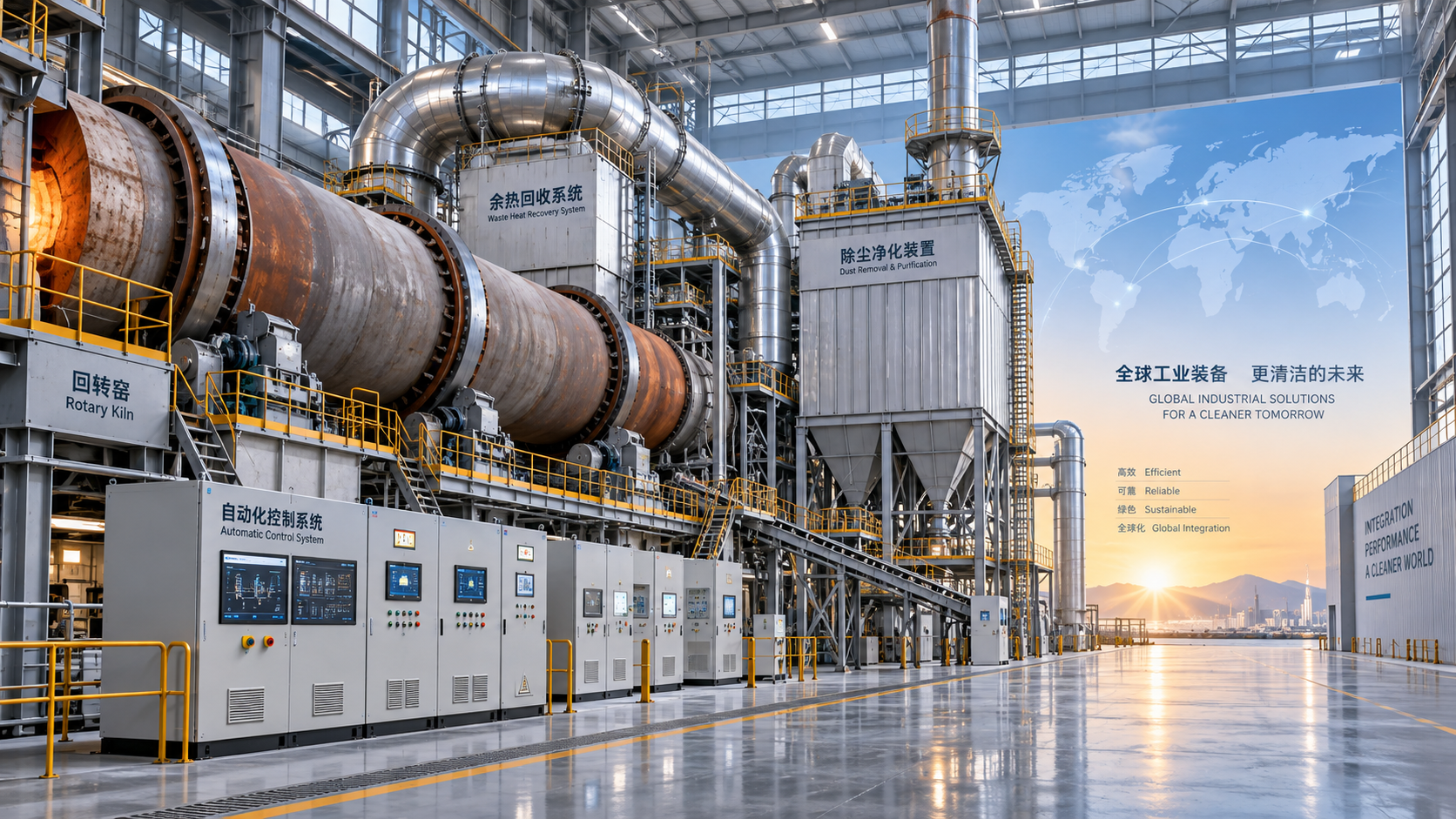
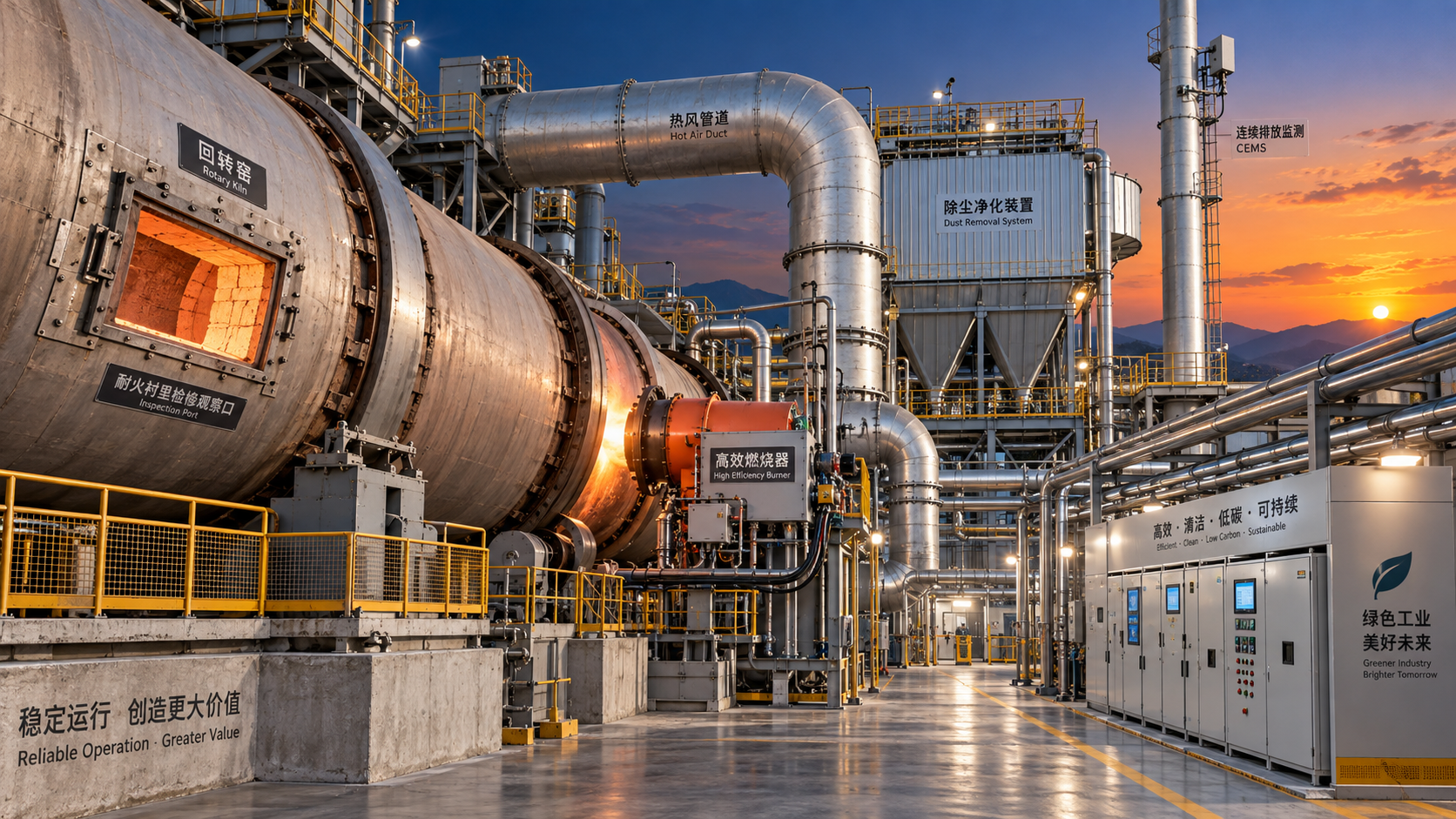
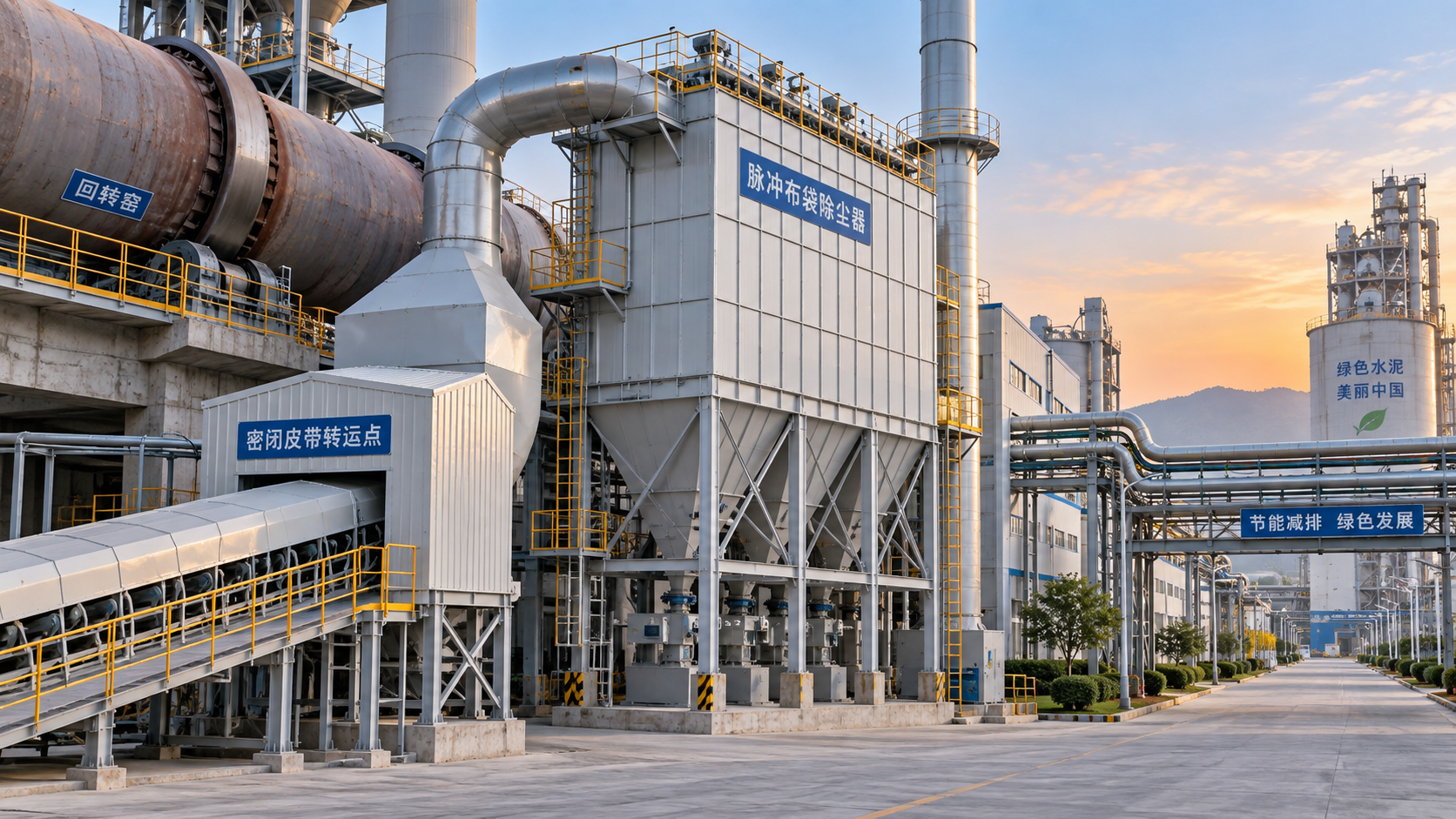
A dust collector may look similar across proposals, yet process reality is rarely similar. Kiln exhaust, clinker transport, cullet handling, ash transfer, and mineral batching create different particle sizes, temperatures, and corrosive conditions.
In these environments, poor supplier selection usually appears later as unstable differential pressure, fast media wear, visible emissions, or housekeeping burdens around transfer points. The immediate problem may be dust, but the root cause is often weak design alignment.
A qualified dust control system supplier should understand how process variability changes hood design, fan sizing, pulse cleaning logic, and emissions monitoring. That technical depth matters more than a generic catalog response.
Airflow is the first technical filter
Most selection mistakes begin with airflow assumptions. If capture velocity is too low, fugitive dust escapes. If airflow is excessive, energy use rises and usable fines may be pulled out of the process.
The better question is not simply how much air a unit can move. It is whether the supplier can maintain stable airflow across actual operating ranges, including startup, upset conditions, and partial loads.
Points worth checking early
- Source capture design at crushers, mixers, conveyors, coolers, and discharge points.
- Duct velocity assumptions for abrasive or sticky dust streams.
- Fan performance curves under hot, dense, or moisture-laden gas conditions.
- Air balancing method when several pickup points share one collector.
- Control strategy for dampers, VFDs, and pressure feedback loops.
In practical terms, a strong dust control system supplier can explain where capture should happen, where pressure losses build up, and how operating changes affect system behavior over time.
Filtration performance goes beyond nominal efficiency
Filter media selection often gets reduced to an efficiency rating. That is too narrow for heavy industrial use. Dust loading, temperature spikes, acid dew point, spark carryover, and cleaning intensity all shape real filtration performance.
The more useful comparison is lifecycle behavior. How quickly does pressure drop rise? How often are bags or cartridges replaced? How sensitive is the media to process excursions? What happens after an upset?
What good filtration review looks like
This is where experienced suppliers separate themselves. They connect filtration choices to process heat profiles, maintenance access, and expected duty cycles rather than selling a one-size-fits-all assembly.
Compliance is not a final checkpoint
Environmental and safety compliance should be evaluated from the first conversation. A dust control system supplier must understand local emissions limits, combustible dust risks, and documentation requirements before the design is frozen.
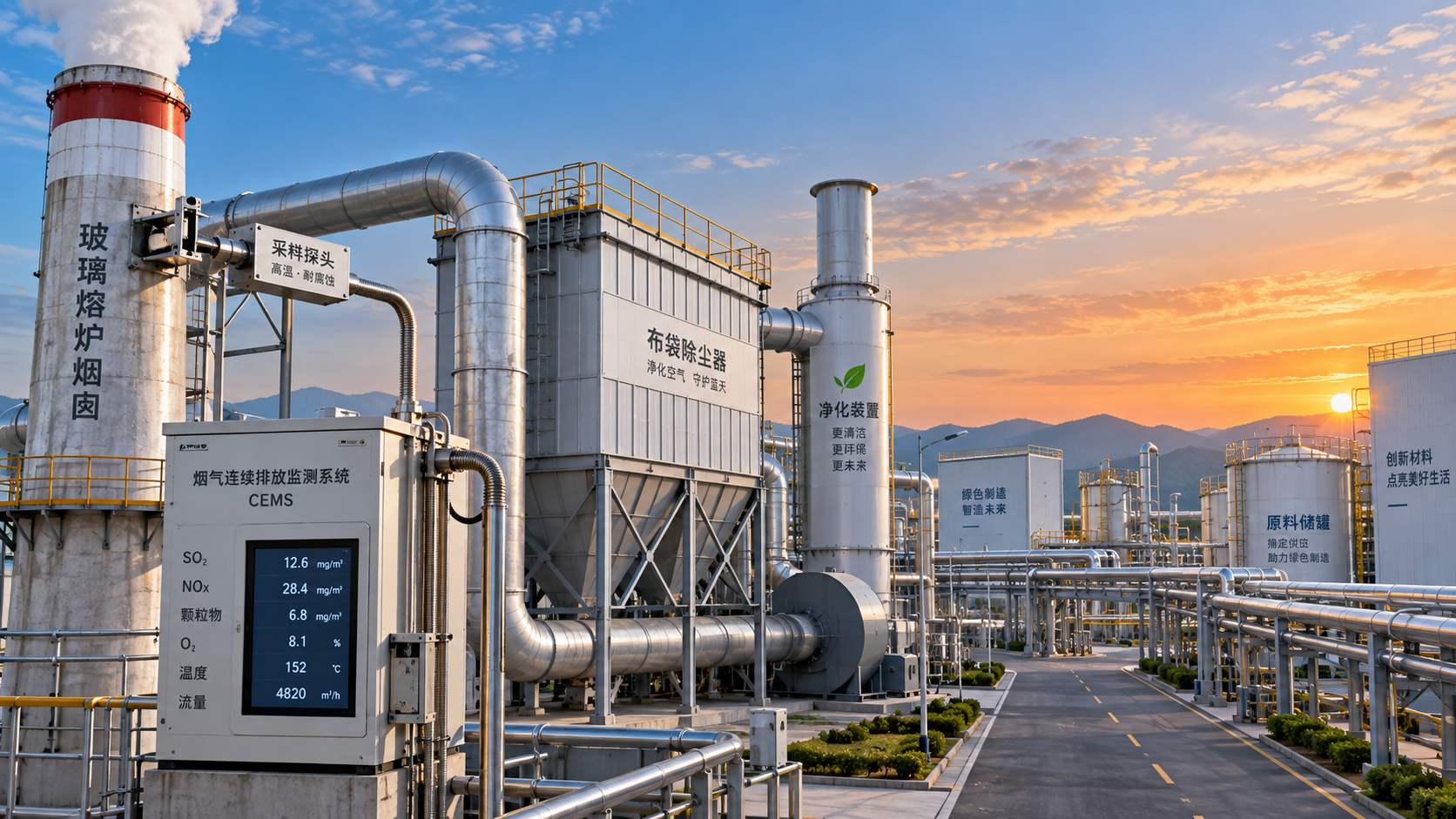
That includes standards related to baghouse performance, pressure relief, explosion isolation, stack testing, and continuous monitoring where required. In some sectors, customer audits are as demanding as regulator inspections.
For plants under carbon and energy scrutiny, compliance also intersects with power consumption. Oversized fans and poorly tuned cleaning cycles may satisfy capture targets while quietly undermining energy performance goals.
Signals of a stronger compliance approach
- Clear design basis documents tied to process conditions and emission limits.
- Material traceability and temperature ratings for major components.
- Defined inspection, commissioning, and validation procedures.
- Support for recordkeeping, alarms, and performance trending.
- A realistic explanation of where compliance margins may tighten.
Typical operating scenarios require different supplier strengths
The right dust control system supplier for a glass batch plant may not be ideal for an incineration ash line. Selection improves when scenarios are defined by process risk, not by equipment category alone.
High-temperature mineral processing
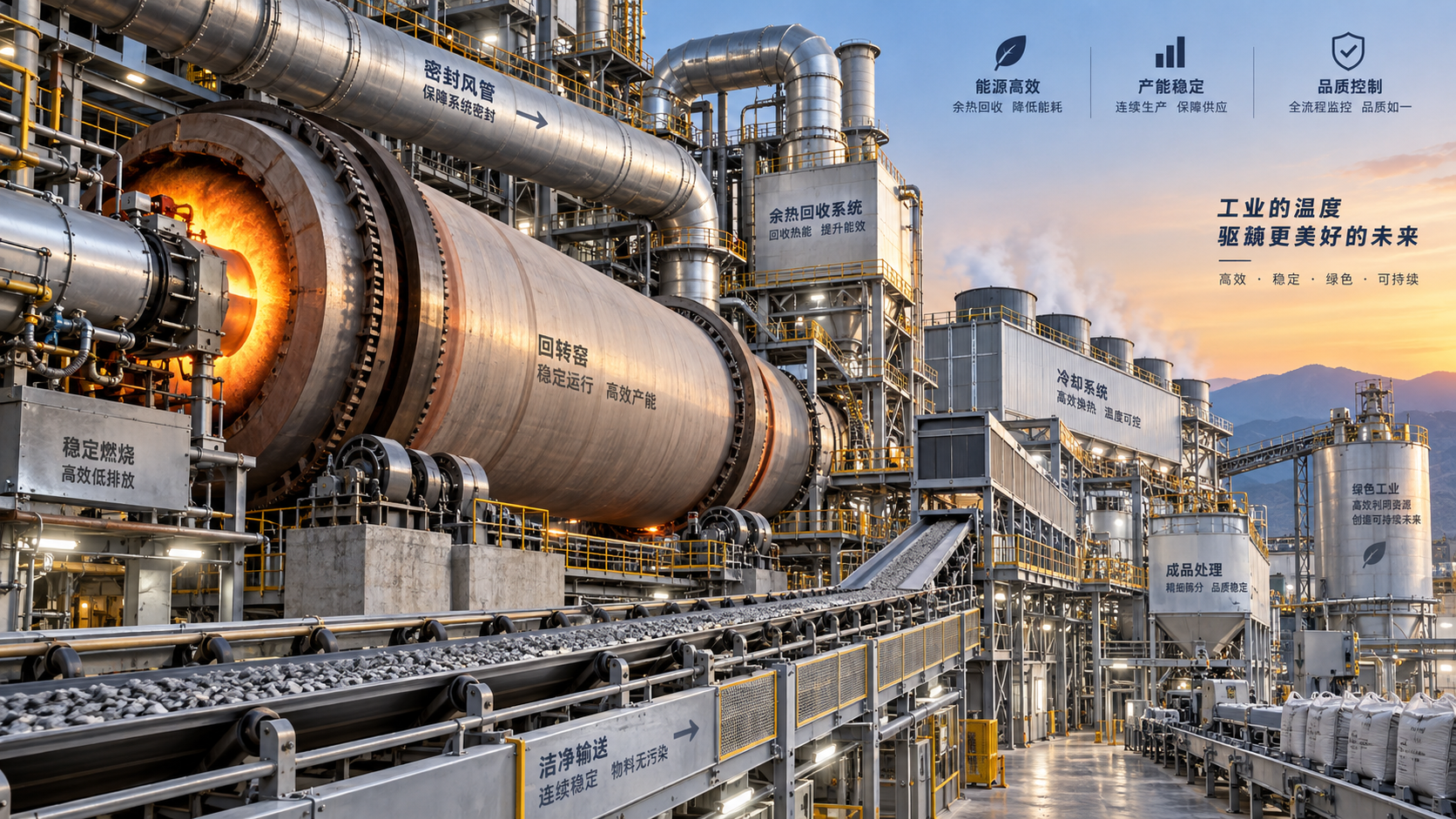
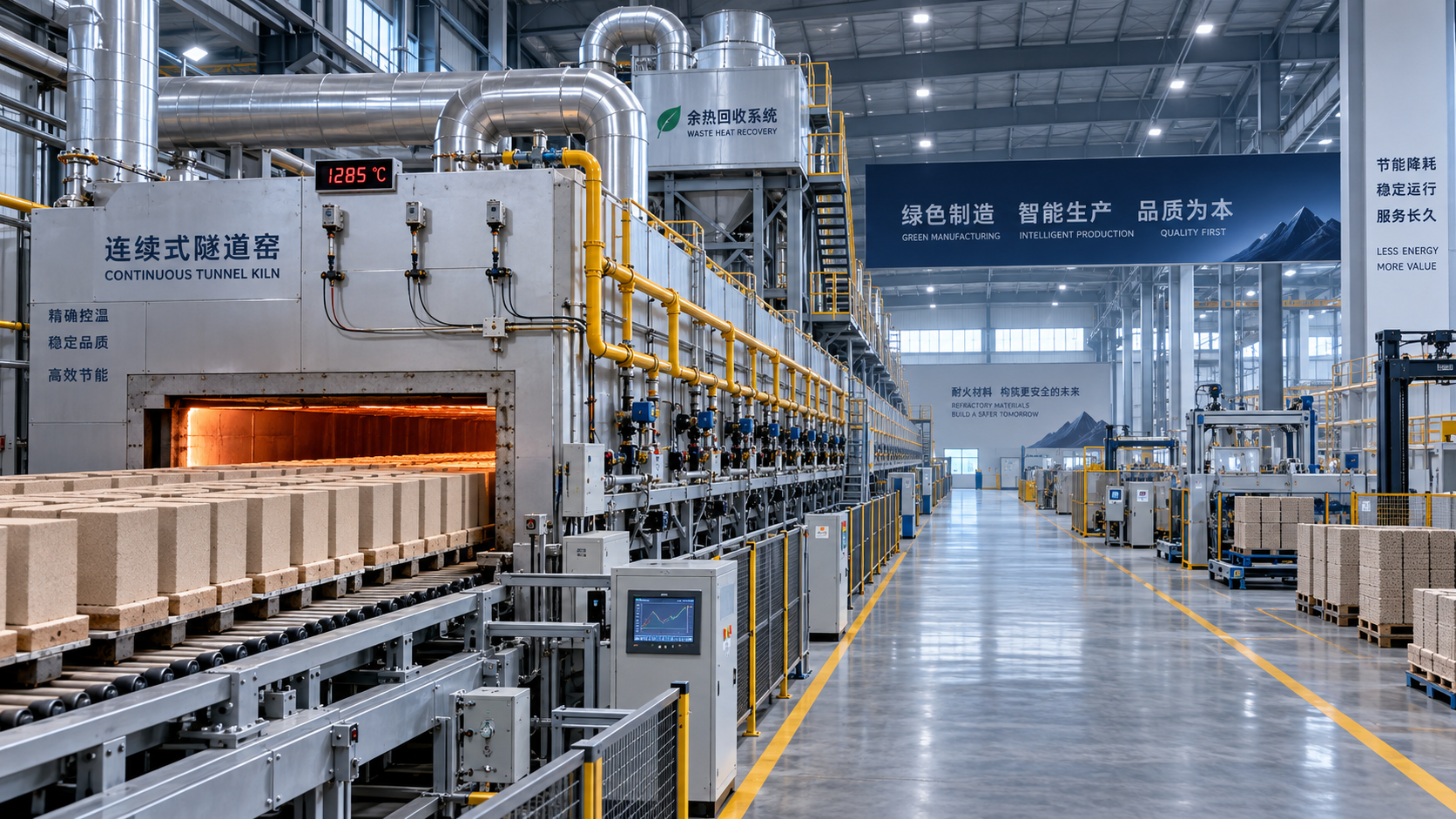
Cement, lime, and refractory lines often need resistance to abrasion, heat fluctuation, and large particulate loading. Here, duct design and media durability usually matter as much as nominal removal efficiency.
Fine particulate handling
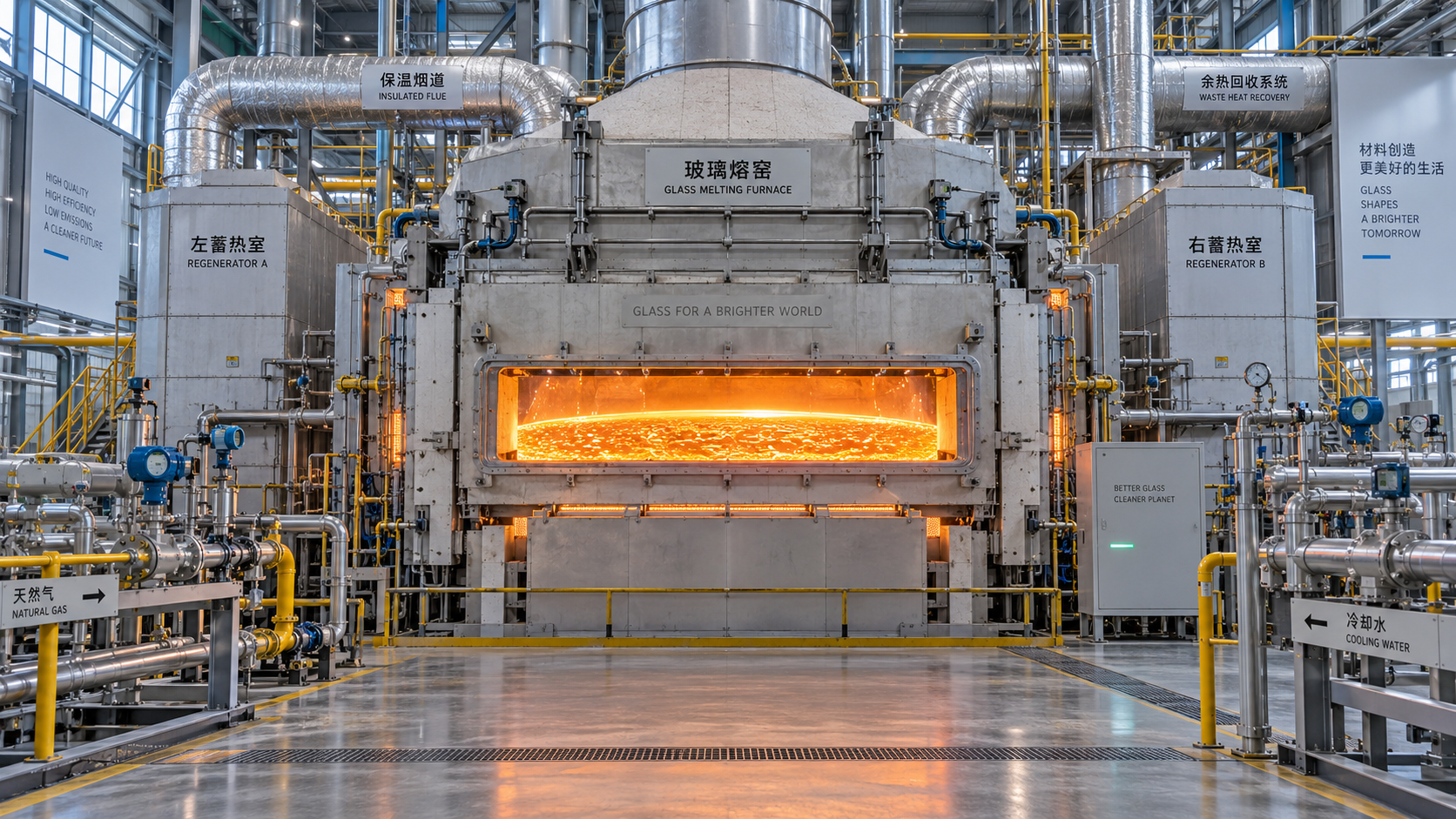
Glass raw materials, additives, and fillers can create persistent fine dust. Seal integrity, leak detection, and stable pulse cleaning become central because small failures quickly become visible in product areas.
Waste-to-energy and incineration support systems
Ash and by-product handling may involve corrosive compounds and variable humidity. A suitable dust control system supplier should address corrosion allowance, condensation risk, and safe maintenance access from the start.
Extrusion and secondary material lines
These systems often face repeated starts, stops, and product changes. Controls, balancing flexibility, and easy serviceability matter because the operating pattern itself stresses dust collection performance.
How to compare suppliers without relying on brochures
A disciplined comparison process usually reveals more than marketing claims. It helps to request the same technical detail from each dust control system supplier and compare their assumptions line by line.
CF-Elite’s sector coverage shows a recurring pattern: better project outcomes follow when thermal data, dust characteristics, and compliance expectations are translated into a written design basis before bidding narrows.
Useful comparison criteria
- Process data requested before quotation.
- Transparency of airflow and pressure-drop calculations.
- Documented references in similar temperature and dust conditions.
- Approach to spare parts, media replacement, and service intervals.
- Integration with plant monitoring and alarm architecture.
- Commissioning support and post-startup optimization scope.
It is also useful to compare what is excluded. Missing silencers, insulation, spark protection, explosion vents, or instrumentation can make a low initial quote misleading.
A practical next step for cleaner and safer operation
The most reliable way to select a dust control system supplier is to begin with plant-specific evidence. Gather current airflow problems, visible dust points, pressure trends, maintenance history, and permit obligations in one review package.
Then test each supplier against that package. Ask how the proposed design handles heat variation, fine particle loading, compliance verification, and long-term operating cost. Strong answers should be technical, measurable, and easy to challenge.
In high-temperature industries, dust collection performance is closely tied to process control and environmental credibility. A careful supplier decision supports cleaner production today and creates a stronger basis for future upgrades, audits, and decarbonization targets.
Related News
 Ms. Elena RodriguezIndustrial Process Optimization: Where to Target Energy, Yield, and Throughput LossesIndustrial process optimization: identify energy, yield, and throughput losses to improve plant stability, reduce costs, and unlock measurable performance gains.Oct 12, 2026
 Ms. Elena RodriguezGlass Market Intelligence: How to Assess Demand, Capacity, and Regional Growth RisksGlass market intelligence for evaluating demand, effective capacity, energy exposure, trade dynamics, and regional growth risks before investing in glass manufacturing.Oct 11, 2026
 Optical Glass Tech FellowWhat Should a Glass Furnace Energy Specification Include?What should be included in a glass furnace energy specification? Explore performance, fuel flexibility, heat recovery, emissions, and monitoring essentials.Oct 11, 2026
 Dr. Alistair VaughnHow Process Technology Platforms Improve Control Across Multi-Line ManufacturingDiscover how a process technology platform strengthens cross-line control, connects operational data, and improves energy, quality, and maintenance decisions.Oct 10, 2026
 Optical Glass Tech FellowHow Glass Furnace Emissions Are Measured and Controlled for Regulatory ComplianceGlass furnace emissions: learn how to measure, monitor, and control NOx, SOx, particulate, CO, and CO2 for reliable regulatory compliance.Oct 08, 2026
 Prof. Marcus ChenIndustrial Decarbonization Strategies in Europe: A Roadmap for Energy-Intensive PlantsIndustrial decarbonization strategies Europe: explore practical pathways for energy-intensive plants to cut emissions, improve efficiency, and protect performance.Oct 07, 2026
 Thermal Energy ArchitectEnergy-Efficient Silicate Production Lines: What to Compare Before SelectionSilicate production lines energy efficient selection guide: compare thermal performance, stability, emissions, controls, and lifecycle value before investing.Oct 06, 2026
 Optical Glass Tech FellowHow to Evaluate Automated Float Glass Lines for Capacity, Quality, and Energy UseEvaluate automated float glass lines for net capacity, consistent quality, energy efficiency, automation reliability, and lifecycle value. Explore key criteria for smarter investment decisions.Oct 05, 2026
 Thermal Energy ArchitectWhat Does CE Marking Require for an Energy-Efficient Industrial Kiln?Energy efficient kiln CE requirements explained: assess safety, technical files, energy performance, and EU compliance before purchase or commissioning.Oct 04, 2026
 Thermal Energy ArchitectRefractory Manufacturing Solutions for Brick Plants: How to Extend Kiln LifeRefractory manufacturing solutions for brick plant operations: discover proven strategies to extend kiln life, reduce heat loss, prevent lining failures, and plan cost-effective repairs.Oct 03, 2026
 Thermal Energy ArchitectHow to Specify Heavy Industrial Process Systems for High-Temperature PlantsHeavy industrial processes systems: learn how to specify high-temperature plants for efficiency, emissions control, maintainability, and lifecycle performance.Oct 02, 2026
 Structural Material AnalystHow Sustainable Material Extrusion Can Improve Wall Panel Durability and Design FlexibilityDiscover how sustainable material extrusion for wall panels improves durability, moisture resistance, design flexibility, and installation consistency for high-performing wall systems.Oct 01, 2026
 Thermal Energy ArchitectHow to Evaluate a High-Temperature Materials Manufacturer for Furnace ApplicationsChoose a high-temperature materials manufacturer with confidence: compare thermal performance, chemical resistance, quality controls, installation support, and lifecycle cost.Sep 30, 2026
 Ms. Elena RodriguezHow to Structure Global Specification Data for Faster Industrial Product EvaluationGlobal specification-oriented product information helps industrial teams compare capacity, energy, emissions, automation, and lifecycle data on a like-for-like basis for faster, confident equipment decisions.Sep 29, 2026
 Thermal Energy ArchitectHow to Specify High-Temperature Process Systems for Continuous Thermal OperationsHigh-temperature process engineering systems: learn how to specify resilient continuous thermal operations for efficiency, compliance, reliable uptime, and long-term performance.Sep 28, 2026
 Thermal Energy ArchitectHow to Evaluate a Thermal Engineering Contractor for High-Temperature Plant ProjectsChoose a thermal engineering contractor with proven process expertise, lifecycle value, emissions control, and delivery discipline for reliable high-temperature plant performance.Sep 27, 2026
 Silicate Process EngineerHow Latin American Cement Plants Can Reduce Dust Emissions in Kilns and Transfer PointsCement plant dust control Latin America: reduce kiln and transfer-point emissions with practical airflow, filtration, monitoring, and maintenance strategies.Sep 26, 2026
 Material Heat-Resist ExpertHow to Evaluate Refractory Production Lines for Output, Quality, and Energy UseRefractory production lines: learn how to assess qualified output, consistent quality, and total energy use for smarter, lower-risk investment decisions.Sep 25, 2026
 Dr. Alistair VaughnHow Waste Recycling Technology Improves Material Recovery in Industrial PlantsWaste recycling technology improves material recovery through source segregation, smart separation, thermal treatment, and quality control for industrial plants.Sep 24, 2026
 Optical Glass Tech FellowHow to Specify Glass Annealing Equipment for European Quality and Energy RequirementsGlass annealing equipment Europe: learn how to specify lehrs for consistent glass quality, energy efficiency, compliance, automation, and reliable long-term performance.Sep 23, 2026






Related News
- 00
0000-00
Industrial Process Optimization: Where to Target Energy, Yield, and Throughput Losses - 00
0000-00
Glass Market Intelligence: How to Assess Demand, Capacity, and Regional Growth Risks - 00
0000-00
How to Structure Global Specification Data for Faster Industrial Product Evaluation - 00
0000-00
What Drives High-Pressure Extrusion Equipment Cost in Industrial Projects? - 00
0000-00
How Should Buyers Evaluate Building Material Industry Intelligence Pricing?
Weekly Insights
Stay ahead with our curated technology reports delivered every Monday.