
Glass Melting Innovations Energy Saving: Which Technologies Deliver Stable Output?




Glass melting innovations energy saving is moving from pilot topic to board-level decision
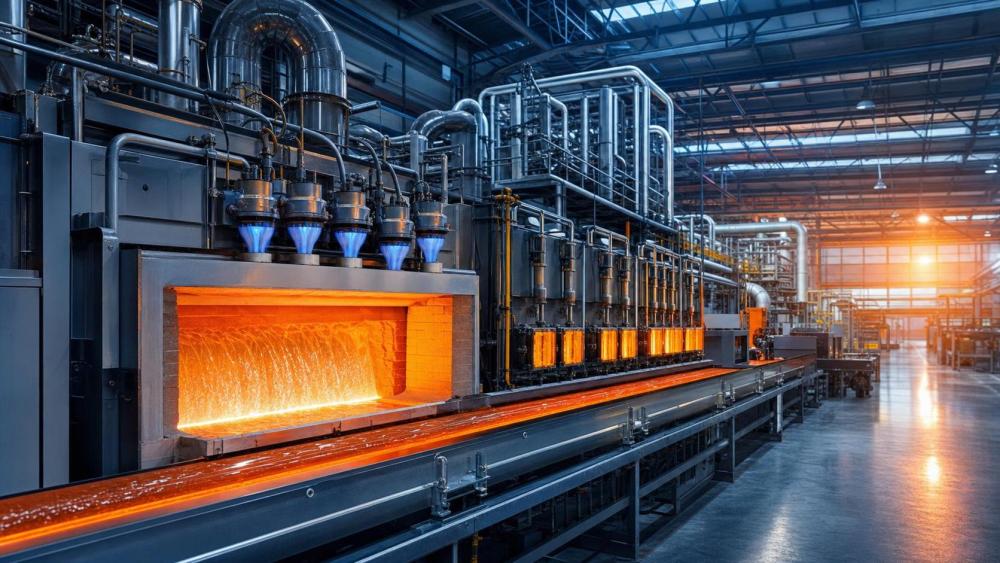
Fuel volatility, tighter emissions rules, and quality pressure are reshaping how glass plants evaluate furnace technology.
That shift is especially visible in flat glass, container glass, fiberglass, and specialty lines serving solar, electronics, and construction demand.
In this context, glass melting innovations energy saving has become less about isolated equipment upgrades and more about stable output under changing constraints.
The real test is no longer simple thermal efficiency.
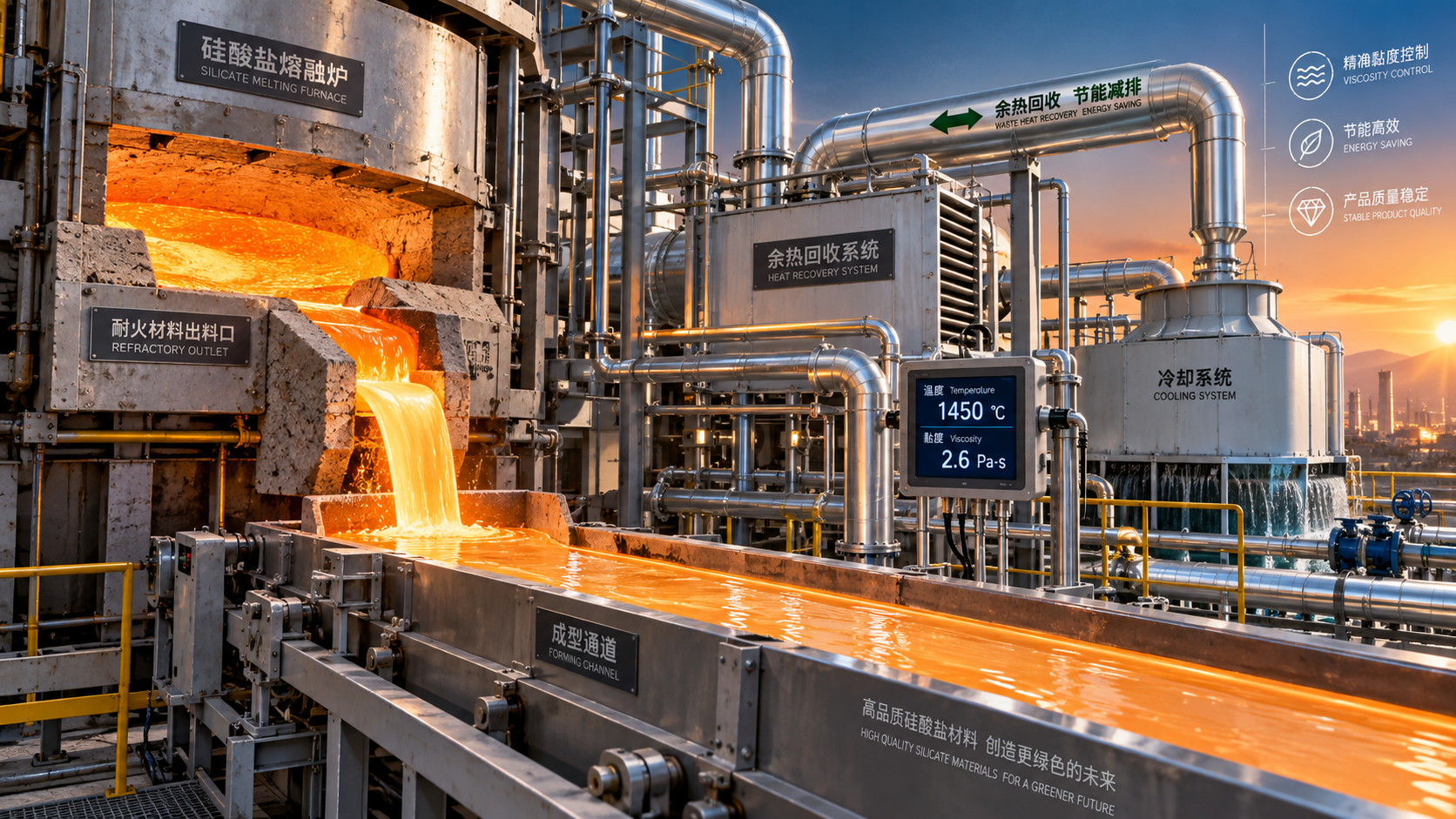
It is whether lower energy use can coexist with viscosity control, bubble reduction, pull-rate stability, and predictable furnace campaigns.
Across high-temperature industries, this pattern is familiar.
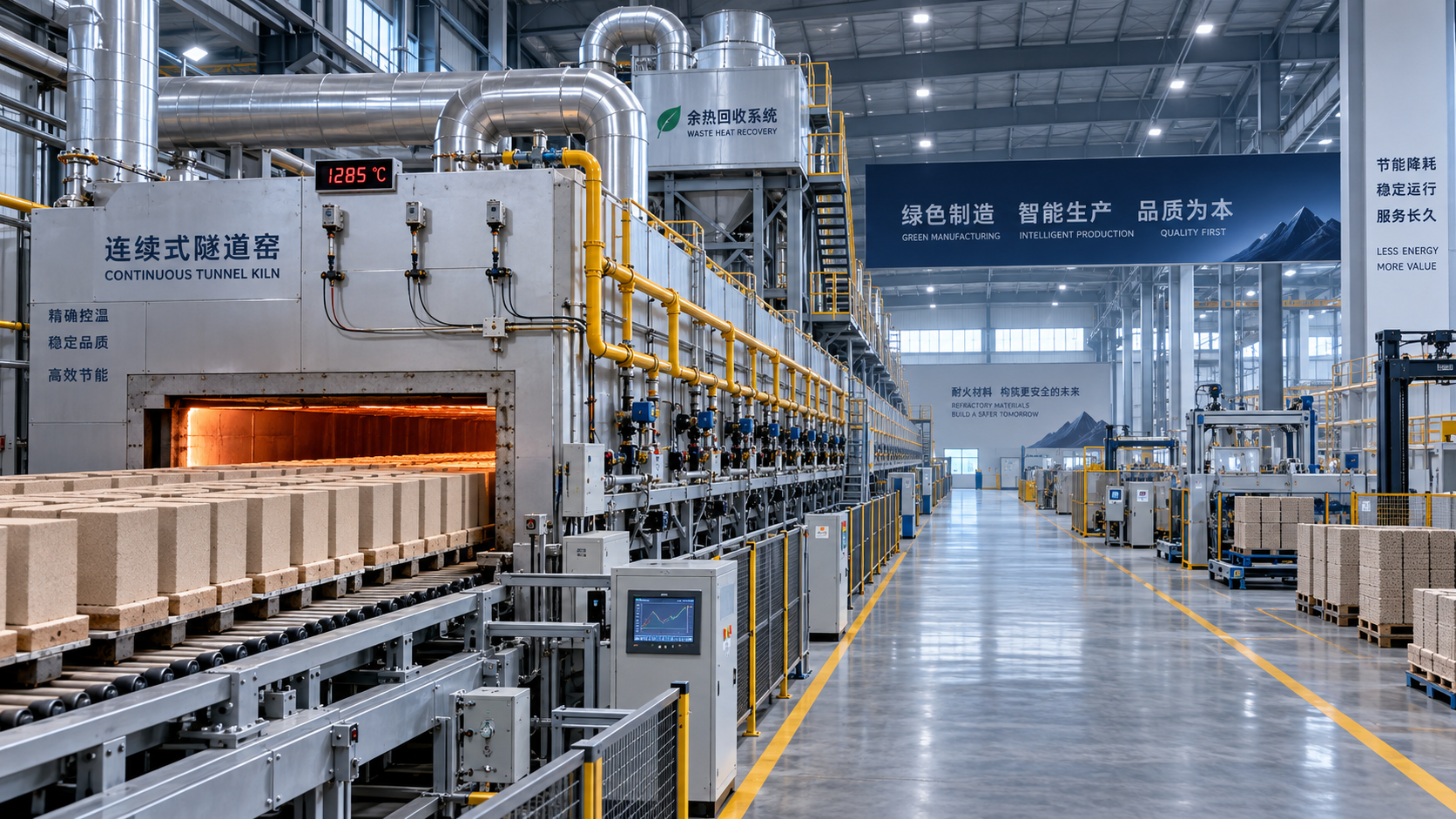
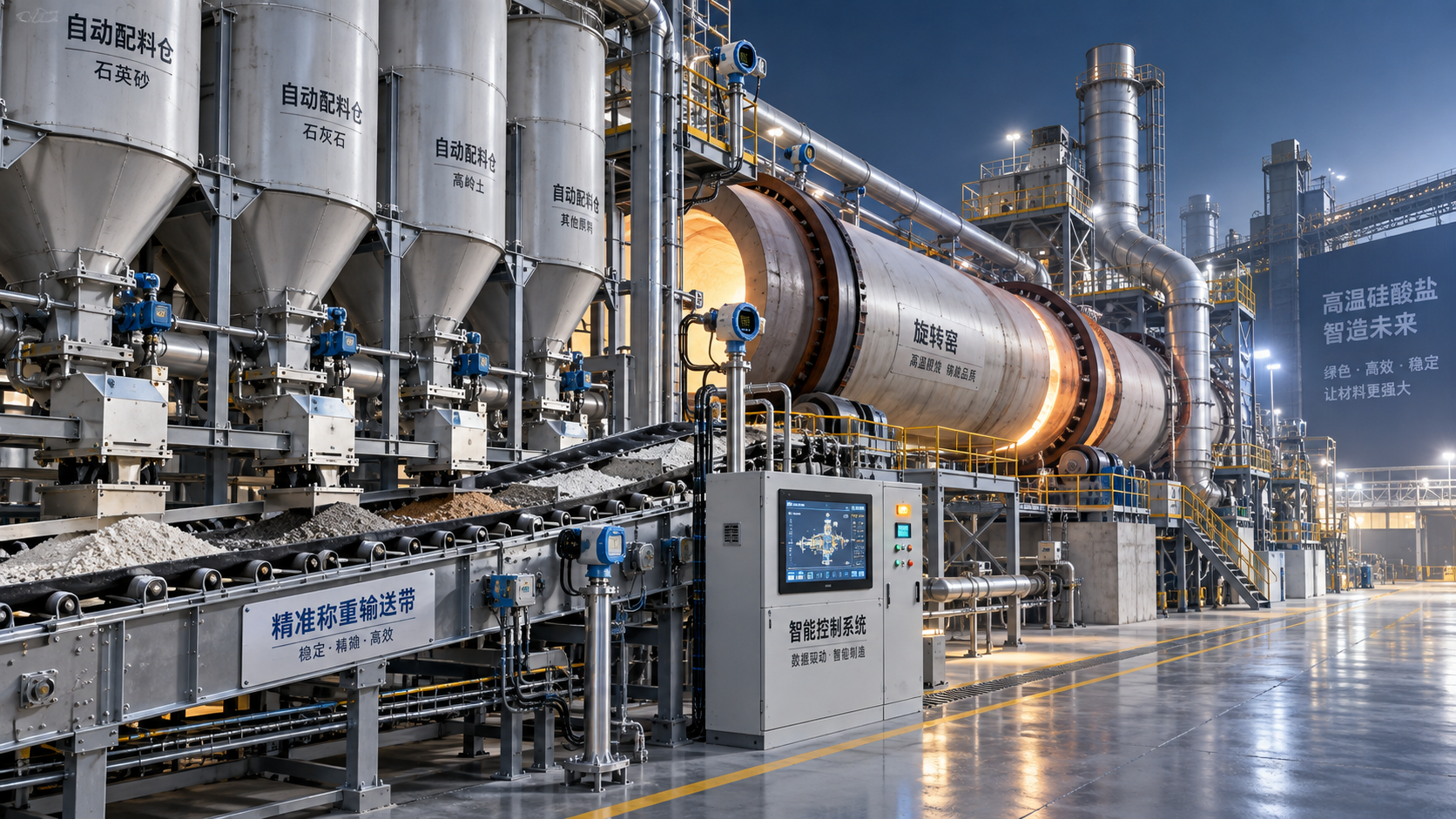
CF-Elite tracks similar decisions in cement kilns, refractory lines, industrial incineration, and extrusion systems, where energy savings matter only when process windows remain dependable.
That wider view matters for glass.
The most successful projects now combine combustion redesign, electrical support, waste heat use, refractory management, and digital supervision rather than betting on one headline technology.
Why the recent signal has become harder to ignore
Several forces are converging at the same time, and each one changes investment logic.
Energy prices remain uneven across regions.
Carbon accounting is extending from compliance reporting into customer qualification, financing terms, and export competitiveness.
At the same time, glass applications are becoming less forgiving.
Solar glass, display substrates, pharmaceutical packaging, and high-performance architectural products all require tighter melt consistency.
This is why glass melting innovations energy saving is attracting attention beyond engineering departments.
Recent demand also shows a more practical mindset.
Many operators are less interested in theoretical peak savings and more focused on technologies that survive unstable raw materials, variable cullet ratios, and aging furnace structures.
This combination is pushing the market away from generic efficiency claims and toward process-specific evidence.
The technologies drawing attention are not equal in how they protect stable output
Oxy-fuel combustion remains one of the most discussed options.
Its appeal comes from higher flame temperature, lower flue gas volume, and the potential to cut thermal losses.
In the right furnace, it can improve melting intensity and reduce some emission burdens.
Yet stable output depends on more than conversion efficiency.
Oxygen cost, burner tuning, crown conditions, and local hot spots can change the outcome quickly.
Electric boosting is gaining ground for a different reason.
It offers responsive thermal support, better local control, and a pathway to reduce fossil dependence where power quality and pricing are manageable.
For specialty glass and quality-sensitive lines, that controllability can be more valuable than simple energy reduction.
Waste heat recovery still matters, but it is being evaluated more carefully.
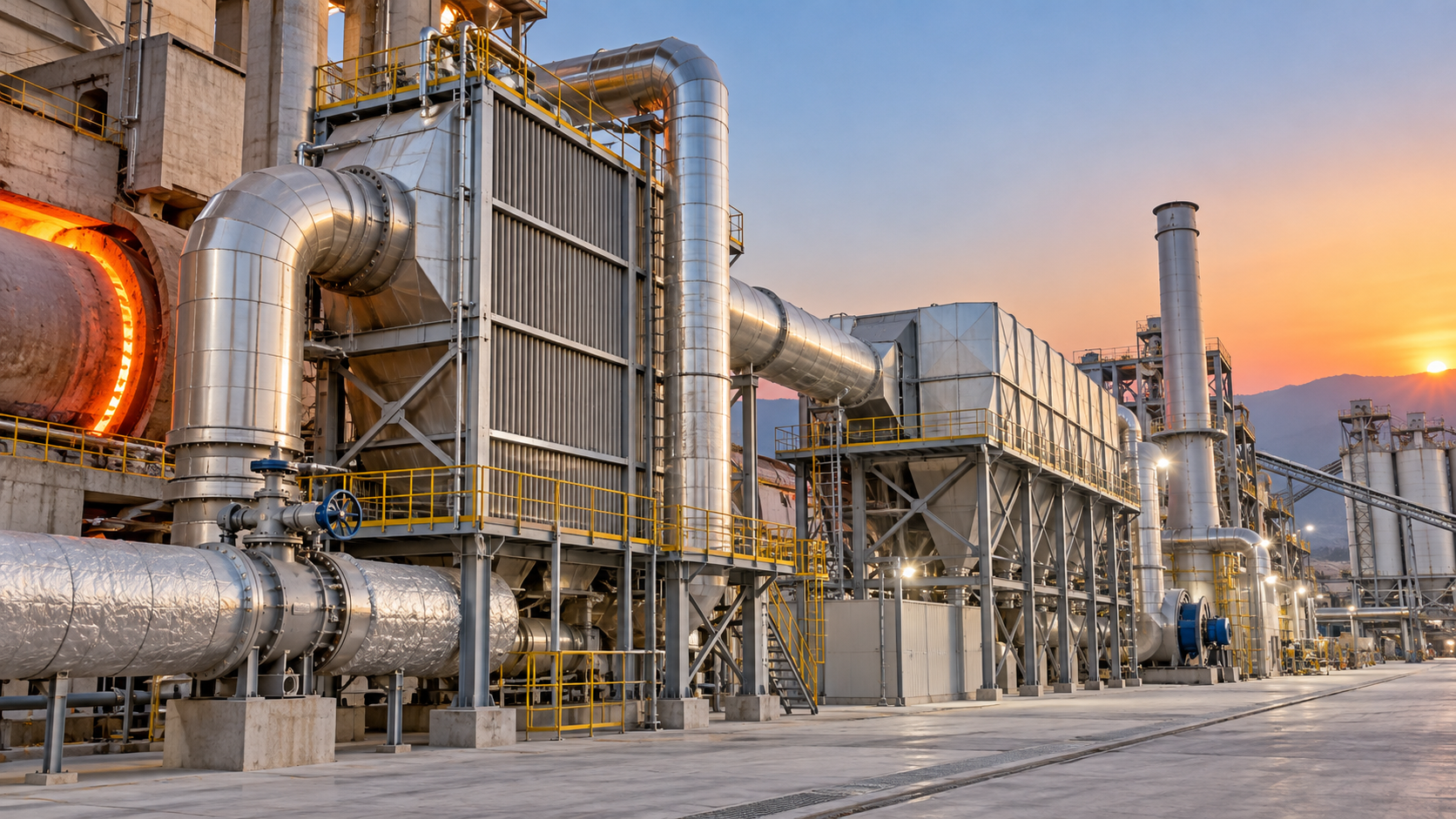
Its value is strongest when recovered heat matches nearby process demand, batch preheating, combustion air preparation, or plant utility systems.
Digital control is the least visible change, yet often the most repeatable.
Advanced sensors, model-based control, and digital twin logic help operators maintain narrower thermal bands and respond earlier to drift.
That is where glass melting innovations energy saving often becomes durable rather than temporary.
Where each option tends to perform best
- Oxy-fuel: strongest in projects targeting combustion efficiency, lower flue volume, and emission redesign.
- Electric boosting: valuable where pull-rate stability and localized thermal correction matter.
- Waste heat recovery: effective when a site has steady secondary heat demand.
- Digital process control: most useful across mixed-age assets with recurring process variation.
The main impact is spreading beyond the furnace itself
One clear change is that energy strategy now influences refractory planning.
More aggressive thermal profiles can alter wear patterns, corrosion exposure, and campaign predictability.
That makes refractory intelligence part of glass melting innovations energy saving, not a separate maintenance issue.
Batch preparation is also affected.
Cullet quality, moisture variation, and particle distribution can either unlock savings or erase them through unstable melt behavior.
More plants are therefore linking thermal projects with upstream raw material discipline.
Downstream quality control changes as well.
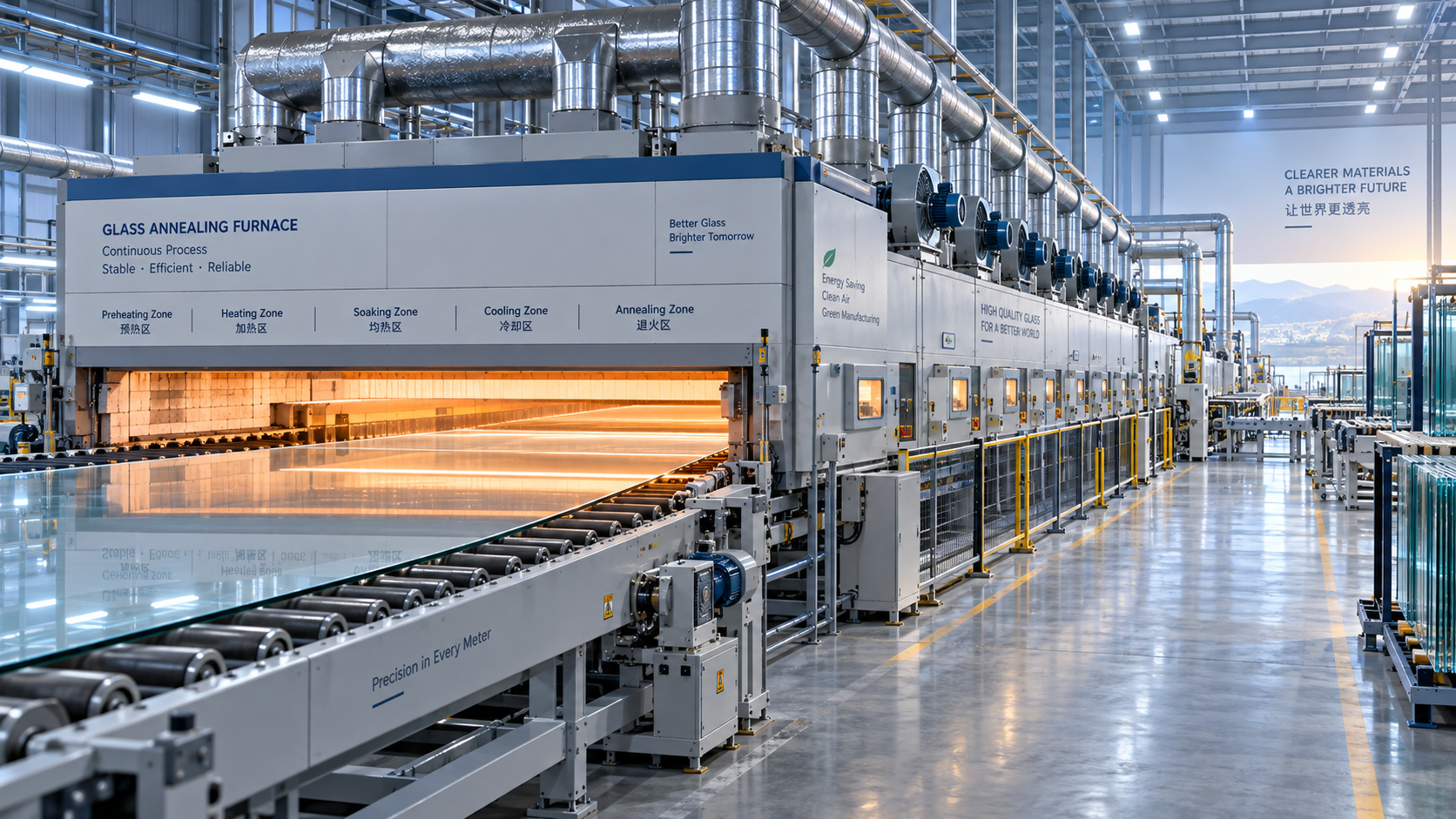
When the furnace becomes more dynamic, inspection systems, annealing settings, and defect tracking need tighter integration.
This broader systems view mirrors what CF-Elite observes in kilns and incineration lines.
Energy gains hold only when thermal management, materials behavior, and monitoring architecture move together.
What deserves closer attention before choosing a route
The market is full of attractive numbers, but comparison should begin with operating conditions rather than brochure savings.
A useful review framework usually includes the following points.
- Furnace age, remaining campaign life, and structural margin for thermal change.
- Product mix sensitivity, especially for color, bubble limits, and viscosity stability.
- Regional electricity price, oxygen supply reliability, and emissions cost exposure.
- Cullet ratio targets and the actual consistency of incoming recycled material.
- Instrumentation depth, data quality, and the plant’s ability to act on process signals.
More advanced projects now treat these factors as one decision set.
That reduces the risk of choosing a technically impressive option that performs poorly in daily production.
In practical terms, glass melting innovations energy saving works best when the plant can define its most fragile constraint first.
For one line, that may be fuel cost.
For another, it may be defect rates during pull-rate changes.
The technology choice should follow that constraint, not the other way around.
The next phase will favor hybrid architecture and better intelligence stitching
The strongest direction ahead is not a single winner among combustion, electrification, or recovery systems.
It is a hybrid architecture built around site economics and process behavior.
That may include oxy-fuel in one section, electric boosting in another, and digital supervision across the full thermal chain.
This is also where intelligence platforms gain strategic value.
CF-Elite’s perspective across silicate production, refractory systems, and industrial heat management highlights a useful lesson.
Stable output is rarely protected by equipment selection alone.
It is protected by linking thermal parameters, chemical kinetics, asset condition, and external carbon signals into one decision model.
That is why glass melting innovations energy saving should be reviewed as a strategic operating system rather than a retrofit checklist.
The next step is straightforward.
Map current furnace instability, compare technology fit against real process constraints, and build a phased plan with measurable thermal, quality, and carbon indicators.
Plants that do this early are more likely to achieve lower energy intensity without trading away output confidence.
Related News
 Dr. Alistair VaughnHow Process Technology Platforms Improve Control Across Multi-Line ManufacturingDiscover how a process technology platform strengthens cross-line control, connects operational data, and improves energy, quality, and maintenance decisions.Oct 10, 2026
 Optical Glass Tech FellowHow Glass Furnace Emissions Are Measured and Controlled for Regulatory ComplianceGlass furnace emissions: learn how to measure, monitor, and control NOx, SOx, particulate, CO, and CO2 for reliable regulatory compliance.Oct 08, 2026
 Prof. Marcus ChenIndustrial Decarbonization Strategies in Europe: A Roadmap for Energy-Intensive PlantsIndustrial decarbonization strategies Europe: explore practical pathways for energy-intensive plants to cut emissions, improve efficiency, and protect performance.Oct 07, 2026
 Thermal Energy ArchitectEnergy-Efficient Silicate Production Lines: What to Compare Before SelectionSilicate production lines energy efficient selection guide: compare thermal performance, stability, emissions, controls, and lifecycle value before investing.Oct 06, 2026
 Optical Glass Tech FellowHow to Evaluate Automated Float Glass Lines for Capacity, Quality, and Energy UseEvaluate automated float glass lines for net capacity, consistent quality, energy efficiency, automation reliability, and lifecycle value. Explore key criteria for smarter investment decisions.Oct 05, 2026
 Thermal Energy ArchitectWhat Does CE Marking Require for an Energy-Efficient Industrial Kiln?Energy efficient kiln CE requirements explained: assess safety, technical files, energy performance, and EU compliance before purchase or commissioning.Oct 04, 2026
 Thermal Energy ArchitectRefractory Manufacturing Solutions for Brick Plants: How to Extend Kiln LifeRefractory manufacturing solutions for brick plant operations: discover proven strategies to extend kiln life, reduce heat loss, prevent lining failures, and plan cost-effective repairs.Oct 03, 2026
 Thermal Energy ArchitectHow to Specify Heavy Industrial Process Systems for High-Temperature PlantsHeavy industrial processes systems: learn how to specify high-temperature plants for efficiency, emissions control, maintainability, and lifecycle performance.Oct 02, 2026
 Structural Material AnalystHow Sustainable Material Extrusion Can Improve Wall Panel Durability and Design FlexibilityDiscover how sustainable material extrusion for wall panels improves durability, moisture resistance, design flexibility, and installation consistency for high-performing wall systems.Oct 01, 2026
 Thermal Energy ArchitectHow to Evaluate a High-Temperature Materials Manufacturer for Furnace ApplicationsChoose a high-temperature materials manufacturer with confidence: compare thermal performance, chemical resistance, quality controls, installation support, and lifecycle cost.Sep 30, 2026
 Ms. Elena RodriguezHow to Structure Global Specification Data for Faster Industrial Product EvaluationGlobal specification-oriented product information helps industrial teams compare capacity, energy, emissions, automation, and lifecycle data on a like-for-like basis for faster, confident equipment decisions.Sep 29, 2026
 Thermal Energy ArchitectHow to Specify High-Temperature Process Systems for Continuous Thermal OperationsHigh-temperature process engineering systems: learn how to specify resilient continuous thermal operations for efficiency, compliance, reliable uptime, and long-term performance.Sep 28, 2026
 Thermal Energy ArchitectHow to Evaluate a Thermal Engineering Contractor for High-Temperature Plant ProjectsChoose a thermal engineering contractor with proven process expertise, lifecycle value, emissions control, and delivery discipline for reliable high-temperature plant performance.Sep 27, 2026
 Silicate Process EngineerHow Latin American Cement Plants Can Reduce Dust Emissions in Kilns and Transfer PointsCement plant dust control Latin America: reduce kiln and transfer-point emissions with practical airflow, filtration, monitoring, and maintenance strategies.Sep 26, 2026
 Material Heat-Resist ExpertHow to Evaluate Refractory Production Lines for Output, Quality, and Energy UseRefractory production lines: learn how to assess qualified output, consistent quality, and total energy use for smarter, lower-risk investment decisions.Sep 25, 2026
 Dr. Alistair VaughnHow Waste Recycling Technology Improves Material Recovery in Industrial PlantsWaste recycling technology improves material recovery through source segregation, smart separation, thermal treatment, and quality control for industrial plants.Sep 24, 2026
 Optical Glass Tech FellowHow to Specify Glass Annealing Equipment for European Quality and Energy RequirementsGlass annealing equipment Europe: learn how to specify lehrs for consistent glass quality, energy efficiency, compliance, automation, and reliable long-term performance.Sep 23, 2026
 Optical Glass Tech FellowSilicate Process Automation: Improving Batch Consistency and Energy ControlSilicate process automation improves batch consistency, energy control, traceability, and operator confidence across high-temperature manufacturing operations.Sep 22, 2026
 Optical Glass Tech FellowHow Silicate Industrial Processes Control Viscosity, Energy Use, and Product QualitySilicate industrial processes: learn how viscosity, chemistry, heat transfer, and atmosphere control reduce energy use, improve stability, and protect product quality.Sep 21, 2026
 Thermal Energy ArchitectHow European Plants Can Evaluate Energy Recovery Equipment for High-Temperature ProcessesIndustrial energy recovery equipment Europe: learn how high-temperature plants can assess waste-heat sources, integration risks, lifecycle value, and reliable recovery routes.Sep 20, 2026



Related News
- 00
0000-00
How Glass Furnace Emissions Are Measured and Controlled for Regulatory Compliance - 00
0000-00
How to Evaluate Automated Float Glass Lines for Capacity, Quality, and Energy Use - 00
0000-00
How to Specify Glass Annealing Equipment for European Quality and Energy Requirements - 00
0000-00
Silicate Process Automation: Improving Batch Consistency and Energy Control - 00
0000-00
How Silicate Industrial Processes Control Viscosity, Energy Use, and Product Quality
Weekly Insights
Stay ahead with our curated technology reports delivered every Monday.