
High Temperature Process Equipment Europe: What to Check Before Supplier Comparison




High Temperature Process Equipment Europe: What to Check Before Supplier Comparison
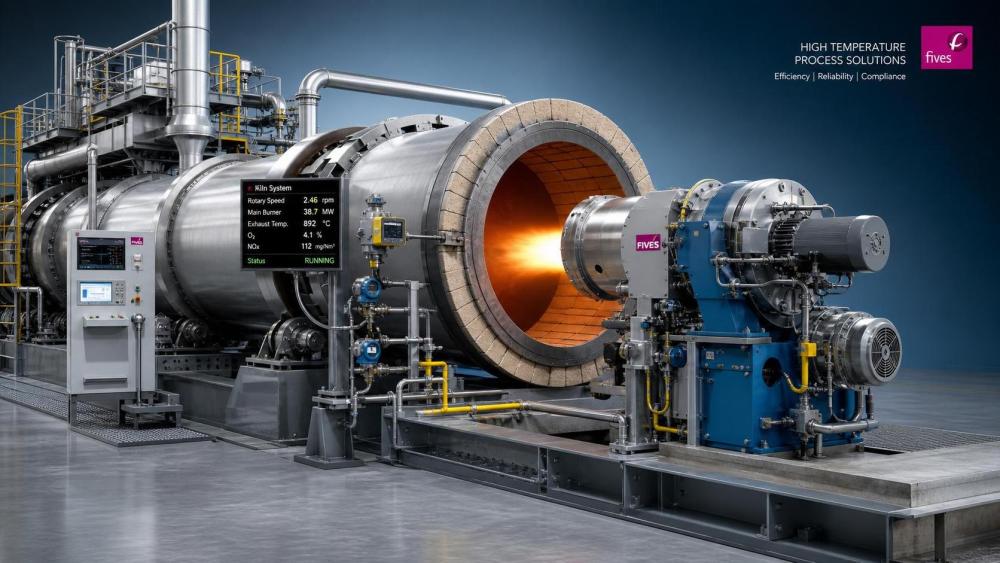
When evaluating high temperature process equipment Europe suppliers, buyers need more than price sheets and basic specs.
From kiln stability to refractory life, small differences can become major operating costs.
This is especially true in cement, glass, incineration, refractory, and extrusion projects.
In practice, the best supplier comparison starts with process risk, not with unit price.
That matters because high temperature process equipment Europe projects usually run for years, not months.
A cheaper line can become expensive if shutdowns, fuel use, or spare parts are poorly controlled.
The more useful approach is to compare total operational fit.
That includes thermal performance, emissions readiness, controls, service response, and supplier engineering depth.
Start With Process Matching, Not Catalog Matching
Many high temperature process equipment Europe offers look similar on paper.
The gap appears when process conditions become specific.
Feed chemistry, moisture swings, ash behavior, flame profile, and product uniformity all change equipment suitability.
A supplier should ask detailed operating questions early.
If the discussion stays at capacity and outlet temperature, the comparison is still too shallow.
Useful checkpoints include:
- Design temperature range under normal and upset conditions.
- Material compatibility with corrosive gases, alkali, chlorides, or abrasive solids.
- Residence time control and heat distribution across the process zone.
- Expected throughput flexibility during seasonal or product changes.
- Tolerance for alternative fuels or mixed raw material inputs.
This first filter helps separate true process partners from general equipment traders.
Check Thermal Stability and Refractory Strategy
Thermal stability sits at the center of high temperature process equipment Europe selection.
Temperature control affects fuel use, product quality, emissions, and lining life at the same time.
A strong supplier should explain how the system handles heat loss, hot spots, and transient loads.
Refractory design deserves equal attention.
In real projects, lining failure often causes more disruption than mechanical breakdown.
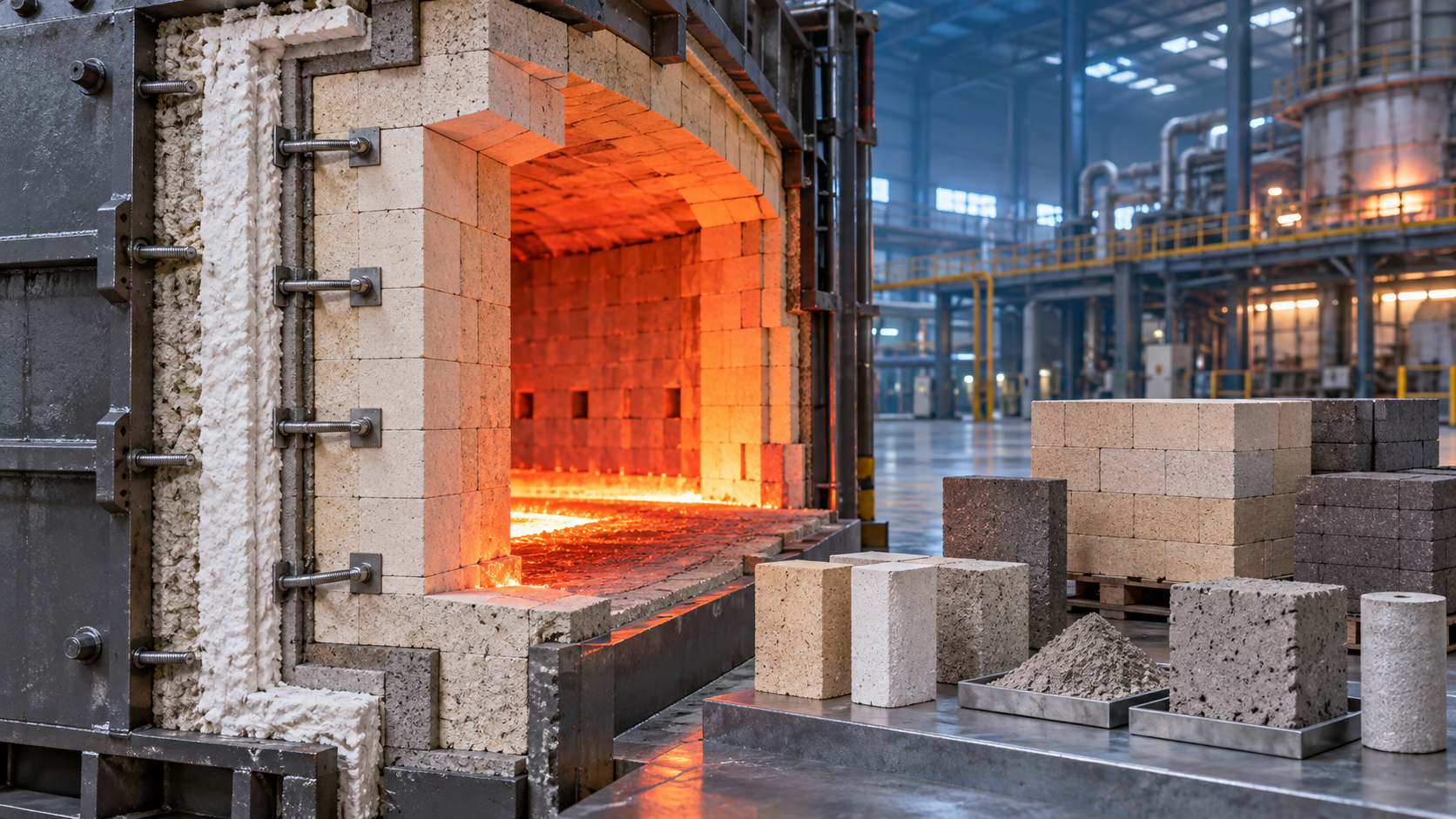
Ask for refractory logic by zone, not a single generic statement.
- Which brick, castable, or insulation layers are used in each temperature section?
- How is thermal shock risk reduced during startup and shutdown?
- What lining life is guaranteed under the stated fuel and feed conditions?
- Which online monitoring tools detect shell temperature drift or early wear?
For high temperature process equipment Europe projects, these answers often reveal the supplier’s actual engineering maturity.
Verify Energy Efficiency Beyond Simple Consumption Claims
Energy efficiency is now a core decision factor, not a marketing extra.
Across Europe, fuel costs and carbon pressure make thermal performance financially visible.
That means high temperature process equipment Europe comparisons should examine how efficiency is achieved.
Look for measurable design features, not broad claims.
- Burner configuration and flame control range.
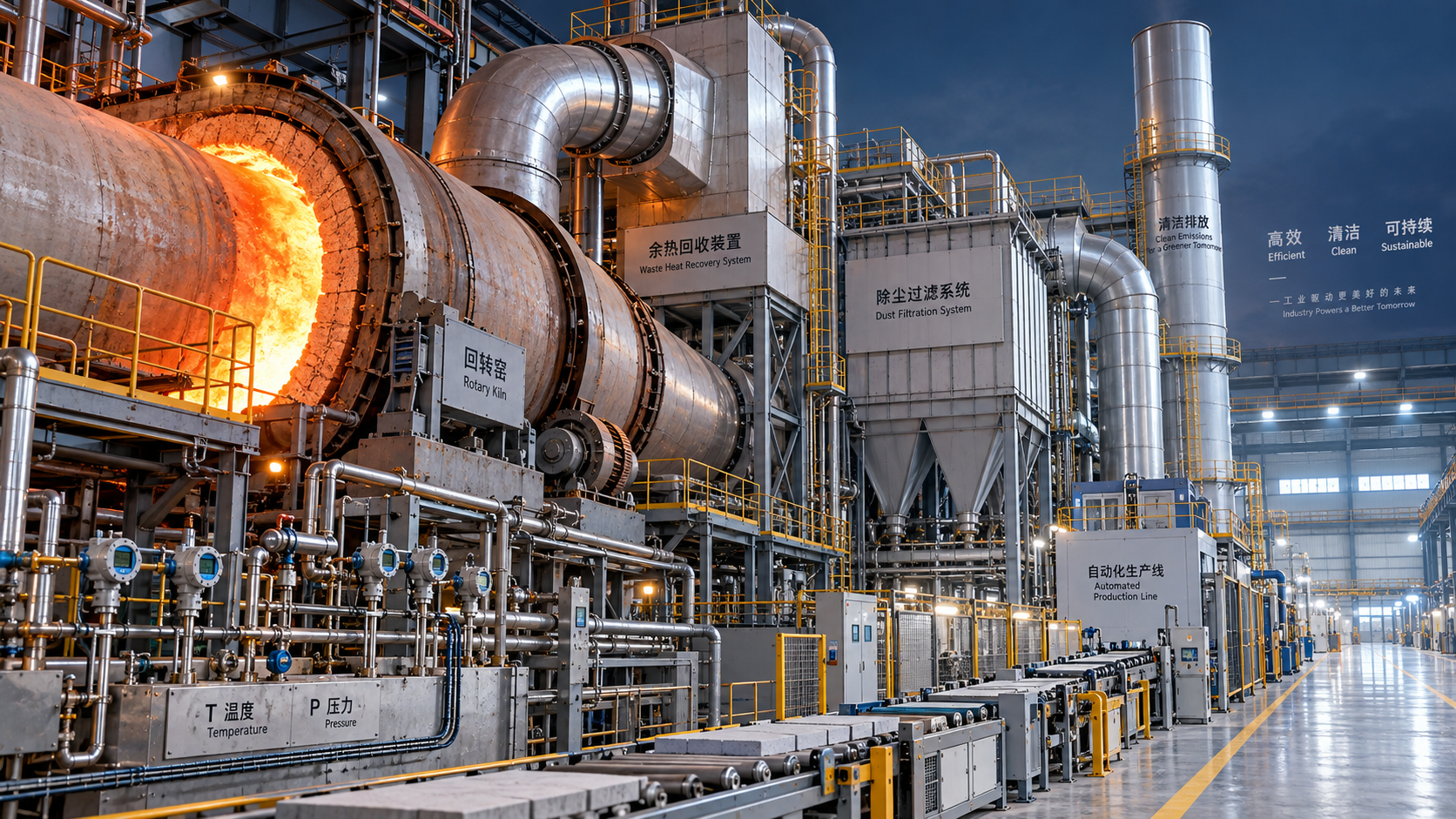
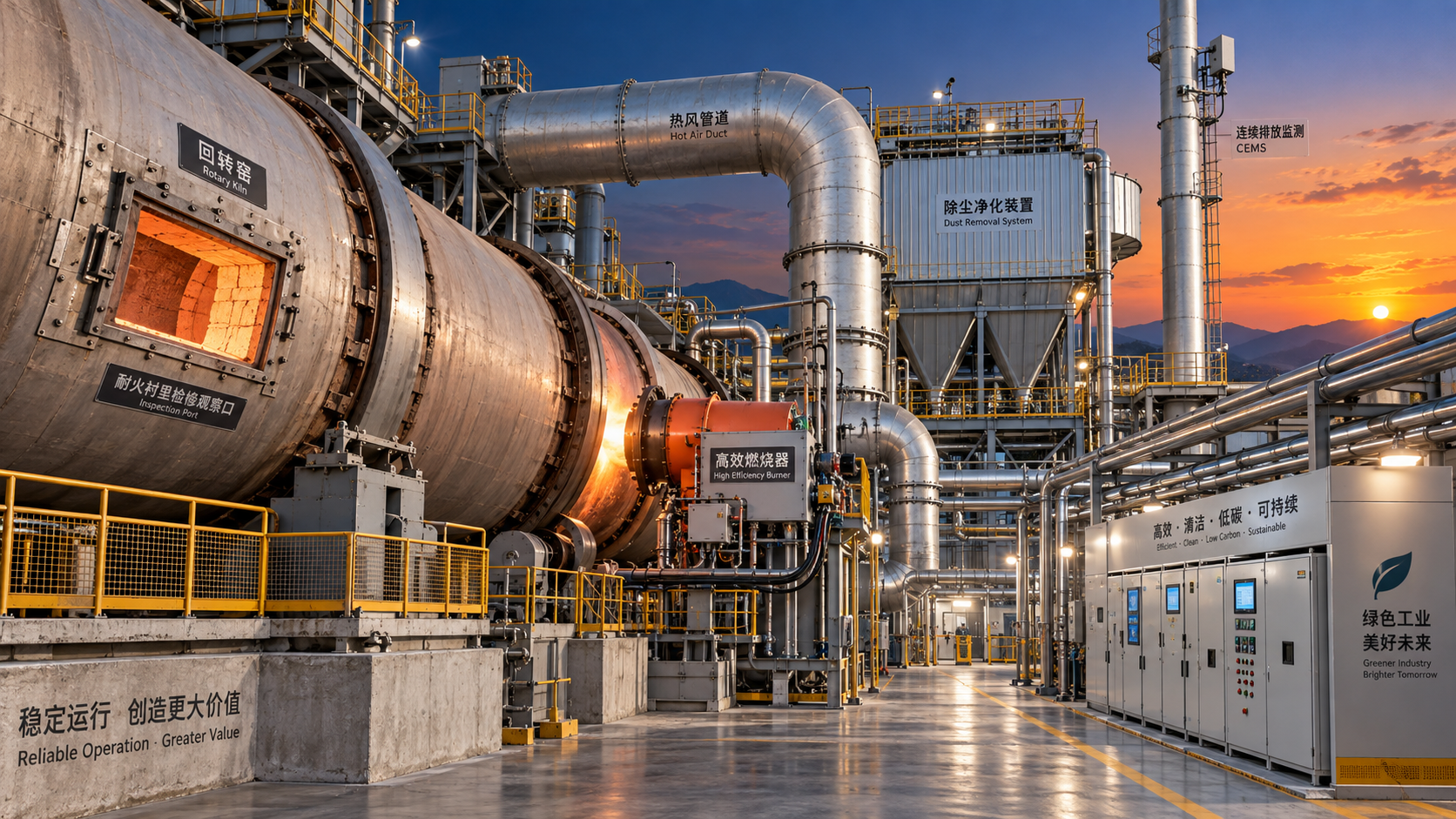
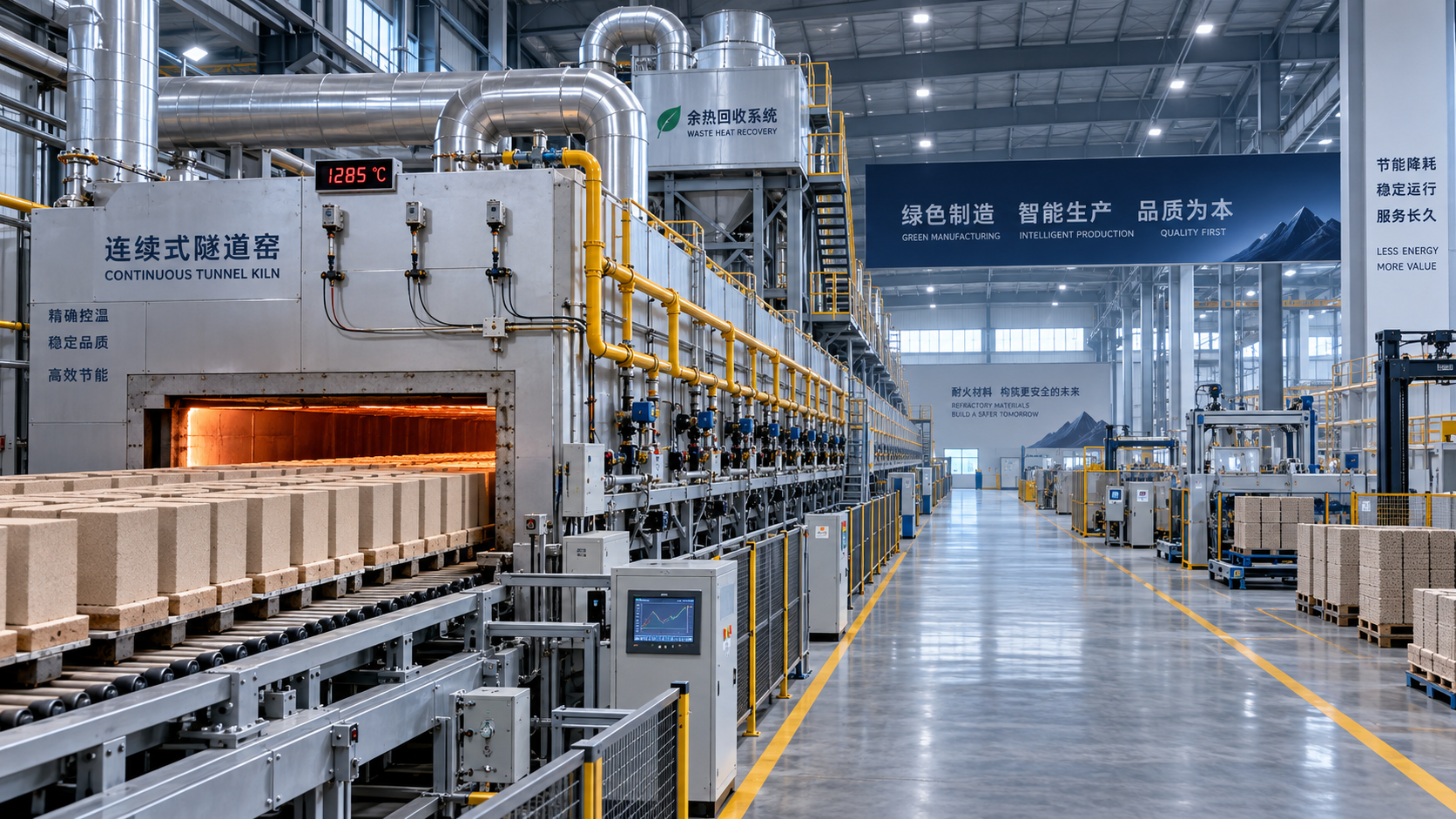
- Waste heat recovery options and actual temperature recovery windows.
- Air leakage control in ducts, seals, and inspection points.
- Insulation thickness and shell heat loss data.
- Specific energy consumption under partial load, not only rated output.
Recent market changes make this even more important.
Suppliers that support fuel switching, co-processing, or digital optimization usually offer more resilient value.
This is where strategic intelligence from platforms such as CF-Elite becomes useful.
Sector insight helps buyers compare current performance and future adaptability together.
Review Emissions Compliance and Carbon Readiness Early
In high temperature process equipment Europe sourcing, compliance should be checked before technical ranking is finalized.
Emissions limits can reshape burner choice, gas cleaning design, and control architecture.
This also affects project timelines, permitting, and expansion flexibility.
Ask each supplier to state compliance assumptions clearly.
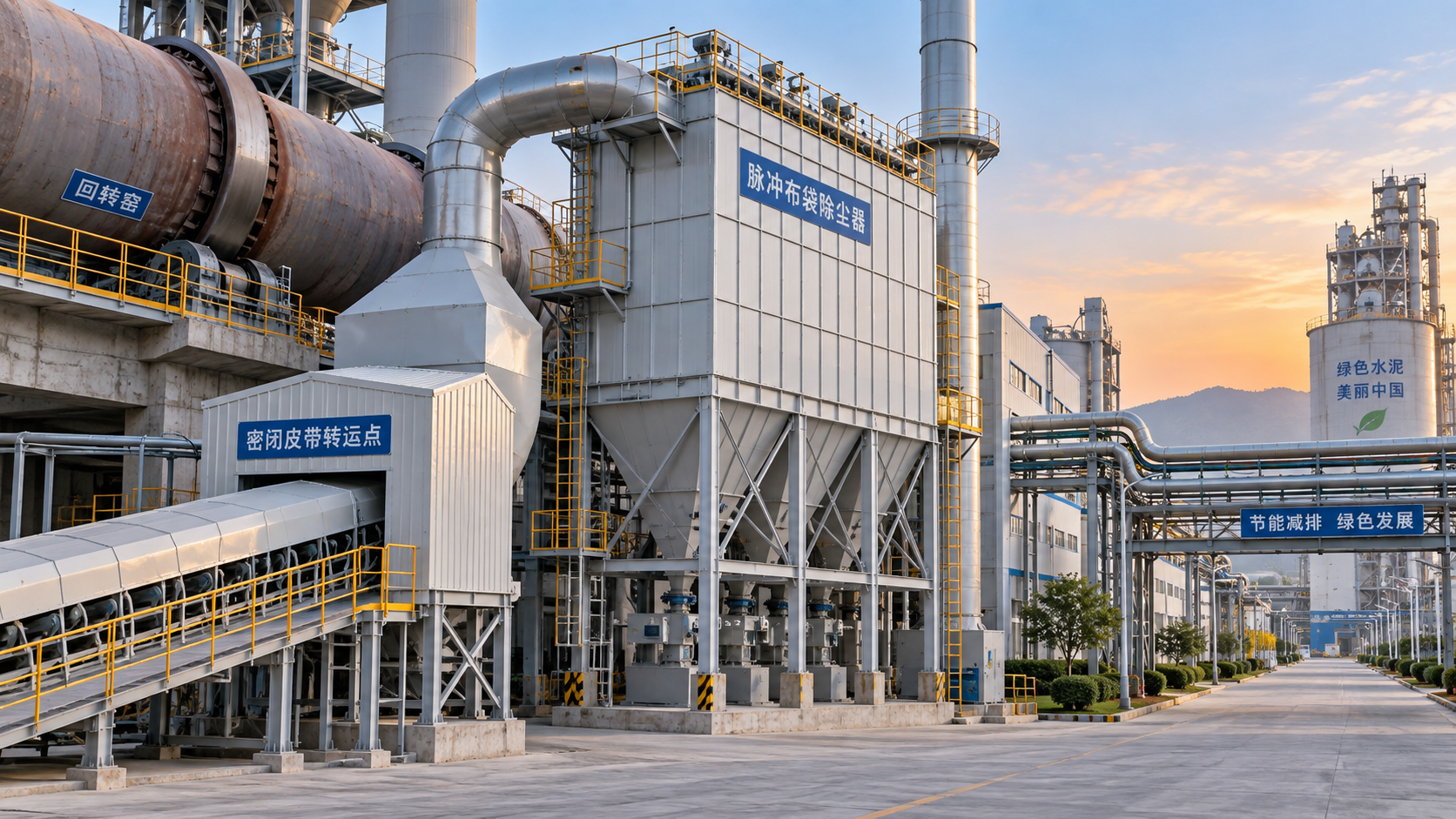
That should cover NOx, SOx, dust, VOCs, heavy metals, and waste heat exhaust conditions where relevant.
More importantly, compare how the supplier manages compliance drift over time.
A stable system with monitoring, feedback control, and documented tuning procedures is usually the safer choice.
Carbon readiness is another decision layer.
Even if decarbonization is not an immediate target, retrofit potential matters.
Systems prepared for alternative fuels, lower excess air, heat recovery, and digital process balancing will age better.
Compare Automation, Data Visibility, and Control Logic
A good mechanical design can still underperform if controls are weak.
For high temperature process equipment Europe operations, automation directly affects consistency and labor efficiency.
It also shortens troubleshooting time when process disturbances appear.
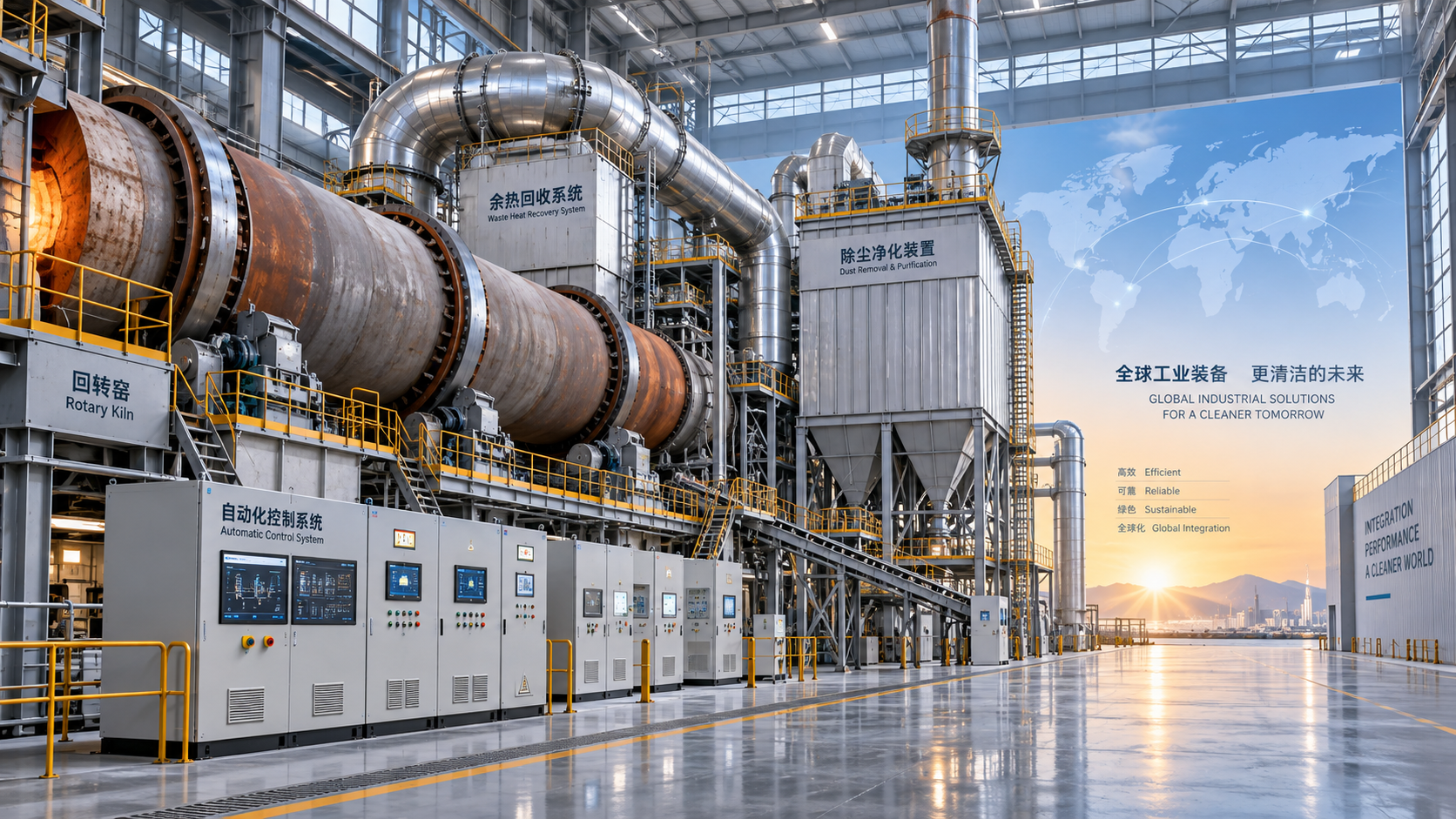
During supplier comparison, ask what operators can actually see and control.
- Real-time trends for temperature, pressure, flow, oxygen, and fuel rate.
- Alarm hierarchy that separates urgent thermal risk from minor deviation.
- Recipe management for different product or waste input conditions.
- Remote diagnostics and secure service access.
- Integration with plant MES, ERP, or energy management systems.
A more advanced signal is digital twin or predictive maintenance support.
Not every project needs it now.
Still, suppliers active in simulation and online monitoring usually understand long-cycle process optimization better.
Look Closely at Mechanical Reliability and Maintenance Access
In heavy thermal equipment, downtime costs arrive fast and compound quickly.
That is why high temperature process equipment Europe decisions should include maintainability as a scored factor.
Ask for access drawings, wear part intervals, lubrication plans, and replacement lead times.
Key parts deserve special scrutiny.
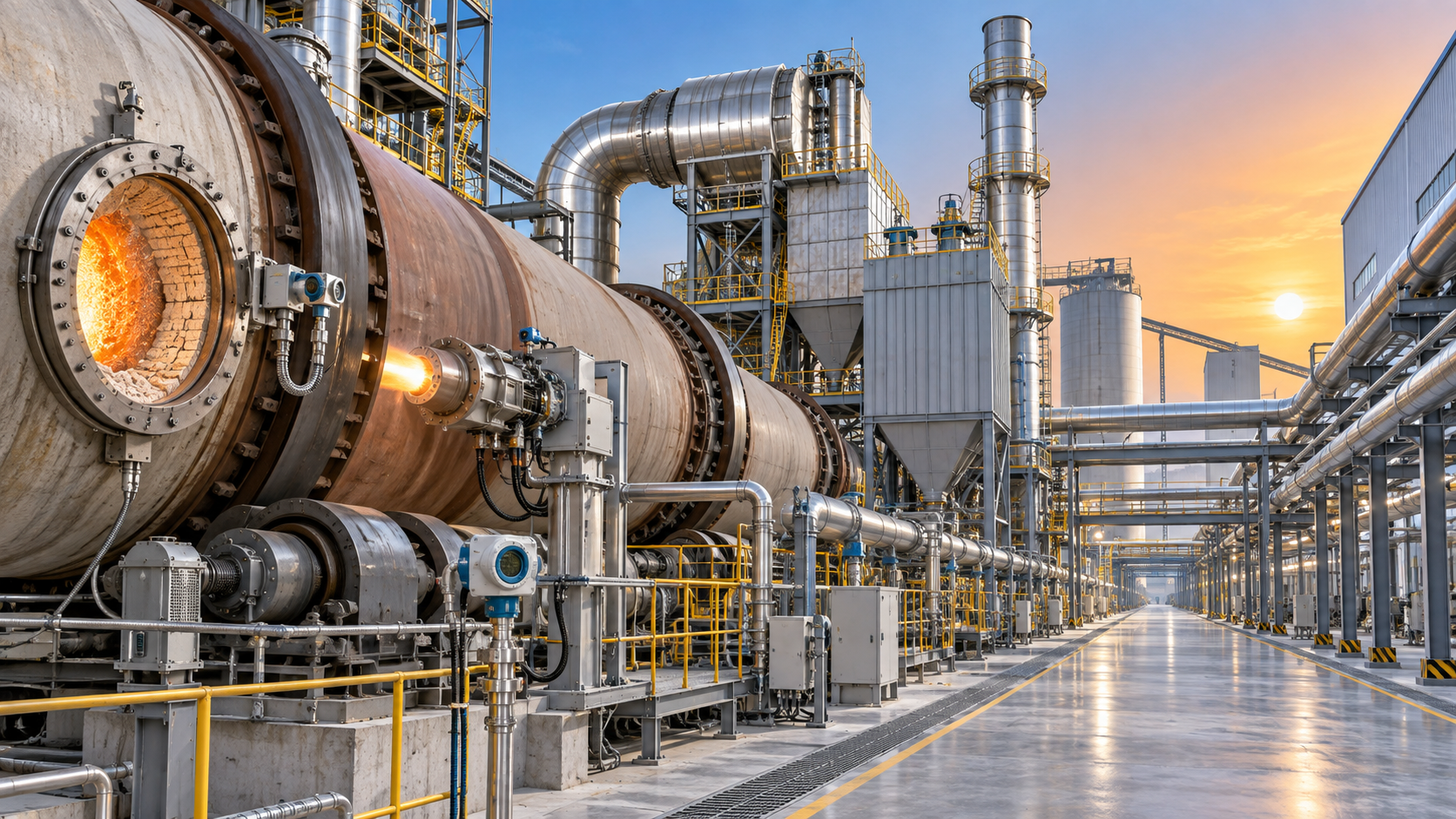
- Bearings, seals, support rollers, tires, and drive assemblies.
- Burners, fans, dampers, and process instrumentation.
- Dust handling, feeding systems, and discharge components.
- Refractory anchors and shell monitoring points.
Suppliers should also provide realistic mean time between interventions.
If every claim assumes ideal feed and perfect operating discipline, risk is being understated.
Assess Service Depth, References, and Commercial Clarity
The final comparison should combine technical fit with delivery confidence.
For high temperature process equipment Europe procurement, after-sales support often decides long-term satisfaction.
Strong suppliers usually show depth in three areas.
- Local or regional service coverage with defined response times.
- Relevant references in similar thermal duty and fuel conditions.
- Clear commercial boundaries for scope, commissioning, training, and spare parts.
Reference checks should go beyond brand names.
Ask about startup duration, ramp-up issues, refractory performance, emissions stability, and service responsiveness.
Commercial clarity matters just as much.
Ambiguous exclusions can erase an attractive offer very quickly.
Before closing the comparison, build a weighted review sheet.
Score process fit, thermal design, efficiency, compliance, controls, maintenance, and service side by side.
That makes high temperature process equipment Europe decisions more objective and easier to defend internally.
A Practical Comparison Framework
A useful supplier review can stay simple.
What matters is comparing the right variables in the same format.
This framework keeps high temperature process equipment Europe evaluations grounded in operational reality.
It also makes internal approval conversations much clearer.
Final Check Before Shortlisting
Before final supplier comparison, step back and test the proposal against real operating pressure.
Can the supplier support variable feed, compliance shifts, fuel volatility, and long maintenance cycles?
That question often brings the best decision into focus.
In high temperature process equipment Europe sourcing, the strongest offer is usually the one with fewer hidden assumptions.
Use technical detail, field references, and long-cycle cost logic to narrow the list with confidence.
When the shortlist is built on process truth rather than brochure language, project risk drops and decision quality improves.
Related News
 Dr. Alistair VaughnHow Process Technology Platforms Improve Control Across Multi-Line ManufacturingDiscover how a process technology platform strengthens cross-line control, connects operational data, and improves energy, quality, and maintenance decisions.Oct 10, 2026
 Optical Glass Tech FellowHow Glass Furnace Emissions Are Measured and Controlled for Regulatory ComplianceGlass furnace emissions: learn how to measure, monitor, and control NOx, SOx, particulate, CO, and CO2 for reliable regulatory compliance.Oct 08, 2026
 Prof. Marcus ChenIndustrial Decarbonization Strategies in Europe: A Roadmap for Energy-Intensive PlantsIndustrial decarbonization strategies Europe: explore practical pathways for energy-intensive plants to cut emissions, improve efficiency, and protect performance.Oct 07, 2026
 Thermal Energy ArchitectEnergy-Efficient Silicate Production Lines: What to Compare Before SelectionSilicate production lines energy efficient selection guide: compare thermal performance, stability, emissions, controls, and lifecycle value before investing.Oct 06, 2026
 Optical Glass Tech FellowHow to Evaluate Automated Float Glass Lines for Capacity, Quality, and Energy UseEvaluate automated float glass lines for net capacity, consistent quality, energy efficiency, automation reliability, and lifecycle value. Explore key criteria for smarter investment decisions.Oct 05, 2026
 Thermal Energy ArchitectWhat Does CE Marking Require for an Energy-Efficient Industrial Kiln?Energy efficient kiln CE requirements explained: assess safety, technical files, energy performance, and EU compliance before purchase or commissioning.Oct 04, 2026
 Thermal Energy ArchitectRefractory Manufacturing Solutions for Brick Plants: How to Extend Kiln LifeRefractory manufacturing solutions for brick plant operations: discover proven strategies to extend kiln life, reduce heat loss, prevent lining failures, and plan cost-effective repairs.Oct 03, 2026
 Thermal Energy ArchitectHow to Specify Heavy Industrial Process Systems for High-Temperature PlantsHeavy industrial processes systems: learn how to specify high-temperature plants for efficiency, emissions control, maintainability, and lifecycle performance.Oct 02, 2026
 Structural Material AnalystHow Sustainable Material Extrusion Can Improve Wall Panel Durability and Design FlexibilityDiscover how sustainable material extrusion for wall panels improves durability, moisture resistance, design flexibility, and installation consistency for high-performing wall systems.Oct 01, 2026
 Thermal Energy ArchitectHow to Evaluate a High-Temperature Materials Manufacturer for Furnace ApplicationsChoose a high-temperature materials manufacturer with confidence: compare thermal performance, chemical resistance, quality controls, installation support, and lifecycle cost.Sep 30, 2026
 Ms. Elena RodriguezHow to Structure Global Specification Data for Faster Industrial Product EvaluationGlobal specification-oriented product information helps industrial teams compare capacity, energy, emissions, automation, and lifecycle data on a like-for-like basis for faster, confident equipment decisions.Sep 29, 2026
 Thermal Energy ArchitectHow to Specify High-Temperature Process Systems for Continuous Thermal OperationsHigh-temperature process engineering systems: learn how to specify resilient continuous thermal operations for efficiency, compliance, reliable uptime, and long-term performance.Sep 28, 2026
 Thermal Energy ArchitectHow to Evaluate a Thermal Engineering Contractor for High-Temperature Plant ProjectsChoose a thermal engineering contractor with proven process expertise, lifecycle value, emissions control, and delivery discipline for reliable high-temperature plant performance.Sep 27, 2026
 Silicate Process EngineerHow Latin American Cement Plants Can Reduce Dust Emissions in Kilns and Transfer PointsCement plant dust control Latin America: reduce kiln and transfer-point emissions with practical airflow, filtration, monitoring, and maintenance strategies.Sep 26, 2026
 Material Heat-Resist ExpertHow to Evaluate Refractory Production Lines for Output, Quality, and Energy UseRefractory production lines: learn how to assess qualified output, consistent quality, and total energy use for smarter, lower-risk investment decisions.Sep 25, 2026
 Dr. Alistair VaughnHow Waste Recycling Technology Improves Material Recovery in Industrial PlantsWaste recycling technology improves material recovery through source segregation, smart separation, thermal treatment, and quality control for industrial plants.Sep 24, 2026
 Optical Glass Tech FellowHow to Specify Glass Annealing Equipment for European Quality and Energy RequirementsGlass annealing equipment Europe: learn how to specify lehrs for consistent glass quality, energy efficiency, compliance, automation, and reliable long-term performance.Sep 23, 2026
 Optical Glass Tech FellowSilicate Process Automation: Improving Batch Consistency and Energy ControlSilicate process automation improves batch consistency, energy control, traceability, and operator confidence across high-temperature manufacturing operations.Sep 22, 2026
 Optical Glass Tech FellowHow Silicate Industrial Processes Control Viscosity, Energy Use, and Product QualitySilicate industrial processes: learn how viscosity, chemistry, heat transfer, and atmosphere control reduce energy use, improve stability, and protect product quality.Sep 21, 2026
 Thermal Energy ArchitectHow European Plants Can Evaluate Energy Recovery Equipment for High-Temperature ProcessesIndustrial energy recovery equipment Europe: learn how high-temperature plants can assess waste-heat sources, integration risks, lifecycle value, and reliable recovery routes.Sep 20, 2026

Related News
- 00
0000-00
How to Structure Global Specification Data for Faster Industrial Product Evaluation - 00
0000-00
What Drives High-Pressure Extrusion Equipment Cost in Industrial Projects? - 00
0000-00
How Should Buyers Evaluate Building Material Industry Intelligence Pricing? - 00
0000-00
How to Use Building Material Intelligence Data for Market and Investment Decisions - 00
0000-00
How to Evaluate a Silicate Processing Equipment Manufacturer for Plant Projects
Weekly Insights
Stay ahead with our curated technology reports delivered every Monday.