
Industrial Incineration Solutions: How Flue Gas Treatment Cuts Acid Gases and Dust




Why flue gas treatment decisions change from one plant to another
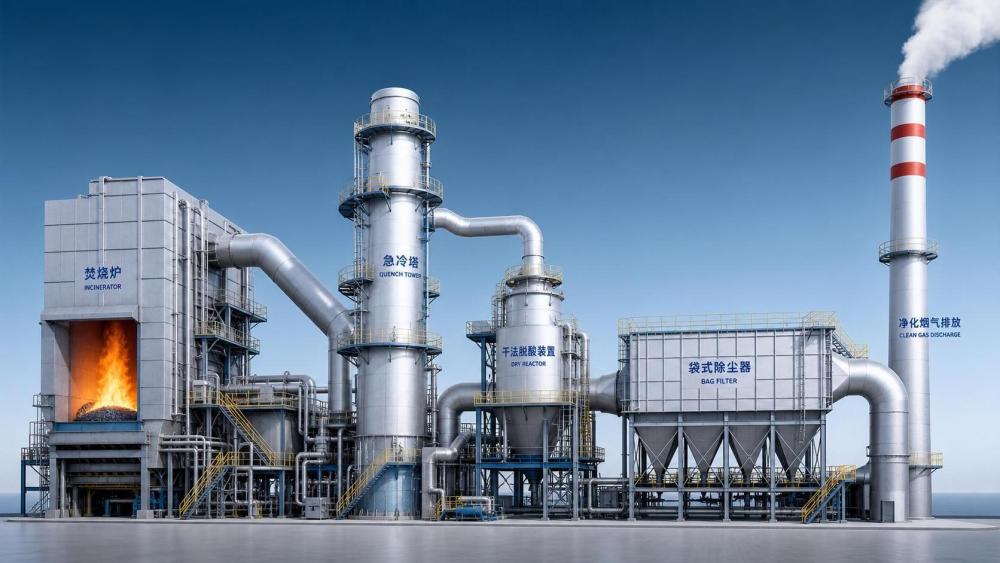
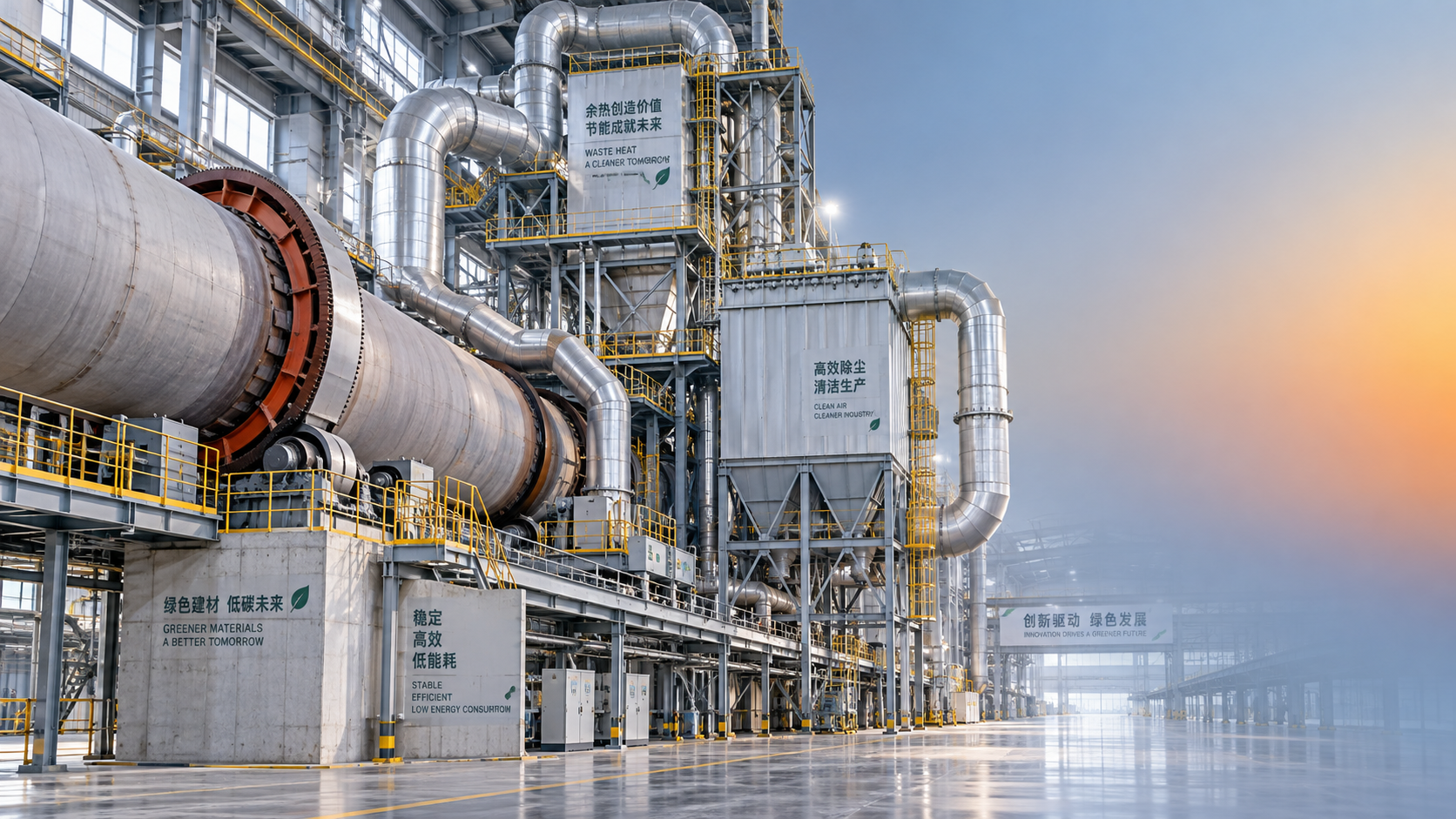
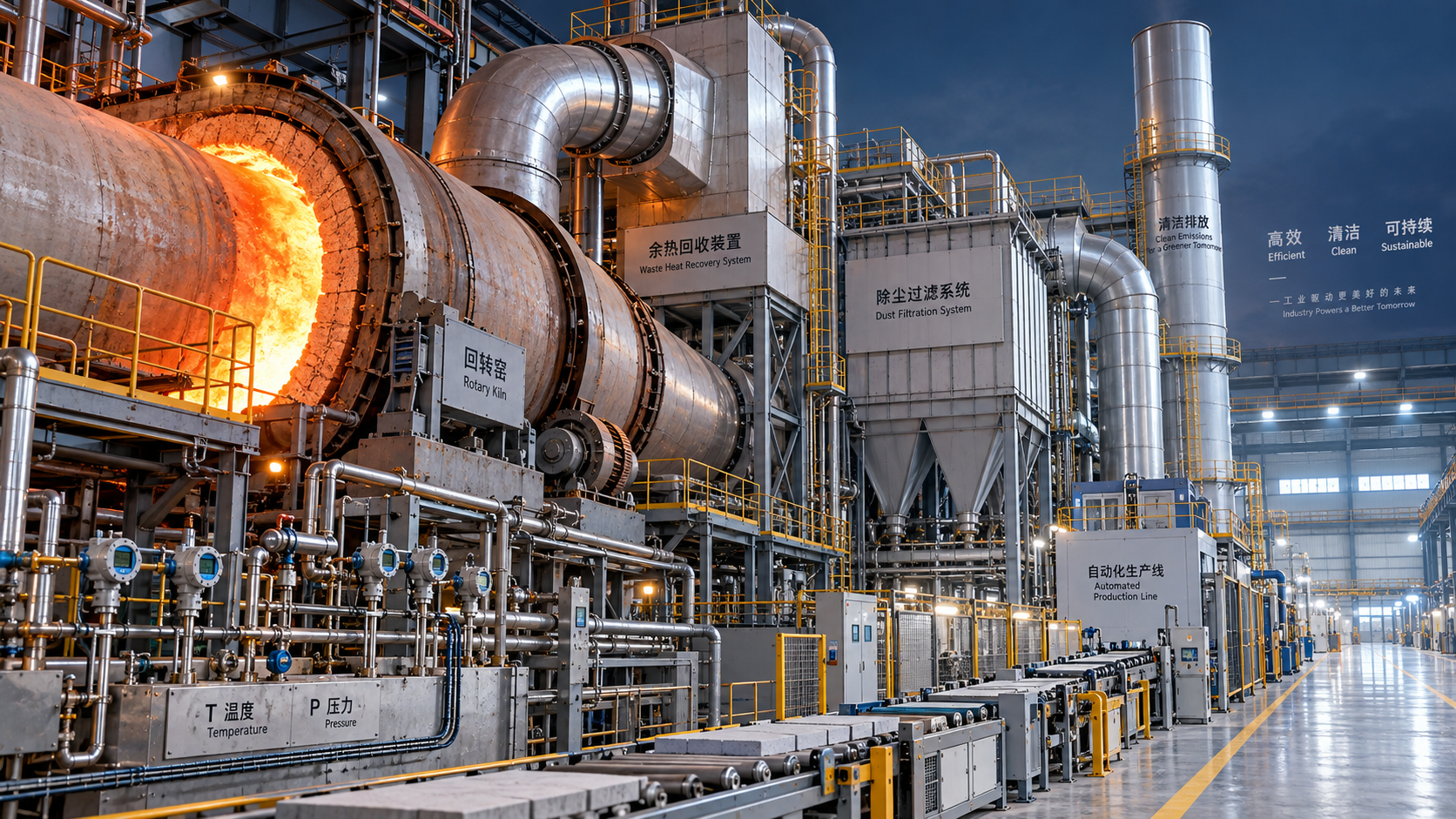
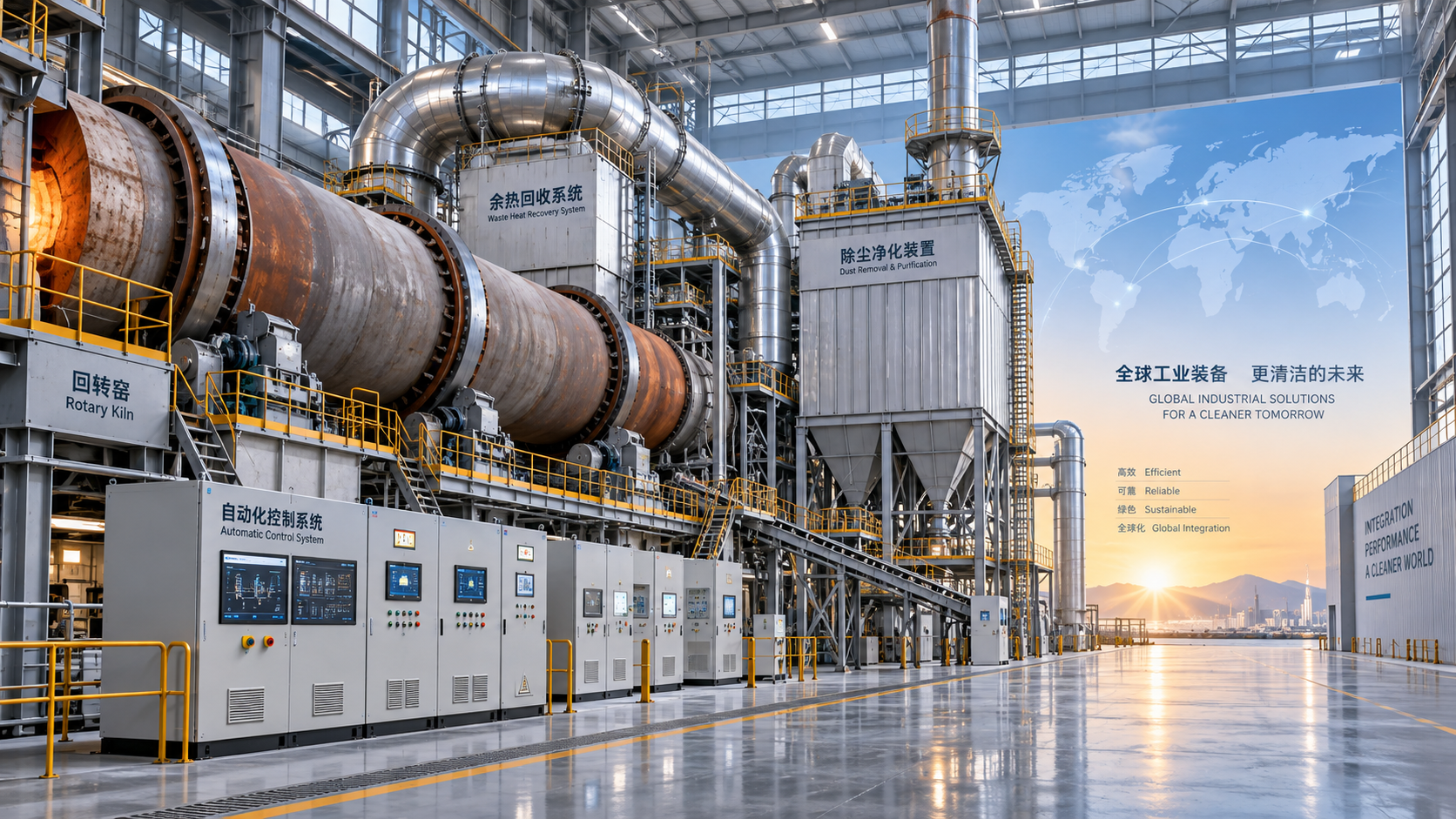
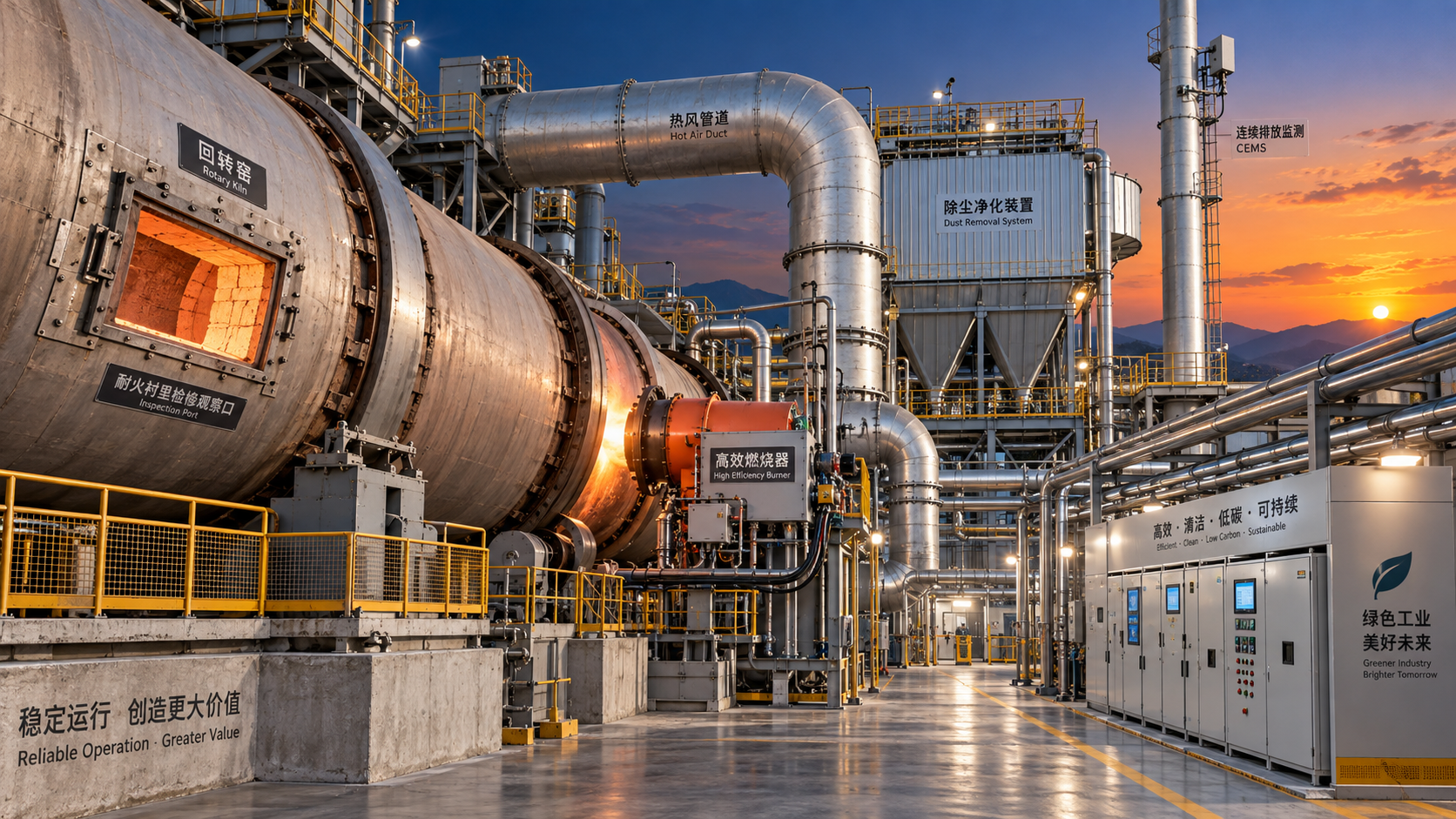
Industrial incineration solutions flue gas treatment now sits at the center of emission control, equipment protection, and operational stability.
That matters across waste-to-energy units, rotary kilns, hazardous residue lines, and thermal recovery systems.
The same acid gas and dust target can lead to very different system choices once feed composition, furnace temperature, and downstream corrosion risk are considered.
In practice, flue gas treatment is rarely only about passing a stack test.
It also affects bag filter life, induced draft fan reliability, heat exchanger fouling, and the consistency of residue handling.
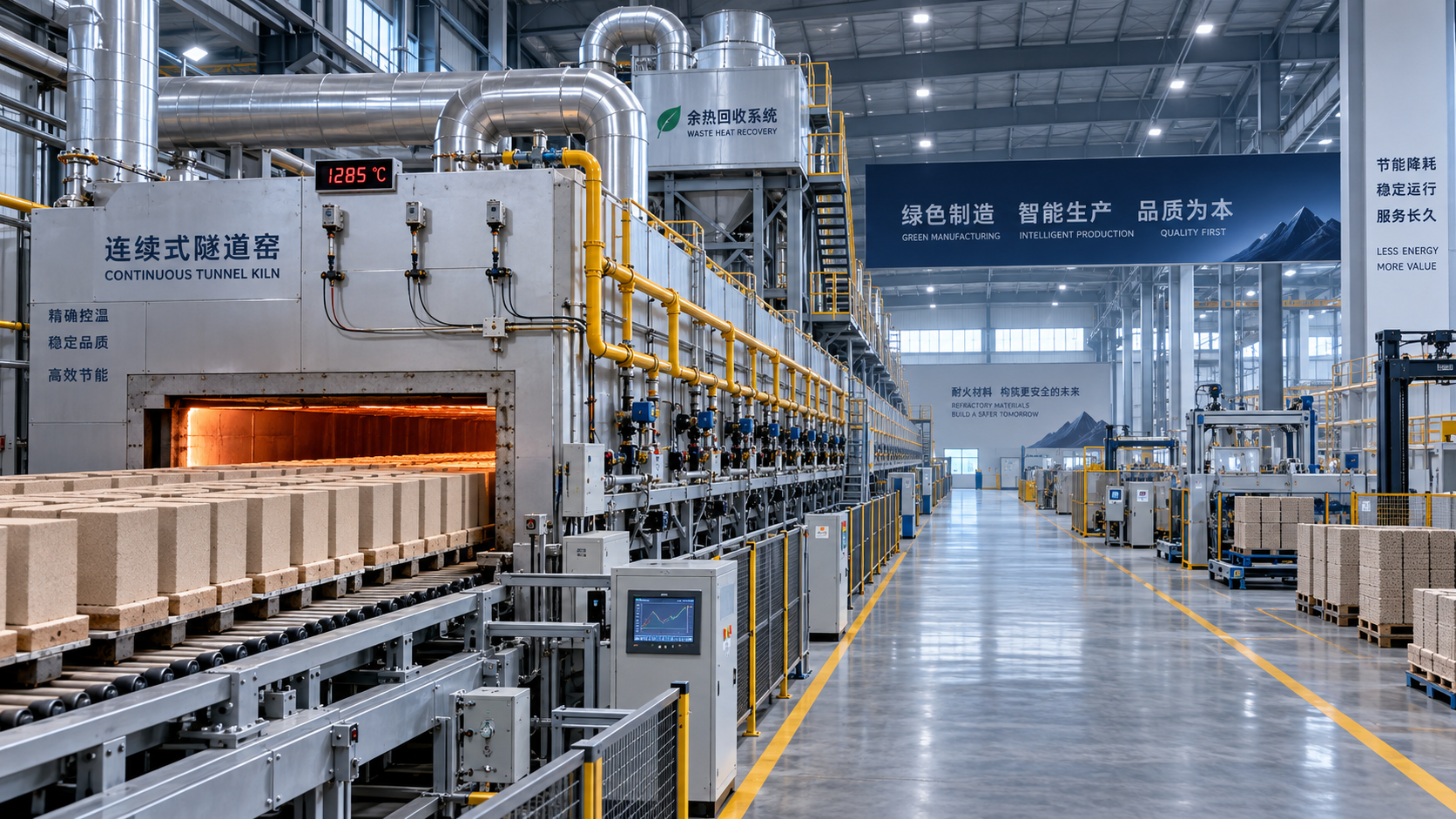
This is why CF-Elite tracks industrial incineration, cement plants, glass lines, refractory production, and extrusion systems through one technical lens.
Across these sectors, high-temperature process control and environmental compliance are tightly linked.
A flue gas treatment strategy that works for mixed municipal waste may be poorly matched to kiln co-processing or specialty material thermal treatment.
The useful question is not whether industrial incineration solutions flue gas treatment is necessary.
The real question is which treatment path fits the gas chemistry, dust loading, operating rhythm, and maintenance capacity of a given site.
In waste-to-energy lines, stability usually matters more than peak efficiency
Waste-to-energy plants often face variable chlorine, sulfur, moisture, and ash content.
That variability changes how acid gases form and how fine dust behaves through the cooling and collection stages.
Here, industrial incineration solutions flue gas treatment is judged by how well it absorbs shocks, not only by its laboratory removal rate.
Dry and semi-dry scrubbing are common because they simplify water management and fit plants where wastewater treatment capacity is limited.
Yet reagent control becomes critical when HCl spikes after feed changes.
If dosing lags behind furnace conditions, acid gases may break through before the operator sees a clear trend.
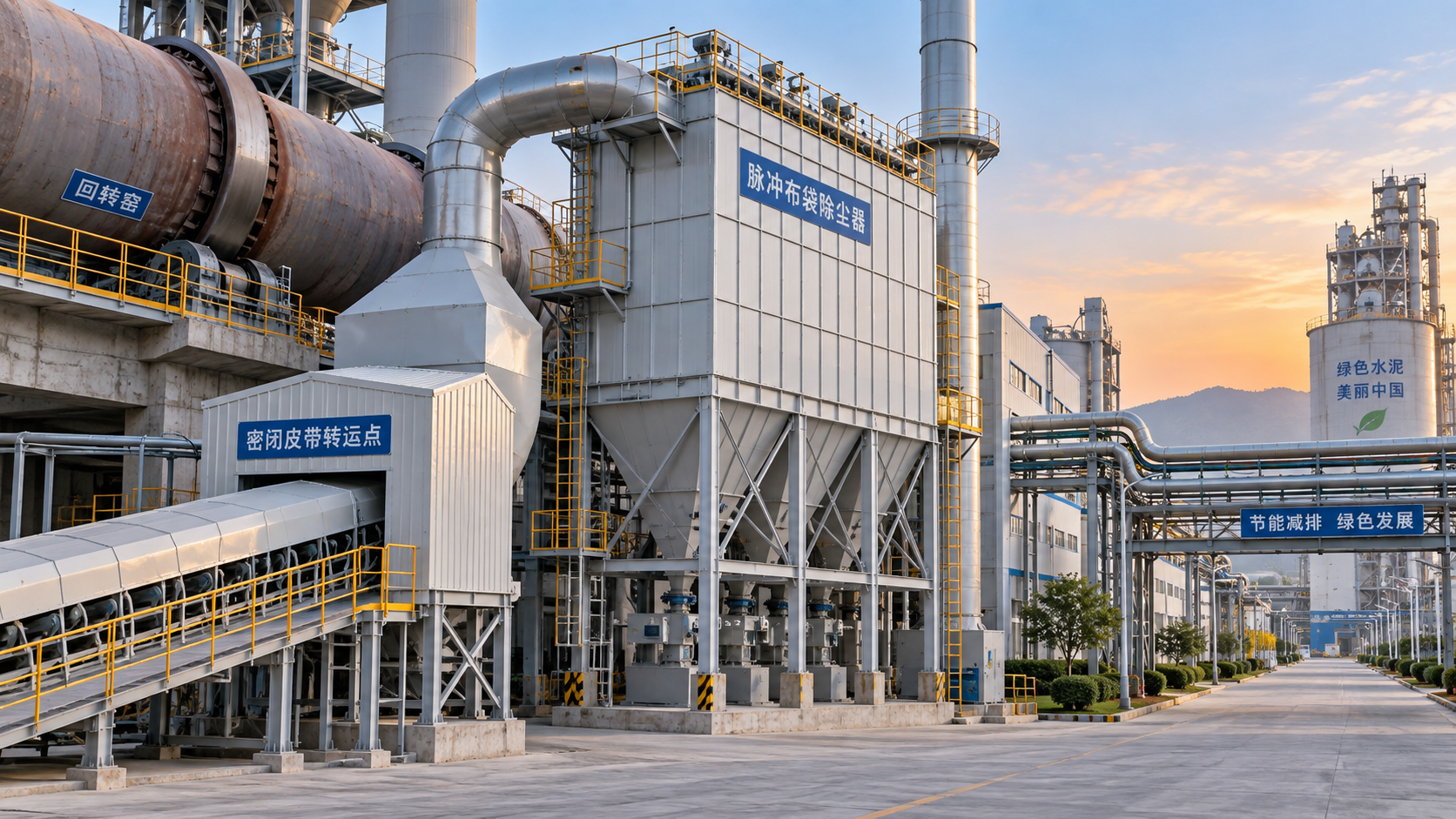
Baghouse design also matters more than many teams expect.
Dust particle size, gas temperature, and sticky salts can quickly turn a compliant system into a pressure-drop problem.
A useful rule in this setting is to evaluate residence time, quench consistency, and filter media compatibility together.
Treating them as separate procurement items often creates hidden instability later.
Kiln co-processing and industrial waste lines need a different reading of risk
Cement and lime kilns can absorb certain acid components through alkaline raw meal, but that does not remove the need for flue gas treatment judgment.
The challenge is that kiln systems combine combustion behavior, material chemistry, and product quality constraints.
When industrial residues are co-processed, dust is not simply a waste stream.
Part of it can circulate back into the process and influence chloride balance, coating formation, and bypass demand.
In these cases, industrial incineration solutions flue gas treatment should be evaluated together with kiln bypass logic and alkali-chloride circulation.
A site with stable raw meal chemistry may tolerate one approach.
A site using variable alternative fuels may need tighter online monitoring and more conservative dust handling.
This is one reason CF-Elite connects environmental control with process intelligence.
The same stack limit can have different production implications depending on whether the line supports clinker output, thermal substitution, or waste destruction priority.
Where corrosive gases threaten downstream assets, material selection becomes a front-line issue
Some plants focus on removal efficiency and overlook what acid dew point means for ducts, fans, and heat recovery surfaces.
That is a costly shortcut.
If sulfur oxides, hydrogen chloride, and fine particulate meet the wrong temperature window, corrosion accelerates even when average emissions look acceptable.
Industrial incineration solutions flue gas treatment therefore has to be read as both an environmental system and an asset protection system.
This is especially relevant in lines with waste heat boilers, economizers, or complex duct transitions.
A practical review should include:
- temperature profile before and after gas cooling,
- expected HCl and SOx peaks during feed swings,
- dust abrasiveness and salt adhesion tendency,
- lining, alloy, and filter media compatibility,
- shutdown frequency and cold-start exposure.
More corrosion failures come from poor thermal and chemical matching than from a lack of nominal treatment capacity.
Different operating conditions change the right treatment path
The differences are easier to see when the main scenarios are compared side by side.
This comparison shows why industrial incineration solutions flue gas treatment cannot be selected from a single generic specification sheet.
Common misreadings appear before commissioning, not after
Many project teams assume similar furnaces create similar flue gas behavior.
That is only partly true.
Residence time, quench method, excess oxygen, and ash chemistry can shift treatment performance significantly.
Another frequent error is judging industrial incineration solutions flue gas treatment only by capital cost.
Low initial cost can be erased by filter replacement, corrosion shutdowns, reagent overuse, or unstable residue management.
Sites also underestimate monitoring needs.
Without reliable data on acid gas peaks, differential pressure, and gas temperature drift, operators often respond too late.
In heavy industries, this is where intelligence platforms become useful.
CF-Elite follows global environmental rules, kiln co-processing trends, and thermal system evolution because compliance decisions increasingly depend on cross-process knowledge, not isolated equipment data.
A practical way to match treatment design with the real operating scene
A more reliable approach starts with the gas stream, then moves outward to process and maintenance constraints.
Before locking in a flue gas treatment route, it helps to check several conditions in sequence.
- Define actual acid gas range, not only design average values.
- Map dust loading by particle size, salt content, and stickiness.
- Review temperature windows where condensation or corrosion may begin.
- Confirm whether water, residue, and reagent logistics fit the site.
- Test how the treatment system behaves during startup, upset, and fuel shifts.
- Measure maintenance access, spare parts lead time, and shutdown tolerance.
That sequence keeps industrial incineration solutions flue gas treatment grounded in operating reality.
It also supports broader decarbonization goals, because cleaner combustion and better control reduce wasted energy, repeated downtime, and unnecessary reagent use.
The next useful step is to sort the plant by scenario, compare real gas conditions with target limits, and build a short list of non-negotiable constraints.
Once those boundaries are clear, the right industrial incineration solutions flue gas treatment path becomes much easier to judge with confidence.
Related News
 Dr. Alistair VaughnHow Process Technology Platforms Improve Control Across Multi-Line ManufacturingDiscover how a process technology platform strengthens cross-line control, connects operational data, and improves energy, quality, and maintenance decisions.Oct 10, 2026
 Optical Glass Tech FellowHow Glass Furnace Emissions Are Measured and Controlled for Regulatory ComplianceGlass furnace emissions: learn how to measure, monitor, and control NOx, SOx, particulate, CO, and CO2 for reliable regulatory compliance.Oct 08, 2026
 Prof. Marcus ChenIndustrial Decarbonization Strategies in Europe: A Roadmap for Energy-Intensive PlantsIndustrial decarbonization strategies Europe: explore practical pathways for energy-intensive plants to cut emissions, improve efficiency, and protect performance.Oct 07, 2026
 Thermal Energy ArchitectEnergy-Efficient Silicate Production Lines: What to Compare Before SelectionSilicate production lines energy efficient selection guide: compare thermal performance, stability, emissions, controls, and lifecycle value before investing.Oct 06, 2026
 Optical Glass Tech FellowHow to Evaluate Automated Float Glass Lines for Capacity, Quality, and Energy UseEvaluate automated float glass lines for net capacity, consistent quality, energy efficiency, automation reliability, and lifecycle value. Explore key criteria for smarter investment decisions.Oct 05, 2026
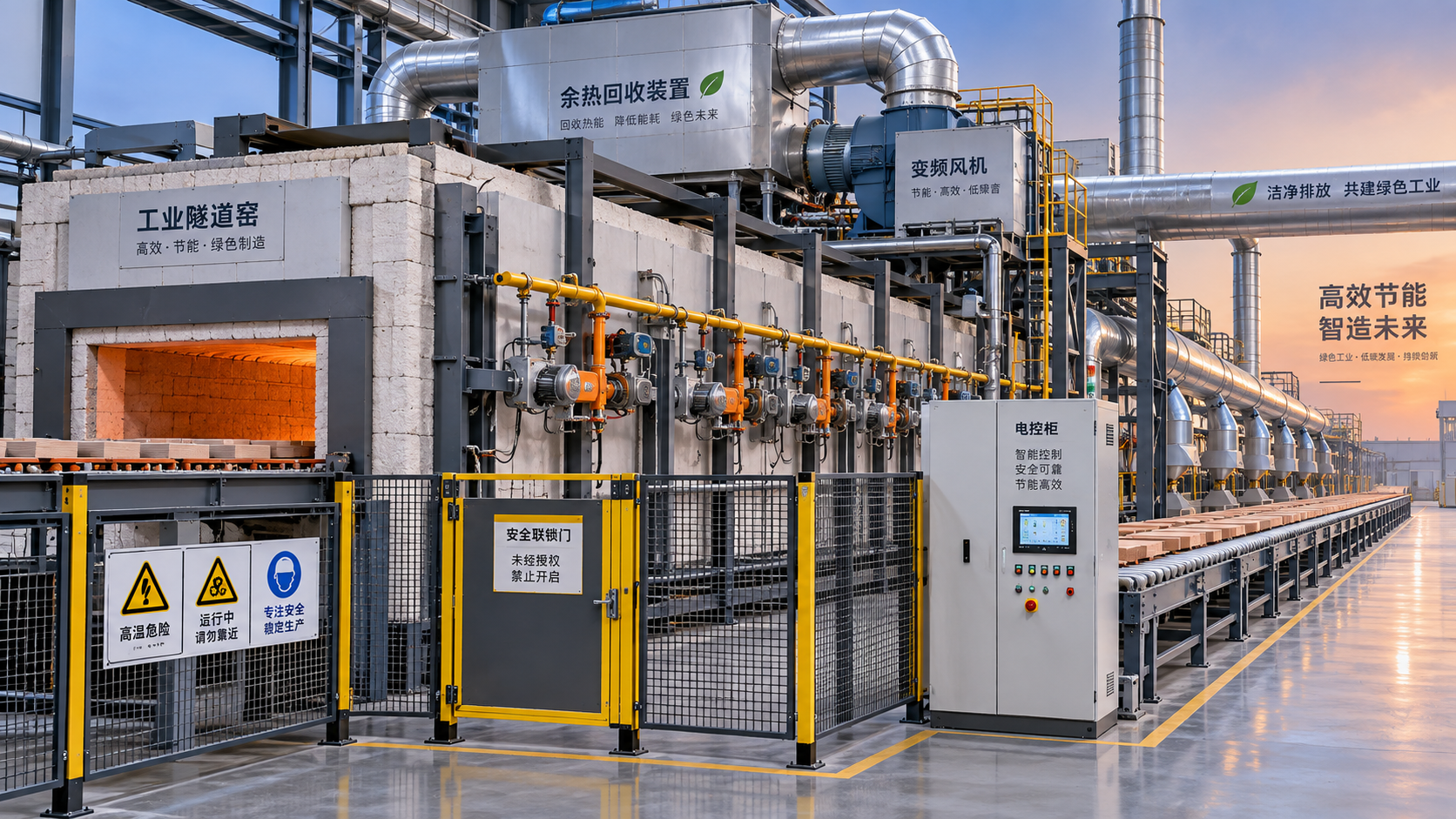
 Thermal Energy ArchitectWhat Does CE Marking Require for an Energy-Efficient Industrial Kiln?Energy efficient kiln CE requirements explained: assess safety, technical files, energy performance, and EU compliance before purchase or commissioning.Oct 04, 2026
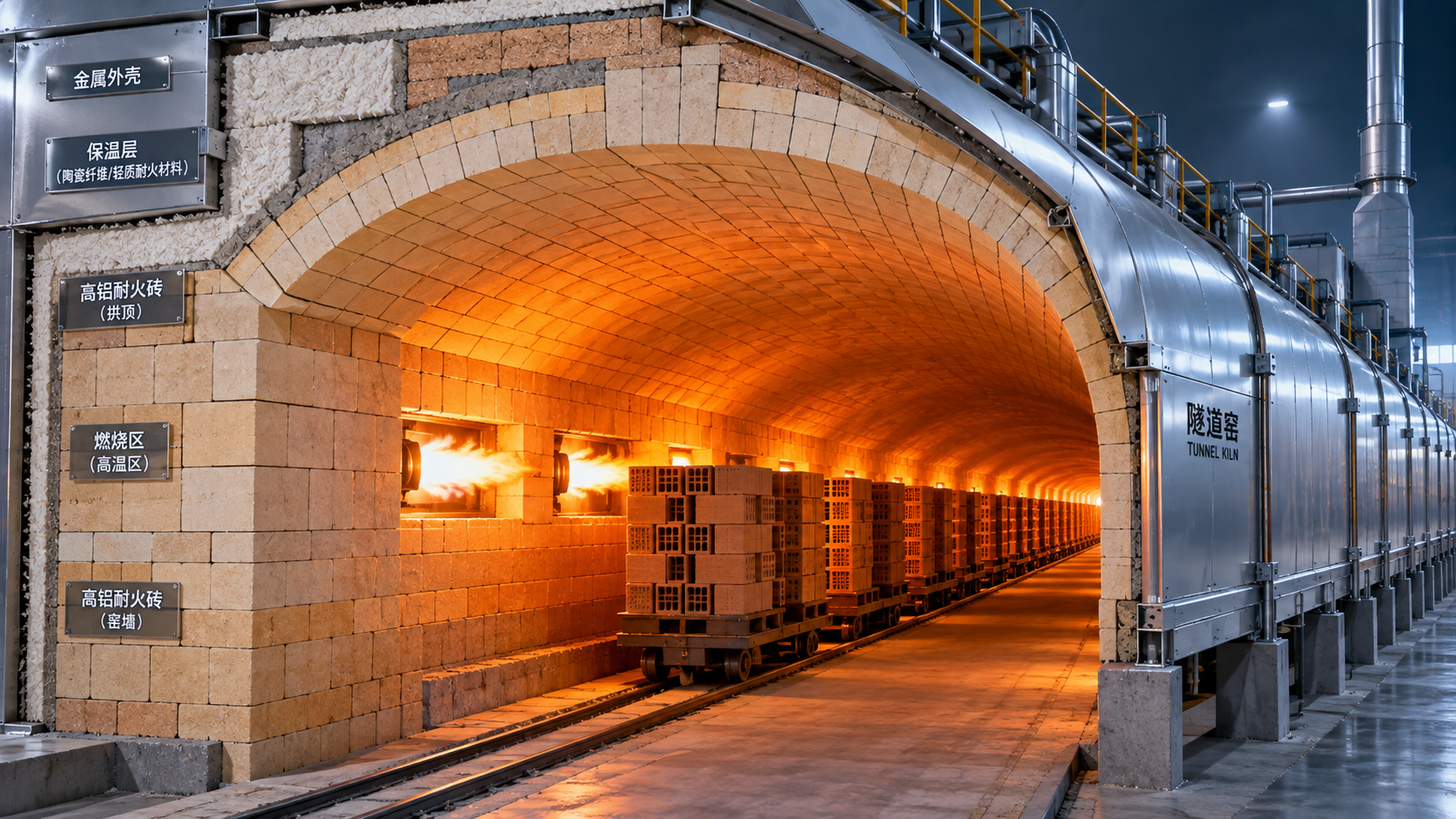
 Thermal Energy ArchitectRefractory Manufacturing Solutions for Brick Plants: How to Extend Kiln LifeRefractory manufacturing solutions for brick plant operations: discover proven strategies to extend kiln life, reduce heat loss, prevent lining failures, and plan cost-effective repairs.Oct 03, 2026
 Thermal Energy ArchitectHow to Specify Heavy Industrial Process Systems for High-Temperature PlantsHeavy industrial processes systems: learn how to specify high-temperature plants for efficiency, emissions control, maintainability, and lifecycle performance.Oct 02, 2026
 Structural Material AnalystHow Sustainable Material Extrusion Can Improve Wall Panel Durability and Design FlexibilityDiscover how sustainable material extrusion for wall panels improves durability, moisture resistance, design flexibility, and installation consistency for high-performing wall systems.Oct 01, 2026
 Thermal Energy ArchitectHow to Evaluate a High-Temperature Materials Manufacturer for Furnace ApplicationsChoose a high-temperature materials manufacturer with confidence: compare thermal performance, chemical resistance, quality controls, installation support, and lifecycle cost.Sep 30, 2026
 Ms. Elena RodriguezHow to Structure Global Specification Data for Faster Industrial Product EvaluationGlobal specification-oriented product information helps industrial teams compare capacity, energy, emissions, automation, and lifecycle data on a like-for-like basis for faster, confident equipment decisions.Sep 29, 2026
 Thermal Energy ArchitectHow to Specify High-Temperature Process Systems for Continuous Thermal OperationsHigh-temperature process engineering systems: learn how to specify resilient continuous thermal operations for efficiency, compliance, reliable uptime, and long-term performance.Sep 28, 2026
 Thermal Energy ArchitectHow to Evaluate a Thermal Engineering Contractor for High-Temperature Plant ProjectsChoose a thermal engineering contractor with proven process expertise, lifecycle value, emissions control, and delivery discipline for reliable high-temperature plant performance.Sep 27, 2026
 Silicate Process EngineerHow Latin American Cement Plants Can Reduce Dust Emissions in Kilns and Transfer PointsCement plant dust control Latin America: reduce kiln and transfer-point emissions with practical airflow, filtration, monitoring, and maintenance strategies.Sep 26, 2026
 Material Heat-Resist ExpertHow to Evaluate Refractory Production Lines for Output, Quality, and Energy UseRefractory production lines: learn how to assess qualified output, consistent quality, and total energy use for smarter, lower-risk investment decisions.Sep 25, 2026
 Dr. Alistair VaughnHow Waste Recycling Technology Improves Material Recovery in Industrial PlantsWaste recycling technology improves material recovery through source segregation, smart separation, thermal treatment, and quality control for industrial plants.Sep 24, 2026
 Optical Glass Tech FellowHow to Specify Glass Annealing Equipment for European Quality and Energy RequirementsGlass annealing equipment Europe: learn how to specify lehrs for consistent glass quality, energy efficiency, compliance, automation, and reliable long-term performance.Sep 23, 2026
 Optical Glass Tech FellowSilicate Process Automation: Improving Batch Consistency and Energy ControlSilicate process automation improves batch consistency, energy control, traceability, and operator confidence across high-temperature manufacturing operations.Sep 22, 2026
 Optical Glass Tech FellowHow Silicate Industrial Processes Control Viscosity, Energy Use, and Product QualitySilicate industrial processes: learn how viscosity, chemistry, heat transfer, and atmosphere control reduce energy use, improve stability, and protect product quality.Sep 21, 2026
 Thermal Energy ArchitectHow European Plants Can Evaluate Energy Recovery Equipment for High-Temperature ProcessesIndustrial energy recovery equipment Europe: learn how high-temperature plants can assess waste-heat sources, integration risks, lifecycle value, and reliable recovery routes.Sep 20, 2026

Related News
- 00
0000-00
Energy-Efficient Silicate Production Lines: What to Compare Before Selection - 00
0000-00
What Does CE Marking Require for an Energy-Efficient Industrial Kiln? - 00
0000-00
Refractory Manufacturing Solutions for Brick Plants: How to Extend Kiln Life - 00
0000-00
How to Specify Heavy Industrial Process Systems for High-Temperature Plants - 00
0000-00
How to Evaluate a High-Temperature Materials Manufacturer for Furnace Applications
Weekly Insights
Stay ahead with our curated technology reports delivered every Monday.