
Thermal Energy Systems Manufacturer Comparison: How to Match System Design to Process Heat Demand




Why Process Heat Demand Should Lead Manufacturer Comparison
A thermal energy systems manufacturer is not simply a hardware supplier. In heavy industry, it shapes combustion stability, fuel flexibility, heat balance, maintenance rhythm, and emissions performance.
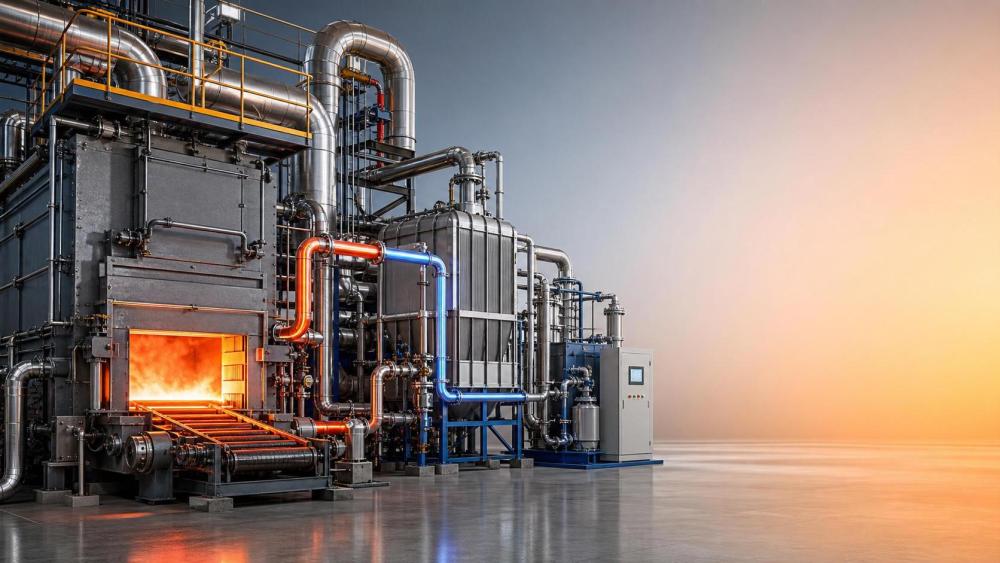
That is why manufacturer comparison starts with process heat demand, not brochures. A kiln, float line, incineration unit, or extrusion plant only performs well when thermal design matches real operating conditions.
The issue matters more now because energy costs, carbon constraints, and operating volatility are moving together. A design that looked adequate five years ago may now create avoidable fuel loss and compliance pressure.
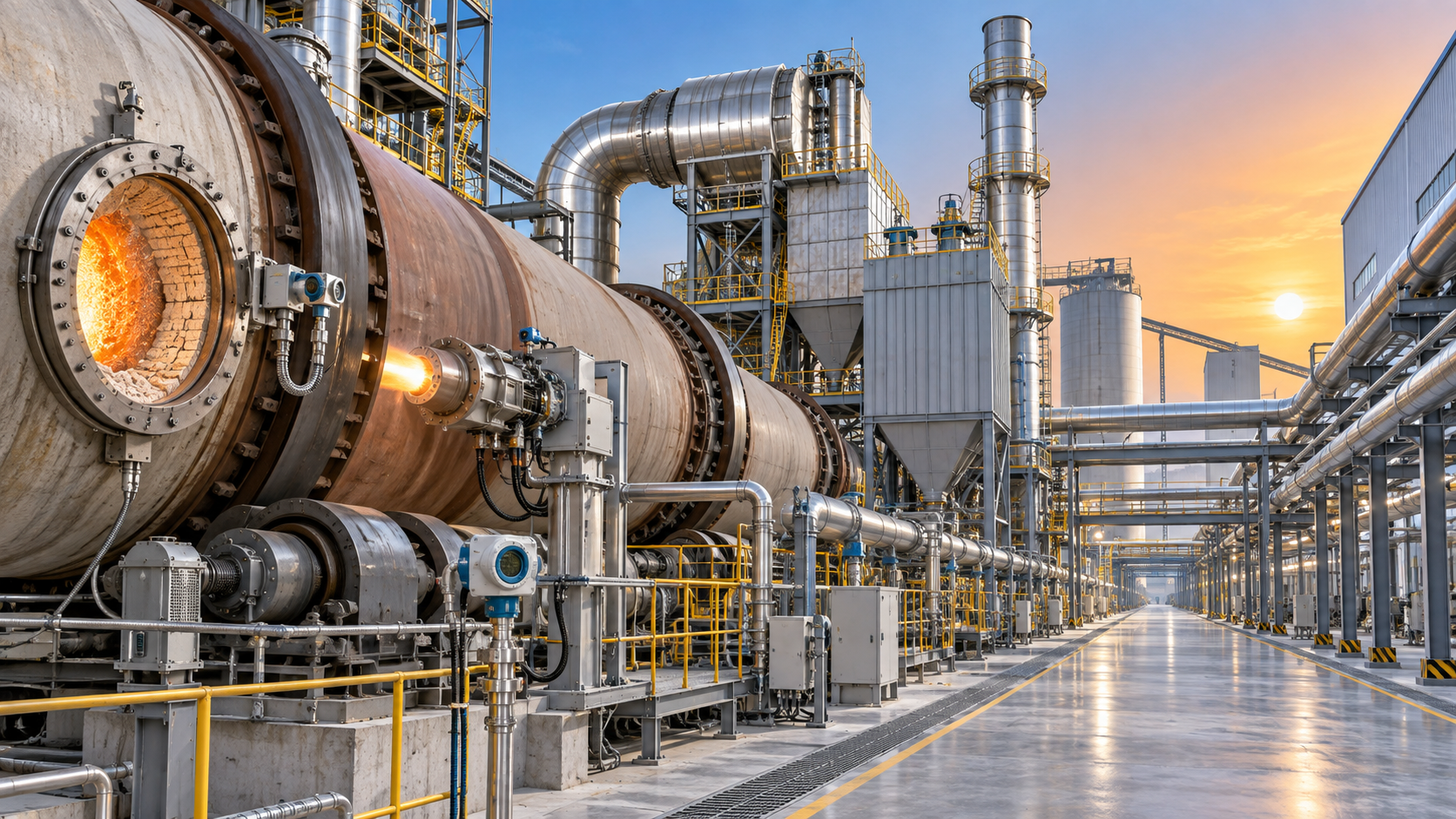
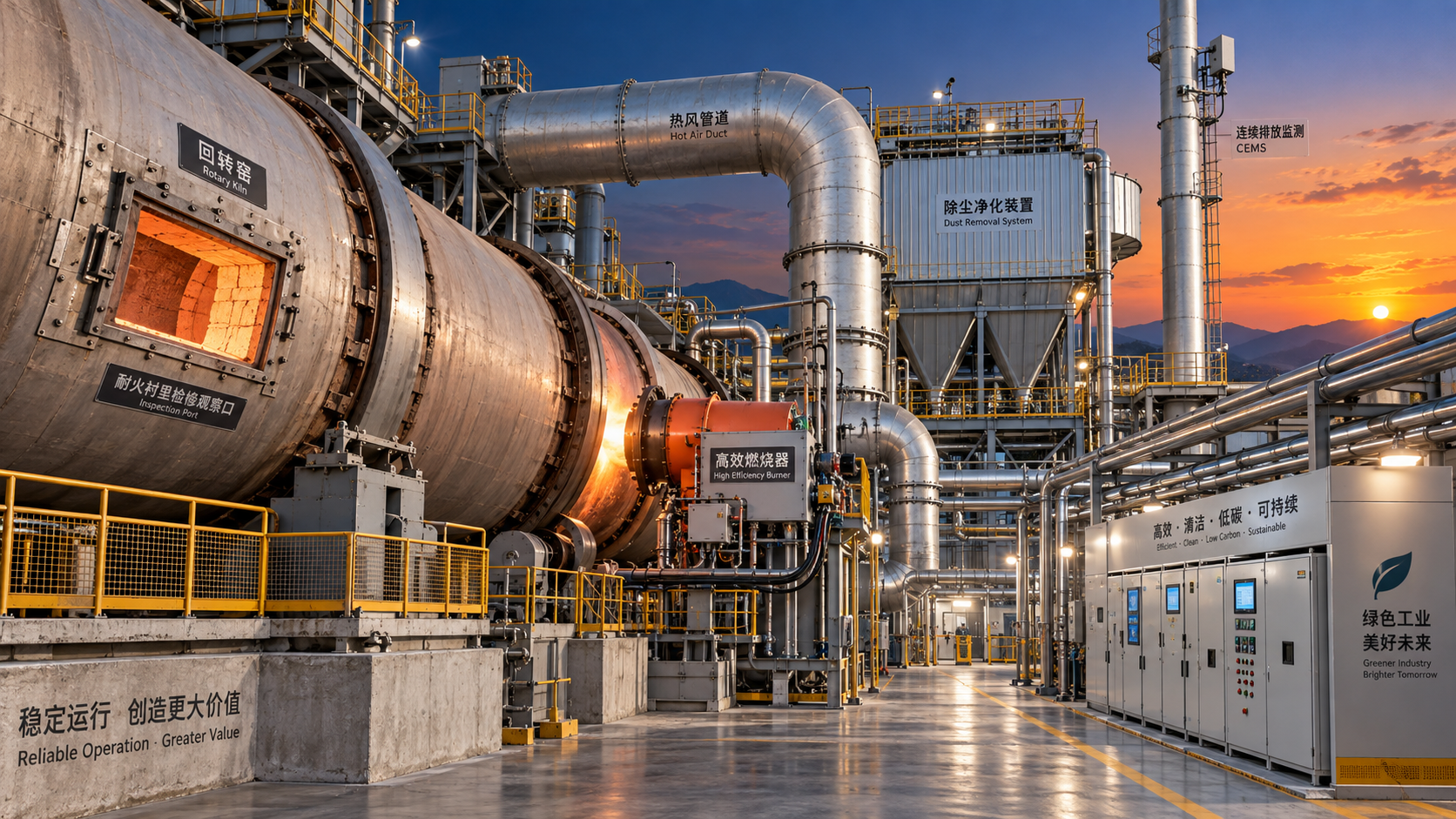
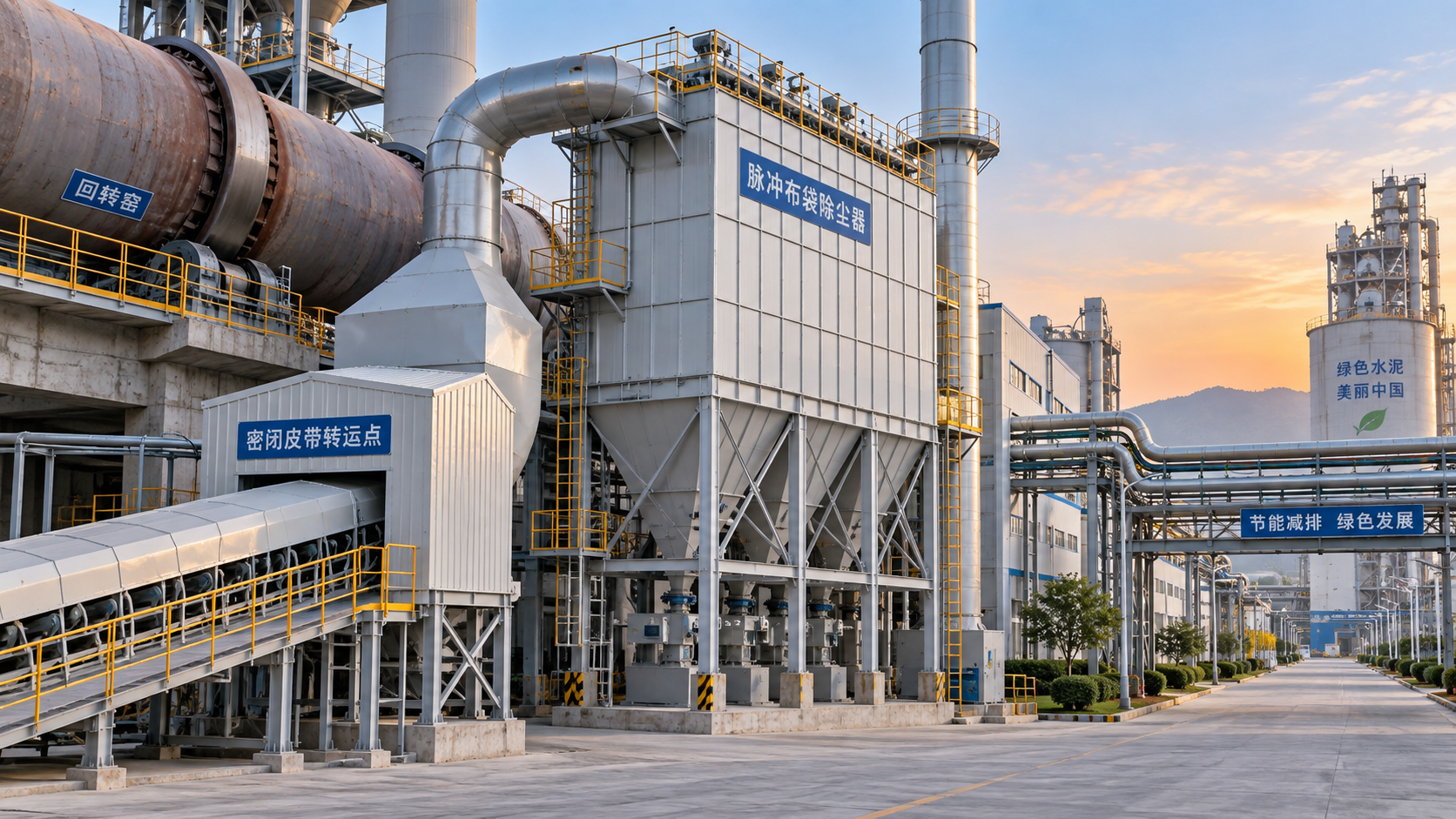
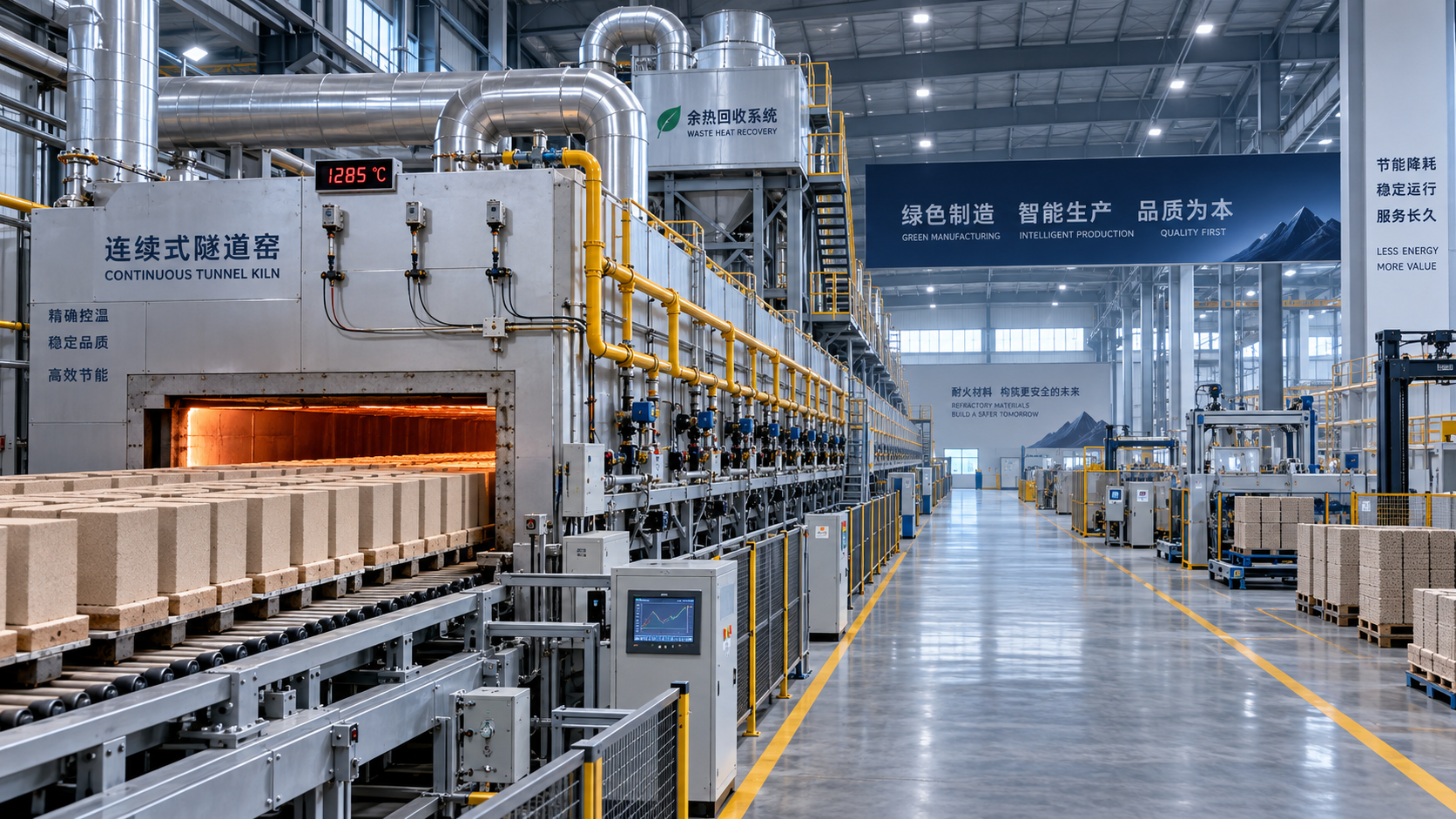
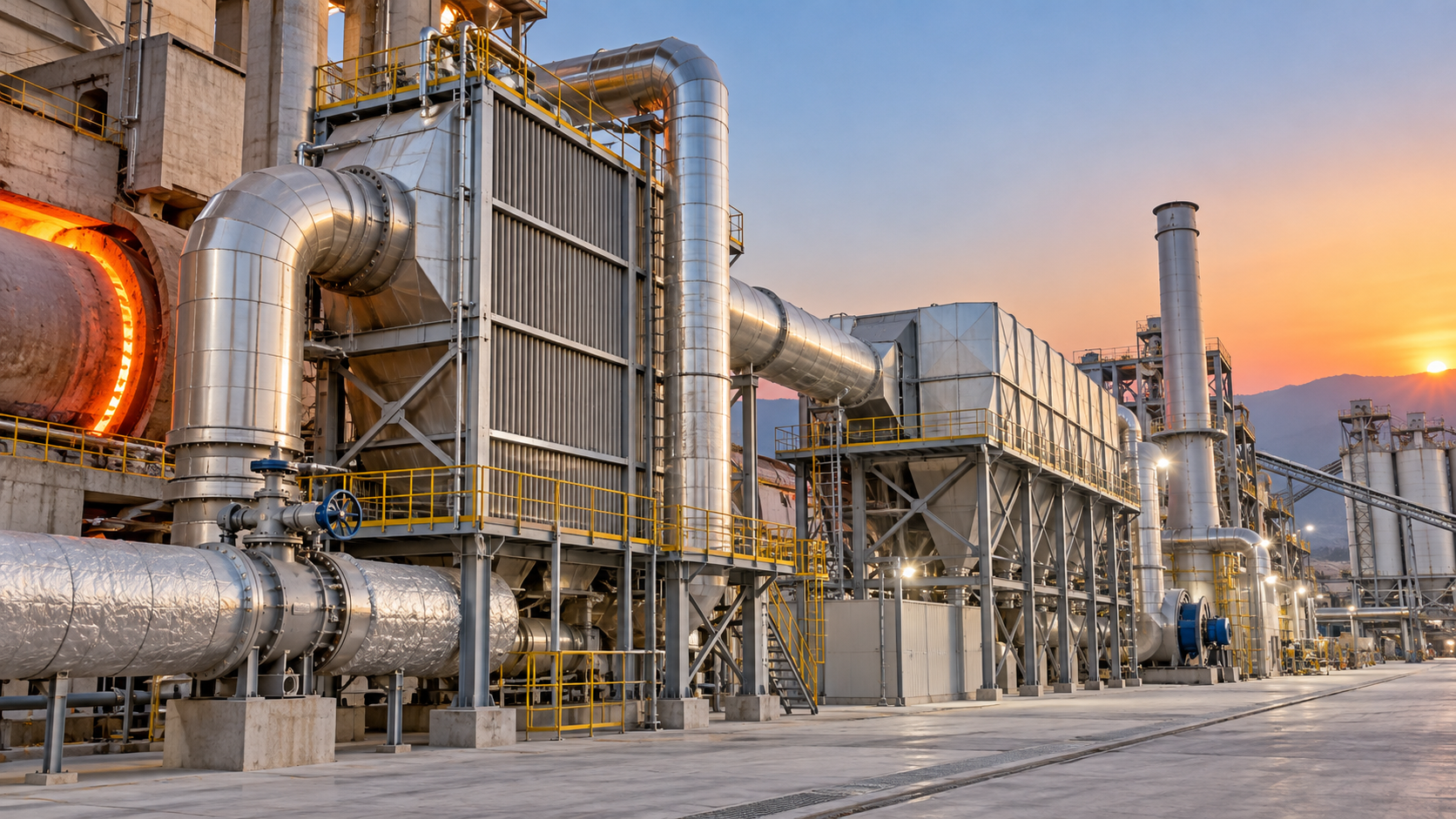
Within sectors tracked by CF-Elite, this pattern appears repeatedly. Cement, glass, refractory production, industrial incineration, and new building materials all depend on stable temperature control under changing material and load conditions.
A useful comparison, then, asks a practical question: which thermal energy systems manufacturer can convert process requirements into a durable, measurable, and adaptable heat solution?
What Matching System Design Really Means
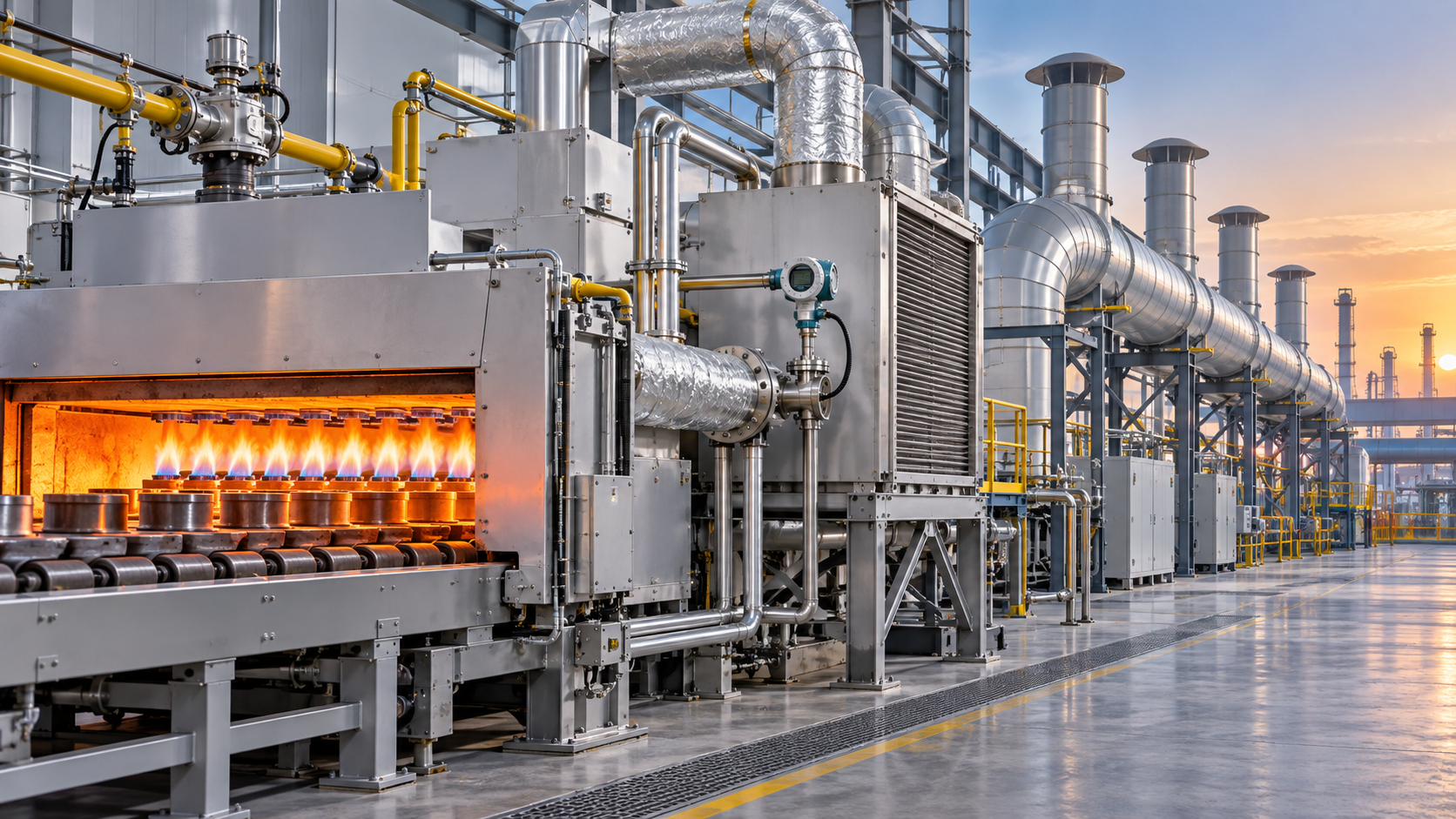
Matching system design to heat demand means more than sizing burners or selecting a furnace shell. It requires alignment between thermal output, heat transfer path, control logic, refractory behavior, and production variability.
In practice, process heat demand includes several layers. Required peak temperature is only one layer, and often not the most difficult one.
- Base load and peak load over a full production cycle
- Ramp-up speed, cooldown limits, and thermal shock tolerance
- Heat uniformity across product zones or chamber sections
- Fuel type, fuel quality variation, and switching requirements
- Exhaust recovery potential and downstream emissions treatment
A strong thermal energy systems manufacturer usually demonstrates that it understands these layers through engineering data, not generic efficiency claims.
This is especially relevant in high-temperature environments, where reaction kinetics, dust loading, moisture variation, and refractory wear can change heat behavior faster than nameplate calculations suggest.
Why the Industry Is Paying Closer Attention
Three pressures are pushing thermal system comparison into a more technical stage. The first is decarbonization. The second is operating resilience. The third is digital visibility.
Decarbonization is not only about using less fuel. It also involves waste heat recovery, alternative fuels, combustion optimization, lower excess air, and better control of temperature deviation.
Operating resilience matters because many lines now handle unstable feedstocks, stricter throughput targets, and tighter shutdown windows. A thermal energy systems manufacturer must design for disturbance, not just steady-state operation.
Digital visibility has also changed expectations. Buyers increasingly expect online monitoring, remote diagnostics, and data structures that support digital twin models and continuous thermal tuning.
CF-Elite’s intelligence focus reflects this shift. In sectors such as rotary kilns, float glass, and refractory lines, thermal architecture is now evaluated as part of a larger efficiency and carbon strategy.
Where Comparison Criteria Change by Application
Not every thermal platform should be judged by the same standard. The process decides the weighting.
This is where many comparisons go wrong. Two suppliers may offer similar thermal output, yet one may fit a continuous mineral process while the other performs better in highly variable waste-to-energy conditions.
Signals That Separate Strong Manufacturers from Standard Vendors
A capable thermal energy systems manufacturer tends to show depth in four areas: process understanding, integration ability, lifecycle service, and verification discipline.
Process Understanding
Look for evidence that the supplier understands material behavior, residence time, reaction windows, and how thermal instability affects product or emissions.
Integration Ability
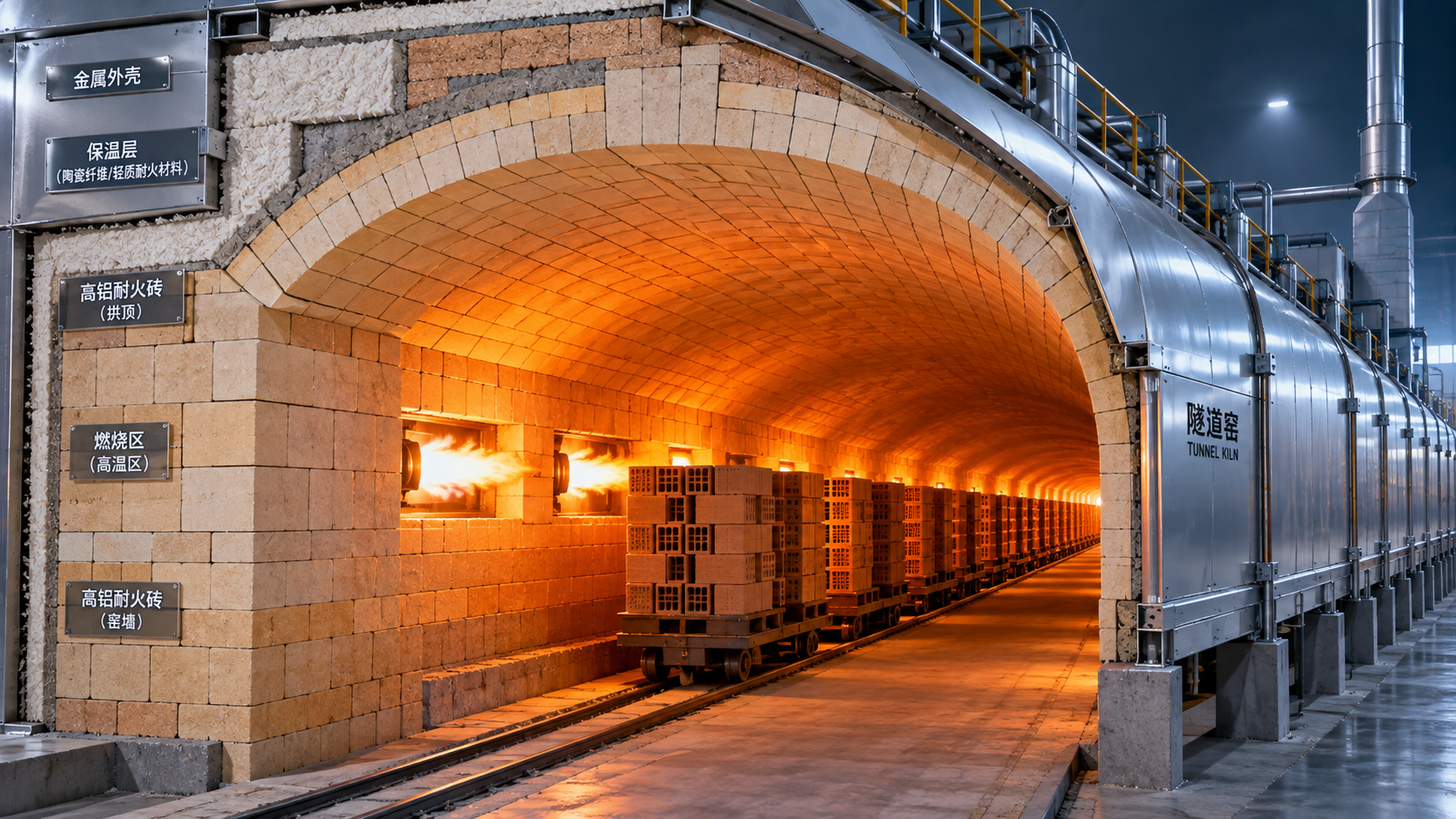
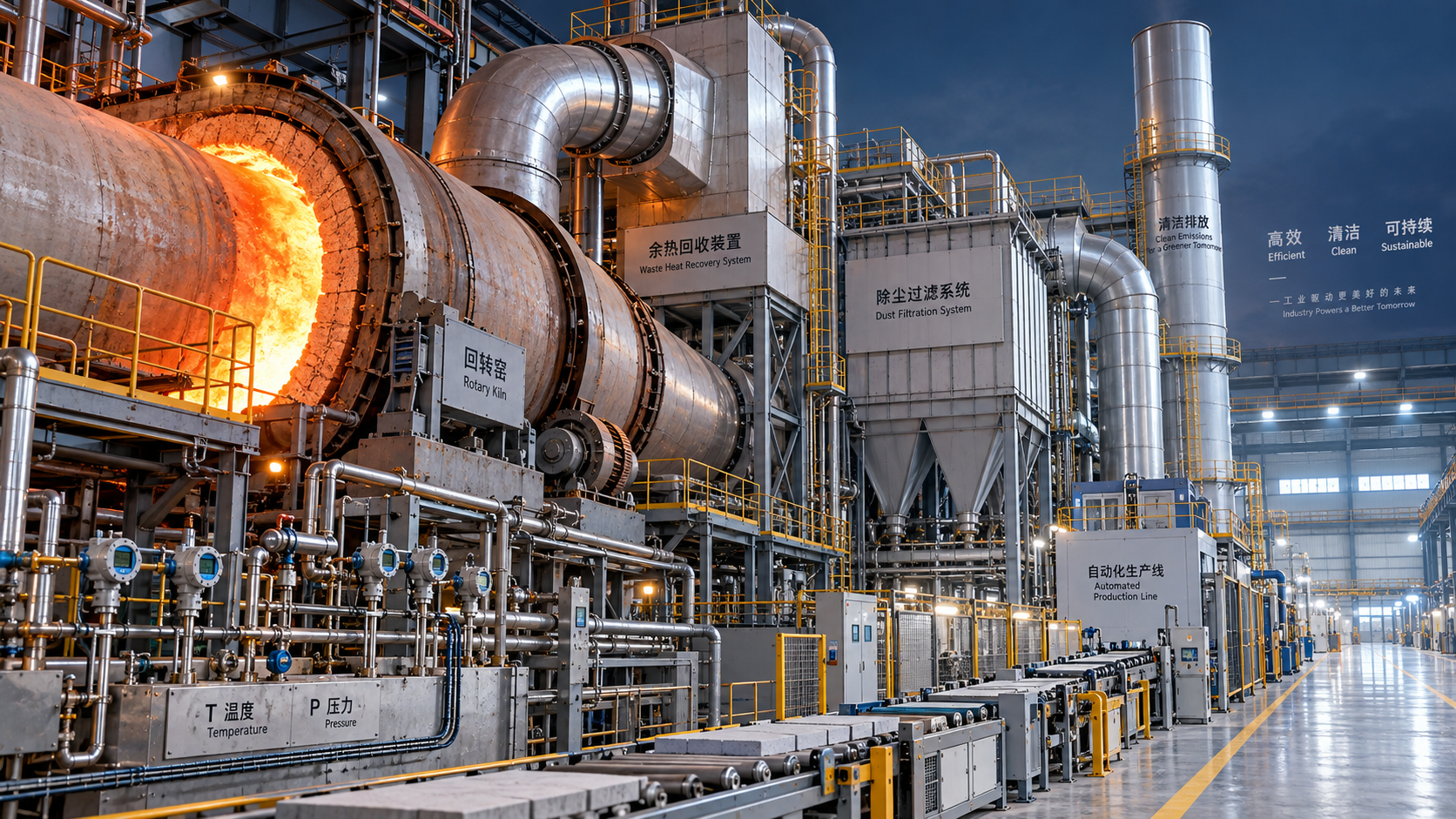
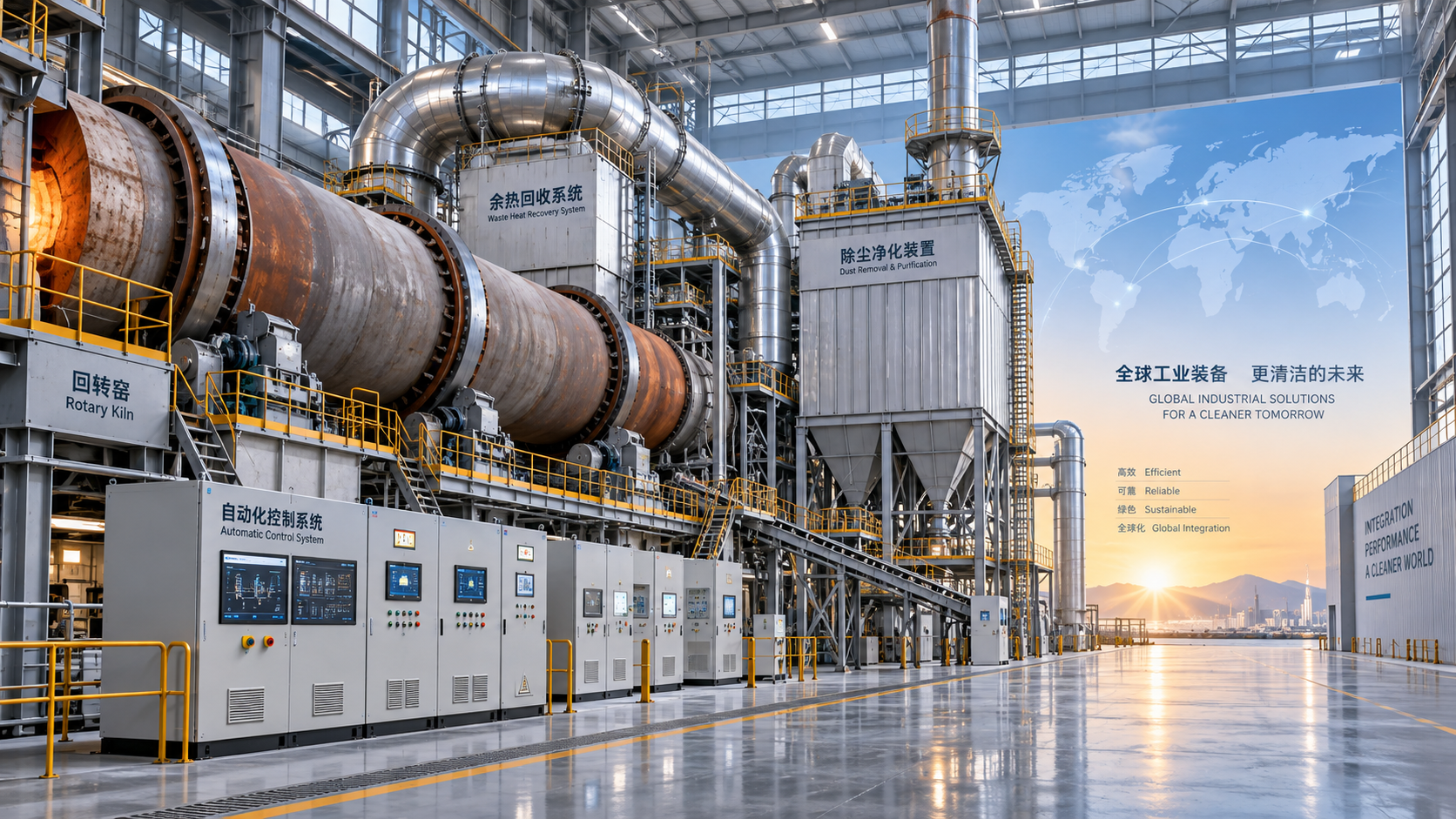
Thermal performance depends on the full line. Burners, fans, ducting, insulation, controls, heat recovery, and exhaust cleaning must work as one system.
Lifecycle Service
Good initial sizing is not enough. Commissioning quality, tuning support, spare parts planning, refractory inspection logic, and data review all shape long-term results.
Verification Discipline
Claims should be backed by heat balance calculations, reference cases, performance tests, and operating envelopes. A serious thermal energy systems manufacturer can explain assumptions clearly.
Common Mismatches That Create Hidden Cost
The most expensive mistakes are often made before installation. They stay hidden until fuel bills rise, output drifts, or maintenance intervals collapse.
- Oversized systems that cycle inefficiently at partial load
- Combustion packages designed for clean fuels but used with variable alternative fuels
- Temperature control tuned for average conditions, not upset conditions
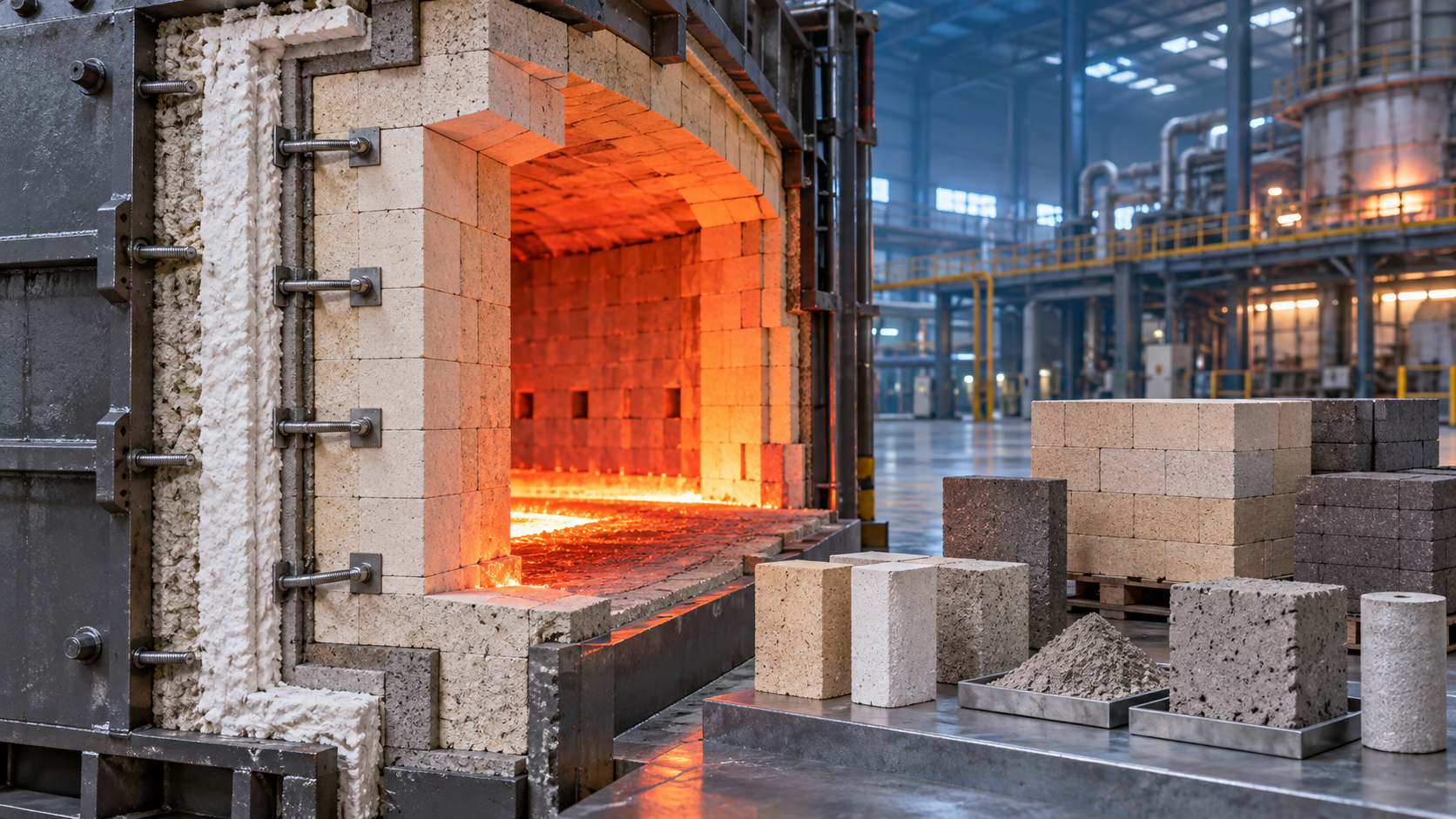
- Refractory selection separated from burner pattern and heat flux reality
- Heat recovery added late, forcing compromises in draft and emissions control
These issues matter because they turn a technically operating line into a commercially weak one. Output may continue, but energy intensity, wear rate, and compliance risk move in the wrong direction.
A Practical Comparison Framework
A better comparison process starts with a demand map. That map should describe how heat is required across time, zones, fuels, and operating states.
Then compare each thermal energy systems manufacturer against the same technical matrix, not against separate customized sales narratives.
- Define minimum, normal, and peak heat load
- List fuel scenarios, including future substitutions
- Specify temperature tolerance by process zone
- Request expected efficiency at partial and full load
- Ask for emissions assumptions and control interfaces
- Check service response, commissioning scope, and data access
In many cases, the best proposal is not the one with the highest stated efficiency. It is the one that keeps stable performance across the actual range of operating conditions.
How CF-Elite Context Helps Interpreting Supplier Claims
CF-Elite’s industry lens is useful because thermal decisions rarely stand alone. They sit inside broader shifts in raw material quality, green building demand, carbon policy, and equipment modernization.
For example, a thermal energy systems manufacturer may promote alternative fuel compatibility. That claim only becomes meaningful when linked to refractory stress, ash behavior, secondary air balance, and process stability.
The same applies to digital features. Remote monitoring sounds attractive, but its value depends on whether the data helps diagnose flame shape, heat loss, residence conditions, or lining degradation.
Seen this way, comparison becomes less about catalog features and more about thermal intelligence. That is where strategic review creates better decisions than price screening alone.
What to Do Before the Final Shortlist
Before narrowing the field, gather operating data that reflects reality rather than design intent alone. Historical variability usually reveals more than static specification sheets.
It also helps to test each thermal energy systems manufacturer on the same scenario set: startup, normal load, partial load, feed disturbance, fuel change, and emissions tightening.
That approach clarifies who is selling equipment and who is solving process heat demand. The difference becomes visible in assumptions, guarantees, and recommended control strategy.
A strong next step is to build a comparison sheet around heat profile, integration depth, efficiency range, controllability, maintainability, and carbon pathway. That creates a decision basis worth defending over the full asset life.
Related News
 Prof. Marcus ChenIndustrial Decarbonization Strategies in Europe: A Roadmap for Energy-Intensive PlantsIndustrial decarbonization strategies Europe: explore practical pathways for energy-intensive plants to cut emissions, improve efficiency, and protect performance.Oct 07, 2026
 Thermal Energy ArchitectEnergy-Efficient Silicate Production Lines: What to Compare Before SelectionSilicate production lines energy efficient selection guide: compare thermal performance, stability, emissions, controls, and lifecycle value before investing.Oct 06, 2026
 Optical Glass Tech FellowHow to Evaluate Automated Float Glass Lines for Capacity, Quality, and Energy UseEvaluate automated float glass lines for net capacity, consistent quality, energy efficiency, automation reliability, and lifecycle value. Explore key criteria for smarter investment decisions.Oct 05, 2026
 Thermal Energy ArchitectWhat Does CE Marking Require for an Energy-Efficient Industrial Kiln?Energy efficient kiln CE requirements explained: assess safety, technical files, energy performance, and EU compliance before purchase or commissioning.Oct 04, 2026
 Thermal Energy ArchitectRefractory Manufacturing Solutions for Brick Plants: How to Extend Kiln LifeRefractory manufacturing solutions for brick plant operations: discover proven strategies to extend kiln life, reduce heat loss, prevent lining failures, and plan cost-effective repairs.Oct 03, 2026
 Thermal Energy ArchitectHow to Specify Heavy Industrial Process Systems for High-Temperature PlantsHeavy industrial processes systems: learn how to specify high-temperature plants for efficiency, emissions control, maintainability, and lifecycle performance.Oct 02, 2026
 Structural Material AnalystHow Sustainable Material Extrusion Can Improve Wall Panel Durability and Design FlexibilityDiscover how sustainable material extrusion for wall panels improves durability, moisture resistance, design flexibility, and installation consistency for high-performing wall systems.Oct 01, 2026
 Thermal Energy ArchitectHow to Evaluate a High-Temperature Materials Manufacturer for Furnace ApplicationsChoose a high-temperature materials manufacturer with confidence: compare thermal performance, chemical resistance, quality controls, installation support, and lifecycle cost.Sep 30, 2026
 Ms. Elena RodriguezHow to Structure Global Specification Data for Faster Industrial Product EvaluationGlobal specification-oriented product information helps industrial teams compare capacity, energy, emissions, automation, and lifecycle data on a like-for-like basis for faster, confident equipment decisions.Sep 29, 2026
 Thermal Energy ArchitectHow to Specify High-Temperature Process Systems for Continuous Thermal OperationsHigh-temperature process engineering systems: learn how to specify resilient continuous thermal operations for efficiency, compliance, reliable uptime, and long-term performance.Sep 28, 2026
 Thermal Energy ArchitectHow to Evaluate a Thermal Engineering Contractor for High-Temperature Plant ProjectsChoose a thermal engineering contractor with proven process expertise, lifecycle value, emissions control, and delivery discipline for reliable high-temperature plant performance.Sep 27, 2026
 Silicate Process EngineerHow Latin American Cement Plants Can Reduce Dust Emissions in Kilns and Transfer PointsCement plant dust control Latin America: reduce kiln and transfer-point emissions with practical airflow, filtration, monitoring, and maintenance strategies.Sep 26, 2026
 Material Heat-Resist ExpertHow to Evaluate Refractory Production Lines for Output, Quality, and Energy UseRefractory production lines: learn how to assess qualified output, consistent quality, and total energy use for smarter, lower-risk investment decisions.Sep 25, 2026
 Dr. Alistair VaughnHow Waste Recycling Technology Improves Material Recovery in Industrial PlantsWaste recycling technology improves material recovery through source segregation, smart separation, thermal treatment, and quality control for industrial plants.Sep 24, 2026
 Optical Glass Tech FellowHow to Specify Glass Annealing Equipment for European Quality and Energy RequirementsGlass annealing equipment Europe: learn how to specify lehrs for consistent glass quality, energy efficiency, compliance, automation, and reliable long-term performance.Sep 23, 2026
 Optical Glass Tech FellowSilicate Process Automation: Improving Batch Consistency and Energy ControlSilicate process automation improves batch consistency, energy control, traceability, and operator confidence across high-temperature manufacturing operations.Sep 22, 2026
 Optical Glass Tech FellowHow Silicate Industrial Processes Control Viscosity, Energy Use, and Product QualitySilicate industrial processes: learn how viscosity, chemistry, heat transfer, and atmosphere control reduce energy use, improve stability, and protect product quality.Sep 21, 2026
 Thermal Energy ArchitectHow European Plants Can Evaluate Energy Recovery Equipment for High-Temperature ProcessesIndustrial energy recovery equipment Europe: learn how high-temperature plants can assess waste-heat sources, integration risks, lifecycle value, and reliable recovery routes.Sep 20, 2026
 Thermal Energy ArchitectIndustrial Furnace Process Optimization: Reducing Fuel Use Without Sacrificing ThroughputIndustrial process optimization furnace strategies that cut fuel use while protecting throughput. Explore combustion control, heat recovery, refractory performance, and data-driven efficiency gains.Sep 19, 2026
 Ms. Elena RodriguezWhat Drives High-Pressure Extrusion Equipment Cost in Industrial Projects?High pressure extrusion equipment cost explained: compare pressure, die design, automation, wear, energy, and installation factors for smarter industrial investments.Sep 18, 2026


Related News
- 00
0000-00
Energy-Efficient Silicate Production Lines: What to Compare Before Selection - 00
0000-00
What Does CE Marking Require for an Energy-Efficient Industrial Kiln? - 00
0000-00
Refractory Manufacturing Solutions for Brick Plants: How to Extend Kiln Life - 00
0000-00
How to Specify Heavy Industrial Process Systems for High-Temperature Plants - 00
0000-00
How to Evaluate a High-Temperature Materials Manufacturer for Furnace Applications
Weekly Insights
Stay ahead with our curated technology reports delivered every Monday.