
How to Evaluate a Refractory Manufacturing Solutions Manufacturer for Line Stability and Quality




Selecting a refractory manufacturing solutions manufacturer is rarely a simple sourcing exercise. It shapes line stability, thermal efficiency, maintenance frequency, and the consistency of output across demanding production environments.
That matters even more in sectors linked to cement, glass, incineration, metallurgy, and advanced building materials. In these settings, refractory performance influences both production continuity and energy discipline.
A weak supplier may still offer acceptable samples. The real test appears under cycling loads, chemical attack, changing fuel mixes, and long operating campaigns.
A capable refractory manufacturing solutions manufacturer, by contrast, supports the entire operating logic of the line, from material selection and forming to installation fit, monitoring, and life-cycle response.
Why the evaluation standard has become stricter
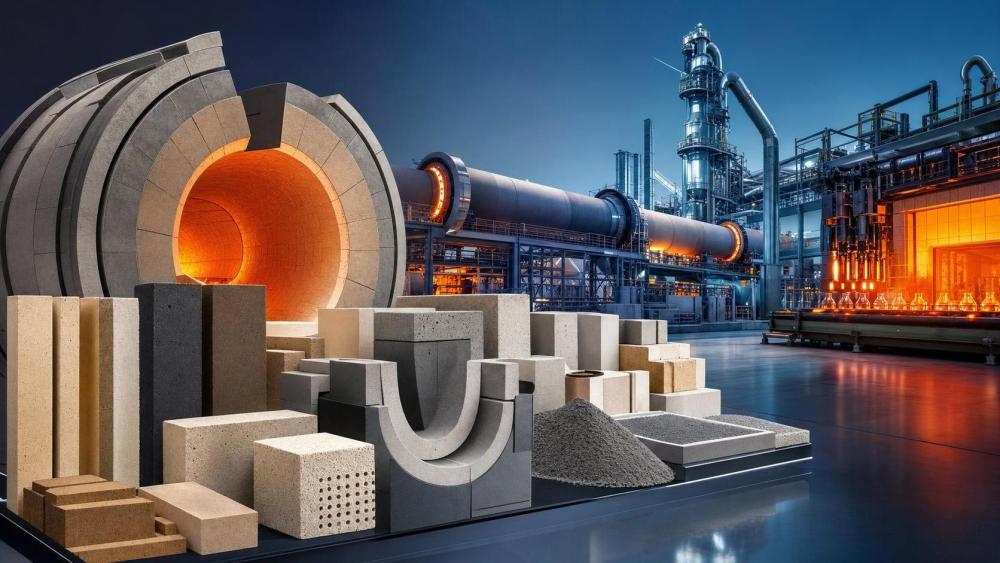
High-temperature industries are changing quickly. Plants are expected to cut energy loss, lower emissions, run longer campaigns, and adapt to more complex raw material conditions.
That pressure has raised the importance of the refractory manufacturing solutions manufacturer. Refractories are no longer viewed only as consumables. They are part of thermal management strategy.
This broader view aligns with the perspective promoted by CF-Elite. Across silicate production lines, industrial kilns, and specialized extrusion systems, thermal barriers and process intelligence now connect directly with carbon reduction and operating resilience.
In practical terms, better evaluation protects against hidden losses. These include unstable temperatures, uneven wear, emergency shutdowns, dust growth, fuel waste, and quality drift in finished products.
What a refractory manufacturing solutions manufacturer actually delivers
The term suggests more than brick production. A true refractory manufacturing solutions manufacturer supplies an integrated response to a thermal process challenge.
That may include raw material engineering, shape design, castable formulation, anchoring logic, lining configuration, installation advice, and operating feedback after commissioning.
In some lines, the requirement is abrasion resistance. In others, thermal shock, alkali attack, slag penetration, or dimensional stability becomes the dominant issue.
This is why generic catalog selection often fails. A reliable refractory manufacturing solutions manufacturer translates process conditions into material architecture, rather than pushing standard stock into every application.
Core areas usually covered
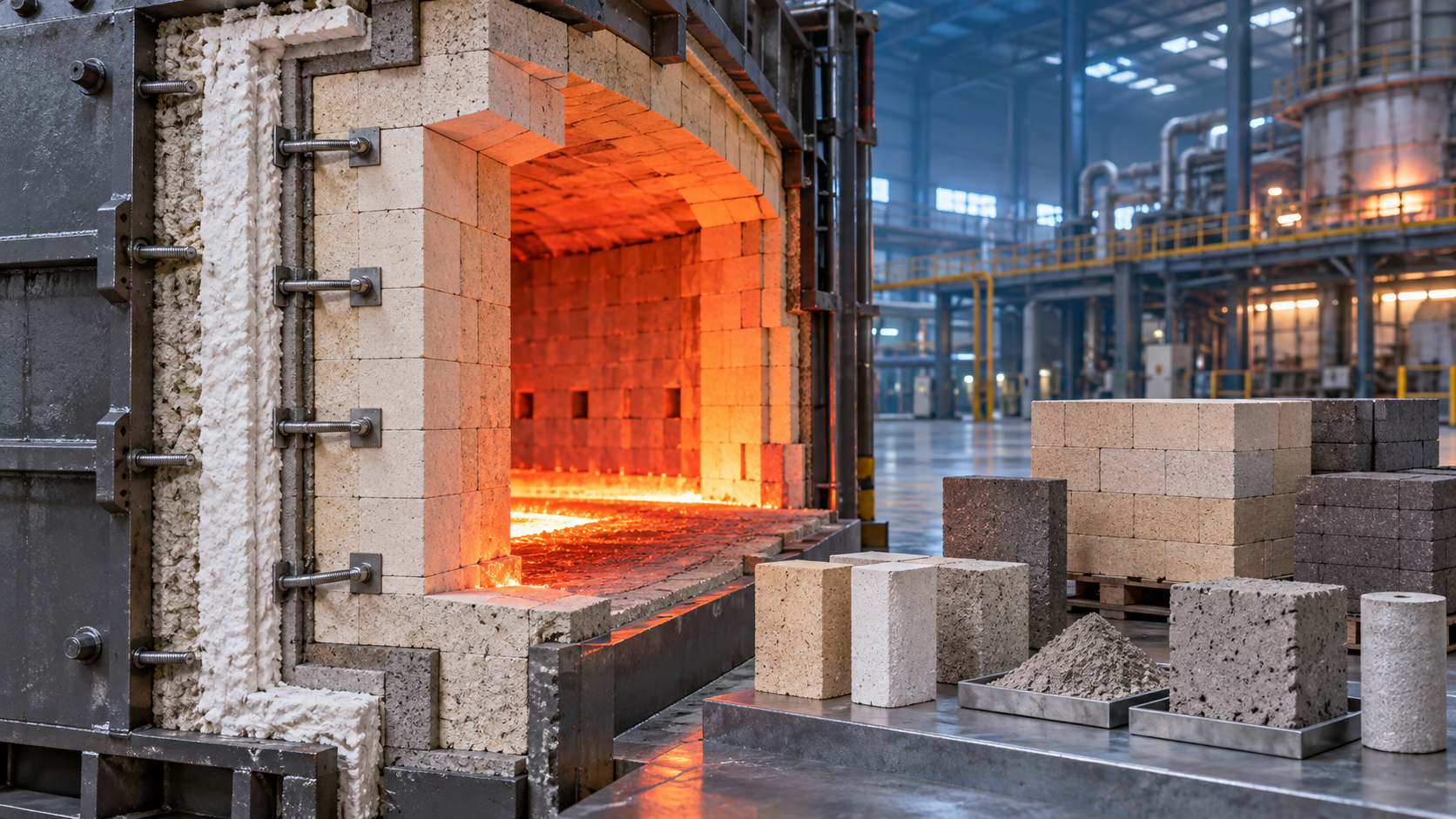
- Dense and insulating refractory materials for kilns, furnaces, and thermal vessels
- Monolithic systems for repair zones, burners, transfer areas, and complex shapes
- Customized lining designs based on process temperature, atmosphere, and mechanical stress
- Support for installation, dry-out curves, maintenance planning, and troubleshooting
The first filter: process fit before price comparison
Price matters, but only after process fit is clear. A lower initial quote can become the most expensive option when campaign life shortens or heat loss rises.
Start with operating data. Maximum temperature alone is not enough. The evaluation should include thermal cycling pattern, atmosphere, raw mix chemistry, abrasion sources, shutdown frequency, and local hot spots.
A strong refractory manufacturing solutions manufacturer will ask detailed questions early. If the discussion stays at product grade and unit price, the evaluation is already too shallow.
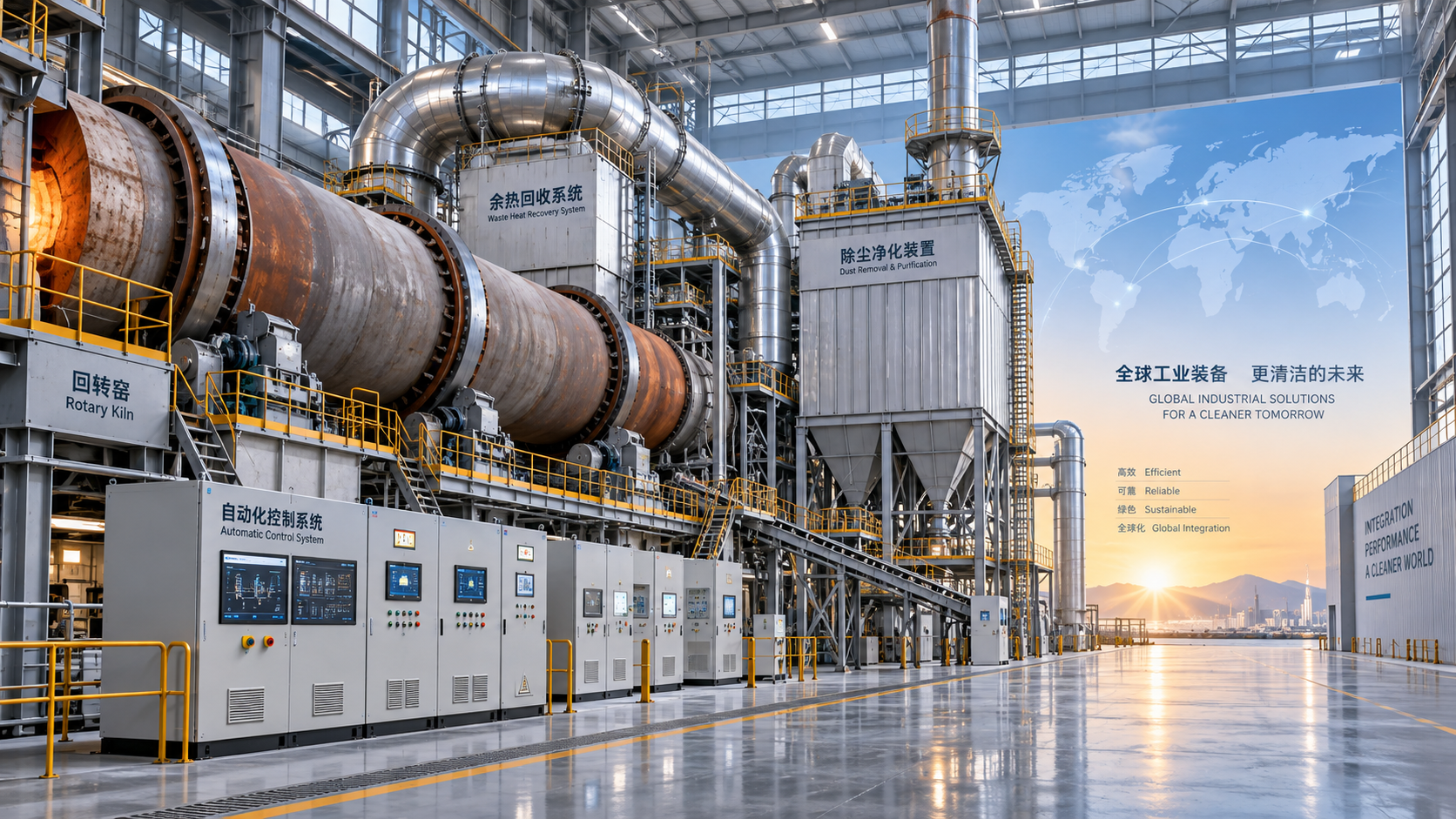
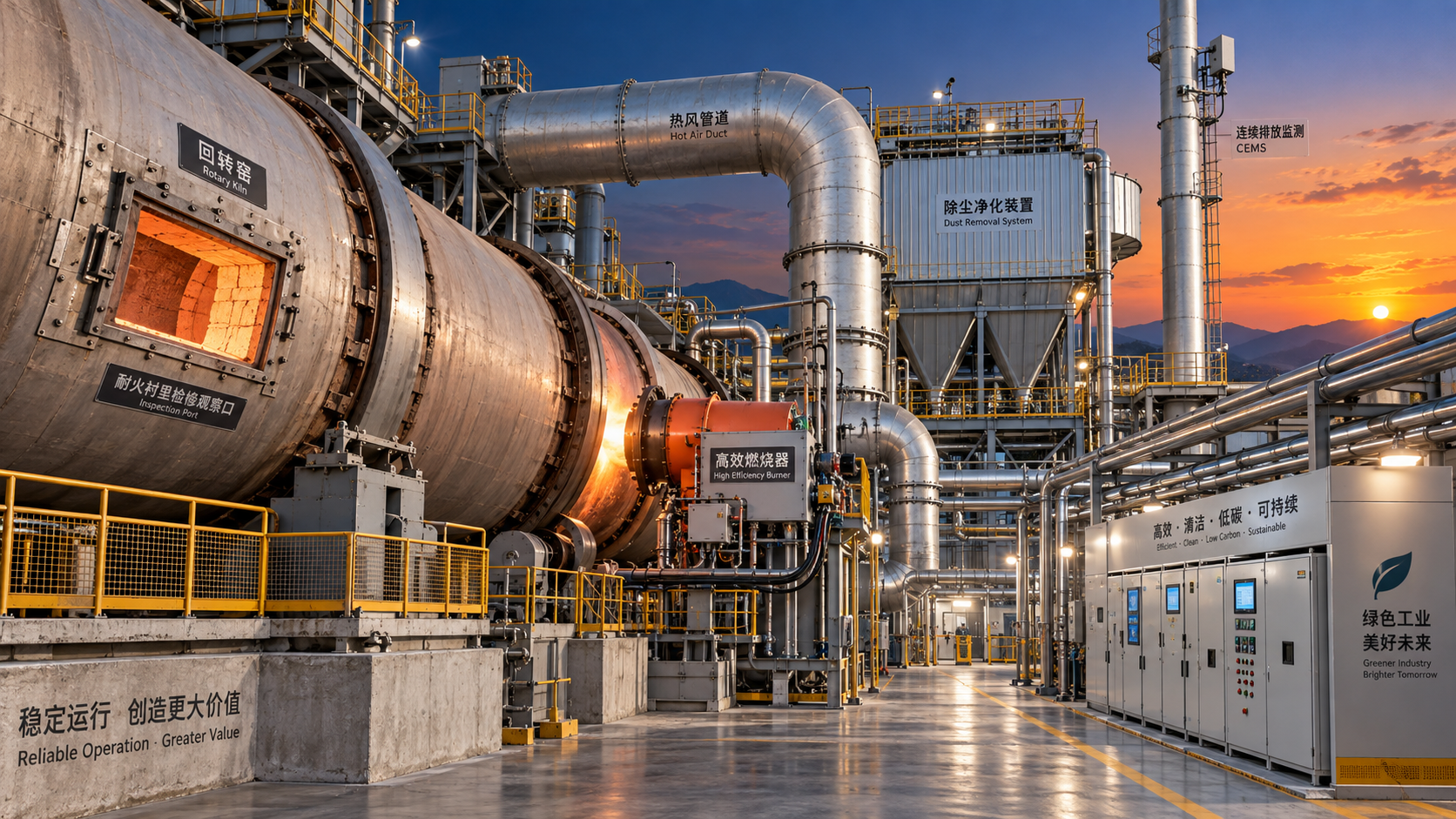
This step is especially important for rotary kilns, waste-to-energy systems, glass furnaces, and extrusion-related heating zones, where small thermal mismatches can create line-wide instability.
Useful process questions
Material performance should be proven, not assumed
Laboratory values are useful, but they do not tell the full story. Apparent porosity, bulk density, cold crushing strength, and refractoriness under load need operating context.
For example, excellent strength may still come with poor thermal shock behavior. A low-porosity structure may resist penetration but become less forgiving during rapid startup and stoppage.
An experienced refractory manufacturing solutions manufacturer should explain the tradeoffs. The best material is not the strongest on paper. It is the one that survives the line’s actual failure mode.
Case references are useful here, especially from similar kiln diameters, burner configurations, fuel conditions, or product categories. Comparable operating history often reveals more than generic brochures.
Signals of stronger technical depth
- Test reports tied to application scenarios, not only standard certificates
- Clear reasoning for material selection and expected wear pattern
- Ability to compare alternative formulations for campaign length or energy goals
- Willingness to discuss failure cases and corrective action
Quality control must extend across the full supply chain
Consistent refractory quality depends on more than final inspection. Raw material variation, particle grading, binder control, forming pressure, firing curve, and storage conditions all affect performance.
That is why quality systems need to be examined in layers. A credible refractory manufacturing solutions manufacturer should show traceability from incoming minerals to shipped lots.
This is increasingly relevant as global supply chains shift. Raw material substitutions, energy cost changes, and environmental rules can alter product consistency even when the grade name stays the same.
CF-Elite’s intelligence approach is helpful in this context. Monitoring market movement, regulation, and process evolution gives buyers a better way to judge whether a supplier can maintain technical stability over time.
What to review during due diligence
- Raw material source control and substitution policy
- Batch traceability and retention samples
- Inspection frequency for key physical and chemical indicators
- Packaging, storage, and transport protection for moisture-sensitive materials
- Corrective action procedure after deviations or field complaints
Customization and service often decide real operating value
Many failures happen at interfaces, not in the base material. Joint design, anchor layout, shape tolerance, repair geometry, and dry-out support can determine whether a lining performs as expected.
For this reason, customization is not a premium extra. It is part of the solution. A mature refractory manufacturing solutions manufacturer usually combines manufacturing capacity with application engineering.
Responsiveness also matters. When shutdown windows are tight, delayed analysis or slow replacement support can turn a minor issue into a production event.
Look for suppliers that can support root-cause review, field adaptation, and data-backed recommendations. Digital monitoring and lining performance tracking are becoming valuable differentiators.
How evaluation criteria vary by application
Not every refractory manufacturing solutions manufacturer should be judged by the same emphasis. Different production environments place different stress on the lining system.
This application view helps narrow the field. It also prevents overvaluing generic capacity while missing the importance of line-specific knowledge.
A practical way to move from shortlist to decision
A disciplined review process usually produces better results than a single commercial negotiation. The goal is to compare suppliers on performance logic, not only on quotations.
- Define the line’s dominant failure risks and energy priorities
- Request application-specific proposals from each refractory manufacturing solutions manufacturer
- Compare material rationale, expected campaign life, and service commitments
- Validate references from similar operating conditions
- Review quality traceability and response plan for unexpected failure
- Estimate total cost through downtime, heat loss, repair frequency, and inventory burden
At that point, the stronger option is usually clearer. It may not be the lowest-priced supplier, but it will often be the one with the most credible path to stable output.
When evaluating any refractory manufacturing solutions manufacturer, the most useful next step is to build a decision matrix around process fit, material evidence, quality control, and field support.
That approach creates a more reliable basis for line stability and quality. It also makes future supplier discussions more technical, more comparable, and far less exposed to avoidable operating risk.
Related News
 Thermal Energy ArchitectWhat Does CE Marking Require for an Energy-Efficient Industrial Kiln?Energy efficient kiln CE requirements explained: assess safety, technical files, energy performance, and EU compliance before purchase or commissioning.Oct 04, 2026
 Thermal Energy ArchitectRefractory Manufacturing Solutions for Brick Plants: How to Extend Kiln LifeRefractory manufacturing solutions for brick plant operations: discover proven strategies to extend kiln life, reduce heat loss, prevent lining failures, and plan cost-effective repairs.Oct 03, 2026
 Thermal Energy ArchitectHow to Specify Heavy Industrial Process Systems for High-Temperature PlantsHeavy industrial processes systems: learn how to specify high-temperature plants for efficiency, emissions control, maintainability, and lifecycle performance.Oct 02, 2026
 Structural Material AnalystHow Sustainable Material Extrusion Can Improve Wall Panel Durability and Design FlexibilityDiscover how sustainable material extrusion for wall panels improves durability, moisture resistance, design flexibility, and installation consistency for high-performing wall systems.Oct 01, 2026
 Thermal Energy ArchitectHow to Evaluate a High-Temperature Materials Manufacturer for Furnace ApplicationsChoose a high-temperature materials manufacturer with confidence: compare thermal performance, chemical resistance, quality controls, installation support, and lifecycle cost.Sep 30, 2026
 Ms. Elena RodriguezHow to Structure Global Specification Data for Faster Industrial Product EvaluationGlobal specification-oriented product information helps industrial teams compare capacity, energy, emissions, automation, and lifecycle data on a like-for-like basis for faster, confident equipment decisions.Sep 29, 2026
 Thermal Energy ArchitectHow to Specify High-Temperature Process Systems for Continuous Thermal OperationsHigh-temperature process engineering systems: learn how to specify resilient continuous thermal operations for efficiency, compliance, reliable uptime, and long-term performance.Sep 28, 2026
 Thermal Energy ArchitectHow to Evaluate a Thermal Engineering Contractor for High-Temperature Plant ProjectsChoose a thermal engineering contractor with proven process expertise, lifecycle value, emissions control, and delivery discipline for reliable high-temperature plant performance.Sep 27, 2026
 Silicate Process EngineerHow Latin American Cement Plants Can Reduce Dust Emissions in Kilns and Transfer PointsCement plant dust control Latin America: reduce kiln and transfer-point emissions with practical airflow, filtration, monitoring, and maintenance strategies.Sep 26, 2026
 Material Heat-Resist ExpertHow to Evaluate Refractory Production Lines for Output, Quality, and Energy UseRefractory production lines: learn how to assess qualified output, consistent quality, and total energy use for smarter, lower-risk investment decisions.Sep 25, 2026
 Dr. Alistair VaughnHow Waste Recycling Technology Improves Material Recovery in Industrial PlantsWaste recycling technology improves material recovery through source segregation, smart separation, thermal treatment, and quality control for industrial plants.Sep 24, 2026
 Optical Glass Tech FellowHow to Specify Glass Annealing Equipment for European Quality and Energy RequirementsGlass annealing equipment Europe: learn how to specify lehrs for consistent glass quality, energy efficiency, compliance, automation, and reliable long-term performance.Sep 23, 2026
 Optical Glass Tech FellowSilicate Process Automation: Improving Batch Consistency and Energy ControlSilicate process automation improves batch consistency, energy control, traceability, and operator confidence across high-temperature manufacturing operations.Sep 22, 2026
 Optical Glass Tech FellowHow Silicate Industrial Processes Control Viscosity, Energy Use, and Product QualitySilicate industrial processes: learn how viscosity, chemistry, heat transfer, and atmosphere control reduce energy use, improve stability, and protect product quality.Sep 21, 2026
 Thermal Energy ArchitectHow European Plants Can Evaluate Energy Recovery Equipment for High-Temperature ProcessesIndustrial energy recovery equipment Europe: learn how high-temperature plants can assess waste-heat sources, integration risks, lifecycle value, and reliable recovery routes.Sep 20, 2026
 Thermal Energy ArchitectIndustrial Furnace Process Optimization: Reducing Fuel Use Without Sacrificing ThroughputIndustrial process optimization furnace strategies that cut fuel use while protecting throughput. Explore combustion control, heat recovery, refractory performance, and data-driven efficiency gains.Sep 19, 2026
 Ms. Elena RodriguezWhat Drives High-Pressure Extrusion Equipment Cost in Industrial Projects?High pressure extrusion equipment cost explained: compare pressure, die design, automation, wear, energy, and installation factors for smarter industrial investments.Sep 18, 2026
 Thermal Energy ArchitectHow to Size a Waste Heat Recovery Exchanger for High-Temperature Kiln Exhaust?Waste heat recovery exchanger sizing for high-temperature kiln exhaust: balance recoverable duty, fouling, corrosion limits, pressure drop, and reliable heat use.Sep 17, 2026
 Thermal Energy ArchitectWhy Heat-Resistant Materials Lose Abrasion Resistance at High TemperaturesHeat-resistant materials abrasion resistance can decline at high temperatures. Discover the thermal, chemical, and mechanical causes of wear—and how to choose longer-lasting linings.Sep 16, 2026
 Thermal Energy ArchitectHow to Evaluate a Thermal Energy Optimization Company for High-Temperature PlantsChoose a thermal energy optimization company with proven process expertise, measurable savings, and reliable delivery for high-temperature plants. Learn what to assess.Sep 15, 2026




Related News
- 00
0000-00
How to Evaluate Refractory Production Lines for Output, Quality, and Energy Use - 00
0000-00
What Determines Refractory Production Line Price in a Turnkey Plant Project? - 00
0000-00
How to Evaluate a Silicate Production Line for Capacity, Energy Use, and Product Quality - 00
0000-00
Silicate Production Line Process Explained: Key Stages, Equipment, and Quality Control - 00
0000-00
How to Evaluate a Refractory Production Line in Southeast Asia: Capacity, Fuel, and Raw Material Factors
Weekly Insights
Stay ahead with our curated technology reports delivered every Monday.