
Sustainable Industrial Materials in Europe: Key Buying Factors for Cost, Compliance, and Supply




Sustainable Industrial Materials in Europe: Key Buying Factors for Cost, Compliance, and Supply
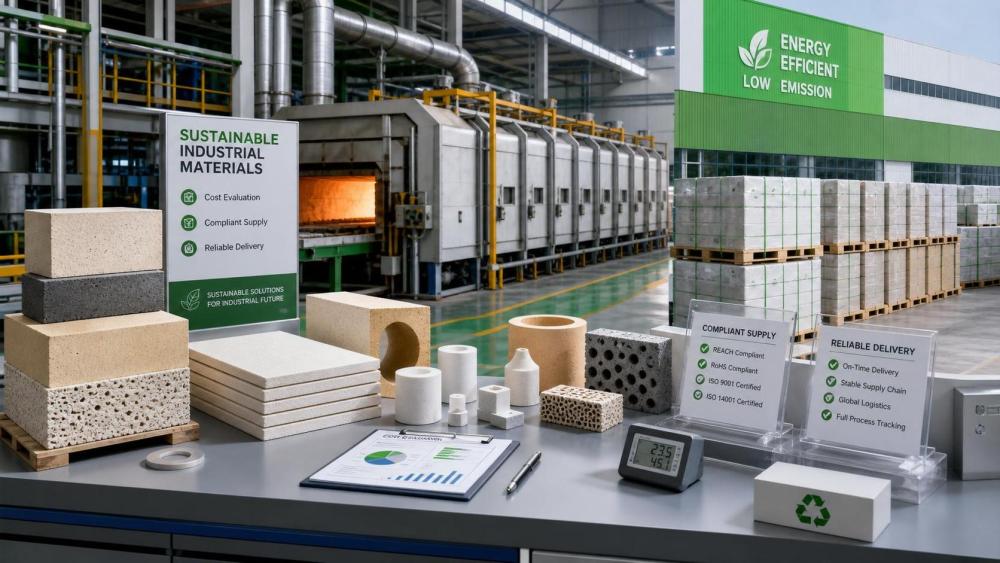
For procurement teams navigating Europe’s evolving industrial market, choosing sustainable industrial materials Europe suppliers now means balancing price, regulatory compliance, and supply stability.
From high-temperature production systems to advanced building materials, every sourcing decision affects operational efficiency, carbon targets, and long-term competitiveness.
This guide highlights the key buying factors that help purchasers reduce risk, secure reliable partnerships, and make smarter decisions in a demanding industrial landscape.
Across Europe, market expectations have shifted quickly. Buyers are no longer comparing materials on unit price alone.
They are checking energy intensity, traceability, emissions exposure, and delivery resilience at the same time. That is now standard practice.
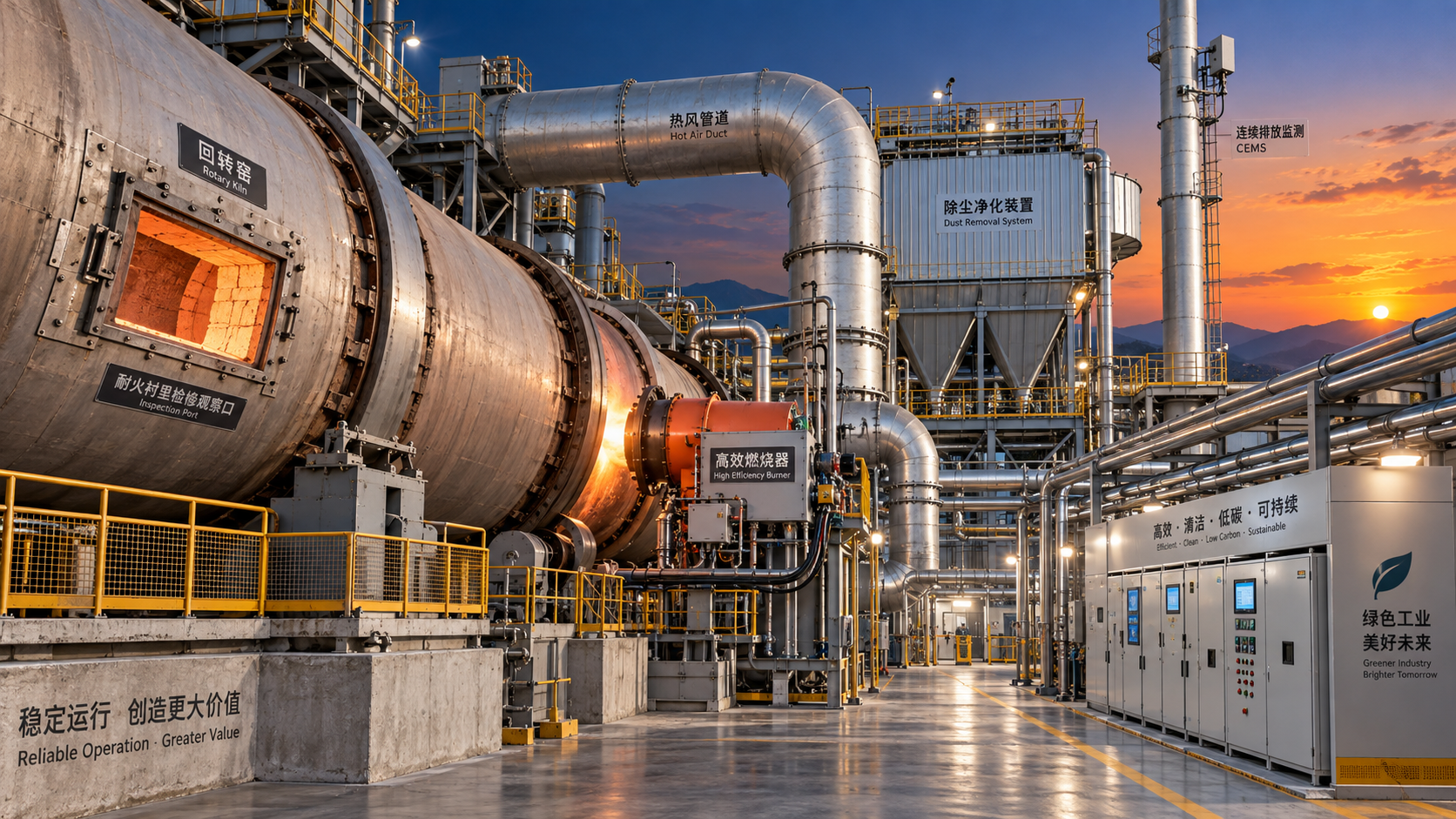
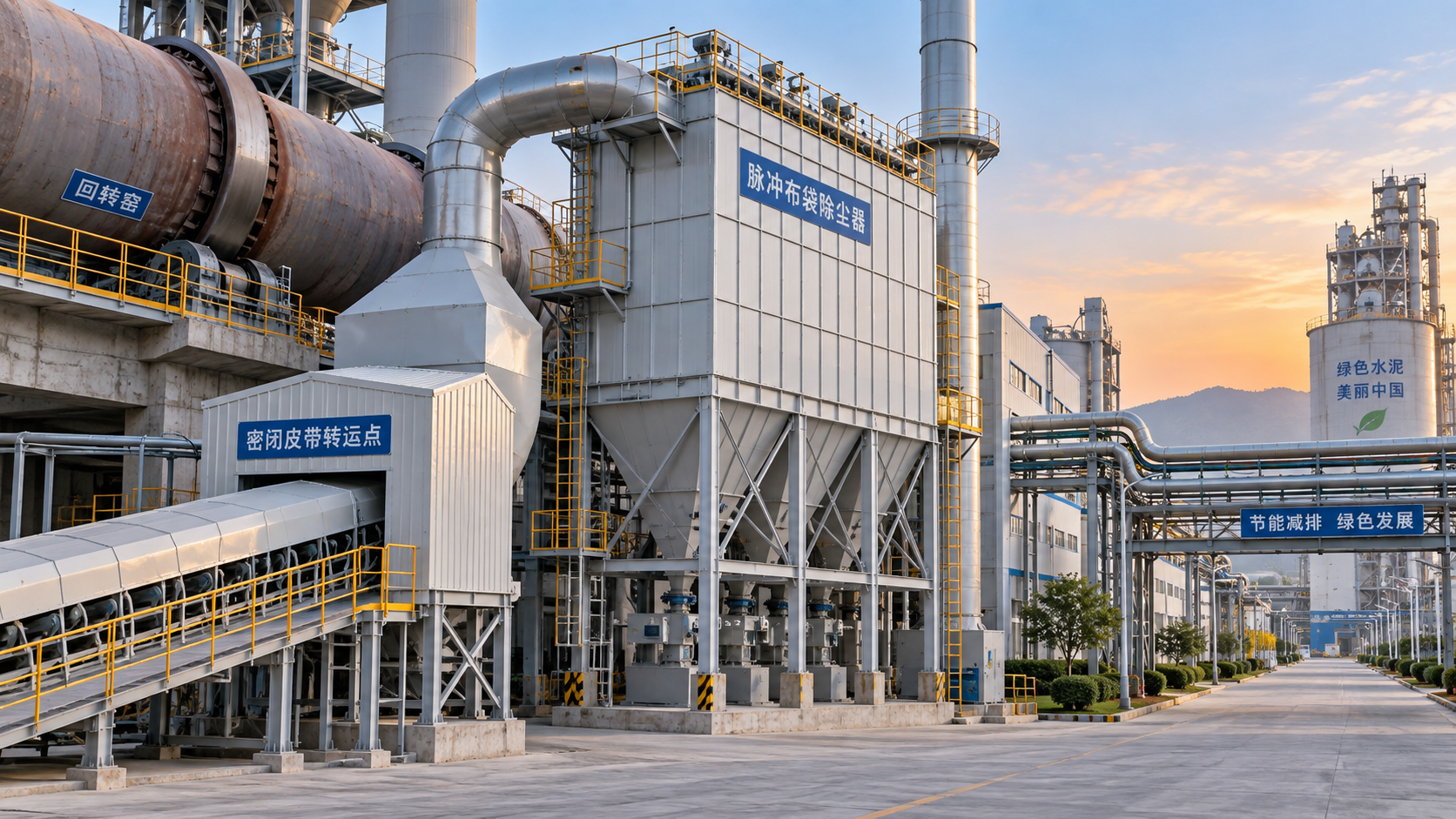
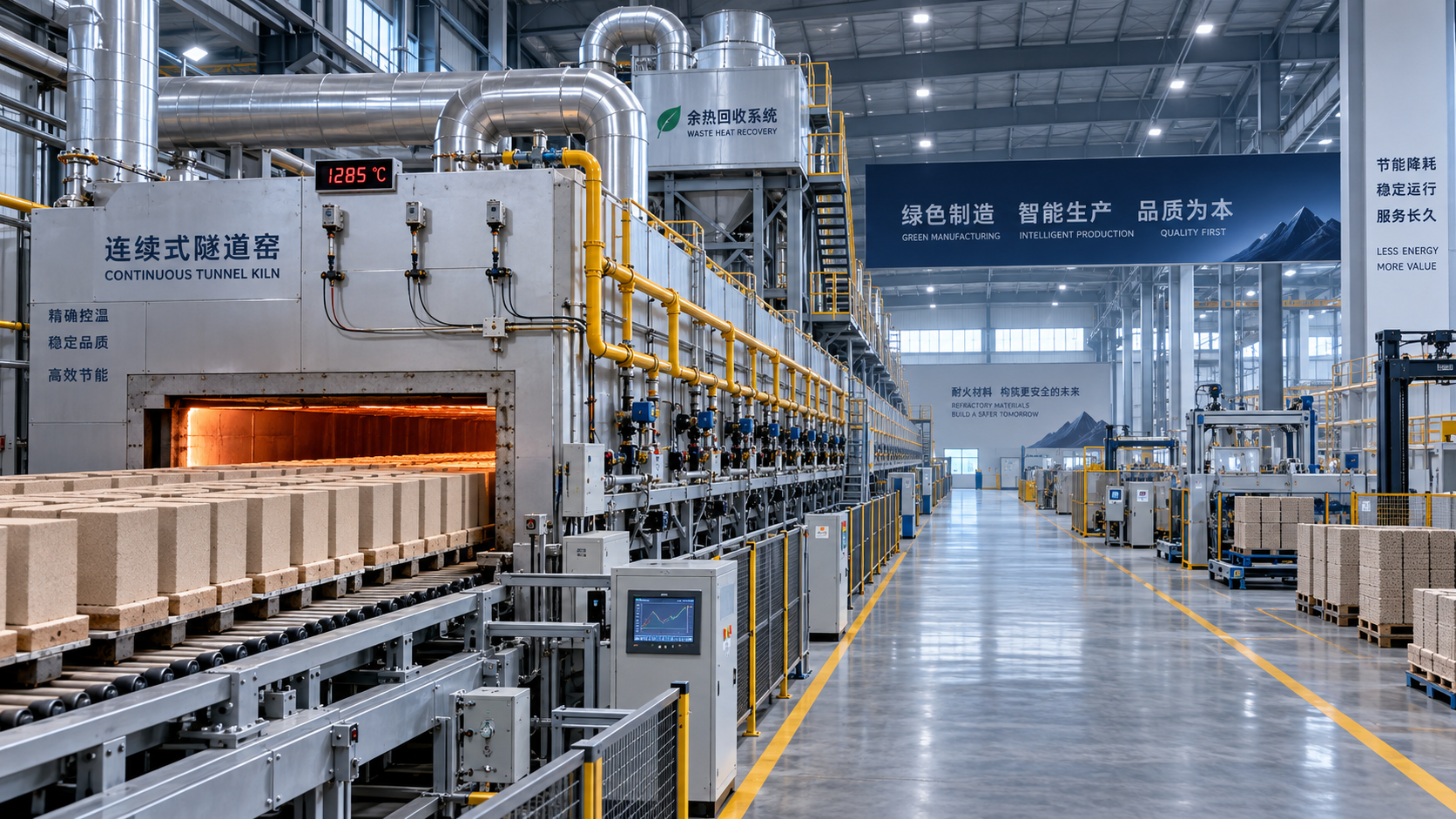
In sectors linked to cement, glass, refractories, kiln systems, and green construction inputs, this shift is even more visible.
Why Sustainable Industrial Materials Europe Is Now a Strategic Buying Category
The European market is under pressure from carbon regulation, volatile energy costs, and stricter disclosure requirements.
That pressure changes how sustainable industrial materials Europe sourcing decisions are made.
A lower upfront quote may hide higher lifecycle costs. A cheaper material may also bring certification gaps or unstable lead times.
For heavy industrial applications, switching materials can affect furnace efficiency, maintenance intervals, and downstream product quality.
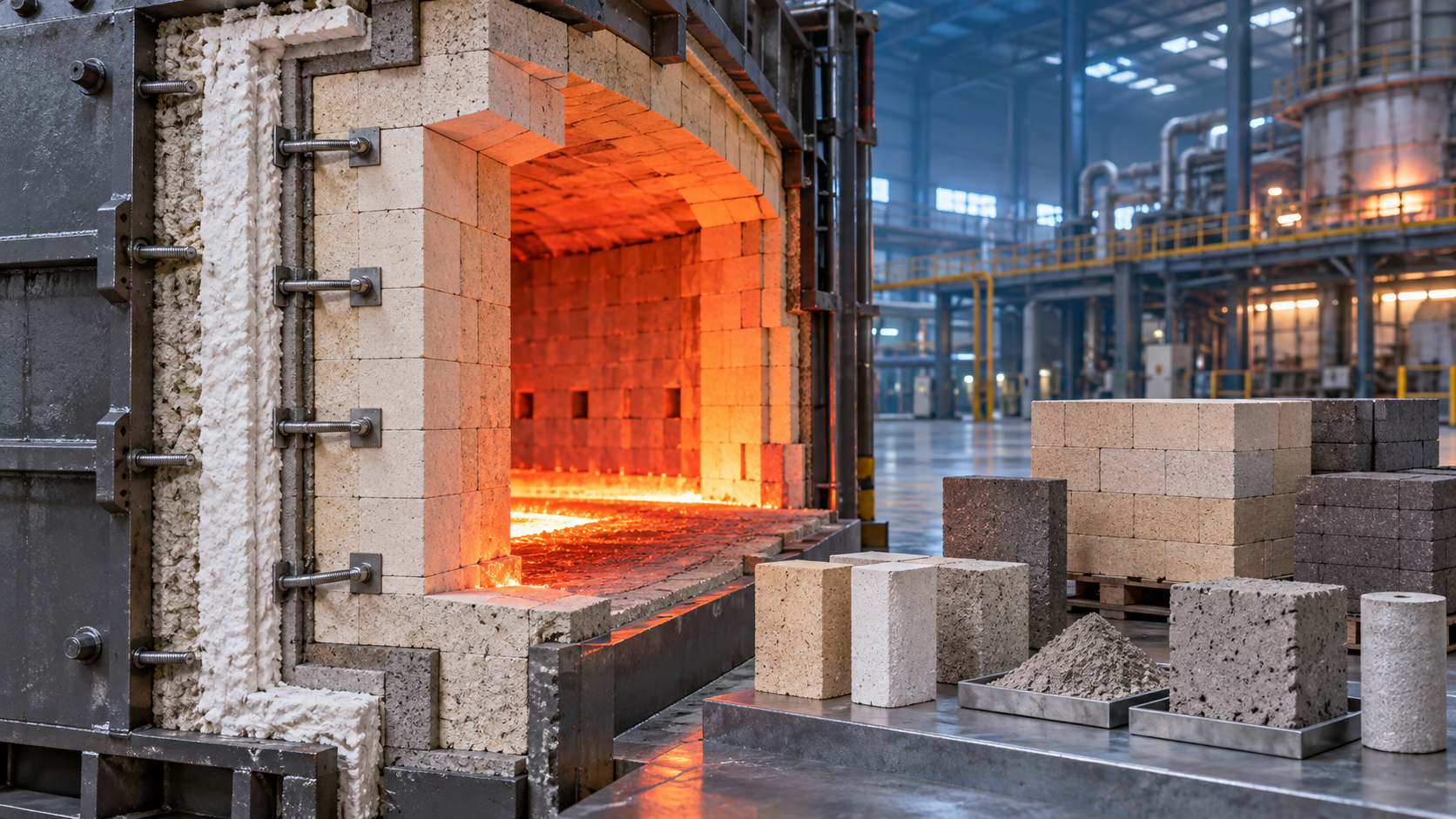
This is especially relevant when sourcing thermal insulation products, refractory inputs, processed minerals, engineered ceramics, or low-carbon building materials.
In practical terms, sustainable industrial materials Europe has become a risk management issue as much as a sourcing issue.
Cost Evaluation Should Go Beyond the Purchase Price
Price still matters, but purchase price is only one layer of the decision.
In Europe, energy-intensive manufacturing and transport costs can change total ownership economics fast.
A smarter review usually includes the following points:
- Unit price by grade, density, purity, or thermal performance
- Expected service life in real operating conditions
- Energy savings during production or application
- Waste rate, breakage rate, and rework risk
- Freight, warehousing, and packaging efficiency
- Carbon-related cost exposure over contract duration
For example, a higher-grade material may reduce kiln downtime or extend lining life. That can outweigh a modest increase in purchase cost.
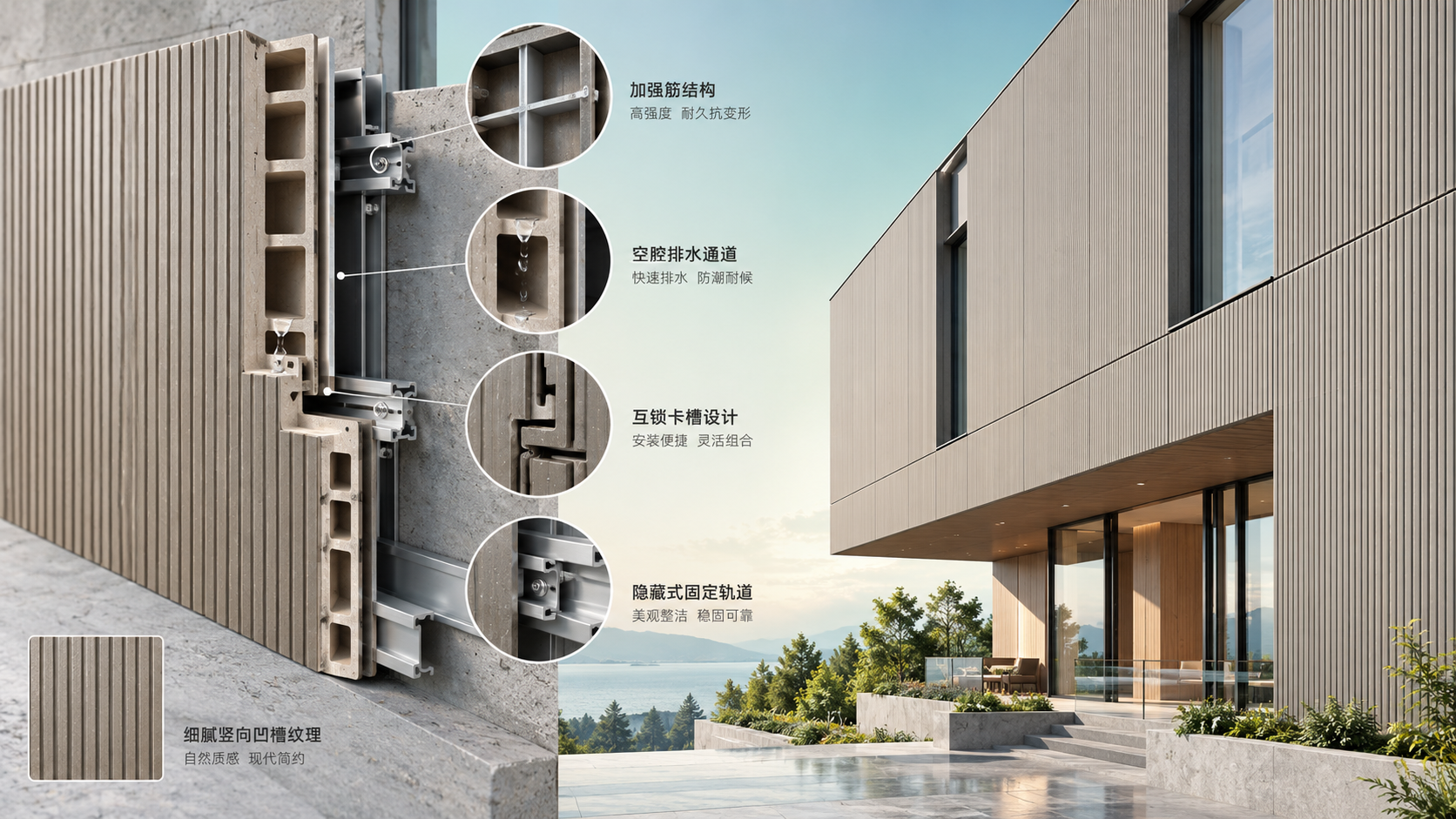
The same logic applies to extrusion materials and insulation systems used in lightweight construction products.
When reviewing sustainable industrial materials Europe offers, lifecycle cost comparison should sit beside the quotation table from day one.
A Simple Cost Comparison Framework
Compliance Is No Longer a Back-Office Check
For sustainable industrial materials Europe procurement, compliance now influences shortlist decisions much earlier.
Suppliers are increasingly expected to prove environmental performance, chemical safety, and product consistency before commercial negotiation moves forward.
Depending on the application, buyers may need to review REACH alignment, CE-related documentation, EPD data, recycled content claims, and plant-level quality certifications.
For cross-border projects, the burden is often higher. The same material may face different acceptance standards across customers and markets.
That is why document completeness matters almost as much as technical performance.
In actual purchasing work, these checks are worth standardizing:
- Verify material composition declarations and restricted substance status.
- Check whether carbon or recycled content claims are third-party supported.
- Review batch traceability and production site consistency.
- Confirm test standards used for thermal, mechanical, and chemical performance.
- Map all documents against customer contract requirements before ordering.
For sustainable industrial materials Europe sourcing, incomplete compliance files can delay onboarding even when the product itself is acceptable.
Supply Security Deserves Equal Weight
Recent market shifts have made supply resilience a front-line buying factor.
A supplier can meet sustainability goals on paper and still fail when lead times stretch or raw material access tightens.
This is common in materials linked to high-temperature processes, mined inputs, and specialized engineered components.
When evaluating sustainable industrial materials Europe suppliers, supply stability should cover more than stock availability.
Key questions include production redundancy, logistics flexibility, inventory visibility, and raw material origin exposure.
Buyers should ask whether supply depends on one plant, one country, or one critical feedstock.
That point becomes critical in contracts tied to continuous process industries.
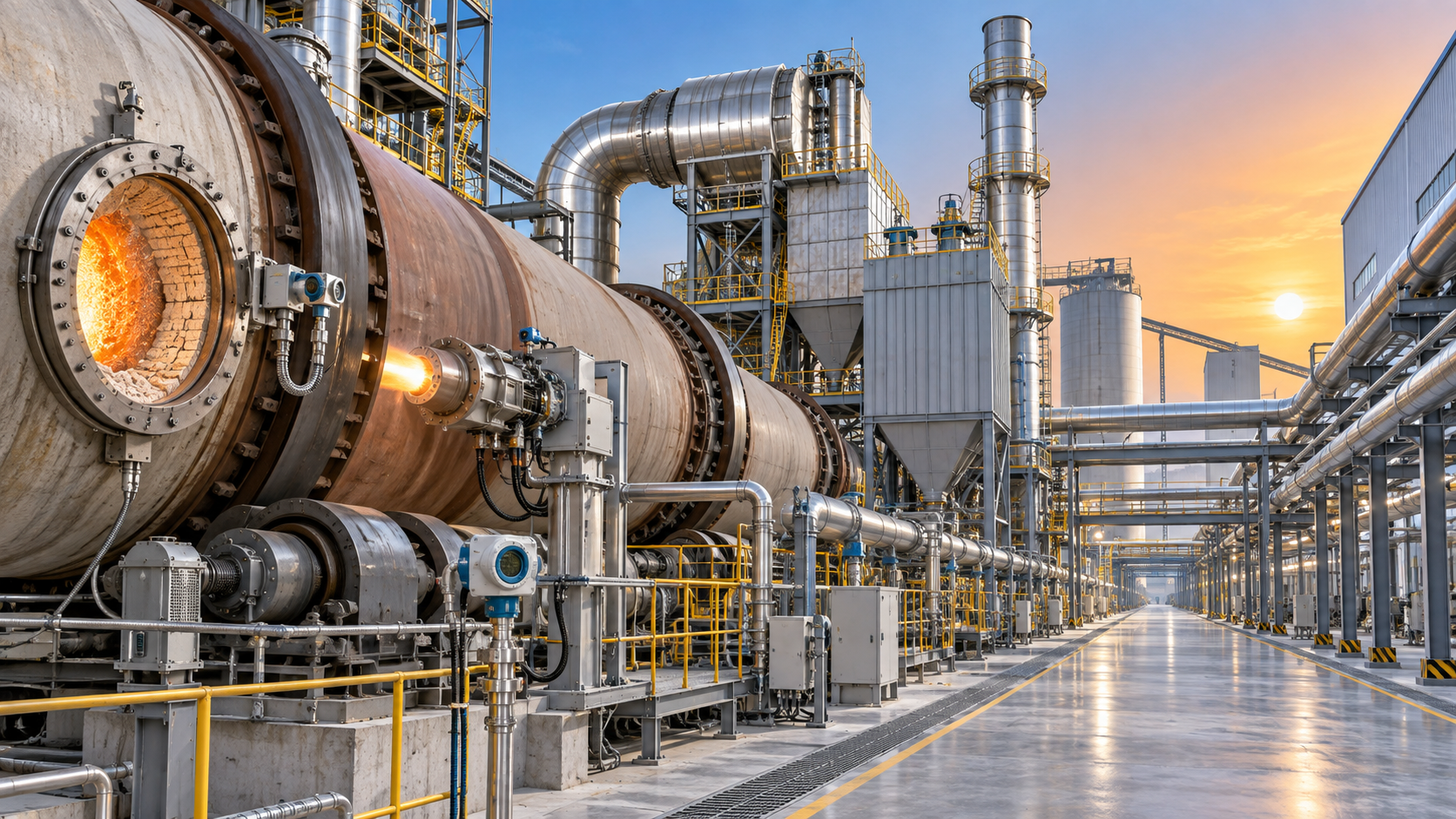
In kilns, glass lines, and refractory systems, one missed delivery can cause costs far beyond the value of the order itself.
Signals of a More Reliable Supplier
- Multiple qualified production sites in or near Europe
- Transparent lead-time history and forecast sharing
- Clear policy for allocation during shortages
- Technical support available during installation or production trials
- Evidence of long-term raw material partnerships
Technical Fit Still Determines Real Value
No sustainable claim can compensate for poor technical fit.
For sustainable industrial materials Europe procurement, performance must match the exact industrial duty.
In high-temperature operations, that means checking thermal shock resistance, corrosion behavior, density control, and dimensional stability.
For green building materials, moisture response, strength retention, and extrusion compatibility may matter more.
This is where specialist market intelligence becomes useful. Data from comparable plants often reveals performance risks before a full rollout.
CF-Elite’s industry focus reflects exactly this challenge. In sectors shaped by thermal management and complex material reactions, purchasing accuracy depends on technical context.
A product that looks equivalent on paper may behave differently under real heat load, fuel mix, or waste-derived feed conditions.
How to Build a Better Supplier Comparison Process
A consistent sourcing framework helps compare offers fairly and defend decisions internally.
For sustainable industrial materials Europe buying, a practical scorecard often works better than informal judgment.
A simple model can assign weighted scores to cost, compliance, supply, and technical fit.
That reduces the risk of overvaluing the lowest bid or the most polished presentation.
A useful process usually includes these steps:
- Define required specifications and non-negotiable compliance points.
- Request comparable quotations with the same technical basis.
- Review lifecycle cost, not only material price.
- Audit documentation quality and response speed.
- Assess supply continuity using real operational evidence.
- Run pilot trials where process sensitivity is high.
This kind of structure is especially effective when buying from a mix of European and non-European manufacturers.
The Market Outlook Behind Today’s Buying Decisions
Looking ahead, sustainable industrial materials Europe demand is likely to stay firm across energy transition and infrastructure renewal projects.
More visible signals include tighter emissions accountability, stronger demand for circular materials, and rising interest in digitally traceable supply chains.
That means buying teams will need better market intelligence, not just more supplier options.
In complex industrial categories, the best purchasing decisions increasingly come from combining technical validation with commercial discipline.
For sustainable industrial materials Europe sourcing, the strongest position comes from asking sharper questions earlier.
Focus on total cost, verified compliance, and real supply depth. Those three factors usually reveal the true quality of a supplier relationship.
In a market shaped by carbon targets and operational pressure, that discipline protects both margins and continuity.
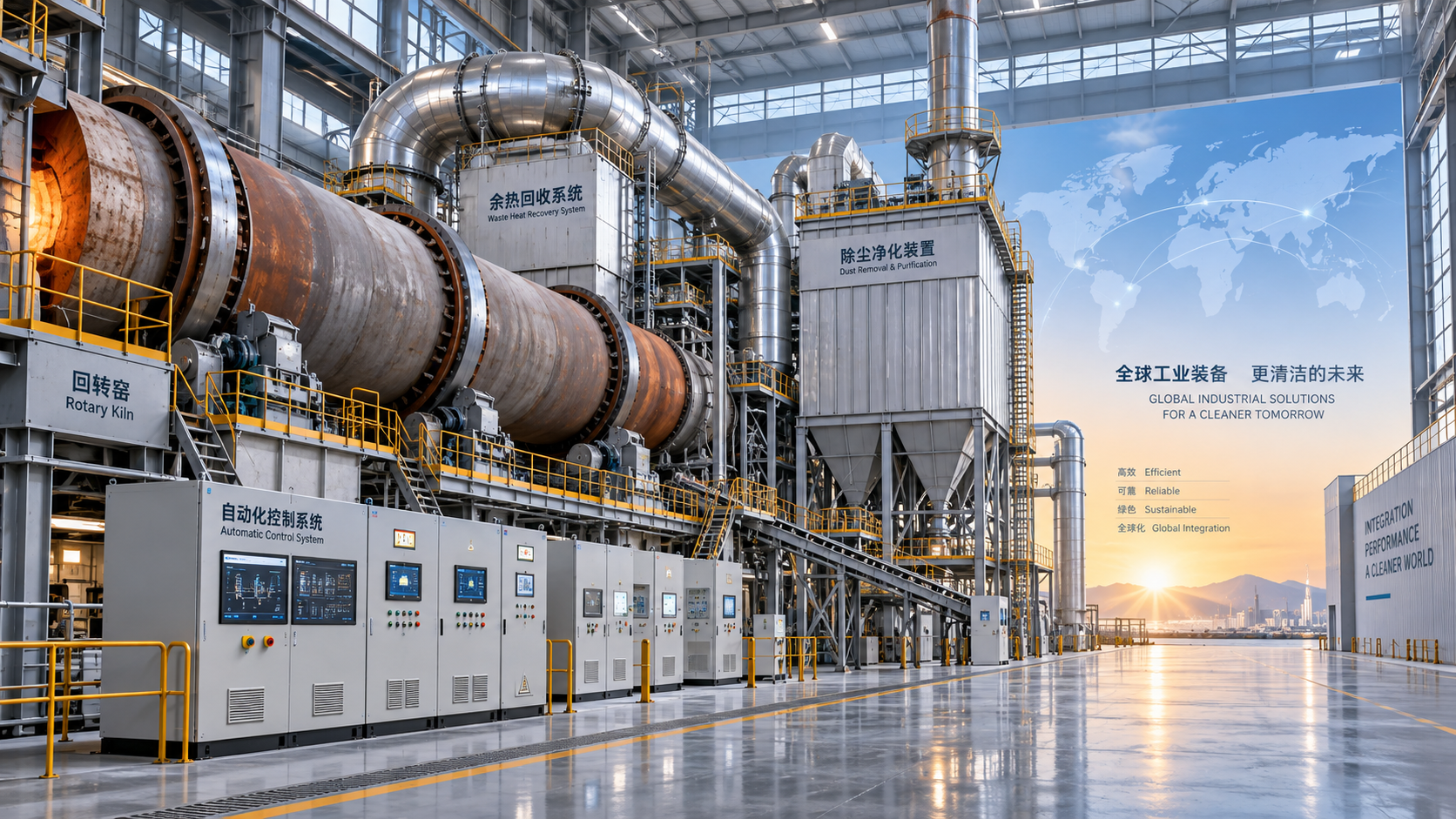
For organizations tracking thermal systems, silicate production, refractory performance, and advanced building material trends, better intelligence leads to better sourcing outcomes.
Related News
 Thermal Energy ArchitectWhat Does CE Marking Require for an Energy-Efficient Industrial Kiln?Energy efficient kiln CE requirements explained: assess safety, technical files, energy performance, and EU compliance before purchase or commissioning.Oct 04, 2026
 Thermal Energy ArchitectRefractory Manufacturing Solutions for Brick Plants: How to Extend Kiln LifeRefractory manufacturing solutions for brick plant operations: discover proven strategies to extend kiln life, reduce heat loss, prevent lining failures, and plan cost-effective repairs.Oct 03, 2026
 Thermal Energy ArchitectHow to Specify Heavy Industrial Process Systems for High-Temperature PlantsHeavy industrial processes systems: learn how to specify high-temperature plants for efficiency, emissions control, maintainability, and lifecycle performance.Oct 02, 2026
 Structural Material AnalystHow Sustainable Material Extrusion Can Improve Wall Panel Durability and Design FlexibilityDiscover how sustainable material extrusion for wall panels improves durability, moisture resistance, design flexibility, and installation consistency for high-performing wall systems.Oct 01, 2026
 Thermal Energy ArchitectHow to Evaluate a High-Temperature Materials Manufacturer for Furnace ApplicationsChoose a high-temperature materials manufacturer with confidence: compare thermal performance, chemical resistance, quality controls, installation support, and lifecycle cost.Sep 30, 2026
 Ms. Elena RodriguezHow to Structure Global Specification Data for Faster Industrial Product EvaluationGlobal specification-oriented product information helps industrial teams compare capacity, energy, emissions, automation, and lifecycle data on a like-for-like basis for faster, confident equipment decisions.Sep 29, 2026
 Thermal Energy ArchitectHow to Specify High-Temperature Process Systems for Continuous Thermal OperationsHigh-temperature process engineering systems: learn how to specify resilient continuous thermal operations for efficiency, compliance, reliable uptime, and long-term performance.Sep 28, 2026
 Thermal Energy ArchitectHow to Evaluate a Thermal Engineering Contractor for High-Temperature Plant ProjectsChoose a thermal engineering contractor with proven process expertise, lifecycle value, emissions control, and delivery discipline for reliable high-temperature plant performance.Sep 27, 2026
 Silicate Process EngineerHow Latin American Cement Plants Can Reduce Dust Emissions in Kilns and Transfer PointsCement plant dust control Latin America: reduce kiln and transfer-point emissions with practical airflow, filtration, monitoring, and maintenance strategies.Sep 26, 2026
 Material Heat-Resist ExpertHow to Evaluate Refractory Production Lines for Output, Quality, and Energy UseRefractory production lines: learn how to assess qualified output, consistent quality, and total energy use for smarter, lower-risk investment decisions.Sep 25, 2026
 Dr. Alistair VaughnHow Waste Recycling Technology Improves Material Recovery in Industrial PlantsWaste recycling technology improves material recovery through source segregation, smart separation, thermal treatment, and quality control for industrial plants.Sep 24, 2026
 Optical Glass Tech FellowHow to Specify Glass Annealing Equipment for European Quality and Energy RequirementsGlass annealing equipment Europe: learn how to specify lehrs for consistent glass quality, energy efficiency, compliance, automation, and reliable long-term performance.Sep 23, 2026
 Optical Glass Tech FellowSilicate Process Automation: Improving Batch Consistency and Energy ControlSilicate process automation improves batch consistency, energy control, traceability, and operator confidence across high-temperature manufacturing operations.Sep 22, 2026
 Optical Glass Tech FellowHow Silicate Industrial Processes Control Viscosity, Energy Use, and Product QualitySilicate industrial processes: learn how viscosity, chemistry, heat transfer, and atmosphere control reduce energy use, improve stability, and protect product quality.Sep 21, 2026
 Thermal Energy ArchitectHow European Plants Can Evaluate Energy Recovery Equipment for High-Temperature ProcessesIndustrial energy recovery equipment Europe: learn how high-temperature plants can assess waste-heat sources, integration risks, lifecycle value, and reliable recovery routes.Sep 20, 2026
 Thermal Energy ArchitectIndustrial Furnace Process Optimization: Reducing Fuel Use Without Sacrificing ThroughputIndustrial process optimization furnace strategies that cut fuel use while protecting throughput. Explore combustion control, heat recovery, refractory performance, and data-driven efficiency gains.Sep 19, 2026
 Ms. Elena RodriguezWhat Drives High-Pressure Extrusion Equipment Cost in Industrial Projects?High pressure extrusion equipment cost explained: compare pressure, die design, automation, wear, energy, and installation factors for smarter industrial investments.Sep 18, 2026
 Thermal Energy ArchitectHow to Size a Waste Heat Recovery Exchanger for High-Temperature Kiln Exhaust?Waste heat recovery exchanger sizing for high-temperature kiln exhaust: balance recoverable duty, fouling, corrosion limits, pressure drop, and reliable heat use.Sep 17, 2026
 Thermal Energy ArchitectWhy Heat-Resistant Materials Lose Abrasion Resistance at High TemperaturesHeat-resistant materials abrasion resistance can decline at high temperatures. Discover the thermal, chemical, and mechanical causes of wear—and how to choose longer-lasting linings.Sep 16, 2026
 Thermal Energy ArchitectHow to Evaluate a Thermal Energy Optimization Company for High-Temperature PlantsChoose a thermal energy optimization company with proven process expertise, measurable savings, and reliable delivery for high-temperature plants. Learn what to assess.Sep 15, 2026
Related News
- 00
0000-00
How Waste Recycling Technology Improves Material Recovery in Industrial Plants - 00
0000-00
Industrial Process Engineering: How to Map Processes for Safer, More Efficient Plants - 00
0000-00
What Should a Process Technology Database Track for High-Temperature Plants? - 00
0000-00
How to Specify Custom Agricultural Processing Equipment for Throughput and Hygiene - 00
0000-00
How to Select Process Plant Equipment for High-Temperature, Abrasive Production Lines
Weekly Insights
Stay ahead with our curated technology reports delivered every Monday.