
How Digital Twin Simulations Improve Process Plant Design, Safety, and Uptime




Why digital twin simulations for process plants matter before steel, glass, or kiln equipment is installed
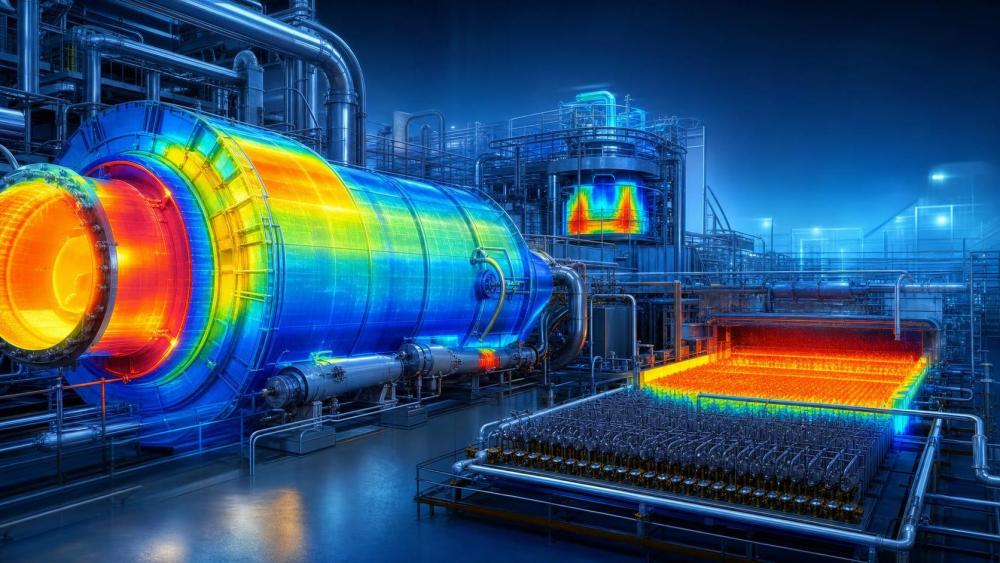
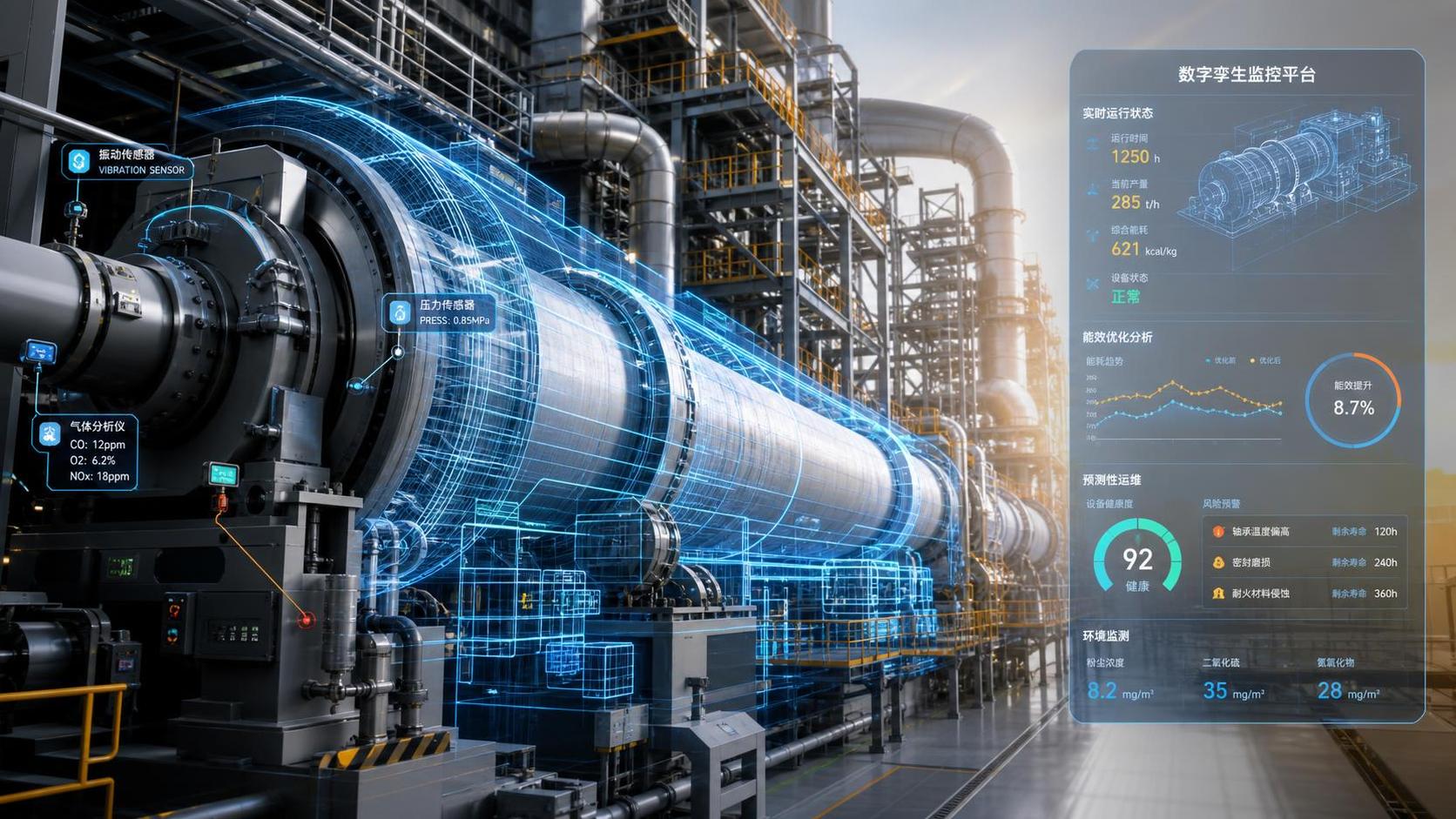
Digital twin simulations for process plants are no longer limited to advanced pilot projects or highly automated factories.
They are becoming a practical decision tool wherever thermal loads, reaction stability, mechanical stress, and uptime risk intersect.
That is especially true across cement, glass, industrial kilns, incineration, refractory lines, and extrusion systems.
In these environments, one design choice rarely affects only one result.
A burner layout change can alter temperature uniformity, refractory wear, fuel demand, emissions compliance, and shutdown frequency at the same time.
Digital twin simulations for process plants help teams test those interactions before civil work, procurement, and commissioning lock the project into costly constraints.
Within high-temperature industries followed by CF-Elite, the value is even clearer.
The design challenge is rarely about a single machine.
It is about connecting process chemistry, heat transfer, material behavior, energy use, and carbon pressure across an entire production line.
That is where digital models start influencing real commercial outcomes, not just engineering reports.
Actual operating conditions create different priorities, even when equipment looks similar
In practice, similar process plants can need very different simulation depth.
The difference usually comes from feed variability, thermal sensitivity, maintenance access, environmental limits, and the cost of unplanned downtime.
A float glass furnace and a waste co-processing kiln both operate at high temperature.
Yet the first may prioritize melt homogeneity and product quality windows.
The second may focus more on combustion stability, residue behavior, and emissions excursions during load swings.
This is why digital twin simulations for process plants should be judged by scenario fit, not by software features alone.
More common project mistakes happen when teams assume one model structure can serve every production context.
Some lines need strong CFD and thermal mapping.
Others depend more on equipment degradation models, control logic validation, or production scheduling sensitivity.
A useful way to compare scenarios
Where digital twins change design choices, not just reporting
In greenfield work, digital twin simulations for process plants are most valuable when equipment interfaces are still flexible.
That includes layout spacing, utility sizing, control philosophy, heat recovery paths, and refractory selection.
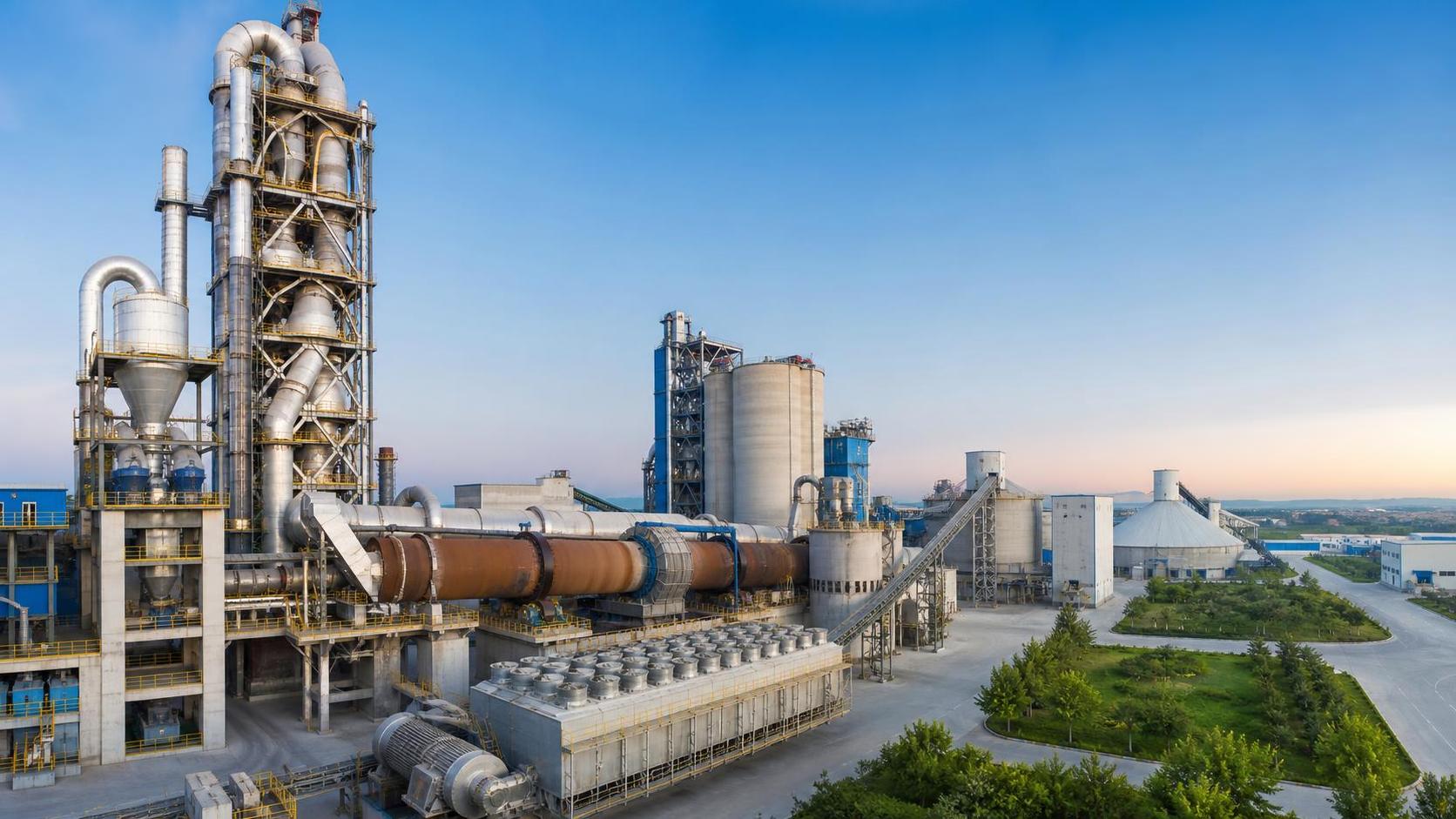
For example, in large silicate production lines, thermal bottlenecks often appear outside the headline process unit.
They can emerge at transfer points, preheating sections, combustion air systems, or cooling stages.
Without a plant-level model, those issues surface late, usually during startup or capacity ramping.
This is one reason CF-Elite tracks digital intelligence as part of broader thermal management strategy.
The real gain is not a prettier dashboard.
It is the ability to compare fuel flexibility, carbon intensity, and reliability tradeoffs before procurement commitments narrow the options.
What usually deserves simulation first
- Heat and mass balance under normal and off-design loads
- Equipment interactions during startup, shutdown, and feed changes
- Control response when temperature or pressure limits tighten
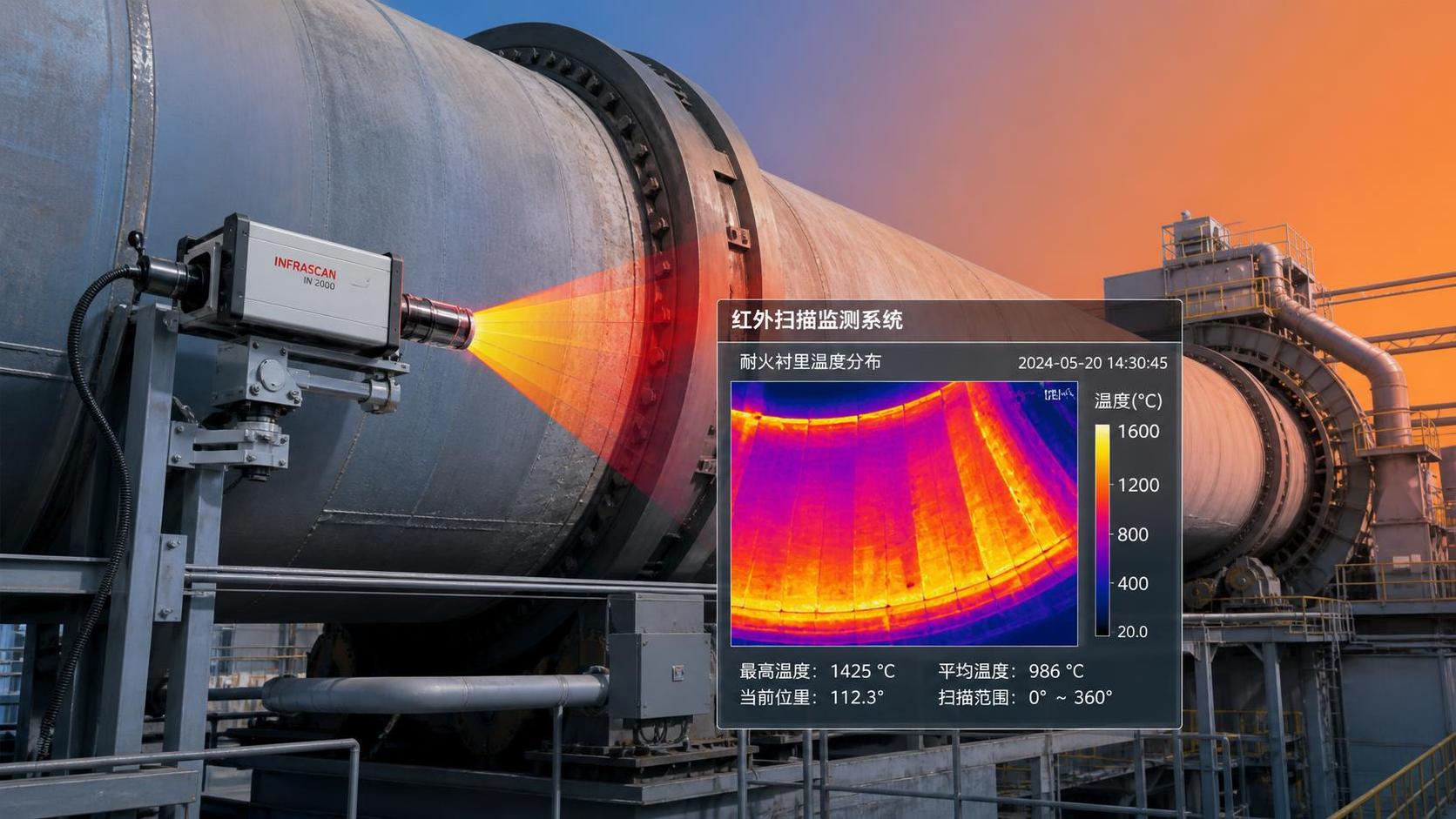
- Lining life, dust behavior, and fouling in high-variability zones
- Energy recovery opportunities linked to decarbonization targets
Brownfield upgrades usually care more about safety windows and uptime protection
Retrofit projects create a different kind of pressure.
The question is not only whether a new design performs better.
It is whether the change stays stable inside inherited constraints.
Legacy ducting, existing drives, uneven insulation condition, and historical control habits all affect outcomes.
Digital twin simulations for process plants help expose these hidden limits before shutdown windows are consumed by rework.
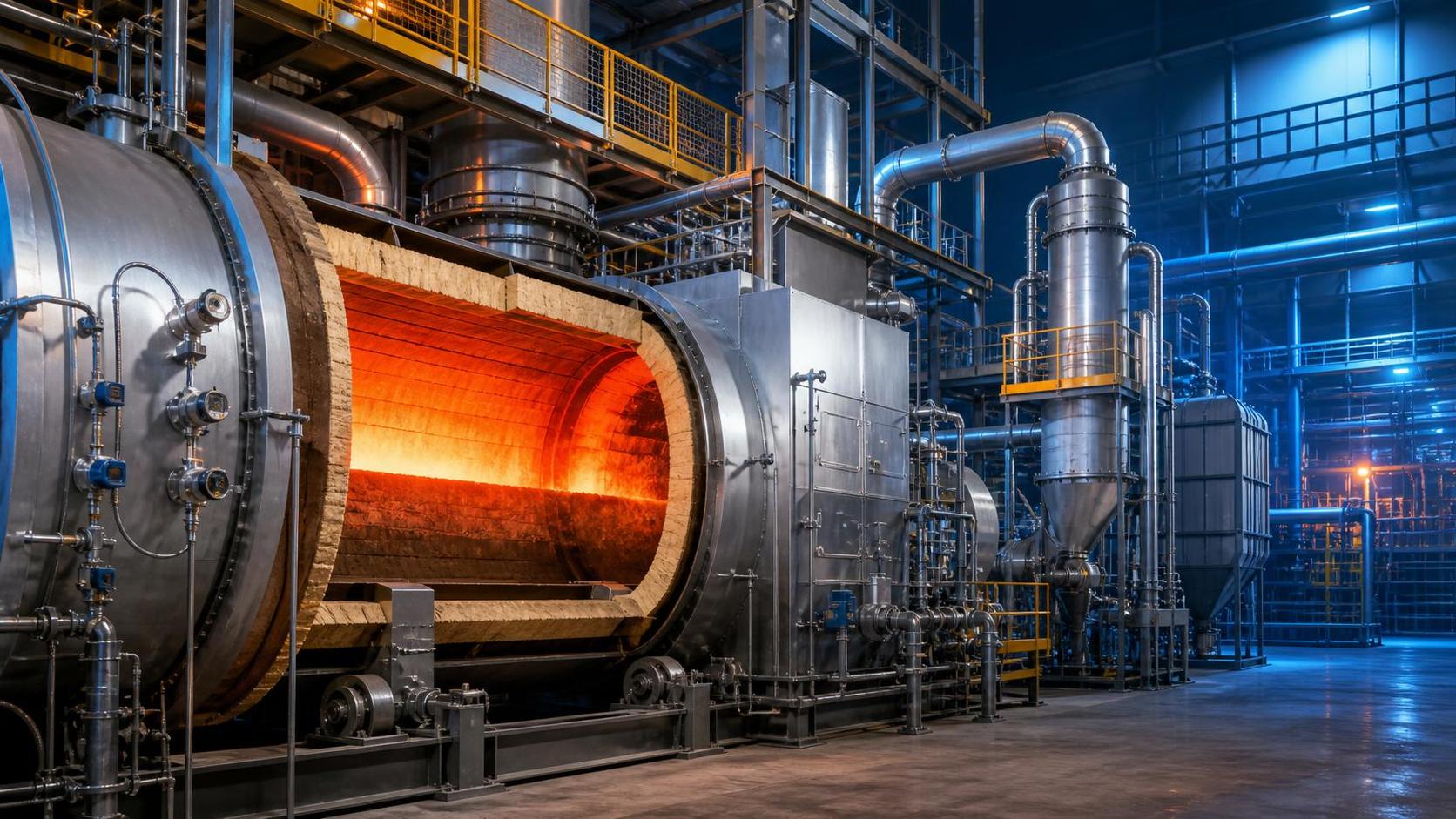
In kiln or incineration upgrades, safety often becomes the first filter.
Teams need to know how flame shape, oxygen distribution, pressure fluctuation, and abnormal feed affect risk margins.
In glass or refractory lines, the main concern may shift toward thermal shock, structural fatigue, and shortened campaign life.
In those cases, the best digital twin simulations for process plants are the ones tied to actual operating history, not generic design assumptions.
Different sectors ask different questions from the same digital model
This is where application judgment matters most.
A cement producer may ask whether alternative fuels will destabilize clinker quality or dust capture performance.
A glass line may ask how furnace adjustments affect edge defects, throughput, and campaign consistency.
An extrusion line may focus on moisture tolerance, die wear, and dimensional repeatability across recipe changes.
The model framework can be related, but the judgment criteria are not identical.
That is why digital twin simulations for process plants should connect engineering data with business conditions such as shutdown cost, carbon exposure, and product specification risk.
A line with tight quality tolerances may accept higher simulation effort to reduce defect probability.
A waste-to-energy process may prioritize resilience under variable input instead.
A practical reading of sector differences
In high-temperature sectors, process stability and material durability tend to dominate early modeling priorities.
In pressure-driven forming lines, consistency and mechanical response often deserve more attention.
Where carbon reduction programs are active, energy and emissions scenarios should be built into the digital twin from the start.
Misjudgments that weaken digital twin simulations for process plants
One frequent mistake is treating digital twin simulations for process plants as a software purchase instead of a modeling discipline.
If process data is thin, maintenance history is fragmented, or sensor quality is poor, the twin may look detailed while remaining unreliable.
Another mistake is focusing only on design capacity.
Many failures emerge during transient conditions, mixed fuel operation, unstable raw materials, or partial-load running.
A third misjudgment is assuming similar assets share the same operating envelope.
Two kilns with matching dimensions may behave differently because of feed chemistry, local emissions rules, insulation condition, or operator response patterns.
The stronger approach is to define which decisions the twin must improve.
Then select the level of model fidelity that supports those decisions without creating unnecessary complexity.
How to decide whether a site is ready for digital twin deployment
Readiness is usually easier to judge through operating questions than through digital maturity slogans.
If a site repeatedly struggles with unstable thermal behavior, unexplained downtime, lining life uncertainty, or difficult retrofit choices, a twin may add immediate value.
The next step is to confirm whether enough trustworthy data exists to calibrate the model.
That includes historian records, maintenance logs, laboratory results, utility usage, and abnormal event history.
Useful deployment planning usually includes these checks:
- Define the main decision target, such as debottlenecking, safety margin review, or fuel transition
- List process variables that strongly influence quality, uptime, and emissions
- Confirm which variables are measured, estimated, or currently missing
- Separate steady-state modeling needs from dynamic event analysis
- Set a review method linking simulation outputs to maintenance and operations decisions
This kind of disciplined setup makes digital twin simulations for process plants more than a digital layer.
It turns them into a working reference for design, safety, and uptime decisions across changing plant conditions.
A better next step is to match the twin to the real operating question
The strongest digital twin simulations for process plants begin with a narrow question and expand only where decisions demand it.
For one site, that may mean validating kiln fuel substitution under carbon constraints.
For another, it may mean protecting furnace campaign life or reducing extrusion instability during recipe changes.
Across the sectors tracked by CF-Elite, the pattern is consistent.
The more complex the thermal and chemical interactions, the more valuable it becomes to test them virtually before they become operational risk.
A practical next move is to map the site’s highest-cost uncertainty, compare operating scenarios, and define which parameters must be trusted first.
That creates a clearer basis for judging model scope, implementation effort, maintenance needs, and the likely return in safety and uptime.
Related News
 Ms. Elena RodriguezHow to Use Building Material Intelligence Data for Market and Investment DecisionsBuilding material industry intelligence data helps leaders evaluate demand, costs, regulation, capacity, and technology to make smarter market and investment decisions.Sep 05, 2026
 Thermal Energy ArchitectHow PLC Control Improves Energy Efficiency and Temperature Stability in KilnsEnergy efficient kilns PLC control improves temperature stability, cuts fuel waste, and optimizes combustion, draft, and material flow. Explore proven strategies for smarter kiln modernization.Sep 04, 2026
 Optical Glass Tech FellowEuropean Glass Melting Processes: Furnace Choices, Energy Use, and Quality ControlGlass melting process Europe: explore furnace choices, energy efficiency, cullet strategy, and quality control to improve output, compliance, and long-term glass performance.Sep 03, 2026
 Thermal Energy ArchitectWhat Determines Refractory Lining Monitoring Price for Industrial Kilns?Refractory lining monitoring price depends on kiln size, sensor technology, installation, software, and support. Compare total lifecycle costs and choose the right solution.Sep 02, 2026
 Silicate Process EngineerCement Production System Costs: A Plant Buyer’s Guide to Budgeting and ROICement production systems cost planning made clear: compare CAPEX, operating costs, compliance, and ROI to build a resilient, profitable cement plant investment.Sep 01, 2026
 Dr. Alistair VaughnWhat Should a Process Technology Database Track for High-Temperature Plants?Process technology database essentials for high-temperature plants: track thermal profiles, feed chemistry, refractory wear, emissions, energy, and maintenance for safer, data-driven decisions.Aug 31, 2026
 Ms. Elena RodriguezHow to Evaluate a Silicate Processing Equipment Manufacturer for Plant ProjectsSilicate processing equipment manufacturer selection: assess process fit, guarantees, energy, compliance, delivery risk, and lifecycle support for dependable plant performance.Aug 30, 2026
 Dr. Alistair VaughnHow to Specify Custom Agricultural Processing Equipment for Throughput and HygieneEquipment customization services for agricultural processing: learn to specify hygienic, high-throughput lines that improve yield, reliability, and long-term efficiency.Aug 29, 2026
 Dr. Alistair VaughnHow to Select Process Plant Equipment for High-Temperature, Abrasive Production LinesProcess plant equipment selection for high-temperature, abrasive lines: reduce downtime, improve durability, and optimize lifecycle performance.Aug 28, 2026
 Silicate Process EngineerHow Kiln Heat Recovery Systems Cut Fuel Use in Cement and Lime ProductionKiln heat recovery helps cement and lime plants cut fuel use, improve thermal stability, and build practical, reliable decarbonization strategies.Aug 27, 2026
 Ms. Elena RodriguezProcess Equipment Comparison: Which Metrics Matter Most for Reliable Selection?Process equipment comparison made practical: discover which metrics truly drive reliable selection, from energy efficiency and control stability to wear life, maintainability, and uptime.Aug 26, 2026
 Ms. Elena RodriguezWhat Buyers Should Check Before Sourcing Precision Alloy Bars for Critical PartsPrecision Alloy Bars buyers should verify grade, chemistry, tolerances, surface quality, traceability, and lead time before sourcing for critical parts. Learn what prevents costly machining and reliability risks.Aug 27, 2026
 Ms. Elena RodriguezHow to Evaluate Thermal Management Solutions Insulation for High-Heat Industrial SystemsThermal management solutions insulation: learn how to assess high-heat industrial systems by thermal performance, durability, lifecycle cost, and supplier data for smarter decisions.Aug 25, 2026
 Ms. Elena RodriguezWhat Drives Waste Recycling Cost in Industrial Projects and How to Estimate It?Waste recycling cost in industrial projects depends on composition, moisture, transport, pre-treatment, and compliance. Learn how to estimate it accurately and compare suppliers with confidence.Aug 24, 2026
 Silicate Process EngineerHow to Evaluate Cement Production Plants in the Middle East for Capacity, Fuel Flexibility, and ROIcement production plants Middle East: Learn how to assess true capacity, fuel flexibility, and ROI risks to identify resilient assets and smarter investment opportunities.Aug 23, 2026
 Structural Material AnalystHow to Evaluate Lightweight Material Machinery for Output, Energy Use, and Product QualityLightweight material machinery evaluation guide: compare stable output, energy use, and product quality to choose equipment that cuts waste, lowers costs, and improves production confidence.Aug 22, 2026
 Material Heat-Resist ExpertWhat Determines Refractory Production Line Price in a Turnkey Plant Project?Refractory production line price depends on raw materials, forming method, kiln and drying design, automation, utilities, and scope. Learn what really drives turnkey plant cost before you invest.Aug 21, 2026
 Thermal Energy ArchitectHow Digital Twin Simulations Help Kiln Operators Cut Fuel Use and Stabilize OutputDigital twin simulations for kilns help operators cut fuel use, reduce overcorrection, and stabilize output by testing process changes safely before they impact quality and cost.Aug 20, 2026
 Dr. Alistair VaughnWhat Causes Thermal Shock Failure in Heat-Resistant Materials During Development?Heat-resistant material development thermal shock failures often stem from expansion mismatch, weak microstructure, and residual stress. Learn the real causes and smarter evaluation steps.Aug 19, 2026
 Ms. Elena RodriguezWhat Is a Real Time Digital Twin and Where Does It Deliver Measurable Value?Real time digital twin explained: discover where it delivers measurable value in energy, quality, maintenance, and carbon performance for industrial operations.Aug 18, 2026
Related News
- 00
0000-00
What Should a Process Technology Database Track for High-Temperature Plants? - 00
0000-00
How to Specify Custom Agricultural Processing Equipment for Throughput and Hygiene - 00
0000-00
How to Select Process Plant Equipment for High-Temperature, Abrasive Production Lines - 00
0000-00
What Causes Thermal Shock Failure in Heat-Resistant Materials During Development? - 00
0000-00
How Digital Twin Simulations Improve Process Plant Design, Safety, and Uptime
Weekly Insights
Stay ahead with our curated technology reports delivered every Monday.