



What Thermal Management Data Should a Supplier Provide?
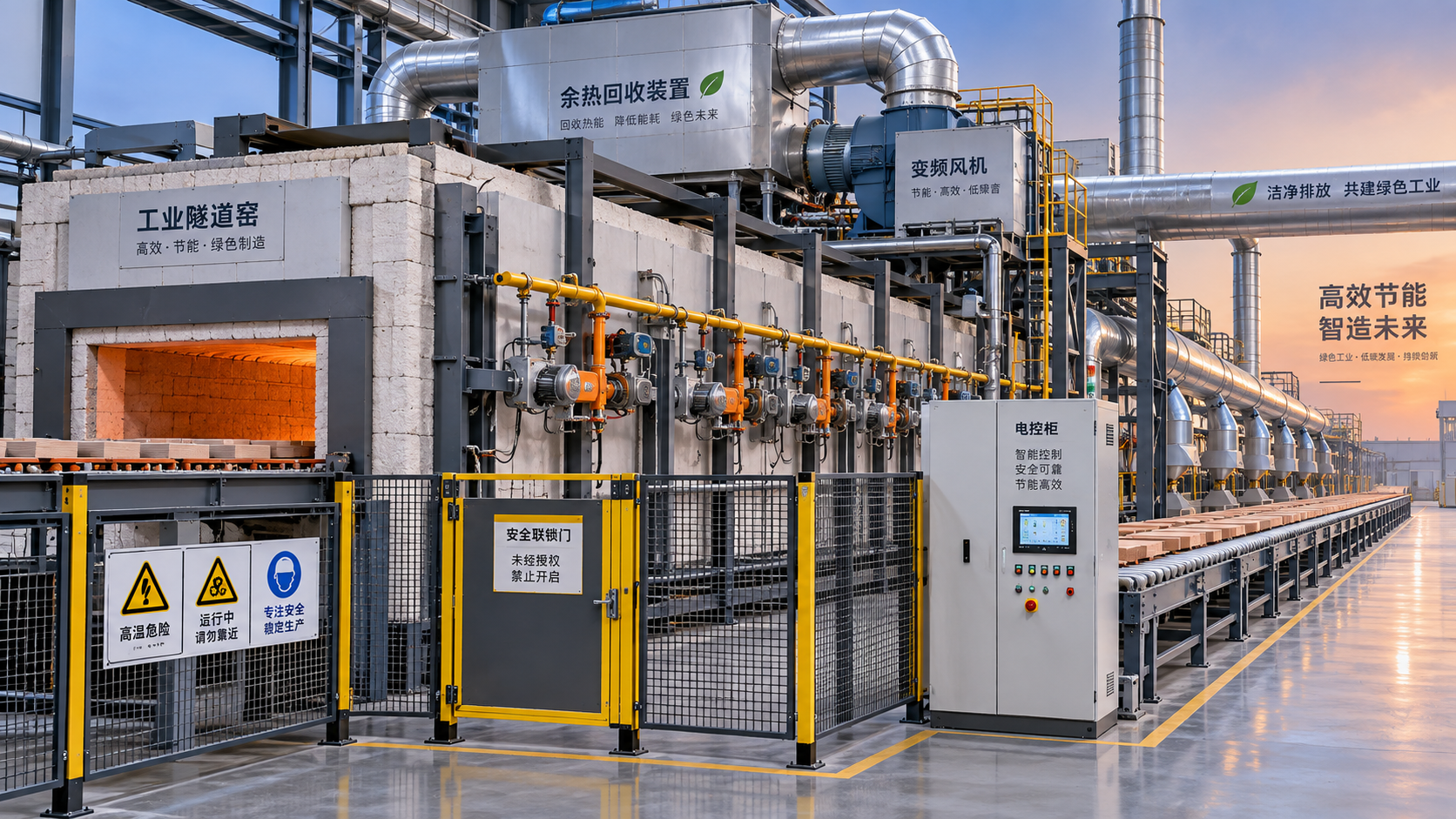
What thermal management data should a supplier provide? For high-temperature industries, the answer directly affects energy efficiency, equipment reliability, emissions compliance, and long-term operating cost.
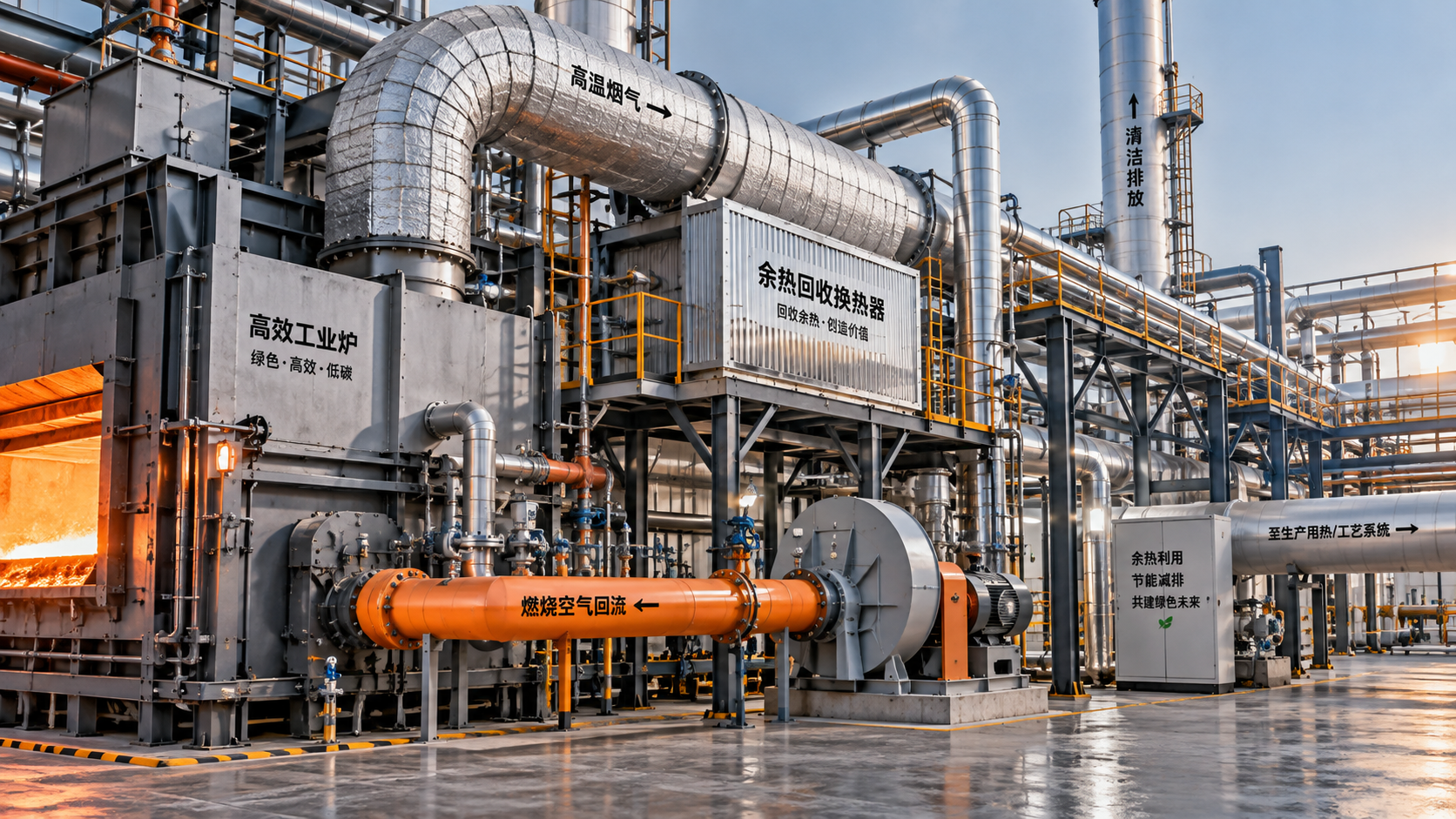
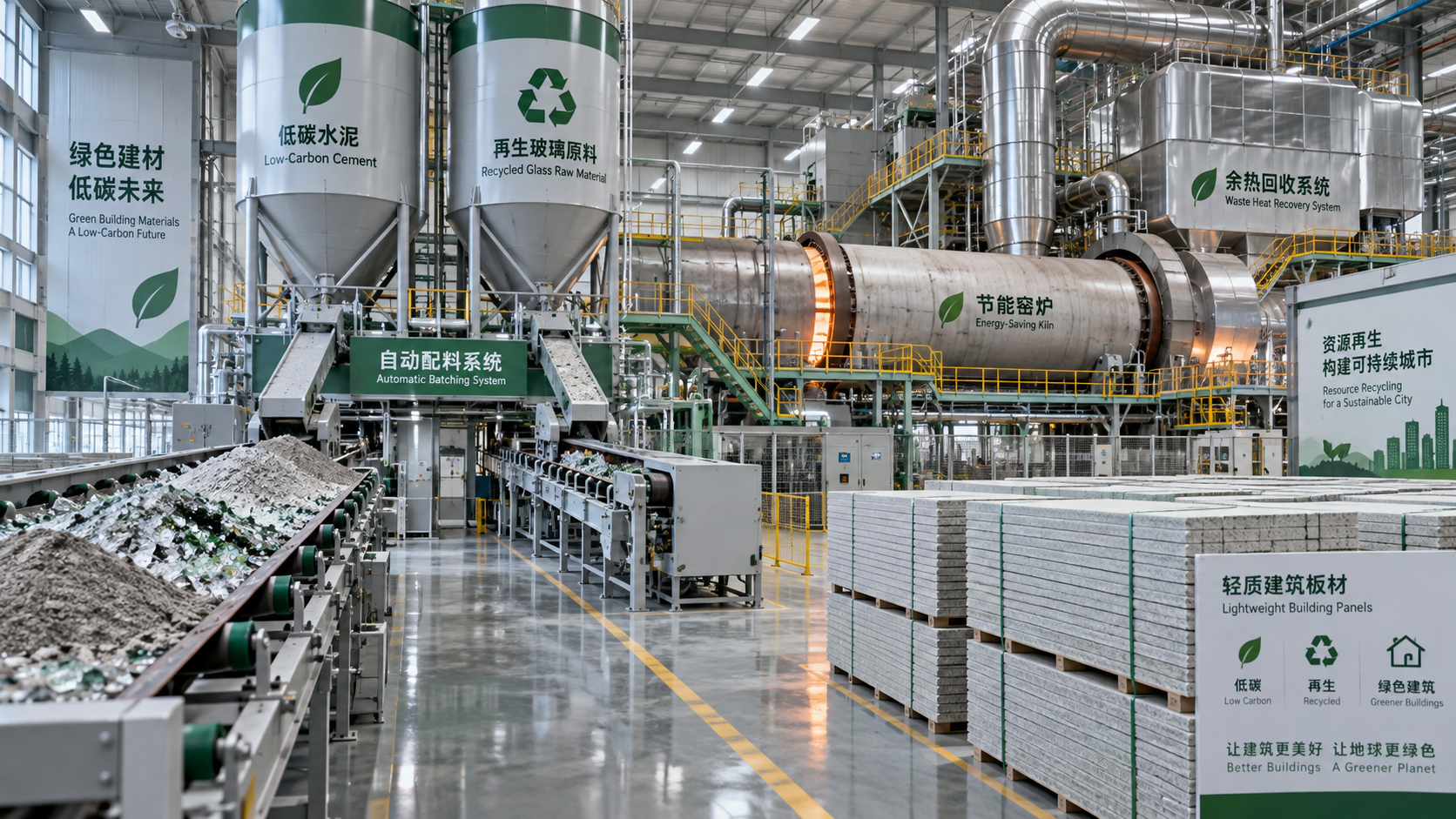
From rotary kilns and glass furnaces to incinerators, refractory lines, and extrusion systems, buyers need verified thermal evidence for safer specifications and measurable decarbonization outcomes.
The core procurement question is not whether a product has thermal specifications, but whether those specifications describe performance under real operating conditions, installation constraints, and operating risks.
Decision-makers should require traceable data covering heat transfer, temperature limits, thermal cycling, energy impact, degradation behavior, measurement methods, and project-specific engineering assumptions.
Start With the Data That Determines Operating Risk
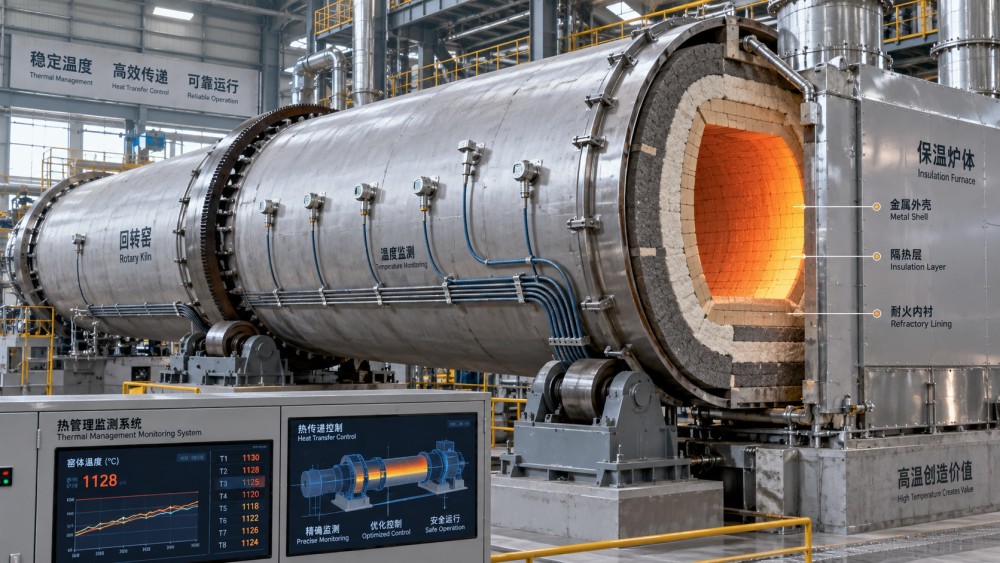
Suppliers should first provide thermal data that reveals whether equipment, refractory materials, insulation systems, or components can survive the intended process environment without premature failure.
This means defining the actual service temperature, not merely quoting a maximum theoretical temperature achieved during short laboratory exposure under controlled conditions.
For kiln, furnace, incinerator, and glass applications, buyers should request continuous operating temperature, peak temperature, allowable excursion duration, and recommended thermal safety margins.
The supplier should also identify the measurement location because shell temperature, hot-face temperature, gas temperature, and material-bed temperature can differ substantially in one process.
A useful data package distinguishes normal operation, startup, shutdown, emergency exposure, upset conditions, and maintenance scenarios rather than presenting one generic temperature rating.
Buyers should be cautious when suppliers provide only broad statements such as “high-temperature resistant” or “energy-saving” without quantified limits, test standards, and application conditions.
For management teams, this documentation reduces the risk of approving a lower-cost option that later causes unplanned stoppages, production losses, or compliance failures.
For engineers, it creates a defensible basis for comparing alternatives across thermal duty, lifecycle risk, installation design, and expected operating stability.
Require Heat Transfer Properties With Test Conditions Attached
Thermal conductivity is often the first value buyers review, but it is meaningful only when paired with density, temperature range, moisture condition, orientation, and testing methodology.
A supplier should provide thermal conductivity values across the relevant operating temperature range, rather than offering one room-temperature value for a high-temperature process decision.
For insulation and refractory systems, conductivity can change significantly as temperature rises, pores close, moisture evaporates, phases transform, or material structure degrades.
Request a temperature-dependent conductivity curve, preferably supported by recognized test methods such as ASTM, EN, ISO, or clearly documented equivalent laboratory procedures.
Specific heat capacity should also be disclosed because materials with high thermal mass can slow heat-up, increase fuel demand, and influence process-control response.
Thermal diffusivity data helps operators understand how quickly temperature changes move through a component, lining, wall section, or engineered thermal barrier.
For steel-supported equipment, suppliers should explain the expected heat flux through the complete assembly, including anchors, joints, gaps, casings, and structural thermal bridges.
This system-level view is more useful than isolated material properties because many real heat losses occur at interfaces neglected in catalog data.
In procurement reviews, ask suppliers to state whether quoted performance is based on a dry sample, installed condition, aged condition, or estimated field behavior.
Ask for Temperature Profiles, Not Only Material Datasheets
A dependable supplier should translate material properties into an expected temperature profile across the full wall, lining, duct, kiln shell, furnace roof, or extrusion barrel.
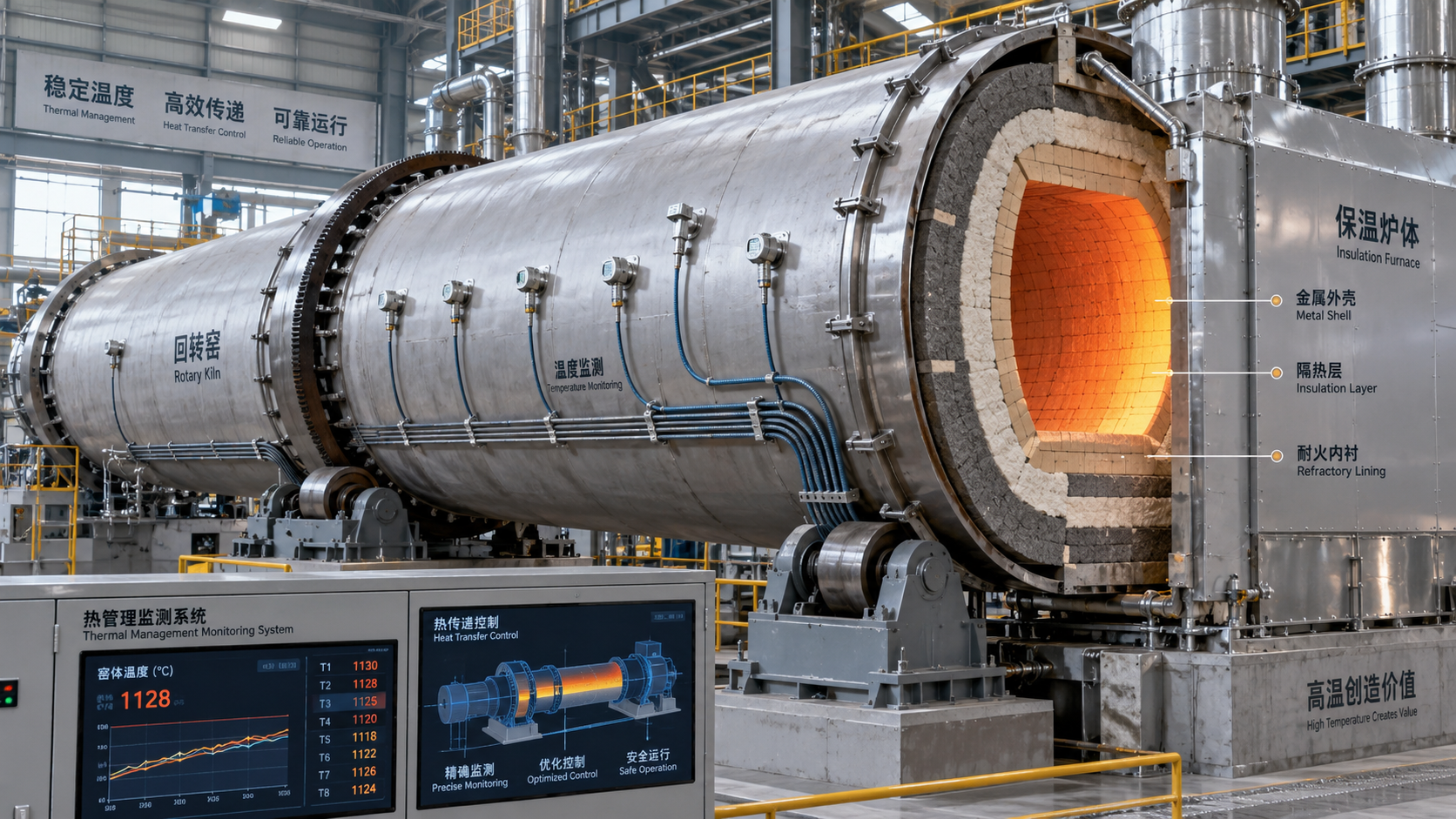
That profile should show hot-face temperature, cold-face temperature, shell temperature, ambient assumptions, external convection conditions, and calculated heat loss per square meter.
For process equipment, thermal calculations should identify which assumptions are fixed inputs and which values depend on future operating practices, fuel choices, or production loads.
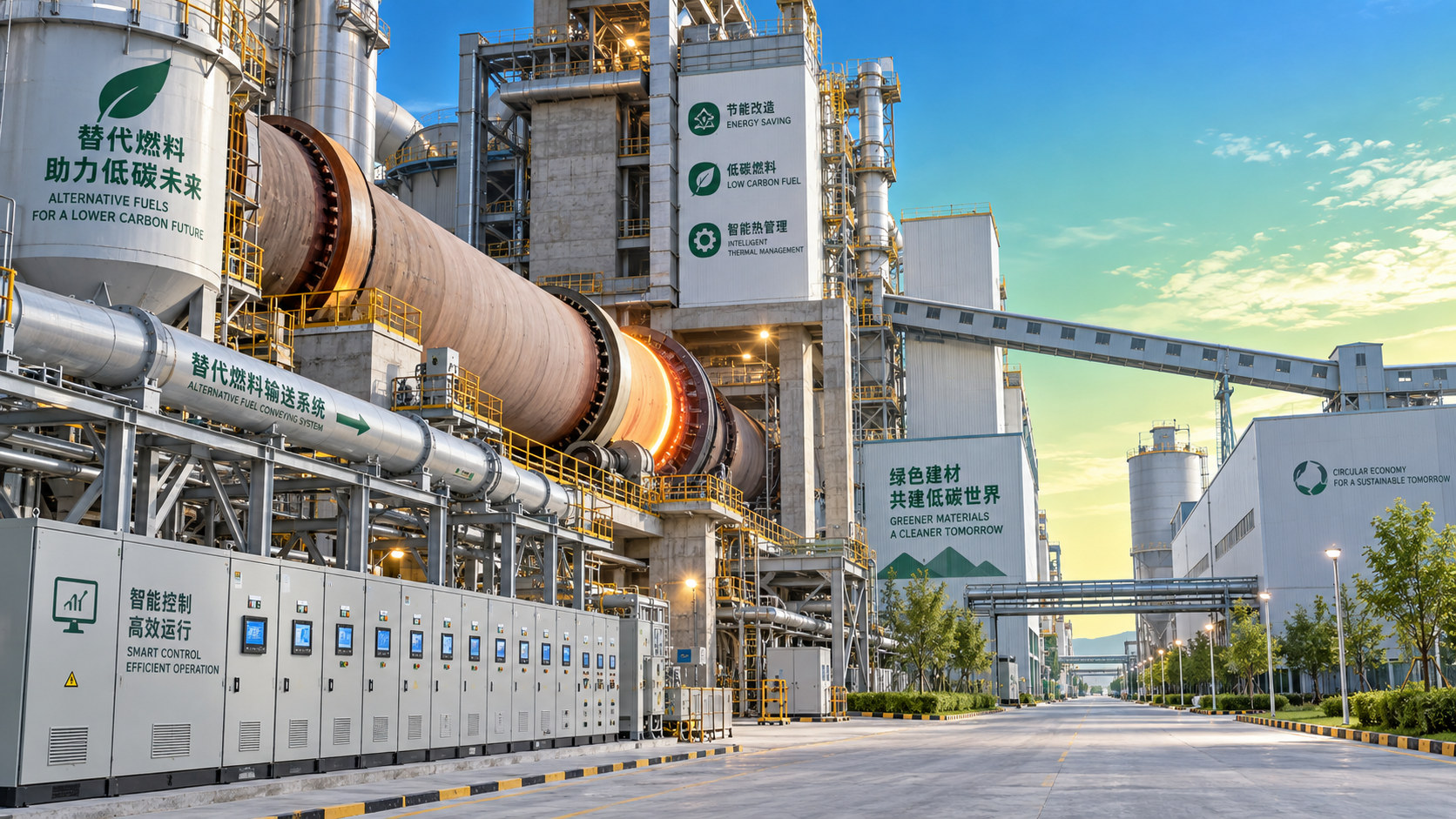
Rotary kiln buyers should request temperature modeling for the burning zone, transition zone, calcining zone, tire areas, and other regions with different mechanical exposure.
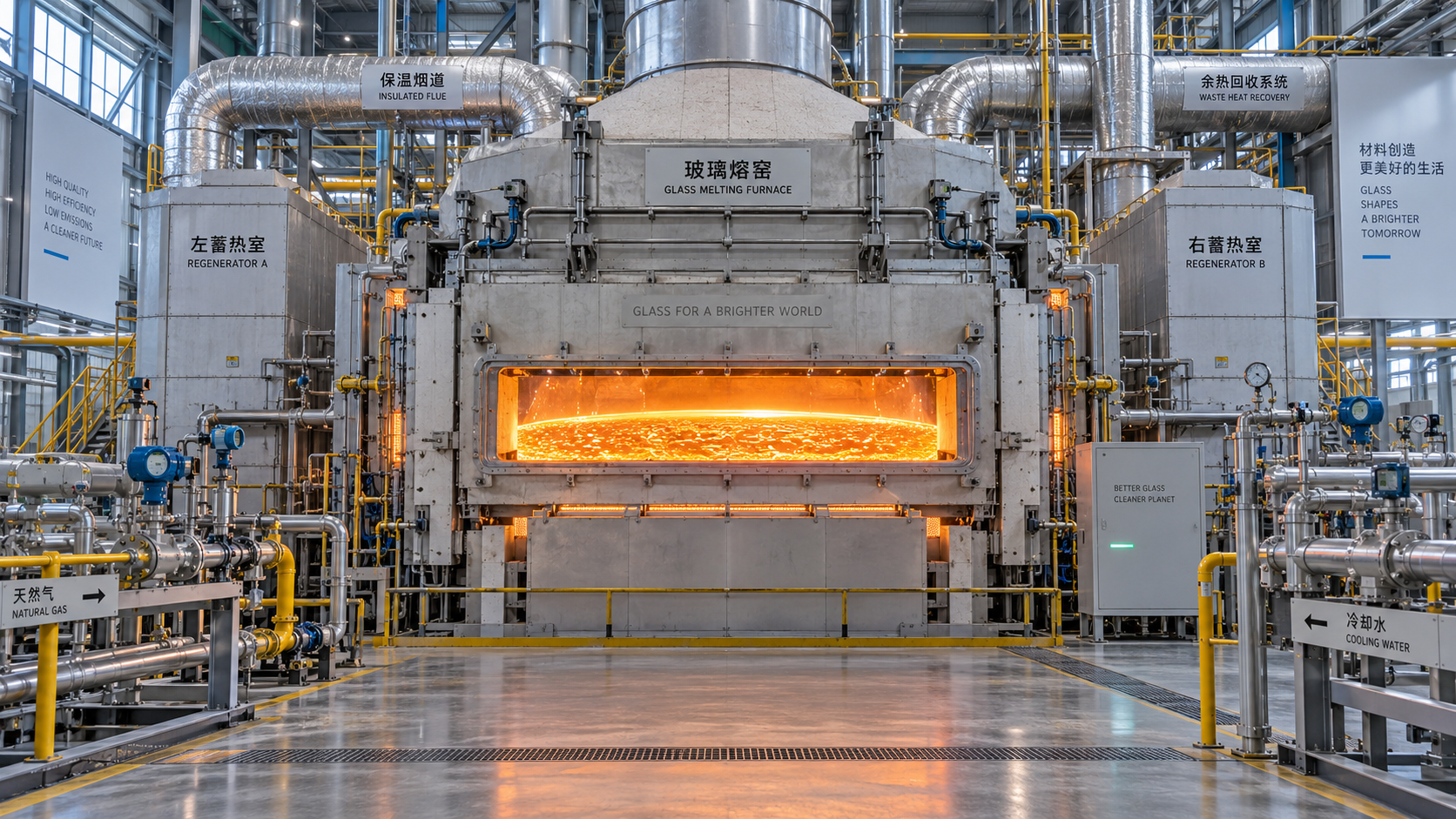
Glass producers should seek data showing furnace crown, sidewall, regenerator, forehearth, and annealing-zone behavior because localized overheating can affect quality and asset life.
Incineration operators need profiles that consider fluctuating waste composition, combustion air distribution, corrosive ash deposition, auxiliary firing, and transient thermal loads.
For extrusion lines, suppliers should document barrel-zone temperatures, die temperatures, cooling behavior, screw friction effects, and the allowable deviation affecting product dimensional consistency.
These profiles enable buyers to compare designs based on operational consequences instead of relying on nominal thickness, broad material class, or initial purchase price.
Where possible, require the supplier to provide calculation files, boundary conditions, model limitations, and the responsible engineer’s review or approval record.
Verify Thermal Cycling, Expansion, and Mechanical Interaction
Many high-temperature failures occur during heating and cooling, not during steady production, so suppliers must provide data on thermal cycling resistance and expansion behavior.
Thermal expansion coefficients should be supplied across operating temperatures, particularly where refractory linings interface with steel shells, castable sections, anchors, or dissimilar materials.
Different expansion rates can create gaps, crushing stresses, spalling, shell distortion, cracked joints, or damaged insulation even when individual materials meet temperature specifications.
Ask how many thermal cycles the material has endured during testing, what heating rate was used, and whether cycling included holds, quenching, or mechanical loading.
Suppliers should specify maximum recommended heating and cooling rates for dry-out, commissioning, seasonal shutdowns, refractory repairs, and emergency restart procedures.
For castables and monolithics, drying schedules matter because retained water can generate steam pressure and cause explosive spalling during initial heat-up.
A complete package should include installation joint design, expansion-gap requirements, anchor spacing, compatible mortars, and restrictions on mixing products from different manufacturers.
Management teams should view this information as a reliability control because poor commissioning instructions can erase the expected benefits of premium thermal materials.
When comparing suppliers, favor those willing to define installation tolerances and failure-prevention measures rather than transferring all thermal risk to the contractor.
Connect Thermal Data to Energy, Carbon, and Financial Outcomes
Thermal management data becomes commercially valuable when it is translated into fuel use, electricity demand, throughput stability, maintenance intervals, and avoided production losses.
Suppliers should estimate annual heat loss reductions using stated operating hours, fuel type, energy price, ambient conditions, equipment geometry, and process-temperature assumptions.
Those assumptions should be transparent because an optimistic annual savings figure can be misleading when production campaigns, utilization rates, or fuel costs change.
For decarbonization reporting, suppliers should explain the emission factor used to convert reduced fuel consumption into avoided carbon dioxide equivalent emissions.
Where renewable electricity, waste heat recovery, alternative fuels, or carbon pricing affect the business case, the analysis should show sensitivity across realistic operating scenarios.
Buyers should request lifecycle cost comparisons that include installation, dry-out, energy consumption, inspection requirements, repair frequency, downtime exposure, and end-of-life handling.
A lower-conductivity product may produce a strong return where energy prices are high, while a more durable material may outperform where shutdown costs dominate.
In continuous-process industries, even a small reduction in unplanned downtime can be financially larger than the direct annual fuel saving from improved insulation.
The strongest supplier proposals therefore quantify both efficiency gains and reliability gains, while clearly separating measured results from modeled projections.
Demand Evidence From Real Conditions and Independent Testing
Laboratory data is necessary, but buyers should also ask for evidence that performance has been achieved in operating plants with comparable temperatures, fuels, chemistry, and maintenance practices.
Relevant case evidence should identify the application, operating period, production duty, installed system, measured temperatures, energy results, failures encountered, and corrective actions taken.
Anonymous references can still be useful, but the supplier should provide enough technical context for buyers to judge whether the operating conditions are genuinely comparable.
Independent test reports are especially important for critical components, energy guarantees, emission-control systems, and applications where failure could create safety or environmental exposure.
Request the laboratory name, sample preparation details, test date, standard used, instrument calibration status, and whether the submitted sample represents routine production quality.
For equipment packages, factory acceptance testing should define sensor accuracy, heat-up behavior, control-system response, alarm thresholds, and documentation required before shipment.
Site acceptance criteria should then confirm that installed thermal performance matches agreed design expectations after commissioning and process stabilization.
Suppliers that support baseline measurement and post-installation verification give buyers more confidence in projected savings and reduce disputes over performance guarantees.
This evidence-based approach is particularly important when thermal upgrades are funded through capital budgets, energy-efficiency programs, or carbon-reduction commitments.
Make Monitoring Data Part of the Supplier Deliverable
Thermal management does not end at commissioning, so suppliers should provide recommendations for ongoing measurement, alarm logic, inspection intervals, and data interpretation responsibilities.
At minimum, the package should identify required temperature sensors, recommended locations, sensor types, calibration needs, response time, and acceptable measurement uncertainty.
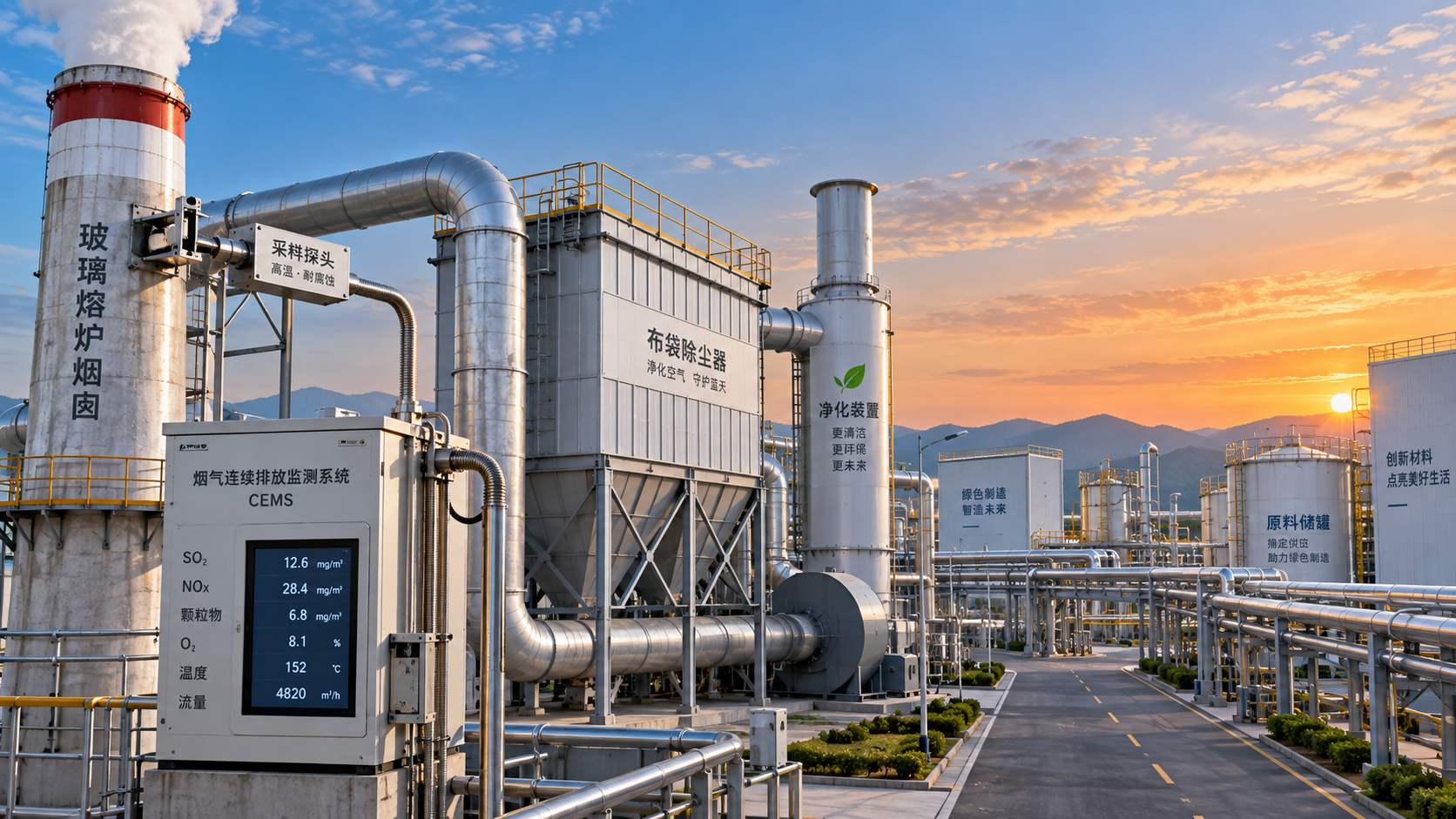
For kiln shells, furnace casings, and incinerator walls, infrared scanning requirements can help identify hot spots before lining failure escalates into equipment damage.
Suppliers should explain alarm levels, trip thresholds, escalation actions, and the difference between normal process variation and conditions requiring immediate intervention.
Digital monitoring systems should document data frequency, historian integration, cybersecurity boundaries, ownership of operational data, and methods for validating sensor drift.
For refractory health monitoring, the supplier should state whether remaining-life estimates are empirical, model-based, or supported by direct temperature and thickness measurements.
Maintenance teams also need practical inspection criteria, including visible warning signs, shell-temperature trends, deformation limits, crack patterns, and repair trigger points.
Clear monitoring guidance converts thermal data from a procurement document into an operational tool that supports safer decisions throughout the asset lifecycle.
Use a Structured Thermal Data Checklist During Supplier Evaluation
When asking what thermal management data should a supplier provide, buyers should use a checklist that links every data request to a design, operational, financial, or compliance decision.
Start with service temperatures, heat-transfer properties, thermal profiles, cycling resistance, expansion behavior, installation requirements, energy calculations, emissions assumptions, and monitoring recommendations.
Then require supporting test methods, source documents, calculation assumptions, uncertainty ranges, real-project references, warranty boundaries, and named technical contacts responsible for clarification.
Evaluate data quality as carefully as product quality because incomplete assumptions can conceal design weaknesses that only become visible during commissioning or high-load production periods.
For major projects, include thermal deliverables in the purchase specification, technical bid evaluation, contract acceptance criteria, and post-installation performance review process.
Suppliers should be assessed on responsiveness to engineering questions, willingness to share limitations, and capability to revise calculations when project conditions change.
The best commercial choice is rarely the supplier offering the longest datasheet; it is the supplier offering verifiable, application-specific information that enables accountable decisions.
For cement, glass, incineration, refractory, and extrusion operations, disciplined thermal data review supports energy efficiency, asset longevity, carbon reduction, and dependable production performance.