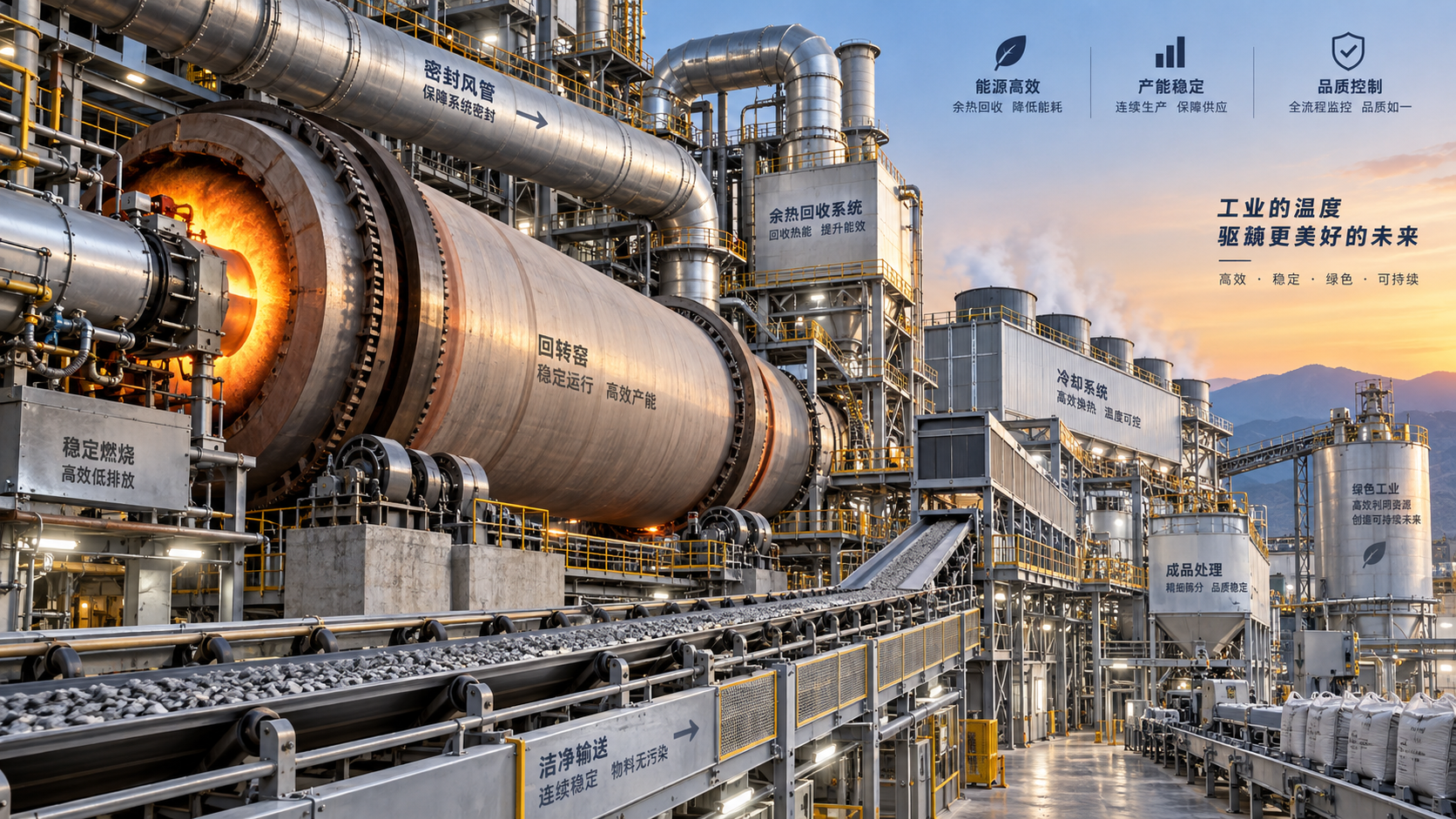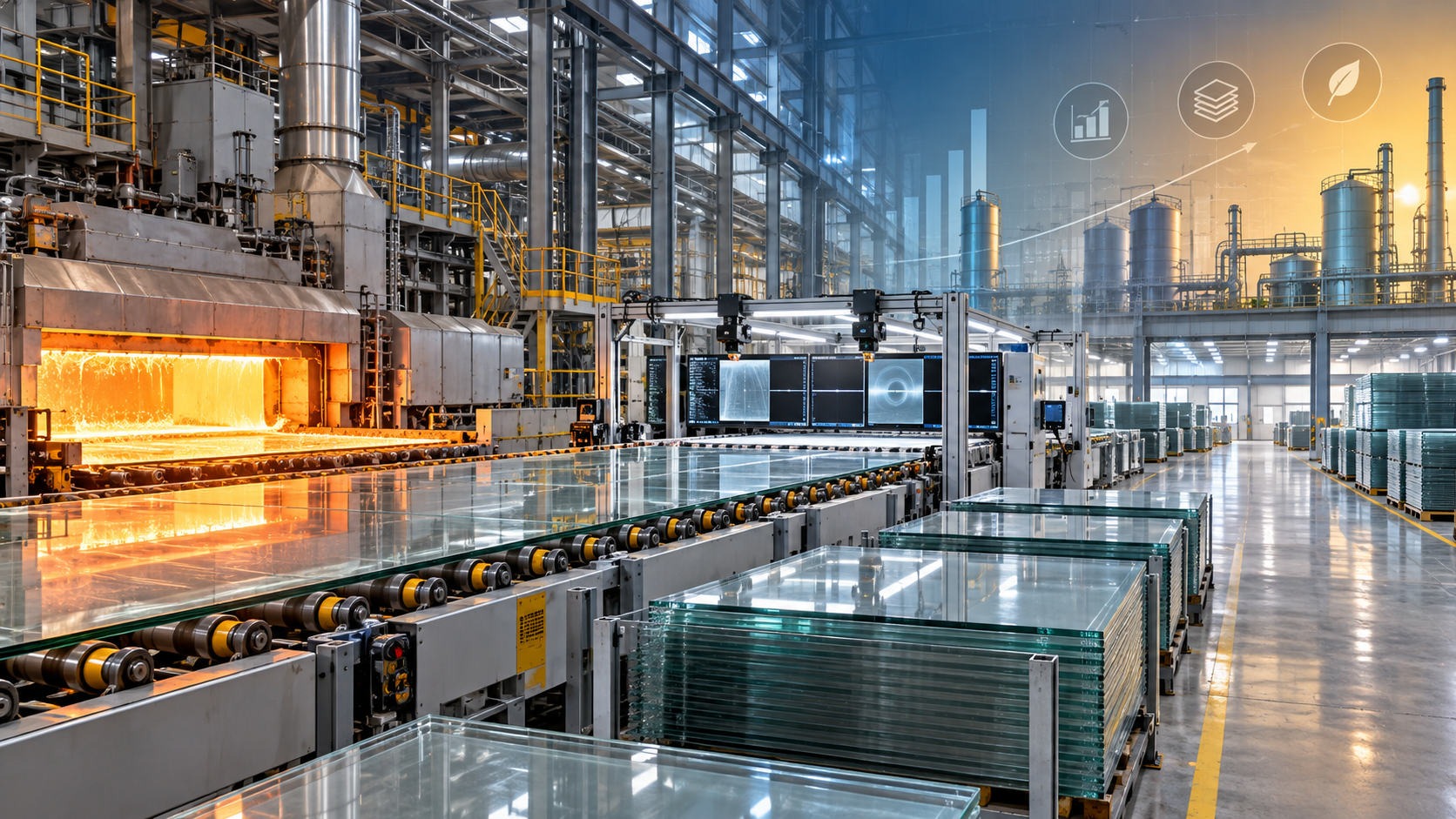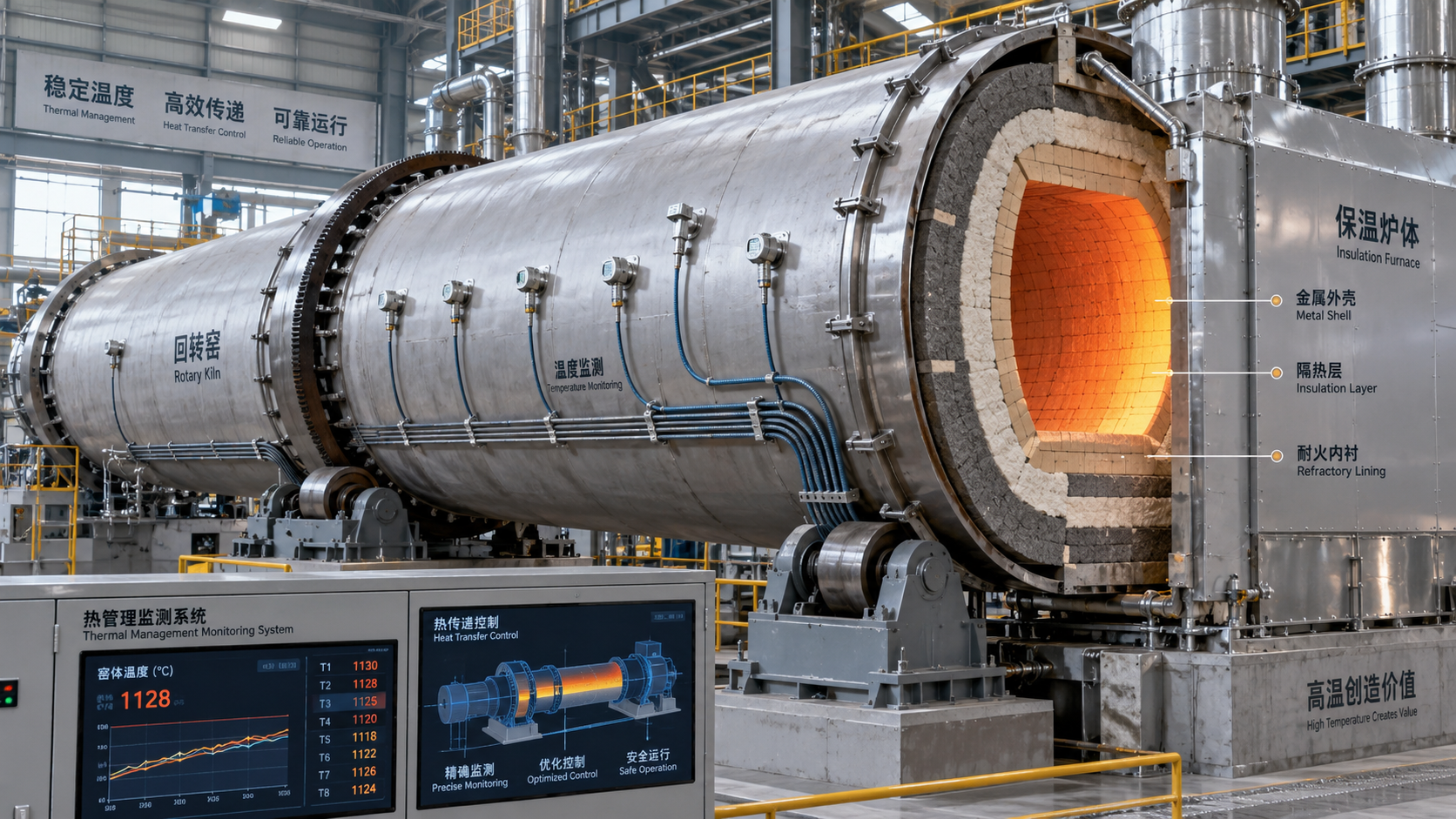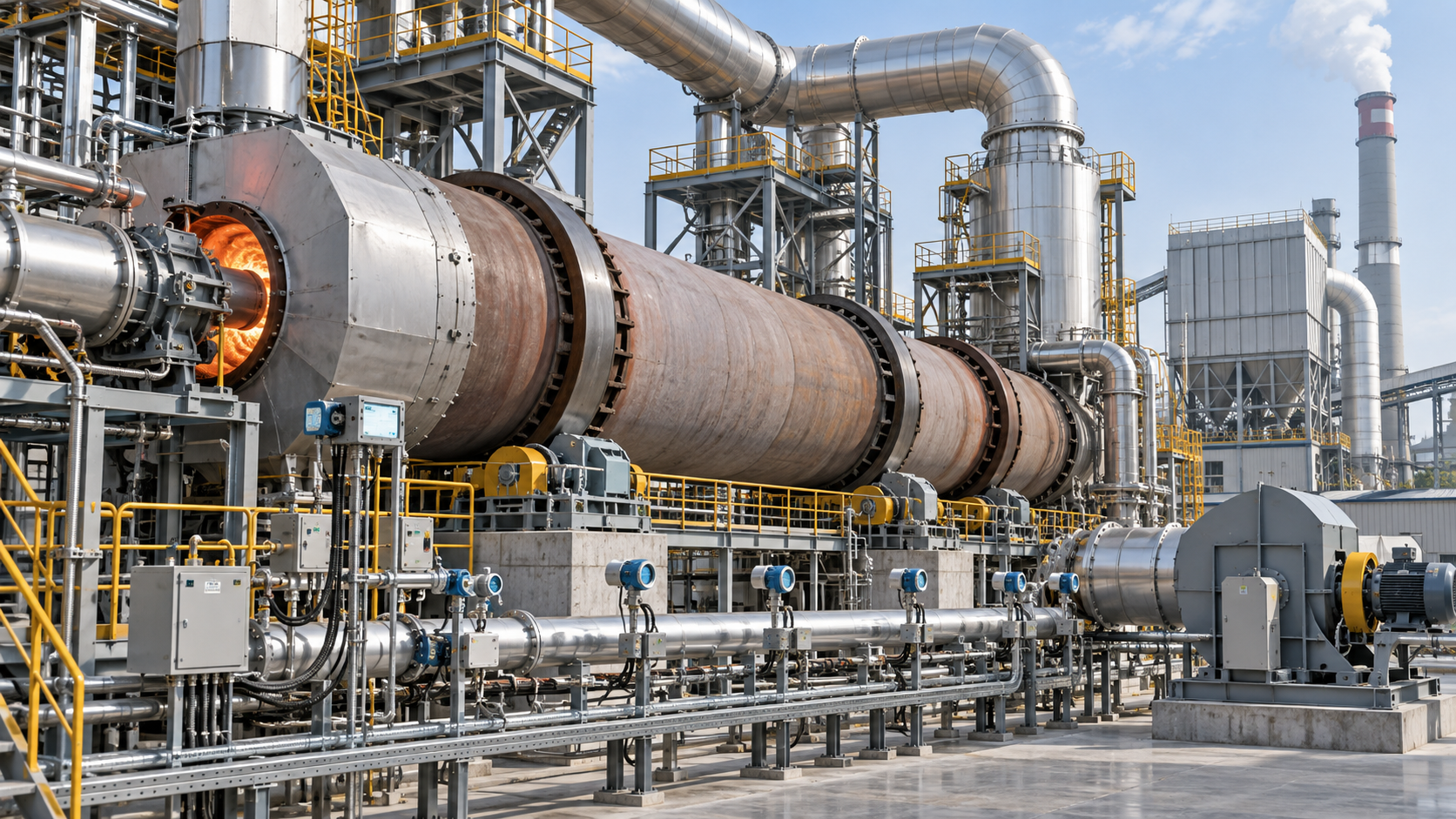




Comparing a silicate processing equipment price means looking beyond the supplier’s headline quote. Procurement teams need a defined process, guaranteed output, and clear supply boundaries.
Required throughput, feedstock characteristics, thermal processing conditions, and automation levels can significantly change both upfront investment and operating costs across competing production line proposals.
A higher-capacity line may reduce unit production costs, but only when its configuration matches actual demand, available utilities, product specifications, and realistic annual operating hours.
There is no reliable universal price for silicate equipment. A grinding package, sodium silicate reactor, and complete glass melting line represent fundamentally different investments.
This guide explains how capacity and process choices shape pricing, which auxiliary costs to verify, and how procurement teams can compare quotations consistently and confidently.
What Does a Silicate Processing Equipment Price Actually Include?
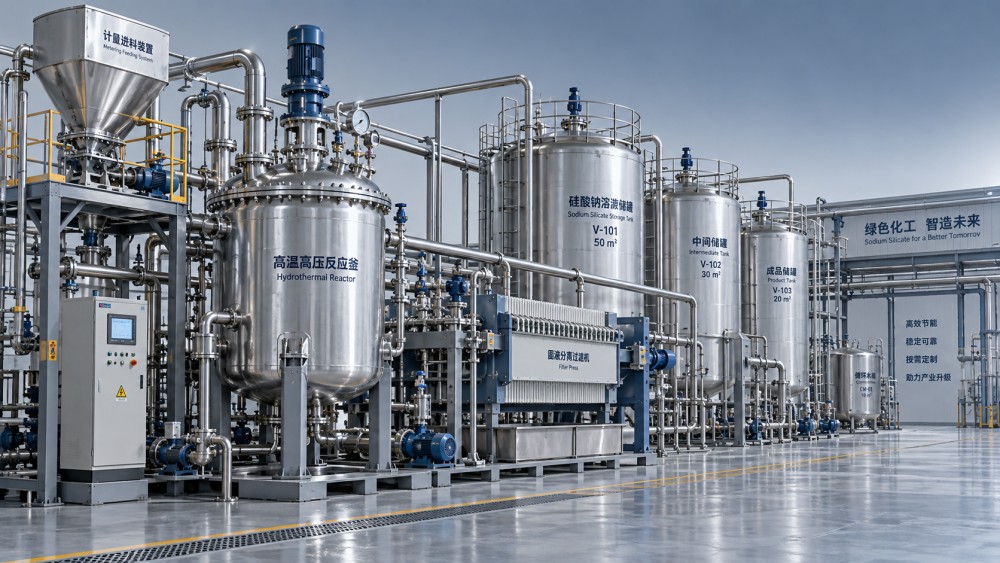
Start by identifying the finished product and process route. The term “silicate processing” covers equipment with substantially different temperature requirements, material handling arrangements, and construction standards.
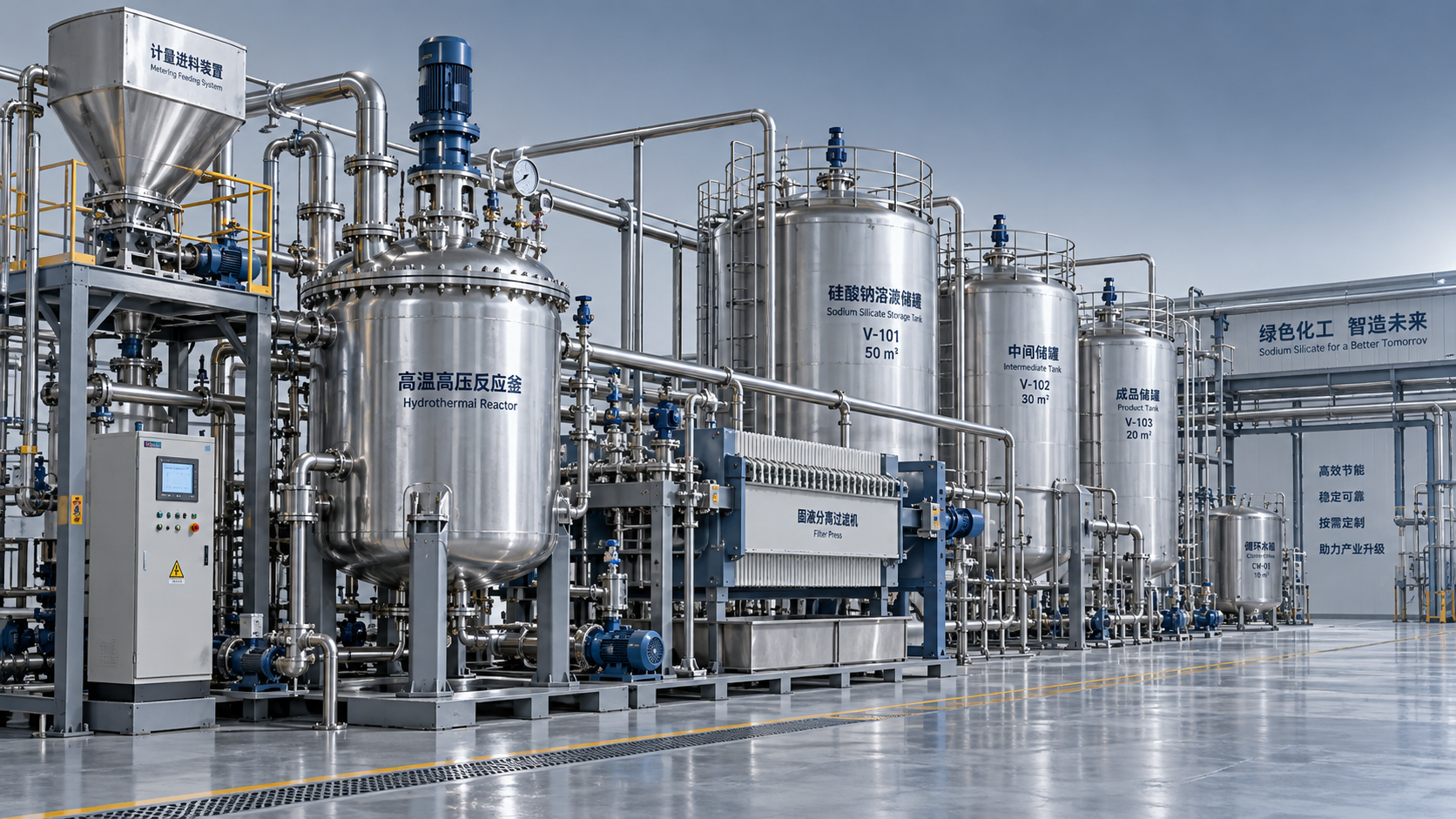
In sodium silicate production, buyers may compare furnace-based production followed by dissolution with hydrothermal processing, where suitable silica reacts with caustic solution under pressure.
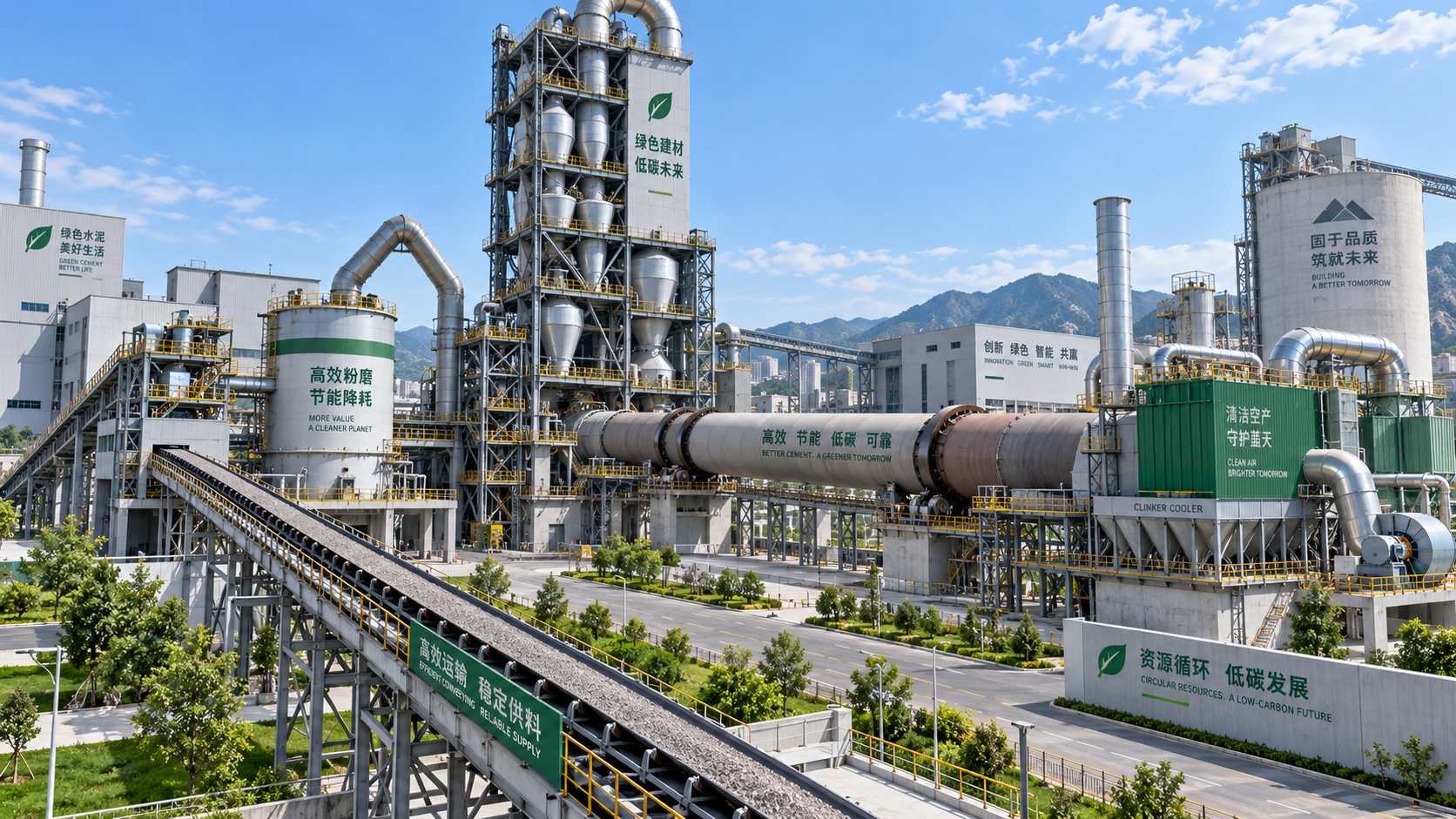
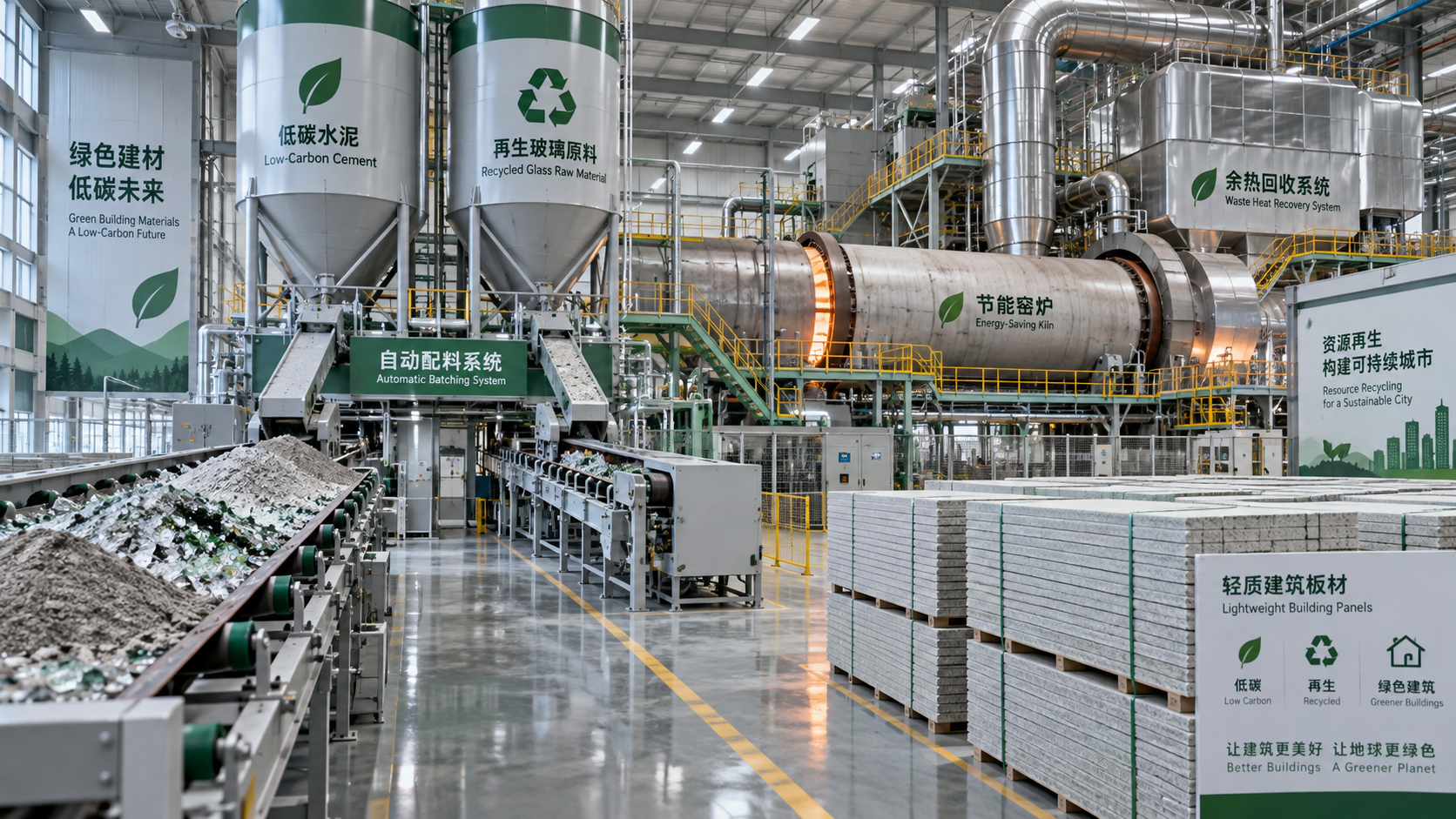
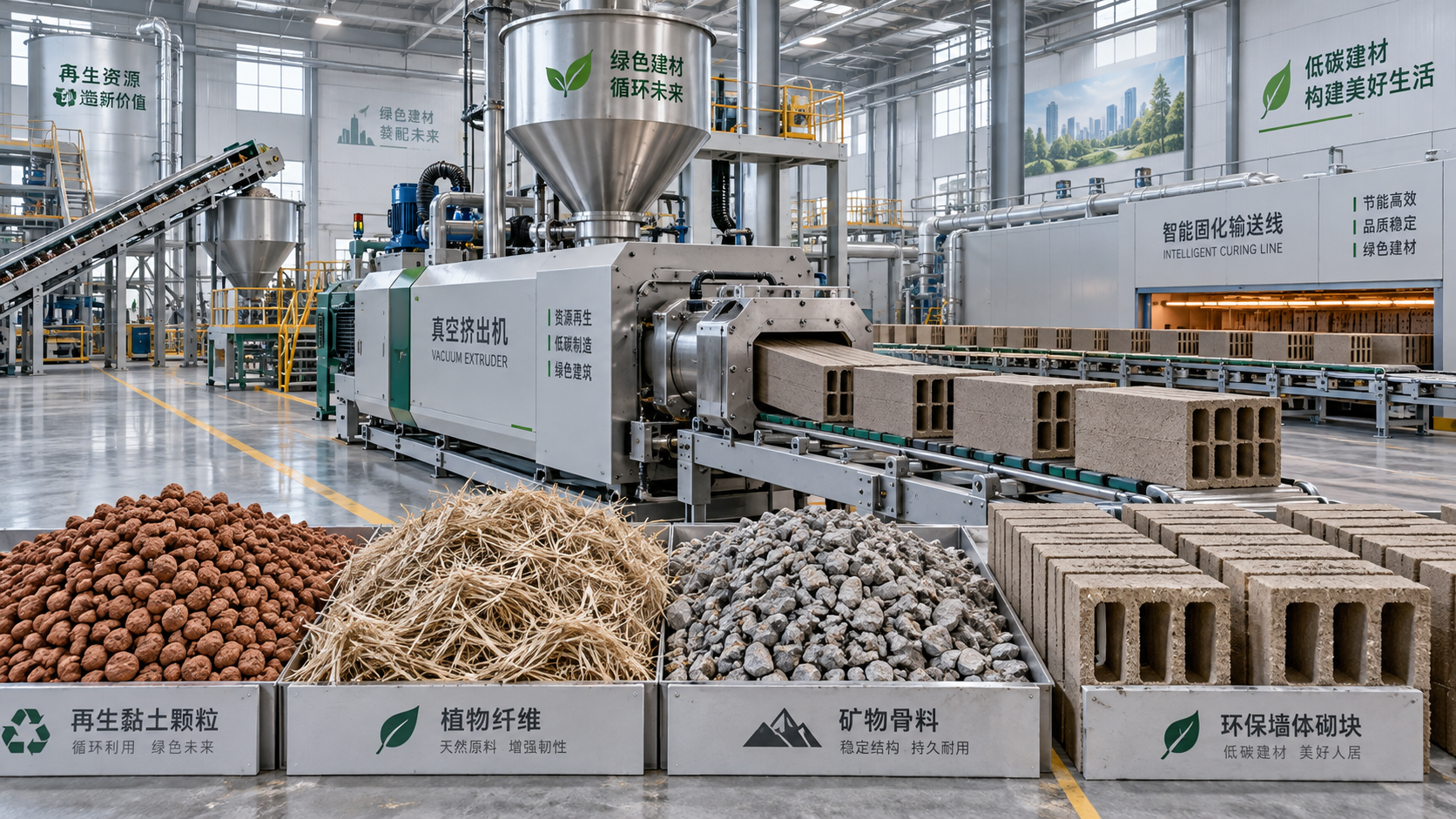
For glass, cement, refractory materials, or extruded building products, the relevant equipment and cost structure differ again. These applications should never share one generic benchmark.
Even within one application, a quotation might cover a standalone machine, an integrated equipment package, or a complete installed plant with supporting infrastructure and commissioning.
Contract terminology alone cannot establish scope. Request a battery-limit drawing showing exactly where supplier responsibility starts and ends for materials, utilities, controls, and discharge streams.
A usable price comparison therefore starts with three matching elements: the same saleable product, the same operating duty, and the same contractual supply boundaries.
How Much More Should Higher Capacity Cost?
Capacity usually increases total equipment investment, but costs rarely rise in direct proportion to output. Shared infrastructure can make larger installations cheaper per annual tonne.
For example, engineering, control architecture, and laboratory facilities may serve a larger line without doubling in cost. Major process equipment still requires application-specific sizing.
These economies have limits. A larger furnace may require upgraded electrical infrastructure, additional emission controls, heavier foundations, or transport arrangements that create substantial cost increases.
Ask suppliers to define whether capacity means incoming feed, dry solids, molten output, liquid product, or saleable finished material. These quantities can differ considerably.
For liquid sodium silicate, tonnes per hour at different solids concentrations are not directly comparable. Specify concentration and chemistry alongside the guaranteed product flow rate.
For grinding or thermal processing, moisture, particle size, impurities, and product specifications can restrict throughput. A nameplate rating may assume easier conditions than your feedstock provides.
Evaluate capacity against realistic demand. An oversized line can tie up capital while operating below its efficient range, especially when minimum stable loads are high.
Request performance data at expected operating loads, including minimum stable output. This reveals whether future expansion capacity creates an immediate energy or product consistency penalty.
Which Process Choices Have the Greatest Effect on Price?
The process route determines much of the investment before individual machine selection begins. Thermal, hydrothermal, and mechanical systems require different equipment, safeguards, and supporting utilities.
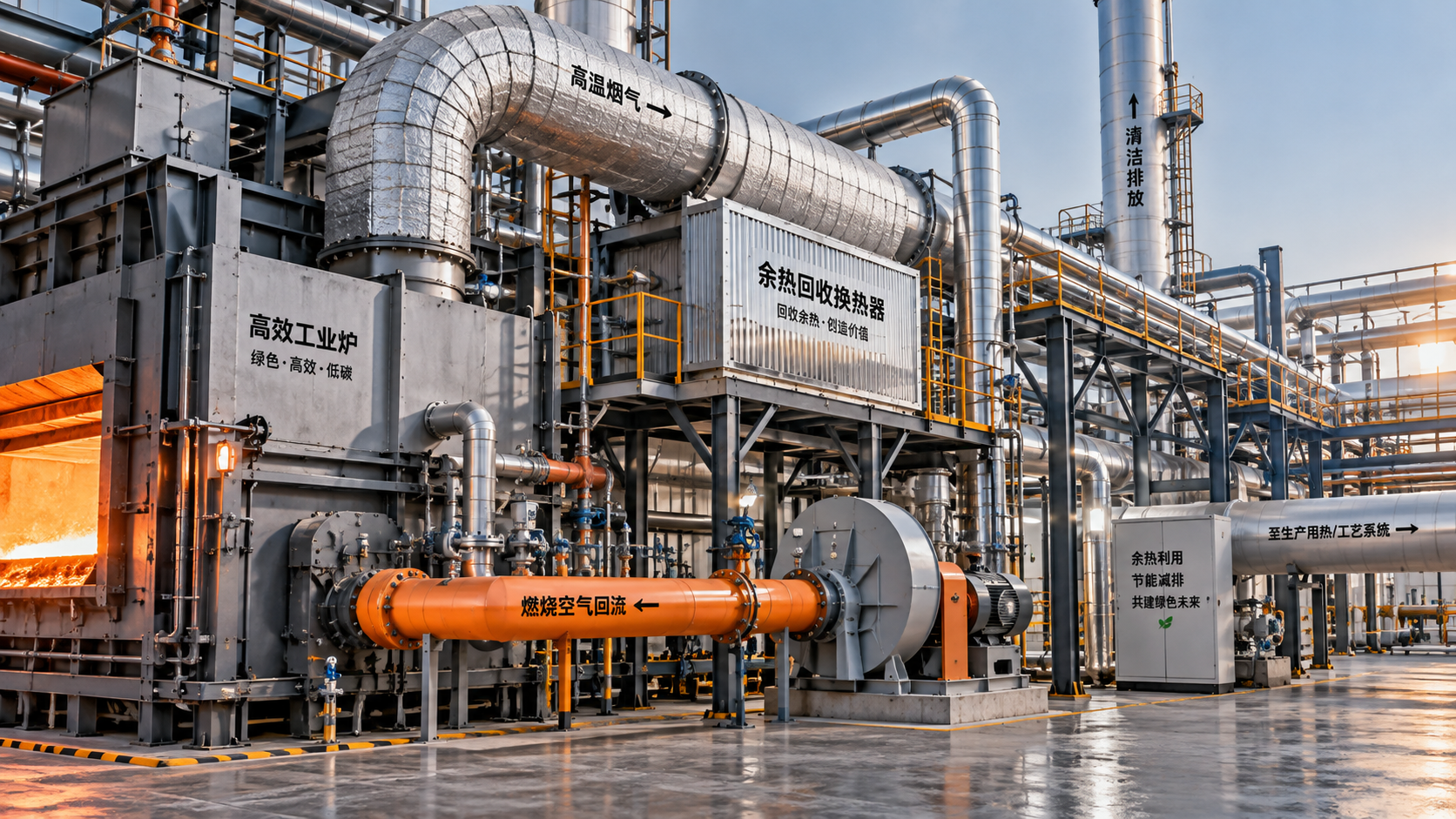
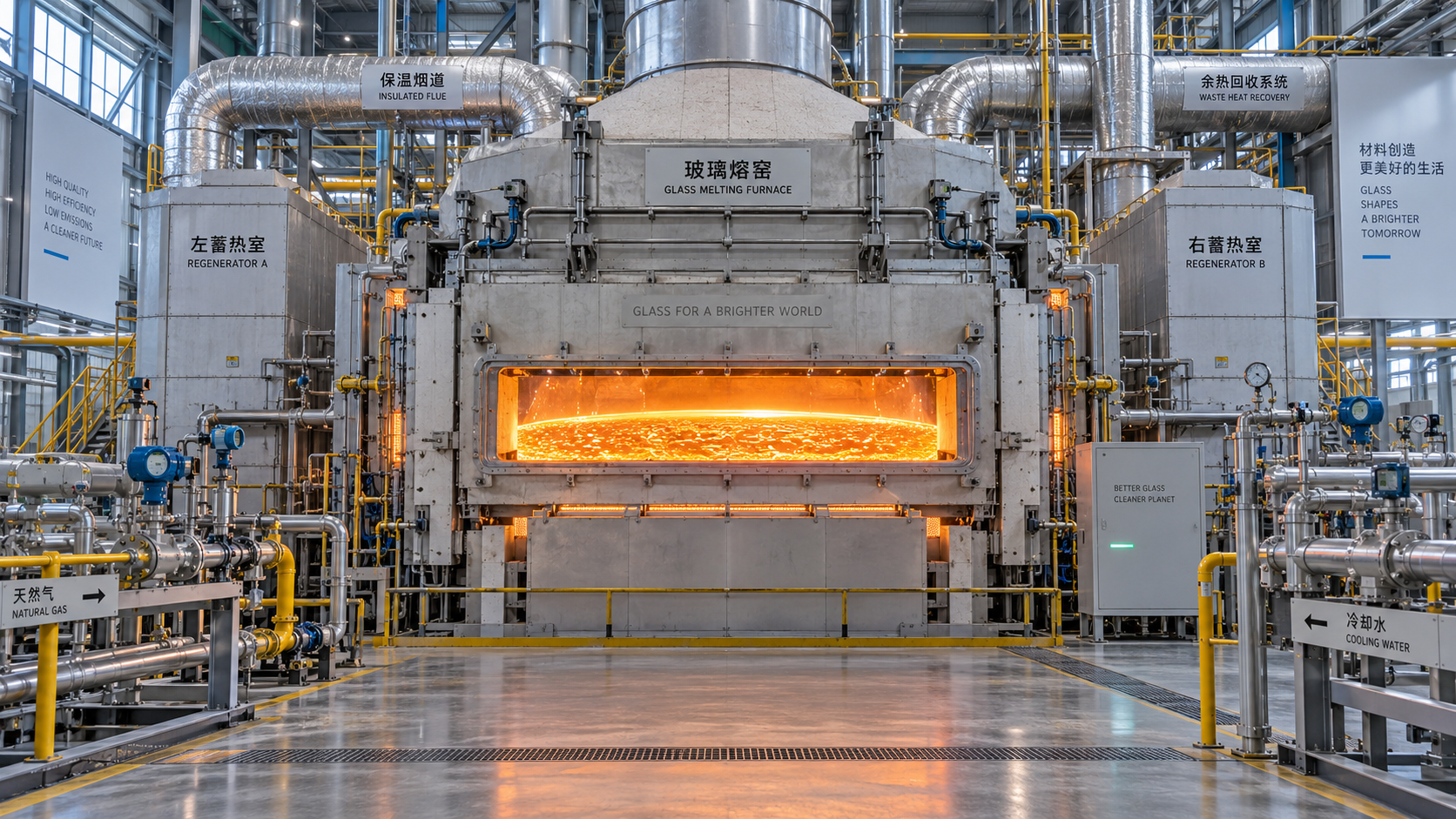
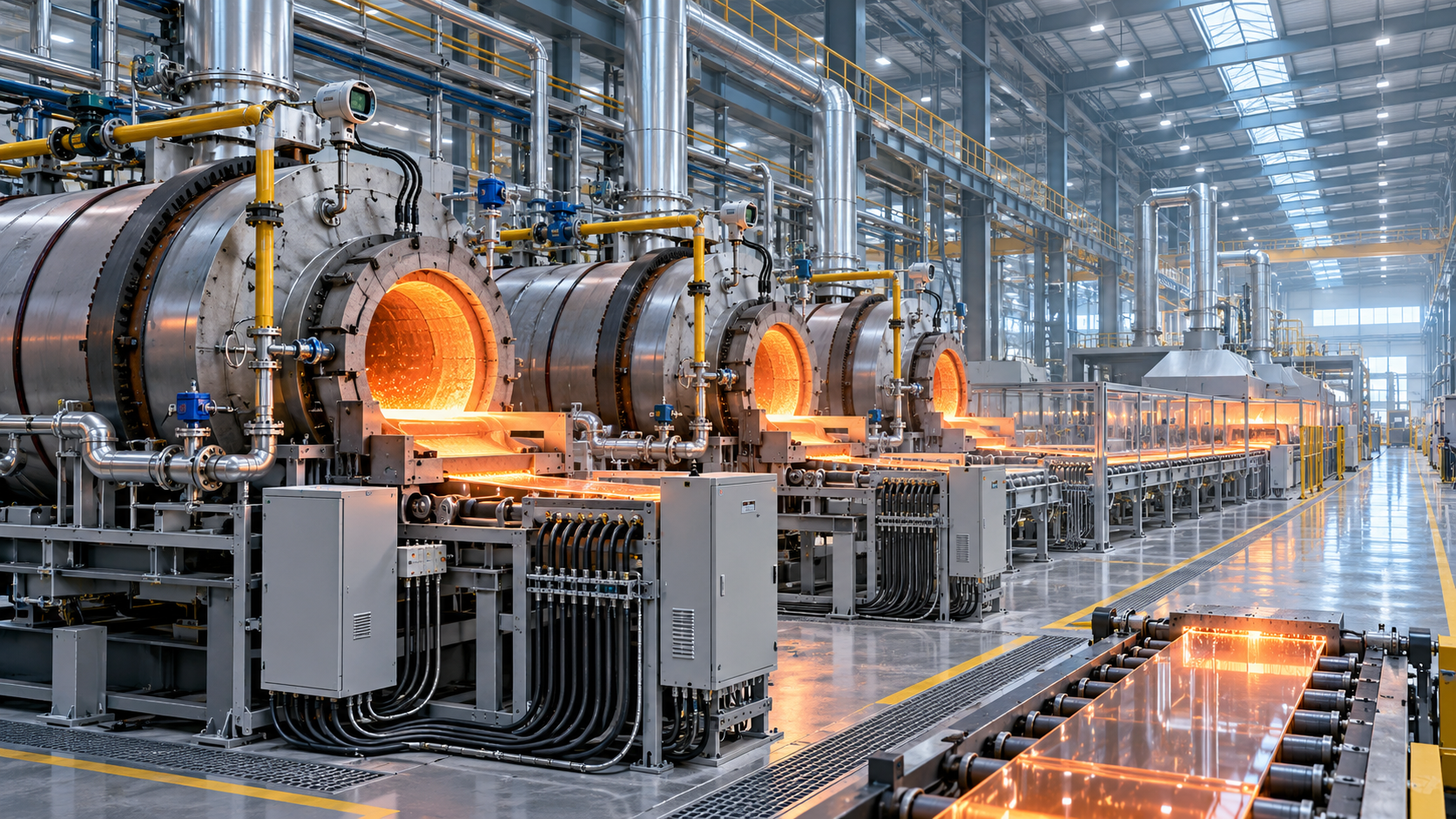
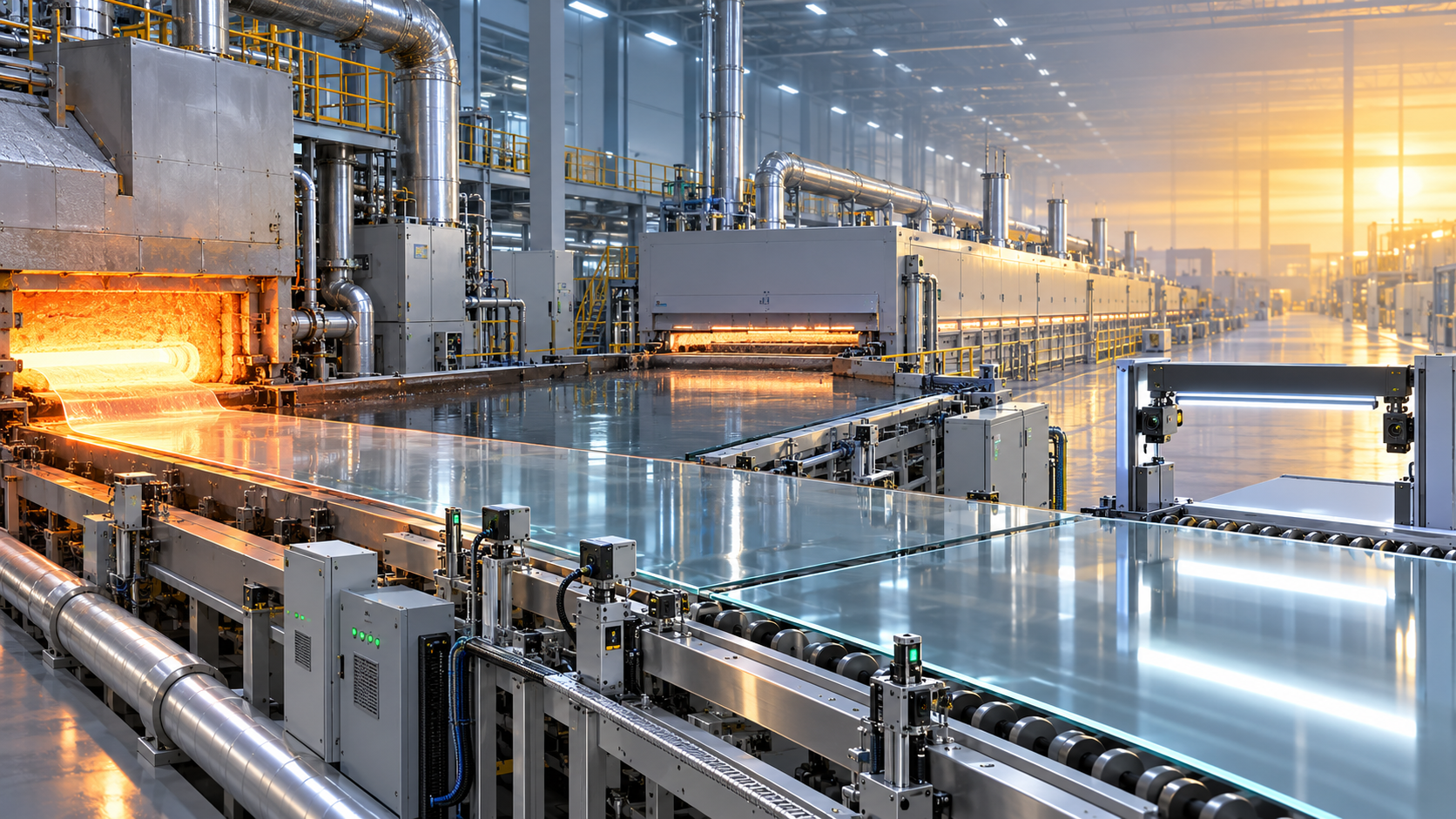
For furnace-based sodium silicate production, investment may include batch preparation, melting equipment, refractory lining, fuel systems, exhaust treatment, cooling, dissolution, and finished product storage.
A hydrothermal route instead requires pressure-rated reactors, heating arrangements, chemical handling, filtration, and appropriate safeguards. Feasibility depends on silica reactivity and the required product chemistry.
These routes are not interchangeable for every specification. Establish technical suitability before comparing price, particularly where silica-to-alkali ratio, clarity, impurities, or dissolution behavior matters.
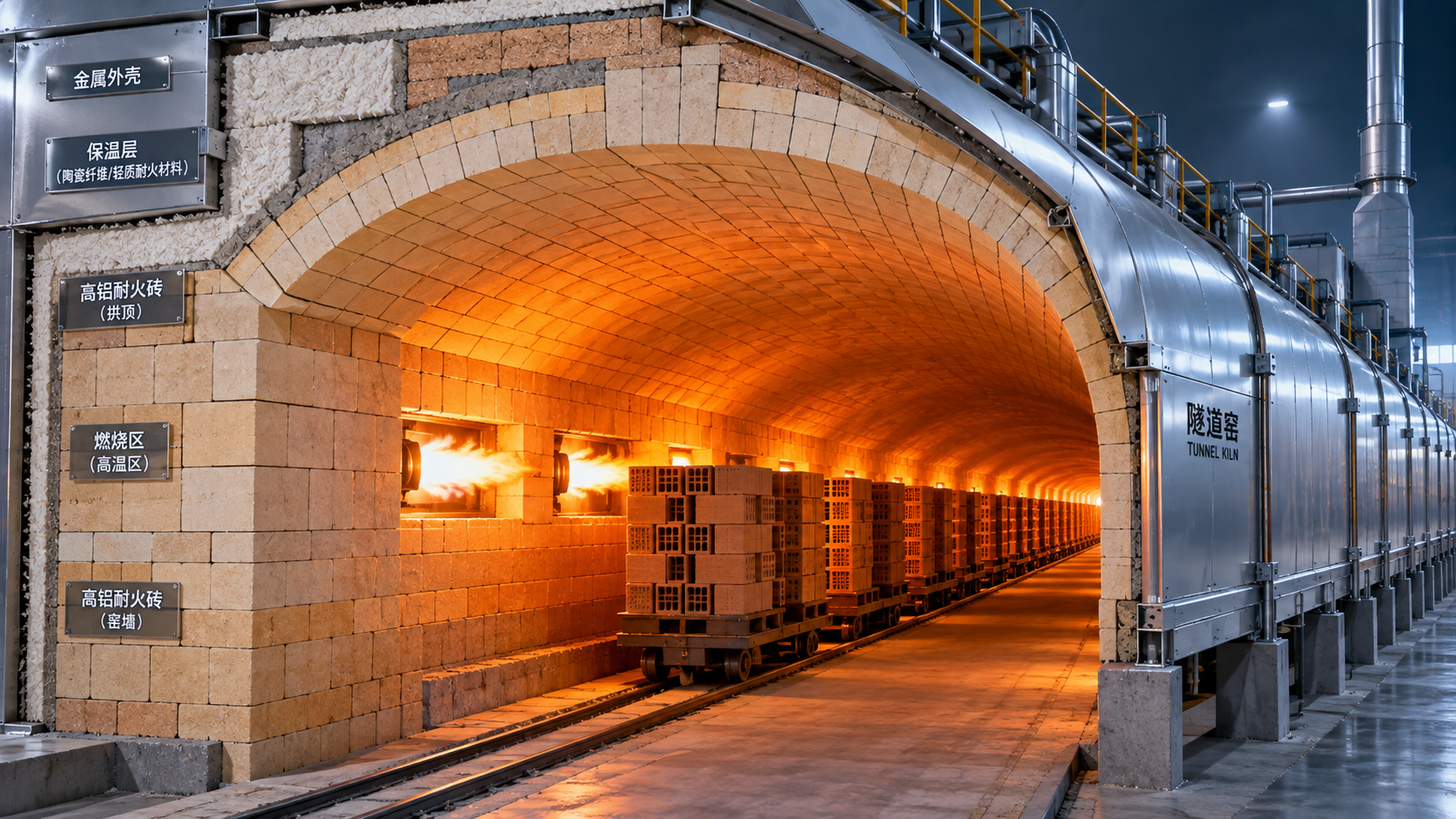
Within any selected route, higher temperatures, pressures, or corrosion exposure can increase vessel thickness, alloy requirements, refractory specifications, instrumentation needs, and inspection obligations during fabrication.
Product quality requirements also affect cost. Tighter particle size distribution, lower contamination, consistent viscosity, or improved optical properties may require additional processing and measurement equipment.
Ask each bidder to explain the cost consequences of your specifications. Separating mandatory requirements from optional refinements helps avoid paying for capabilities with limited commercial value.
Which Costs Commonly Sit Outside the Equipment Quote?
A low equipment quotation can become an expensive project when installation and infrastructure are incomplete. Build a total installed cost estimate before comparing commercial offers.
Site conditions deserve early investigation. Ground bearing capacity, building height, access restrictions, local construction requirements, and existing utility capacity can materially change the installation budget.
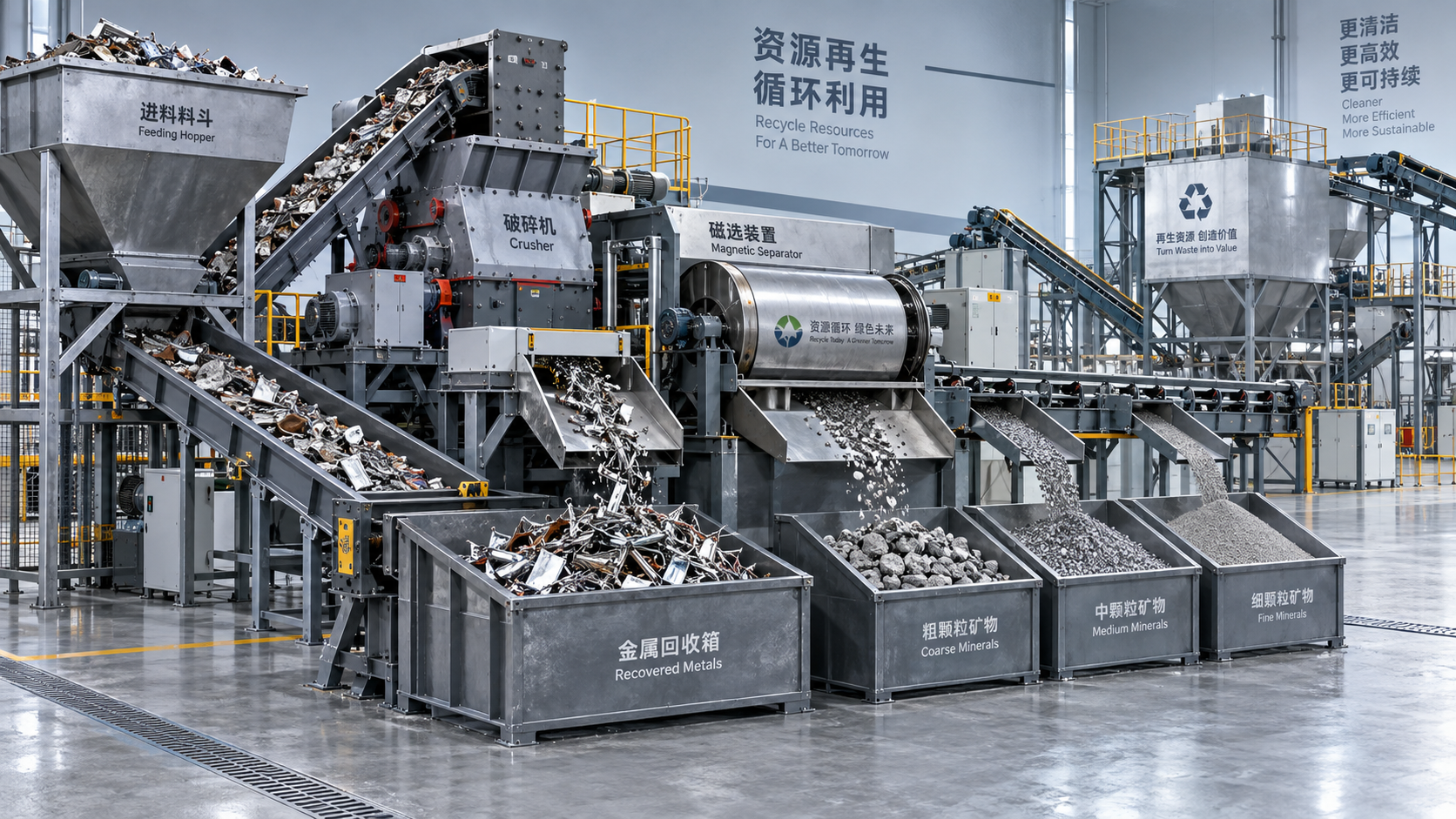
- Material handling: unloading, storage silos, conveyors, dust collection, weighing, and intermediate transfer equipment.
- Utilities: electrical distribution, transformers, fuel supply, steam generation, cooling water, compressed air, and water treatment.
- Environmental systems: exhaust treatment, wastewater handling, monitoring equipment, and waste storage or disposal arrangements.
- Construction: foundations, structural steel, buildings, insulation, piping, cable installation, and equipment access platforms.
- Delivery and startup: freight, insurance, duties, lifting, specialist supervision, commissioning materials, and operator training.
- Initial operating support: critical spares, refractory inventory, laboratory equipment, and maintenance tools.
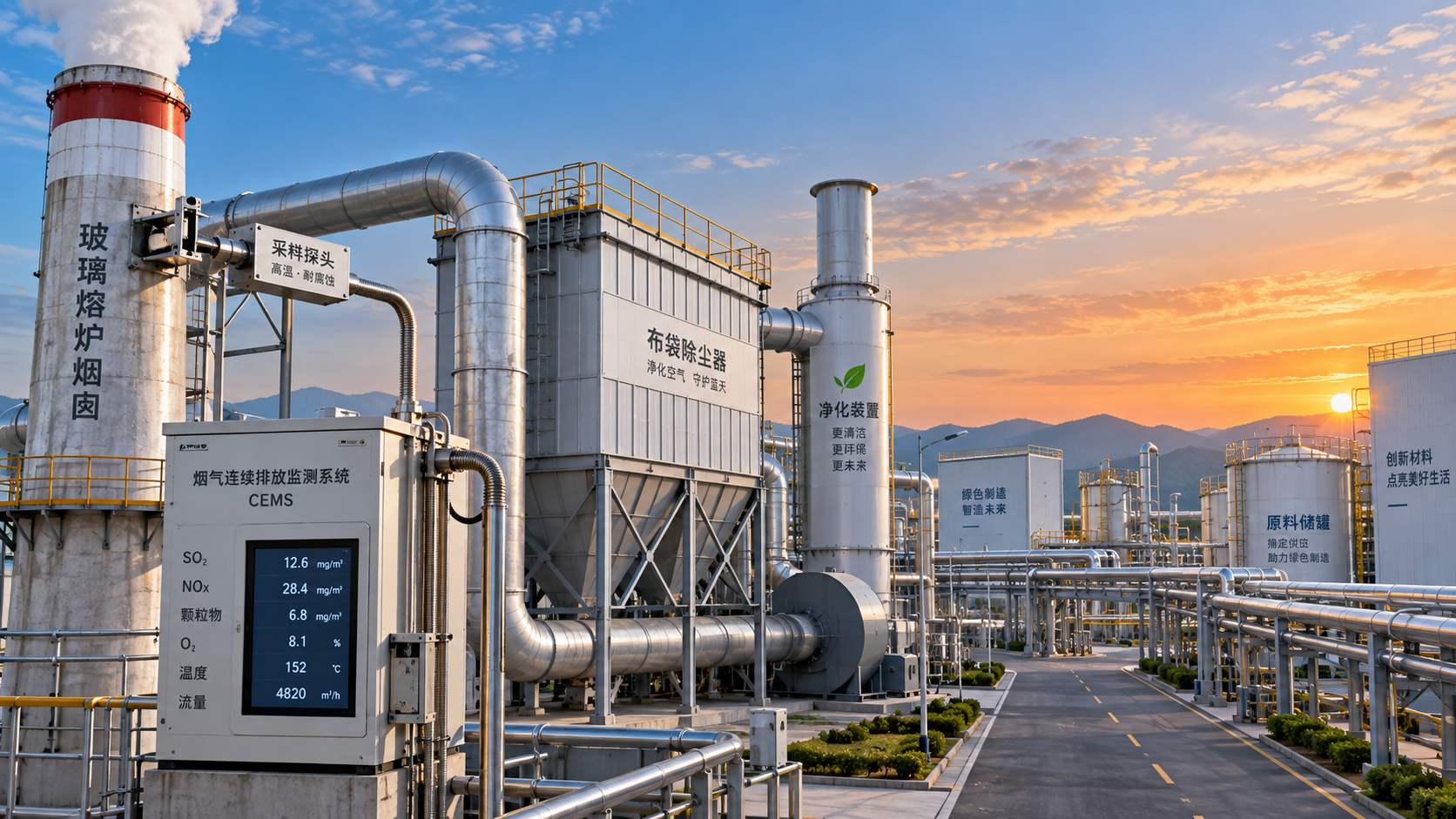
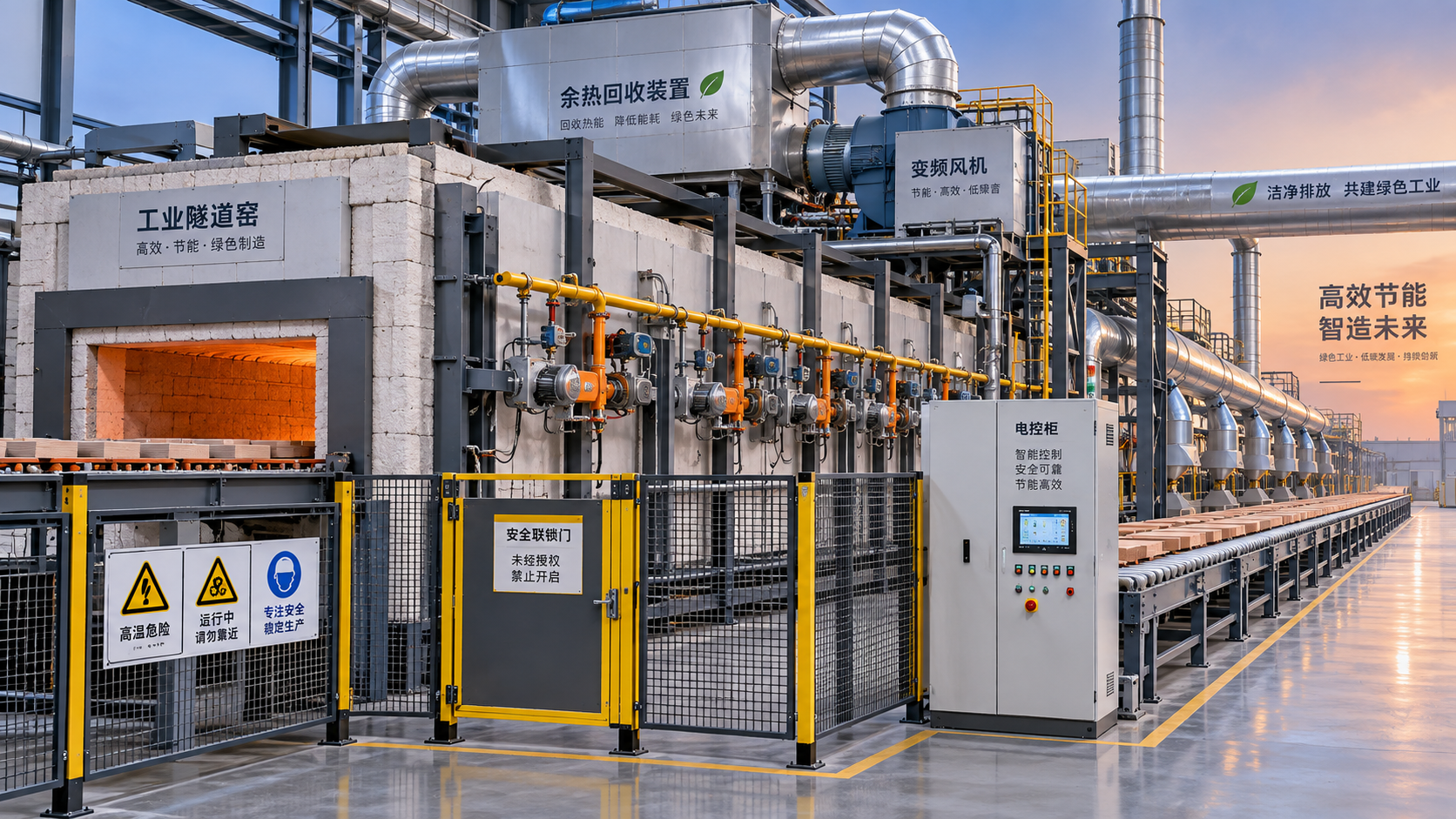
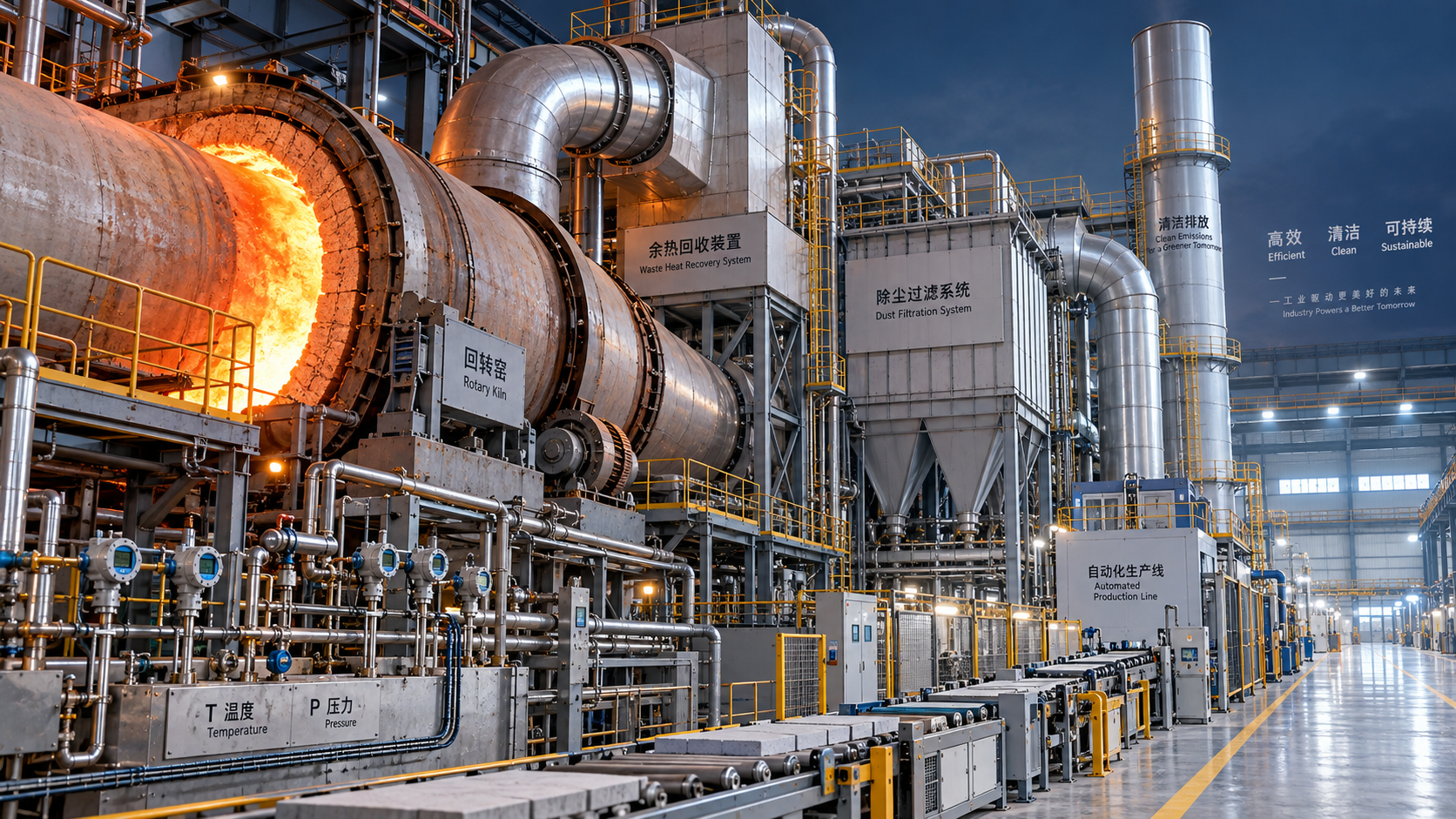
Environmental provisions must match the actual process and jurisdiction. Furnace exhaust, alkaline wastewater, and mineral dust require different control measures and should be priced explicitly.
Confirm delivery terms and import responsibilities. An ex-works price and a delivered quotation allocate transport costs and risks differently, even when equipment specifications appear identical.
Carry a project contingency linked to unresolved engineering and site risks. Keep this separate from supplier pricing so uncertainty remains visible during internal budget approval.
Does the More Expensive Line Produce a Lower Cost per Tonne?
Purchase price alone cannot answer this question. Compare annualized ownership costs against saleable output, using consistent assumptions for utilization, energy prices, yield, and maintenance.
A practical operating cost model includes electricity, fuel, raw material losses, labor, consumables, planned maintenance, waste treatment, and downtime consequences where these can be reasonably estimated.
Thermal systems deserve particular attention because energy use depends on operating conditions. Compare guaranteed consumption at the same feed moisture, product specification, throughput, and measurement boundary.
The following example uses invented figures to demonstrate procurement arithmetic. These figures are not market quotations, supplier benchmarks, or expected prices for any particular process.
Option B requires $400,000 more investment and saves $200,000 annually under these assumptions. Its simple incremental payback is two years before financing, taxes, and discounting.
If annual output falls to 20,000 tonnes and the saving remains $5 per tonne, annual savings halve. Simple payback then extends to four years.
Actual savings may change further at reduced load. Test the decision against lower utilization, higher energy prices, maintenance changes, and slower production ramp-up before approval.
When Are Automation and Reliability Upgrades Worth Paying For?
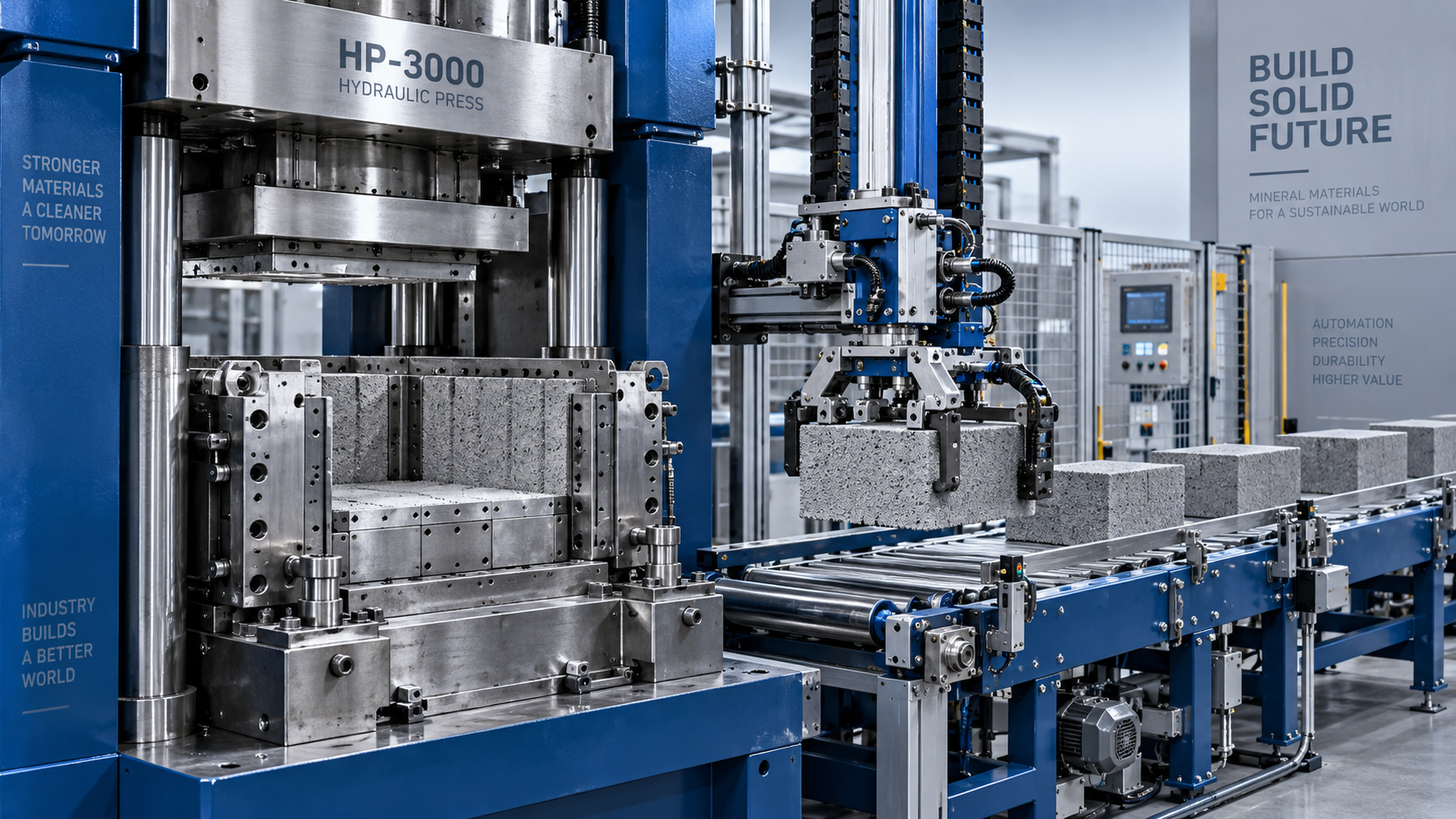
Automation adds value when it improves a measurable operating constraint. Useful examples include accurate batch dosing, stable temperature control, condition monitoring, and traceable product quality.
Request a clear explanation of each proposed upgrade: the problem addressed, expected operational benefit, required maintenance, and evidence supporting any claimed savings or availability improvement.
Check whether control software licenses, historical data storage, remote support, and system integration are included. Recurring charges can change the economics of an attractive initial offer.
Reliability provisions also deserve commercial scrutiny. Standby pumps or modular equipment may protect production, while additional redundancy elsewhere may offer little benefit relative to its cost.
For high-temperature equipment, assess refractory life assumptions, inspection access, replacement procedures, and shutdown duration. Maintenance frequency alone does not capture the full cost of intervention.
Evaluate local service capability and critical component lead times alongside warranty terms. A replacement part delayed for weeks can outweigh a modest purchase price saving.
What Should Procurement Send Suppliers Before Requesting Prices?
A detailed request for quotation reduces inconsistent assumptions and repeated clarification. Give every bidder the same process data, site information, and required commercial response format.
- Product requirements: composition, concentration, particle size, impurity limits, and acceptance criteria.
- Feed characteristics: chemical analysis, moisture range, particle distribution, bulk density, and representative sample availability.
- Production duty: saleable output, annual operating hours, expected load range, and expansion plans.
- Site conditions: location, ambient conditions, available utilities, layout constraints, and applicable regulatory requirements.
- Scope boundaries: engineering, civil works, installation, commissioning, training, spares, and utility connections.
- Commercial requirements: currency, delivery terms, payment milestones, quotation validity, warranty, and project schedule.
Require suppliers to list assumptions, exclusions, and deviations explicitly. Otherwise, procurement teams may discover that apparently competitive quotations describe different production duties or supply scopes.
Define performance acceptance before placing the order. Agree on test duration, feed conditions, sampling methods, product quality, throughput, energy measurement, and remedies for shortfalls.
For unfamiliar feedstocks or demanding specifications, representative material testing can reduce uncertainty. Confirm how test results translate into the supplier’s proposed design and contractual guarantees.
Normalize quotations by adding excluded mandatory costs and adjusting for meaningful scope differences. Maintain separate comparisons for installed investment, operating economics, technical compliance, and delivery risk.
How to Choose the Best-Value Silicate Processing Equipment
The most useful silicate processing equipment price is one tied to a defined product, credible capacity guarantee, complete installation scope, and transparent operating cost assumptions.
Shortlist technically suitable process routes first, then compare suppliers on equivalent duties. Challenge unsupported savings claims and investigate quotations that omit substantial supporting equipment or services.
Choose additional capacity and automation when realistic demand and measurable benefits justify them. Use sensitivity analysis to check whether the investment remains attractive under weaker conditions.
For procurement teams, the strongest decision combines an affordable installed budget with dependable saleable output. Documenting those assumptions makes the final recommendation easier to defend.