
How to Choose Lightweight Building Material Machinery for Output, Density, and Energy Use




Choosing lightweight building material machinery is a process decision before it becomes a purchasing decision. Output rate, target density, and energy use are tightly linked, and small design differences can change operating risk across the full line.
That matters more now because green construction products are expected to deliver lower mass, better insulation, and stable quality at industrial scale. In this setting, lightweight building material machinery has to support both production economics and stricter efficiency expectations.
Across silicate processing and thermal systems, the same rule keeps appearing: machinery should be judged as part of a process chain. This is also the lens used by CF-Elite, where extrusion, heat management, and carbon reduction are read together rather than as separate equipment topics.
Why the selection question has become more technical
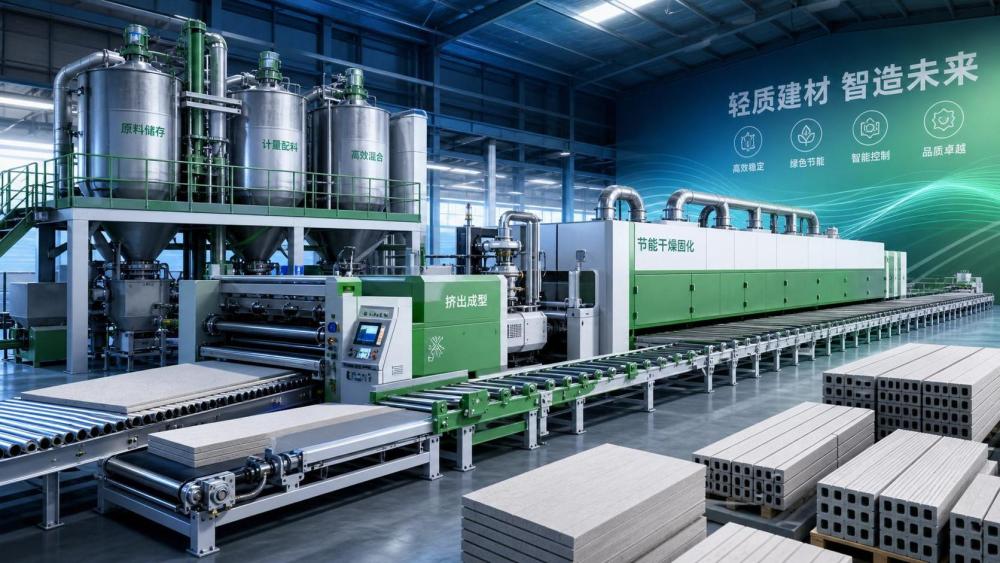
Lightweight products are no longer a narrow category. They now serve wall panels, blocks, insulation-related boards, partition systems, and other low-density building components shaped by extrusion or forming lines.
The challenge is that low density alone does not define a successful product. A line may reduce mass, yet still suffer from weak strength, unstable dimensions, excessive moisture, or high thermal consumption during curing and drying.
For that reason, lightweight building material machinery must be evaluated against process balance. Throughput, pore structure, raw mix consistency, pressure control, and downstream heat demand need to align with each other.
This broader view also reflects current industry pressure. Energy prices remain uncertain, environmental rules are tightening, and capital decisions are being judged over longer operating cycles instead of short installation milestones.
What lightweight building material machinery really includes
In practical terms, lightweight building material machinery is not one machine. It usually refers to a coordinated set of preparation, extrusion, shaping, conveying, curing, drying, and control equipment.
The exact configuration depends on product type. Some lines focus on lightweight blocks. Others produce boards, hollow profiles, composite panels, or specialty low-density components for thermal performance.
A useful starting point is to separate three layers of capability.
Material preparation and feed stability
Raw materials often include silicate-based powders, binders, additives, recycled fractions, and water. Feed variability directly affects bulk density, extrusion pressure, and green body strength.
If mixing is weak or dosing drifts, the line may still run, but density distribution will move outside tolerance. That usually appears later as waste, rework, or uneven energy demand.
Forming and extrusion performance
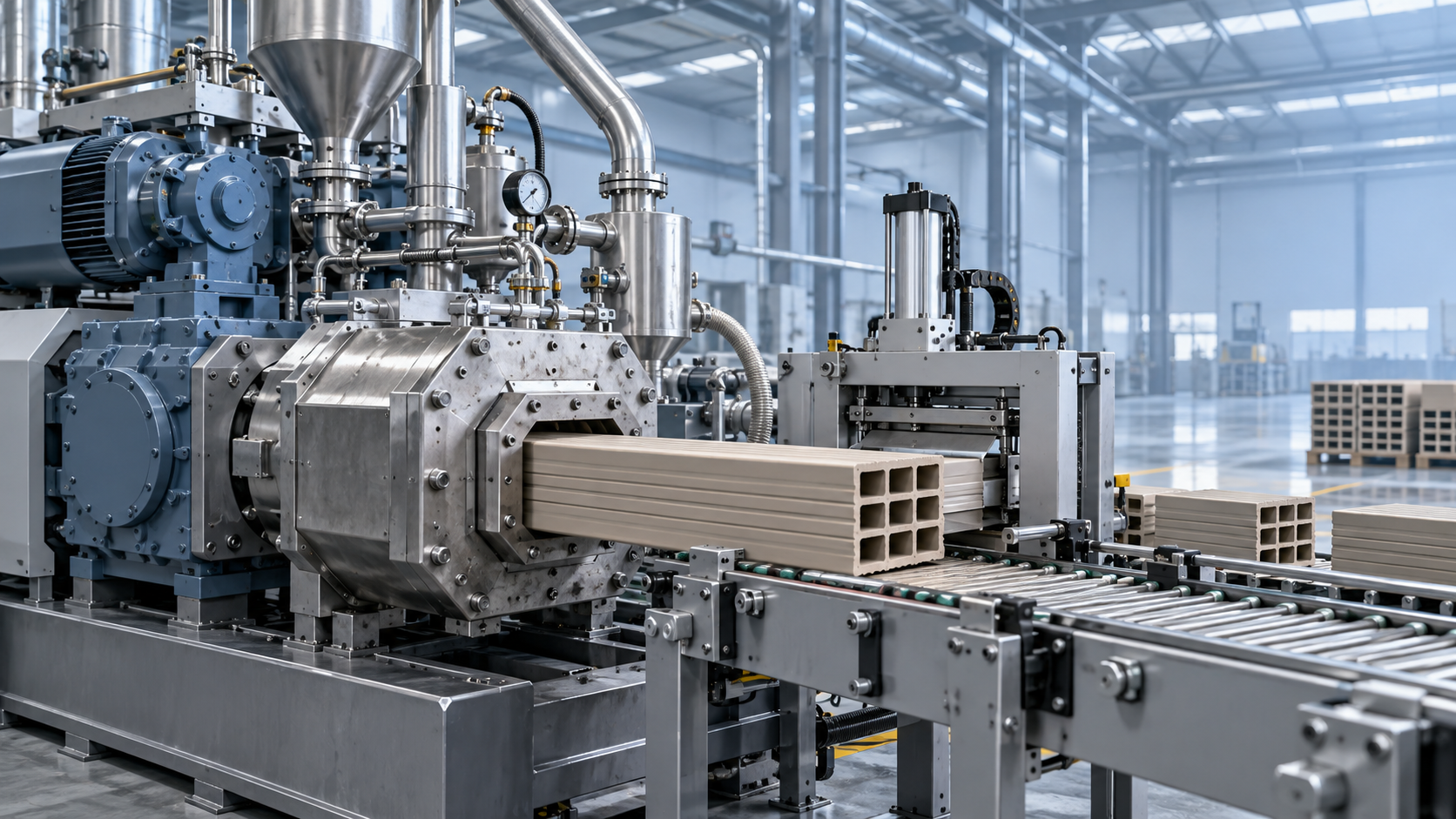
This stage determines how consistently the line turns prepared material into usable geometry. Screw design, pressure build-up, die structure, vacuum assistance, and speed control all shape final output quality.
For many products, density is set here as much as in the recipe. Machinery that looks similar on paper can create very different pore uniformity and shape retention.
Thermal processing and utility efficiency
Drying, curing, or heat treatment often becomes the hidden cost center. Poor moisture control upstream forces more aggressive downstream energy input, raising both fuel use and defect probability.
This is why CF-Elite’s cross-sector perspective is useful. Lessons from kilns, refractory systems, and industrial heat control often explain performance differences in new building material extrusion lines.
The three linked metrics: output, density, and energy use
Many evaluations fail because these metrics are reviewed independently. In reality, they influence each other every hour the line operates.
A higher-output line can still be less productive if density variation creates scrap. Likewise, low installed power does not mean low operating energy when drying times become longer or reject rates rise.
The more reliable comparison is qualified output per unit of energy, under a defined density range and moisture condition. That turns a sales claim into a process metric.
Where machinery differences usually appear in real operation
In actual use, major differences rarely appear in brochure-level descriptions. They show up in control range, wear behavior, maintenance frequency, and response to material fluctuation.
Extrusion pressure window
A narrow pressure window means the machine runs well only under ideal feed conditions. A wider stable window gives more tolerance when raw materials or ambient conditions shift.
Die and screw wear
Wear changes geometry, pressure, and material flow. That gradually affects density and energy use, even before obvious breakdown happens. Wear-resistant design deserves more attention than low initial cost.
Moisture and temperature feedback
Good lines track material condition in real time. When feed moisture or product temperature is visible, operators can correct earlier and avoid over-drying or unstable forming.
Integration with upstream and downstream systems
Lightweight building material machinery performs best when connected to the wider plant logic. Conveying pace, curing schedule, and waste return loops should support one another instead of causing local bottlenecks.
A practical evaluation framework
A useful comparison method starts with the product, not the machine. Define the acceptable density band, strength level, dimensional tolerance, moisture target, and hourly qualified output first.
Then review machinery options against the following points.
- How stable is output at normal operating speed rather than short test peaks?
- What density deviation appears within a shift, not only in a single sample?
- How much specific energy is consumed per qualified cubic meter or per finished unit?
- Which variables are monitored online, and which still depend on manual judgment?
- How easily can the line handle recipe changes, recycled input, or seasonal moisture shifts?
- What wear parts define maintenance intervals and long-term cost?
This method avoids a common trap: comparing lightweight building material machinery by installed capacity alone. Process resilience often matters more than nominal throughput.
Why thermal intelligence should be part of the decision
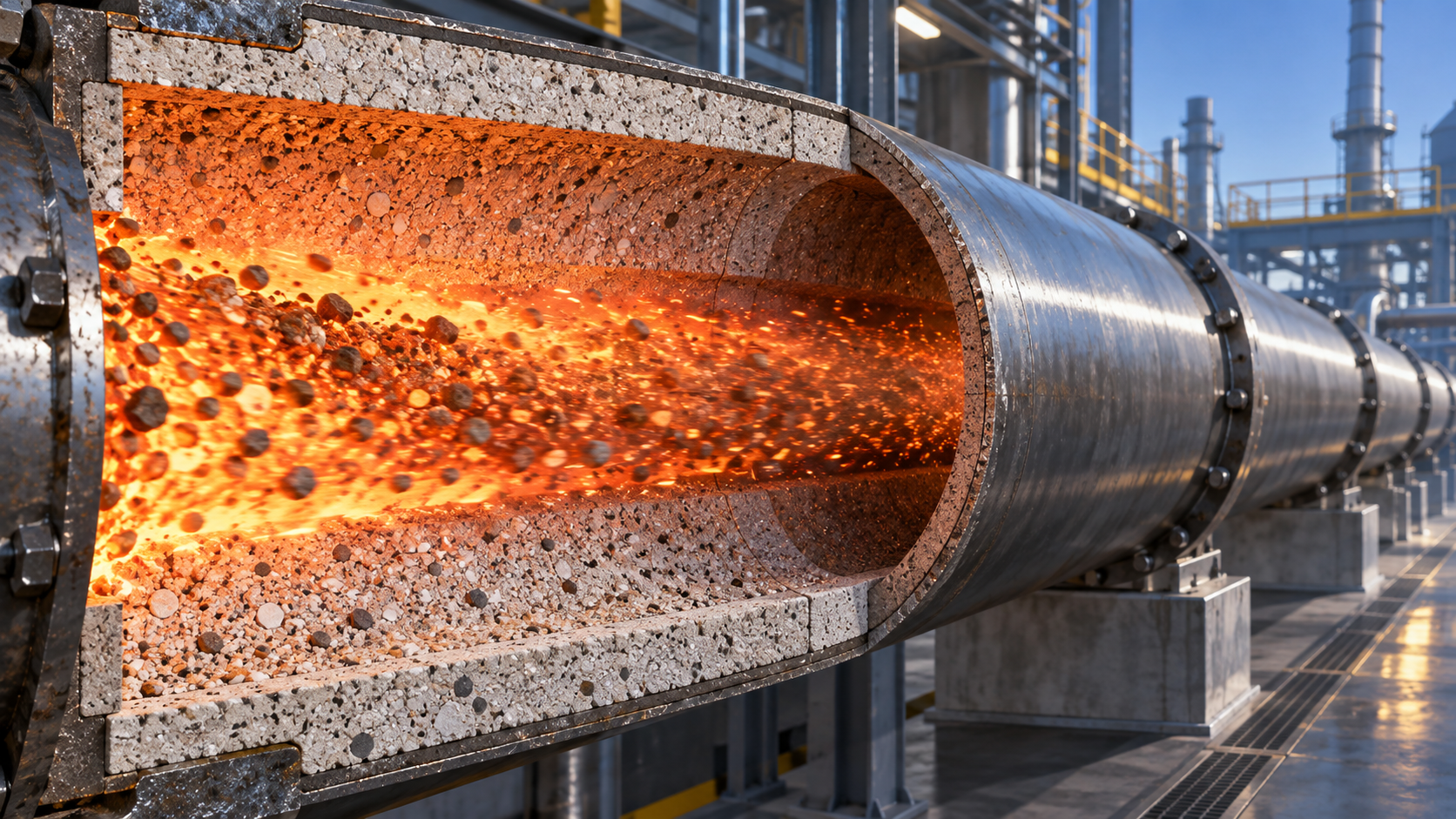
Lightweight materials are strongly affected by heat transfer. Drying gradients, curing profiles, and residual moisture shape product density, crack risk, and downstream handling efficiency.
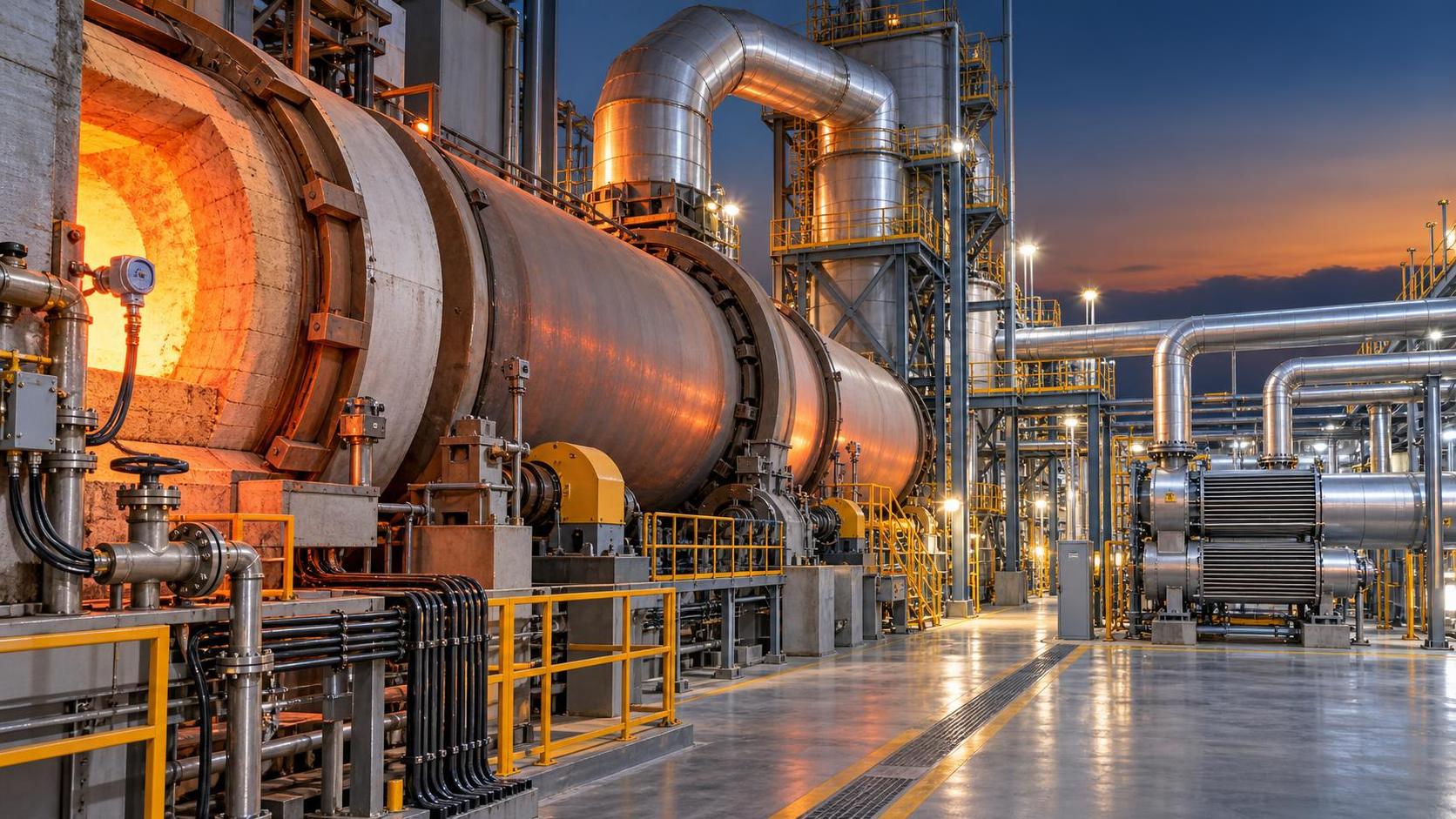
This is where broader industrial insight becomes relevant. CF-Elite’s focus on kilns, refractory systems, and thermal monitoring helps frame machinery selection beyond mechanical layout.
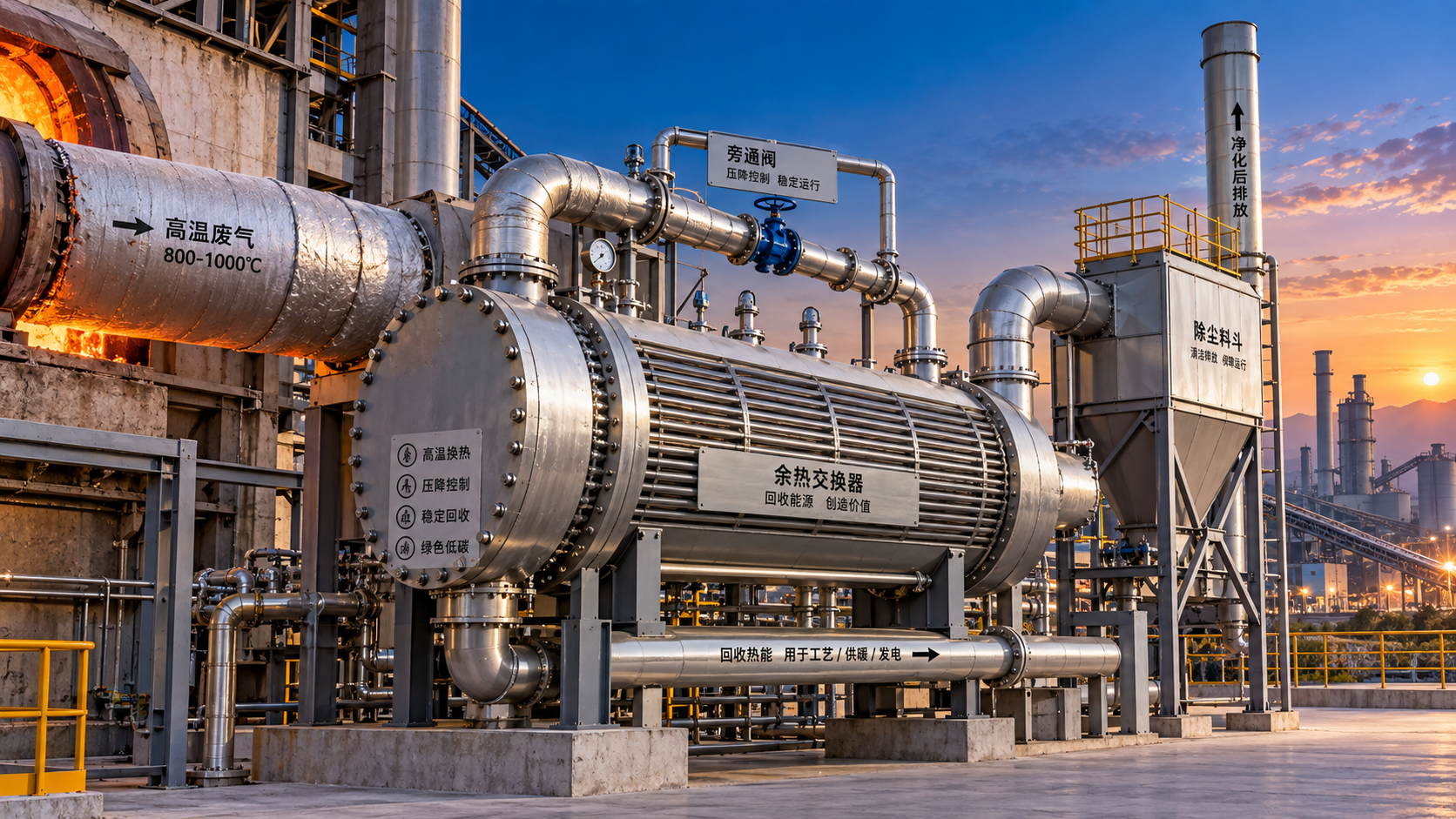
For example, better insulation around curing zones can improve energy performance without changing the main extruder. Heat recovery from nearby thermal processes may also reduce utility cost if plant design allows it.
In other words, lightweight building material machinery should be evaluated as part of a thermal ecosystem. That mindset often reveals savings hidden outside the main equipment package.
Typical scenarios and the right emphasis
Different business cases call for different priorities, even when the machinery category looks similar.
This is why the best lightweight building material machinery is rarely universal. It is the option whose process behavior fits the intended product mix and utility reality.
What to do before making a final comparison
Before shortlisting suppliers, build a simple decision sheet using one product family and one realistic operating condition. Keep the assumptions clear and measurable.
- Lock the target density range and acceptable deviation.
- Define qualified output over a full shift, not an isolated test hour.
- Count total energy demand, including drying, curing, and auxiliary systems.
- Review raw material sensitivity and planned recycled content.
- Ask for evidence on wear life, controls, and reference operating conditions.
That approach produces a more honest comparison and reduces the risk of selecting lightweight building material machinery that looks efficient but performs poorly under plant conditions.
The next step is not simply to rank machines. It is to connect product goals, thermal strategy, and line behavior into one evaluation model, then test each option against that model.
When output, density, and energy use are assessed together, the final decision becomes clearer, more defensible, and far more useful over the life of the line.
Related News
 Thermal Energy ArchitectWhat Does CE Marking Require for an Energy-Efficient Industrial Kiln?Energy efficient kiln CE requirements explained: assess safety, technical files, energy performance, and EU compliance before purchase or commissioning.Oct 04, 2026
 Thermal Energy ArchitectRefractory Manufacturing Solutions for Brick Plants: How to Extend Kiln LifeRefractory manufacturing solutions for brick plant operations: discover proven strategies to extend kiln life, reduce heat loss, prevent lining failures, and plan cost-effective repairs.Oct 03, 2026
 Thermal Energy ArchitectHow to Specify Heavy Industrial Process Systems for High-Temperature PlantsHeavy industrial processes systems: learn how to specify high-temperature plants for efficiency, emissions control, maintainability, and lifecycle performance.Oct 02, 2026
 Structural Material AnalystHow Sustainable Material Extrusion Can Improve Wall Panel Durability and Design FlexibilityDiscover how sustainable material extrusion for wall panels improves durability, moisture resistance, design flexibility, and installation consistency for high-performing wall systems.Oct 01, 2026
 Thermal Energy ArchitectHow to Evaluate a High-Temperature Materials Manufacturer for Furnace ApplicationsChoose a high-temperature materials manufacturer with confidence: compare thermal performance, chemical resistance, quality controls, installation support, and lifecycle cost.Sep 30, 2026
 Ms. Elena RodriguezHow to Structure Global Specification Data for Faster Industrial Product EvaluationGlobal specification-oriented product information helps industrial teams compare capacity, energy, emissions, automation, and lifecycle data on a like-for-like basis for faster, confident equipment decisions.Sep 29, 2026
 Thermal Energy ArchitectHow to Specify High-Temperature Process Systems for Continuous Thermal OperationsHigh-temperature process engineering systems: learn how to specify resilient continuous thermal operations for efficiency, compliance, reliable uptime, and long-term performance.Sep 28, 2026
 Thermal Energy ArchitectHow to Evaluate a Thermal Engineering Contractor for High-Temperature Plant ProjectsChoose a thermal engineering contractor with proven process expertise, lifecycle value, emissions control, and delivery discipline for reliable high-temperature plant performance.Sep 27, 2026
 Silicate Process EngineerHow Latin American Cement Plants Can Reduce Dust Emissions in Kilns and Transfer PointsCement plant dust control Latin America: reduce kiln and transfer-point emissions with practical airflow, filtration, monitoring, and maintenance strategies.Sep 26, 2026
 Material Heat-Resist ExpertHow to Evaluate Refractory Production Lines for Output, Quality, and Energy UseRefractory production lines: learn how to assess qualified output, consistent quality, and total energy use for smarter, lower-risk investment decisions.Sep 25, 2026
 Dr. Alistair VaughnHow Waste Recycling Technology Improves Material Recovery in Industrial PlantsWaste recycling technology improves material recovery through source segregation, smart separation, thermal treatment, and quality control for industrial plants.Sep 24, 2026
 Optical Glass Tech FellowHow to Specify Glass Annealing Equipment for European Quality and Energy RequirementsGlass annealing equipment Europe: learn how to specify lehrs for consistent glass quality, energy efficiency, compliance, automation, and reliable long-term performance.Sep 23, 2026
 Optical Glass Tech FellowSilicate Process Automation: Improving Batch Consistency and Energy ControlSilicate process automation improves batch consistency, energy control, traceability, and operator confidence across high-temperature manufacturing operations.Sep 22, 2026
 Optical Glass Tech FellowHow Silicate Industrial Processes Control Viscosity, Energy Use, and Product QualitySilicate industrial processes: learn how viscosity, chemistry, heat transfer, and atmosphere control reduce energy use, improve stability, and protect product quality.Sep 21, 2026
 Thermal Energy ArchitectHow European Plants Can Evaluate Energy Recovery Equipment for High-Temperature ProcessesIndustrial energy recovery equipment Europe: learn how high-temperature plants can assess waste-heat sources, integration risks, lifecycle value, and reliable recovery routes.Sep 20, 2026
 Thermal Energy ArchitectIndustrial Furnace Process Optimization: Reducing Fuel Use Without Sacrificing ThroughputIndustrial process optimization furnace strategies that cut fuel use while protecting throughput. Explore combustion control, heat recovery, refractory performance, and data-driven efficiency gains.Sep 19, 2026
 Ms. Elena RodriguezWhat Drives High-Pressure Extrusion Equipment Cost in Industrial Projects?High pressure extrusion equipment cost explained: compare pressure, die design, automation, wear, energy, and installation factors for smarter industrial investments.Sep 18, 2026
 Thermal Energy ArchitectHow to Size a Waste Heat Recovery Exchanger for High-Temperature Kiln Exhaust?Waste heat recovery exchanger sizing for high-temperature kiln exhaust: balance recoverable duty, fouling, corrosion limits, pressure drop, and reliable heat use.Sep 17, 2026
 Thermal Energy ArchitectWhy Heat-Resistant Materials Lose Abrasion Resistance at High TemperaturesHeat-resistant materials abrasion resistance can decline at high temperatures. Discover the thermal, chemical, and mechanical causes of wear—and how to choose longer-lasting linings.Sep 16, 2026
 Thermal Energy ArchitectHow to Evaluate a Thermal Energy Optimization Company for High-Temperature PlantsChoose a thermal energy optimization company with proven process expertise, measurable savings, and reliable delivery for high-temperature plants. Learn what to assess.Sep 15, 2026

Related News
- 00
0000-00
How Sustainable Material Extrusion Can Improve Wall Panel Durability and Design Flexibility - 00
0000-00
How to Evaluate Lightweight Material Machinery for Output, Energy Use, and Product Quality - 00
0000-00
What Thermal Barrier Technology Works Best for Lightweight Industrial Panels? - 00
0000-00
Advanced Ceramic Processing for Honeycomb: Which Methods Improve Strength and Thermal Shock Resistance? - 00
0000-00
Building Material Extrusion Equipment Supplier Selection: 7 Parameters That Affect Line Performance
Weekly Insights
Stay ahead with our curated technology reports delivered every Monday.