
How to Evaluate an OEM Equipment Solutions Supplier for Custom Industrial Projects




How to Evaluate an OEM Equipment Solutions Supplier for Custom Industrial Projects
Selecting the right OEM equipment solutions supplier can shape project uptime, cost control, and long-term expansion options.
In heavy industrial projects, the decision rarely comes down to unit price alone.
It depends on engineering fit, process reliability, compliance readiness, and post-installation support.
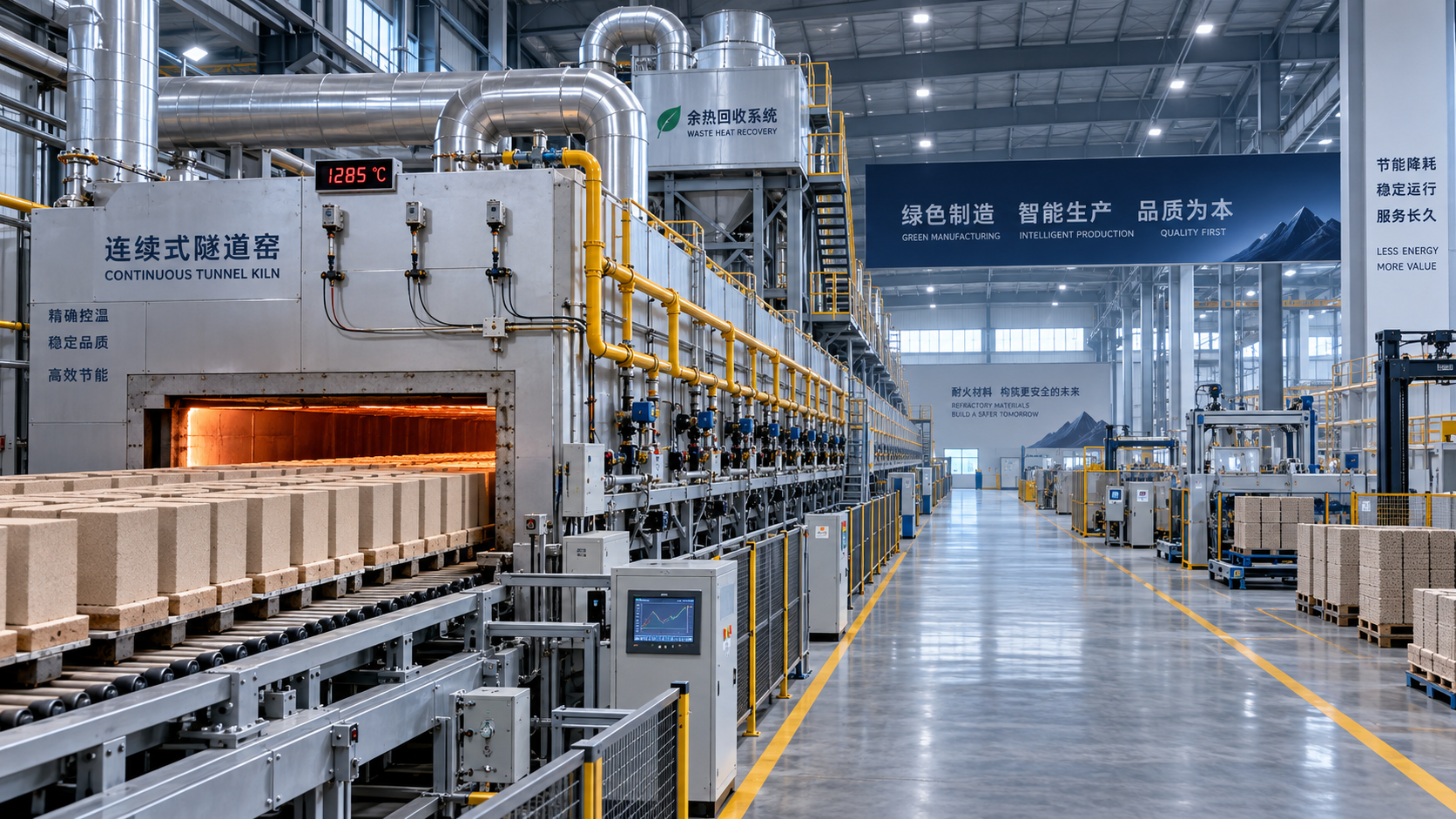
That is especially true in sectors tied to kilns, glass lines, refractory systems, incineration, and material extrusion.
A strong OEM equipment solutions supplier should understand both machine performance and production chemistry.
This is where intelligence-led evaluation becomes useful.
CF-Elite tracks equipment capability across foundation materials and thermal management industries.
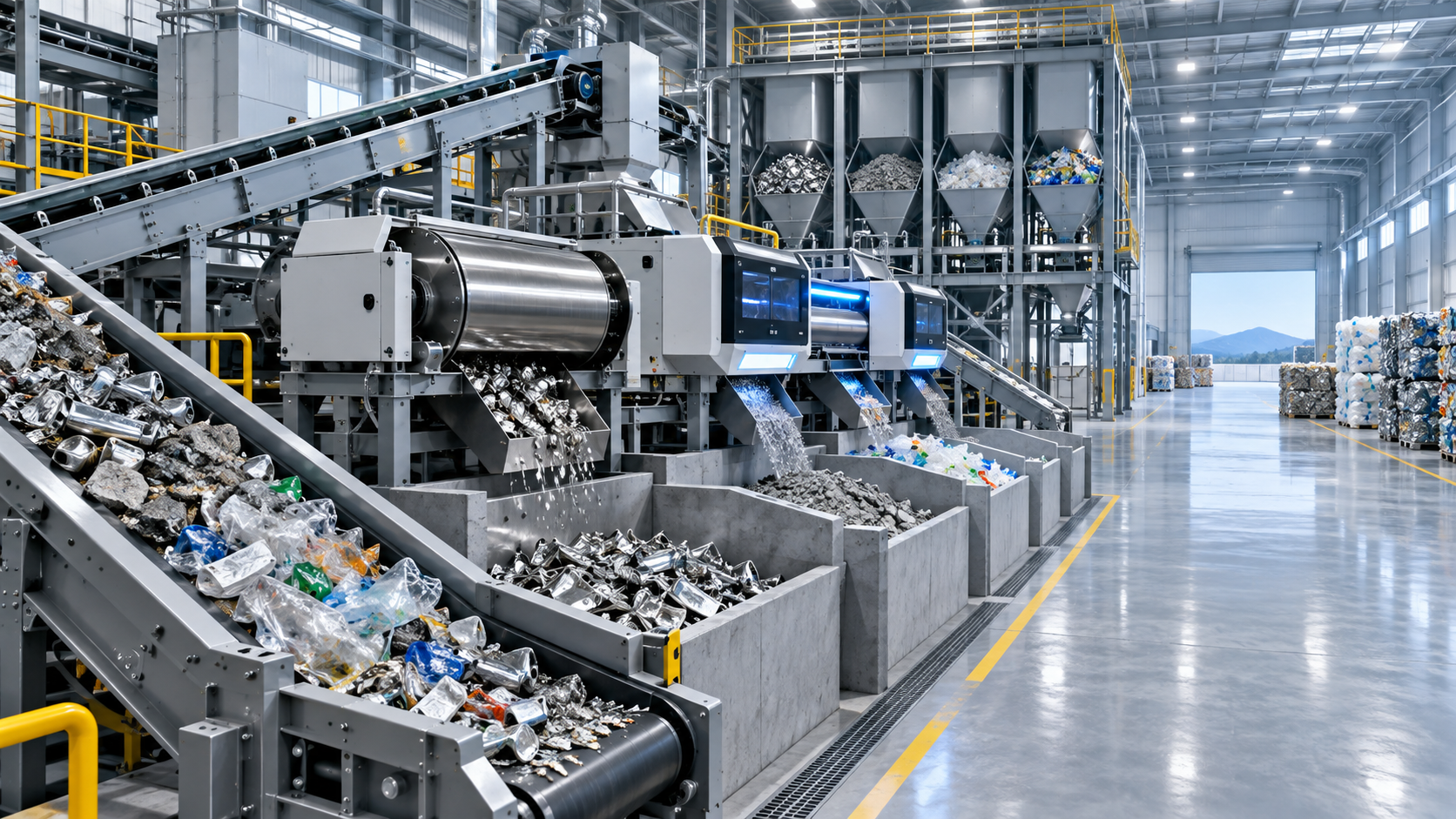
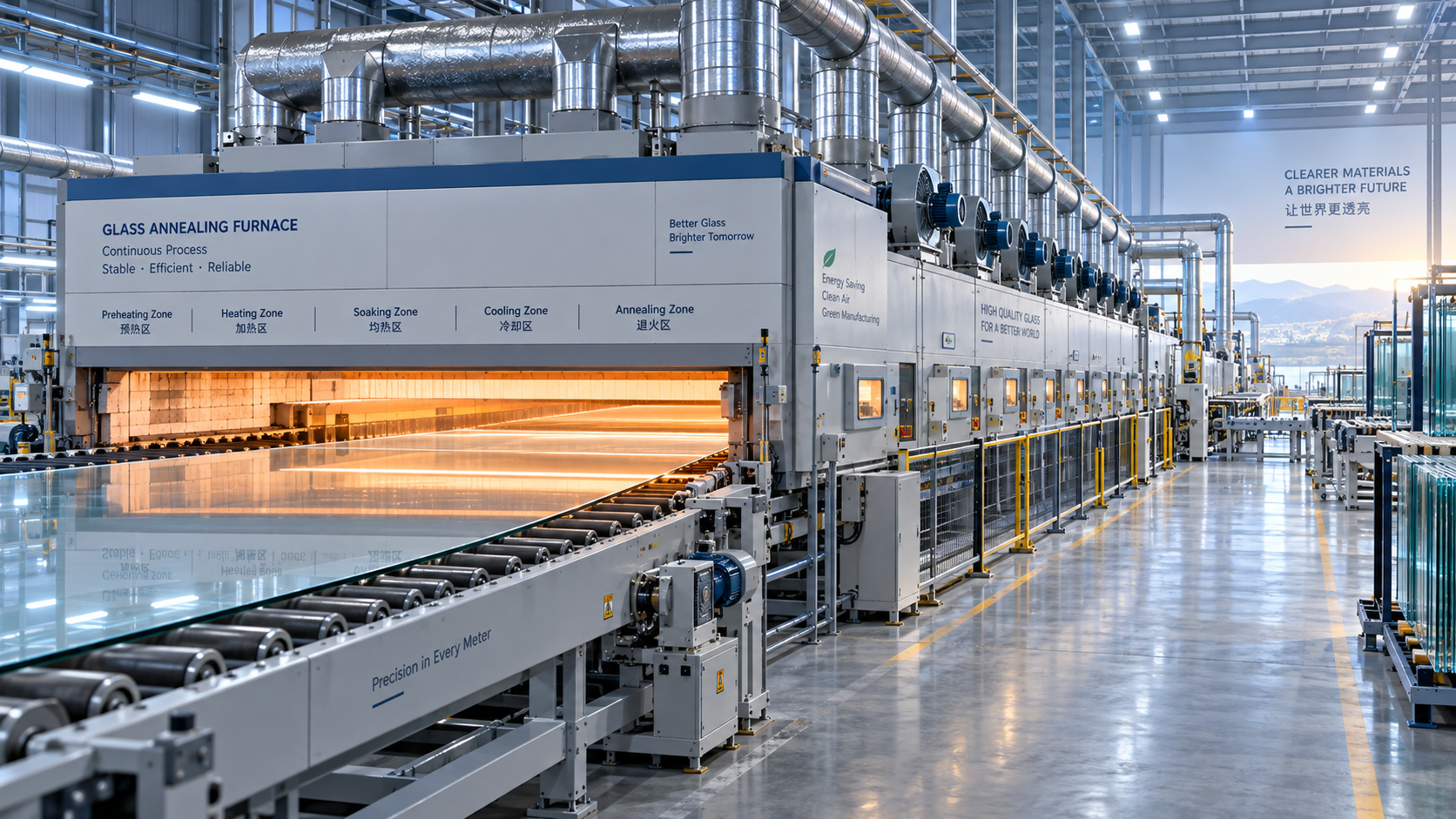
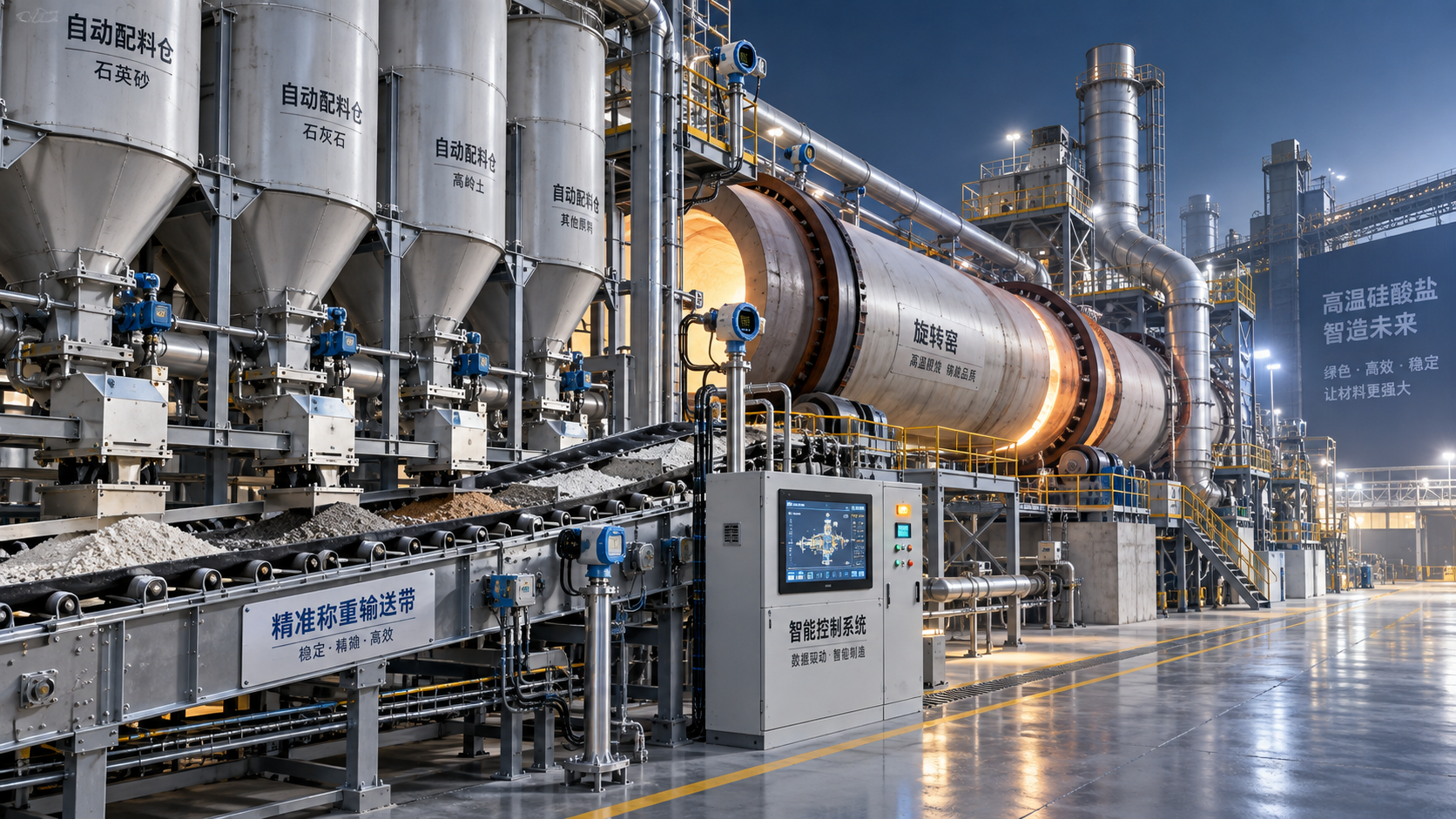
Its reporting covers cement plants, glass manufacturing gear, industrial kilns, refractory production lines, and green material extrusion systems.
That broader view helps buyers compare suppliers beyond brochures and sales claims.
Start with Process Fit, Not Catalog Fit
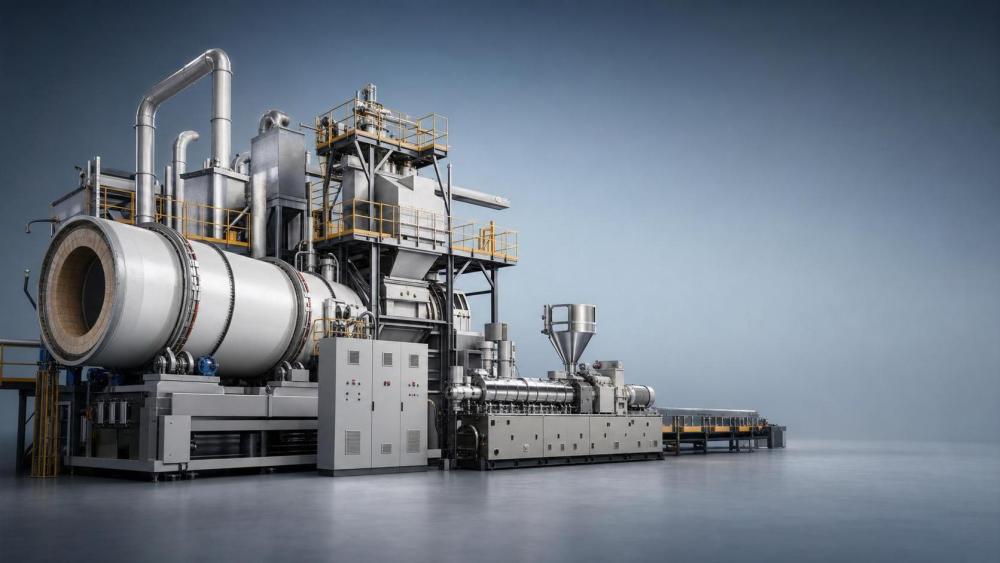
The first test for any OEM equipment solutions supplier is process compatibility.
Custom industrial projects usually involve unique feedstock behavior, thermal loads, environmental limits, and layout constraints.
A supplier may build excellent machines in general, yet still be wrong for your production route.
In practice, this means asking how the supplier handles temperature ranges, residence time, pressure variation, dust load, and material wear.
For rotary equipment or thermal lines, small mismatches can lead to major energy losses later.
A credible OEM equipment solutions supplier should request real process data early.
- Feed composition and particle distribution
- Required throughput and target yield
- Operating temperature and thermal cycle profile
- Utility conditions, including gas, power, and cooling
- Emission thresholds and local permitting conditions
If those questions never appear, the supplier is likely selling a standard package with light customization.
That may work for simple lines, but it is risky for capital-intensive projects.
Check Engineering Depth Behind the Proposal
A polished quotation does not prove technical capability.
What matters is the engineering depth behind the solution.
The best OEM equipment solutions supplier can explain why each design choice supports output, durability, and maintenance access.
That explanation should include materials selection, heat balance logic, wear protection, control architecture, and failure mode assumptions.
This is especially important in high-temperature systems.
Suppliers serving refractory, incineration, and glass production projects need more than fabrication strength.
They need sound thermal judgment.
- Ask for process flow diagrams and control narratives.
- Request references for similar capacity, fuel type, and material conditions.
- Review how the supplier manages thermal expansion, abrasion, and corrosion.
- Verify whether simulations, pilot tests, or digital twin models were used.
Recent market changes make this more important.
Energy prices, decarbonization targets, and tighter emissions rules are forcing equipment to perform under narrower operating windows.
That means shallow engineering is becoming more expensive than it used to be.
Evaluate Lifecycle Cost, Not Just Purchase Cost
Cost-focused procurement often looks first at the quoted equipment price.
That is understandable, but incomplete.
The more useful question is whether the OEM equipment solutions supplier lowers total lifecycle cost.
For custom industrial projects, lifecycle cost includes energy use, refractory consumption, spare parts, labor demand, cleaning time, and downtime risk.
A cheaper design can become the most expensive option after two operating seasons.
This cost view is where an experienced OEM equipment solutions supplier separates itself.
The supplier should be willing to model operating cost assumptions, not simply defend its selling price.
Review Compliance, Documentation, and Risk Control
Compliance is often treated as paperwork until a project hits delay.
A dependable OEM equipment solutions supplier should already understand the documentation burden tied to export markets and local installation rules.
That includes mechanical drawings, electrical schematics, material certifications, safety files, commissioning records, and emissions-related data.
For projects linked to waste heat recovery, incineration, or regulated material streams, the standard is even higher.
A missing file can delay customs clearance, permits, or final acceptance.
More importantly, weak documentation usually signals weak project discipline.
- Confirm applicable standards, codes, and regional certifications.
- Ask for sample document packages from previous projects.
- Check whether hazard analysis and interlock logic are clearly defined.
- Review warranty exclusions, performance guarantees, and acceptance criteria.
In actual procurement work, these details often reveal risk faster than a site presentation does.
Measure Service Capability After Delivery
A project does not end when equipment ships.
This is where many supplier evaluations fall short.
A reliable OEM equipment solutions supplier must support installation, commissioning, operator training, troubleshooting, and parts planning.
That support should be measured, not assumed.
Ask who will handle start-up, how quickly service engineers respond, and whether remote diagnostics are available.
For thermal systems, fast support matters because poor tuning can damage lining, burners, and downstream product quality.
More obvious now is the shift toward data-enabled service.
Suppliers with monitoring tools, performance dashboards, and predictive maintenance logic can reduce failure risk significantly.
CF-Elite has highlighted this trend across glass production, refractory monitoring, and kiln co-processing systems.
It reflects a larger change in industrial buying.
The stronger OEM equipment solutions supplier is no longer just a builder.
It is also a long-cycle operating partner.
Use a Practical Shortlist Framework
When comparing several vendors, a simple scoring model helps keep decisions grounded.
The model should balance technical fit, commercial strength, and delivery confidence.
- Score process compatibility against your actual operating conditions.
- Score engineering depth using documents, references, and test evidence.
- Score lifecycle cost using energy, wear, and maintenance assumptions.
- Score compliance readiness using sample files and standards knowledge.
- Score after-sales support using response time and service coverage.
This keeps the OEM equipment solutions supplier comparison tied to business outcomes.
It also reduces the bias created by aggressive pricing or polished presentations.
A capable supplier should welcome this level of scrutiny.
The reason is simple.
Strong suppliers usually perform better when evaluation criteria reflect real operating risk.
Final Decision Signals to Watch
Before awarding the contract, step back and look for decision signals.
Does the OEM equipment solutions supplier challenge weak assumptions in your brief?
Can it connect equipment design to throughput, emissions, energy use, and maintenance planning?
Does it understand where your process may change in three years, not just at handover?
Those are better signals than price alone.
For custom industrial projects, the right OEM equipment solutions supplier is one that protects performance over the full project life.
That means combining engineering credibility, compliance discipline, service strength, and realistic cost modeling.
In sectors shaped by high heat, hard wear, and carbon pressure, that combination matters even more.
Use intelligence, verify assumptions, and compare suppliers on operating reality.
That approach gives custom projects a stronger chance of meeting cost, reliability, and future expansion goals.
Related News
 Thermal Energy ArchitectWhat Does CE Marking Require for an Energy-Efficient Industrial Kiln?Energy efficient kiln CE requirements explained: assess safety, technical files, energy performance, and EU compliance before purchase or commissioning.Oct 04, 2026
 Thermal Energy ArchitectRefractory Manufacturing Solutions for Brick Plants: How to Extend Kiln LifeRefractory manufacturing solutions for brick plant operations: discover proven strategies to extend kiln life, reduce heat loss, prevent lining failures, and plan cost-effective repairs.Oct 03, 2026
 Thermal Energy ArchitectHow to Specify Heavy Industrial Process Systems for High-Temperature PlantsHeavy industrial processes systems: learn how to specify high-temperature plants for efficiency, emissions control, maintainability, and lifecycle performance.Oct 02, 2026
 Structural Material AnalystHow Sustainable Material Extrusion Can Improve Wall Panel Durability and Design FlexibilityDiscover how sustainable material extrusion for wall panels improves durability, moisture resistance, design flexibility, and installation consistency for high-performing wall systems.Oct 01, 2026
 Thermal Energy ArchitectHow to Evaluate a High-Temperature Materials Manufacturer for Furnace ApplicationsChoose a high-temperature materials manufacturer with confidence: compare thermal performance, chemical resistance, quality controls, installation support, and lifecycle cost.Sep 30, 2026
 Ms. Elena RodriguezHow to Structure Global Specification Data for Faster Industrial Product EvaluationGlobal specification-oriented product information helps industrial teams compare capacity, energy, emissions, automation, and lifecycle data on a like-for-like basis for faster, confident equipment decisions.Sep 29, 2026
 Thermal Energy ArchitectHow to Specify High-Temperature Process Systems for Continuous Thermal OperationsHigh-temperature process engineering systems: learn how to specify resilient continuous thermal operations for efficiency, compliance, reliable uptime, and long-term performance.Sep 28, 2026
 Thermal Energy ArchitectHow to Evaluate a Thermal Engineering Contractor for High-Temperature Plant ProjectsChoose a thermal engineering contractor with proven process expertise, lifecycle value, emissions control, and delivery discipline for reliable high-temperature plant performance.Sep 27, 2026
 Silicate Process EngineerHow Latin American Cement Plants Can Reduce Dust Emissions in Kilns and Transfer PointsCement plant dust control Latin America: reduce kiln and transfer-point emissions with practical airflow, filtration, monitoring, and maintenance strategies.Sep 26, 2026
 Material Heat-Resist ExpertHow to Evaluate Refractory Production Lines for Output, Quality, and Energy UseRefractory production lines: learn how to assess qualified output, consistent quality, and total energy use for smarter, lower-risk investment decisions.Sep 25, 2026
 Dr. Alistair VaughnHow Waste Recycling Technology Improves Material Recovery in Industrial PlantsWaste recycling technology improves material recovery through source segregation, smart separation, thermal treatment, and quality control for industrial plants.Sep 24, 2026
 Optical Glass Tech FellowHow to Specify Glass Annealing Equipment for European Quality and Energy RequirementsGlass annealing equipment Europe: learn how to specify lehrs for consistent glass quality, energy efficiency, compliance, automation, and reliable long-term performance.Sep 23, 2026
 Optical Glass Tech FellowSilicate Process Automation: Improving Batch Consistency and Energy ControlSilicate process automation improves batch consistency, energy control, traceability, and operator confidence across high-temperature manufacturing operations.Sep 22, 2026
 Optical Glass Tech FellowHow Silicate Industrial Processes Control Viscosity, Energy Use, and Product QualitySilicate industrial processes: learn how viscosity, chemistry, heat transfer, and atmosphere control reduce energy use, improve stability, and protect product quality.Sep 21, 2026
 Thermal Energy ArchitectHow European Plants Can Evaluate Energy Recovery Equipment for High-Temperature ProcessesIndustrial energy recovery equipment Europe: learn how high-temperature plants can assess waste-heat sources, integration risks, lifecycle value, and reliable recovery routes.Sep 20, 2026
 Thermal Energy ArchitectIndustrial Furnace Process Optimization: Reducing Fuel Use Without Sacrificing ThroughputIndustrial process optimization furnace strategies that cut fuel use while protecting throughput. Explore combustion control, heat recovery, refractory performance, and data-driven efficiency gains.Sep 19, 2026
 Ms. Elena RodriguezWhat Drives High-Pressure Extrusion Equipment Cost in Industrial Projects?High pressure extrusion equipment cost explained: compare pressure, die design, automation, wear, energy, and installation factors for smarter industrial investments.Sep 18, 2026
 Thermal Energy ArchitectHow to Size a Waste Heat Recovery Exchanger for High-Temperature Kiln Exhaust?Waste heat recovery exchanger sizing for high-temperature kiln exhaust: balance recoverable duty, fouling, corrosion limits, pressure drop, and reliable heat use.Sep 17, 2026
 Thermal Energy ArchitectWhy Heat-Resistant Materials Lose Abrasion Resistance at High TemperaturesHeat-resistant materials abrasion resistance can decline at high temperatures. Discover the thermal, chemical, and mechanical causes of wear—and how to choose longer-lasting linings.Sep 16, 2026
 Thermal Energy ArchitectHow to Evaluate a Thermal Energy Optimization Company for High-Temperature PlantsChoose a thermal energy optimization company with proven process expertise, measurable savings, and reliable delivery for high-temperature plants. Learn what to assess.Sep 15, 2026


Related News
- 00
0000-00
How to Structure Global Specification Data for Faster Industrial Product Evaluation - 00
0000-00
What Drives High-Pressure Extrusion Equipment Cost in Industrial Projects? - 00
0000-00
How Should Buyers Evaluate Building Material Industry Intelligence Pricing? - 00
0000-00
How to Use Building Material Intelligence Data for Market and Investment Decisions - 00
0000-00
How to Evaluate a Silicate Processing Equipment Manufacturer for Plant Projects
Weekly Insights
Stay ahead with our curated technology reports delivered every Monday.